You’ve probably heard the jokes, seen the cartoons, maybe even cringed at the offhand comments. The image is vivid and instantly recognizable: a disheveled, lonely woman surrounded by countless cats, cut off from society, perhaps a bit unhinged. It’s a trope embedded so deeply in popular culture that it feels almost harmless. Yet beneath the mockery lies something far more insidious than a simple caricature.
This stereotype carries centuries of baggage, rooted in misogyny, outdated gender norms, and a fundamental misunderstanding of both cats and the people who love them. From medieval witch hunts to modern political rhetoric, the dismissive label has been weaponized to shame women for their choices. Meanwhile, science tells an entirely different story about cat ownership, mental health, and the profound bonds humans form with their feline companions. It’s time we examined why this harmful trope persists and what the truth really looks like.
The Dark Historical Roots of a Gendered Insult
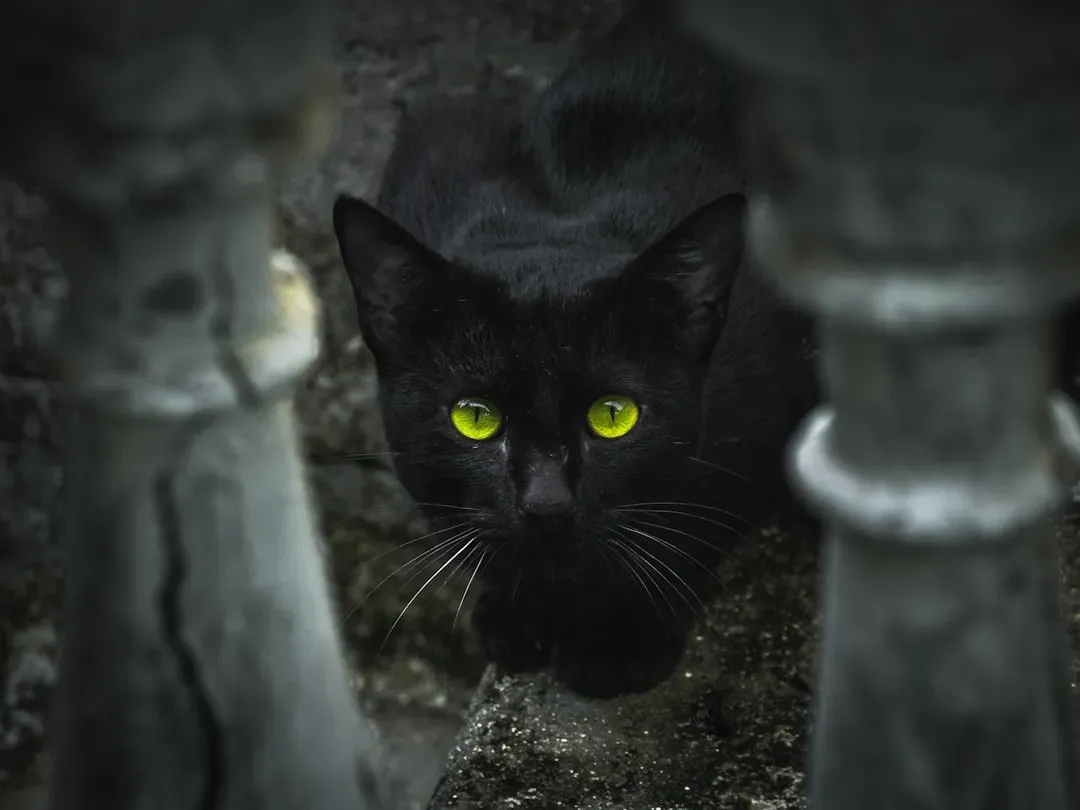
The stereotype originated in medieval Europe, when women’s behavior that deviated from social norms was labeled witchcraft. During the witch trials, cats became symbols of evil and devilry, particularly black cats. Women who owned cats were viewed suspiciously, as people scrutinized behavior they deemed excessive or strange.
Cats have historically been aligned with femininity and women’s independence, and women who were unmarried, widowed, or lived alone with animals faced persecution for witchcraft. The association wasn’t coincidental. Cats represented qualities society feared in women: autonomy, mystery, and refusal to conform. This centuries-old prejudice created a foundation that modern stereotypes still build upon, linking female independence with social deviance.
Victorian Era and the Rise of the Spinster Narrative
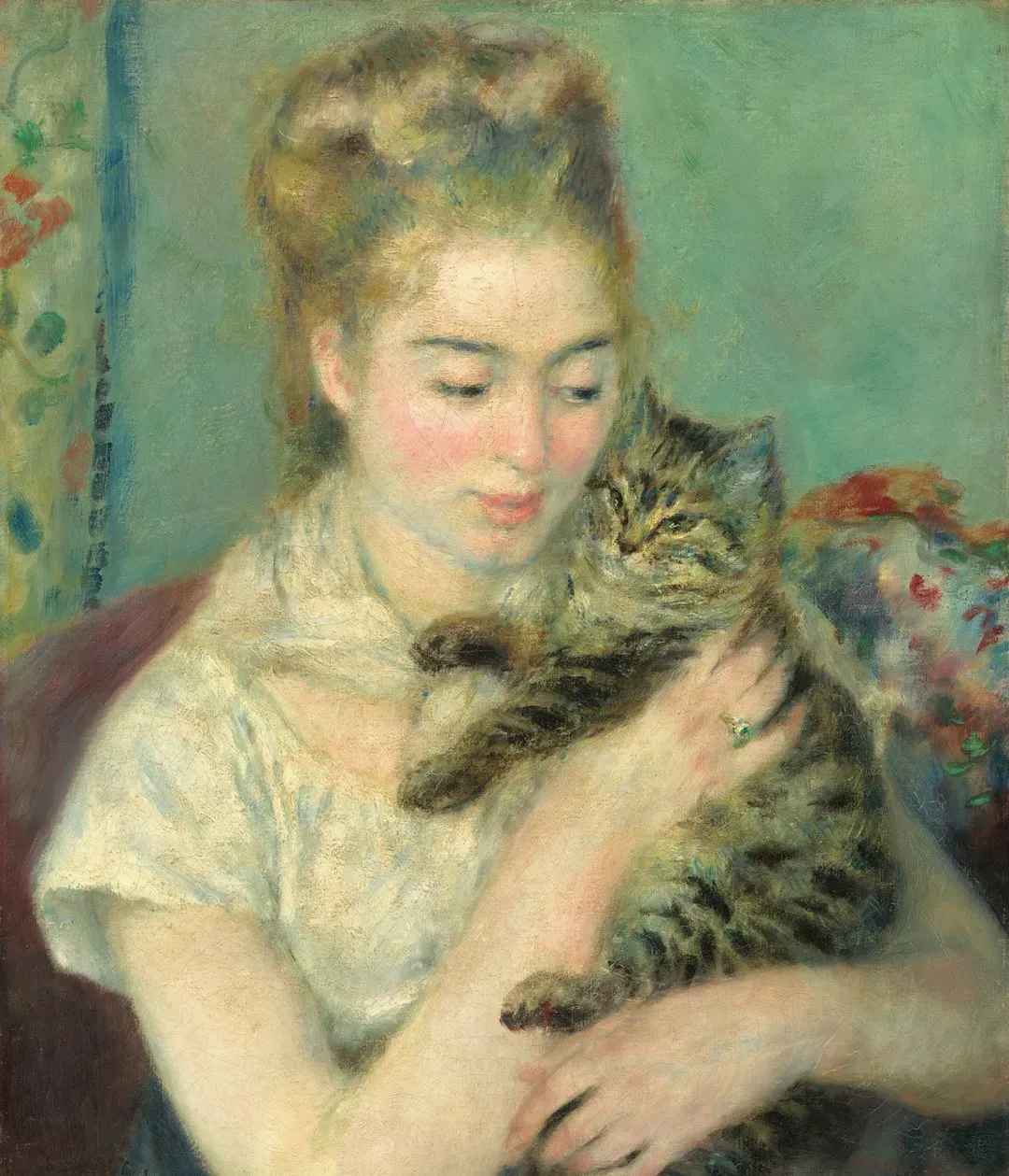
When Queen Victoria adopted Persian cats and boosted their popularity, the “crazy cat lady” evolved with the rise of the spinster concept, where unmarried women with cats were seen as marked by perpetual singledom. Suddenly, feline companionship became evidence of romantic failure rather than personal choice.
One publication from that era lamented that unmarried women settled for cats after failing at marriage and children, lavishing affection from their “withered hearts” on animals. The cruelty is breathtaking. This wasn’t just about cats – it was about punishing women who didn’t follow prescribed life paths. The narrative framed autonomy as tragedy and companionship with animals as consolation prizes for inadequacy.
The Gender Double Standard Nobody Talks About
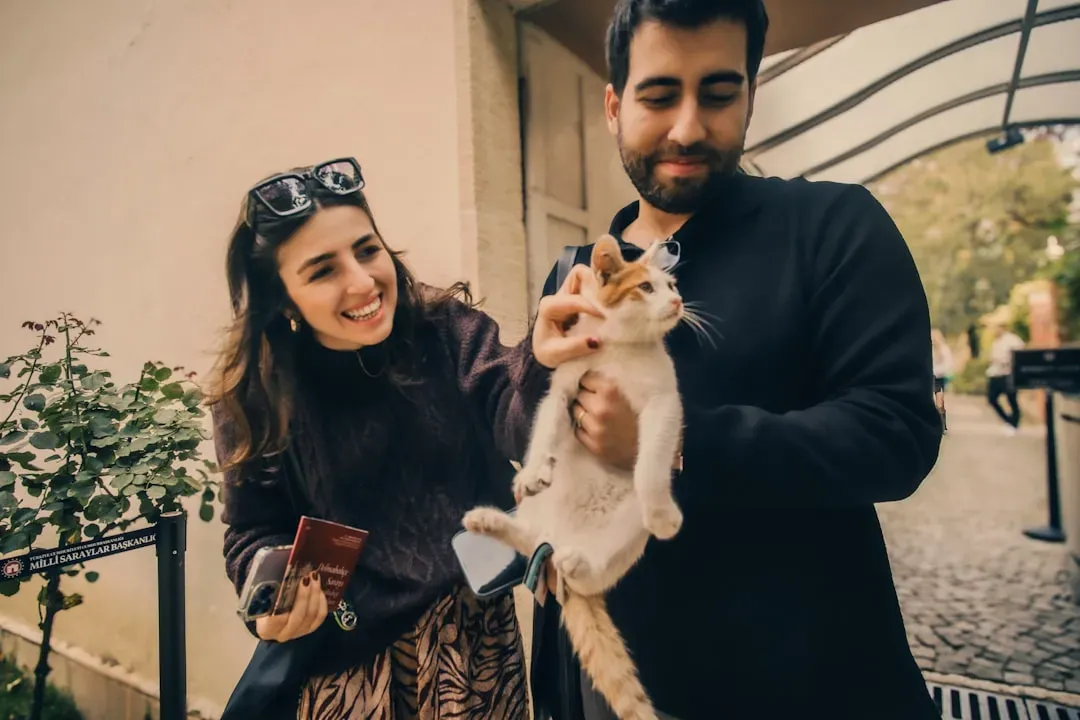
Here’s where things get interesting. Men who own cats aren’t subject to the same gendered stereotypes, and when men have multiple pets, assumptions about loneliness or social disconnection simply aren’t made. There’s no “crazy cat man” trope haunting popular culture with anywhere near the same intensity.
Owning a dog is considered masculine while owning a cat is feminine, and it’s somehow “cool” to own a dog but not really cool to own a cat. This reveals how our cultural biases about gender seep into even the most mundane aspects of life. It’s symbolism and cultural reference that made the crazy cat lady trope stick – crazy cat men are rarely referenced. The disparity exposes the stereotype for what it truly is: a mechanism to police women’s behavior and choices.
Science Demolishes the Mental Health Myth
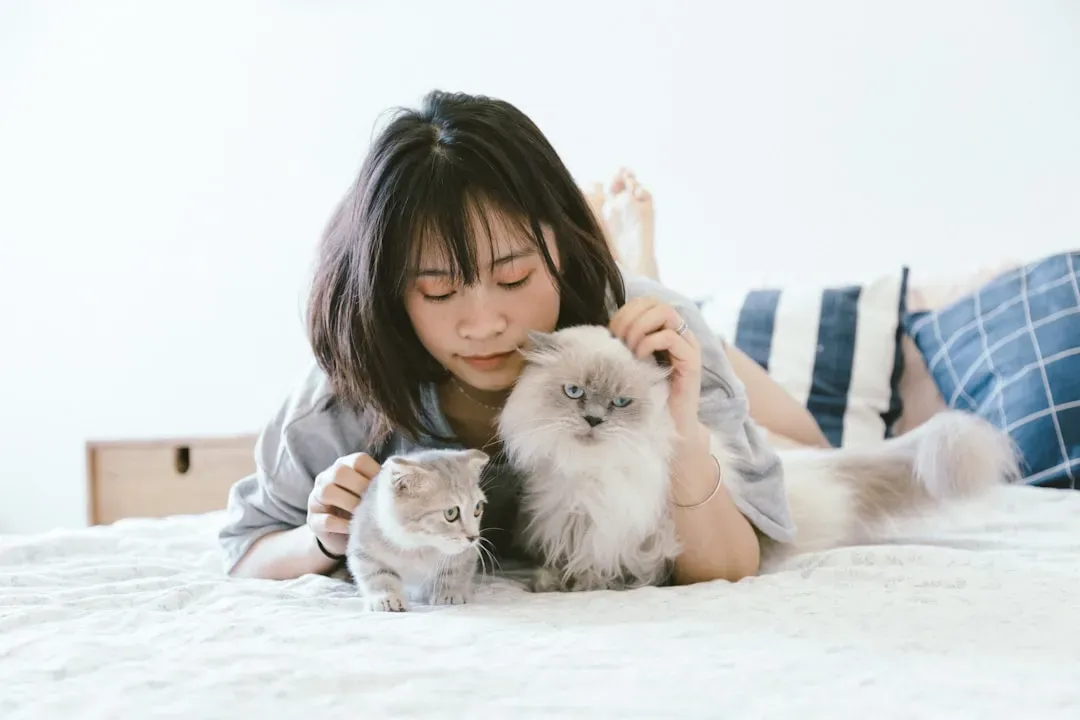
Let’s be real – if this stereotype had any scientific basis, you’d think researchers would have found evidence by now. They haven’t. Studies found no evidence to support the cat lady stereotype, with cat owners not differing from others on depression, anxiety, or relationship experiences.
University College London researchers debunked earlier theories, and one study even suggested cat owners have better psychological health compared to non-pet owners. In fact, A strong majority of pet owners reported their pets have a mostly positive impact on mental health, with cat owners and dog owners equally likely to say so. The supposed link between cats and craziness? Pure fiction sustained by cultural prejudice rather than empirical reality.
The Toxoplasma Gondii Panic Doesn’t Hold Water
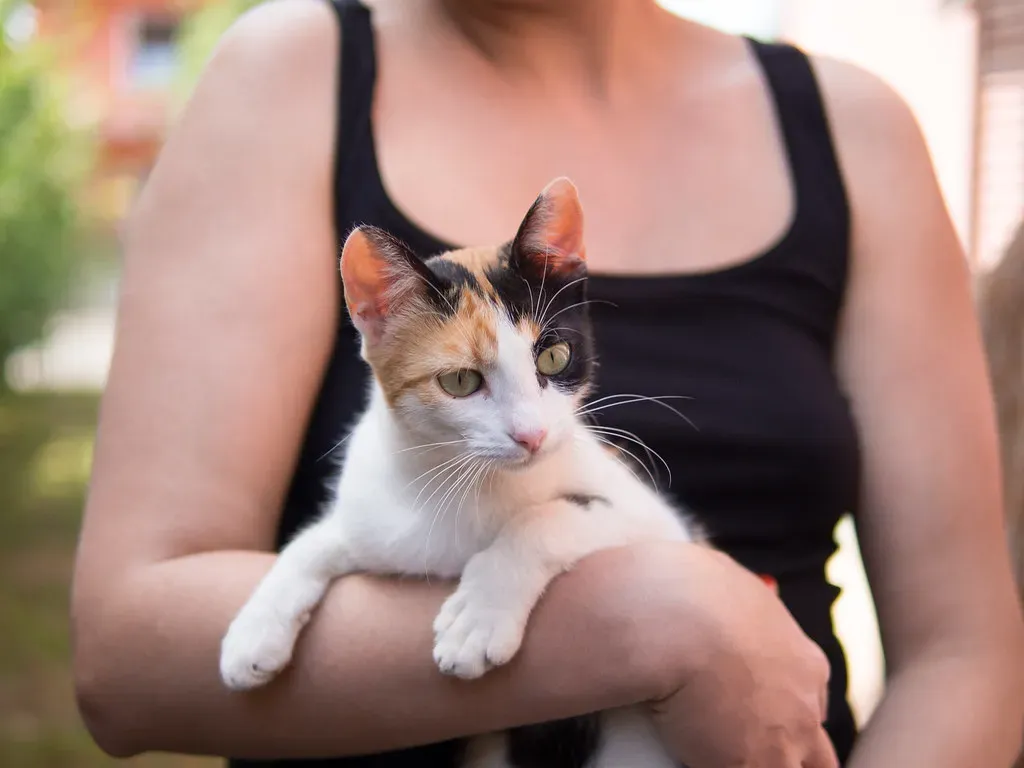
You might have heard whispers about a parasite that supposedly turns cat owners into irrational beings. The term “crazy cat-lady syndrome” was coined by news organizations to describe findings linking Toxoplasma gondii to mental disorders. Sounds terrifying, right? Except the science tells a more nuanced story.
While infected rodents become attracted to cat odors, there’s no evidence this specific behavior change occurs in humans. Moreover, Studies found people who own cats or work as cat sitters are not more likely to be infected with toxoplasma – the main infection source for humans is eating or handling undercooked meat. Research concludes that if the parasite influences human behavior, the effect is likely subtle, and science remains hesitant to blame it for the “crazy cat lady” phenomenon. The parasite panic? Another convenient excuse to pathologize women’s choices.
The Real Benefits Science Has Actually Discovered
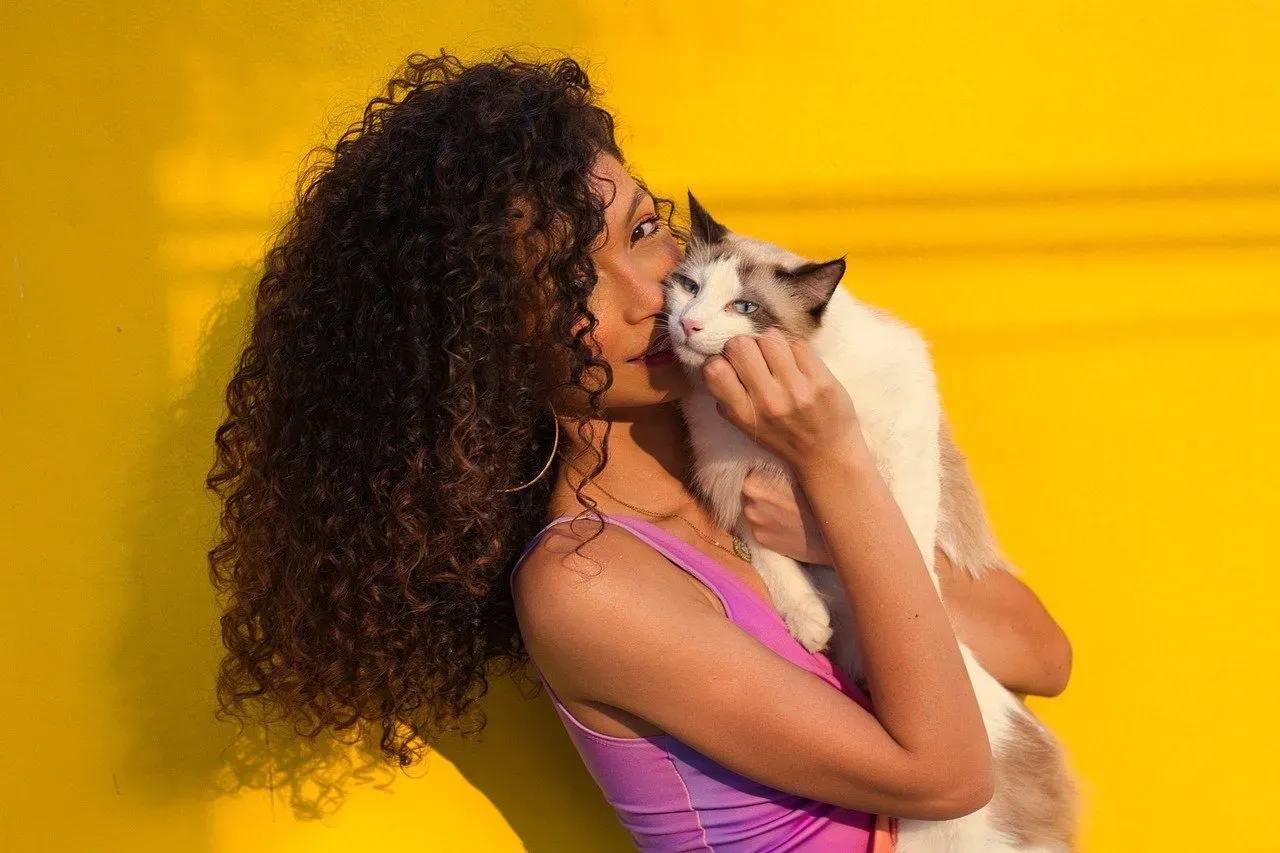
Cats have a calming, stress-reducing impact on health, with cat owners up to 30% less likely to experience heart disease, and simply watching cat videos can significantly elevate mood. That’s not conjecture – that’s measurable physiological benefit.
Australian research found cat owners claim to feel more happy, confident, and less nervous, and they sleep better and face problems more effectively. Cat owners were more likely than dog owners to say their pets offer companionship, provide a calming presence, and help reduce stress and anxiety. The evidence paints a picture dramatically opposite to the stereotype: cat ownership correlates with improved wellbeing, not deterioration.
Why This Stereotype Is Really About Control
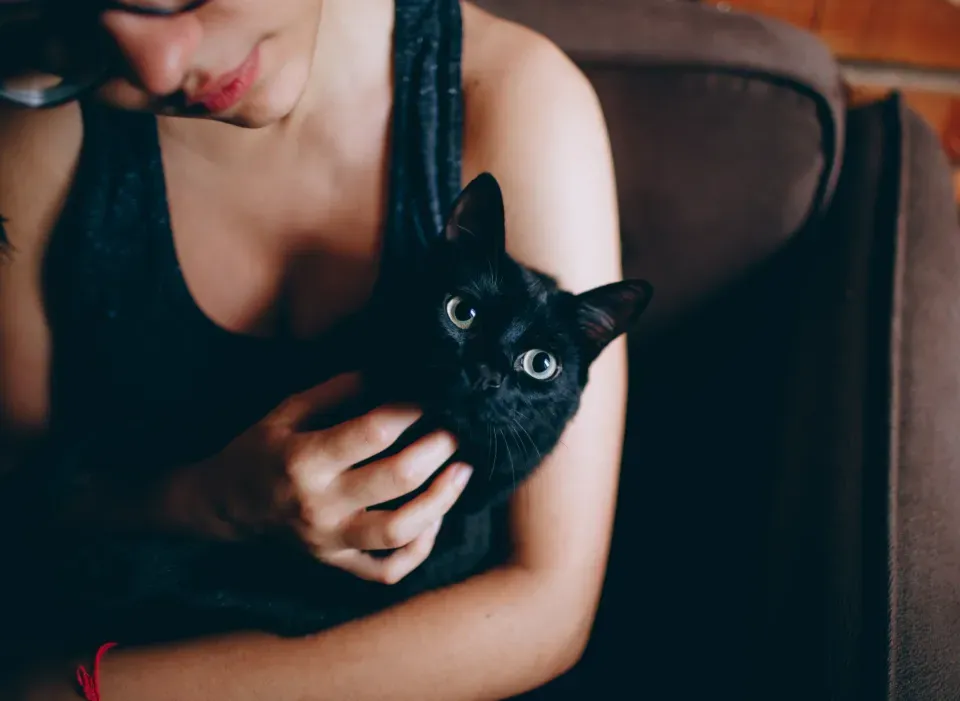
All versions of cat ladies are seen as failures – if you’re lonely, unmarried by age 30 to 35, or childless, you’re a failure, and having a cat is framed not as a positive choice but as desperate scrabbling after something you failed to acquire. That’s the underlying message, stripped of its humorous veneer.
The intersection of misogyny and disdain for cats reflects discomfort with traits associated with feminine independence, and the autonomous nature of cats parallels how society views independent women – as uncontainable and defying conventional control. The stereotype serves as social punishment for women who reject traditional life scripts. It’s about enforcing conformity through mockery and marginalization.
Cat Ownership Statistics Tell a Different Story
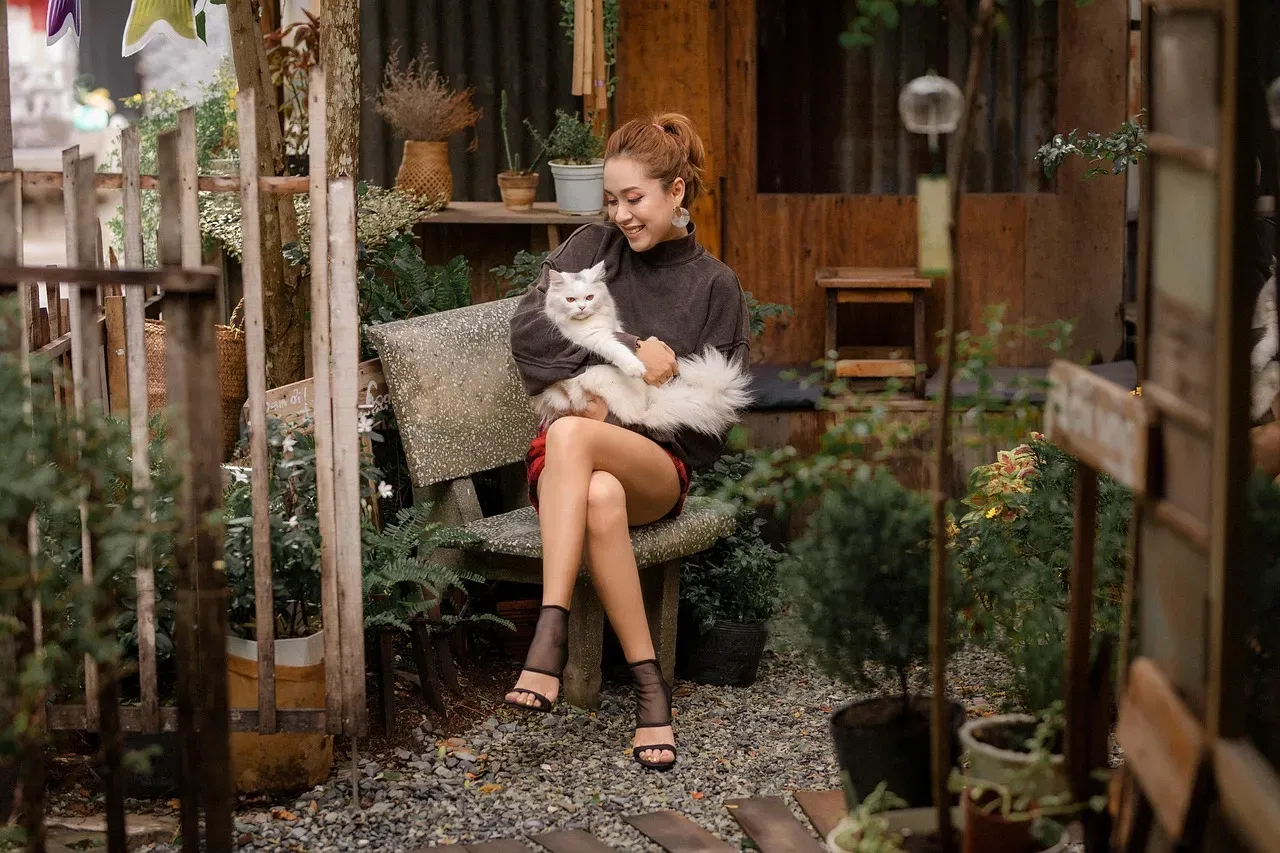
Between 2023 and 2025, 46.5 million US households own a cat. That’s hardly a fringe population of isolated eccentrics. Recent data shows a record-breaking rise in cat ownership, with the evolving humanization of pets and a deepening human-animal bond.
Since 2018, households with two cats rose by 8% and those with three or more cats spiked by 36%. Research shows more younger people are filling their homes with furry companions at higher rates. These aren’t lonely spinsters hoarding animals – they’re diverse individuals across age groups, genders, and relationship statuses making informed choices about companionship. The demographics don’t support the caricature we’ve been sold.
The Movement to Reclaim and Redefine
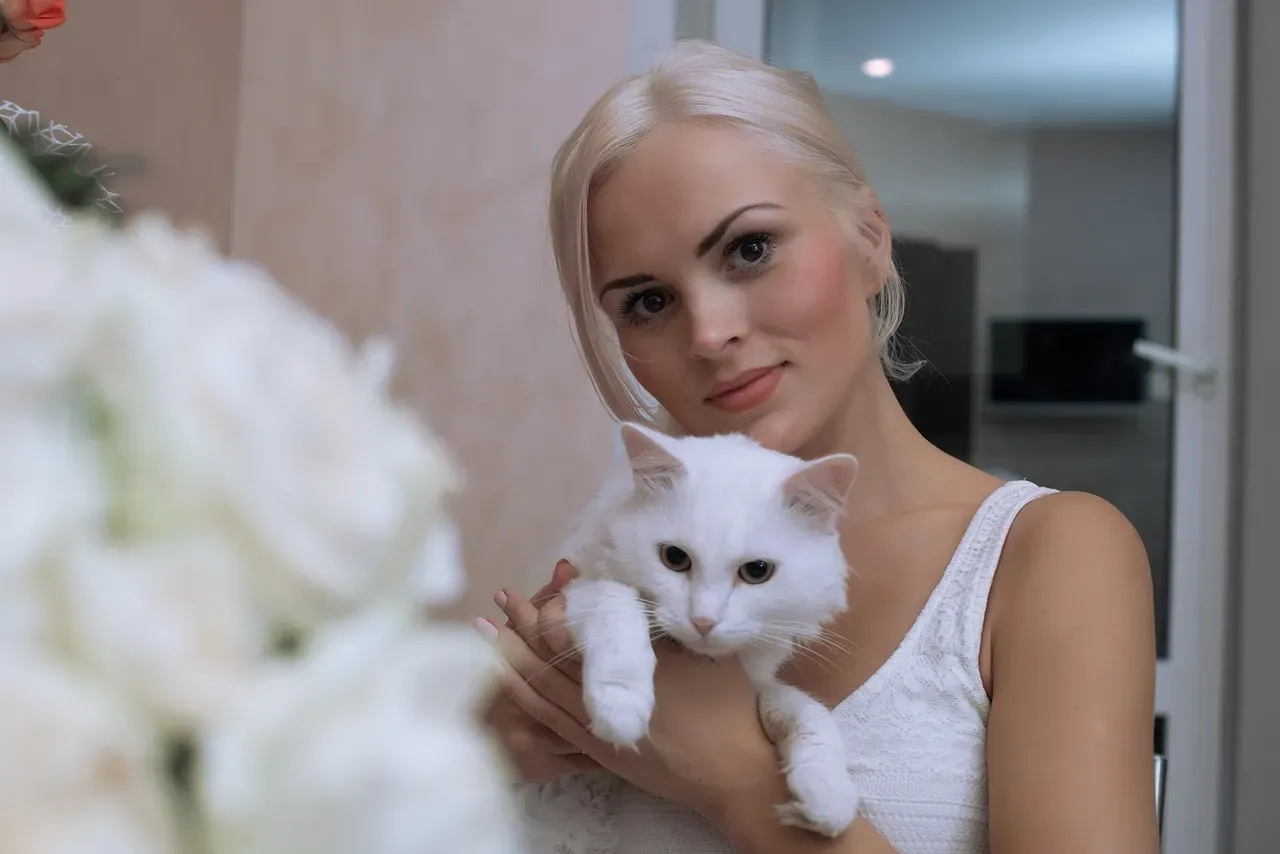
Many writers, celebrities, and artists have challenged the gender-based stereotype and embraced the term to mean an animal lover or rescuer who is psychologically healthy. The reclamation is underway, with public figures proudly identifying with a label once meant to shame.
Modern cat ladies are taking back the trope more than ever, from celebrities flaunting their felines to lovers attending annual CatCon events and celebrating National Cat Lady Day. Many women now identify as “Cat Ladies” with pride, embracing their passion for cats, defying societal expectations, and challenging outdated sexist assumptions. What was designed as an insult is becoming a badge of honor, a rejection of shame disguised as humor.
Moving Forward: Why Language and Perception Matter
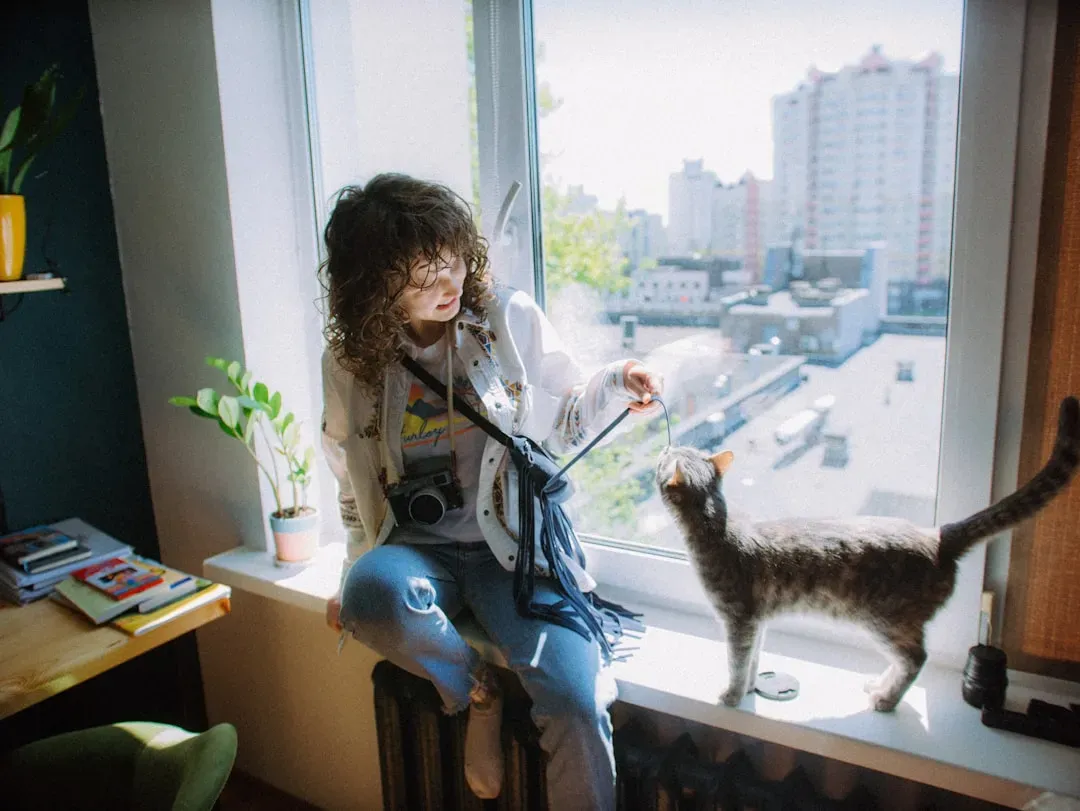
The persistence of this stereotype reflects broader cultural anxieties about women’s autonomy and unconventional life choices. The cat lady stereotype is largely based on traditional gender roles and outdated expectations of women, historically used to reinforce limiting views of women’s social roles around domesticity and social behavior.
Modern cat ladies may be single, but they’re independent women of all ages, and choosing a solo lifestyle signals misunderstood individual strength and independence. Dismantling this trope requires recognizing it for what it is: not harmless fun, but a mechanism that diminishes women’s choices and perpetuates gender-based judgment. Loving cats – or any pets – is a personal choice that transcends gender, and we should celebrate pet ownership as a source of companionship, joy, and comfort.
Every time we laugh at the “crazy cat lady” joke without questioning it, we reinforce centuries of prejudice. Perhaps it’s time we asked ourselves what we’re really laughing at – and who benefits from keeping that stereotype alive. What does it say about us that we still find humor in mocking women for the crime of loving animals and living on their own terms?