You’ve heard it before. That casual comment at a party. The raised eyebrow when you mention having multiple cats. The insinuation that your love for felines somehow makes you eccentric, lonely, or worse. Society has a nasty habit of turning women who adore cats into punchlines.
It’s time we had a real conversation about this. The stereotype is outdated, scientifically unfounded, and frankly insulting to millions of perfectly well-adjusted cat owners worldwide. Think about how many times you’ve seen a television show or movie depict a woman surrounded by cats as socially awkward or mentally unstable. Now ask yourself if you’ve ever questioned why that image persists when the evidence tells a completely different story.
The Medieval Roots of a Damaging Label
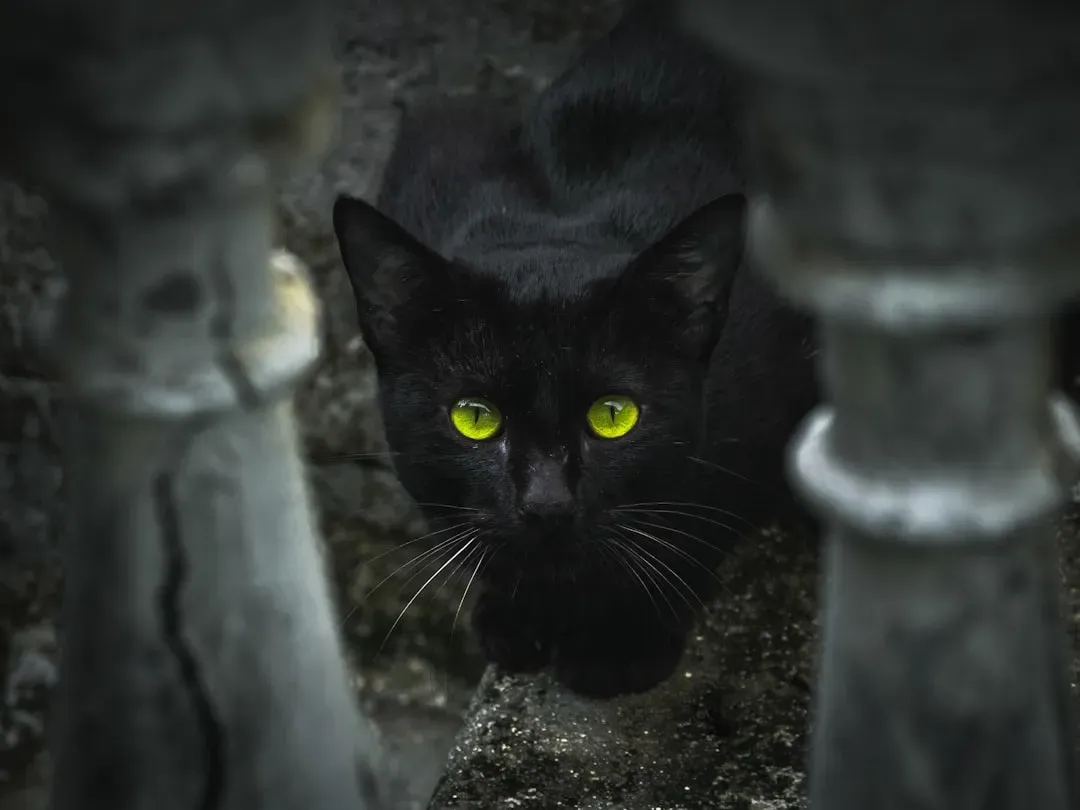
The association between women, cats, and madness stretches back to medieval Europe, when cats were considered demonic and even satanic, partly because they could climb chimneys where demons were believed to enter homes. Affection toward cats was seen as abnormal and a misguided outlet for maternity, with women feeding their cats food typically reserved for children. During witch trials, the relationship between women and their feline companions became twisted into something sinister.
This harmful stereotype has roots in medieval misogyny and social judgment, where women who lived alone or were unmarried or childless were marginalized and labeled as eccentric, with cats considered satanic familiars used to justify persecution. It’s honestly shocking how a centuries-old prejudice continues to shape modern perceptions.
Science Debunks the Mental Health Myth
Let’s get something straight right away. Research shows mixed results on self-reported symptoms of depression and anxiety between cat owners, dog owners, and people without pets, with some studies finding no substantial differences.
Think about that for a moment. The entire foundation of this stereotype crumbles under scientific scrutiny. Some studies, including one from Australia, suggest cat owners report better psychological health than people without pets, such as feeling happier, more confident, less nervous, and better able to sleep, focus, and face problems. Here’s the thing most people don’t realize: the data consistently shows cat owners are thriving, not struggling.
The Toxoplasma Gondii Scare Is Overblown
You’ve probably heard whispers about a brain parasite that supposedly makes cat owners behave differently. The toxoplasma gondii theory gets tossed around as if it explains everything. Reality check: Animal studies are not directly translatable to the nuanced and complex human brain, and there is no evidence to suggest the parasite causes the behavior of the stereotype, with many studies failing to find a strong, consistent link in humans.
Contrary to popular belief, most human toxoplasmosis infections do not come from cats, with the CDC reporting that the most common way for humans to contract the parasite is by eating undercooked meat or handling contaminated food. Because cats only shed the organism for a short time, the chance of human exposure via cats they live with is relatively small, and owning a cat does not mean you will be infected with Toxoplasma.
Cat Owners Are Not Who You Think They Are
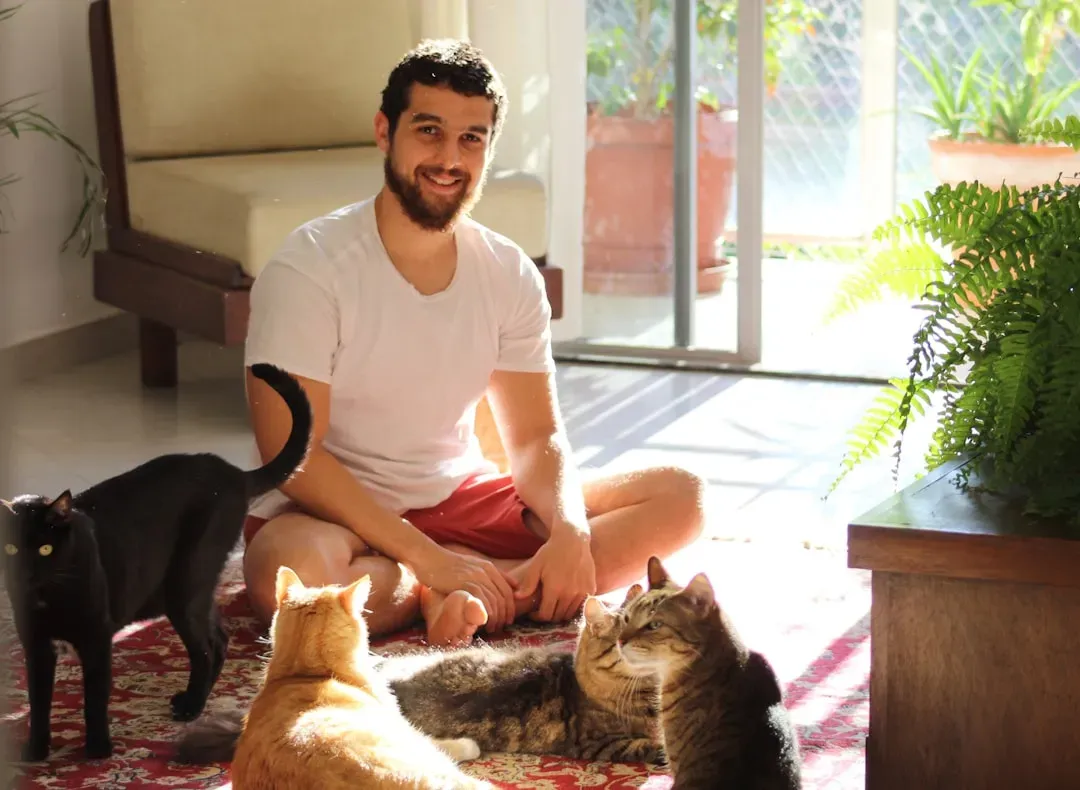
The 2024 Mars Global Pet Parent Study indicates that 52% of cat owners are men, while 48% are women. Read that again. More men than women own cats globally. The image of the lonely woman surrounded by cats doesn’t match reality anymore, if it ever truly did.
I think it’s fascinating how the demographics completely contradict the stereotype. Another study indicated that cat ownership is more strongly related to marriage or cohabitation. We’re talking about people in stable relationships, not isolated individuals. The entire narrative falls apart when you actually examine who owns cats and how they live their lives.
Cats Provide Genuine Mental Health Benefits
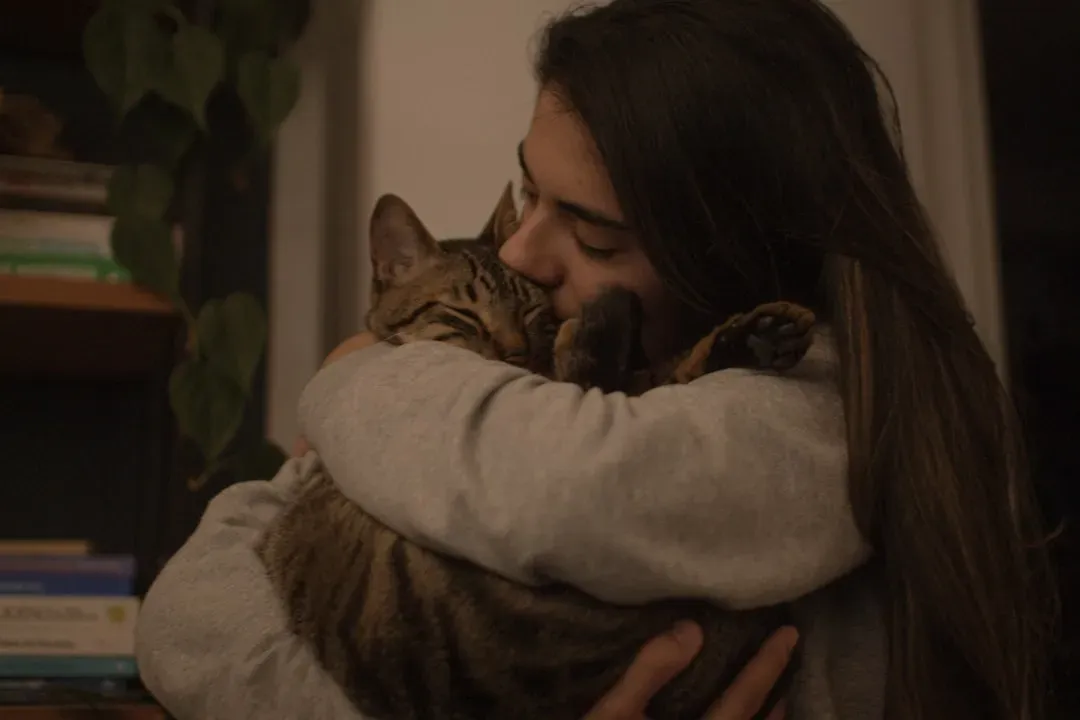
Cat owners were more likely than dog owners to say their pets offer companionship, provide a calming presence and help reduce stress and anxiety. Among pet owners, a strong majority of 86% said their pets have a mostly positive impact on their mental health, with dog owners and cat owners equally likely to say so. These aren’t anecdotal claims. This is measured data from thousands of pet owners.
Scientific research demonstrates that cat ownership can reduce risk of cardiovascular disease and improve heart health, alleviate social isolation and loneliness, and reduce stress. Even spending just 10 minutes interacting with a cat can reduce heart rate and blood pressure, with this positive effect increasing if you’ve owned your cat for more than 2 years. Your cat might actually be keeping you healthier, not driving you toward instability.
The Human-Feline Bond Is Complex and Rewarding
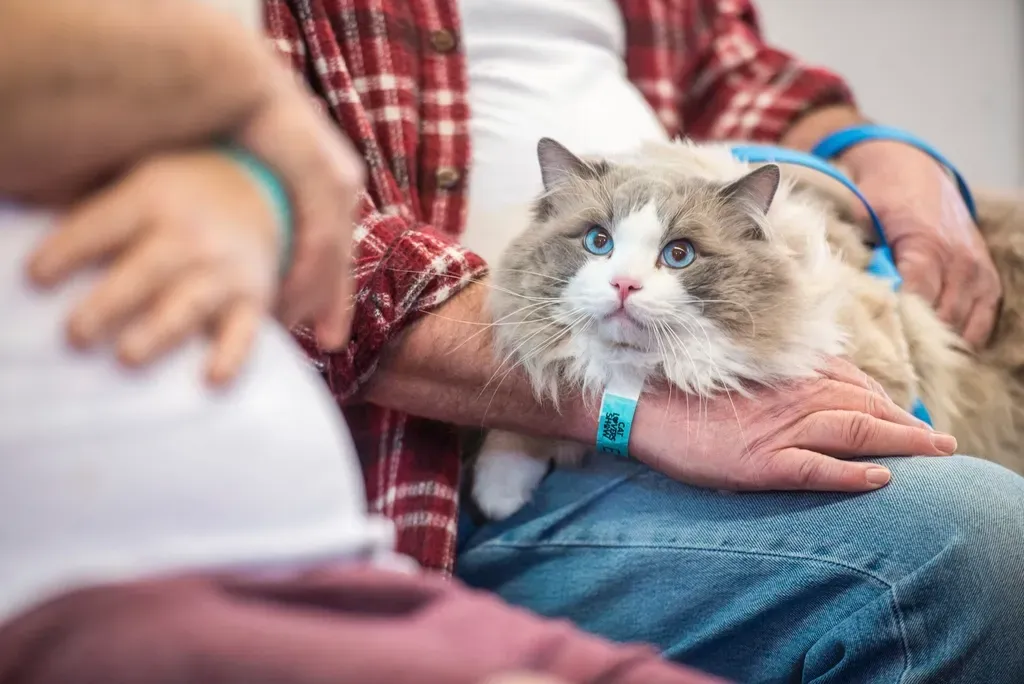
Research has found that cat owners are more socially sensitive, trust other people more, and like other people more than people who don’t own pets. That’s the opposite of socially isolated, isn’t it? This cross-species bonding may benefit our human-to-human relationships, as when someone makes us feel good and connected, it builds up our capacity for kindness and generosity.
Let’s be real here. Cats offer something unique. There’s an entire scientific scale that measures how much emotional support you get from your cat, based on how likely you are to seek them out in different stressful situations, and cats offer a constant presence, unburdened by the cares of the world, that can make all our little worries and anxieties seem superfluous. That’s not pathology. That’s healthy coping.
Modern Cat Culture Is Thriving
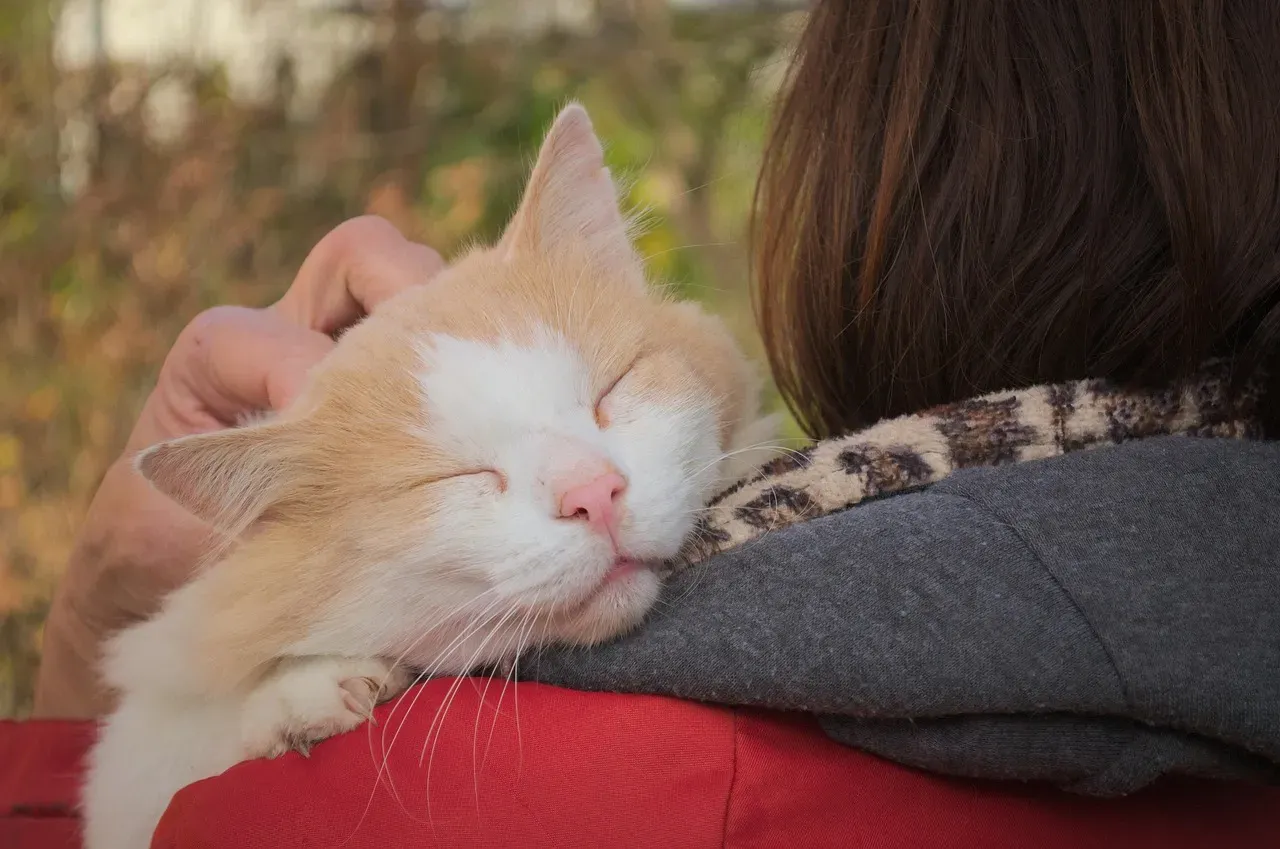
The cat lady trope is currently in its reclamation era, thanks to proud cat owners like Taylor Swift, Time’s 2023 Person of the Year, Trends show a record-breaking rise in cat ownership, the evolving humanization of pets, a deepening human-animal bond relationship with pets, and a heightened focus on proactive pet wellness.
Thirty-four percent of cat owners purchased pet-themed merchandise, an 89% increase from 2018. Cat owners are celebrating their relationships with their pets openly and proudly. There has been a rise in cat ownership globally, with cat ownership now being more common than dog ownership. The world is embracing feline companionship at unprecedented levels.
Reclaiming the Label With Pride
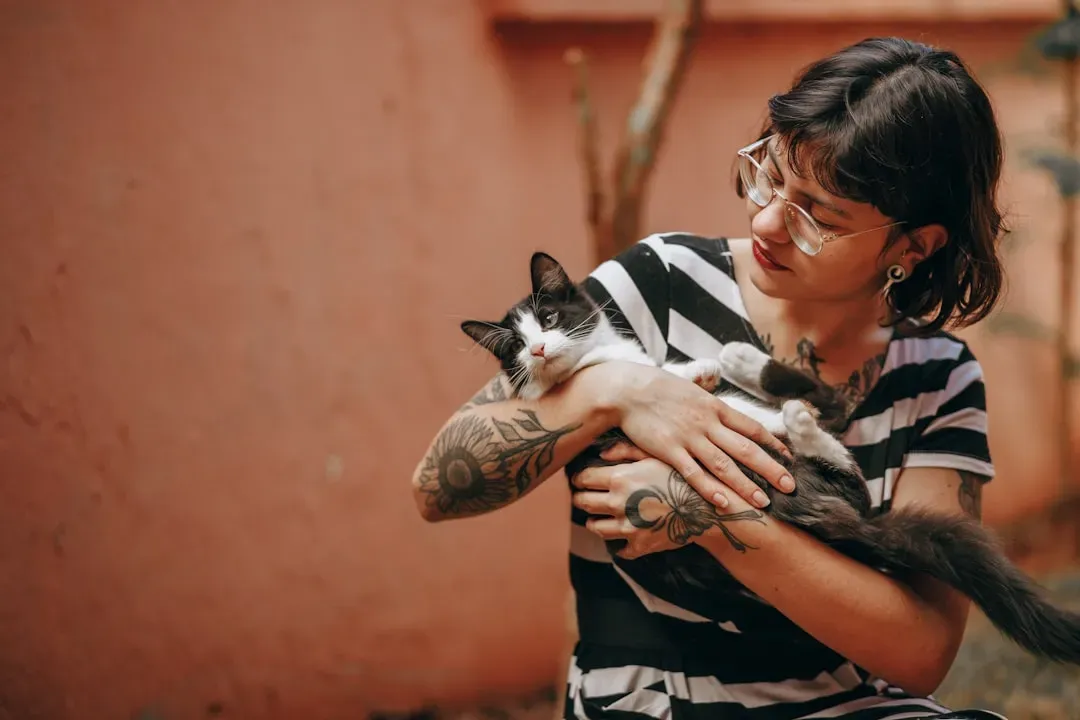
Some writers, celebrities, and artists have challenged the gender-based stereotype, and embraced the term to mean an animal lover or rescuer who cares for one or multiple cats, and who is psychologically healthy. This is honestly where we need to be. Taking ownership of the term and stripping away its negative connotations.
The stereotype is largely based on traditional gender roles and outdated expectations of women, and has historically been used to reinforce specific, often limiting, views of women and their social roles, particularly around ideas of domesticity, emotional labor, and social behavior. When you understand the origins, you can see it for what it truly is: a tool of social control that has nothing to do with the actual experience of loving cats.
The Stereotype Reflects Society’s Discomfort, Not Reality
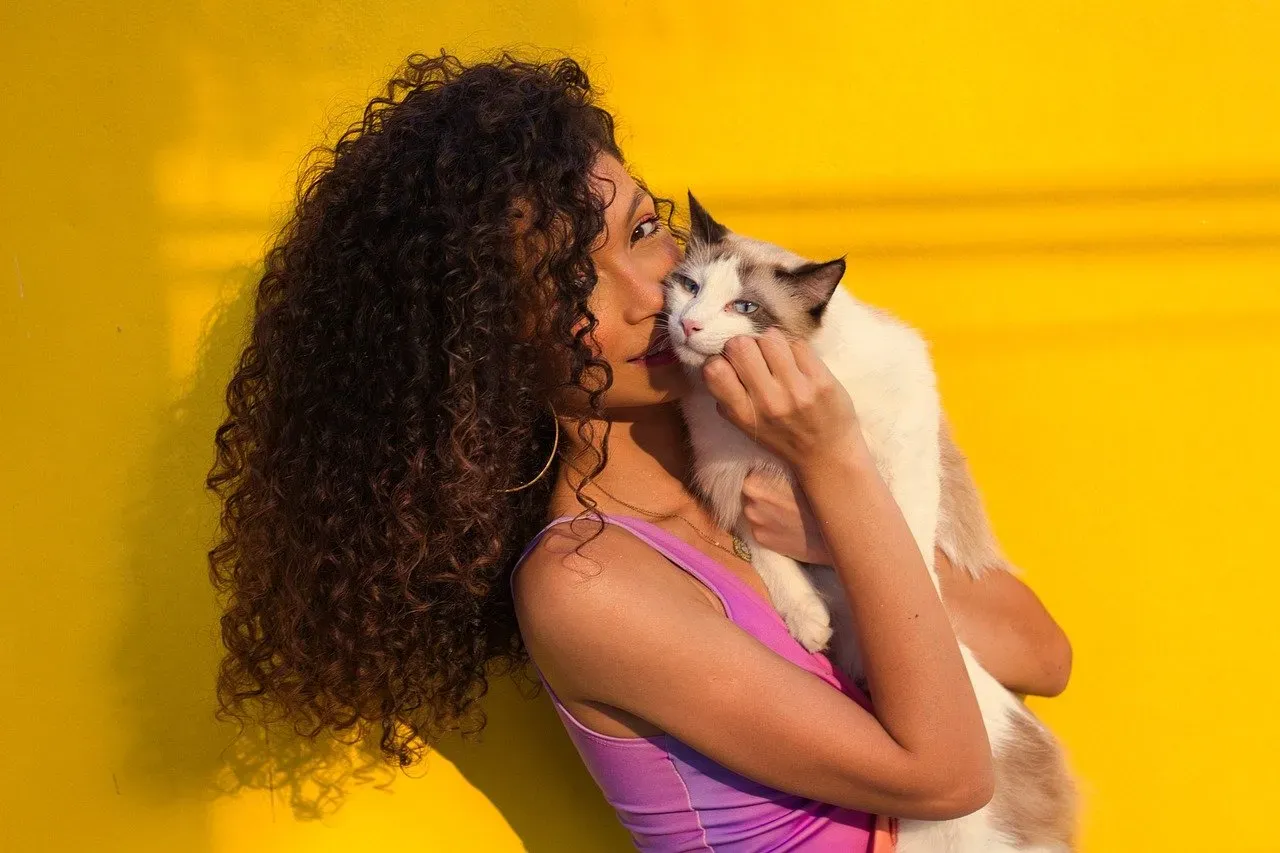
The stereotype is overwhelmingly applied to women, especially single women, often reflecting societal discomfort with women who don’t conform to traditional norms of marriage and motherhood, and introverted individuals who prefer the company of their pets are often mislabeled simply for having different social preferences. Society often equates solitude with loneliness, and people who are content with their own company or prioritize time with pets may be judged negatively as a result.
Numerous studies have debunked the direct link between cat ownership and mental health issues, and the stereotype is more accurately viewed as a harmful and inaccurate social construct, rooted in prejudice and perpetuated by outdated cultural norms, unjustly stigmatizing individuals who choose to love and care for animals. It’s hard to say for sure where all stereotypes originate, but this one clearly says more about societal anxieties than about cat owners themselves.
We’re Building a New Narrative
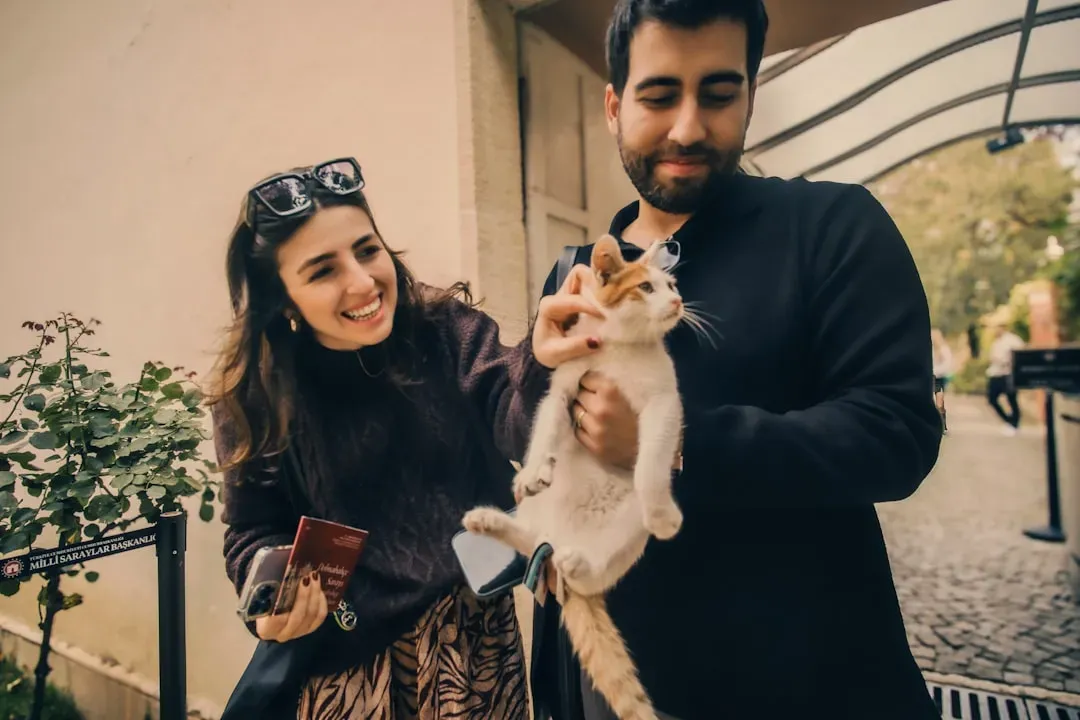
The narrative is changing, and it’s about time. Cat enthusiasts are doctors, teachers, artists, engineers, parents, and partners. We’re diverse, successful, and emotionally healthy. Our cats aren’t replacements for human connection. They’re additions to rich, fulfilling lives. They’re companions who offer unconditional acceptance in a world that often feels judgmental and harsh.
What you need to understand is this: loving cats doesn’t make you strange. It makes you part of a global community of people who appreciate the unique qualities these animals bring to our lives. The purring that soothes our stress. The independence that respects our boundaries. The playfulness that makes us laugh. The quiet companionship that asks for nothing but offers everything.
Being a cat person isn’t a character flaw or a red flag. It’s a preference, a choice, a lifestyle that enriches rather than diminishes. The stereotype persists because it’s easy, because it’s familiar, because dismantling centuries of prejudice takes work. We’re doing that work now.
So what do you think? Are you ready to see cat enthusiasts for who we really are? Tell us in the comments.