The domestic cat, as we know it today, traces its ancestry back to wild cats that roamed the ancient landscapes. The Felis silvestris lybica, or African wildcat, is largely credited as the ancestor of all domestic cats. These early cats began associating with humans around 8,000 years ago, drawn initially by the promise of easy hunting opportunities provided by the rodents attracted to human settlements.
Ancient Domestication How Cats Came to Live Among Us
The domestication of cats began in the Fertile Crescent, a region known for the Neolithic development of agriculture. As humans settled into more permanent communities, they cultivated grains that attracted rodents. Cats, in turn, were attracted to these prey species, providing natural pest control. Over time, a mutualistic relationship developed, leading to the domestication of these feline hunters.
The Role of Cats in Ancient Civilizations
In ancient Egypt, cats were revered and worshiped. They were seen as sacred animals connected to the goddess Bastet, the deity of home, fertility, and childbirth. Killing a cat, even accidentally, was met with severe penalties. Cats were also valued in other ancient cultures, such as in Rome, where they served as both pets and pest controllers.
Medieval Misunderstandings and Persecutions
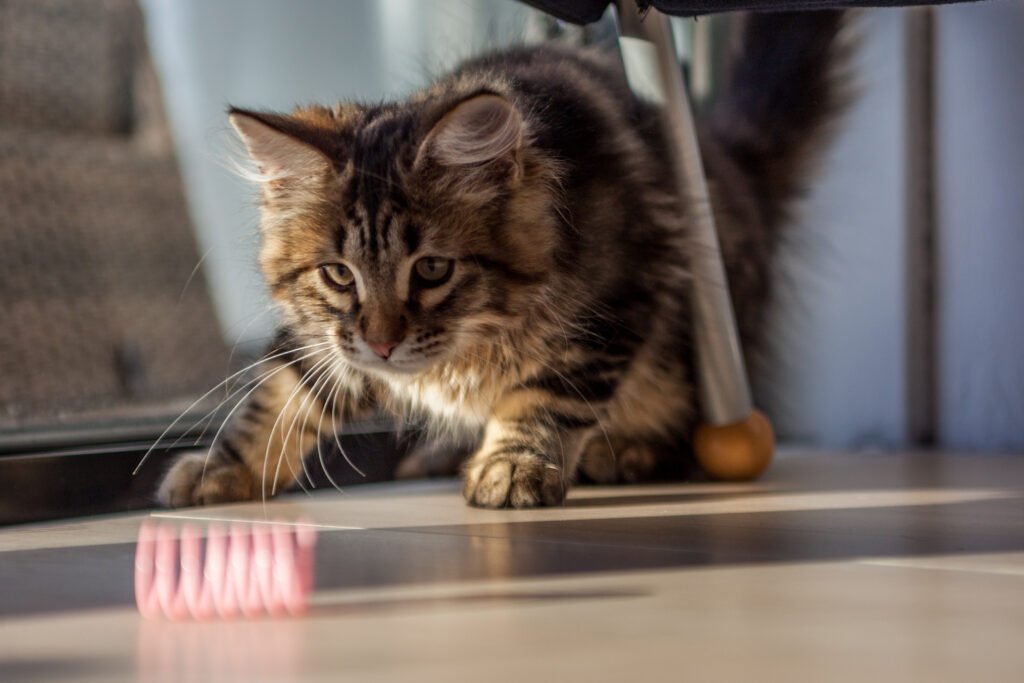
The Middle Ages were a challenging time for cats in Europe. For a period, they were associated with witchcraft and evil, leading to widespread persecution. This misunderstanding coincided with the Bubonic Plague, exacerbated by reduced cat populations that allowed rat populations to flourish unchecked.
The Reemergence of Cats in the Renaissance
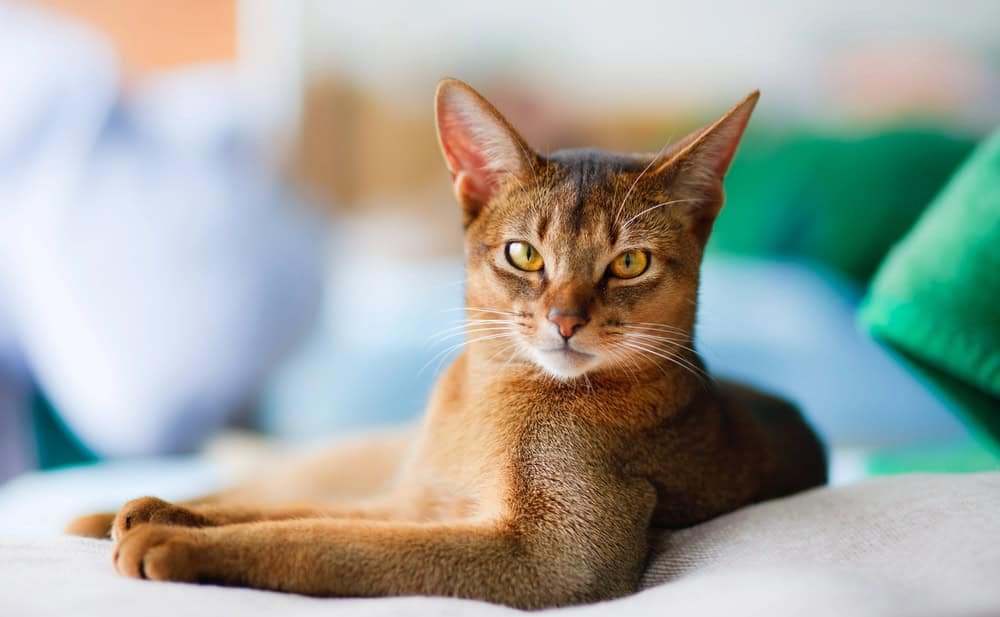
As Europe moved into the Renaissance, the perception of cats began to change once again. Cats became popular as both companions and status symbols. Their hunting skills were valued, and their presence in households became more ubiquitous, paving the way for specific breed development as people started selecting cats for more than just utility.
The Beginning of Selective Breeding

The concept of breeding cats for specific traits began to take hold in the 19th century with the rise of cat shows. This period marked the emergence of formalized breeding practices, leading to the establishment of distinct breeds. Breeders focused on enhancing particular traits, such as fur length, color, and body structure.
The Creation of Modern Cat Breeds
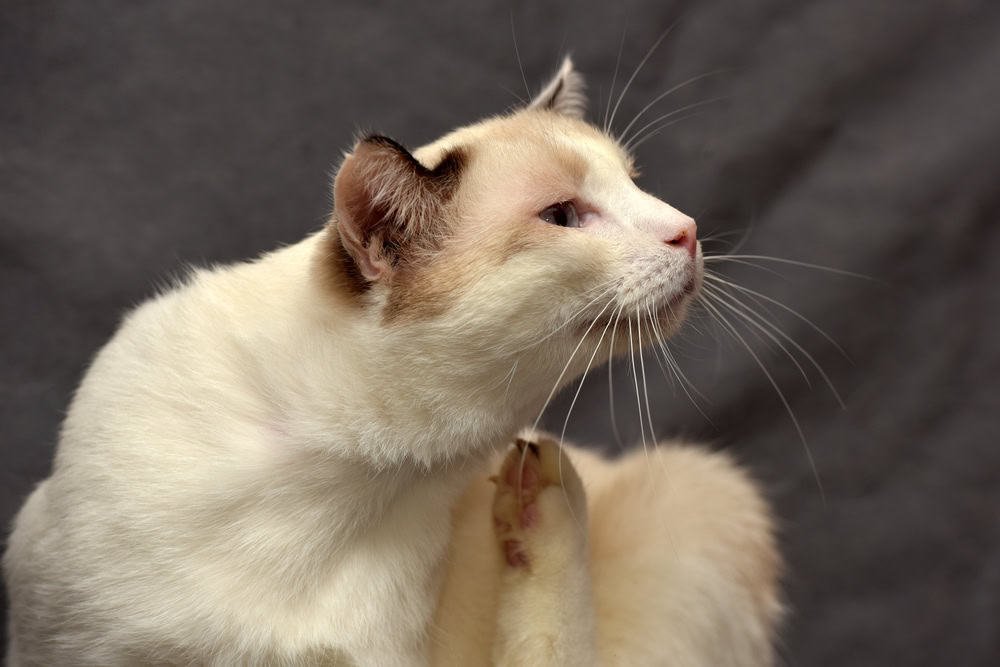
Modern cat breeds have been developed through selective breeding and natural selection. Breeds such as the Persian, Siamese, and Maine Coon have deep-rooted histories but have been refined over the years to create the standards we recognize today. Each breed has unique characteristics, from the long, luxurious coats of Persians to the vocal and social nature of Siamese cats.
Genetic Diversity and Health Concerns
Selective breeding, while providing us with a variety of cat breeds, has also raised concerns regarding genetic diversity and health. Certain breeds, like the Scottish Fold or the Manx, are prone to hereditary health issues. Breeders and geneticists are continually working to improve the health and well-being of cats through responsible breeding and research.
The Role of Genetics in Breeding
Advancements in genetic research have significantly impacted the breeding and development of cat breeds. Understanding feline genetics allows breeders to maintain genetic diversity while selecting for desirable traits. DNA testing helps identify carrier status for diseases, assisting breeders in making informed decisions to produce healthier litters.
The Popularity of Mixed Breeds and “Designer” Cats

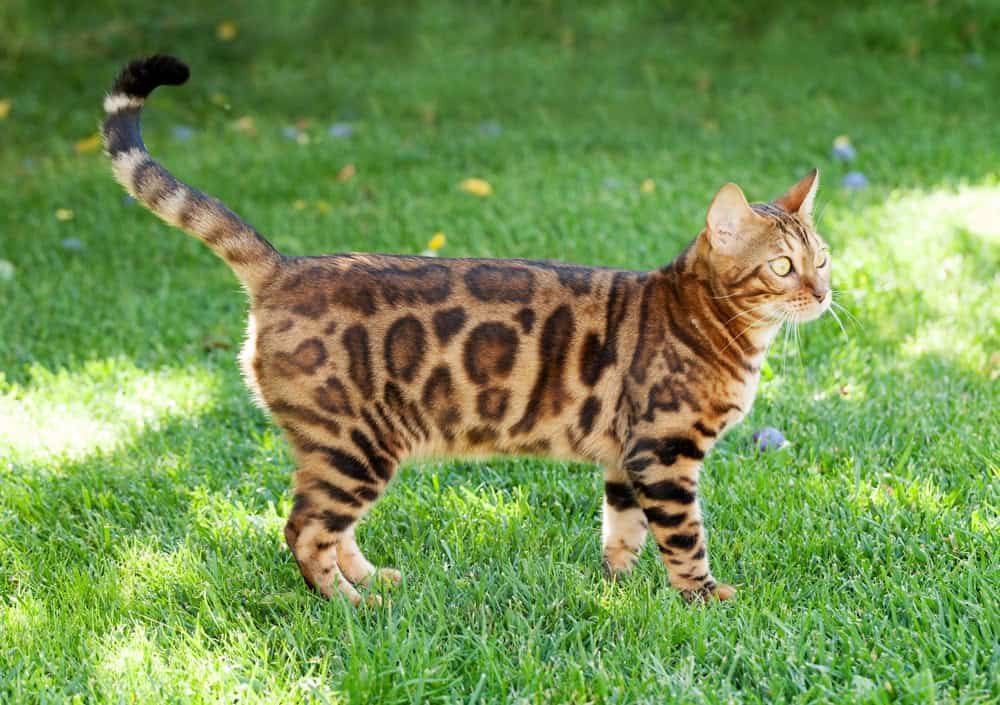
While purebred cats have their allure, mixed-breed cats remain popular due to their unique traits and often fewer health issues. In recent years, “designer” cats, such as the Bengal or the Toyger, which are bred to resemble their wild counterparts, have garnered attention. These breeds showcase the innovation and creativity in modern cat breeding practices.
The Cultural Impact of Cats in Modern Society
Today, cats are loved worldwide, not only for their companionship but also for their cultural significance. From internet memes to viral videos, cats have a prominent place in modern culture. The evolution of cat breeds reflects the enduring bond between humans and these mysterious, independent creatures.
Conclusion: A Purr-fect Future

The journey of cat breeds from wild ancestors to modern companions is a testament to their adaptability and the human desire for companionship and aesthetics. As we continue to learn from and about these fascinating animals, the future of cat breeds promises even more diversity and understanding, blending the ancient with the innovative.