

Cats have carved out a unique niche as domestic companions, fascinating humans with their mysterious nature and independent spirit. Their journey from solitary wild hunters to beloved household pets is a captivating story of evolution, adaptation, and cohabitation with humans. This article explores the evolution of house cats, focusing on how they became domesticated over thousands of years.
The Wild Ancestors
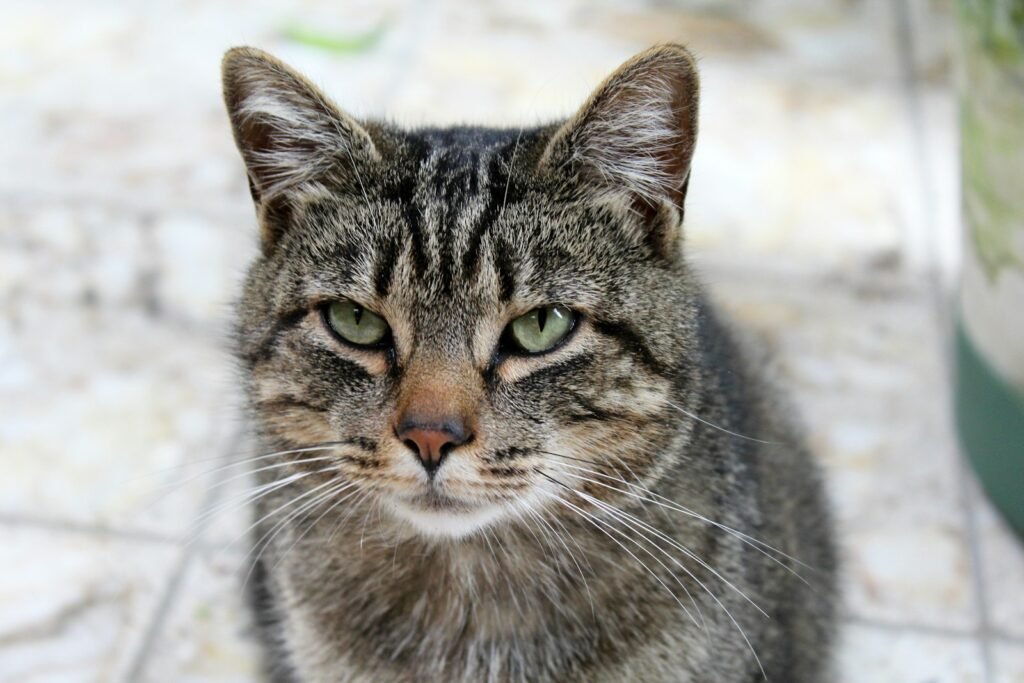
The domestic cat’s journey began with wild ancestors known as the African wildcat, Felis silvestris lybica. These small, solitary hunters inhabited the regions of North Africa and the Near East. Their preference for secluded lives made them unlikely candidates for domestication, yet they carried the seeds for their future evolution into domesticated pets.
Commensalism: A Mutually Beneficial Relationship
The domestication of cats likely began with a commensal relationship between humans and Felis lybica. As human societies shifted to agriculture and settled communities, they inadvertently created environments rich in food scraps and grain stores. This abundance of food attracted rodents, which, in turn, drew wildcats to human settlements.
Natural Selection and Tolerance
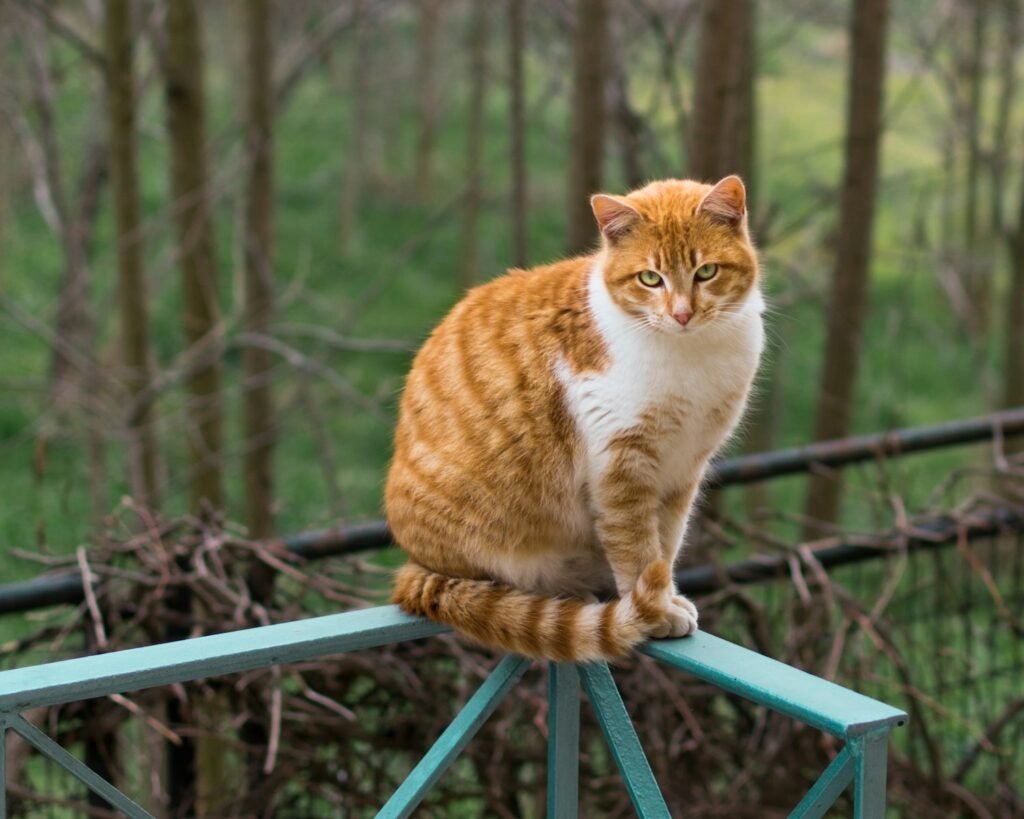
Unlike the domestication of dogs, which involved active selection by humans, cats underwent a more passive form of domestication. Natural selection favored those wildcats that were tolerant of human presence and capable of thriving in human-dominated environments. These cats had ample opportunities to reproduce, paving the way for traits that facilitated closer human interaction.
The Role of Genetics

Genetic studies have unraveled some intriguing insights into the domestication of cats. Changes in certain genes are believed to have played a significant role in making wildcats more docile and adaptable to human environments. These genetic changes gradually led to the emergence of traits such as reduced fear and enhanced sociability.
Evolution of Cat-Human Interaction
The relationship between humans and cats evolved organically over time. As agricultural societies grew, the need to control rodent populations became crucial. Cats served as natural pest controllers, offering an invaluable service to human communities. This symbiotic relationship furthered their integration into human households.
Cats in Ancient Civilizations
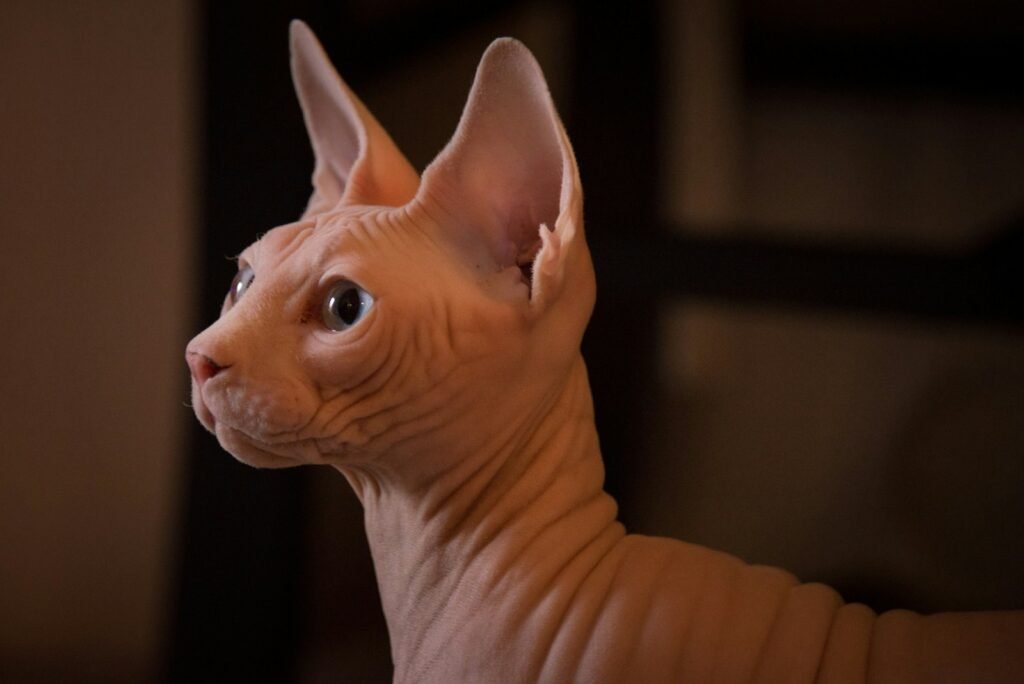
Historical records suggest that cats were first domesticated about 9,000 years ago in the Near East. They became revered companions in ancient civilizations, most notably in Egypt, where they were associated with deities and even mummified as part of sacred rituals. This period marked a pivotal moment in the history of cat domestication.
Differences from Other Domesticated Animals
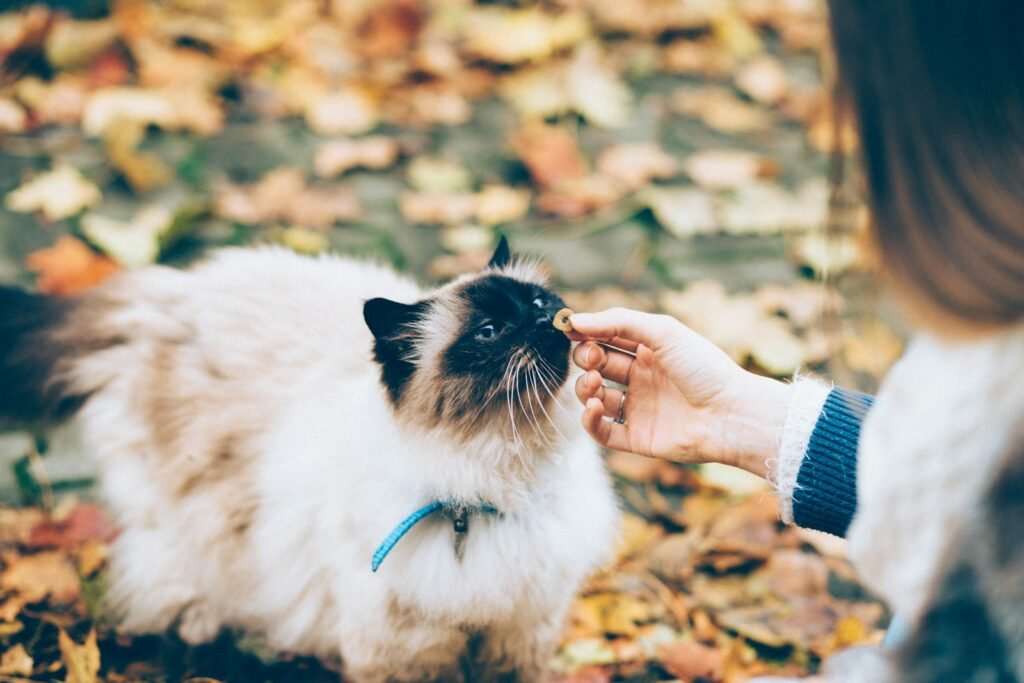
Cats stand apart from other domesticated animals like dogs, cattle, or horses due to their relatively late domestication and semi-wild behavior. Unlike dogs, which have been selectively bred to enhance specific traits, cats have retained much of their wild ancestry. Their independence and self-sufficient nature continue to distinguish them as unique companions.
Spread Across the Globe
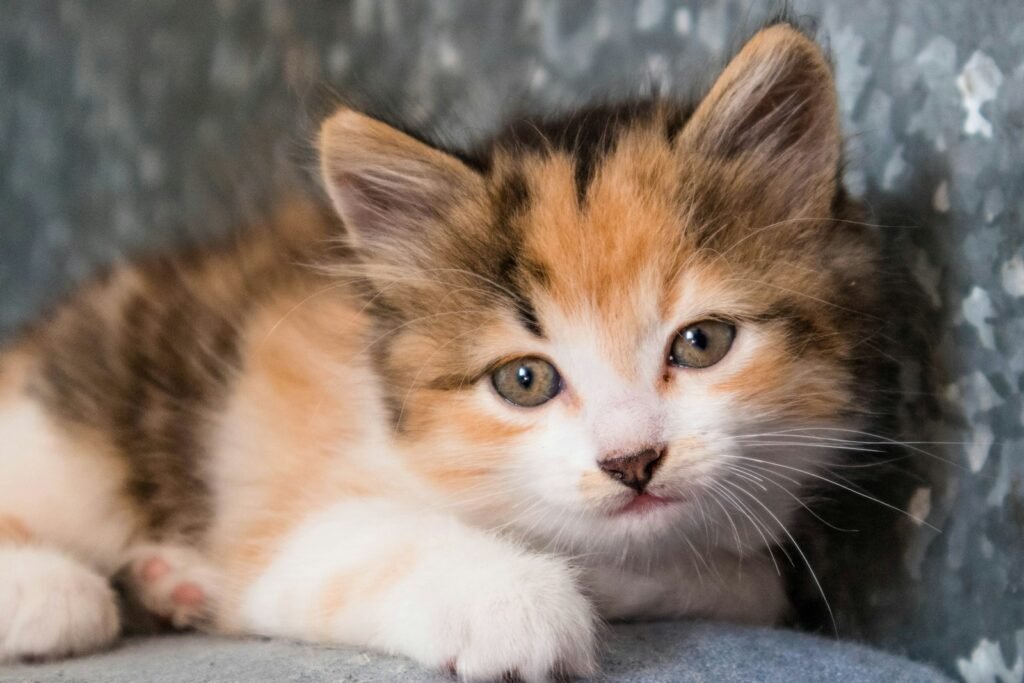
As humans began trading and expanding their territories, cats spread to various parts of the world. They traveled on ships, controlling rodent populations on maritime journeys, and gradually established themselves in diverse cultures. This distribution helped diversify cat breeds and integrate them further into human society.
The Modern House Cat
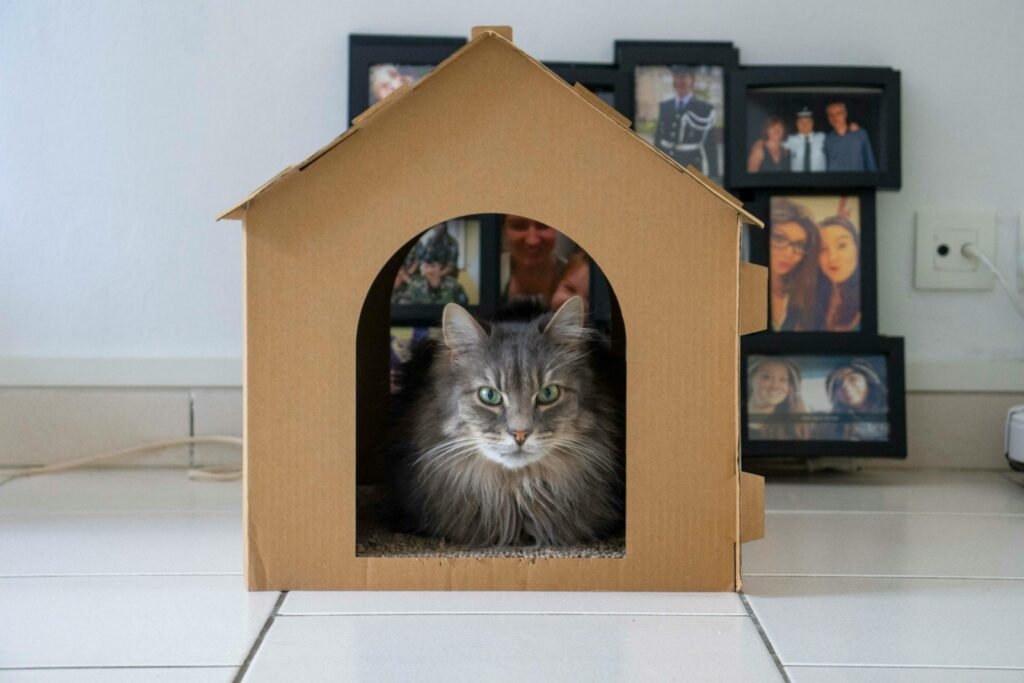
Today’s domestic cat, Felis catus, showcases an astonishing variety of breeds, colors, and temperaments. From the sleek Siamese to the playful Maine Coon, each breed reflects the rich tapestry of feline evolution. Despite their long history with humans, cats retain a sense of independence, often choosing companionship on their own terms.
The Continuing Evolution of Cats
The evolution of house cats remains a dynamic process. As our understanding of genetics and animal behavior deepens, it influences how we breed and interact with these animals. The ongoing dialogue between scientific knowledge and everyday companionship ensures that cats will continue evolving alongside humans in the years to come.
Conclusion
The domestication of cats is a testament to the adaptability and resilience of these enigmatic creatures. From wild hunters in ancient woodlands to cherished family members in modern homes, their journey is a fascinating saga of co-evolution with humans. As we continue to share our lives with cats, their mysterious allure and boundless adaptability ensure their place as one of the most beloved companions in human history.
Growing up traveling and experiencing new cultures and wonders, I have had a passion for nature, adventuring, photography, and videography. I am currently working towards a BSc in Biodiversity and Ecology at Stellenbosch University, and I hope to specialise in Marine Sciences one day.
Please send any feedback to Feedback@animalsaroundtheglobe.com





Comments are closed.