Melanism is a genetic mutation characterized by an overproduction of melanin, the pigment responsible for the dark coloration in the skin, hair, and eyes. In the world of big cats, melanism manifests as a stunning all-black or very dark fur coat. This phenomenon isn’t just an enthralling visual spectacle but also serves several survival advantages in the wild. This article delves into the evolutionary journey of melanistic big cats, exploring their survival benefits and ecological significance.
The Genetic Basis of Melanism
Melanism in big cats is a heritable trait caused by changes or mutations in specific genes. The genetic basis often involves the Agouti Signaling Protein (ASIP) gene or the Melanocortin-1 receptor (MC1R) gene. These genes regulate pigment distribution and melanin production, which result in the dominant black coloration when mutated. Understanding these genetic underpinnings not only sheds light on melanism but also aids in comprehending the diversity within feline species.
Common Melanistic Big Cats
Melanism is most frequently observed in two big cat species: leopards and jaguars. Known colloquially as black panthers, these melanistic variants present a captivating deviation from their usual spotted or rosetted fur patterns. While melanistic leopards are primarily found in Asia and Africa, melanistic jaguars are primarily observed in the dense forests of Central and South America.
Historical Context of Melanism
The evolutionary history of melanistic big cats likely dates back millions of years. Over time, these cats adapted to various environmental conditions that favored their darker coats, leading to greater prevalence in certain habitats. Scientists have speculated that melanistic variants might have been more common in the past when certain ecosystems supported dense forests, offering a natural backdrop that favored the survival of black-coated individuals.
Camouflage and Hunting Efficiency
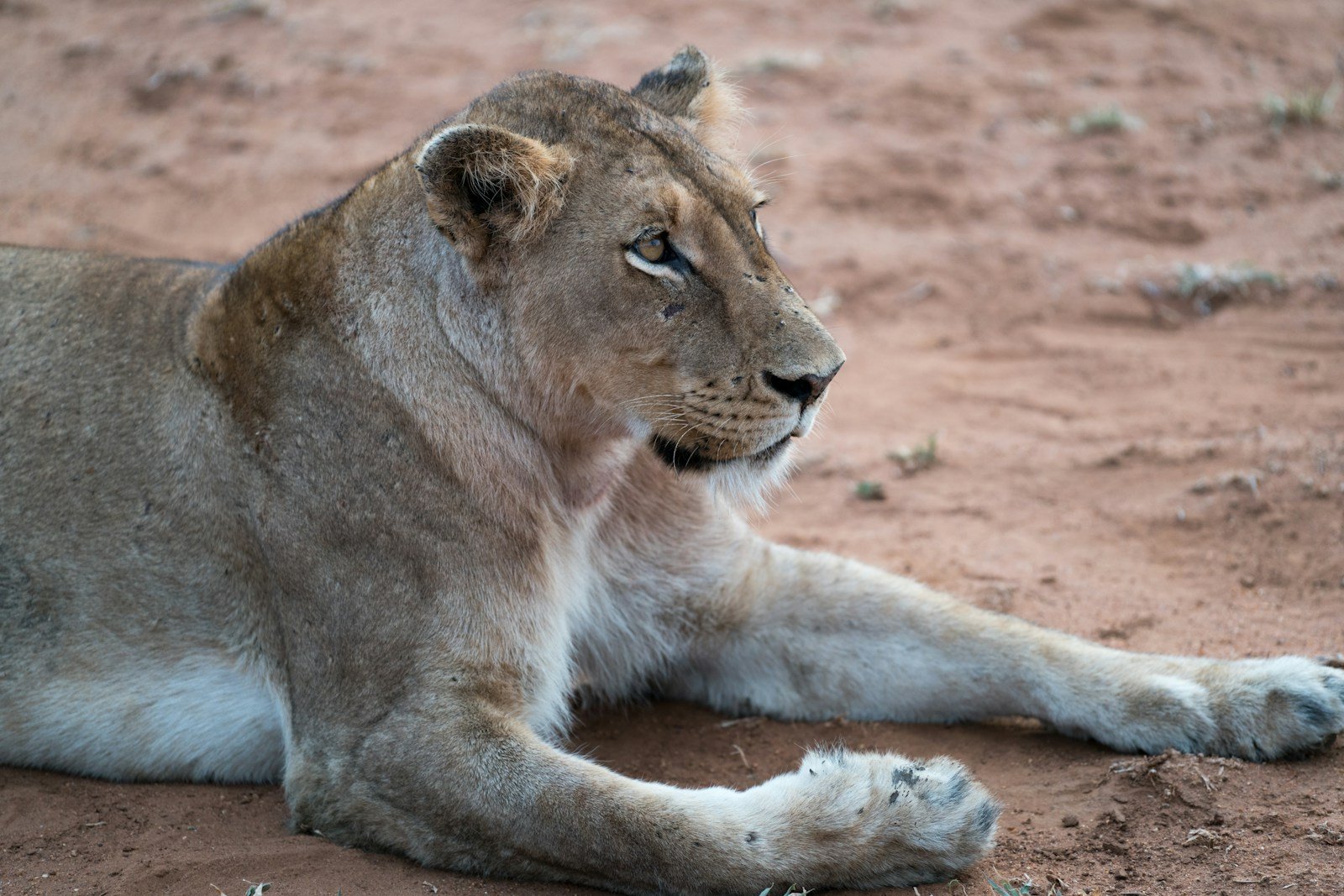
The most immediate survival advantage of melanism is camouflage. In dense, shadowy environments like rainforests, the dark coats of melanistic big cats allow them to blend seamlessly into their surroundings. This camouflage is crucial for hunting, as it enables these predators to approach their prey more stealthily, increasing their chances of a successful ambush.
Thermoregulation Benefits
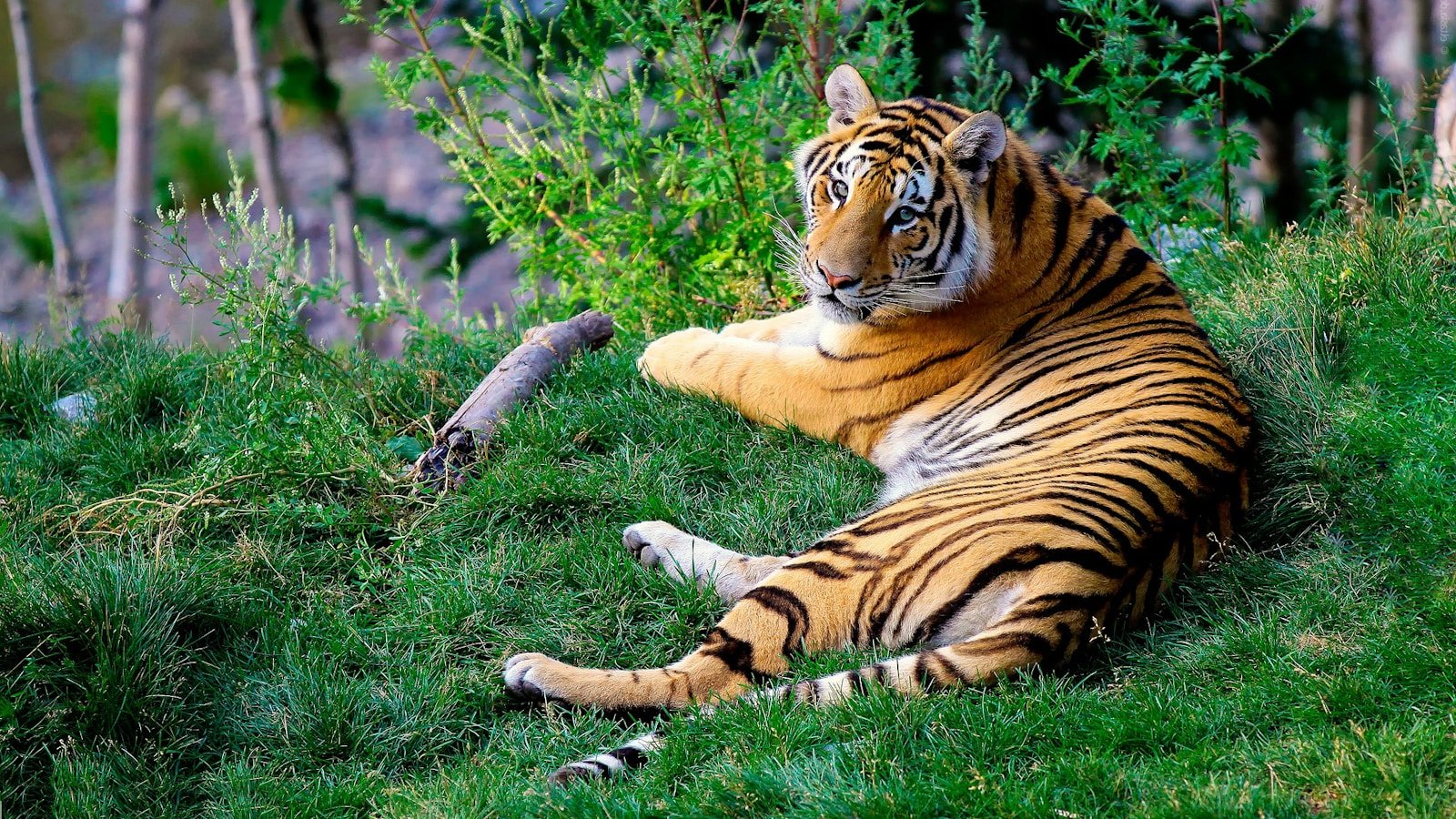
One hypothesis suggests that melanism aids in thermoregulation. Darker fur can absorb a greater amount of heat from the sun, which may be advantageous in cooler climates or months. Although this aspect is more speculative, it adds an intriguing layer to understanding the environmental adaptability of melanistic big cats.
Social and Mating Advantages
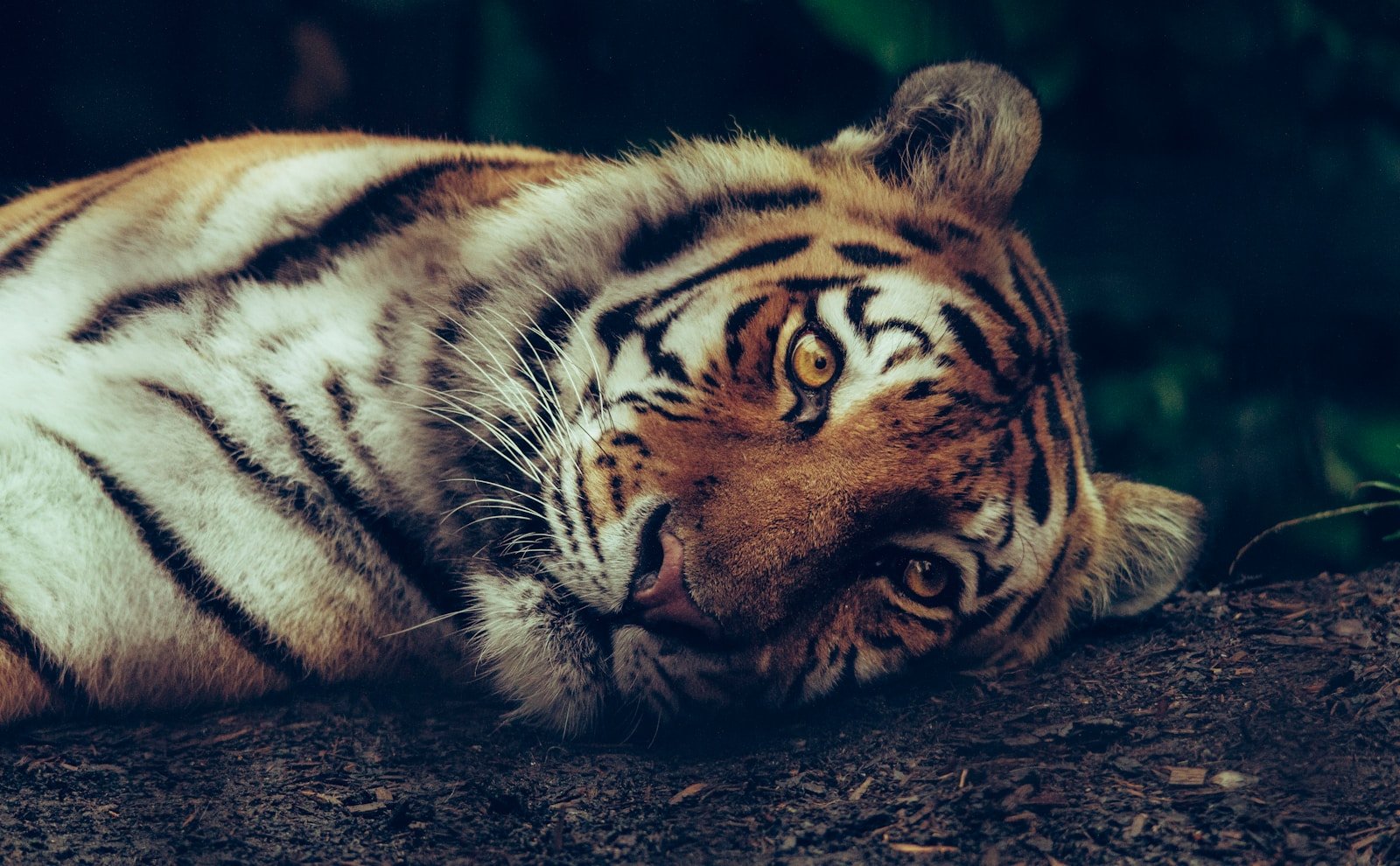
Melanism could potentially confer social advantages. In some cases, the dark coloration may make males more attractive or intimidating, which could enhance their standing in social hierarchies. This can lead to improved mating success, thereby increasing the prevalence of the trait in populations where melanism is beneficial.
Challenges and Threats to Melanistic Big Cats
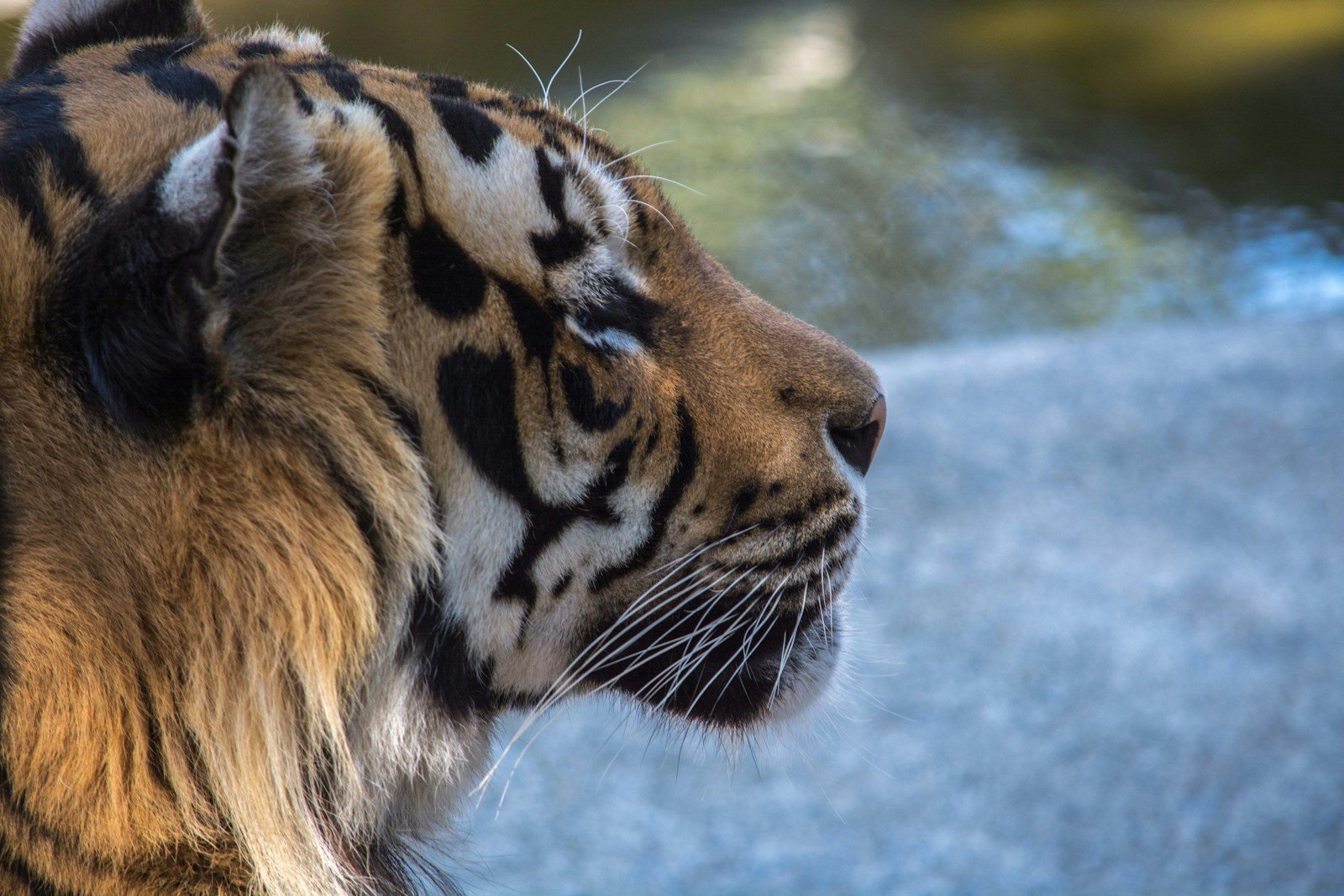
Despite their advantages, melanistic big cats face numerous threats, primarily due to habitat loss and human activity. Their rarity and allure make them targets for poaching, while deforestation and habitat fragmentation threaten their survival by disrupting the ecosystems they rely on for shelter and prey.
Conservation Efforts
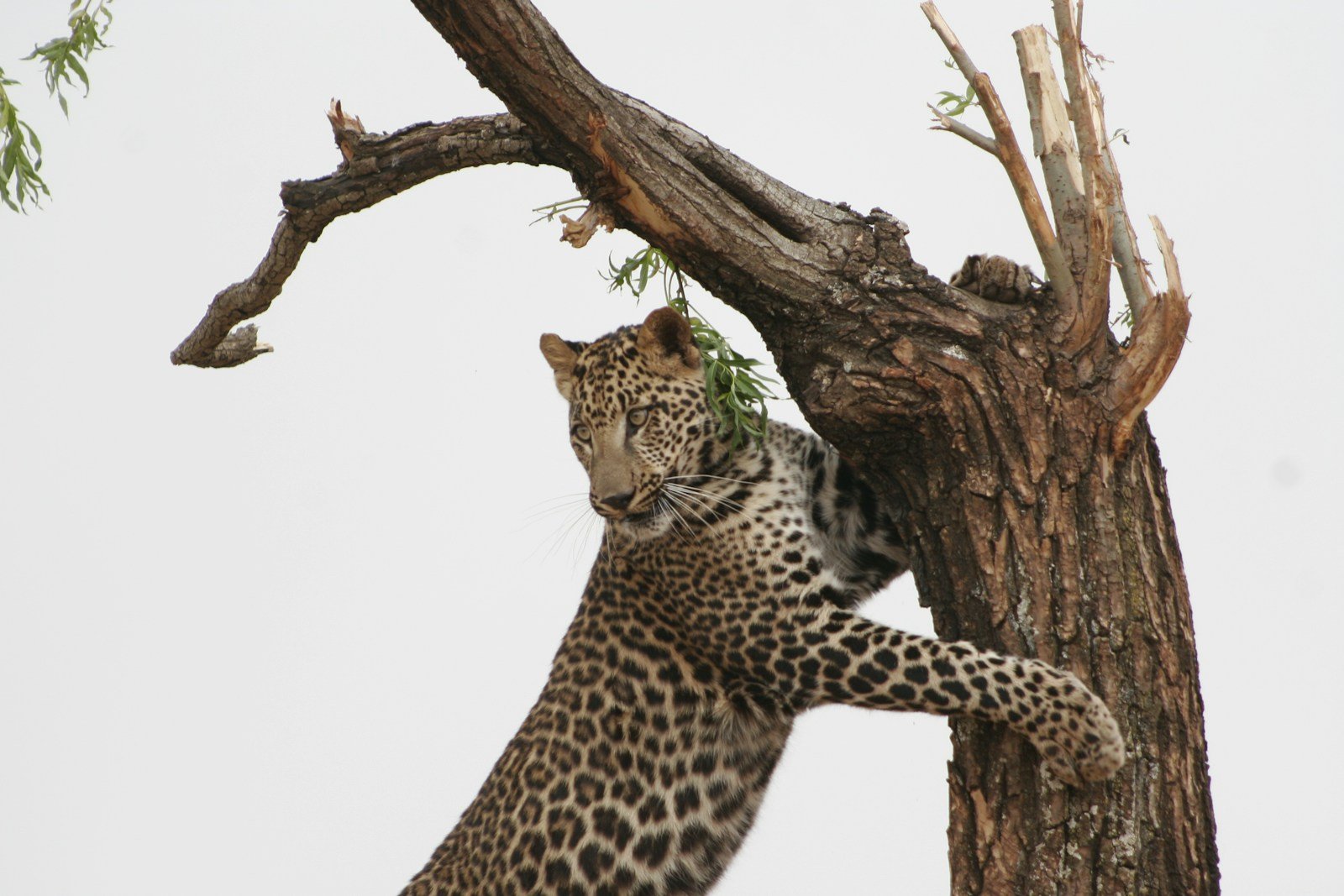
Recognizing the ecological significance and the unique allure of melanistic big cats, conservationists are working tirelessly to protect these animals. Efforts include habitat preservation, anti-poaching laws, and community education programs to promote coexistence between humans and big cats. Understanding the specific needs and the role of melanistic big cats in their ecosystems is crucial for effective conservation strategies.
Conclusion: The Future of Melanistic Big Cats
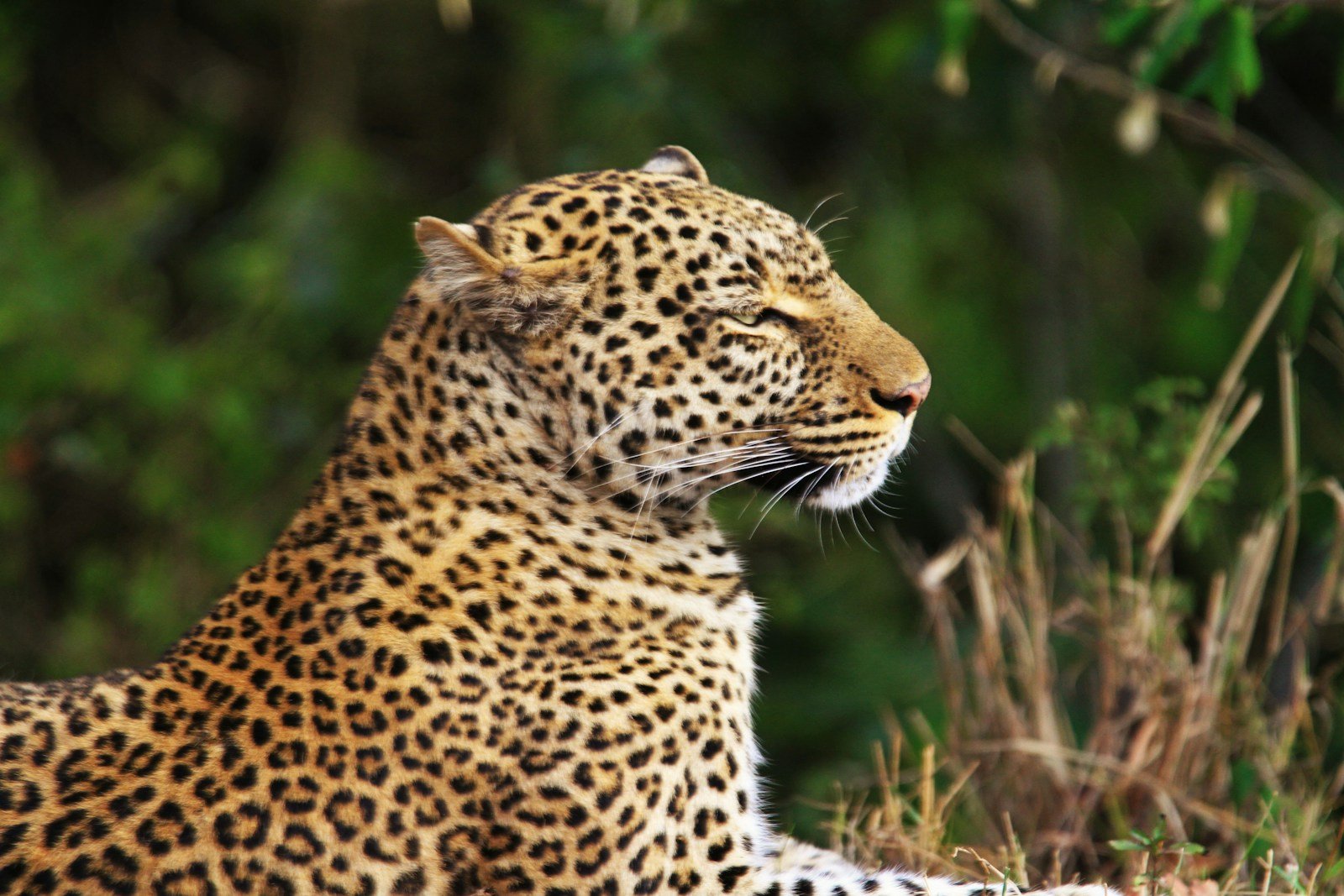
The evolution and survival of melanistic big cats offer a compelling glimpse into nature’s adaptability and resilience. These animals not only contribute to the biodiversity of their habitats but also remind us of the intricate balance within ecosystems. Continued research and conservation efforts are vital to ensuring that these enigmatic creatures continue to thrive, captivating imaginations and maintaining the ecological integrity of their environments for generations to come.

Hi, I’m Bola, a passionate writer and creative strategist with a knack for crafting compelling content that educates, inspires, and connects. Over the years, I’ve honed my skills across various writing fields, including content creation, copywriting, online course development, and video scriptwriting.
When I’m not at my desk, you’ll find me exploring new ideas, reading books, or brainstorming creative ways to solve challenges. I believe that words have the power to transform, and I’m here to help you leverage that power for success.
Thanks for stopping by, Keep coming to this website to checkout new articles form me. You’d always love it!