You’ve probably never heard of a cat that not only swims but actually dives underwater to catch its dinner. Most felines famously despise getting their paws wet, yet there’s one remarkable exception prowling the wetlands of Asia. This medium-sized wild cat has developed extraordinary abilities that set it apart from nearly every other member of its family. Its story is one of incredible adaptation, surprising resilience, and mounting pressure from a world that’s rapidly changing around it.
The fishing cat possesses a double-layered coat that serves as a water barrier and insulation, partially webbed feet, ears that plug when submerged, and a curious call reminiscent of a duck. Imagine a creature that’s evolved to master a habitat most cats wouldn’t dare enter. These specialized wetland hunters face a complex web of challenges today, from vanishing habitats to conflicts with humans who share their watery world. What makes their situation particularly urgent is that the global population is thought to have declined by around 30% in the years 2010–2015.
Here’s the thing: saving this unique feline isn’t just about protecting one species. It’s about preserving entire wetland ecosystems that are disappearing at an alarming rate. Let’s dive in and discover what makes these cats so extraordinary and why their survival matters more than you might think.
Nature’s Aquatic Architect: Physical Adaptations That Defy Convention
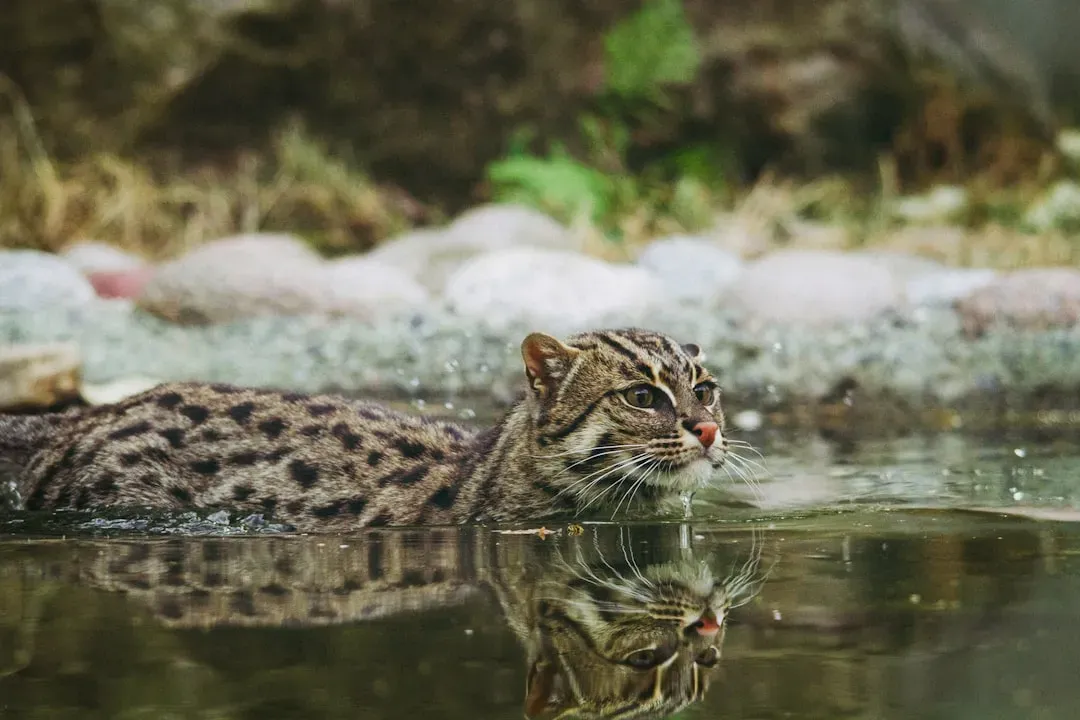
Let’s be real: evolution has played favorites with the fishing cat. Their front toes are partially webbed and their claws protrude slightly even when retracted, facilitating the capture of prey, especially while underwater. Think about that for a moment – while your house cat retracts its claws completely to keep them sharp, the fishing cat sacrifices full retraction for a better grip on slippery fish.
The fur structure alone is a masterpiece of biological engineering. A compact, dense layer of fur right against the cat’s skin is composed of tightly packed strands of hair, which prevents water from reaching the cat’s skin, keeping it warm in chilly waters. It’s like wearing a wetsuit under a raincoat – the inner layer keeps you dry, while the outer layer deals with the wet environment. Males typically weigh between eight and seventeen kilograms, making them roughly twice the size of a typical domestic cat, with muscular builds perfectly suited for their demanding lifestyle.
The Art of the Hunt: Strategic Swimmers With Surprising Tactics
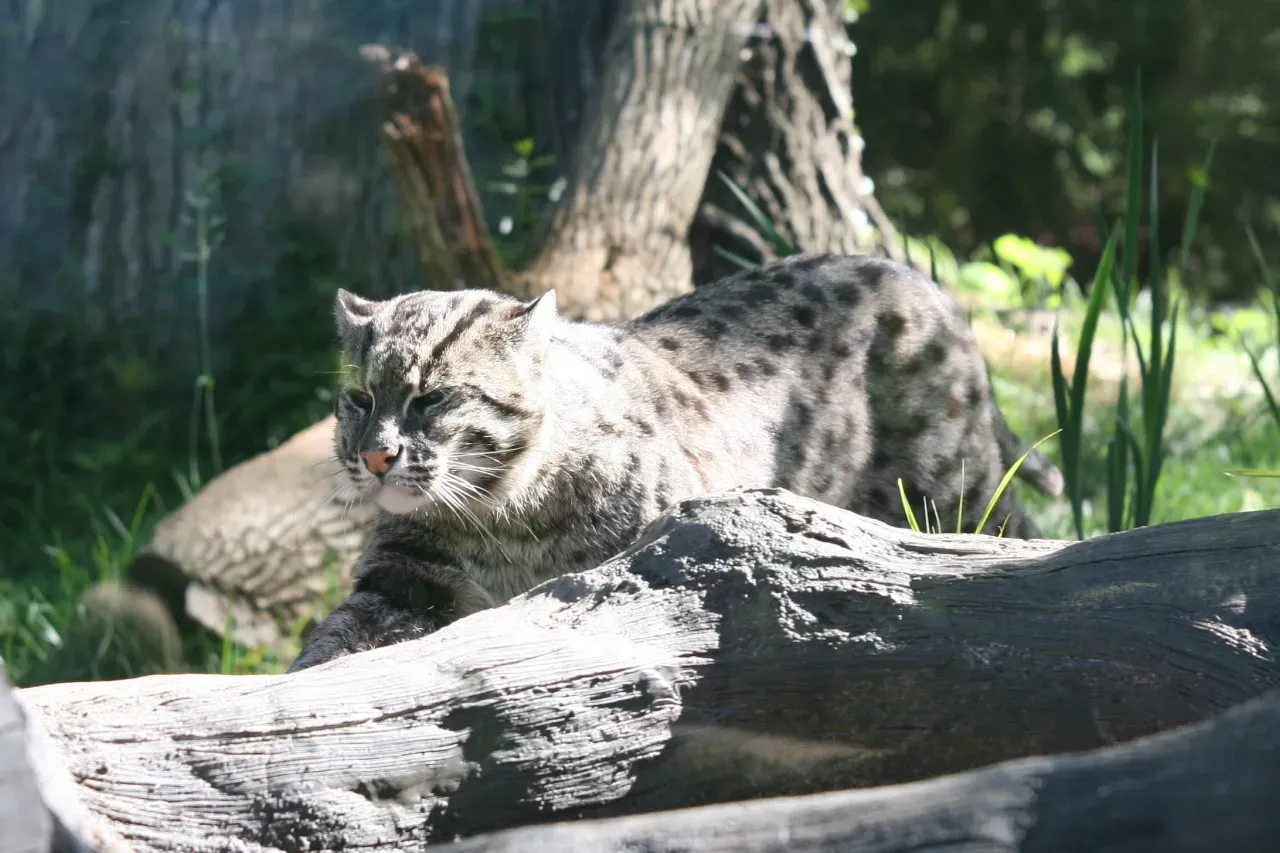
Scientists were genuinely surprised when they finally documented how fishing cats actually hunt. The cat spent much of its time sitting and waiting for prey to come nearer and then took limited attempts to dive into deeper water. It’s fascinating because this conserves enormous amounts of energy – every dive into cold water drains body heat and calories.
The strategy shifts dramatically depending on water depth. In shallow waters where the cat could forage without submerging the upper body it adopted a predominantly active mode of hunting to flush out prey. Picture a cat stomping around in puddles like an excited child, deliberately scaring fish from their hiding spots in the vegetation. By tapping their paws on the surface of the water, they trick fish into thinking the water ripples are from an insect, and when the fish is close enough, the cat dives in after it. That’s not just instinct – that’s clever problem-solving.
Vanishing Wetlands: The Primary Threat to Survival
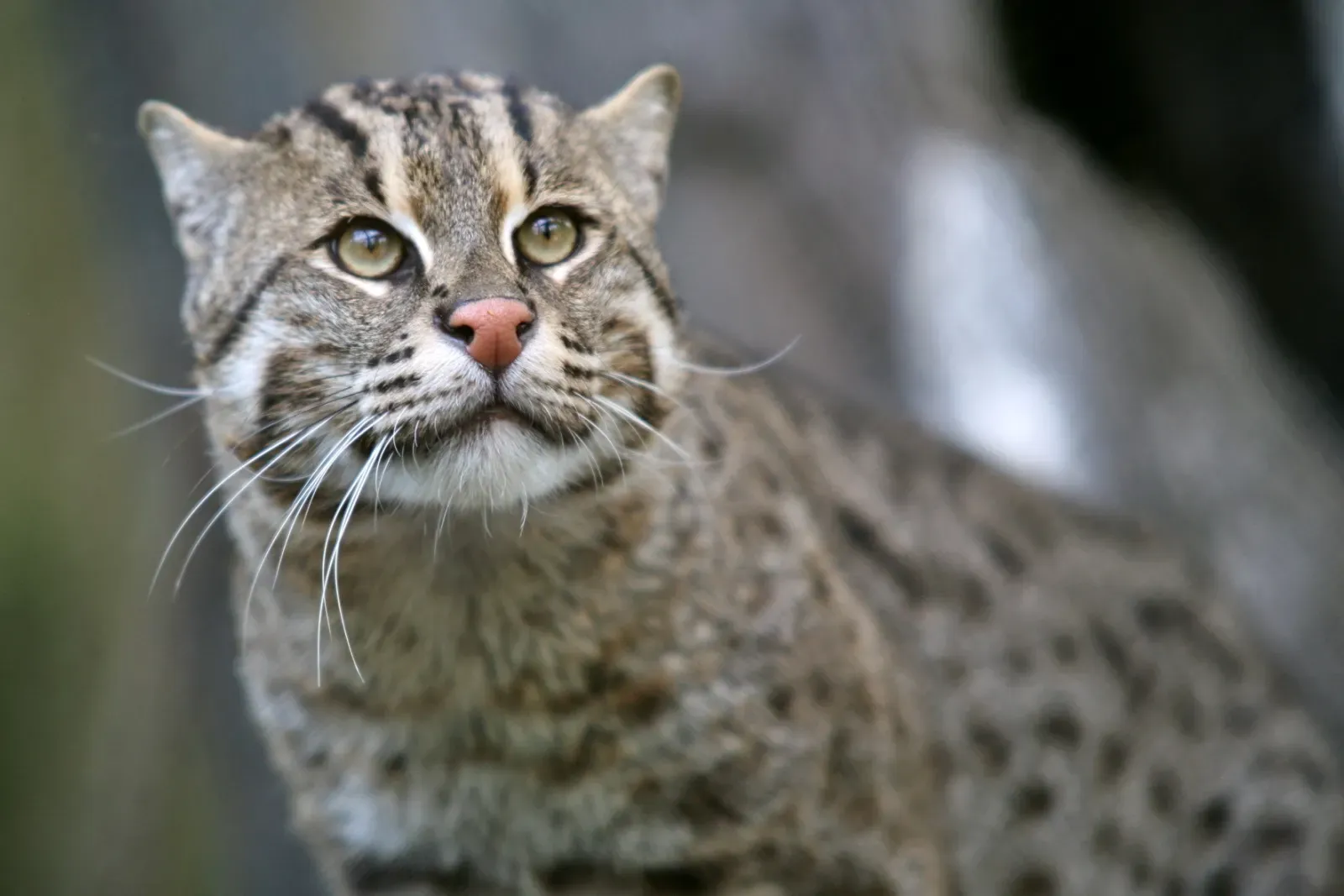
Asia lost 32% of its natural wetlands between 1970 and 2015, primarily due to agriculture, aquaculture, and palm oil plantations. That’s a staggering loss in just over four decades. These aren’t just numbers on a page – each percentage point represents countless acres of habitat where fishing cats once thrived. Wetlands are being drained and converted faster than forests in many regions, creating an urgent crisis for species that depend on them.
Coastal wetlands are an important habitat for the fishing cat in Thailand and Cambodia, however, estimates predict that only 6% of wetlands remain undisturbed. Six percent. Let that sink in for a moment. The conversion to shrimp farms and industrial aquaculture has been particularly devastating. When developers look at a wetland, they often see wasted space that could generate profit, but they’re failing to recognize the intricate ecological value these landscapes provide.
Human-Wildlife Conflict: When Survival Strategies Collide
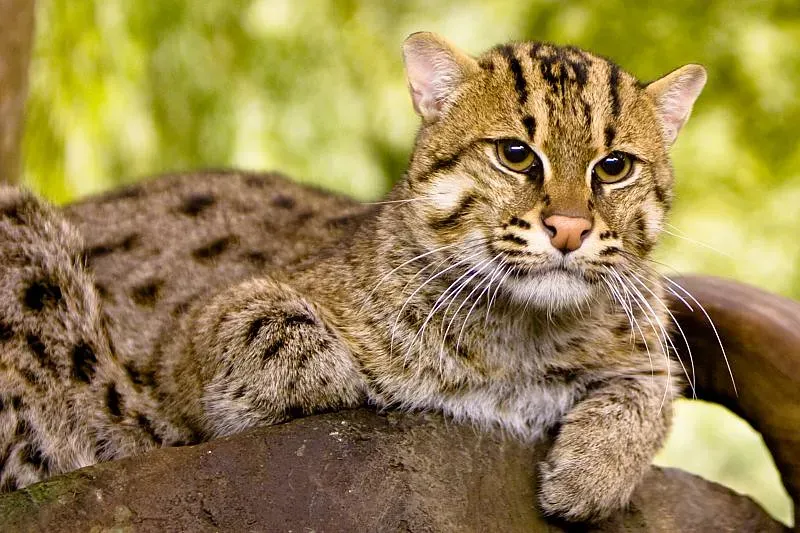
Honestly, it’s hard to blame either side in this conflict. Among 80 interviewees, researchers recorded 25 incidents of conflict, most relating to raids on poultry and damage to fishing gear in pursuit of fish. Farmers struggling to make ends meet can’t afford to lose chickens or fish stock to wild predators. Yet the fishing cat is simply trying to survive in a landscape where its natural prey has become scarce.
A study revealed that conflicts between fishing cats and humans occur every two weeks, with over half of these encounters resulting in the death of a cat. These aren’t always intentional killings – fear drives many of these deaths. Local communities sometimes mistake fishing cats for leopard cubs or other dangerous predators. The cats’ teeth, claws, and whiskers are sometimes taken due to superstitious beliefs about their medicinal or supernatural properties, adding another layer to the threat they face.
Urban Expansion and Novel Dangers in Modern Landscapes
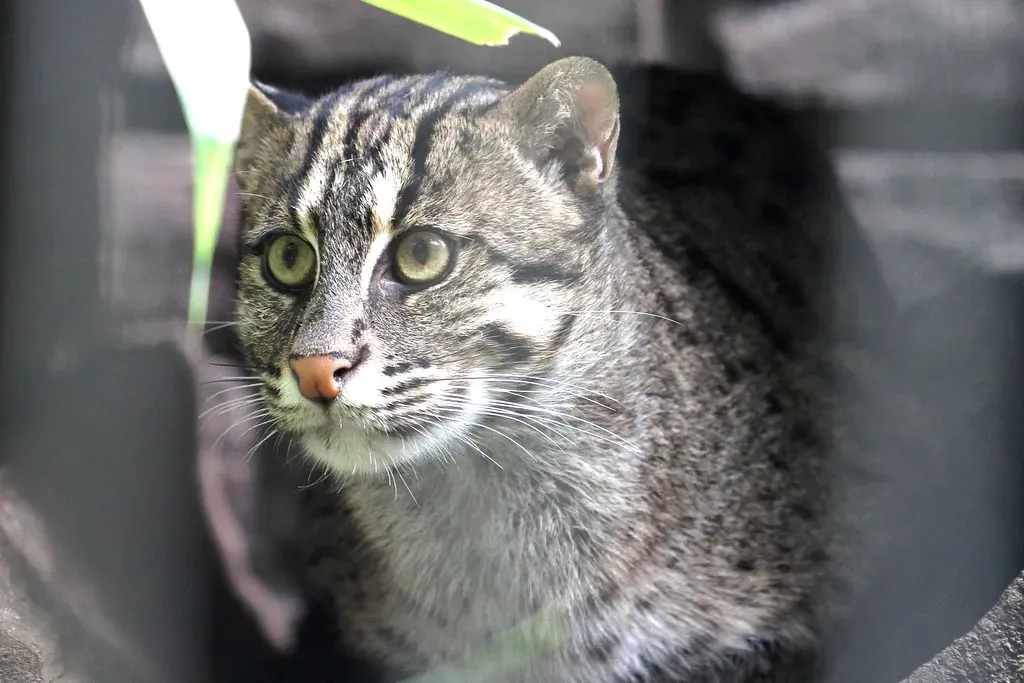
Here’s something unexpected: fishing cats have been spotted fishing in koi ponds in Colombo, Sri Lanka. Researchers warn that urban habitat could constitute an “ecological trap” for the species, exposing it to threats such as disease risk and conflicts with humans. The cats’ adaptability might seem like good news, but thriving in cities brings deadly new challenges that evolution never prepared them for.
A citizen science project has recorded nearly 300 fishing cat roadkill incidents in the last 10 years. Roads slice through what remains of their habitat, creating deadly barriers they must cross to find food, mates, or territory. Researchers in Sri Lanka found plastic in the scat of the small cat, representing a potential underrecognized conservation challenge. Plastic pollution – something that didn’t exist a century ago – is now entering the food chain and affecting even these specialized predators.
Isolated Populations and Genetic Concerns
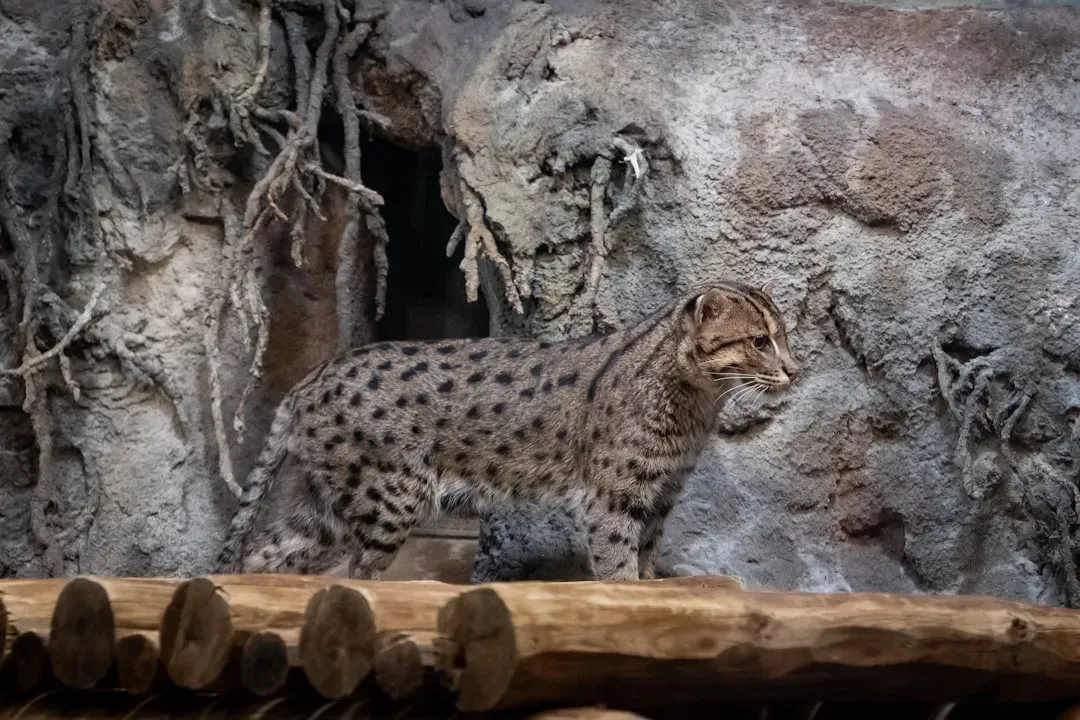
Thailand’s remaining fishing cats are geographically isolated – confined to the few places where wetlands persist, and this fragmentation prevents the natural exchange of genes between subpopulations, raising concerns about the genetic health of the species. Think of it like small islands where each population becomes its own closed system. Inbreeding becomes inevitable when animals can’t travel to find unrelated mates.
The situation creates a vicious cycle: as wetlands disappear, the remaining populations become smaller and more isolated, making them vulnerable to local extinctions from disease outbreaks, natural disasters, or simple bad luck. About two-thirds of the predicted potentially suitable habitat lies outside protected areas. This means most fishing cats are living in landscapes where they have no legal protection, exposed to whatever development pressures emerge next.
Conservation Efforts: Creative Solutions for Complex Problems
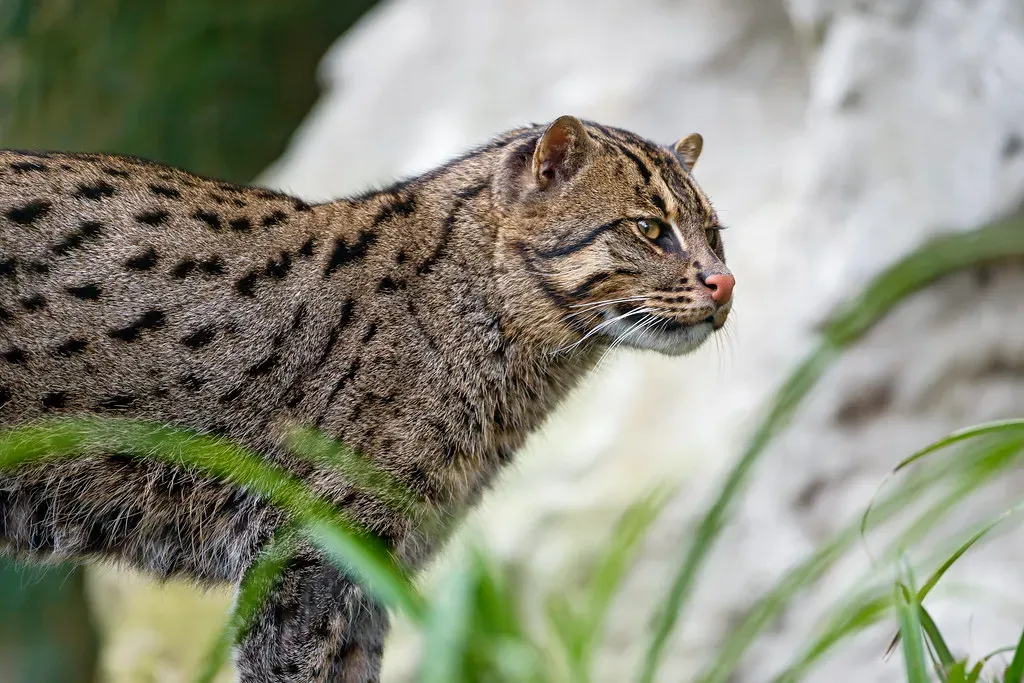
There’s hope emerging from some truly innovative approaches. Programs like “Fish Banks” and “Goat Banks” have been established to provide hatchlings or livestock to farmers as compensation for losses, and conservationists are distributing predator-proof chicken coops and installing solar-powered fences around aquaculture ponds. These practical solutions address the root cause of conflict – economic losses that communities can’t absorb.
There are now 13 conservation projects operating under the banner of the Fishing Cat Conservation Alliance. Community education has become central to these efforts because locals who understand the ecological importance of fishing cats become their most effective protectors. In Khao Sam Roi Yot National Park, a wetland restoration program initiated in mid-2024 restores degraded habitats by removing invasive species and improving water quality, and camera trap surveys indicate a slight increase in fishing cat activity in restored areas. Small victories, but victories nonetheless.
Conclusion: The Wetland’s Ambassador Needs Our Attention
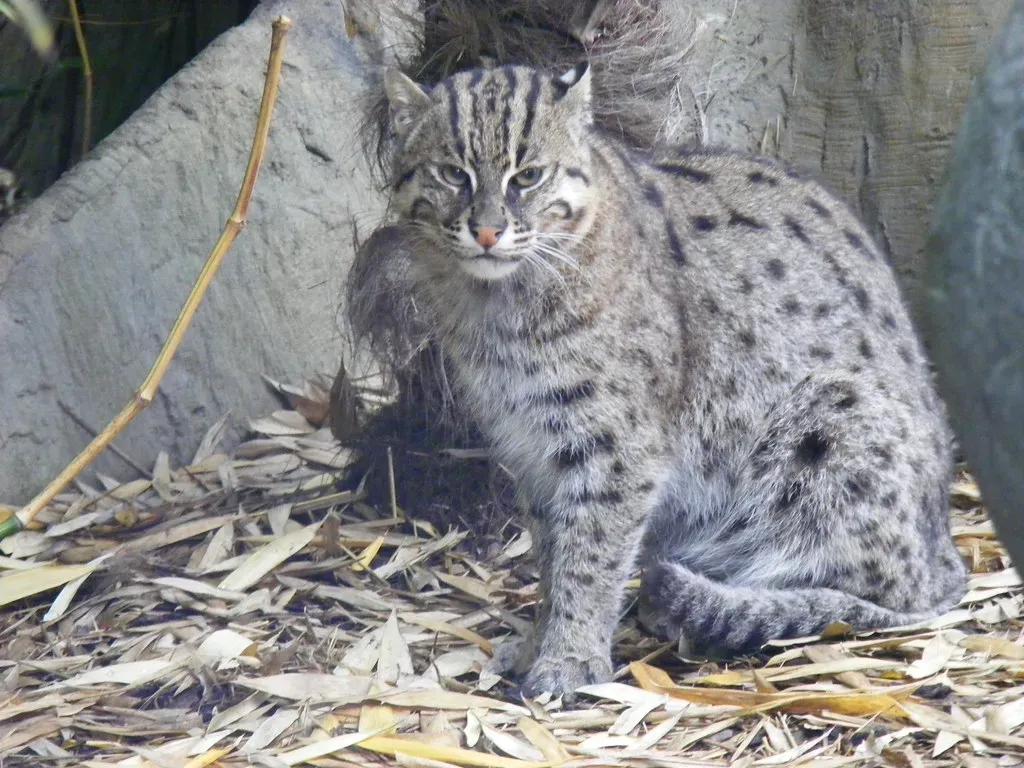
Fishing cats are considered an “indicator species,” meaning their presence or absence indicates how a whole ecosystem is functioning, because the cats play such a significant role in controlling a complex food chain that is contingent on access to water, and their status in the wild is indicative of the health of the ecosystem they inhabit. When fishing cat populations decline, it signals broader ecosystem collapse that affects countless other species – including humans who depend on wetlands for flood control, water filtration, and fisheries.
The fishing cat’s unique adaptations took millions of years to evolve, yet we could lose them in mere decades without concerted action. Protecting wetlands isn’t just about saving one charismatic species – it’s about preserving vital ecosystems that regulate climate, support biodiversity, and provide resources for millions of people. The solutions exist: habitat restoration, community-based conservation, sustainable land use policies, and practical conflict mitigation. What’s needed now is the collective will to implement them before these remarkable swimmers vanish from Asia’s waterways forever. What would it mean for future generations to live in a world where such extraordinary adaptations were lost simply because we couldn’t find the balance between development and conservation?