There’s something profoundly beautiful about watching your feline companion transition into their golden years. The playful kitten who once darted through your home has become a dignified senior, moving with measured grace and carrying years of wisdom in those knowing eyes. Yet this transition brings new responsibilities and opportunities for you to deepen your bond with your aging cat.
When your favorite feline friend is aging, give some extra TLC. The journey of caring for a senior cat isn’t about managing decline – it’s about celebrating this special phase of life and ensuring your beloved companion experiences comfort, dignity, and joy in their later years. Let’s dive in.
Recognizing When Your Cat Enters Their Senior Years
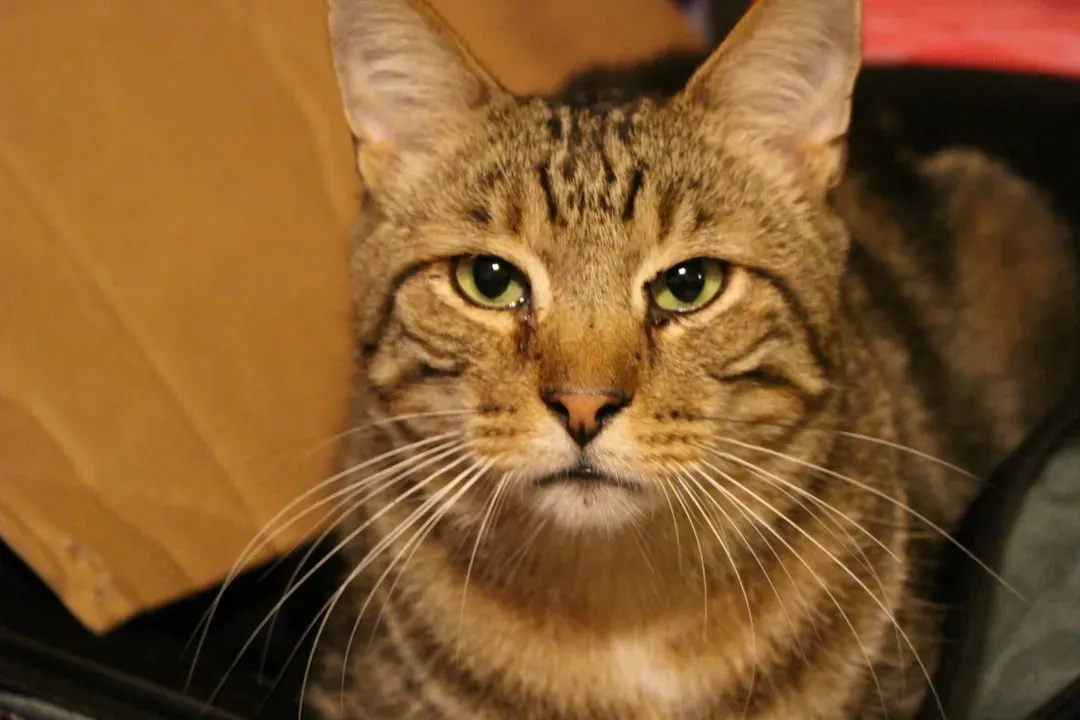
You might be surprised to learn when your cat officially becomes a senior. Cats are classified as mature (7 to 10 years), senior (11 to 14 years), and geriatric (15 years or more). Think about it this way: The first two years of a cat’s life equate to 24 human years and every year thereafter is equivalent to 4 human years.
Your sixteen-year-old cat is roughly equivalent to an eighty-year-old human. That perspective changes everything, doesn’t it? Improved nutrition, infectious disease prevention, and advances in veterinary medicine have resulted in our cats living longer and healthier lives. What this means for you is more precious time with your companion, but also a need to adapt your caregiving approach as they mature.
Understanding the Physical Changes They Experience
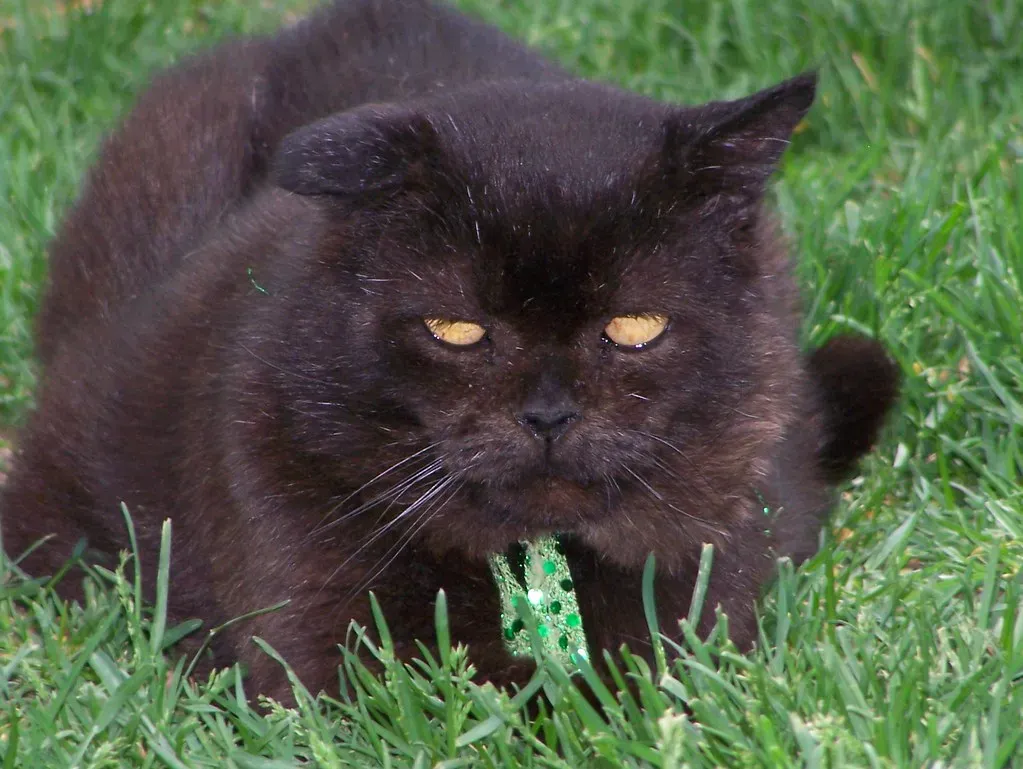
As your cat ages, you’ll notice subtle shifts in their physical abilities. Older cats hunt less, spend less time outside, sleep for longer periods and are generally less active. Their joints may stiffen, making that leap onto the countertop less graceful than before.
As cats age they are more prone to getting arthritis and may have reduced control over their bowels and bladder. Honestly, it’s hard to say for sure, but as many as nine out of 10 senior cats show evidence of arthritis when X-rayed, yet most of us with senior cats have no idea. These changes happen gradually, which is why paying close attention to your cat’s movements becomes so important.
Creating a Comfortable Living Environment
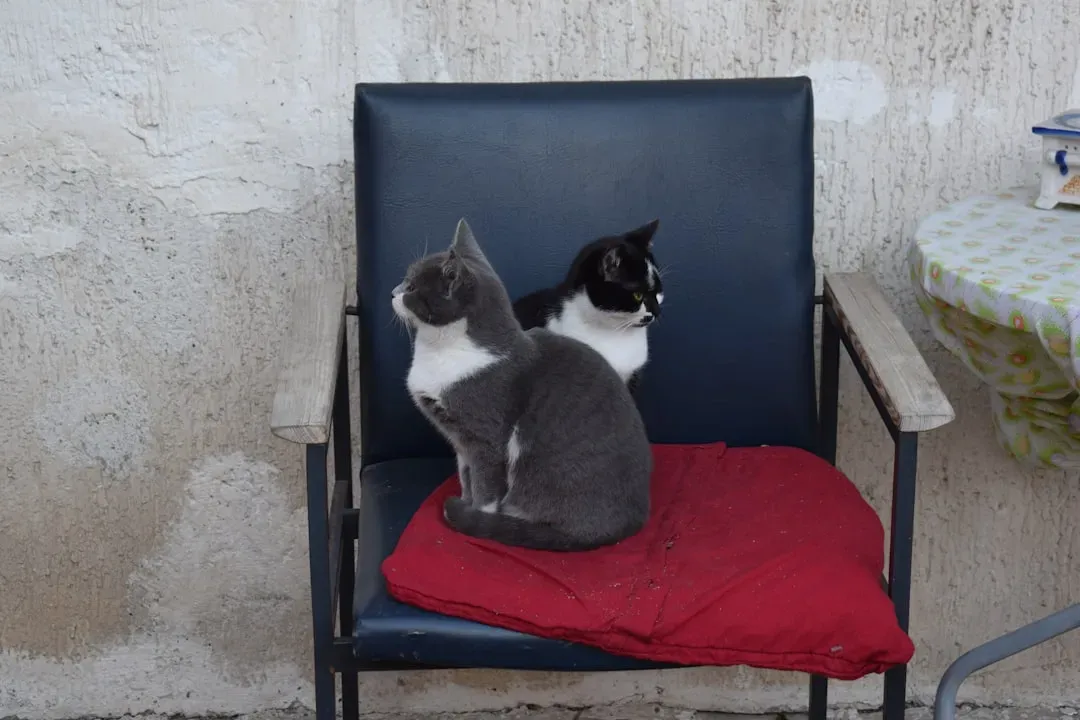
Cats like to seek out warm places to rest. Make sure your older cat’s favorite soft bed or resting place is not in a drafty area of your home. Warmth becomes increasingly important for aging joints and muscles, providing natural comfort.
It’s a good idea to install litter boxes on every floor to make them easy to reach. You might also consider placing food and water stations in multiple locations throughout your home. Place resources (food, water, litter boxes, bedding) in multiple locations where your cat can easily access them. If your cat is having trouble jumping to favorite high surfaces, add steps or ramps for access. These simple modifications preserve your cat’s independence and dignity.
Regular Veterinary Care Becomes Essential
Here’s the thing: your senior cat needs more frequent veterinary attention than they did in their younger years. The American Association of Feline Practitioners recommends that healthy, older cats be examined by a veterinarian every six months. This might seem like a lot, but remember how quickly cats age compared to humans.
Cats are very good at masking illness and disease. If a disease can be detected early, before a cat shows signs of illness, then steps can often be taken to manage or correct the problem before permanent damage occurs. There are five main categories of wellness testing for senior cats: complete blood count (CBC), biochemistry profile, urinalysis, thyroid hormone testing, and blood pressure assessment. These comprehensive checkups can catch problems while they’re still manageable.
Adjusting Their Nutrition for Optimal Health
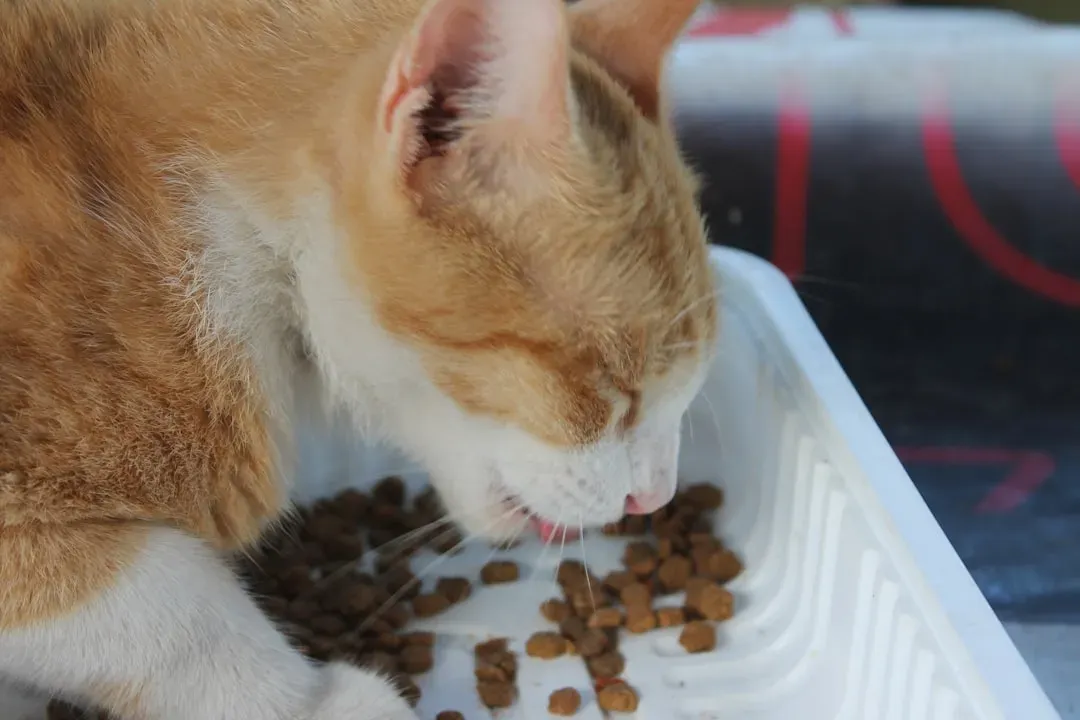
“It’s especially important that senior cats have easy access to clean water because kidney function frequently deteriorates in older cats.” Water becomes even more critical as your cat ages, helping prevent constipation and supporting kidney health.
Research has shown that fat and protein digestibility decrease with age in cats, causing seniors to have a higher dietary requirement for these macronutrients. From 12 years: a highly digestible diet with higher levels of protein and fat to help maintain lean body mass and ideal body condition. You’ll want to work closely with your veterinarian to select the right food for your cat’s specific needs. Consider mixing canned and dry food to let your cat absorb the water canned food offers.
Managing Weight to Protect Aging Joints
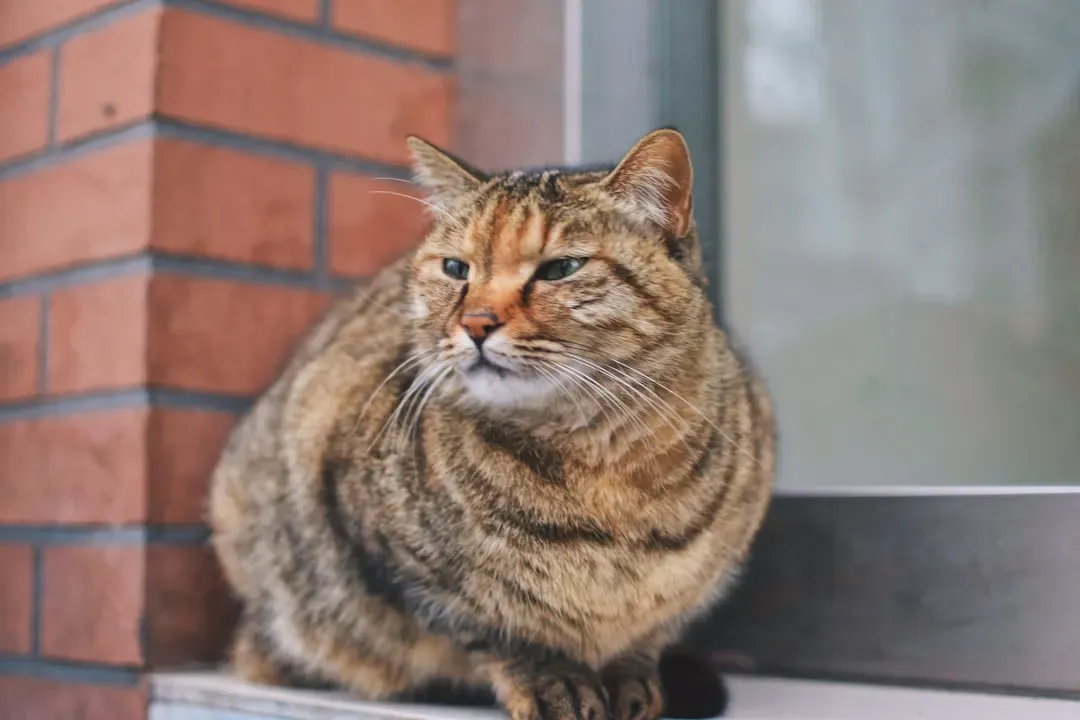
The most important thing you can do to prevent the pain from arthritis is to keep your cat at healthy weight. As little as a pound or two of excess weight can significantly increase the pain of sore joints. Let’s be real – maintaining your cat’s ideal weight is one of the most impactful things you can do for their comfort.
Weight loss in senior cats is usually a sign that something is wrong. Some of the most common diseases causing weight loss – hyperthyroidism, intestinal disease, and diabetes – occur with a normal or even increased appetite. Monitoring your cat’s weight is one of the most important reasons for routine examinations by your veterinarian. Weight changes in either direction warrant attention and possibly intervention.
Helping Them Move with Ease and Comfort
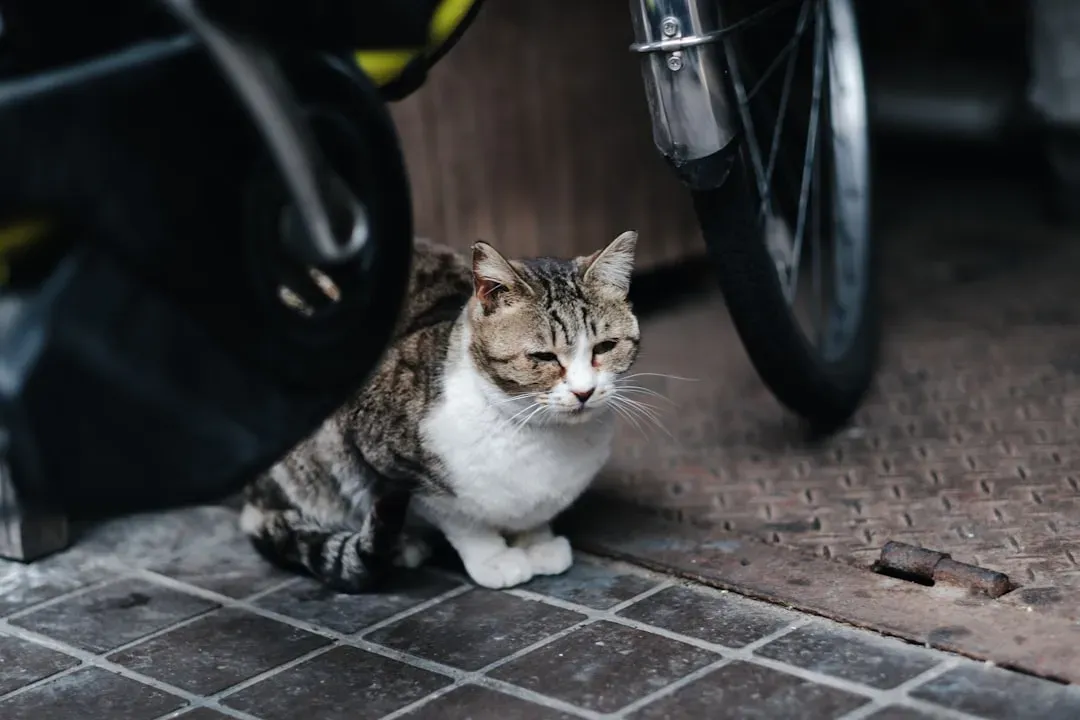
There are some things you can easily add to your cat’s environment to help them and improve their mobility. Add these rugs, runners, and mats throughout your home and be sure to also put them on the floor surfaces around your bed, couches, and any windowsills your cat may spend their time lounging on. Non-slip surfaces make a tremendous difference for arthritic paws.
Consider providing ramps or steps to help your cat reach their favorite perches. Regular nail trimming and care can greatly improve your cat’s comfort level and mobility. If you can’t easily trim your cat’s nails yourself, speak with a good groomer or your veterinarian’s office about having it done. Overgrown nails can affect how your cat walks and put unnecessary pressure on already sensitive joints.
Supporting Their Dental Health
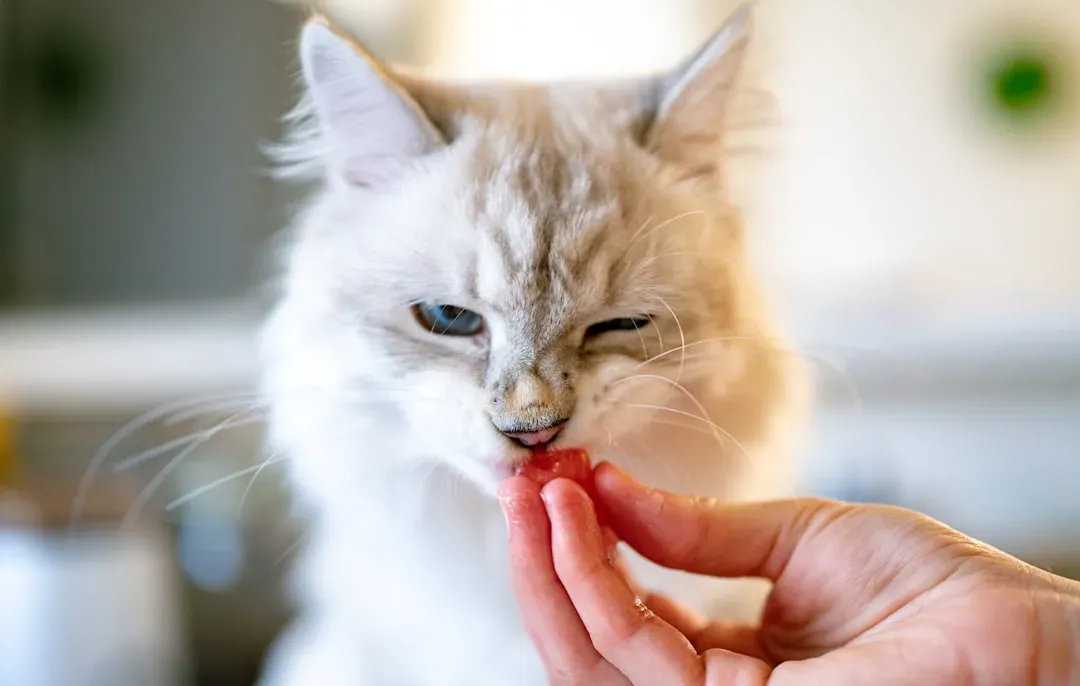
Infections in the mouth enter the bloodstream and can slowly affect the liver, kidneys and heart. So paying attention to your cat’s dental health is essential to caring for them during their senior years. Dental disease isn’t just about bad breath – it’s a systemic health issue that impacts your cat’s entire body.
Cat parents see weight loss and a poor hair coat as the vague signs of aging, not an indication of a potential problem. A thorough veterinary exam and routine dental care can drastically improve your cat’s quality of life, and can even extend their lifespan. I know it sounds crazy, but dental health might be one of the most overlooked aspects of senior cat care. Regular checkups and home dental care can make a remarkable difference.
Recognizing Behavioral Changes
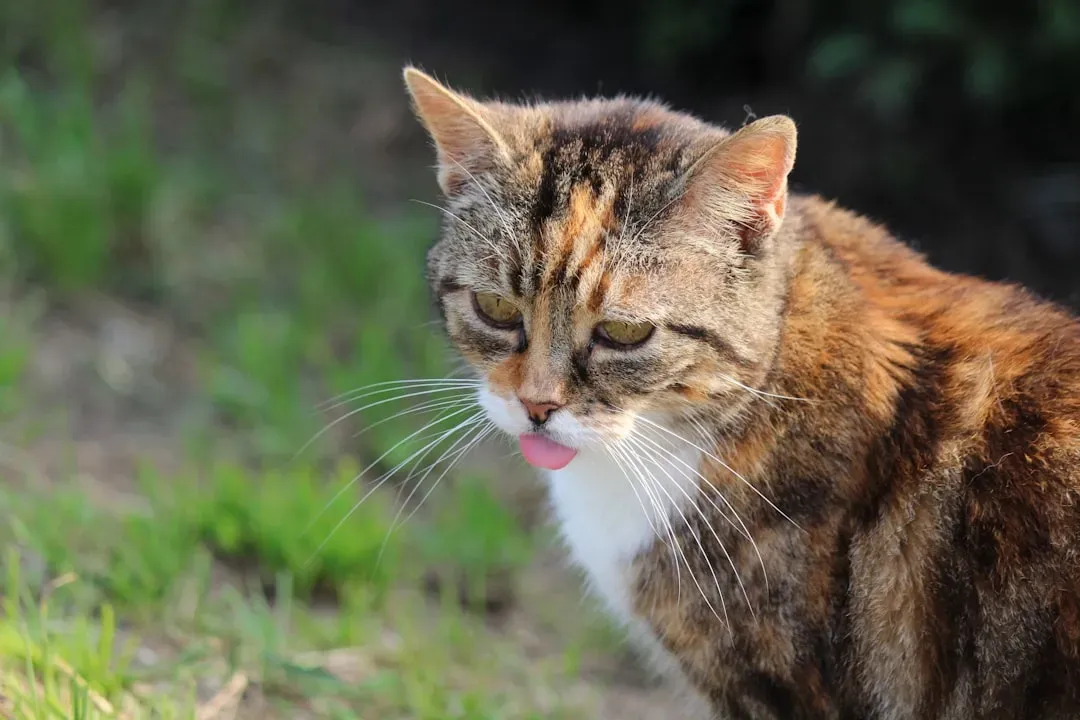
The behavioral signs of cognitive dysfunction tend to become clearly noticeable in cats that are 10 years of age or older. The signs include spatial disorientation; wandering away from home into unfamiliar territory; lack of interest in playing; excessive sleeping; altered cycles of sleep and wakefulness; long periods of staring blankly into space or at walls; indifference to food and water; urinating and defecating outside.
More than a quarter of cats aged 11 to 14 show at least one sign of dementia. It’s even more common as they age, with half of cats over the age of 15 showing signs of cognitive dysfunction. Older cats cherish predictable days more than younger cats do. “Just as we become set in our ways as we get older, cats do too.” Maintaining consistent routines becomes increasingly important for senior cats experiencing cognitive changes.
Providing Gentle Grooming Assistance
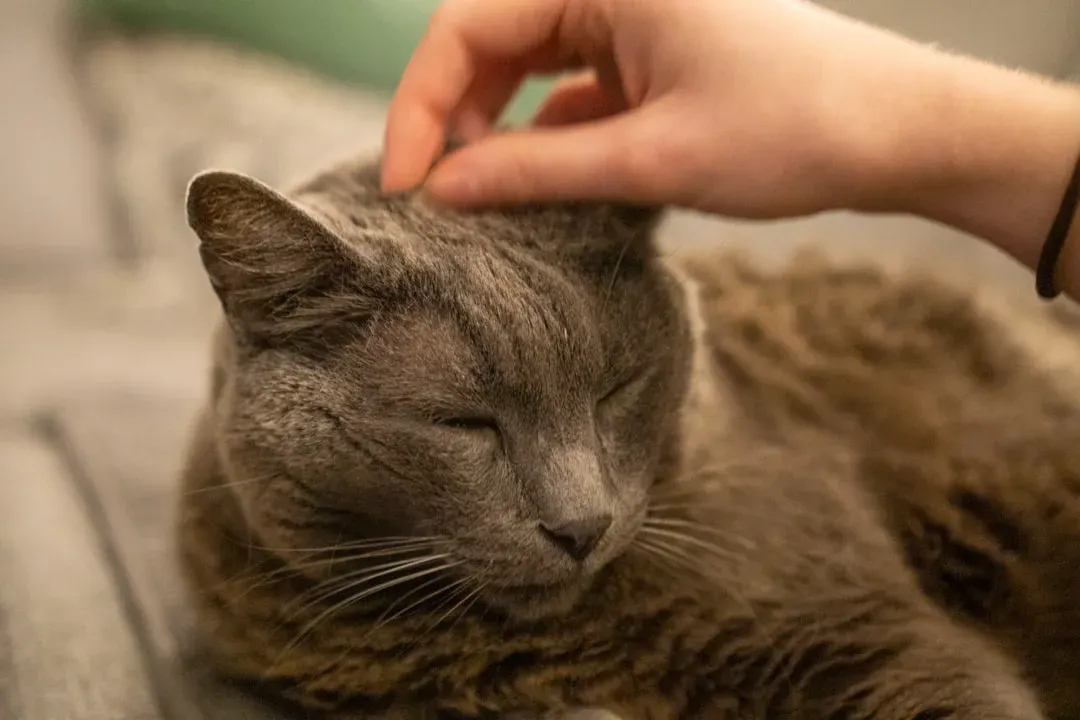
As your cat gets older, they’ll naturally struggle with keeping themselves clean. By helping them and checking them daily, you’re not just improving their wellbeing, it’s also an opportunity to detect any potential problems early and take the necessary action. Your senior cat might not be able to reach all those spots they once groomed with ease.
Older cats can benefit from more frequent hands-on help if their self-grooming begins to wane. Gently brushing or combing removes loose hairs and stimulates circulation and sebaceous gland secretions, returning luster to the coat. This grooming time also becomes a wonderful opportunity for bonding and for you to check for any lumps, bumps, or skin changes that might need veterinary attention.
Accommodating Sensory Changes
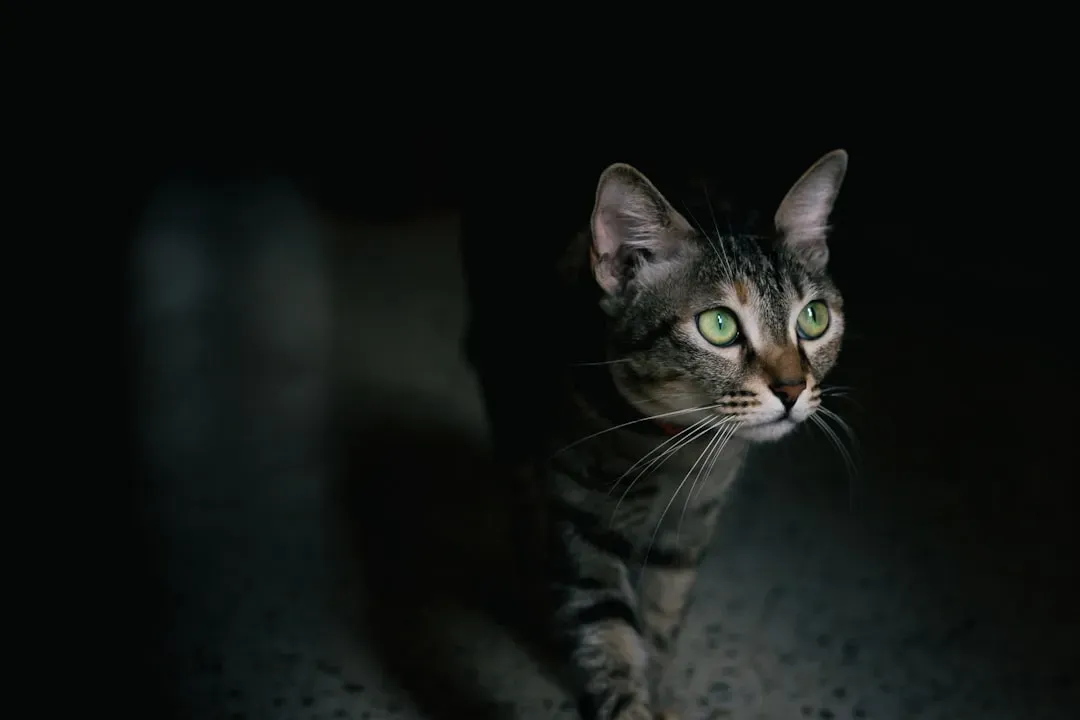
Nightlights help older cats with poor vision or eyesight problems navigate at night. A cat with diminished hearing may start to meow louder than usual since they can’t hear themselves and adjust their volume appropriately. These changes can be disorienting for your cat, but you can help them adapt.
If your cat is blind, try to keep your cat’s environment as stationary and consistent as possible, including litter boxes and furniture. To avoid disorienting or startling a blind cat, do not pick him up unless necessary and call his name before approaching him. Patience and understanding go a long way when your cat is adjusting to sensory limitations.
Maintaining Mental Stimulation and Enrichment
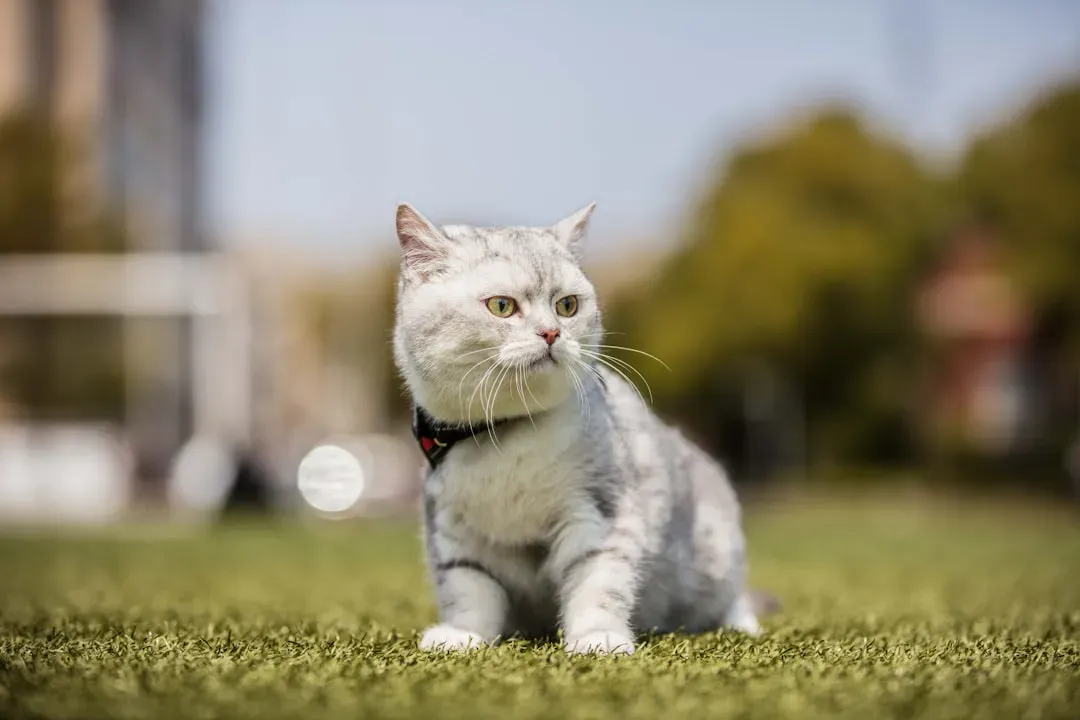
Environmental enrichment is an essential part of your cat’s quality of life. All of these things will help your cat stay physically and mentally stimulated as well as healthy. Senior cats still need engagement, just perhaps in different forms than they did when younger.
Providing mental stimulation and environmental enrichment keeps the brain and body active, and encourages strong neural pathways and brain function. Simple toys, such as cardboard boxes, wand toys, and batting toys, can encourage a senior cat to play, exercise, and explore. Cognitive tasks, such as food puzzles, can also keep cats busy and encourage brain activity. The key is finding activities that match your cat’s current abilities while still providing meaningful stimulation.
Embracing the Emotional Connection
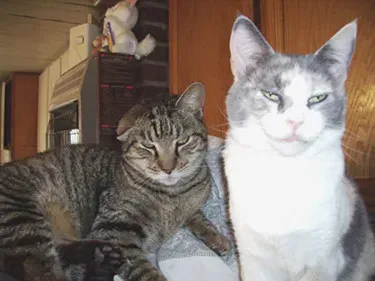
“Some cats may need more emotional support as they age and others may prefer to be left alone. They may become more dependent on relationships and require more attention.” Your cat’s personality might shift as they age, becoming either more affectionate or more independent.
Above all, keeping a predictable routine, setting aside special playtime or nap moments, and consistently showering them with TLC can make a difference in their health and happiness during their senior years. Undoubtedly the greatest need when caring for a senior cat is patience. The time you invest in understanding and meeting your senior cat’s needs strengthens the bond you’ve built over the years. There’s something deeply rewarding about being there for your companion as they’ve always been there for you.
Conclusion: Celebrating the Golden Years
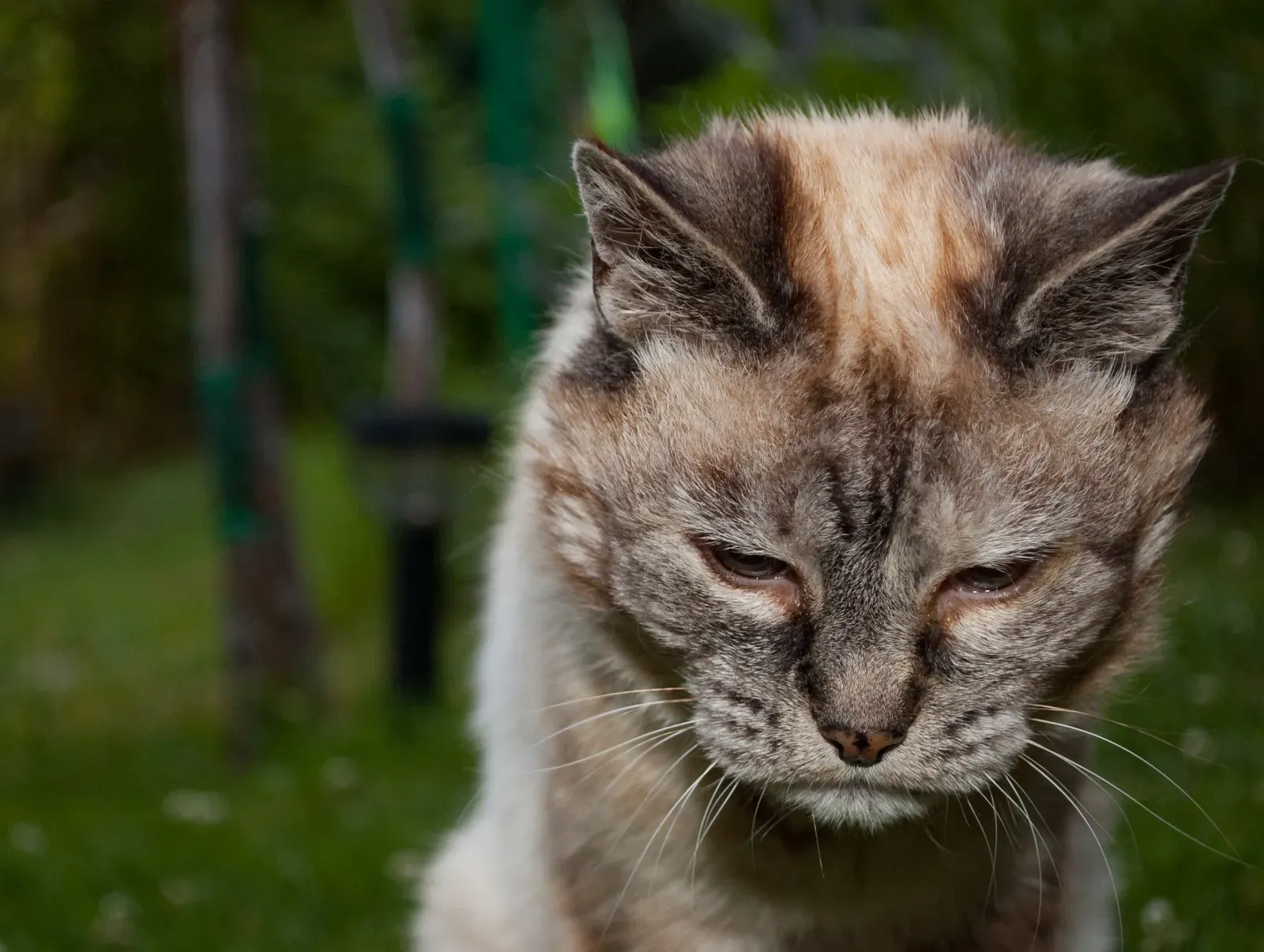
Caring for a senior cat is truly a gentle art – one that requires observation, adaptation, and an abundance of love. The modifications you make to your home, the extra veterinary visits, the adjusted feeding schedule, and the patient assistance with grooming all contribute to your cat’s quality of life during these precious years.
Remember that aging isn’t a disease. It’s a natural progression that brings new opportunities to show your devotion to your feline friend. By staying attentive to their changing needs and working closely with your veterinarian, you’re giving your senior cat the gift of comfort, dignity, and continued joy.
Every gentle touch, every warm bed you provide, every ramp you install speaks to the depth of your commitment. Your senior cat has given you years of companionship, and now you have the privilege of returning that gift tenfold. What changes have you noticed in your senior cat lately? Share your experiences and let’s continue learning from each other about this beautiful journey.