You’re sitting quietly on the couch, phone in hand, half-watching something on TV, when your cat climbs up beside you and – thump – gently presses their forehead right against your cheek. It feels almost absurdly sweet, doesn’t it? Like some tiny, fur-covered creature just decided you were worth bumping into on purpose.
Most people smile, give their cat a scratch behind the ears, and move on. Very few stop to wonder what’s actually happening in that moment. As it turns out, that little headbutt is not random. It’s not just your cat being adorably weird. It’s one of the most meaningful gestures in the entire feline communication playbook. Let’s dive in.
What Exactly Is a Cat Headbutt, Anyway?
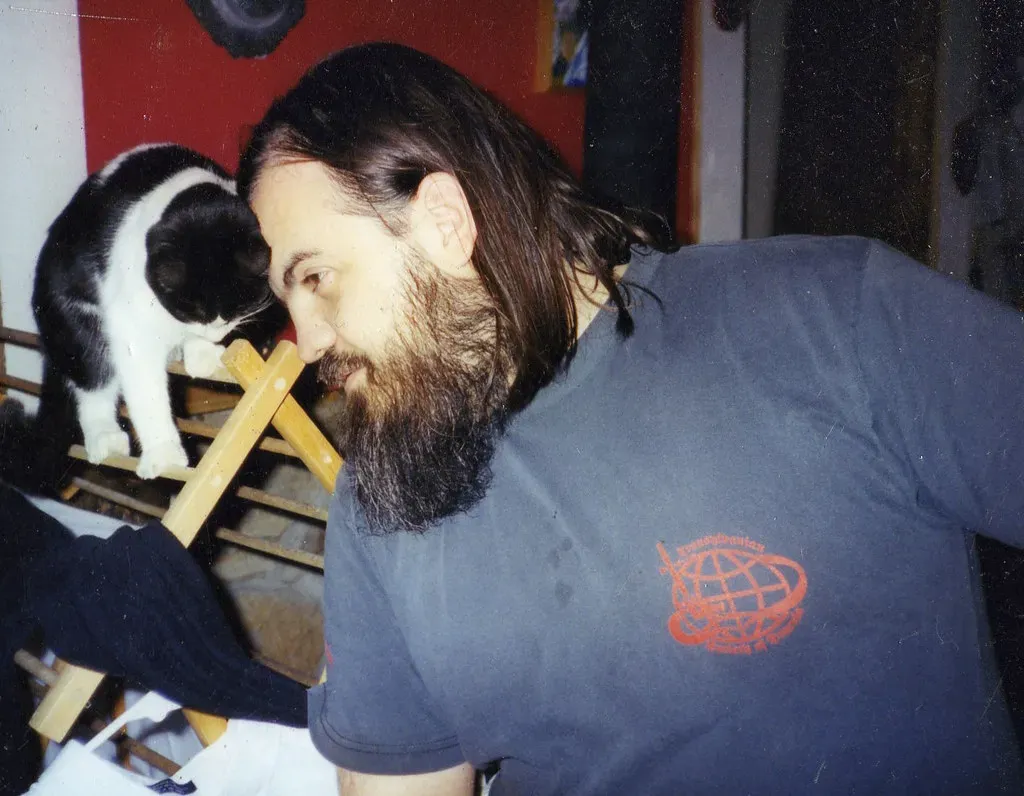
Here’s the thing – what you call a headbutt, animal behaviorists have a much more interesting name for. The correct term used by animal behaviorists is “head bunting.” It sounds technical, but the behavior itself is beautifully simple: your cat presses their forehead or face against you, leaving behind something invisible yet deeply meaningful. Think of it like a tiny, chemical love letter that only other cats can read.
If you’re a cat owner, you’ve likely experienced your feline friend gently bumping their head against you. This endearing behavior is more than just a cute gesture – it’s a complex form of communication that reveals much about your relationship with your cat and their emotional state. I think that’s the part most people miss entirely. They see the gesture but never realize the depth behind it.
The Science of Scent: What Your Cat Is Actually Doing
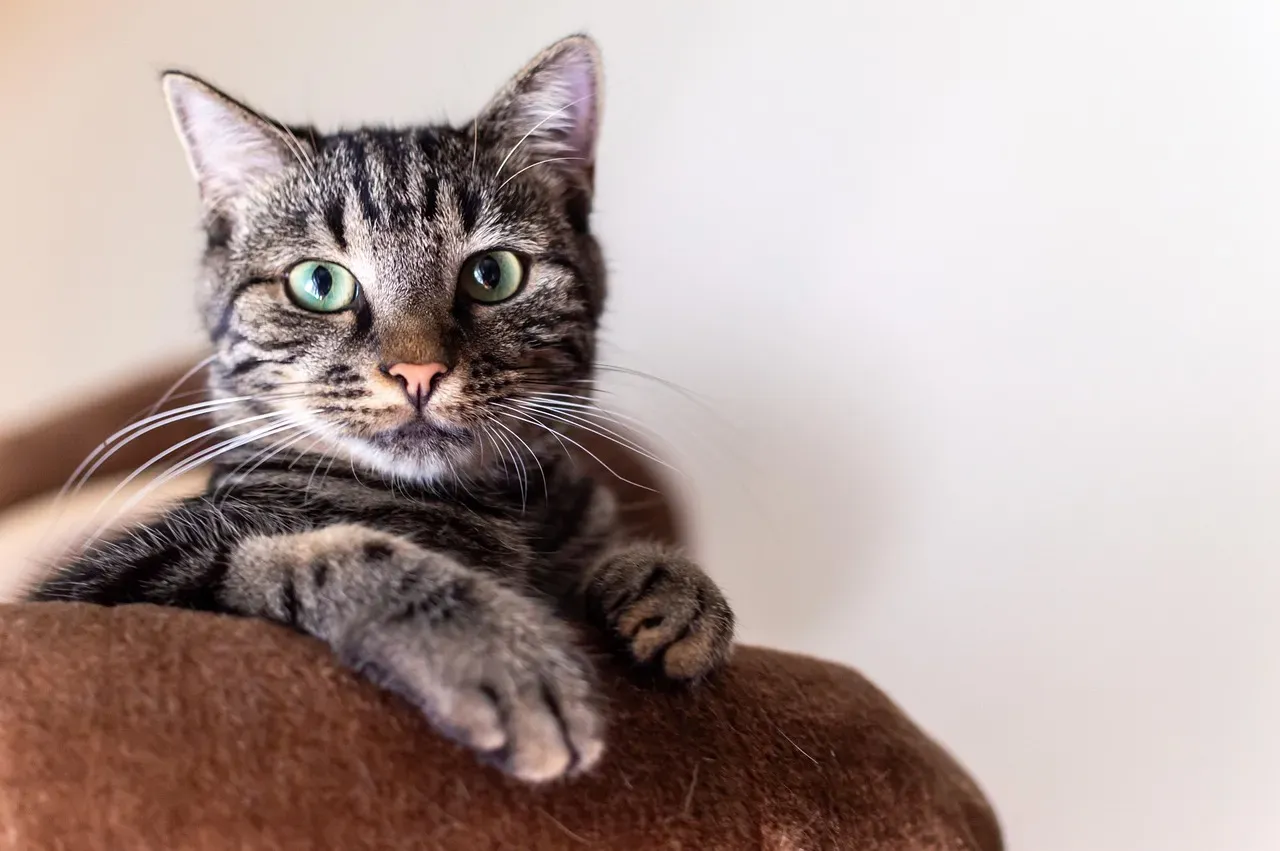
Your cat’s face contains several scent glands, particularly around the cheeks, chin, and forehead. These glands release pheromones – chemical signals that cats use to communicate with other animals and mark their territory. These pheromones are imperceptible to humans but carry important messages to other cats. Honestly, it’s a little mind-blowing when you think about it. Your cat is essentially writing in a language you can’t even detect.
The head glands used for bunting are located between a cat’s eyes and ears and are called temporal glands. Temporal glands produce a fatty substance containing pheromones that a cat can transfer from herself to objects, people, and other animals. The fur covering this area is usually the thinnest on the cat’s body and is sometimes a little oily from the gland. So the next time you feel that soft little press against your forehead, know that something genuinely fascinating is happening on a molecular level.
You’ve Been Marked – and That’s a Compliment
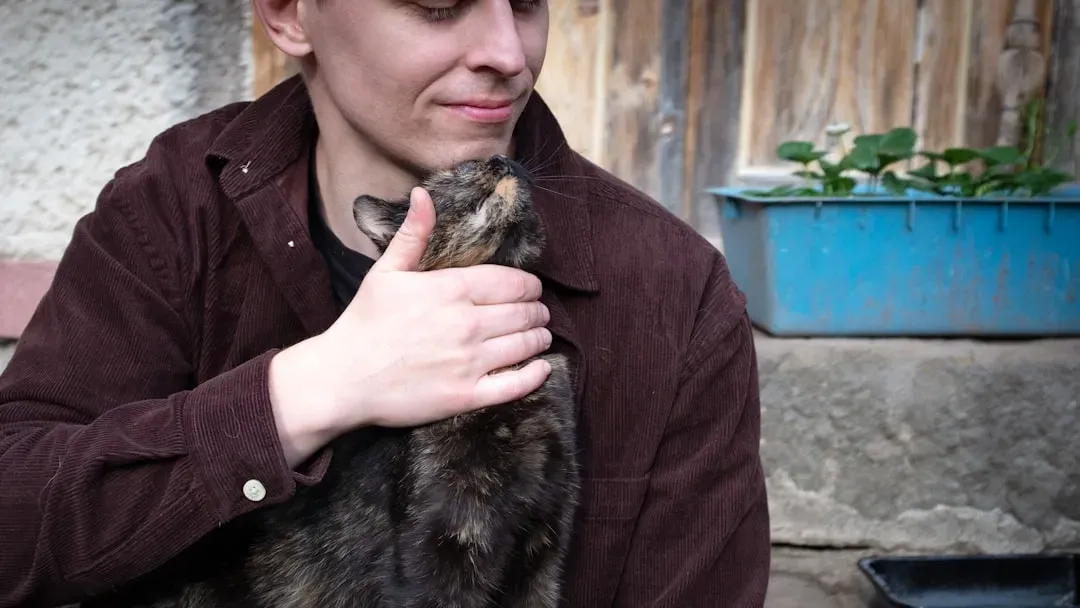
When a cat headbutts and marks you, it means you’ve been accepted into a very special club: a cat’s inner circle. By marking you, a cat is connecting to you through scent and bonding with you. It’s a bit like being handed a VIP badge, except the badge is invisible, smells like cat pheromones, and only your cat knows you’re wearing it. Wear it with pride.
In the feline world, bunting is a sign of trust and social acceptance. When your cat bunts you, they’re effectively marking you as part of their trusted social group. This behavior is particularly significant because cats typically only bunt those they consider family or close companions. Cats don’t hand out this kind of affection freely. If you’re getting headbutted regularly, you’ve genuinely earned something.
It’s a Profound Act of Vulnerability and Trust
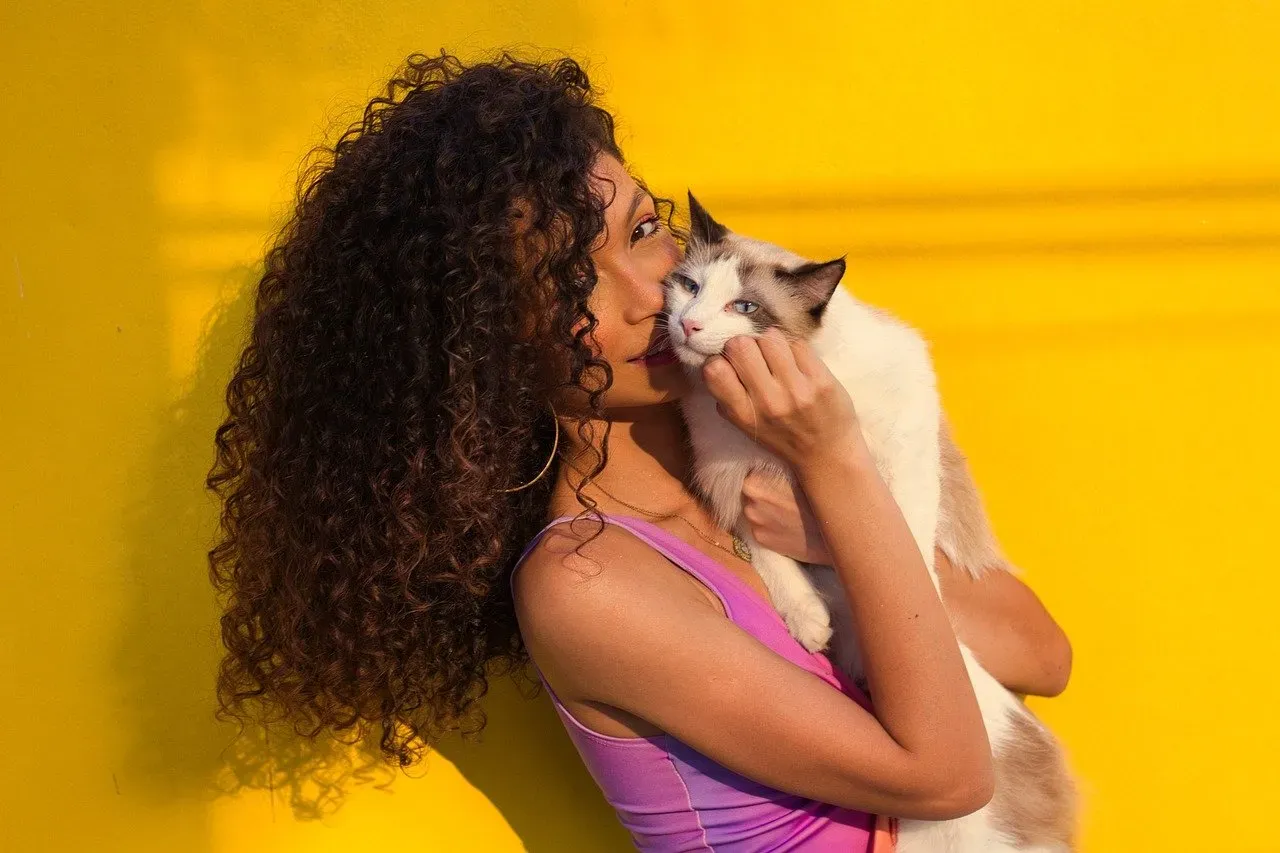
Headbutting is a comforting, trusting behavior. It means they feel safe and relaxed with you, and even emotionally connected. It’s a highly vulnerable move. Think about that for a second. A creature that evolved to survive on sharp instincts and constant vigilance is choosing to press the most sensitive part of its body – its face – directly against you. That’s not something you do around someone you don’t trust completely.
Bringing their head so close to another cat’s teeth and claws makes a bunter extremely vulnerable, and cats will typically only engage in this behaviour when they feel safe and trust the recipient. It’s the feline equivalent of closing your eyes in front of someone. In cat terms, that’s enormous. Honestly, it puts a lot of other behaviors in perspective.
Building a Colony Scent: Your Cat Sees You as Family
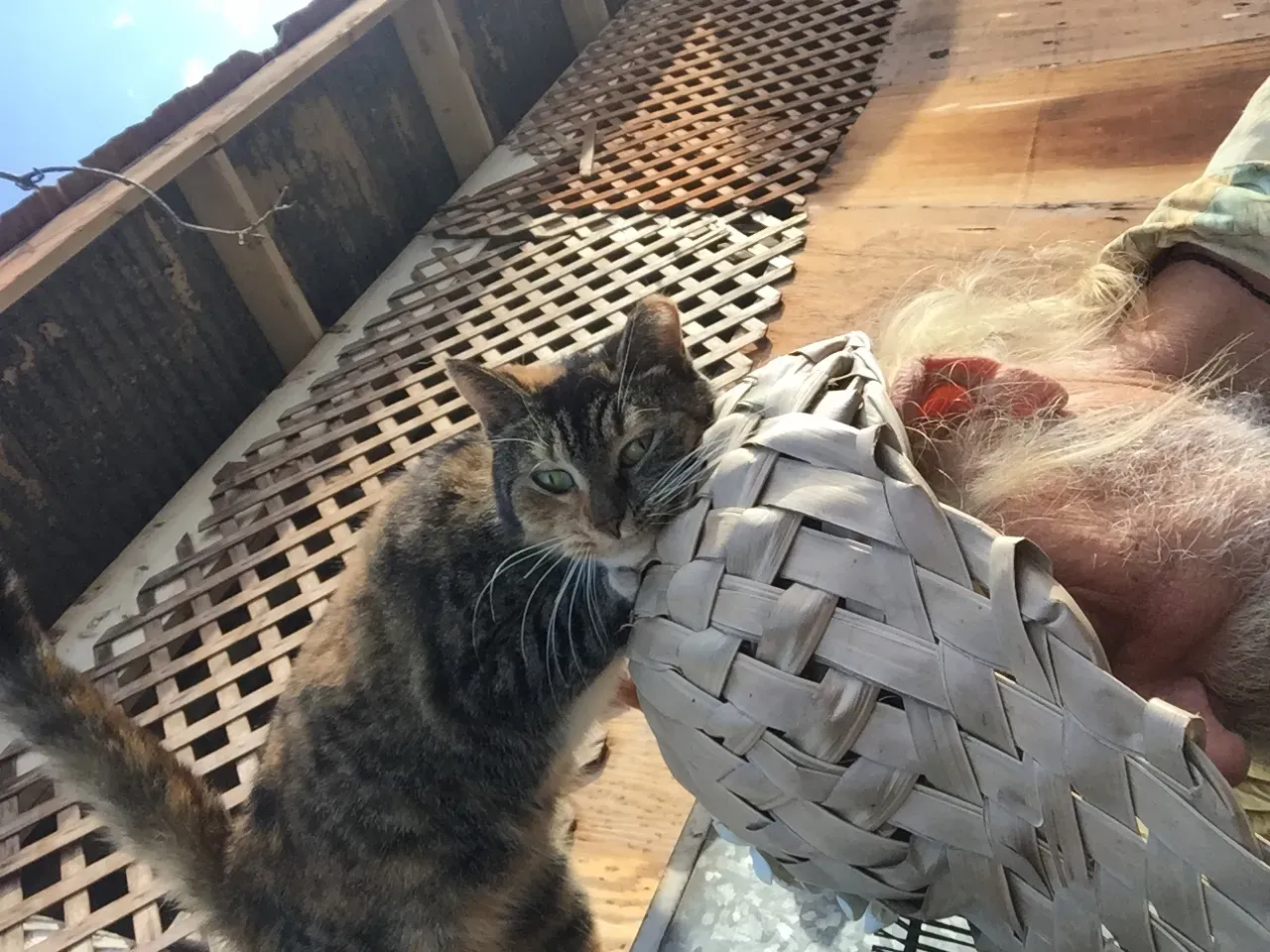
These pheromones help create what behaviorists call a “group scent” or “colony scent,” which is essential for social bonding and territorial marking. This is where things get especially fascinating. Your cat doesn’t just see you as a human who opens cans and provides a warm lap. They see you as part of their group, their colony, their family. You are embedded in their social world in a very real, chemical sense.
When cats within a colony headbutt each other, they are mixing their scents to create a combined scent. This unique scent is then distributed to all of the cats in the colony as the colony scent. It’s like everyone in a family wearing the same perfume so others know you belong together. A little quirky, but deeply touching when you think about the intention behind it. We humans recognize family and friends by the way they look, but cats recognize members of their group by the way they smell. Group scent is very important for group identity in the cat world.
When Your Cat Headbutts for Attention or Comfort
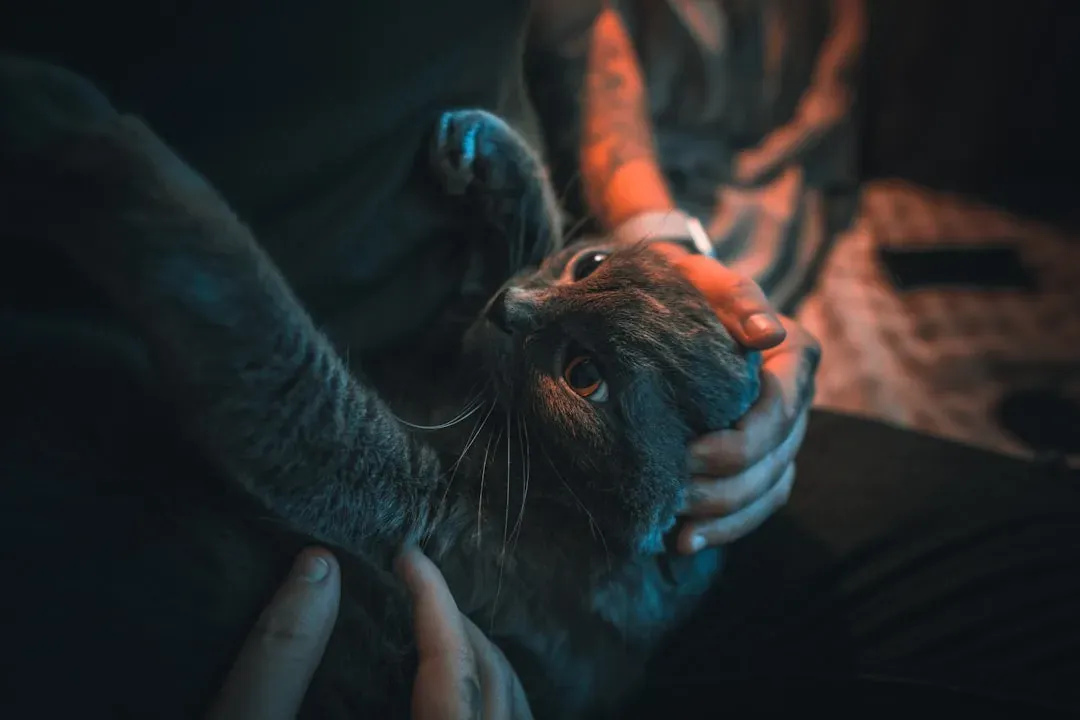
Bunting can be a way to seek attention, not just give affection. If your cat is headbutting you while you’re doing something, it might mean that they need playtime or a pet. Let’s be real – cats are masterful communicators when they want something. A gentle headbutt to your phone while you’re distracted is basically feline for “excuse me, have you forgotten I exist?” It’s pushy, it’s adorable, and it works every single time.
Headbutting may also serve as a comforting action for cats. Just as humans seek physical touch when feeling anxious, some cats use bunting as a way to self-soothe. If your cat headbutts you more often during stressful times – such as after a visit to the vet or when you’ve been away from home – it might be their way of seeking reassurance. So, when you come home after a long trip and your cat immediately buries their face into yours, they may be saying both “I missed you” and “please reassure me that everything is okay.”
Wild Cousins Do It Too: Lions and the Universal Language of Bunting
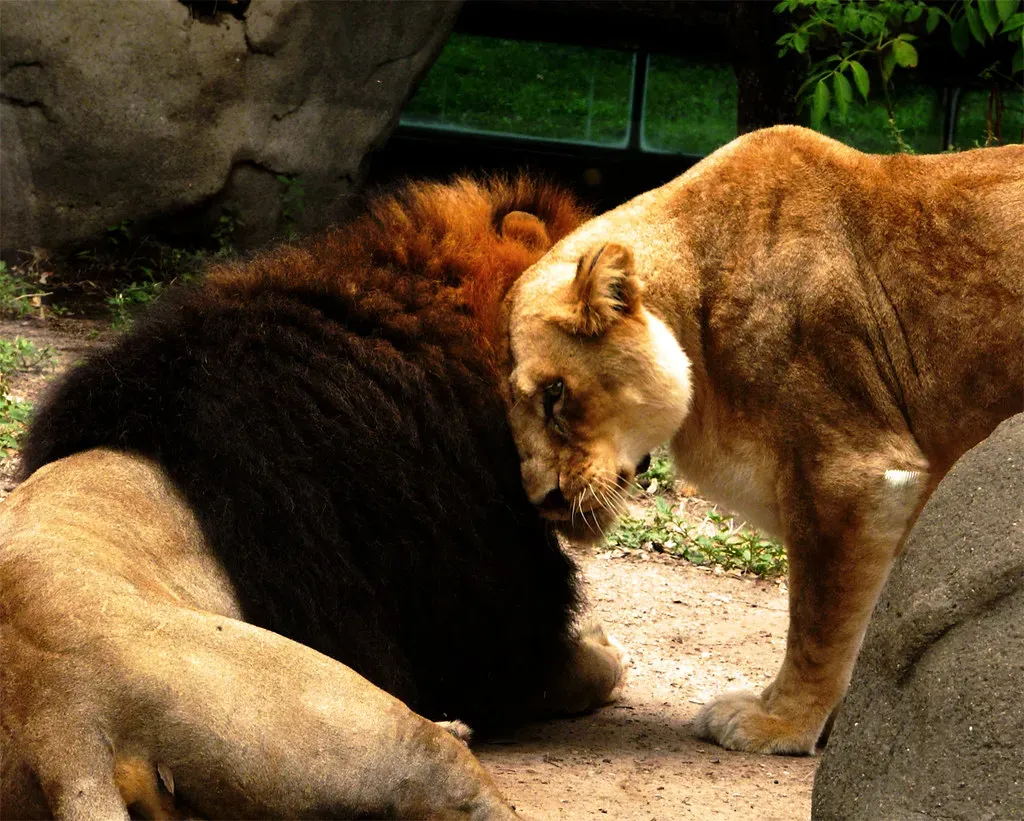
Similarly to domesticated cats, lions also use bunting as a form of greeting and territorial marking. Lions will often greet each other with this head bunting behavior when returning to a pride after a hunt. This is one of those facts that genuinely stopped me in my tracks when I first came across it. The same gesture your tabby uses to say “I love you” is the exact same one a lion uses when reuniting with its pride. There’s something almost poetic about that.
It’s not just our house cats that do this behavior. Large feline species, like lions, also do the head bunting behavior when they see a familiar face or come home to the pride from a hunting trip. This makes them feel more relaxed, letting them know that members of the group are still present and accounted for. Your lap cat and the king of the jungle. Same move, same meaning. I know it sounds a little crazy, but it’s true.
How You Should Respond When Your Cat Headbutts You
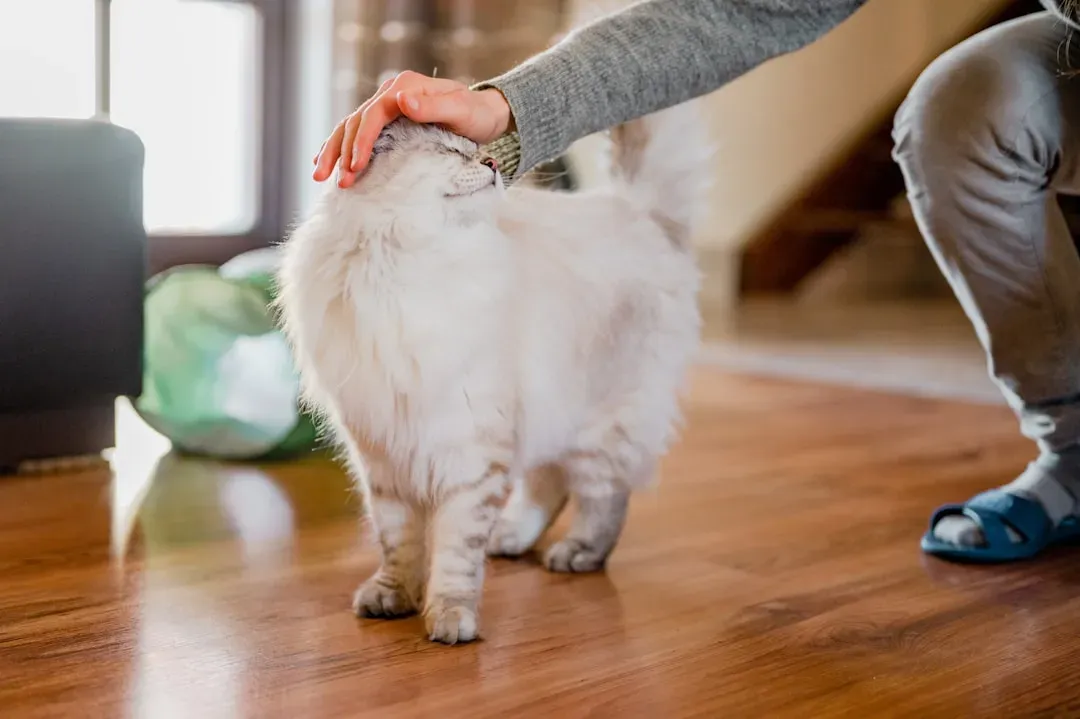
When your cat bunts you, they’re initiating a social interaction and showing trust. The best response is to reciprocate their affection gently. You can softly pet them or speak to them in a calm voice. This positive reinforcement helps strengthen your bond and encourages healthy social behavior. It doesn’t have to be complicated. A slow blink, a gentle hand on their back, or a soft word in return is more than enough to communicate that you received the message.
There’s no need to go forehead-to-forehead with them, but you can lean in or gently press into them to give the affection back. Reward their affection. Pet them in their favorite spot, such as around their chins or behind their ears. They’ll show you that they enjoy it by leaning into you. Pay attention to how your cat responds to different touches, though. Respect your cat’s personal space and let them initiate these interactions. Not all cats bunt frequently, and that’s perfectly normal. Each cat has their own preferred ways of showing affection and maintaining social bonds.
Conclusion
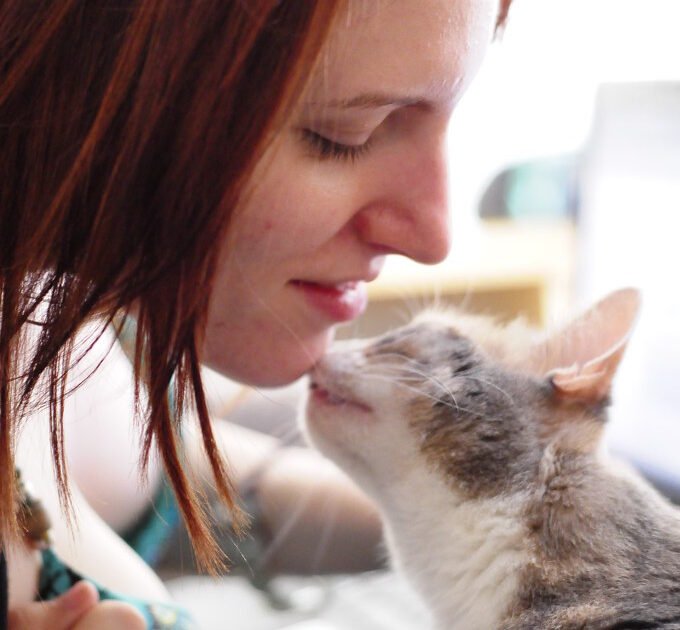
A cat headbutt is not just a quirky moment to post on social media, though it absolutely is that too. It’s a window into a complex, ancient, and surprisingly emotional world your cat lives in every single day. Human-directed bunting is usually interpreted as an expression of love and trust – the feline equivalent of a kiss on the cheek. That little forehead press carries weight that most humans never fully appreciate.
Understanding your cat’s headbutting behavior helps strengthen your bond and ensures you’re responding appropriately to their communication attempts. This special gesture is one of the many ways cats show their trust and affection, making it an important part of the human-feline relationship. So the next time your cat presses their head against yours, pause for just a moment before going back to whatever you were doing. A tiny creature just told you, in their own ancient and wordless language, that you are safe, trusted, and loved.
Did you realize your cat was saying all of that with one gentle little bump? What do you think – does knowing the meaning change the way you’ll respond? Tell us in the comments.