You’re sitting at your desk, focused, and suddenly a small plush mouse lands at your feet. Your cat stands nearby, watching you with wide, expectant eyes, letting out a low, insistent meow. It happens often enough that you’ve stopped being startled by it, yet the question lingers: what exactly is going on in that little feline mind?
In the world of cat behavior, this act of bringing you a toy is far from random. It’s a complex behavior rooted in instincts, emotions, and a genuine desire for interaction and bonding. Understanding what your cat is actually trying to say when they drop a toy at your feet reveals something quite touching about the nature of your relationship with them.
The Ancient Hunting Instinct Still Lives in Your Living Room
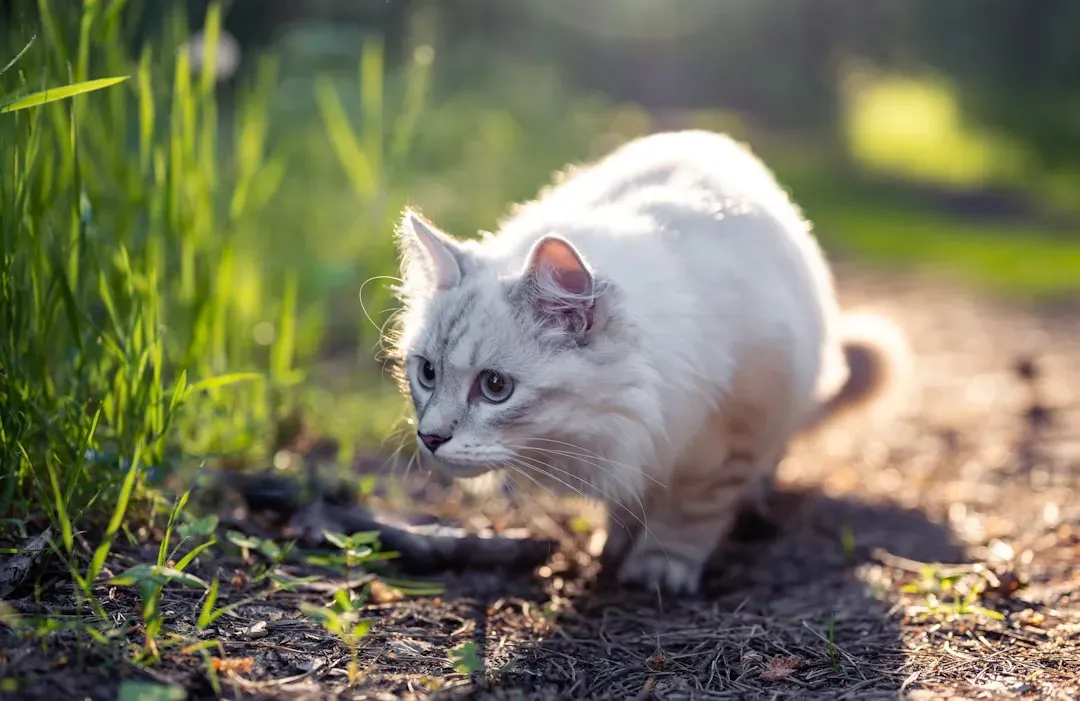
Long before cats curled up on cozy pillows beside their humans, their ancestors prowled forests and fields, stalking prey for survival. Even though house cats today no longer need to hunt for dinner, many still carry the genetic memory of those wild days. That instinct doesn’t simply vanish because there’s a full food bowl in the kitchen.
At their core, cats remain skilled predators despite domestication. Their gift-bringing behavior stems directly from hunting instincts that remain strong even in well-fed house cats. These instincts drive them to catch prey and bring it back to a safe location. Even indoor cats who’ve never hunted live prey demonstrate this behavior with toys, showing that the instinct transcends the need for food.
You’ve Been Accepted Into the Pride
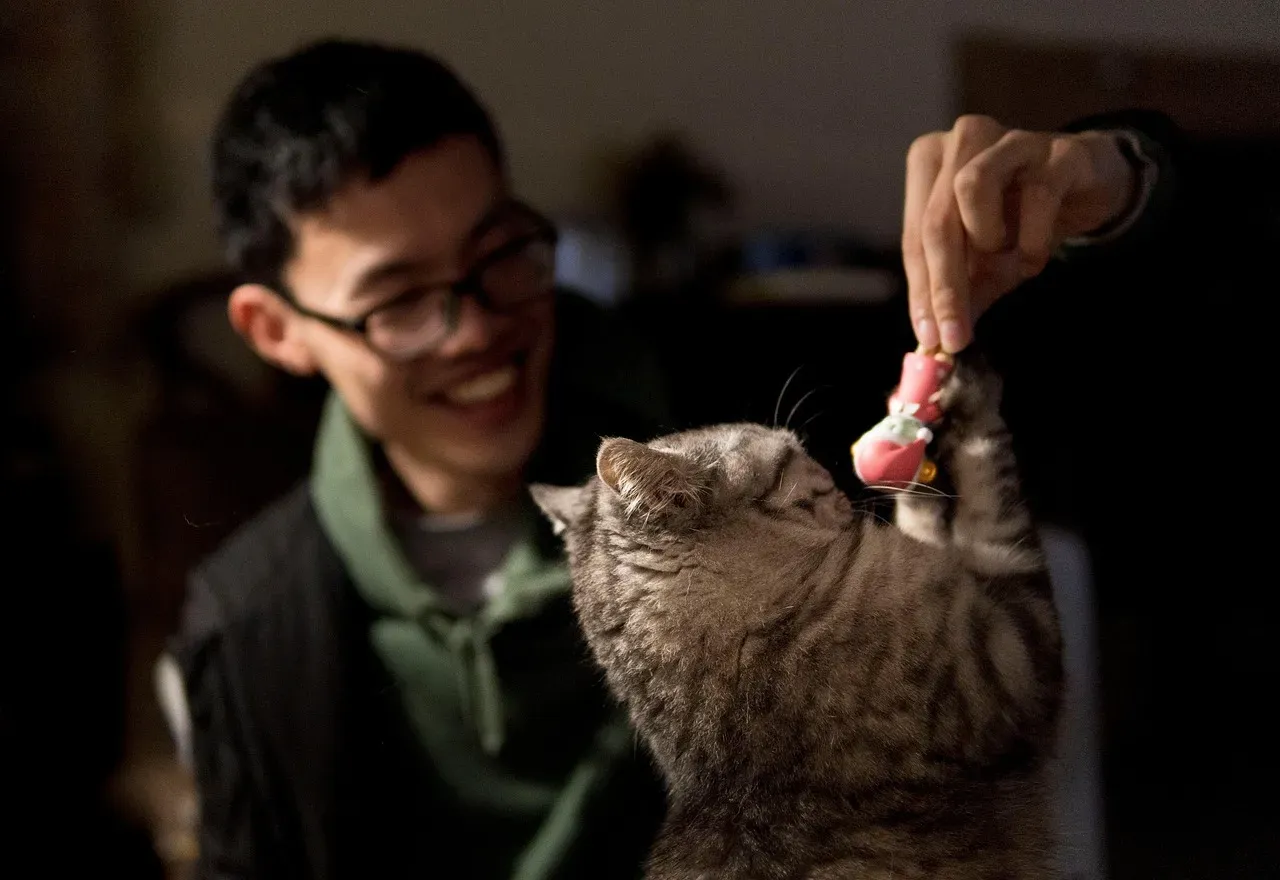
Cats are natural-born hunters. Even domesticated felines retain the instincts of their wild ancestors, which include stalking, pouncing, and capturing prey. When your cat brings you a toy, it’s a manifestation of their hunting prowess. They see you as a member of their “pride” and are essentially sharing their hunting successes with you.
This behavior echoes how mother cats in the wild bring prey to their kittens or family, meaning domesticated cats may be inviting you into their inner circle. That soft, slightly battered toy mouse your cat drops at your feet is, in feline terms, a membership card. You’ve made the inner circle.
It’s a Declaration of Trust, Not Just a Game
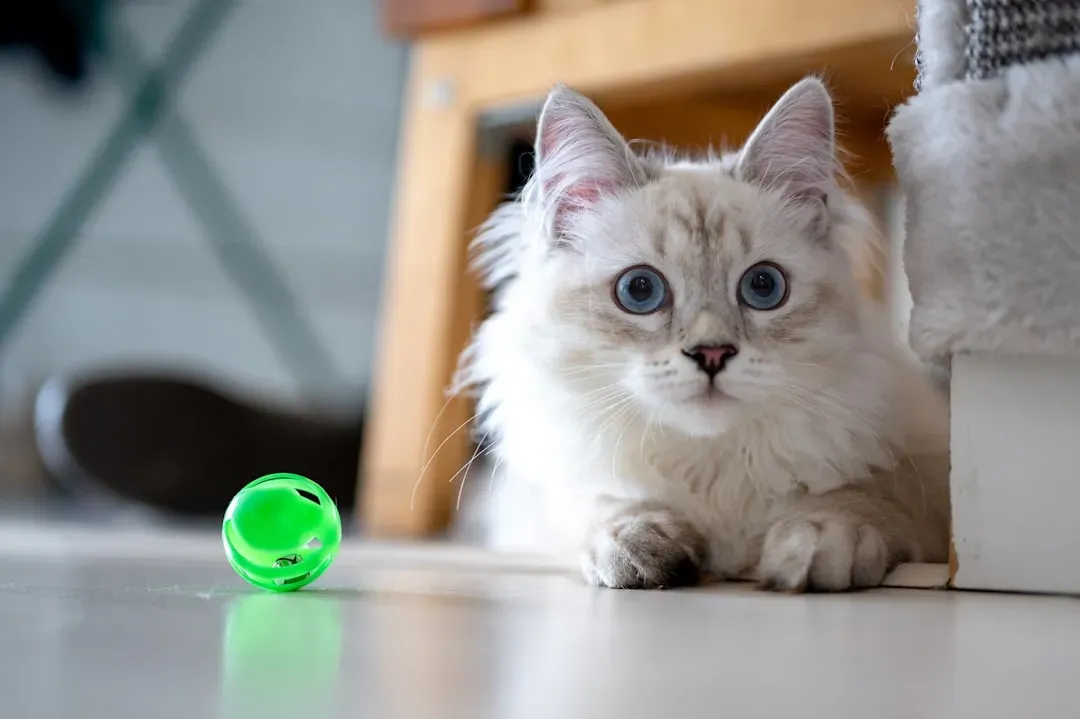
Cats are known to be independent animals and they don’t trust easily. However, when a cat brings a toy to their owner, it’s a clear indication that they trust and love them. This behavior is more common in cats that have a strong bond with their owners and feel secure in their environment. It’s also a sign that the cat sees their owner as a member of their family.
Dropping their favorite toy in your lap might be your cat’s way of showing their trust in you, their faith that you’ll keep them safe, and their gratefulness that you care so much. It’s a quiet, understated gesture, but it carries real emotional weight if you know how to read it.
Your Cat May Think You’re a Hopeless Hunter
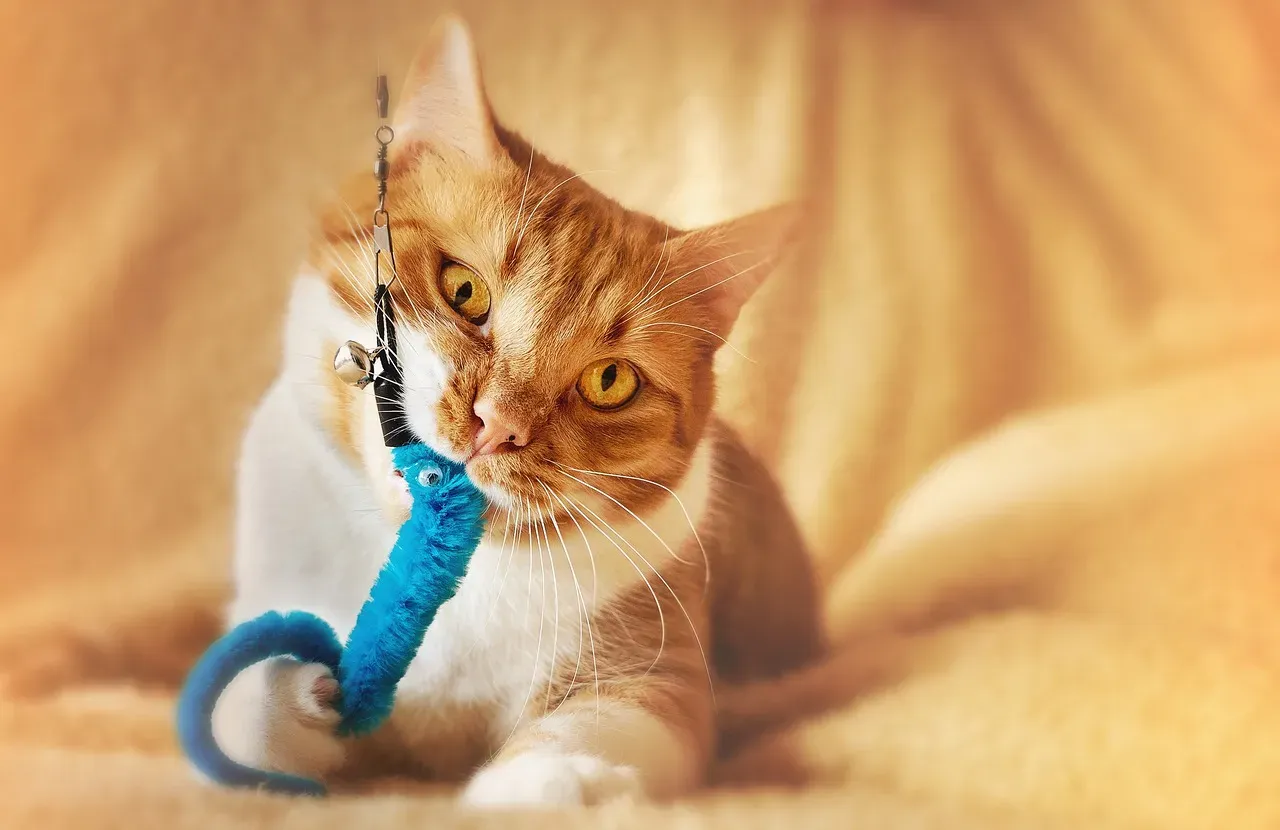
Another reason why cats bring toys to their owners is to teach them hunting skills. In the wild, mother cats teach their kittens how to hunt by bringing them prey. Domestic cats may bring toys to their owners as a way of teaching them how to hunt. By bringing toys to their owners, cats may be trying to encourage their owners to play and hunt with them.
Your cat might genuinely believe you need help learning to hunt, or they may be fulfilling their natural teaching instincts in the only way they know how. It’s their way of contributing to the family unit and ensuring their “kitten” – you – can survive. Humbling, perhaps, but also oddly endearing once you see it that way.
The Loud Meow That Comes With the Gift Has a Purpose
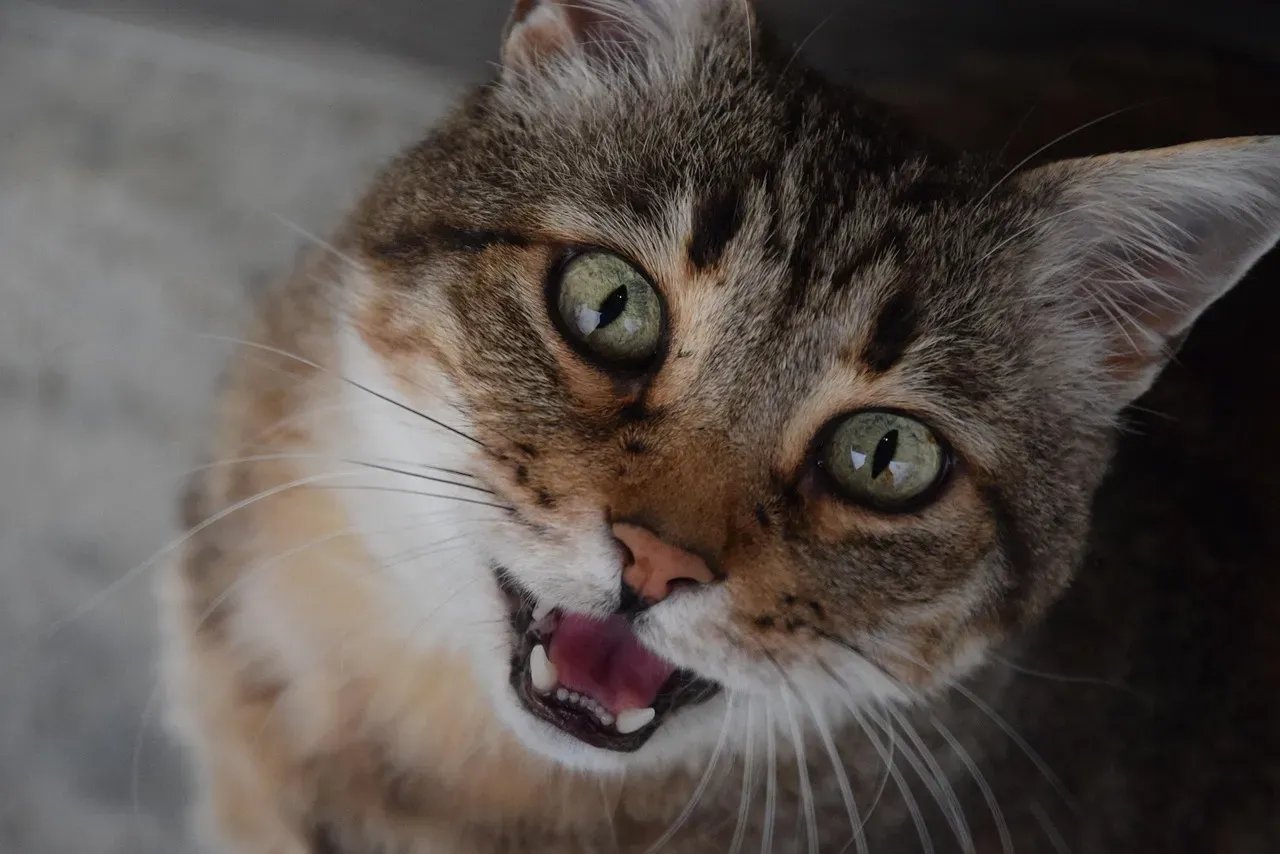
When your cat meows while delivering a toy, it’s often not random. Meowing is a tool cats mainly use to talk to humans, and unlike their interactions with other cats, meows serve to grab your attention, request interaction, or signal affection. The vocalizing is part of the whole presentation, not just background noise.
That toy drop, sometimes followed by an insistent meow, can be your cat’s way of saying: “Hey, I want to play, or at least I want you to notice me.” It’s a gentle nudge for engagement, a demonstration of trust, or even a thank-you gesture for all the care and food you provide. When you hear that particular tone, your cat is genuinely communicating, not just being dramatic.
Boredom Is a Real Driver Behind the Behavior
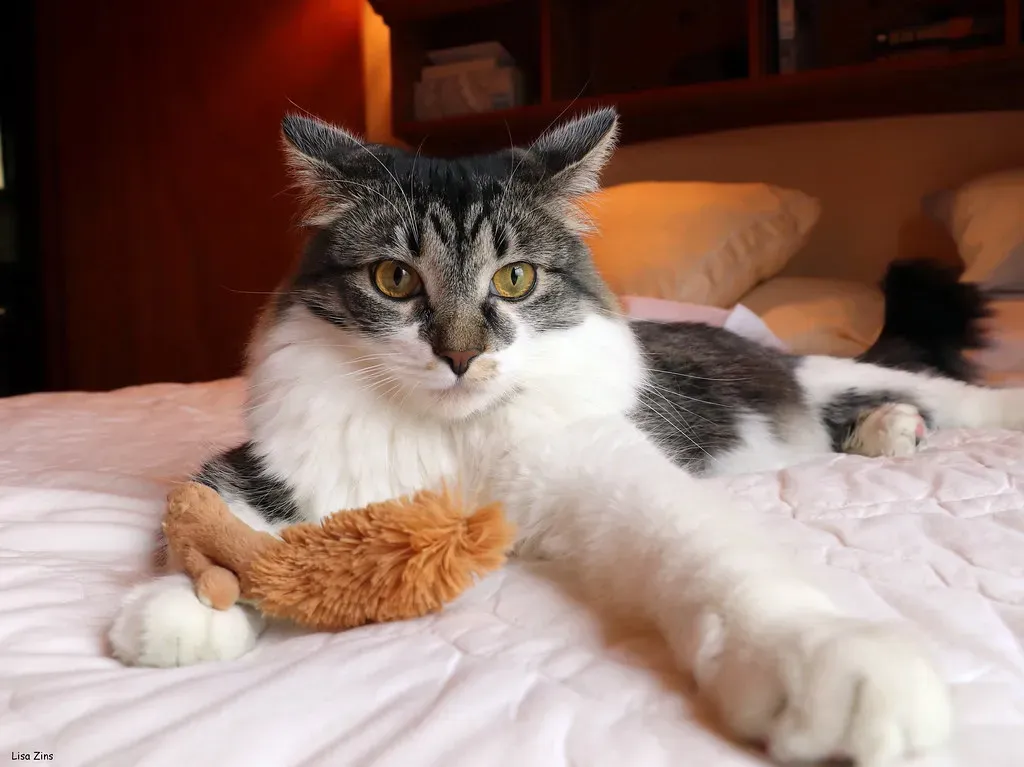
Pet parents should aim to play with their cats at least once a day. Cats get bored when there’s a lack of activity and attention. They might bring you toys and meow as a not-so-subtle reminder to play with them, and cats also get bored when they’re unable to hunt, as they need to feel like real predators.
Cats are natural predators even when living indoors. Without a wild environment to roam and hunt, their energy and instincts still seek an outlet. If a cat doesn’t get enough stimulation, it might bring you toys to express restlessness or boredom, and they’re not being cheeky, they’re trying to meet a psychological need. The toy delivery, in other words, is sometimes a polite way of saying “I’ve been ignored long enough.”
Female Cats and Maternal Instincts Add Another Layer
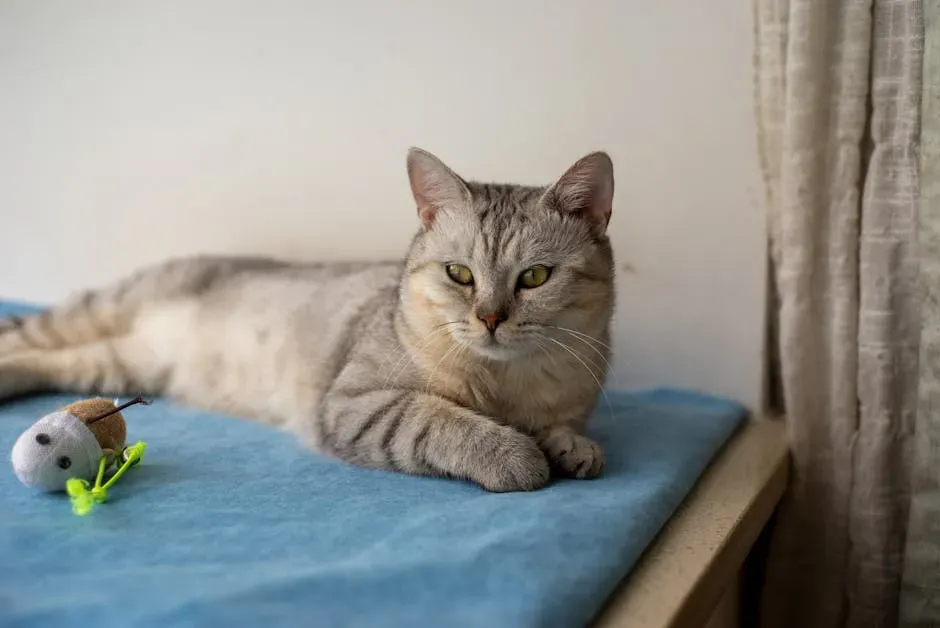
Female cats, in particular, may display maternal instincts by bringing toys to their human caregivers. This behavior is an extension of their nurturing nature and is often seen as a way to care for and protect their “kittens.” You don’t have to be small or helpless for your cat to slip into this role with you.
One primary explanation for gift-giving involves the teaching and providing instincts that mother cats exhibit toward their kittens. Female cats in the wild bring prey to their young at various stages of development, first providing killed prey for eating, then bringing injured or live prey as the kittens grow. When your female cat places a toy mouse at your feet, she may be following the same ancient script, with you cast as the kitten who still needs looking after.
How Your Response Actually Shapes the Behavior
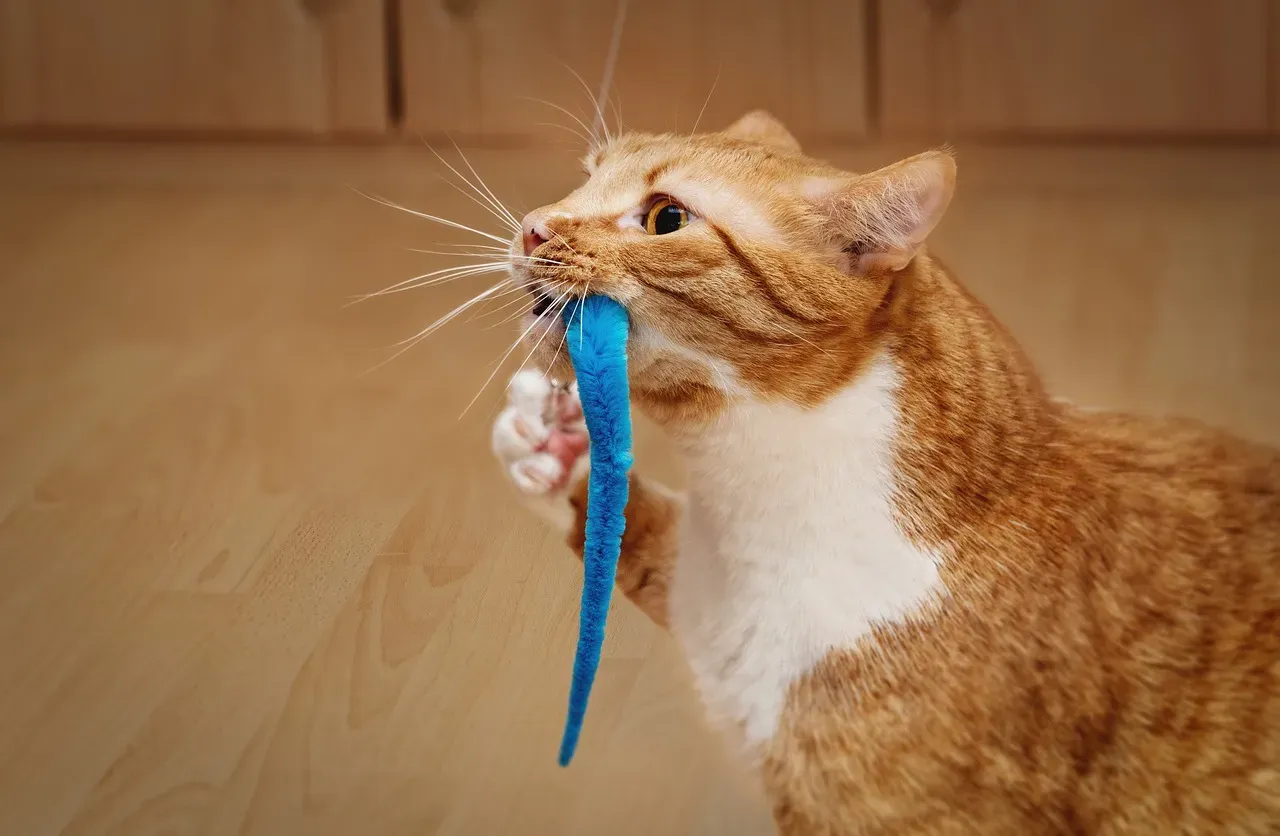
Cats associate your shared presence with their toys as a sign they will get to play. Once they learn this relationship, they might instigate play by bringing the toys to you. Once they know that bringing you a toy gets a positive response, they’ll keep doing it. Each time you respond and start a game, this reinforces the behavior.
When your cat brings you a toy and meows, try responding with gentle praise, a few loving pets, or a short play session. That simple recognition can reinforce your human-feline bond and honor your cat’s intentions, whether it’s affection, hunger for play, or a need for connection. Your reaction matters more than you might think. Even a brief moment of acknowledgment goes a long way.
What You Can Do to Channel This Instinct Well
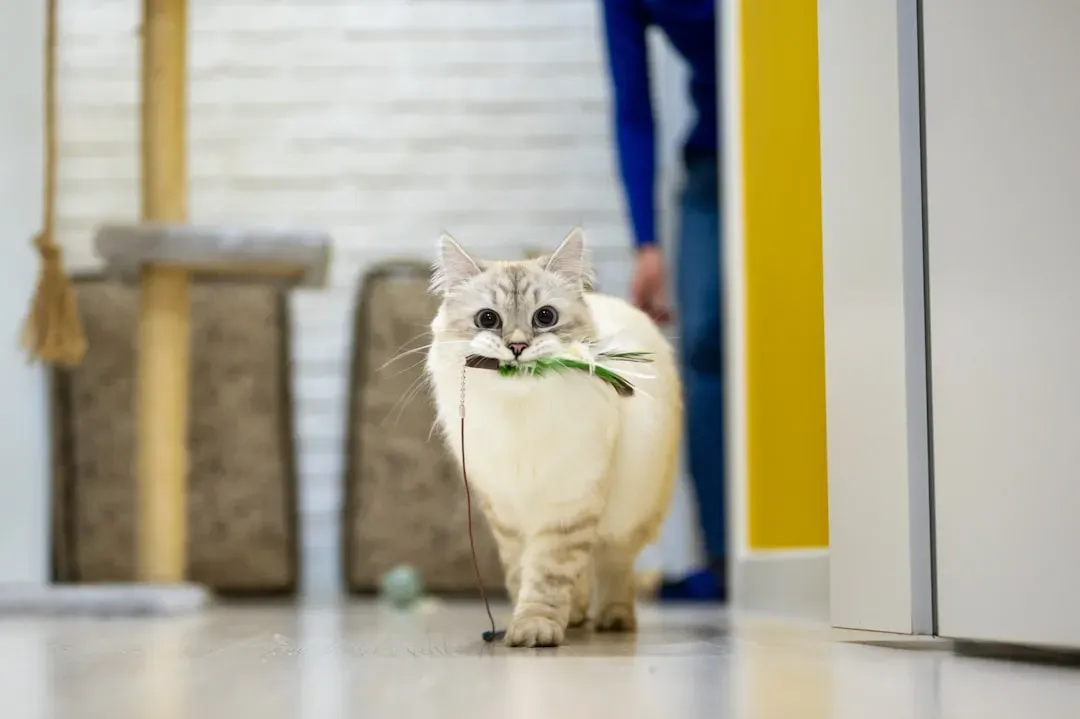
Modern domestic cats retain their instincts even when living in comfortable homes where food is plentiful and hunting unnecessary. The items may have changed from mice to toy balls, but the underlying motivation and emotional significance of the gesture remains remarkably consistent across millions of years of feline evolution. Knowing this, you can work with your cat’s nature rather than around it.
Cats need to stalk, chase, and pounce on things that move, so joining in with these games makes a real difference. There are endless toys on strings you can use to indulge your cat’s hardwired predatory behaviors. There are also some great toys that move unpredictably on their own, which provide great enrichment, along with food-dispensing toys that give them a rewarding treat in place of actual prey. Rotating toys now and then also keeps things fresh and mentally stimulating.
Conclusion
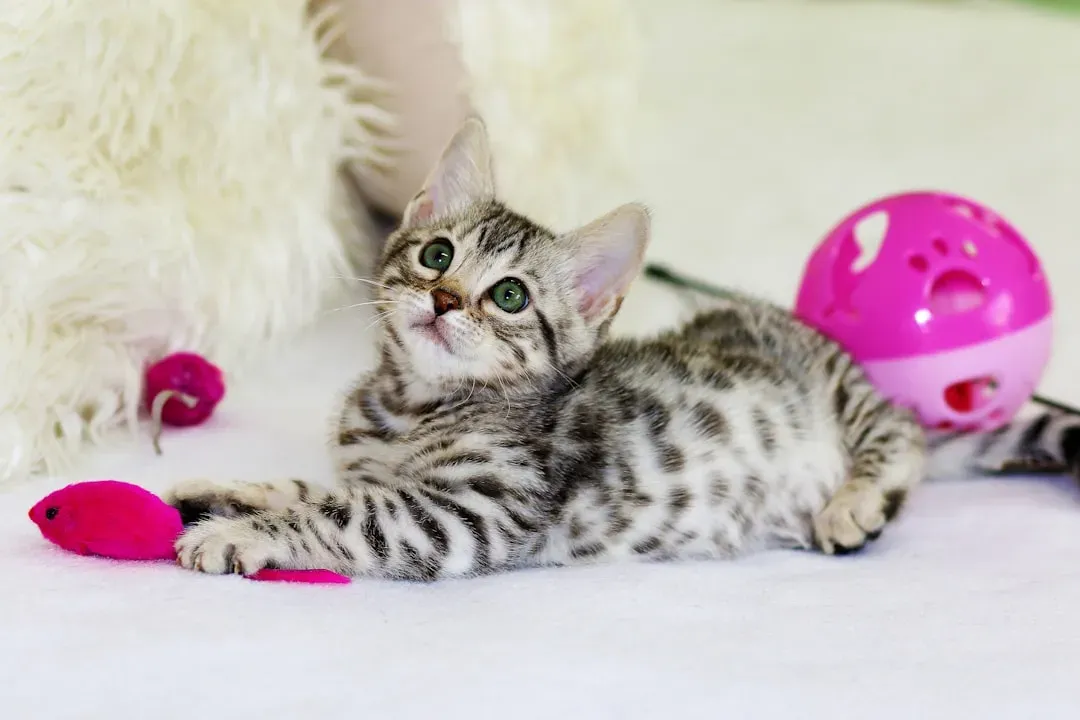
There’s something genuinely moving about the fact that your cat, a creature wired for independence and self-sufficiency, chooses to share its prize with you. Gift-giving connects to a broader category of related behaviors that demonstrate feline attachment and social bonding. Cats who bring gifts often display other bonding behaviors including slow blinking, head bunting, kneading, and following their owners from room to room. All of it points in the same direction.
A cat bringing toys to its owner can be a token of trust and companionship, reflecting a deep-rooted nurturing bond that deserves recognition and reciprocal engagement. So the next time a slightly soggy plush mouse lands near your coffee cup, take a second before you toss it aside. Your cat is speaking, in the only language they truly know, and what they’re saying is surprisingly clear: you belong to them, and they’re glad about it.