Behind those enigmatic amber eyes and perfectly groomed whiskers lies a complex emotional world that rivals our own in depth and intensity. While we’ve long assumed dogs wear their hearts on their paws and cats remain aloof mysteries, groundbreaking research reveals felines experience a rich tapestry of feelings we’re only beginning to understand.
Their emotional intelligence extends far beyond the simple purr of contentment or hiss of displeasure. Cats integrate visual and auditory signals to recognize human and conspecific emotions and they appear to modulate their behavior according to the valence of the emotion perceived. Yet most cat owners remain unaware of the sophisticated emotional processing happening right under their noses.
So let’s dive into this fascinating realm where science meets the mysterious feline psyche.
The Emotional Recognition Masters Hidden in Plain Sight
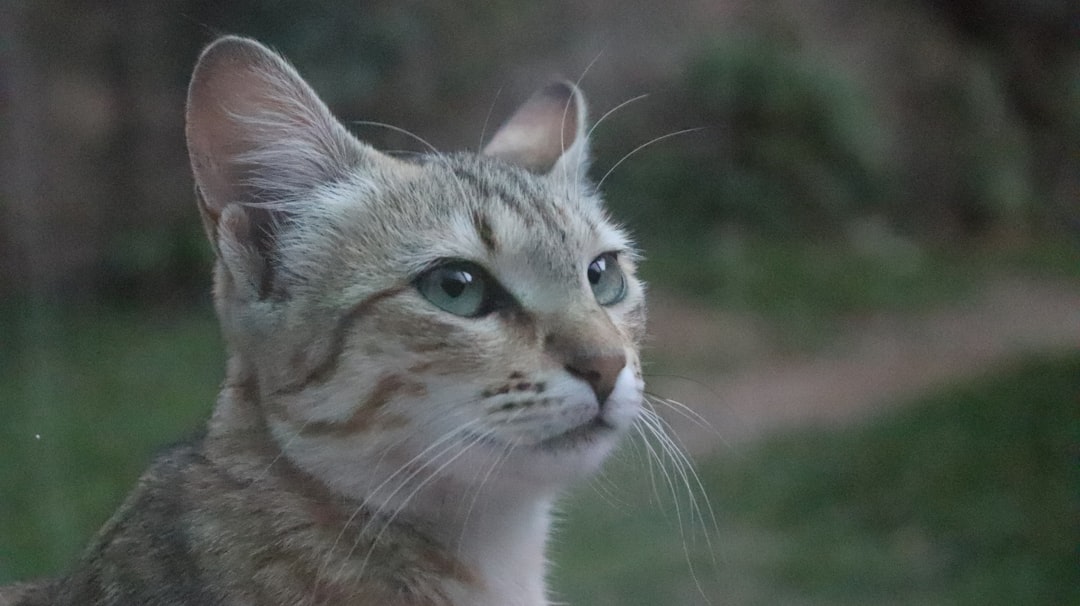
Picture this: your cat somehow knows you’ve had a terrible day before you even walk through the door. While it sounds like feline telepathy, the reality is far more extraordinary. Cats integrate visual and auditory signals to recognize human and conspecific emotions and they appear to modulate their behavior according to the valence of the emotion perceived.
Recent studies reveal cats possess remarkable cross-modal emotion recognition abilities. They can match human emotional expressions with corresponding vocal tones, creating a complete picture of our internal states. This isn’t just pattern recognition – it’s genuine emotional intelligence.
Most fascinating is how cats respond differently to anger versus happiness. Cats not only recognize human emotions of anger and happiness by correctly matching vocalization to facial expressions but they functionally respond to the valence of the emotion perceived, showing higher stress levels when the anger face/vocalization were presented compared to happiness ones.
The Science Behind Their Emotional Radar
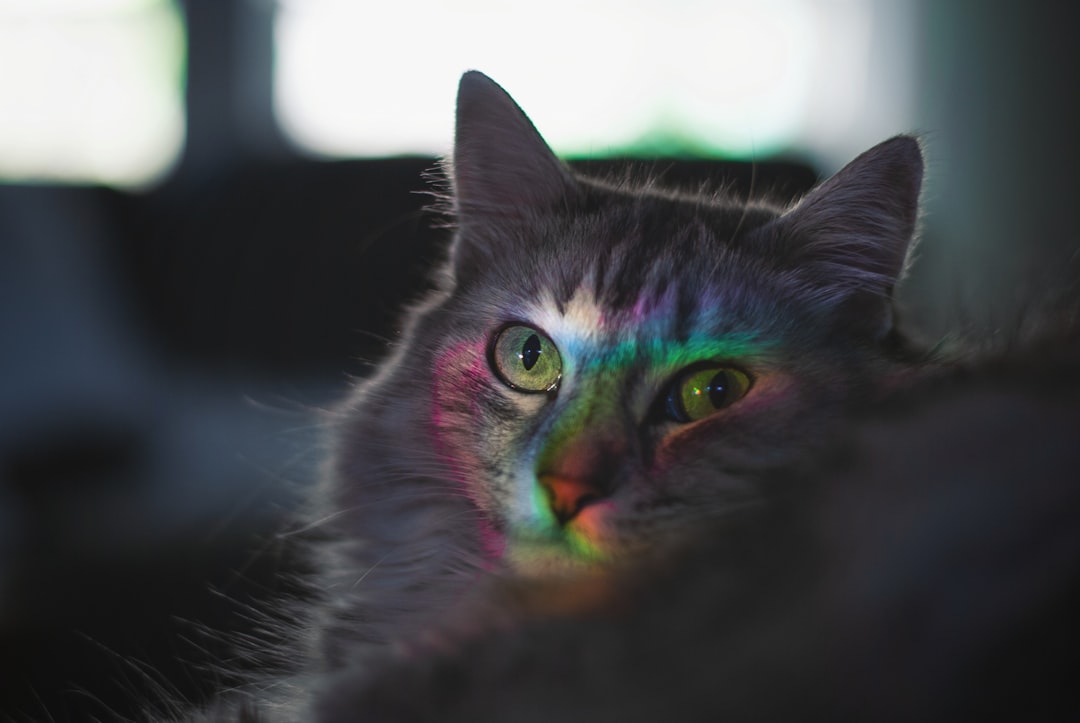
Feline emotional cognition shows that felines can recognize emotions via visual and auditory observations. Still, their abilities extend beyond what we can see or hear. Cats possess an emotional detection system that would make the most sophisticated technology jealous.
Cats are sensitive to changes in physiological parameters, such as heart rate, breathing cues and blood pressure, which can all be symptoms of depression, stress, and anxiety. They’re literally reading our bodies like emotional barometers, picking up on subtle changes we’re not even aware of ourselves.
Their sensitivity to routine changes adds another layer to their emotional awareness. Even minor alterations in our daily patterns trigger their attention, suggesting they’re constantly monitoring our behavioral consistency as an indicator of our wellbeing.
When Cats Smell Fear: The Olfactory Emotion Detector
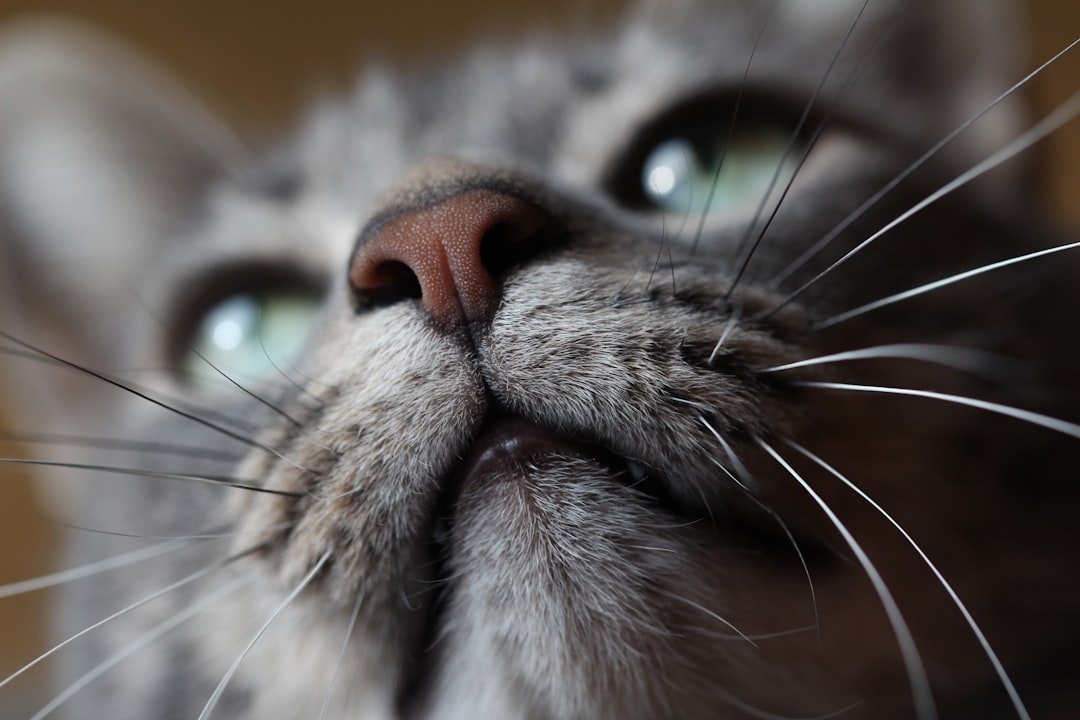
Here’s something that might make you reconsider how much your cat truly knows about you: they can literally smell your emotions. A recent study shows cats can detect human emotions through scent – especially fear – suggesting our cat friends might understand us more than we realize.
Researchers discovered something remarkable when they exposed cats to human scents collected during different emotional states. Fear odours elicited higher stress levels than physical stress and neutral, suggesting that cats perceived the valence of the information conveyed by fear olfactory signals and regulate their behaviour accordingly. Your cat isn’t just being clingy – they’re responding to chemical signals of distress you’re unknowingly broadcasting.
This olfactory emotional intelligence explains why cats seem to appear whenever we’re upset, even when we think we’re hiding it well. They’re processing emotional information through channels we barely understand.
The Surprising Reality of Feline Grief
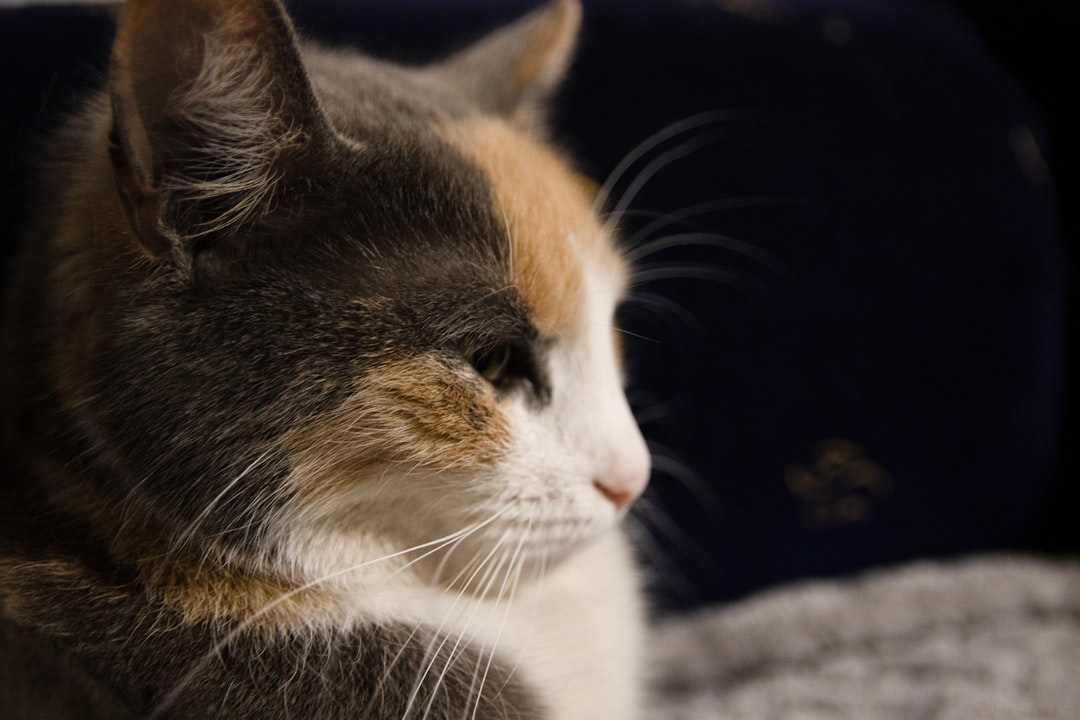
Perhaps nothing challenges our assumptions about cat emotions more than their capacity for grief. The study, which assessed many different behavior patterns, concluded that 65% of cats experienced four or more behavioral changes after the loss of a family pet that indicated grief.
46% of cats experienced a decreased appetite following the loss of a feline companion. Beyond appetite changes, grieving cats display a constellation of behaviors that mirror human mourning: sleeping pattern disruptions, increased vocalization, and heightened clinginess to their remaining family members.
The grief doesn’t discriminate based on relationships either. Even cats that constantly fight can grieve the loss of a feuding partner. This suggests their emotional bonds transcend simple friendship, encompassing complex social connections we’re still learning to appreciate.
The Hidden Language of Feline Anxiety
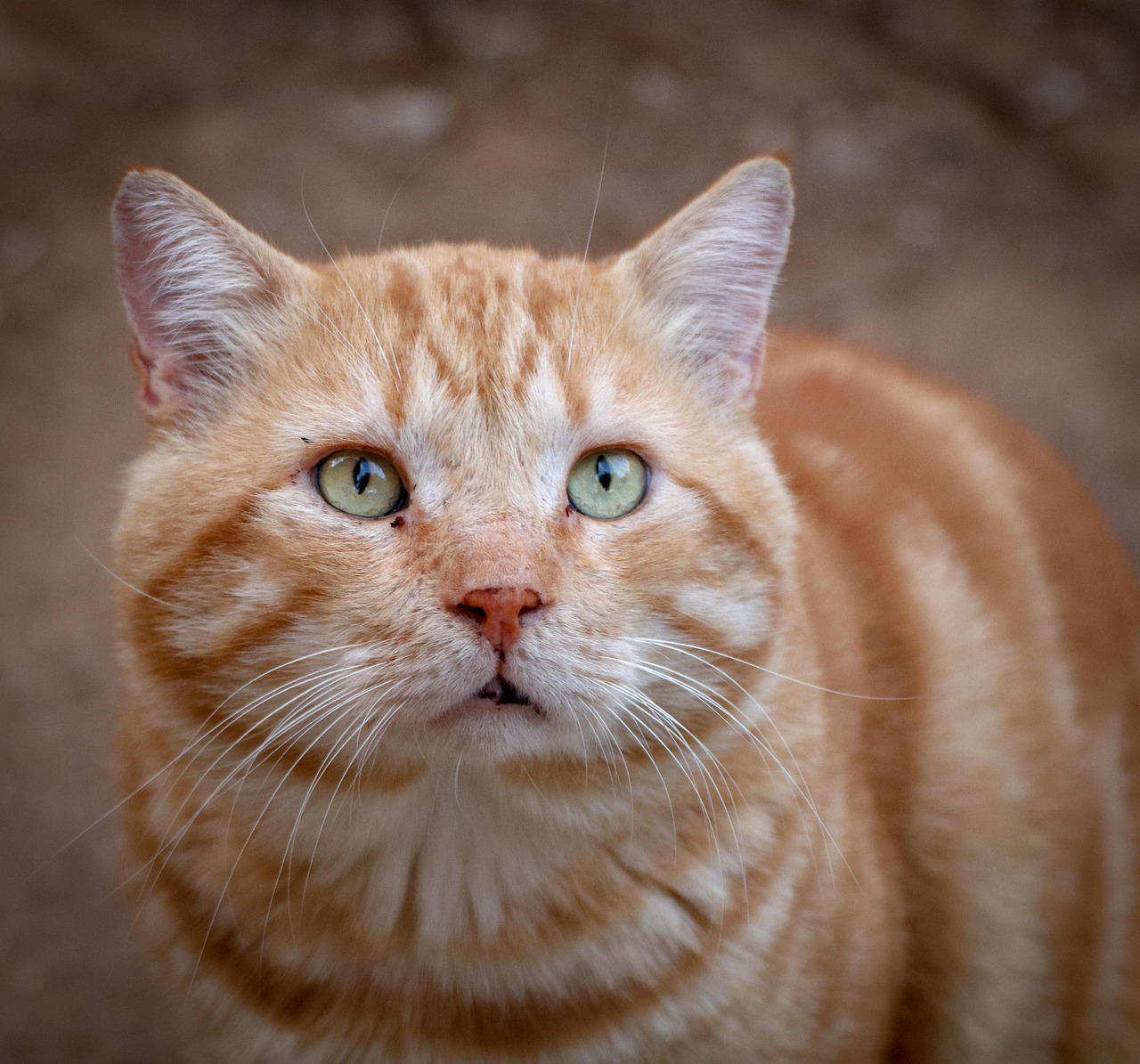
While we readily recognize a dog’s anxiety through panting or destructive behavior, cat anxiety often flies under the radar. Cats, like humans, can suffer from mental exhaustion, depression, and anxiety. The signs, however, are subtle and easily misinterpreted.
Felines can develop separation anxiety and feel heightened stress when away from their owner. This challenges the stereotype of cats as completely independent creatures. Many cats form secure attachment bonds similar to those we see in dogs and human children.
Anxious cats might exhibit changes in vocal patterns, grooming habits, or elimination behaviors. Cats may relieve their stress and anxiety by excessively scratching nearby objects and their own bodies. The act of scratching gives them mental relief. What appears as destructive behavior often represents emotional self-soothing.
The Empathic Connection: When Cats Mirror Our Moods
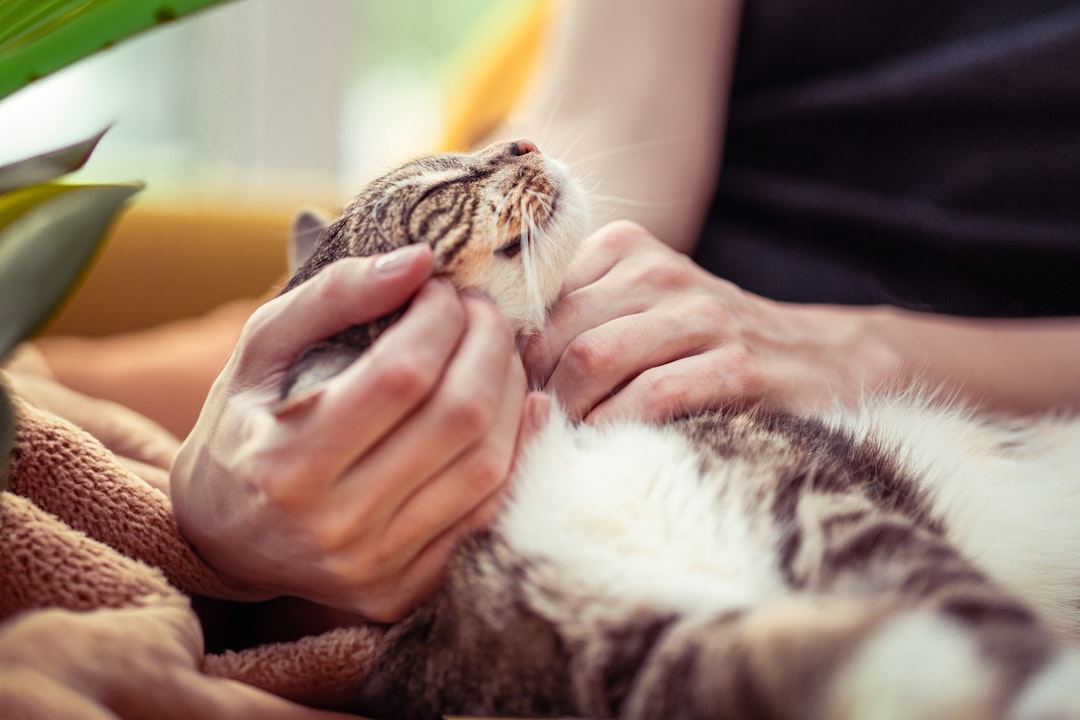
Your cat’s behavior changes when you’re depressed, but it’s not coincidence. Studies indicate that cats can sense depression and spend more time with people who are depressed. They’re actively responding to your emotional state with increased presence and attention.
As intuitive creatures, cats are sensitive to the emotions and feelings of their owners, and they can sense these emotions and may become anxious. This emotional mirroring means your cat’s wellbeing is intrinsically connected to yours, creating a feedback loop of shared emotions.
Some cats become more affectionate when sensing distress, while others might withdraw or show signs of stress themselves. Some cats will pick up on your stress and become anxious themselves, especially if their routine changes or the person interacts with them differently. This can manifest as inappropriate toileting, hiding away, changes to appetite, overgrooming, or other signs of feline stress.
The Six Core Emotions Science Has Confirmed in Cats
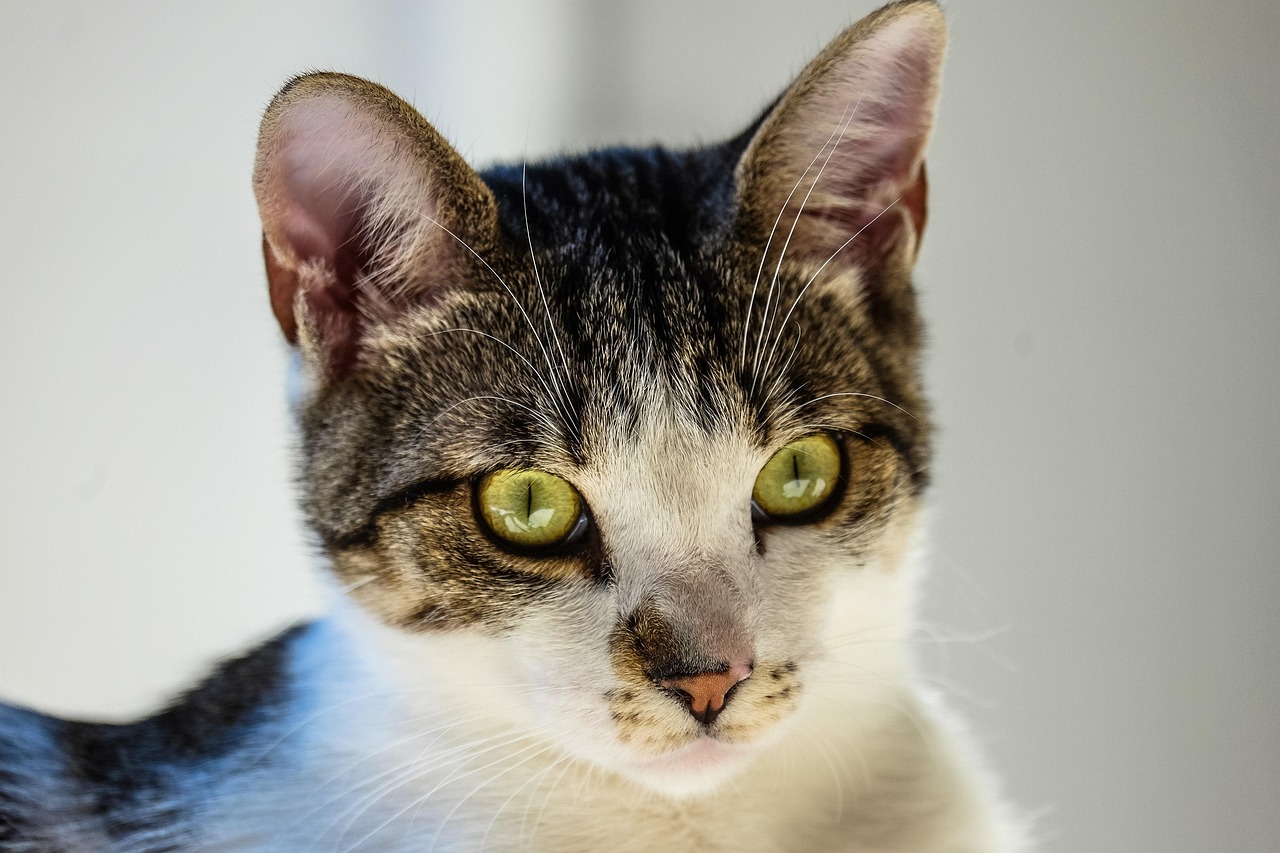
Forget the myth of the emotionally limited cat. There is evidence to support that cats feel six basic emotions. Both animals are believed to show anger, happiness, fear, surprise, disgust, and sadness. These aren’t anthropomorphic projections – they’re scientifically documented emotional states.
Research involving over a thousand pet owners confirmed these basic emotions are commonly observed in cats. Researchers in the Netherlands surveyed 1,023 pet owners. They all responded, having commonly witnessed the six basic emotions in their dogs and cats. Interestingly, complex emotions like shame and compassion were rarely seen, though jealousy appeared regularly.
Understanding these core emotions helps us better interpret cat behavior and respond appropriately to their emotional needs.
When Human Misunderstanding Hurts Feline Hearts
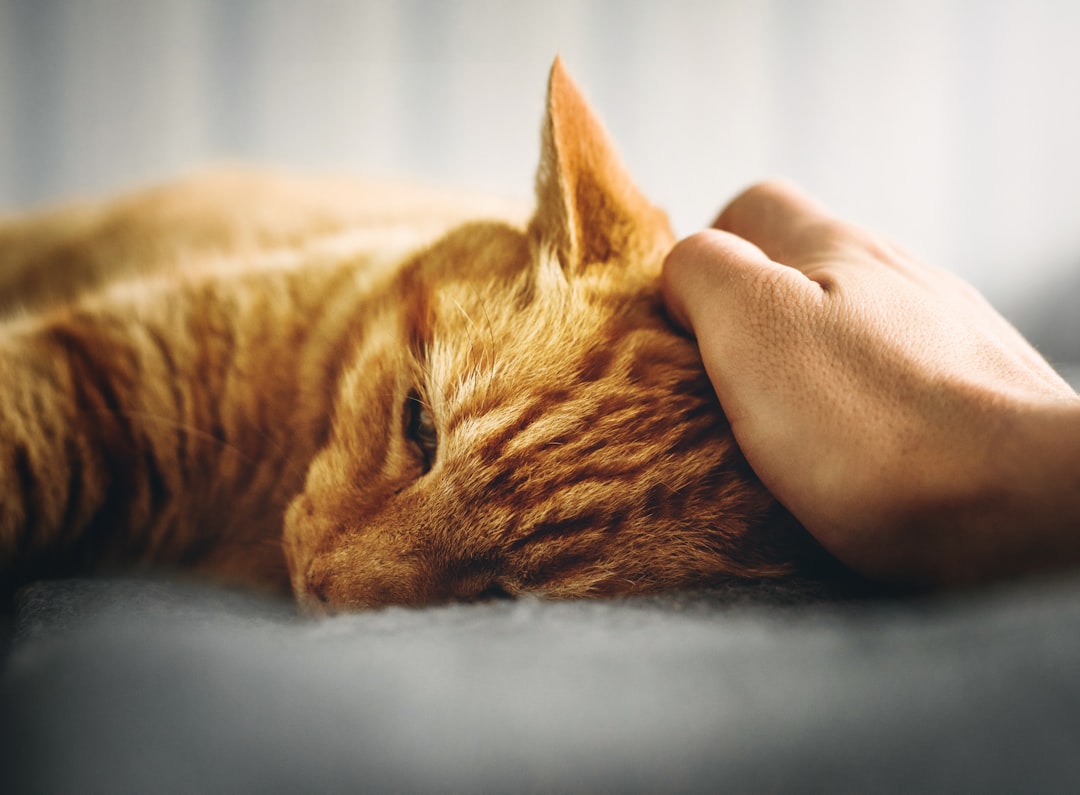
One of the saddest aspects of feline emotional life is how frequently we misinterpret their signals. The correct interpretation of feline emotional cues from photographs are negatively associated with owners’ anthropomorphic perception of cats. The more we project human emotions onto cats, the worse we become at reading their actual feelings.
In a survey of Italian cat owners, researchers found most owners could identify overt behaviors as indicators of stress, such as excessive vocalization and urination or defecation in unwanted places, but overlooked more subtle signs, such as freezing, anorexia and dilated pupils.
This misunderstanding has serious consequences. Cats whose emotions go unrecognized may develop behavioral problems, experience chronic stress, or have their genuine emotional needs dismissed as “typical cat behavior.” Learning to read their actual emotional language is crucial for their wellbeing.
The Healing Power of Feline Emotional Support
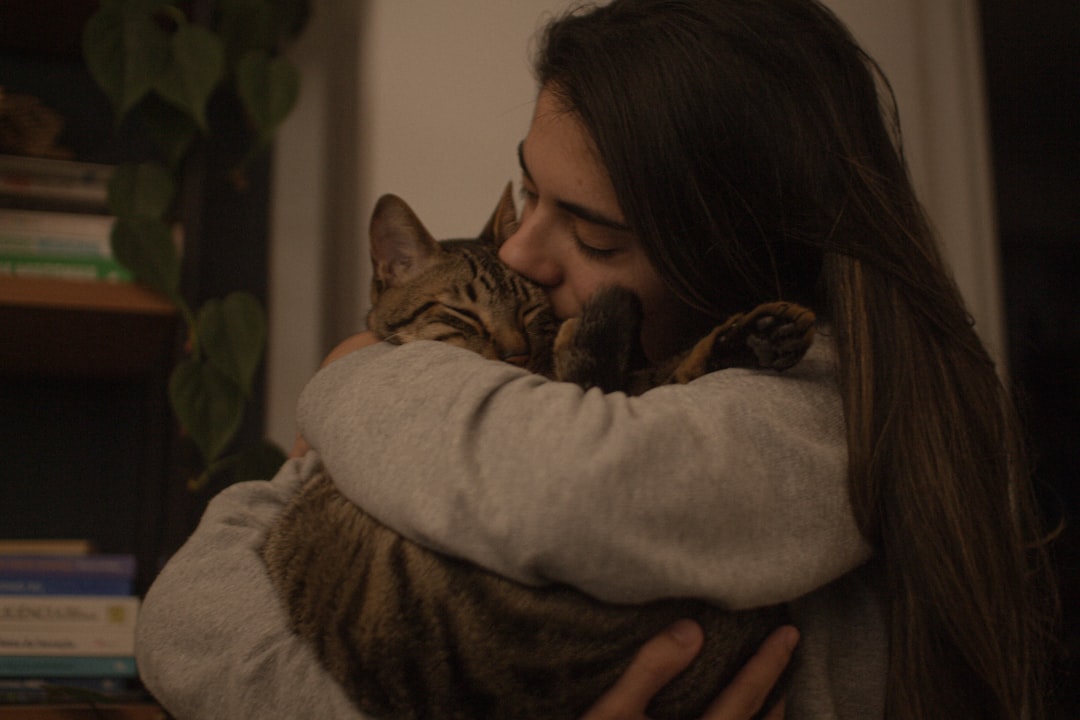
While we’re discovering cats’ emotional complexity, we’re also uncovering their remarkable ability to provide emotional healing. 86% of responders to a poll by the American Psychiatric Association reported that their cats had a positive impact on their mental health, providing a calming presence and helping reduce stress and anxiety.
The therapeutic effects aren’t just psychological. The frequency of a cat’s purr, typically between 20 and 50 Hertz, is associated with reducing stress and anxiety. This specific range has been shown to lower heart rates and blood pressure, which helps people relax.
In a study, college students who spent as little as 10 minutes per day petting a cat experienced decreased levels of cortisol, the hormone associated with stress. These aren’t just feel-good anecdotes – they’re measurable physiological changes that demonstrate cats’ genuine therapeutic value.
The Future of Understanding Feline Emotions
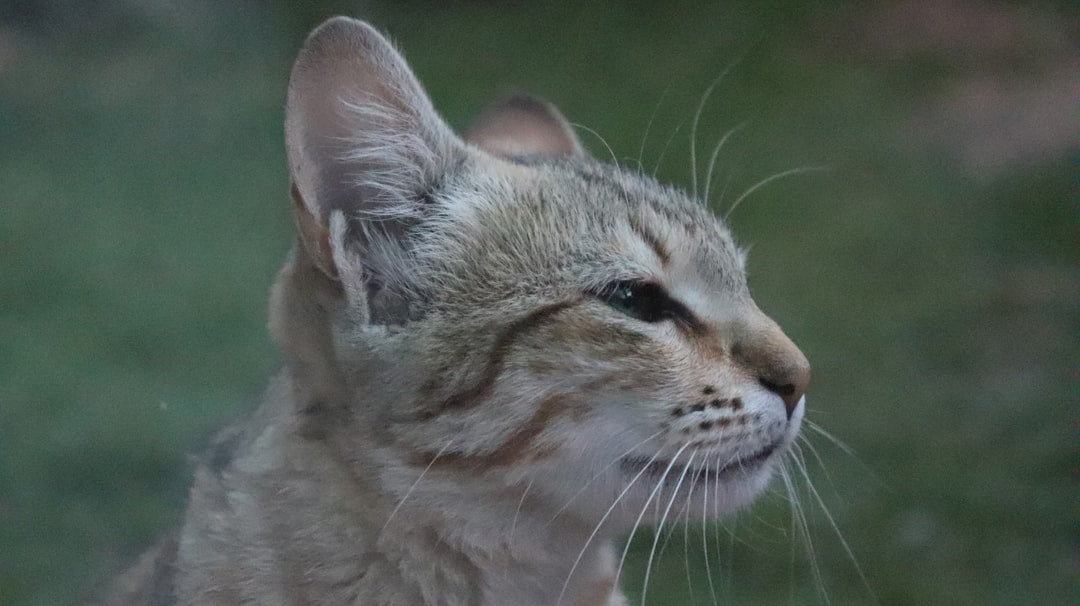
Publications specifically about the emotional health of cats are relatively rare and recent, but there are articles from as long ago as 1990 that look at feline emotions from a neurophysiological perspective. We’re still in the early stages of understanding the full depth of feline emotional life.
Current research suggests cats may possess even more sophisticated emotional capabilities than we’ve discovered. Using this approach, we found that chimpanzees and domesticated cats may be capable of producing thousands of facial configurations, many of which have not yet been documented in the existing research literature. It is plausible that some of these facial configurations are communicative and could be discovered with further research and video recording.
As our understanding grows, we’re likely to discover cats communicate emotional states through subtle channels we haven’t even considered yet. The implications for improving feline welfare and strengthening human-cat bonds are enormous.
Conclusion: Embracing the Emotional Cat
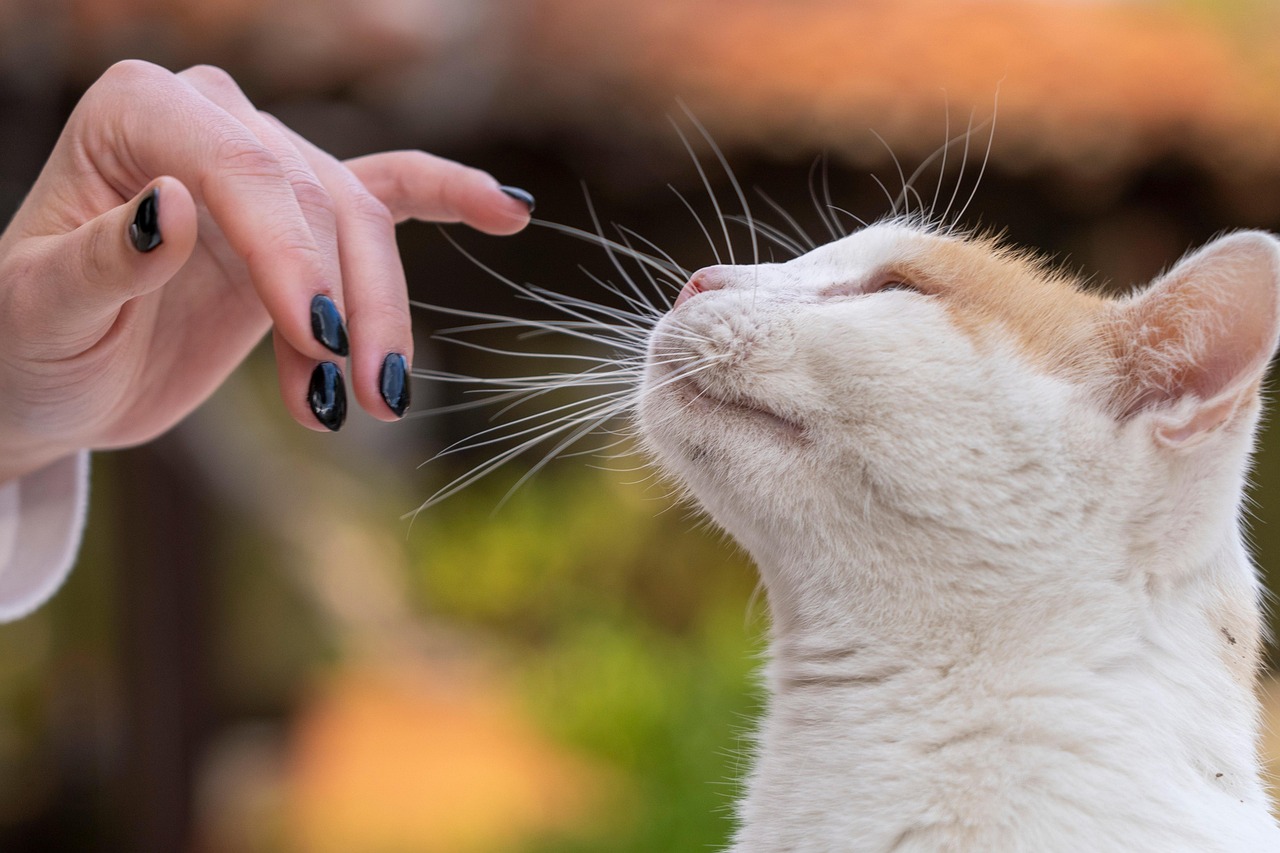
The evidence is overwhelming: cats possess rich, complex emotional lives that deserve our recognition and respect. From their ability to read our emotions through multiple sensory channels to their capacity for grief, anxiety, and empathy, cats are far more emotionally sophisticated than traditional stereotypes suggest.
Understanding feline emotions isn’t just about better pet care – it’s about acknowledging the depth of consciousness in creatures who share our homes and hearts. Every purr, every gentle head bump, every moment of comfort they provide during our darkest hours reflects an emotional intelligence we’re only beginning to appreciate.
The next time your cat seems to know exactly when you need comfort, remember: they’re not just being intuitive. They’re being emotionally present in ways that would impress any therapist. What do you think – have you noticed your cat responding to emotions you thought you were hiding? Tell us in the comments.