Picture this: you’ve finally settled into bed after a long day, pulled up the covers, and within moments, your feline companion appears out of nowhere. They circle once, twice, then settle right on your chest with a satisfied purr. While this behavior might seem simply adorable or perhaps inconvenient when you’re trying to sleep, there’s actually a fascinating world of instincts, emotions, and evolutionary traits at play.
Your cat’s nightly ritual of claiming your chest as their personal sleeping spot isn’t random. It stems from deep biological needs, complex social bonding mechanisms, and survival instincts that have been hardwired into felines for thousands of years. From seeking warmth and security to marking territory and expressing profound trust, this seemingly simple behavior reveals the intricate relationship between humans and their feline companions.
So let’s dive into the captivating reasons behind this endearing nighttime tradition and discover what your cat is really telling you when they choose your chest as their favorite sleeping spot.
The Warmth-Seeking Instinct: Why Your Chest Becomes a Perfect Heating Pad
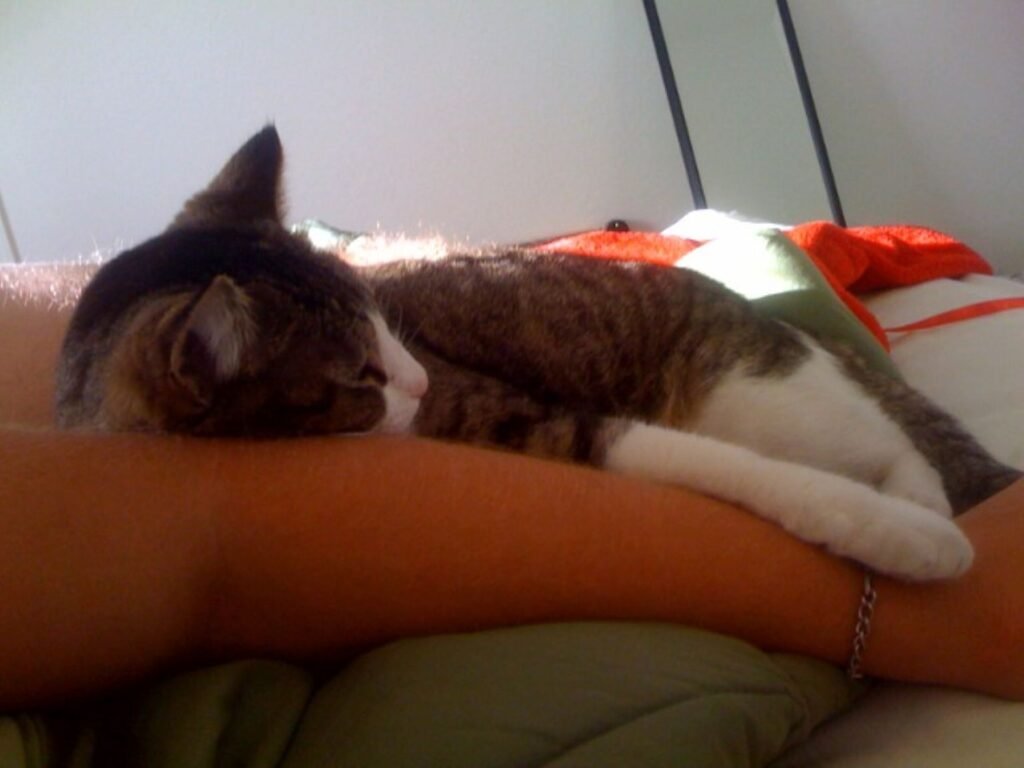
Cats are natural heat seekers, and your chest offers the perfect combination of warmth, softness, and stability. The chest radiates heat and is usually covered in soft clothes or tucked under a snug blanket, making it the ideal location if your cat is seeking a comfortable spot to settle down to sleep. Your body temperature provides consistent, reliable warmth that no electric blanket could match.
According to the Journal of Feline Medicine and Surgery, cats are more likely to choose warm areas for resting to regulate their normal body temperature, which ranges between 100.5°F and 102.5°F. This temperature preference explains why certain breeds are particularly drawn to human contact during sleep. Breeds with short, fine coats like Siamese, orientals and hairless breeds like the sphynx are known for their heat-seeking behavior and have a reputation for being particularly keen to cuddle up with their human companions.
Beyond simple temperature regulation, the warmth from your chest creates a cocoon-like environment that mimics the security they felt as kittens. Kittens and elderly cats are also more susceptible to cold, so you may find them trying to sleep on your chest. This behavior intensifies during colder months, when your feline friend instinctively seeks out the warmest available sleeping spot.
The Heartbeat Connection: Recreating Mother’s Comfort
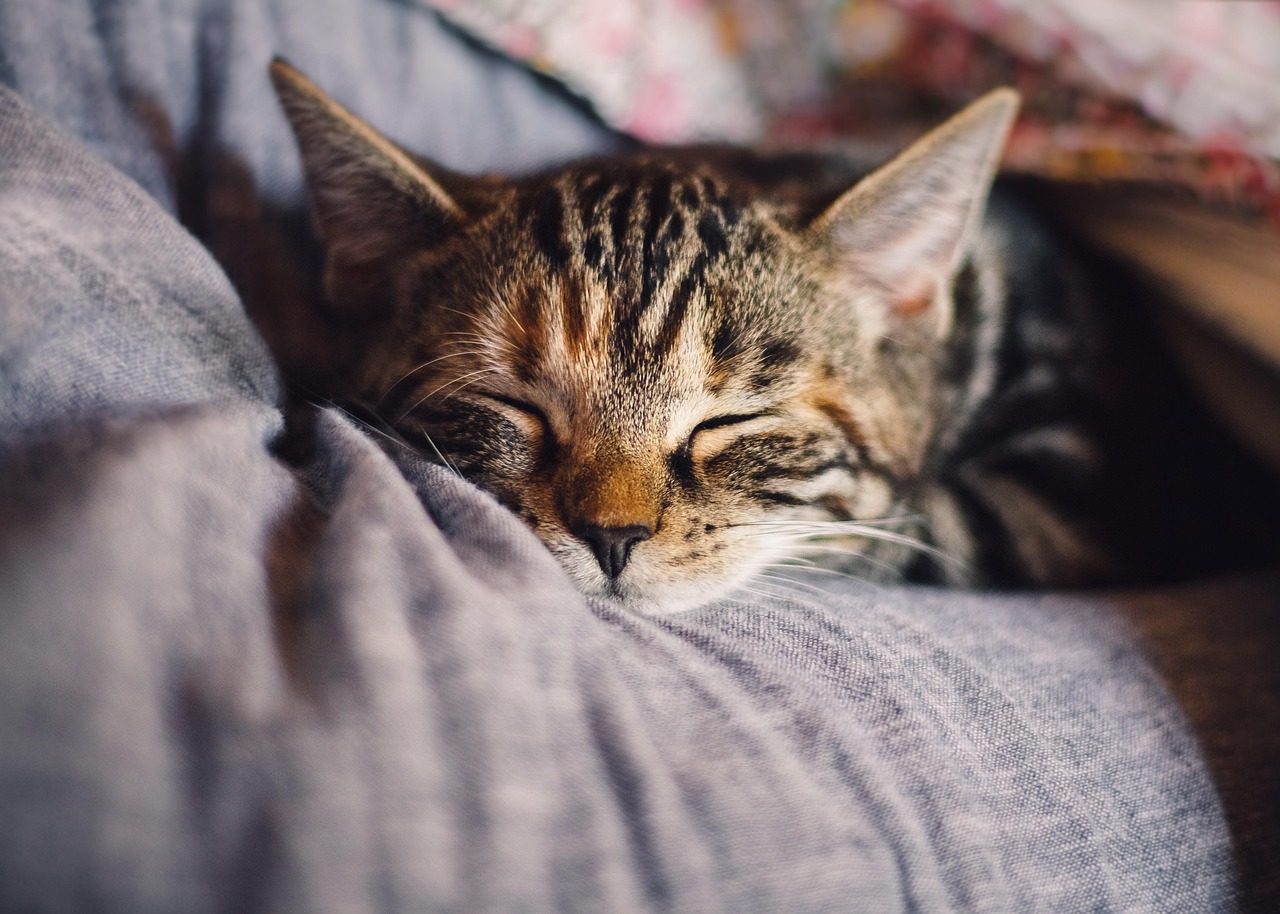
Cats are highly sensitive to rhythmic sounds, and few things are as calming as the steady thump-thump of a heartbeat and the gentle rise and fall of breathing. Much like how newborn kittens seek the warmth and heartbeat of their mother, adult cats may find similar comfort in their human. This connection runs deeper than simple nostalgia.
Research suggests that cats often show a preference for sleeping on the chest of their owners, where they can hear the heartbeat and feel the rhythmic breathing, both of which may provide a calming effect similar to their early experiences with their mother. The rhythmic vibrations and sounds transport your cat back to their earliest feelings of safety and contentment.
The gentle rise and fall of our chests can mimic the sensation of their mother’s heartbeat, evoking feelings of comfort and security in adult cats. They may lay on your chest because they’re comforted by the sounds of your rhythmic heartbeat and your steady breath. This auditory comfort becomes a powerful sleep aid that helps your cat relax and drift into peaceful slumber.
Trust and Vulnerability: The Ultimate Sign of Feline Affection
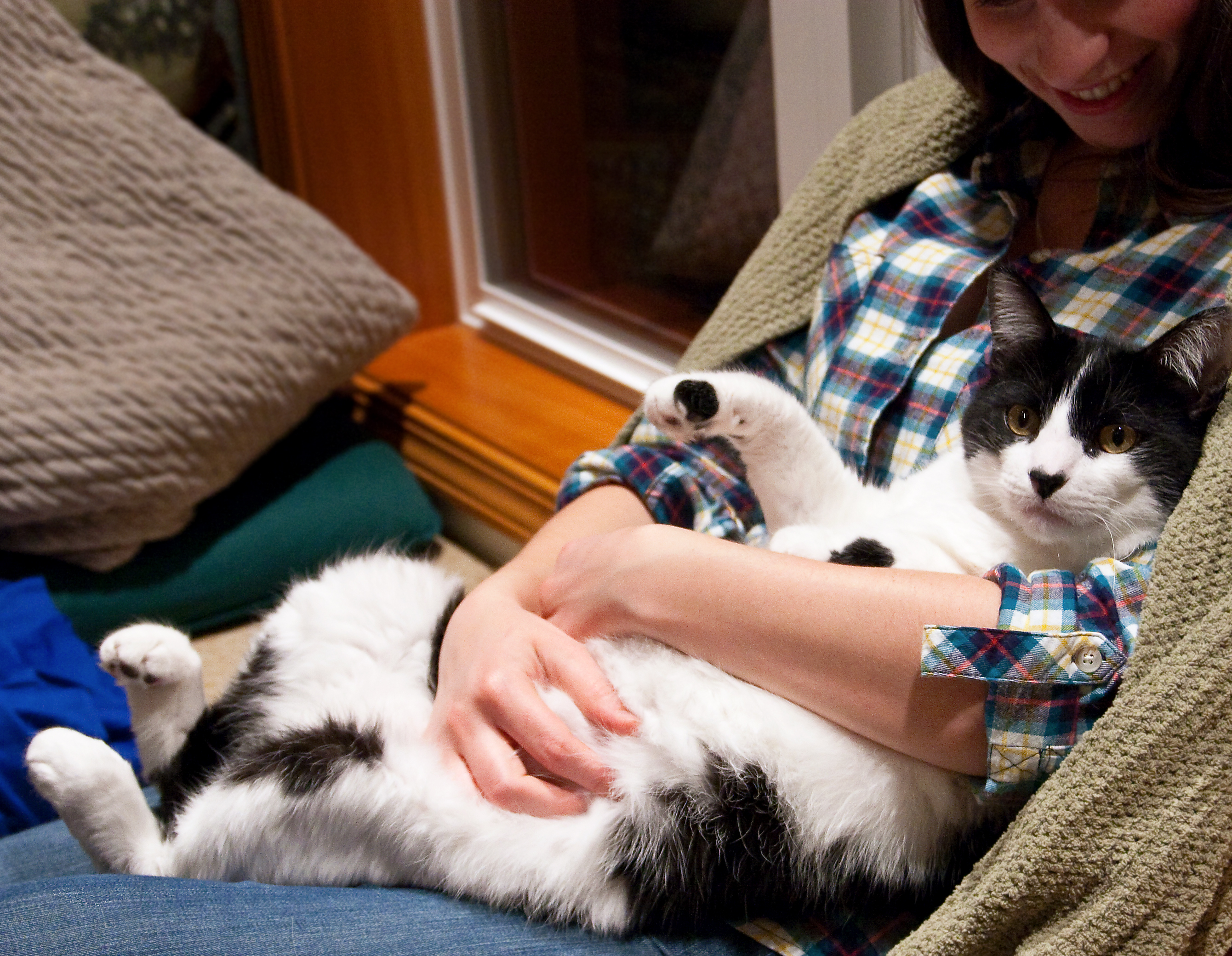
Your cat laying on your chest is the ultimate sign of trust. Your cat may lie on your chest to seek warmth, companionship, or safety. Whatever the reason, your cat is coming to be close to you at a vulnerable time and showing extreme trust by doing so. Sleep represents the most vulnerable state for any animal, and cats instinctively know this.
Cats know they’re vulnerable when they’re asleep, so they’ll automatically seek out the safest place they can find when they want to take a nap. By choosing your chest, your cat demonstrates that they view you as their ultimate protector. Nap time is the time when your kitty is at her most vulnerable. By choosing to sleep with you, your cat recognizes you can protect her if necessary, and sees you as one of the safest places to be.
Some cats are more solitary by nature, but by choosing to sleep close to you, your cat shows you the ultimate trust at her most vulnerable time. This is a sign your cat loves you. This behavior becomes even more significant when you consider that not every cat chooses to sleep on top of their owner, making your feline’s chest-sleeping preference a special testament to your bond.
Territorial Claims: Marking You as Their Property
Cats mark territory with scent glands in their paws and face – lying on you can be a gentle way of saying, “You’re mine”. When your cat settles on your chest, they’re not just getting comfortable; they’re actively claiming ownership of you and reinforcing their territorial boundaries.
He leaves behind his scent, marking me as part of his territory. This behavior is instinctual, stemming from their wild ancestry. Notably, Dr. John Bradshaw from the University of Bristol emphasizes that scent-marking is vital for a cat’s sense of security and familiarity. They claim their turf by marking it with their scent. So when they sleep on top of you, they’re actually marking you – and your bed – as theirs.
By rubbing their flanks or tails against you, cats are blending their scent with yours, claiming you as part of their territory. This affectionate behavior also strengthens bonds with humans and other cats. Your cat views this territorial marking as essential for maintaining social harmony and establishing their place within your household’s hierarchy.
The Science Behind Purring: Natural Healing Powers at Work
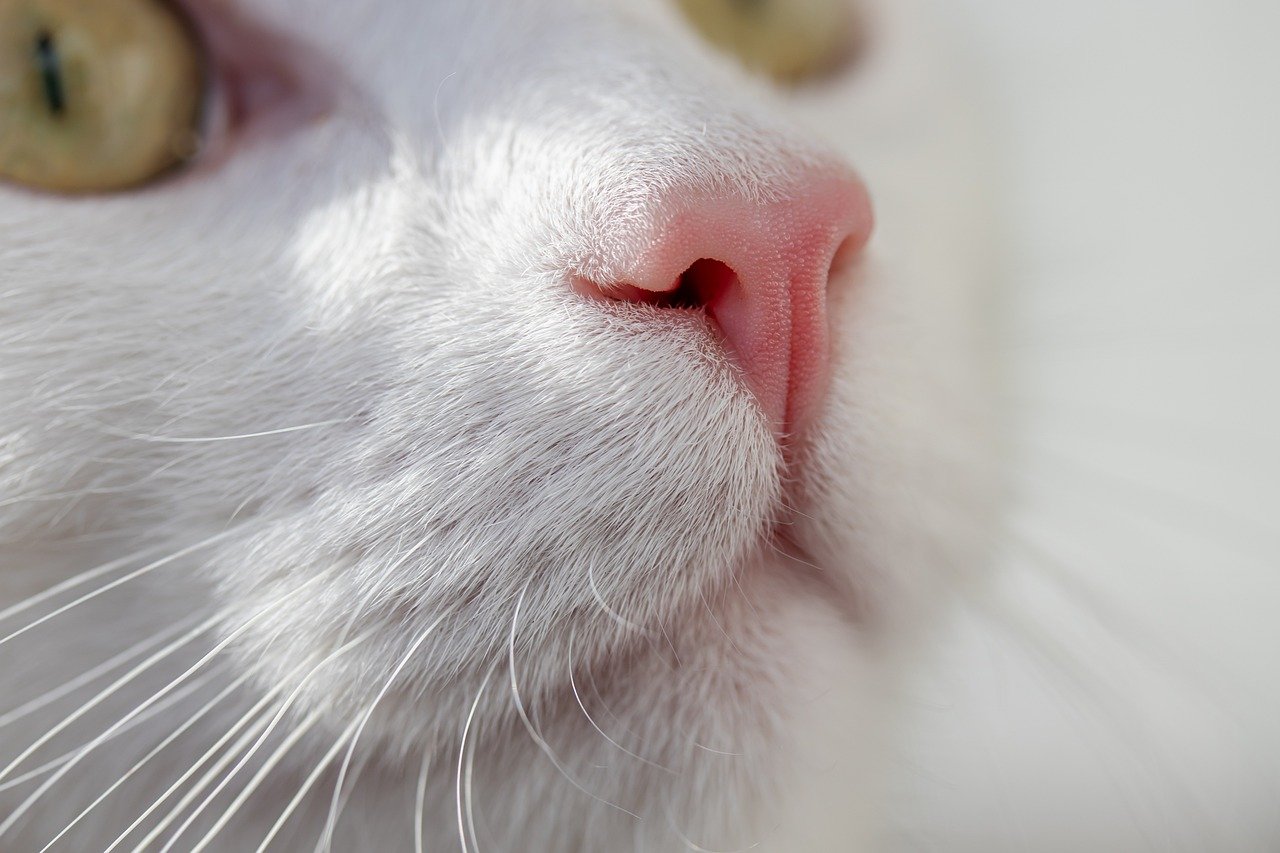
Perhaps one of the most fascinating aspects of chest sleeping involves the therapeutic benefits of your cat’s purring. Scientifically, purring has been linked to frequencies (around 25–150 Hz) that may help reduce stress, lower blood pressure, and even support healing in bones and tissues in some studies. Your cat’s nighttime purring session becomes a mutual healing experience.
The frequency of cat purring typically falls between 20 and 50 Hz, with some extending up to 150 Hz. The same frequency has been shown to aid in the healing of broken bones, joint and tendon repair, and wound healing. Research suggests that the frequency of cat purring may aid in healing processes. Frequencies in the 25 to 150 Hertz range are known to help promote the healing of bones, reduce inflammation, and improve joint mobility. This means that people recovering from injuries or dealing with chronic pain conditions may benefit from spending time with a purring cat.
A purring cat provides companionship, which can help combat feelings of loneliness and depression. Studies have shown that petting a cat while listening to its purr can boost oxytocin levels, a hormone associated with trust and emotional bonding. The vibrations literally work to improve both your physical and emotional wellbeing while you sleep.
Emotional Mirroring: Reading Your Moods and Responding
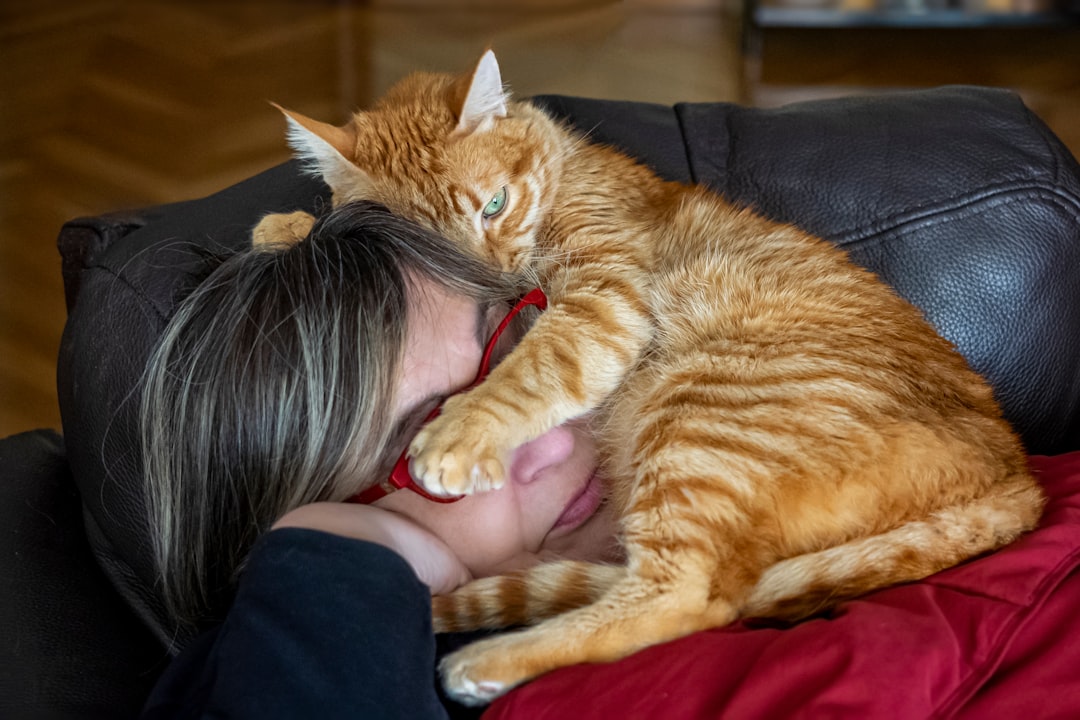
Cats may sense when you’re relaxed, sad, or anxious and respond with closeness to comfort you. Your feline companion possesses remarkable emotional intelligence that allows them to detect subtle changes in your stress levels, breathing patterns, and overall emotional state.
Some cats have been known to exhibit this behavior when sick because of the comfort it can bring them. Some cats have been known to exhibit this behavior when sick because of the comfort it can bring them. This mutual comfort seeking creates a therapeutic cycle where both you and your cat benefit from the close physical contact.
I’ve noticed how her purring creates a calming atmosphere that helps reduce my stress after a long day. Each time she curls up close I feel a sense of peace wash over me. It’s clear that these moments contribute to both of our well-being. Your cat’s ability to provide emotional support through their sleeping behavior demonstrates their sophisticated understanding of human emotions and their desire to offer comfort.
The Bonding Hormone Connection: Oxytocin and Attachment
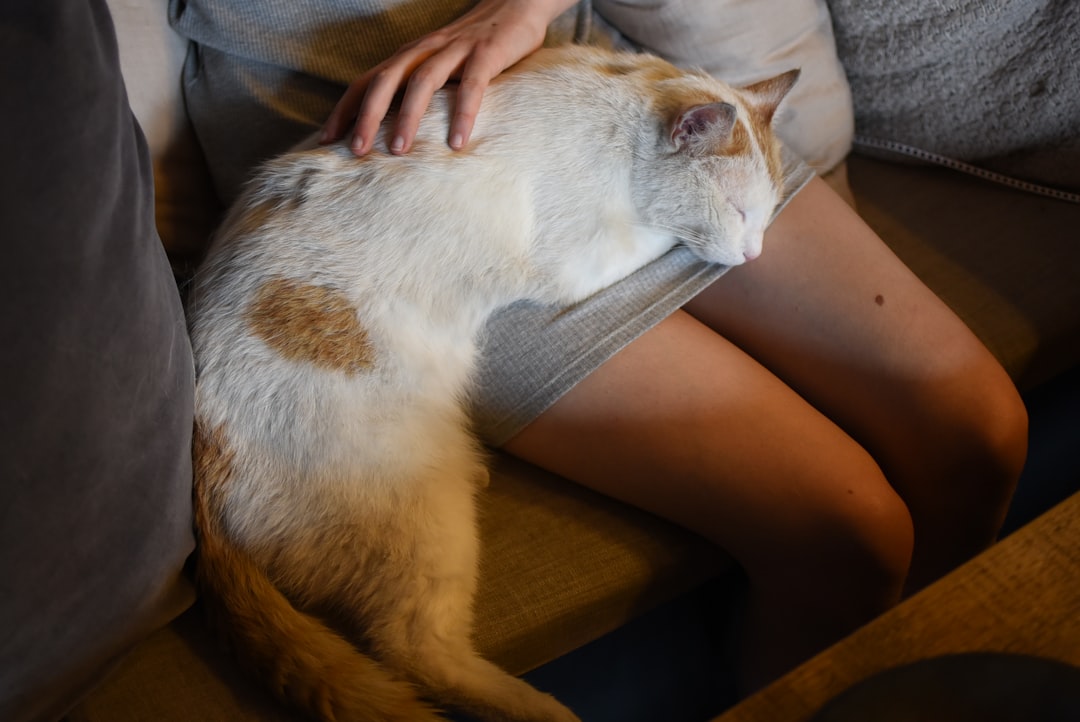
According to a recent study published in the Frontiers in Veterinary Science, oxytocin functions not just to reduce stress but also promotes positive interactions when cats are in close contact with their owner. This powerful bonding hormone plays a crucial role in strengthening the emotional connection between you and your cat during nighttime cuddle sessions.
Studies reveal that close contact enhances the emotional connection between cats and their owners, releasing oxytocin, the bonding hormone. I often hear purring when he curls up, which signals contentment and happiness. The chest-sleeping position maximizes this hormone release because it involves sustained physical contact and mutual relaxation.
According to a research published in the Current Biology Journal some felines form strong emotional attachments with their caregivers like those that dogs and baby’s form. Sitting or resting on an owner’s chest provides them the opportunity to bond even closer with their carer through touch. This biochemical bonding process helps explain why many cats develop such strong preferences for sleeping on their owner’s chest night after night.
Security and Protection Instincts: Your Role as Guardian
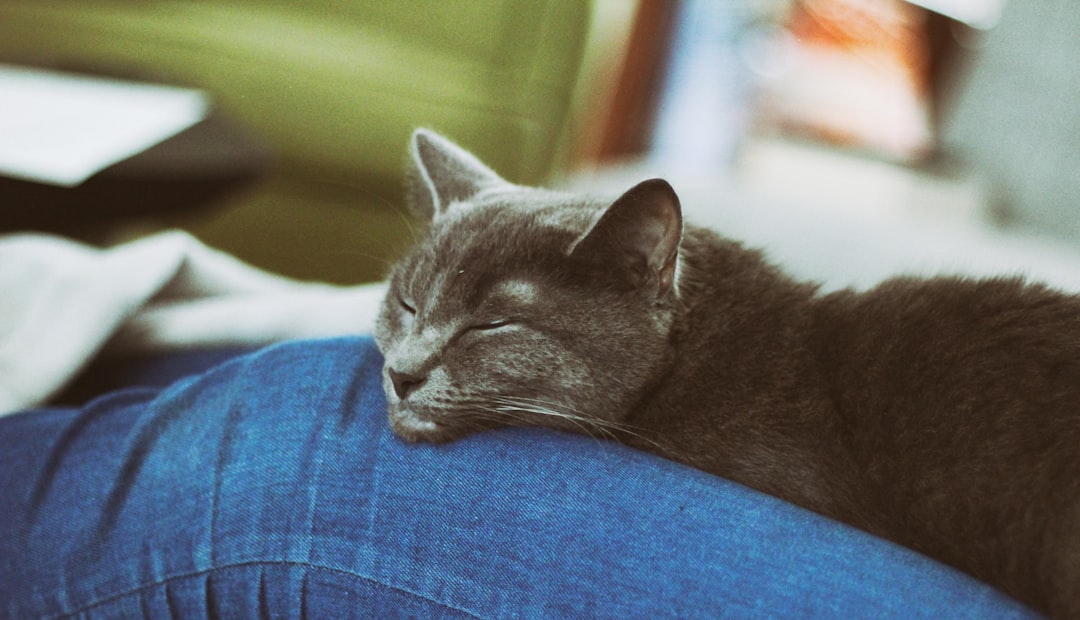
It may be that some cats get an extra element of feeling secure when lying on our chests. Beyond seeking warmth and comfort, your cat views your chest as the safest possible location in their environment. This positioning allows them to feel protected while maintaining awareness of their surroundings.
Your steady breathing, strong heartbeat, and larger physical presence signal safety and protection to your cat’s instinctive survival mechanisms. If your cat is bonded to you, they may lie on your chest because they want to be close. Your cat may also want to sleep on your chest to be closer to your mouth, as your voice may provide comfort. The proximity to your voice and the familiar vibrations it creates offer additional reassurance.
This protective instinct becomes particularly strong in cats that have experienced trauma or stress in their past. Your cat sleeps with you for comfort and security. After their mother, you’re the next best thing. Your role as protector and provider makes you the natural choice for their most vulnerable sleeping hours.
Texture Preferences: The Perfect Sleeping Surface
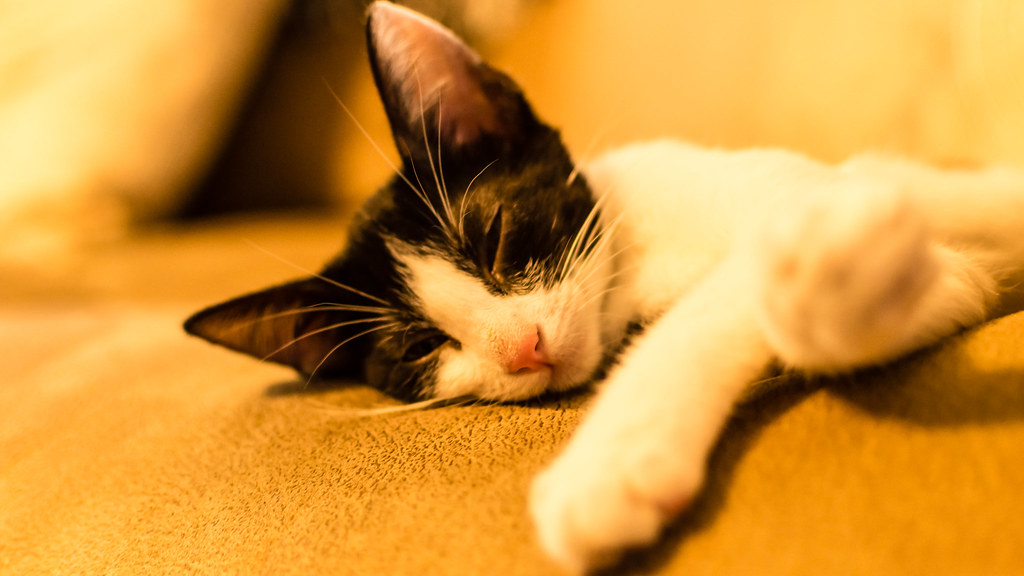
Our feline companions enjoy diverse kinds of textures, nevertheless each cat has an individual choice of fabric they like under their paws. After all felines are comfort seekers, sitting on our chest not only offers a reassuring tactile experience but also carries our familiar scent. If your cat starts kneading your chest within a brief time, it means they relate the secure nature of your relationship with that of its mum when it was a kitten which is heart-warming.
Your chest provides an ideal combination of softness, warmth, and gentle movement that appeals to feline sensory preferences. Your chest may double down as both a warm and comfortable spot, akin to your cat’s favorite bed. The slight rise and fall of your breathing creates a gentle rocking motion that many cats find deeply soothing.
Unlike static surfaces, your chest offers dynamic comfort that responds to your cat’s movements and adjusts throughout the night. This adaptability makes it superior to even the most expensive cat beds because it provides both physical comfort and emotional connection in one perfect package.
Social Bonding and Pack Behavior: You’re Part of Their Family
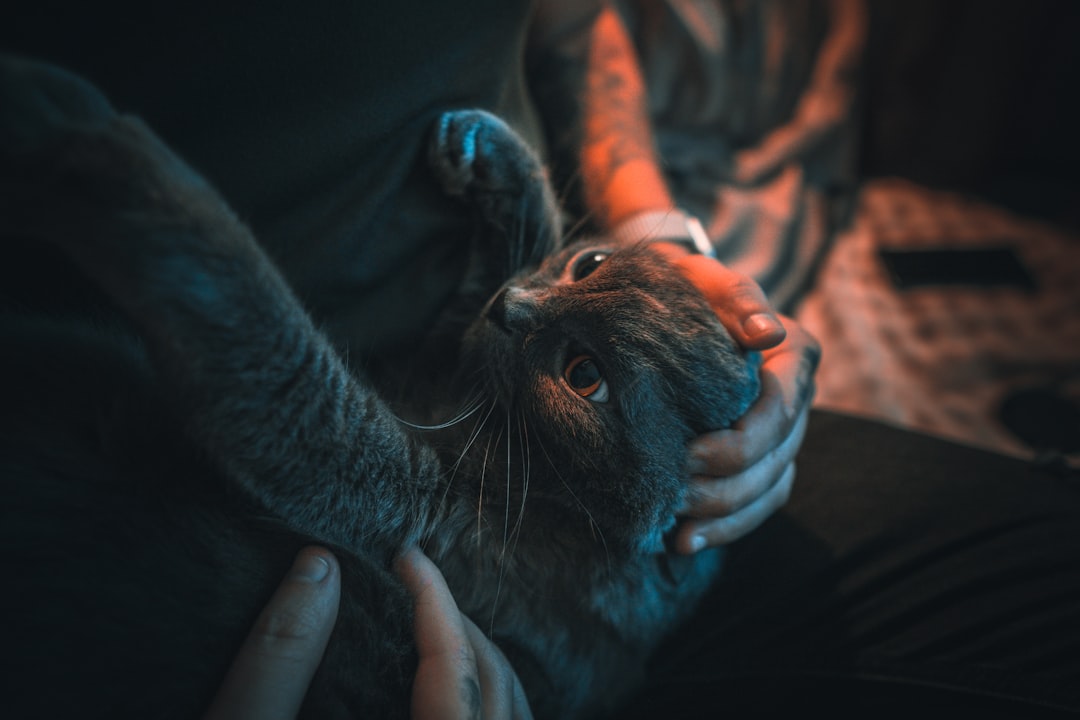
Much of a cat’s sleeping behavior stems from social tendencies. Despite their reputation as aloof, cats can have social connections and form bonds with pet parents and other pets. They also seek out warmth from body heat while sleeping, leading cats to sleep on you or next to you. This social sleeping behavior indicates that your cat considers you an integral part of their family unit.
Cat behavior consultant Mikel Delgado, PhD, told Catster that it’s not unusual for cats to engage in “pillowing” at bedtime. This is when they use another cat as a pillow (adorable!) If they’re the only cat in the house, they love to use you as an alternative. This tactile component to the feline/human bond is your cat’s way of saying, “I love you. I want to be near you and spend time with you”.
A bonded cat sees you as part of their social group, not just their caregiver. By sleeping on your chest, your cat demonstrates that they view you as family rather than simply a provider of food and shelter. This behavior represents the deepest level of feline social acceptance and affection.
Conclusion: The Beautiful Complexity of Feline Love
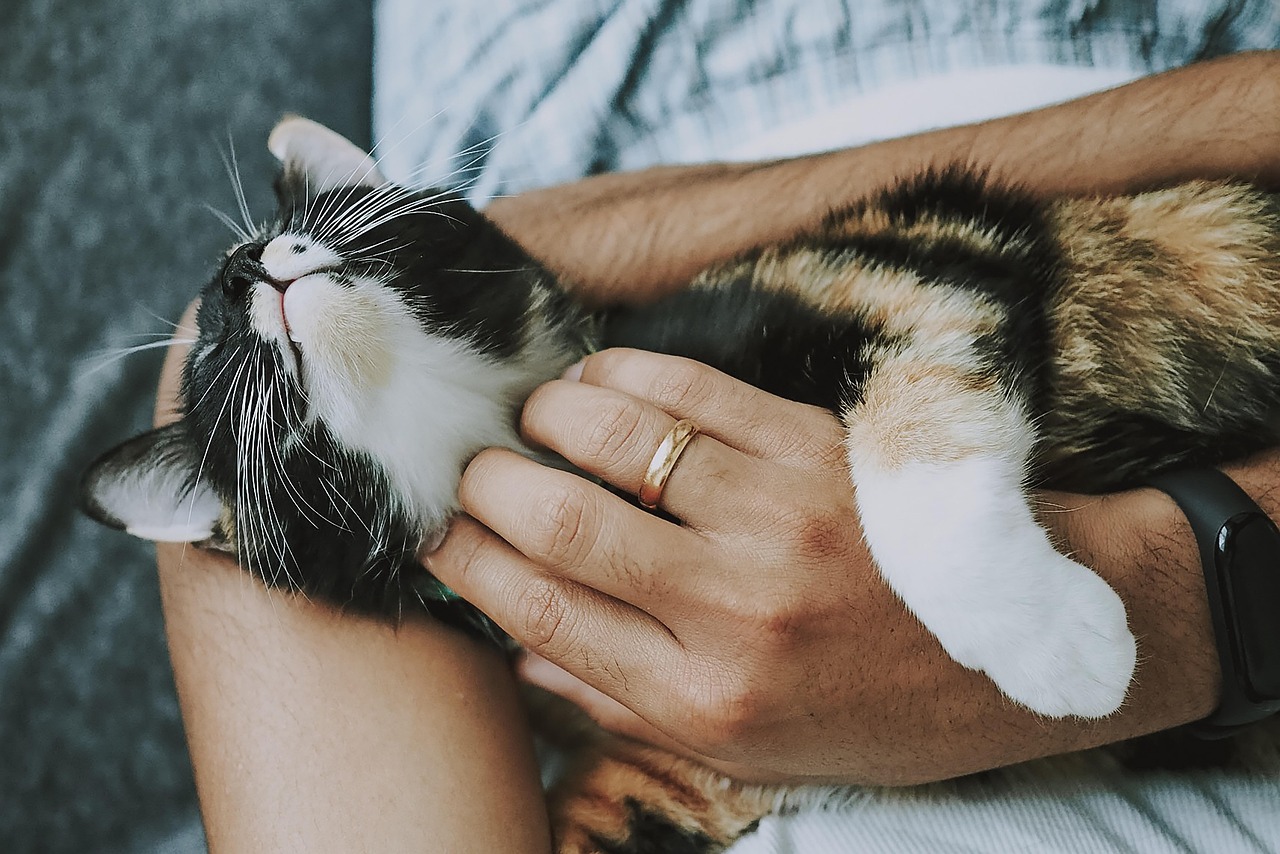
The next time your cat settles onto your chest for the night, remember that you’re witnessing a beautiful convergence of evolutionary instincts, emotional bonding, and genuine affection. This simple behavior encompasses thousands of years of feline evolution, complex neurochemical processes, and profound trust.
From the healing frequencies of their purring to the territorial claiming through scent marking, your cat’s chest-sleeping habit represents one of the most intimate expressions of feline love. They’re seeking warmth, offering comfort, claiming ownership, and demonstrating trust all in one remarkable nightly ritual.
What do you think about your cat’s nighttime behavior now that you understand the deeper meaning? Tell us in the comments about your own experiences with chest-sleeping felines!