There is something quietly extraordinary about a cat that has lived a full, layered life. You might think you are the one taking care of them – feeding them, arranging their soft beds, scheduling their vet visits – but if you watch an old cat long enough, you start to realize something unexpected. They are teaching you right back.
Old cats carry a kind of gentle authority that younger animals simply haven’t earned yet. They move differently, relate differently, and demand things from you that you never knew you needed to give. Whether you’ve had your feline companion since kittenhood or welcomed a senior cat into your home later in life, there’s a depth of wisdom embedded in every slow stretch, every deliberate nap, every precise blink. Let’s dive in.
Understanding What “Senior” Really Means for a Cat
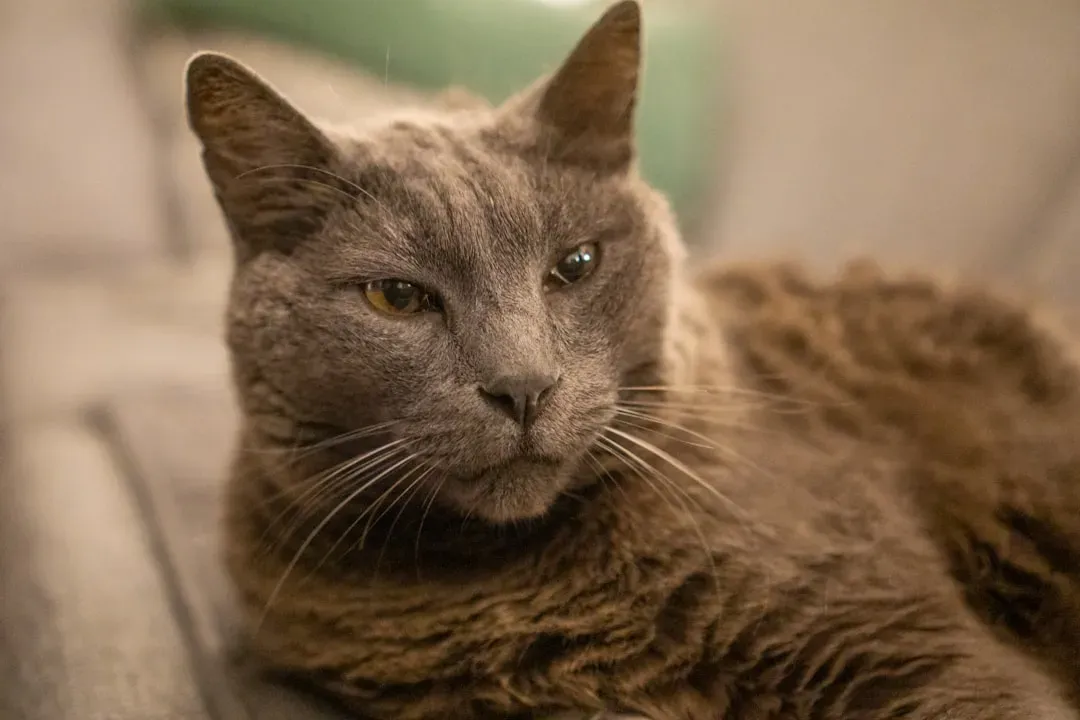
Most people are surprised to learn just how early cats enter their senior years. Cats are considered seniors once they reach 11 years old, though some common senior cat behavior changes may start before then. Honestly, that feels shockingly young – like calling a 45-year-old human “elderly.” Still, understanding this milestone matters enormously for how you care for your companion.
The age categories go even deeper. According to International Cat Care, senior cats are defined as those aged 11 to 14, and super-senior felines are those aged 15 years and older. Think about that for a moment. A 16-year-old cat, by one widely used calculation, is roughly equivalent to an 80-year-old human. That reframe alone changes everything about how you should approach their daily needs.
Not long ago, cats were considered seniors at eight years old. Today, it’s not unusual for veterinarians to have feline patients in their twenties. Thanks to improved nutrition, living indoors, and advances in veterinary medicine, cats live longer and are now considered older at 12 to 14 years. So the bar keeps shifting – which means your commitment to understanding their needs has to shift along with it.
The Art of Slowing Down: Rest as a Life Philosophy
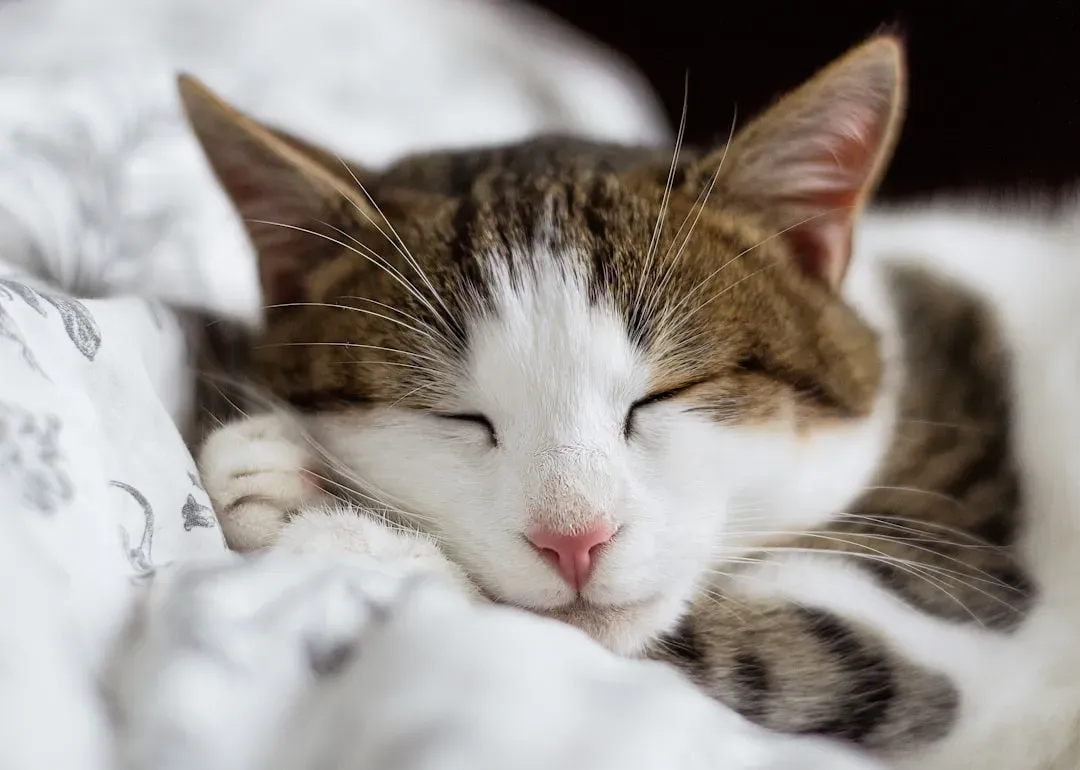
Here’s something our culture rarely celebrates: the wisdom of slowing down on purpose. Senior cats do this naturally, and I think there’s something worth learning there. It may feel like you rarely see your older cat awake these days, but a change in their sleeping patterns is normal. As they age, their energy decreases, and they’re usually not able to move about like they once could. When your cat does move about or partake in family activities, they will become tired more quickly and need to recover, which happens through sleeping.
It’s normal for cats to sleep more as they age. That doesn’t mean they should sleep all the time – but chances are you’ll notice your cat resting in a sunbeam more. You may notice that they change where they sleep to a location that’s easier to access without jumping. This isn’t laziness. It’s self-knowledge. Your cat has figured out what their body needs and acts accordingly. There’s a lesson there for all of us who push too hard, too long, without rest.
Predictability Is Power: The Lesson of Routine
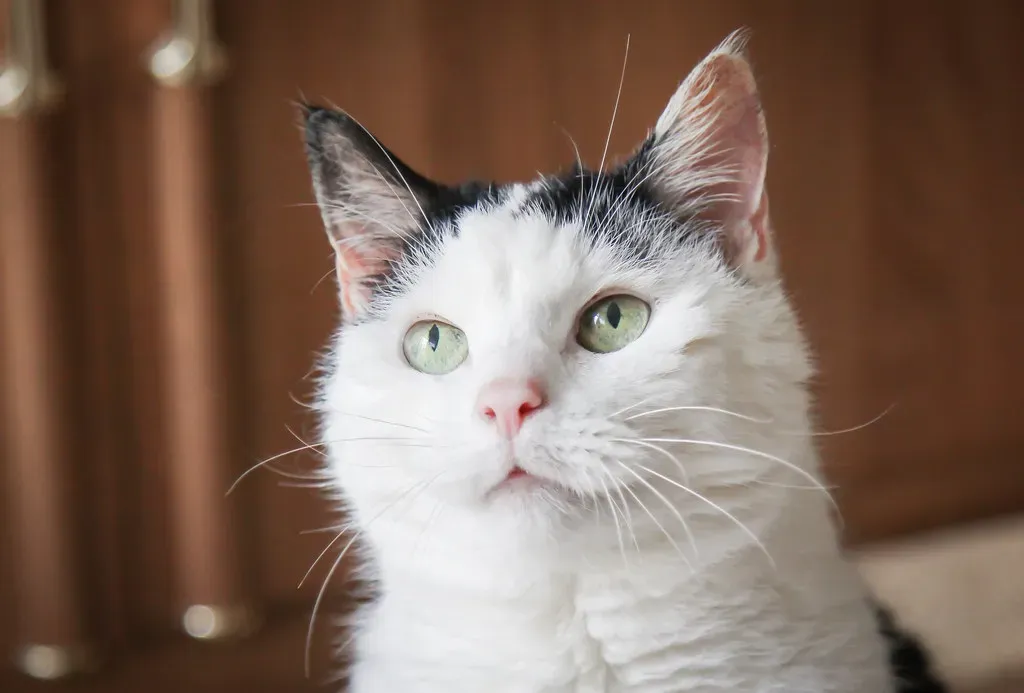
One of the most profound things an old cat can teach you is the power of a consistent routine. It’s not just a preference – it’s almost a form of medicine. Older cats cherish predictable days more than younger cats do. Just as we become set in our ways as we get older, cats do too. You might find that rigid schedules feel confining, but for a senior cat, routine is the architecture of comfort.
Older cats can be more sensitive to changes in routine or household, which can lead to stress. Patience and accommodations – extra affection, a favorite toy or blanket, a quiet room for them to stay in – go a long way to helping your senior cat adjust to upsetting changes. Think of routine as something that acts like scaffolding around a building. Your senior cat doesn’t resist change because they’re stubborn. They resist it because their entire sense of safety is woven through the familiar. You can honour that.
The Stoic Mask: Cats Hide Pain Better Than Anyone
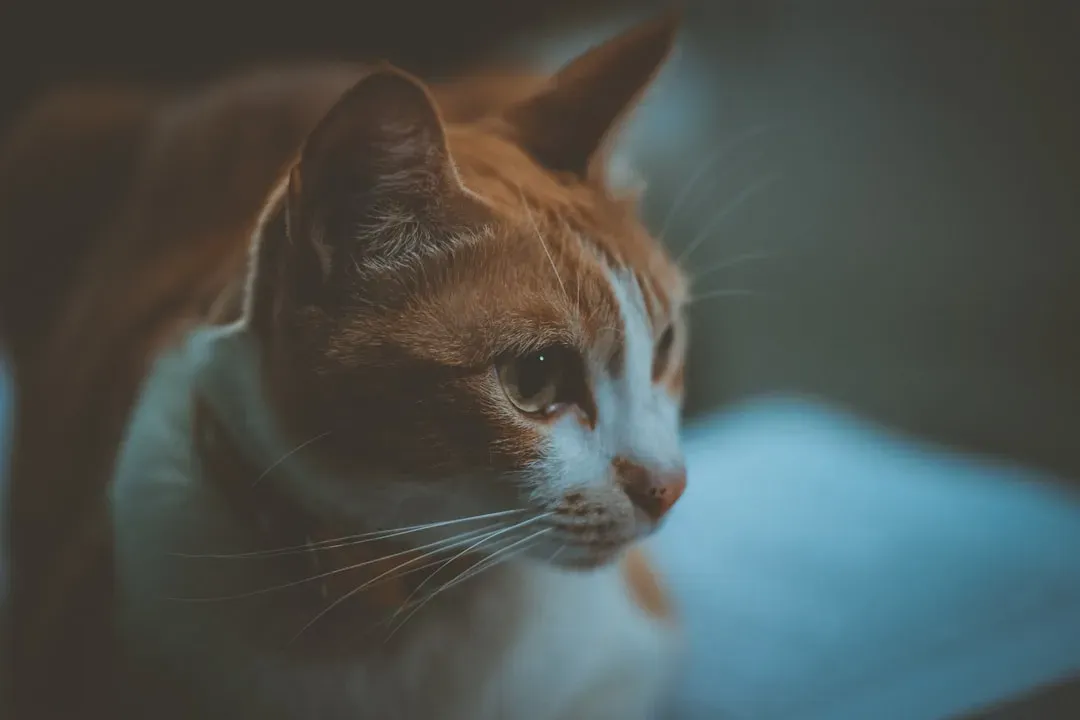
This is the part that genuinely worries most seasoned cat owners – and for good reason. Senior cats are astonishingly skilled at masking discomfort, and it takes a sharply observant eye to catch what they’re concealing. Cats are masters at hiding pain, especially as they age. Look for subtle signs of discomfort, such as changes in grooming habits, reluctance to jump, or altered behavior. Regularly check their ears and paws for signs of arthritis, and provide cozy and easily accessible resting spots to alleviate joint stress.
The hidden-pain reality is actually staggering when you look at the data. Cats are masters at hiding their pain. As many as nine out of 10 senior cats show evidence of arthritis when X-rayed, yet most of us with senior cats have no idea. The most important thing you can do to prevent the pain from arthritis is to keep your cat at a healthy weight. As little as a pound or two of excess weight can significantly increase the pain of sore joints. That silent suffering deserves your attention, not your assumption that everything is fine.
Nourishing the Aging Body: What You Need to Know About Senior Cat Nutrition
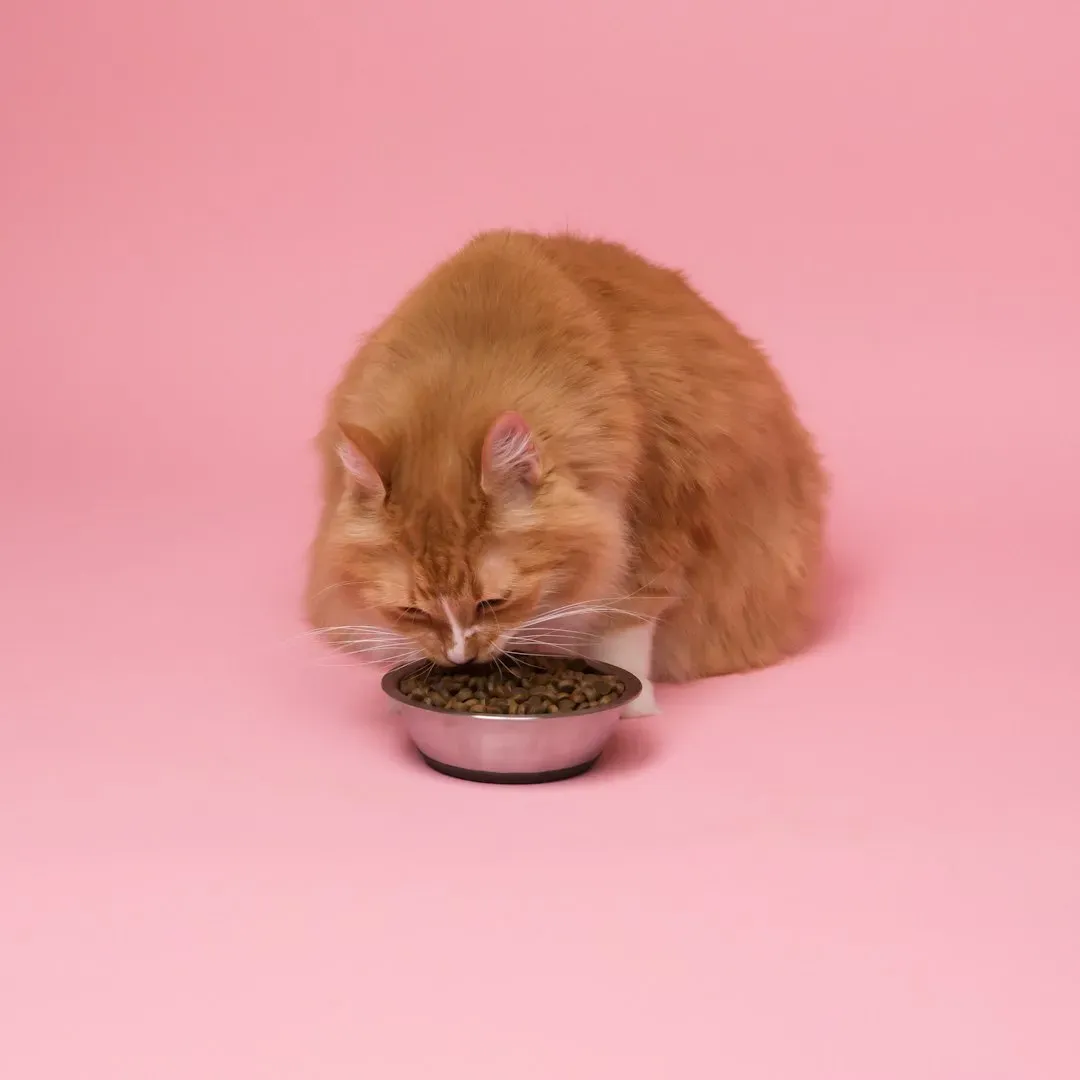
Feeding a senior cat isn’t just about filling the bowl and calling it done. Their nutritional landscape shifts in ways that require real attention. Physiological changes include reduced ability to smell and taste food, reduced ability to digest fat and protein, and reduced hearing, immune function, skin elasticity and stress tolerance. When your cat sniffs their food more cautiously or seems suddenly picky, their senses may simply be fading – not their appetite.
Kidney function declines as cats age. While it may not always show up on blood work, all senior cats benefit from having increased water intake. Make sure your senior cat has multiple water sources available so they don’t have to work hard to find water. Picky drinkers may benefit from having more wet food in their diet or water fountains that keep fresh water flowing. It’s a small adjustment that carries enormous consequences for long-term kidney health. Consider it less of a convenience and more of a necessity.
Keeping the Mind Sharp: Mental Stimulation for Elderly Felines
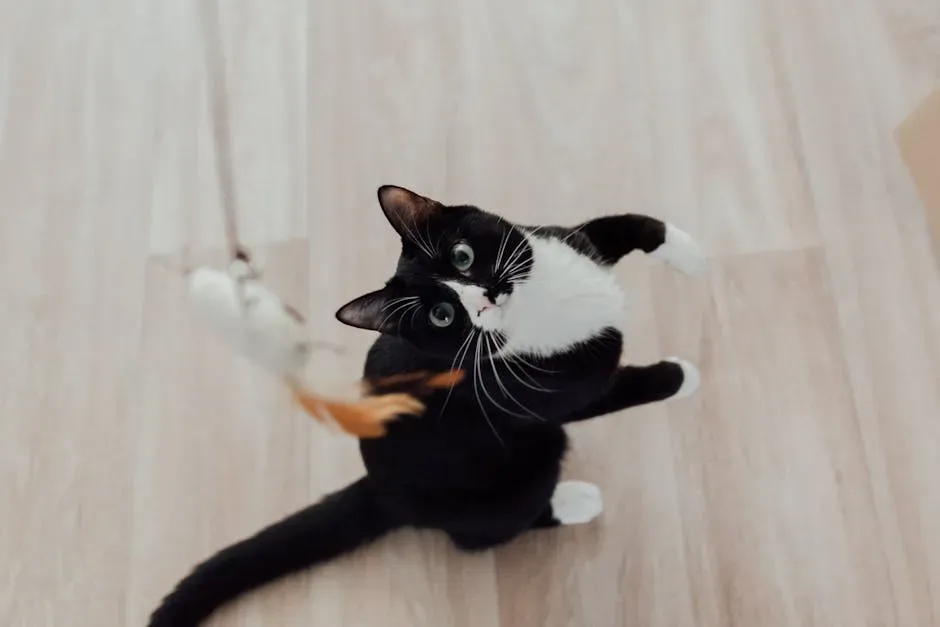
Let’s be real – it’s easy to assume that a slower, sleepier cat doesn’t need much mental engagement anymore. That assumption is wrong, and it can actually accelerate cognitive decline. Just because your cat is getting older doesn’t mean their mind has to slow down. Mental stimulation is crucial for senior cats. Introduce interactive toys, puzzles, and engaging games to keep their cognitive functions sharp. Consider rotating toys to maintain their interest, and create scavenger hunts with treats to encourage problem-solving.
There’s genuinely exciting news on the learning front, too. Many are amazed to learn that cats can form new neural pathways well into their golden years, meaning yes, you absolutely can teach an old cat new tricks. Think of the brain like a muscle – it needs to be worked, gently but consistently. While senior cats still need play and mental stimulation, their preferences for play may change. They may prefer shorter play sessions and will show a preference for interactive play over playing by themselves. Your cat may also change toy preferences over time and prefer different toys than they did when they were younger. Follow their lead and adapt.
The Bond Deepens: Emotional Connections in the Golden Years
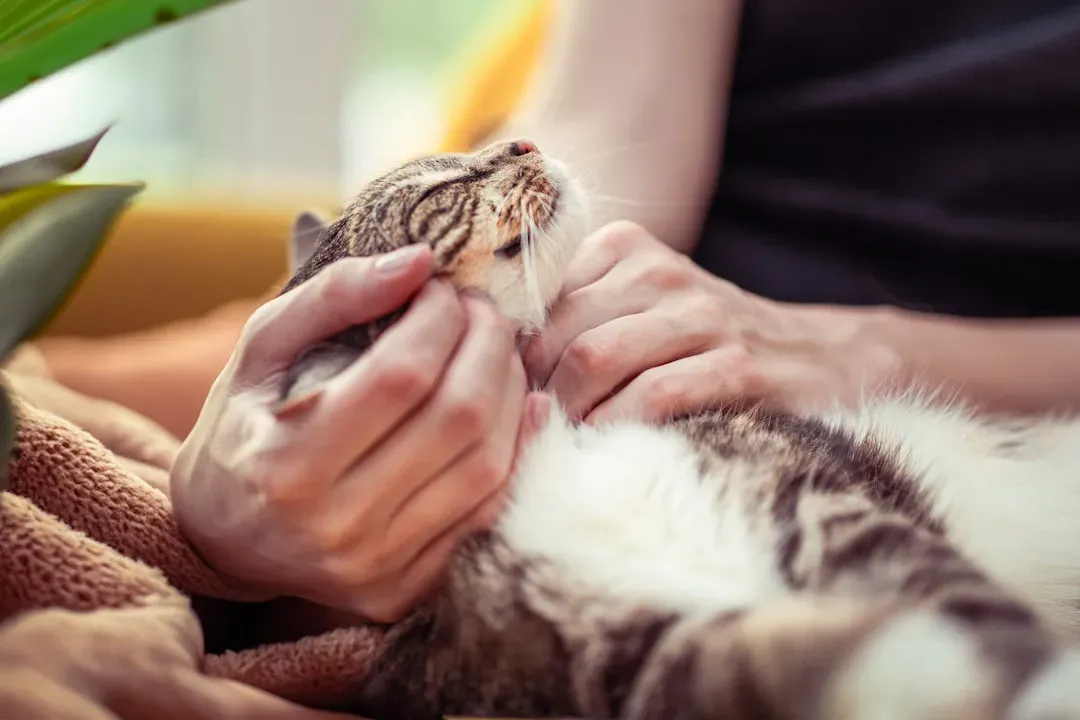
Something quietly remarkable tends to happen between humans and their cats as those cats get older. The relationship shifts – it softens and deepens in ways that are hard to articulate but impossible to miss. Older cats often form stronger bonds with their adopters. There’s a fascinating theory in feline behavior studies suggesting that senior cats, perhaps understanding they’ve found their final home, invest more deeply in their human relationships. Whether that theory is provable or not, anyone who has lived with an old cat will tell you it feels absolutely true.
As their energy levels decrease, senior cats value the serenity of quiet companionship. They’d be content to simply sit by your side, enjoying your presence without the need for constant interaction. These peaceful moments strengthen the bond between you and your aging feline friend. In a world obsessed with noise and stimulation, your senior cat is modeling something radical: the gift of simply being present with someone you love.
Reading the Signals: When Behavior Changes Mean Something Serious
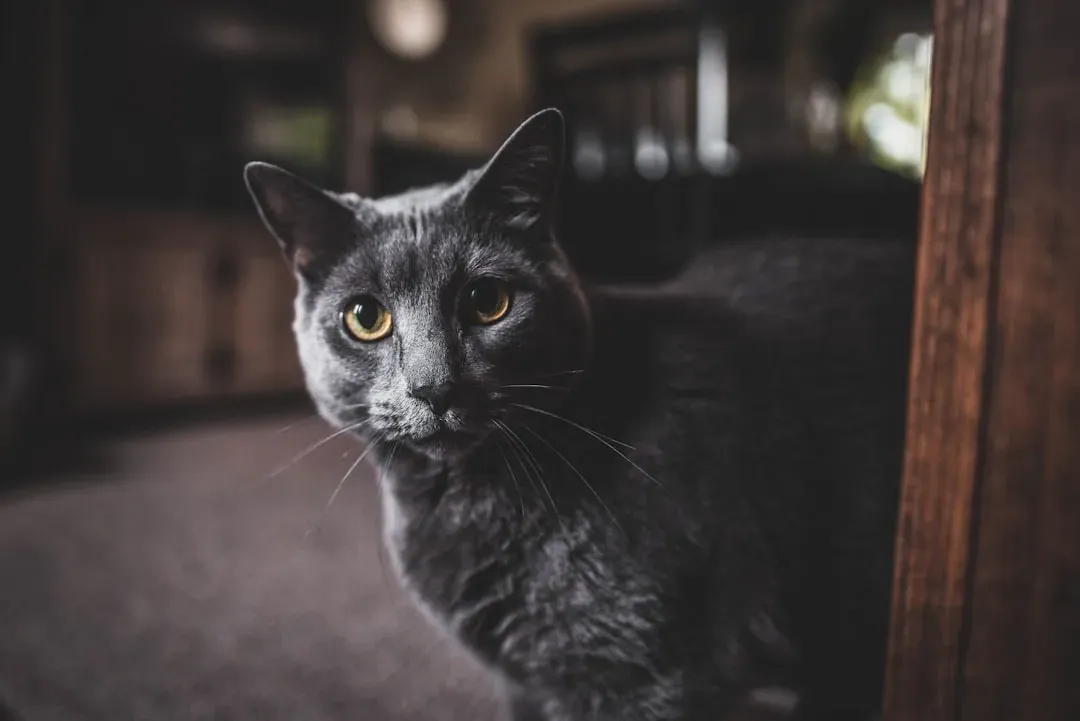
Not every behavioral shift in a senior cat is simply “getting old.” You owe it to your companion to know the difference. Senior cats often start acting differently as they age, and it’s not just a quirk of getting old. There are real reasons behind these changes. Think health issues first. Just like humans, cats can suffer from problems like arthritis or thyroid issues, making them act out of character. Pain can make them grouchy or less active.
Cognitive decline is another serious factor you should never dismiss as mere eccentricity. Cognitive Dysfunction Syndrome, also called feline dementia, affects many aging cats. Symptoms include disorientation, such as staring at walls or getting lost in familiar areas. If you notice that your cat has started being confused by tasks or objects that are part of their daily routine, this may be a sign of issues with memory or cognition. Behavioral changes such as litter box accidents, wandering, excessive meowing, and seeming disoriented are also potential signs of mental confusion and should be examined by your vet. Watch closely. Their body is always speaking – you just need to learn its language.
The Vet Relationship: Your Most Important Partnership
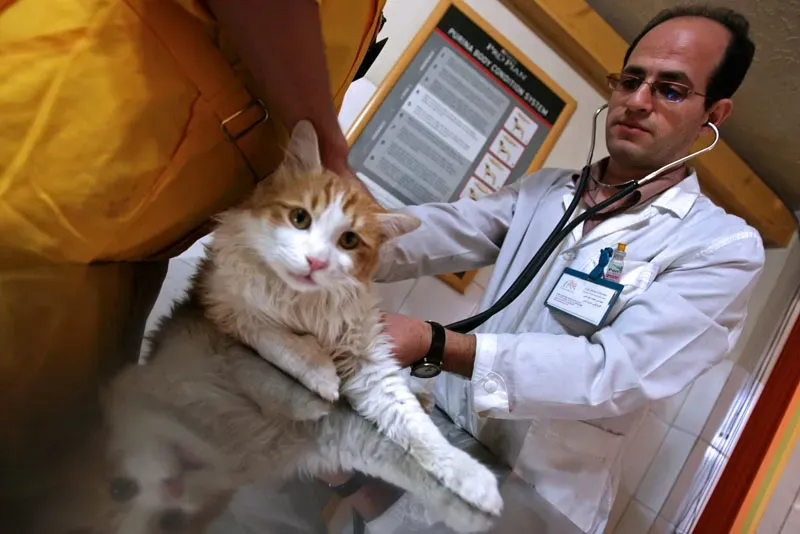
If there is one single lesson that every senior cat owner needs to fully absorb, it is this: your veterinarian is not just someone you visit in a crisis. For a senior cat, they are your most essential ally. Because most of the chronic diseases seen in senior cats are slow to progress, early recognition is usually only possible through diagnostic tests. The earlier a disease is diagnosed, the more likely its progression can be slowed or reversed, and a high quality of life for your senior cat can be maintained for longer.
The American Association of Feline Practitioners recommends that healthy, older cats be examined by a veterinarian every six months. Regular testing is crucial, as baseline blood work can let your veterinarian know when something is abnormal. Cats are masters at hiding disease and may appear well despite underlying problems. Examining cats more often as they age will help detect problems earlier, often resulting in easier disease management and a better quality of life. Twice a year is not excessive. It is the minimum your senior cat deserves.
A Final Reflection
Living alongside a senior cat is one of those experiences that quietly reshapes you, if you let it. You learn patience from their deliberate pace. You learn presence from their quiet companionship. You learn that health is not something to take for granted – it must be watched, tended, and protected with consistency and love.
Your senior cat doesn’t ask for much. A warm spot. Fresh water. A familiar routine. A human who pays attention. In exchange, they offer you something rare: a masterclass in aging with grace and dignity. They remind you that growing older is not a surrender – it’s an evolution. The wisdom is there in every slow blink and every contented purr. All you have to do is notice it.
Have you discovered unexpected lessons from a senior cat in your life? What surprised you most about caring for an aging feline? Tell us in the comments – your experience might be exactly what another reader needs to hear.