Your cat curls up in that perfect circle of sunlight streaming through the window, whiskers twitching softly, paws making tiny padding movements against the cushion. Something magical is happening behind those closed eyelids, something we’ve only begun to understand. While you go about your day, your feline companion is embarking on mysterious mental journeys that reveal far more about their consciousness than you might imagine.
Here’s the thing: cats aren’t just resting when they sleep those seemingly endless hours. Their brains are actively processing, organizing, and perhaps even rehearsing the complex behaviors that define them as the elegant predators they are.
The Science Behind Feline Sleep States
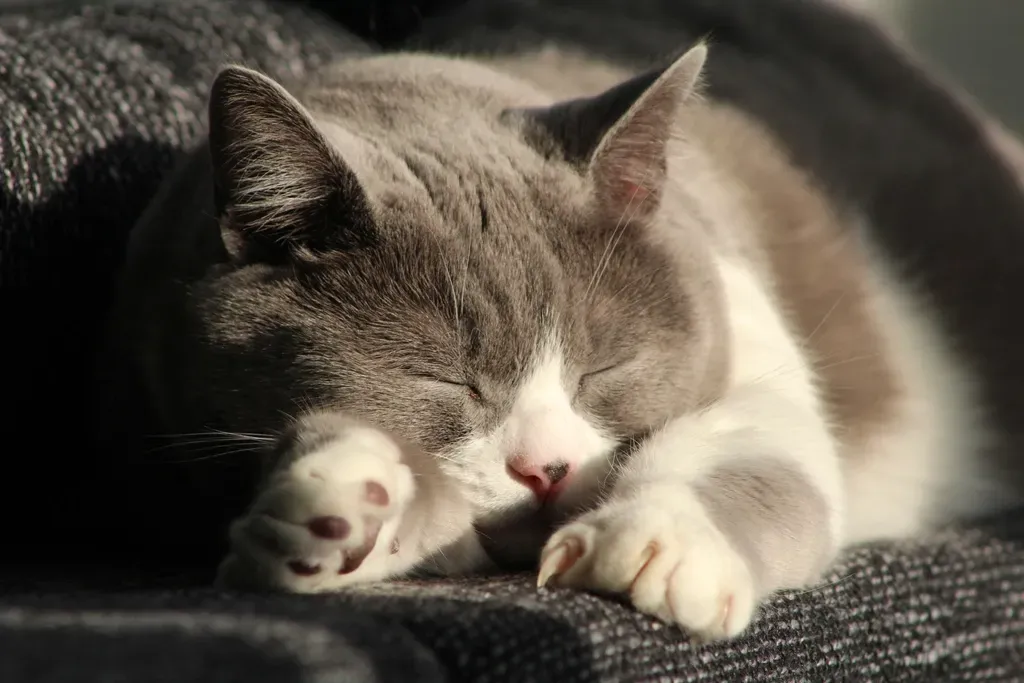
Like most mammals, cats experience dreams during sleep, with feline dreams occurring during rapid eye movement (REM) sleep. In the 1960s, scientists confirmed that cats, too, have REM sleep, showing low voltage electroencephalogram activity with eye movements and muscle immobility during this phase. Their sleep isn’t dramatically different from ours in structure, though the rhythm certainly is.
Cats typically sleep 12 to 18 hours a day. That’s a staggering amount of time spent in dreamland. Cats get roughly two to four hours of REM sleep per day, which means they’re potentially dreaming for a significant portion of their lives. The sheer volume of time they spend in this state suggests dreams serve critical functions for felines.
What Research Reveals About Cat Dream Content
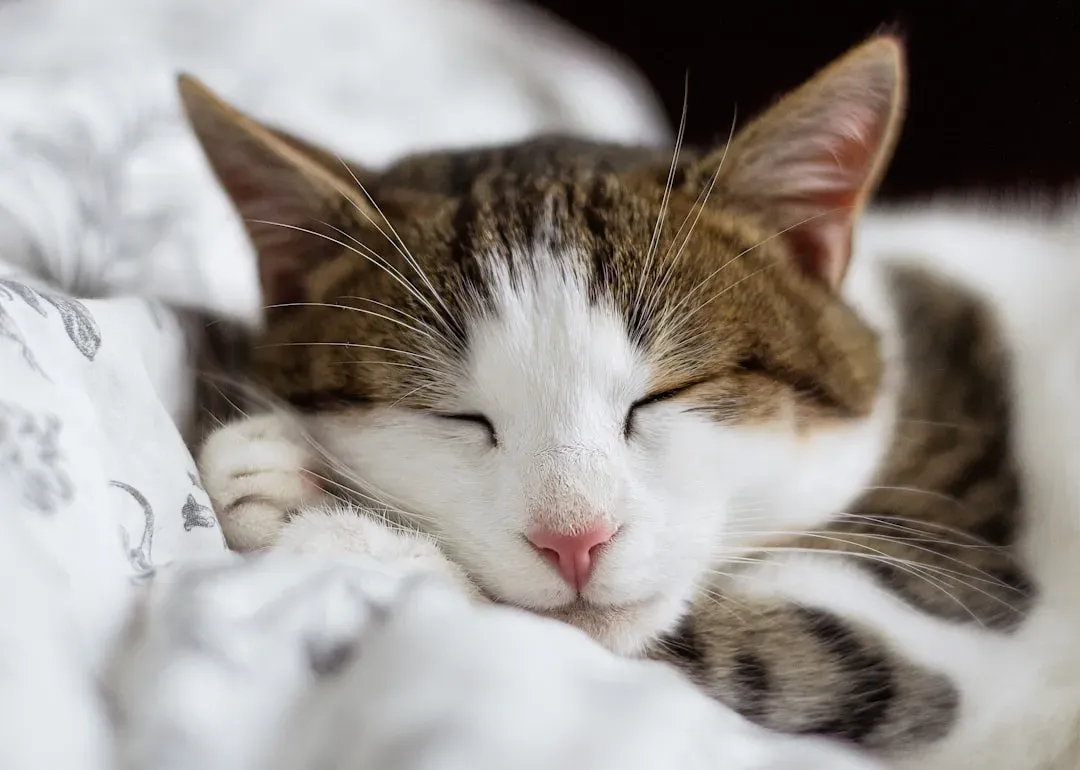
We can’t exactly ask cats to keep dream journals. Still, groundbreaking research has given us fascinating glimpses into their nocturnal narratives. In studies conducted by Michel Jouvet at Claude Bernard University Lyon in France, when a region called the pons was damaged in cats, the animals began moving during REM sleep, displaying behavior that scientists interpreted as hunting small prey.
When researchers studied cats during REM sleep with disrupted brain pathways, sleeping cats would crouch, stalk, pounce, and even bat the air as if chasing something invisible. These movements weren’t random twitches. They were coordinated sequences that mirrored waking behaviors. Most mammals use dreams to process the events they’ve experienced, so it’s reasonable to expect that cats relive their daily experiences at night, with whatever interested them during the day likely playing a role in their dreams.
The Daily Replay Theory
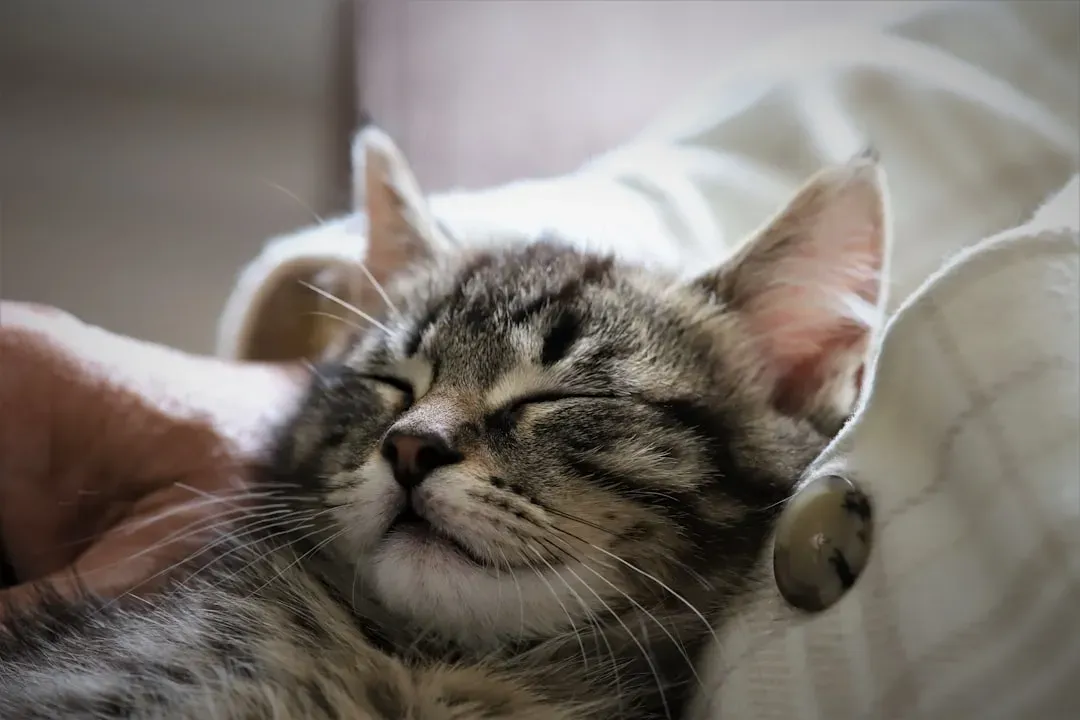
Your cat’s dreams probably aren’t abstract philosophical musings. While we can’t know for sure, it is believed that cat dreams often revolve around their daily experiences, with playtime, meals, and interactions with their human companions and fellow feline friends likely being recurring themes. Think about it: if your cat spent the afternoon stalking a particularly annoying fly, there’s a good chance that fly makes a reappearance in tonight’s feature presentation.
Given that many cats form strong bonds with their humans, it’s likely your cat dreams about you. That’s honestly kind of touching when you think about it. While you’re sleeping peacefully beside them, they might be dreaming of the moment you opened that can of their favorite food or tossed their beloved feather toy across the room.
Hunting Dreams and Instinctive Rehearsals
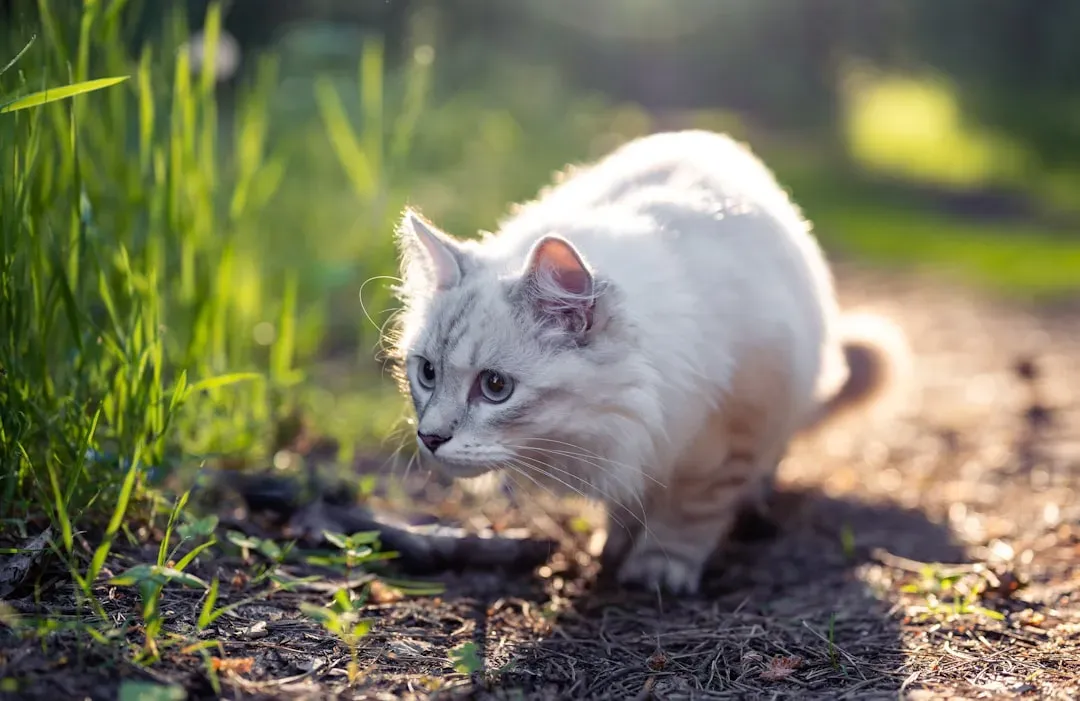
It’s a very safe assumption that cats dream about stalking and pouncing on prey, with other cat dreams potentially including lying in the sun, stretching and playing with toys. Even your pampered indoor cat who’s never caught anything more threatening than a dust bunny carries the genetic memory of being a skilled predator. Dreams may serve as mental practice sessions.
Research suggests that innate behaviors are rehearsed during REM sleep to prepare for their application in waking life. It’s like your cat has a built-in training simulator running while they snooze. Those twitching paws? They might be perfecting the pounce technique. That flicking tail? Perhaps they’re maneuvering through an imaginary hunting scenario.
The Signs Your Cat Is Dreaming
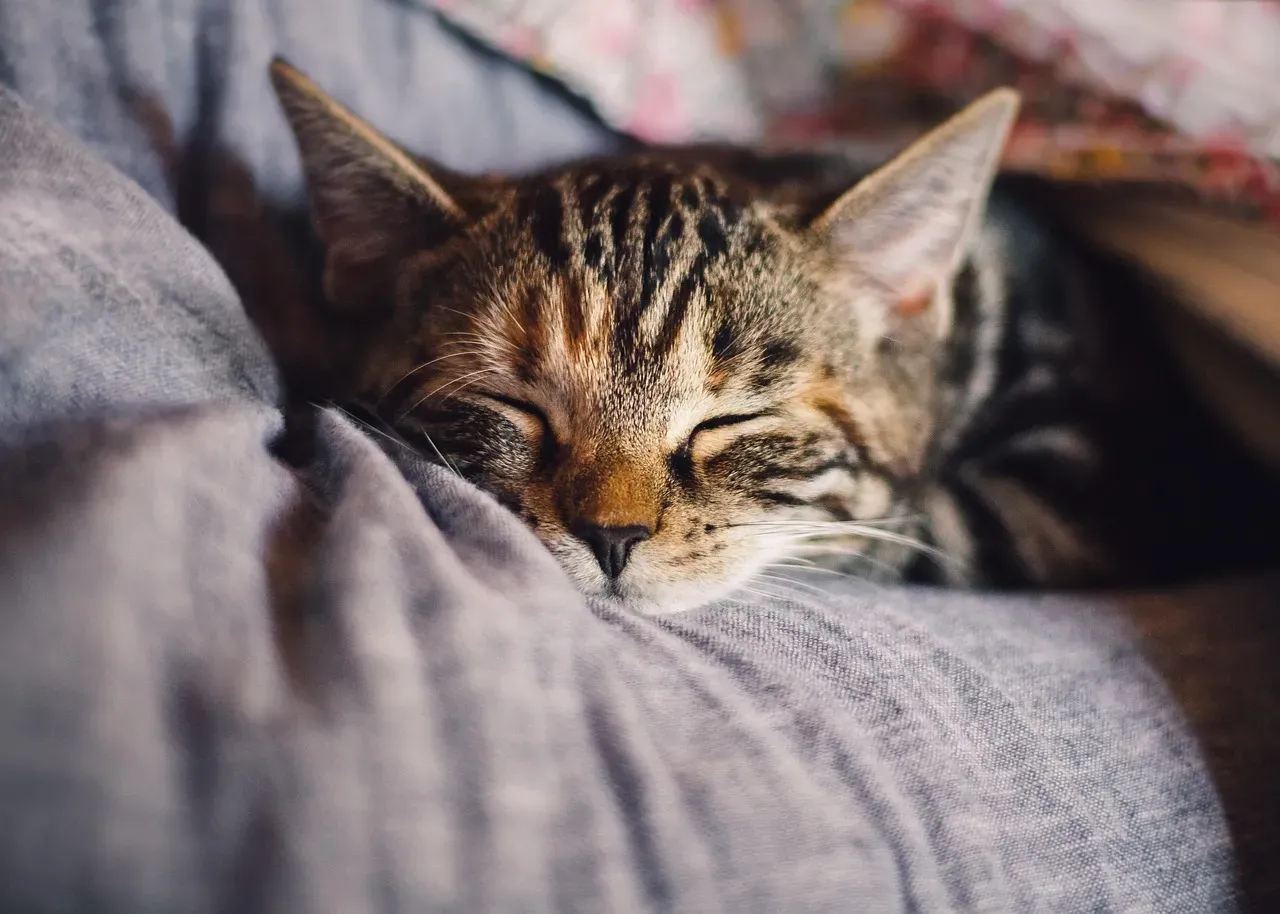
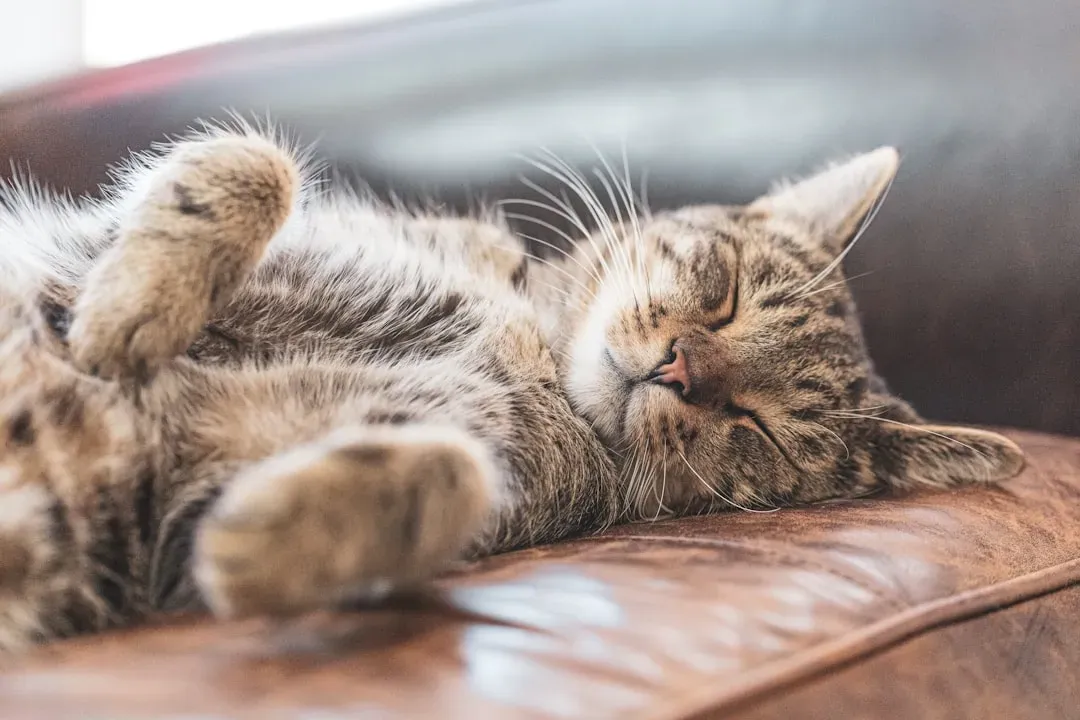
A cat twitching in their sleep is a pretty sure sign that they’re dreaming, likely acting out part of their dreams, whether they’re chasing a housemate, stalking a bird, or playing laser tag, with the brain replaying these vivid activities resulting in twitches, running motions, and even sounds like purrs and meows. Let’s be real, watching this happen never gets old.
Twitching – whether it’s their ears, paws, tail, or whiskers – is one of the most common signs of dreaming, along with slight changes in breathing patterns, like faster or more shallow breaths. If your cat is twitching their paws or whiskers, it could indicate that they are engaged in a dream scenario involving hunting or play, while soft purring or chirping sounds may suggest that they are experiencing positive dream content. You’re essentially getting a live preview of their inner cinema.
The Mystery of Feline Consciousness
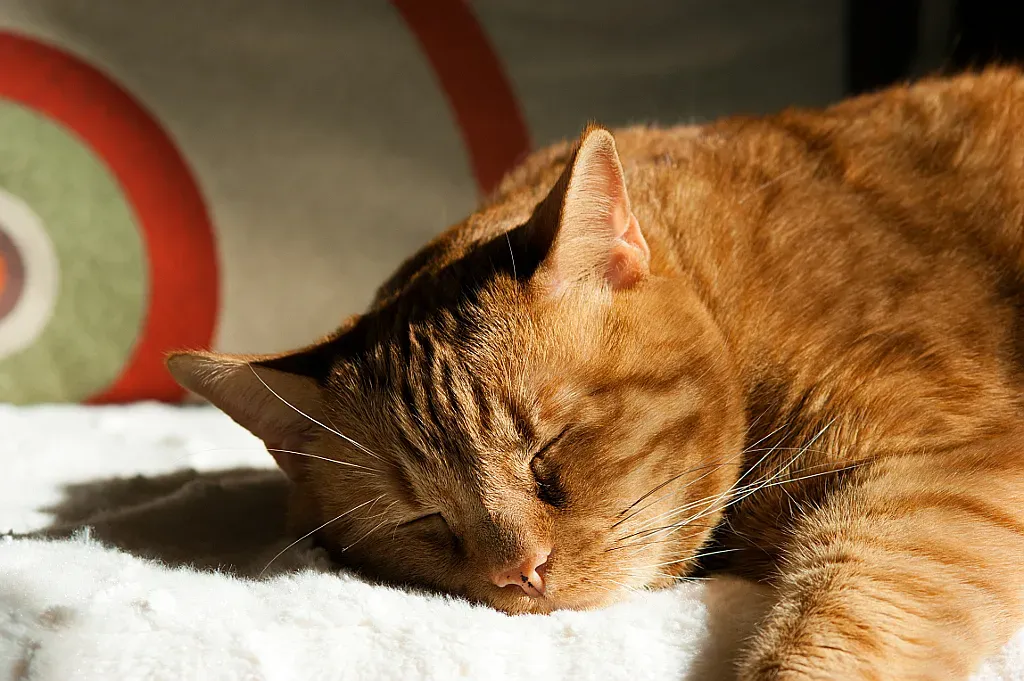
Understanding cat dreams requires grappling with broader questions about feline consciousness itself. Cats’ brains contain around 250 million neurons in the cerebral cortex, which is responsible for complex processing. That’s substantial neural firepower. Cats exhibit a surprising level of cognitive function, with their capacity for problem-solving, cause-and-effect reasoning, and memory being considerable.
Animals do not think in words, which means that cats and dogs and horses do not possess anything quite like human intelligence or reflective self-consciousness, which is dominated by language. Their consciousness must be more immediate, more sensory-oriented. Their dreams likely unfold as vivid sensory experiences rather than narrative stories with dialogue. Imagine experiencing the world primarily through scent and movement rather than verbal thought.
Could Cats Experience Nightmares?
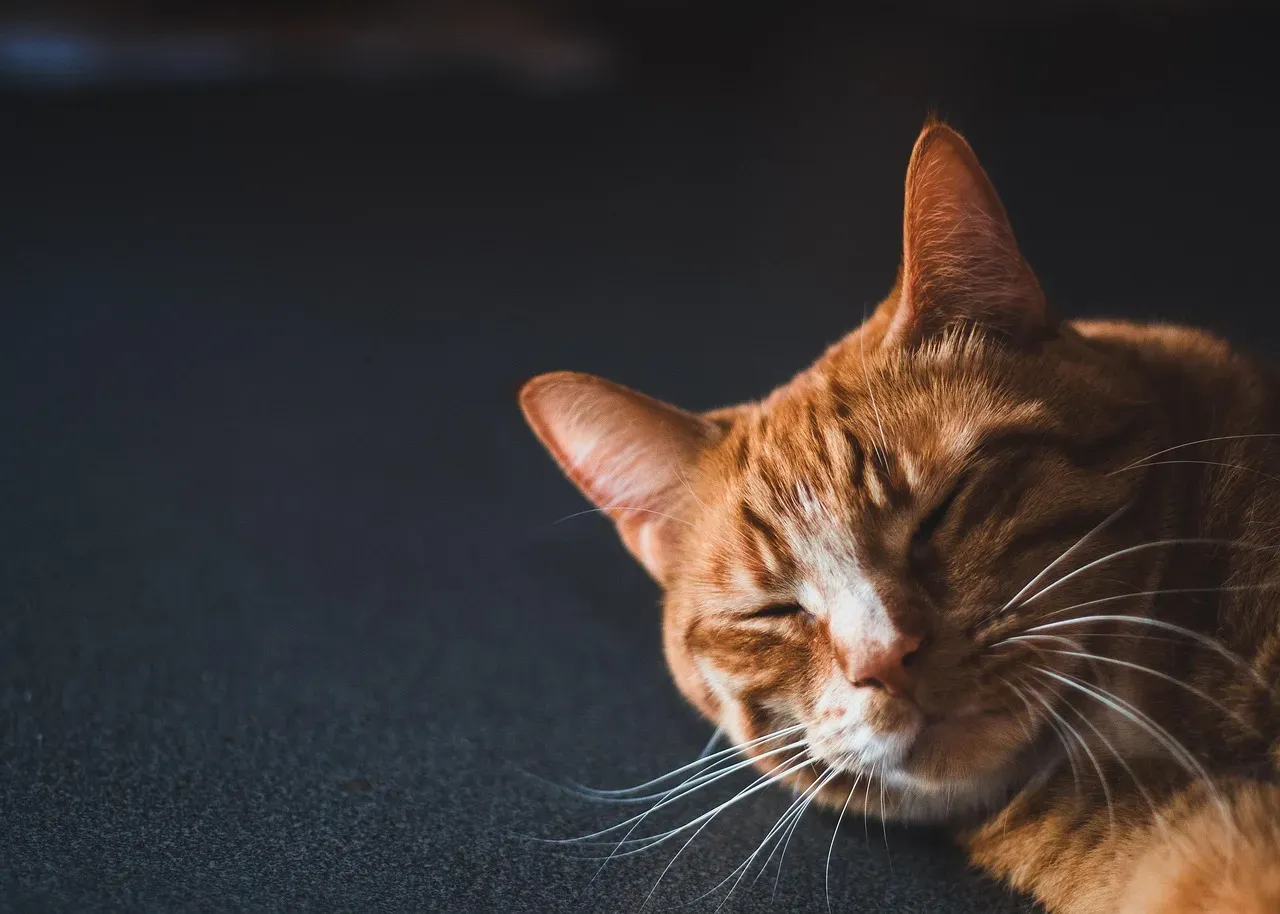
While there’s no definitive scientific proof that cats can have nightmares like humans do, we can make educated guesses based on what we know about human dreaming and the theory that the brain uses memories from the day and past experiences to rehearse possible responses to common situations. It’s hard to say for sure, but the evidence is suggestive.
If a cat has a particularly frightening experience, such as a fight with another cat, a close call with a car, or a fall off a roof, they might even have nightmares. Evidence suggests that cats may experience the equivalent of nightmares during sleep, with veterinary behaviorists having observed cats suddenly waking from REM sleep displaying signs of distress – dilated pupils, puffed tails, arched backs, and sometimes even hissing or growling. Those reactions tell us something unsettling passed through their sleeping minds.
How Dreams Benefit Your Cat
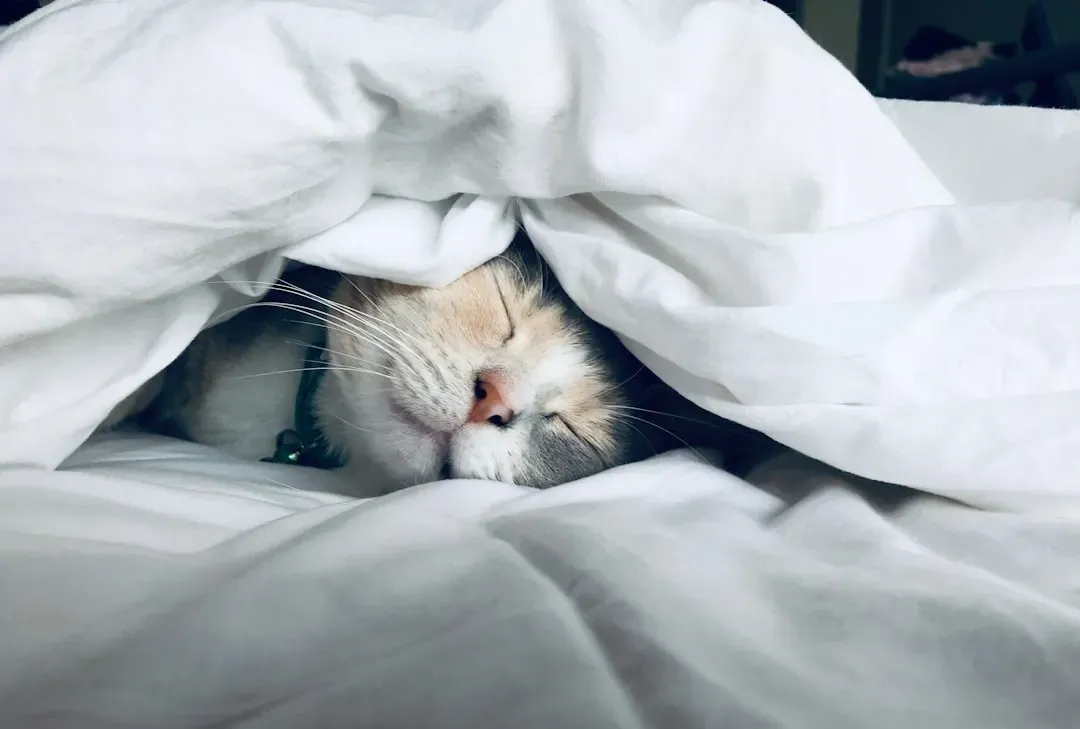
Dreaming serves several important functions for cats, allowing them to mentally rehearse and consolidate their experiences, and by replaying their daily activities in their dreams, cats can reinforce learning and memory retention. It’s not just idle mental wandering. There’s real cognitive work happening.
The hippocampus – the memory part of the brain – is highly active during feline REM sleep, meaning dreams may also help cats process learning, solve problems, or solidify new routines. Additionally, dreaming provides a form of mental stimulation and entertainment for cats during their sleep, adding an extra layer of enrichment to their lives and allowing them to engage in imaginary play and exploration. Your cat’s mental health might actually depend on those dream adventures.
Unique Aspects of How Cats Dream
Humans rarely report scents when recounting dreams; however, we should expect dogs to dream in smells given that olfaction is so central to their waking experience, and we need to think about what a uniquely canine or uniquely feline dream might be, based on what we know about the experiences of dogs and cats. Cats likely dream in ways fundamentally different from our experience.
Because smell is very important for both cats and dogs, their dreams might focus more on odors than ours do, suggesting that dogs and cats may dream in smells. Your cat might be experiencing entire dreamscapes constructed from scent markers, pheromones, and the olfactory signatures of their territory. That’s a form of dreaming we can barely imagine. Their dreams might be less like watching a movie and more like being immersed in a richly textured sensory environment.
What This Tells Us About Our Feline Companions
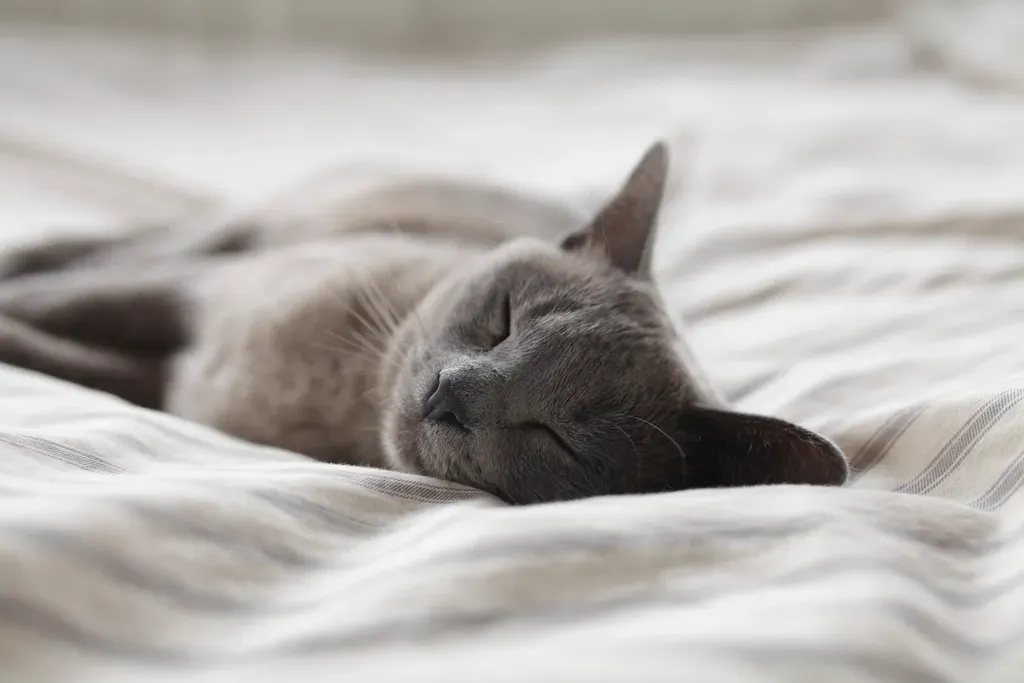
Cats have a rich dream life filled with everything that makes them who they are, including their instincts, their memories, and even a little bit of their unique personality. Those dreams reveal an inner life that’s far more complex than we often give them credit for. While cats may not be self-aware in the mirror-test sense, their behaviors suggest an inner life rich with memories, preferences, and emotional reactions.
Each cat’s dreams are as individual as they are. Research suggests that even in their dreams, cats seem to carry a little of their personality with them, with some friendly cats observed to dream aggressively, while others stayed playful, meaning your cat’s dreams might be just as unique and full of character as they are when awake. That standoffish tabby who barely tolerates your presence? They might be having wild, adventurous dreams. Your clingy lap cat? Perhaps they dream of even more cuddles.
When Dream Watching Becomes Concerning
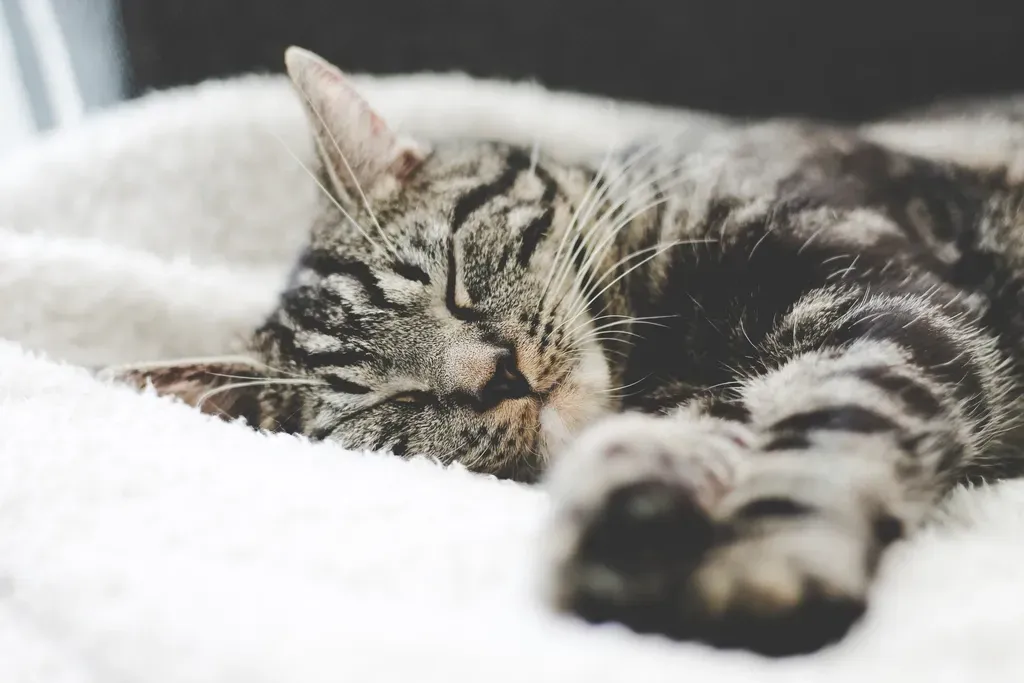
It’s best not to wake a dreaming cat, even if it seems like they’re having a nightmare, as cats can become disoriented or even lash out when abruptly woken from deep sleep, especially during REM, and the dream won’t harm them as they usually return to their usual selves quickly. Let them work through it on their own. Most of the time, what looks distressing is just normal dream processing.
That said, knowing when to worry matters. Small twitches and sounds are completely normal and just signs your cat is in REM sleep, but if you see extreme movements along with symptoms like stiffening with an arched back and more repetitive limb movements, it could be a sign of something more serious, and you should seek veterinary care. Trust your instincts – if something feels genuinely off, it’s worth checking with a professional.
The hidden world of cat dreams opens a window into consciousness that we’re only beginning to understand. Your sleeping cat isn’t just resting – they’re processing, learning, rehearsing, and perhaps even enjoying adventures we can only speculate about. Next time you see those whiskers twitching and paws paddling through invisible terrain, you’re witnessing something profound: the private mental life of a creature who shares your home but experiences reality in ways wonderfully different from your own. What do you think your cat dreams about most? The answers might surprise you more than you’d expect.