You’ve heard it a thousand times. Cats are independent. They’re aloof. They don’t need you the way dogs do. This tired narrative has been echoing through culture for decades, from Rudyard Kipling’s story of the cat who walked by himself to modern memes about feline indifference. It’s everywhere, and it’s wrong.
Here’s the thing though. The concept of the independent cat isn’t based on feline behavior at all. It’s a human construction, built on misunderstandings and a refusal to learn how cats actually communicate. Recent scientific research is tearing this myth apart, revealing that cats form deep, secure attachments to their people. They’re social, emotionally complex creatures whose behaviors have been misread for generations. If you think your cat doesn’t care about you, you’re simply not paying attention to what they’re telling you.
The Science That Shattered the Myth
Research from Oregon State University found that roughly two thirds of cats display secure attachment styles toward their caregivers, similar to human infants and dogs. Think about that for a second. The vast majority of cats see you as a source of safety and security in stressful situations.
These findings, published in Current Biology, show that cats use their owners as a secure base in novel environments. When researchers tested both kittens and adult cats, the attachment patterns remained consistent. Your cat isn’t just tolerating your presence. They’re forming genuine psychological bonds with you, and the science backs it up completely.
Where the Independence Myth Really Came From
Studies found that many cat owners believe cats are independent and have fewer social needs than other animals, but these beliefs aren’t supported by scientific data. Let’s be real, this misconception probably stems from comparing cats to dogs, which is about as useful as comparing apples to hammers.
Cats are facultatively social, meaning their social flexibility extends to cross-species attachments, making them social generalists just like dogs. The difference? Cats evolved as solitary hunters, so their social cues are more subtle. They’re not going to jump on you when you walk through the door, but that doesn’t mean they’re not thrilled to see you. It just means you need to learn their language instead of expecting them to speak dog.
The Welfare Cost of Misunderstanding
The misconception that cats are independent and require little care causes many to suffer needlessly both physically and emotionally. This isn’t just an academic discussion. Real cats in real homes are being neglected because their owners genuinely believe they don’t need companionship or attention.
Studies show that many owners fail to recognize stress signals in their cats, with nearly one in five not seeing house-soiling as distress and over half not viewing aggression as indicative of distress. Cats can develop separation anxiety. They get lonely. They need enrichment and social interaction. The independence myth isn’t harmless, it’s actively harming cat welfare across millions of households.
What Cats Are Actually Telling You
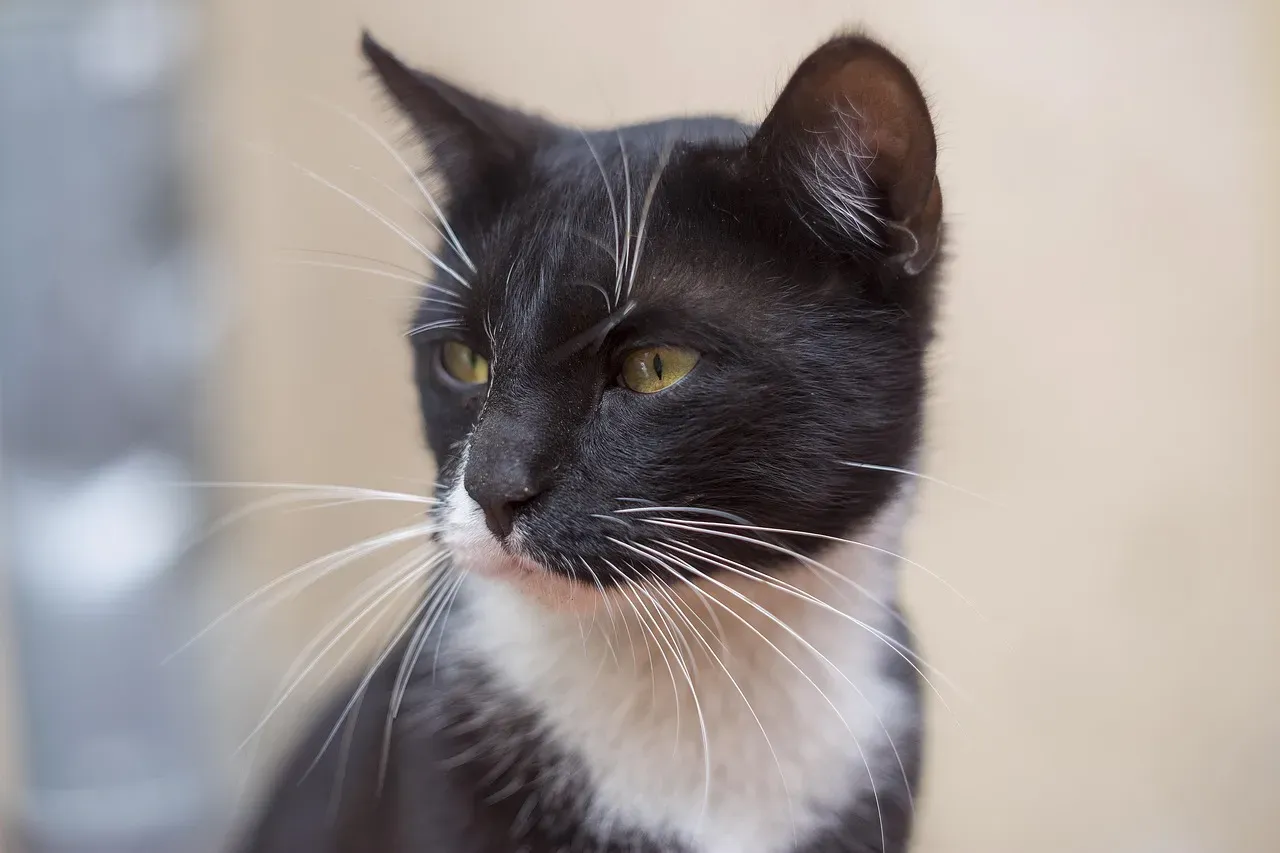
Cats use body language and movement to communicate a wide range of feelings, using their eyes, ears, mouths, tails, coats and body postures. Your cat is constantly talking to you. The slow blink? That’s a gesture of trust and affection. The head bunting against your leg? They’re marking you as part of their social group.
When cats are with people experiencing depression, they vocalize more frequently and engage in more head-rubbing and flank-rubbing behaviors. They’re responsive to your emotional state in ways that would surprise most people. Cats aren’t ignoring you when they sit nearby rather than on your lap. They’re choosing to be in your presence, which for a species that values personal space is a massive declaration of affection.
The Attachment Test Results That Changed Everything
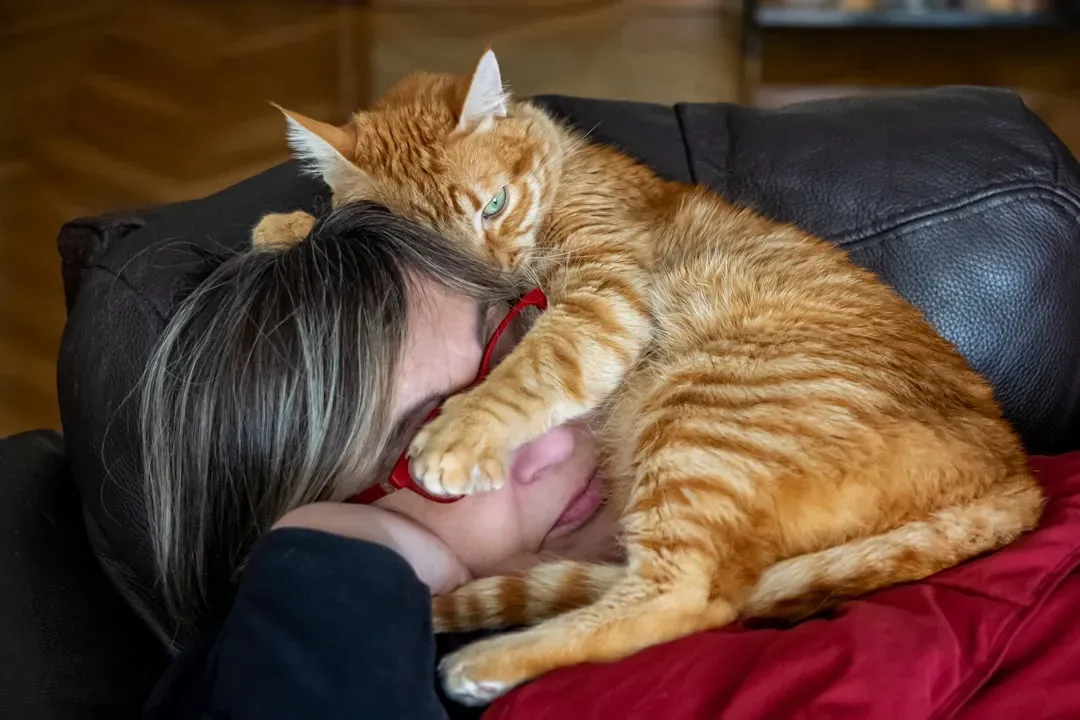
When tested using secure base protocols, over 64 percent of kittens and nearly 66 percent of adult cats were categorized as securely attached to their owners. These percentages mirror what researchers find in human infants and dogs. The bond is real, measurable, and stable over time.
When kittens went through socialization training and repeated the attachment test, very few switched attachment styles, suggesting the bonds formed between humans and cats are stable over time. Those early interactions matter enormously. Your cat’s attachment style isn’t something that shifts with every mood, it’s a fundamental aspect of how they relate to you as a caregiver.
The Chemistry of Cat Bonding
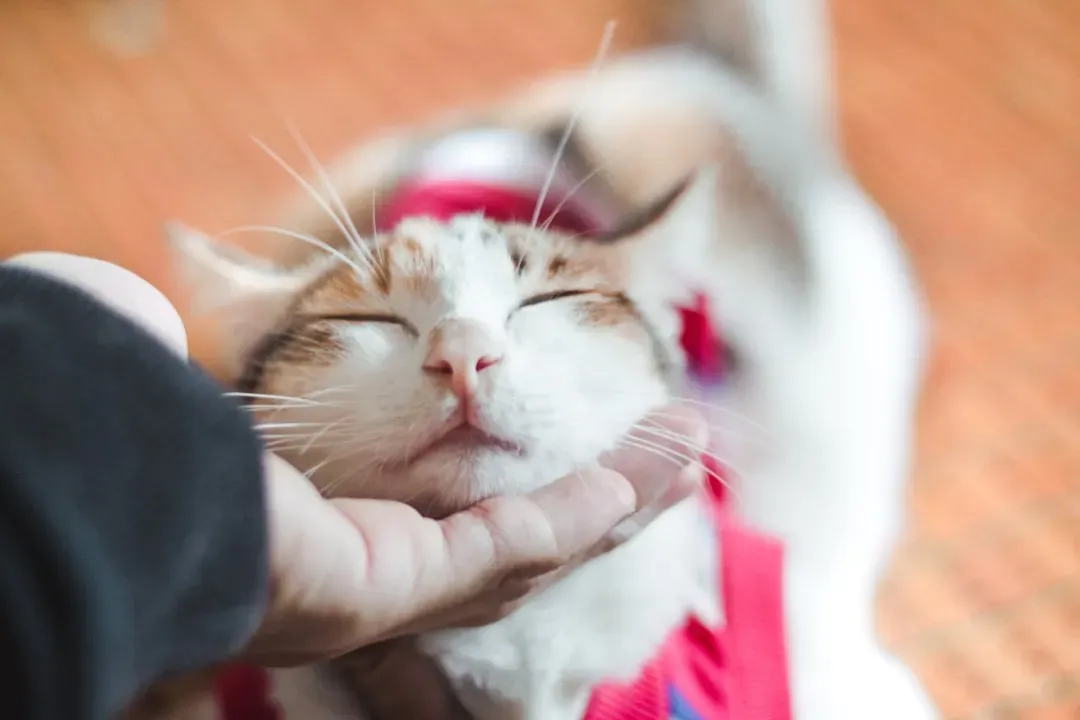
A February 2025 study found that when owners engaged in relaxed petting and cuddling, both owners’ and cats’ oxytocin levels rose, provided the interaction wasn’t forced. This is the same bonding hormone that floods your brain when you hug a friend or hold a baby.
Securely attached cats who initiated contact like lap-sitting or nudging showed oxytocin surges, with more time spent close to humans creating greater boosts. Your cat’s brain is literally responding to you with love chemicals. The bond is neurochemical, not imaginary. Honestly, the more we learn about cat cognition, the more obvious it becomes that they’ve been emotionally invested in us all along.
Why Cats Seem Different From Dogs
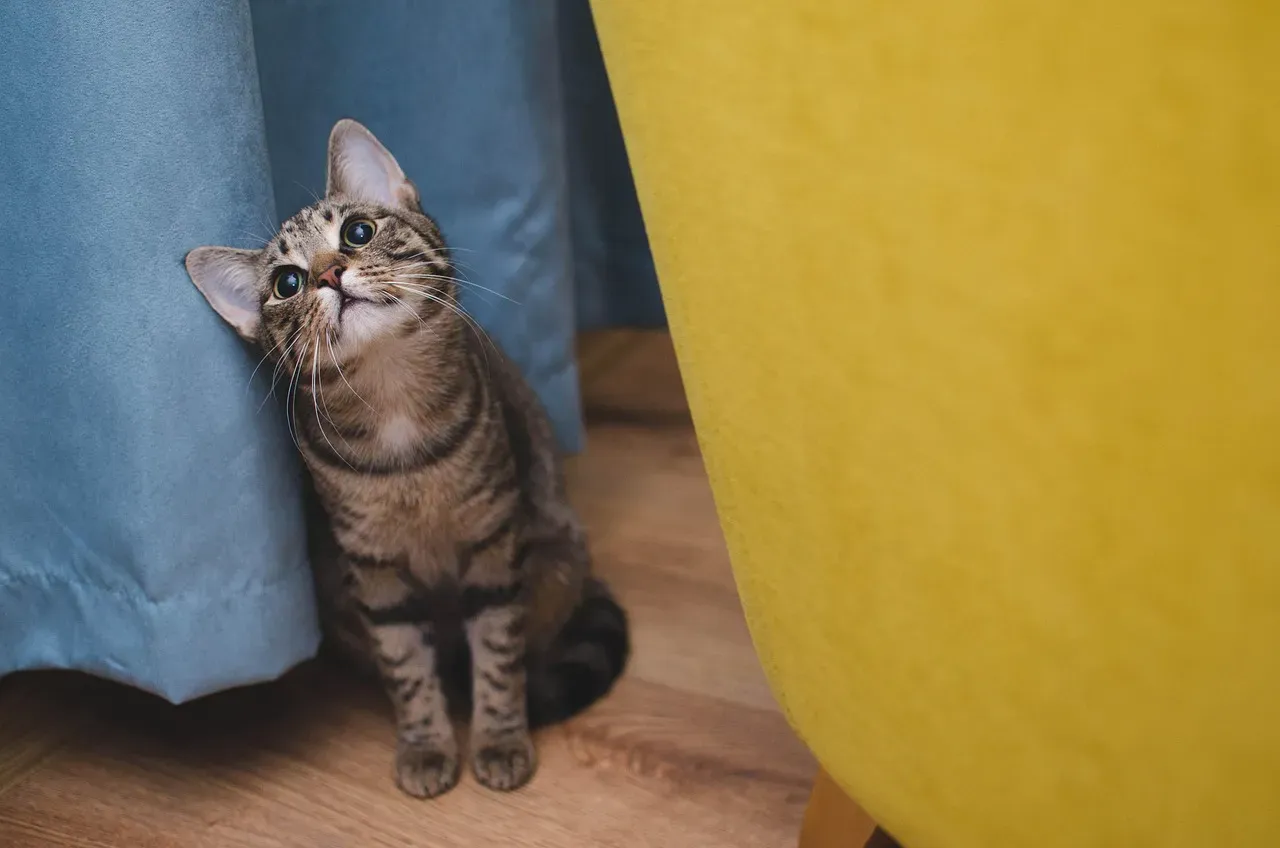
When given choices between human interaction, food, toys, or scent, most cats chose interaction with humans, with food as the runner-up. They prefer you over treats. Let that sink in for a moment.
Cats don’t spontaneously prefer one gender or age group, but they react differently because humans in those groups behave differently toward them. The perceived aloofness? That’s often us projecting our expectations onto creatures who communicate differently. Cats aren’t broken dogs. They’re sophisticated communicators whose signals we’ve historically failed to decode.
The Facultatively Social Truth
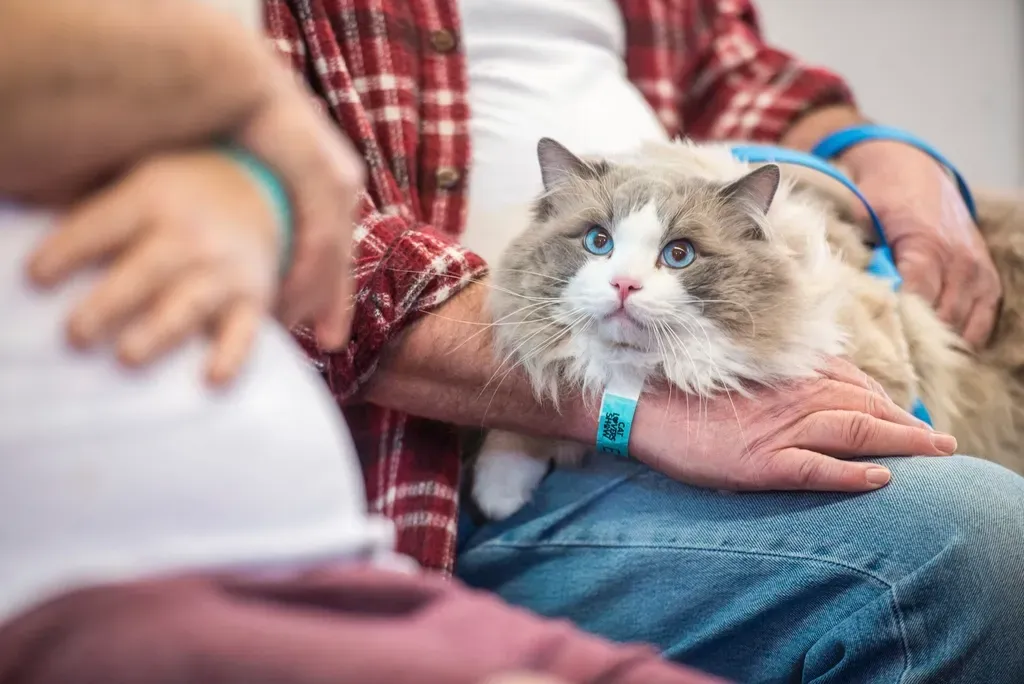
Cats are facultatively social, meaning they’re flexible when it comes to sociability and may live solitarily or in large colonies depending on resources and safety. This adaptability is actually remarkable. They can adjust their social behavior based on environmental pressures.
Cats are solitary hunters but not solitary animals, and their social structure centers around resource availability and safety. Understanding this distinction is crucial. Just because a cat hunts alone doesn’t mean they want to live alone or that they don’t crave companionship. They’re complex social creatures with nuanced needs, and we’ve spent centuries oversimplifying them.
Breaking Free From the Myth
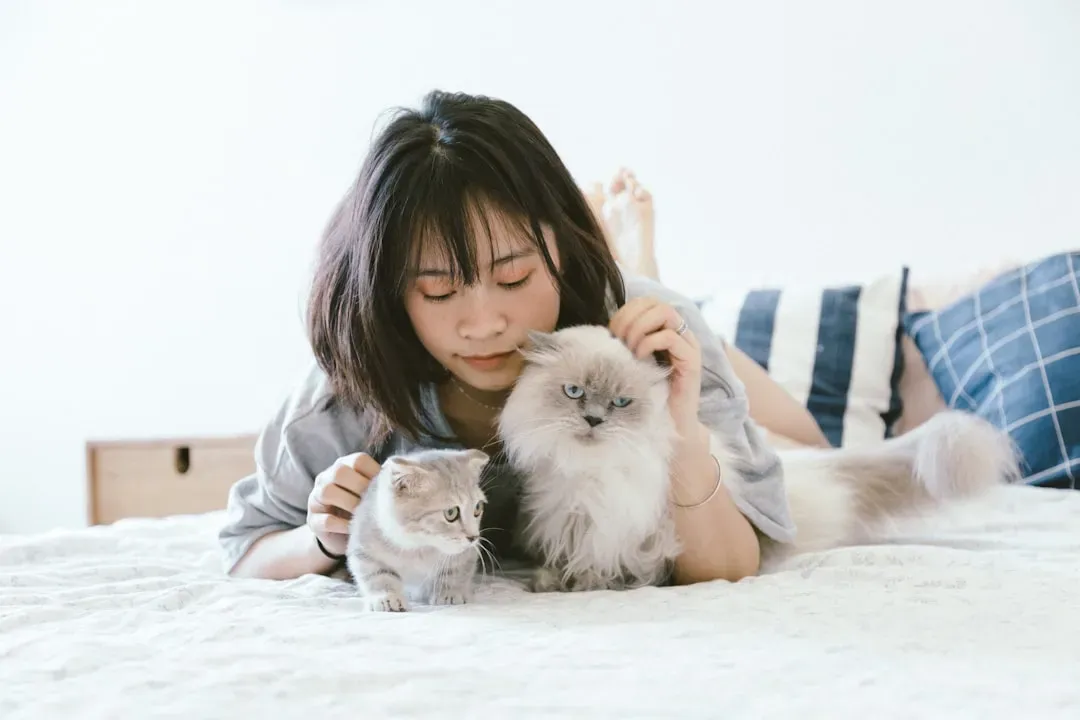
An increasing number of studies show that cats have the capacity to form strong social bonds with humans, with roughly 68 percent displaying secure attachment to their owners. The evidence is overwhelming at this point. The independent cat narrative needs to die.
Several studies show cats develop affection toward their owners, though the effect on human health relates closely to the time and effort owners invest in bonding and playing. Your relationship with your cat is what you make of it. If you treat them like they don’t need you, you’ll miss the subtle ways they’re reaching out. If you learn their language and respond to their cues, you’ll discover a depth of connection that rivals any other companion animal.
Conclusion
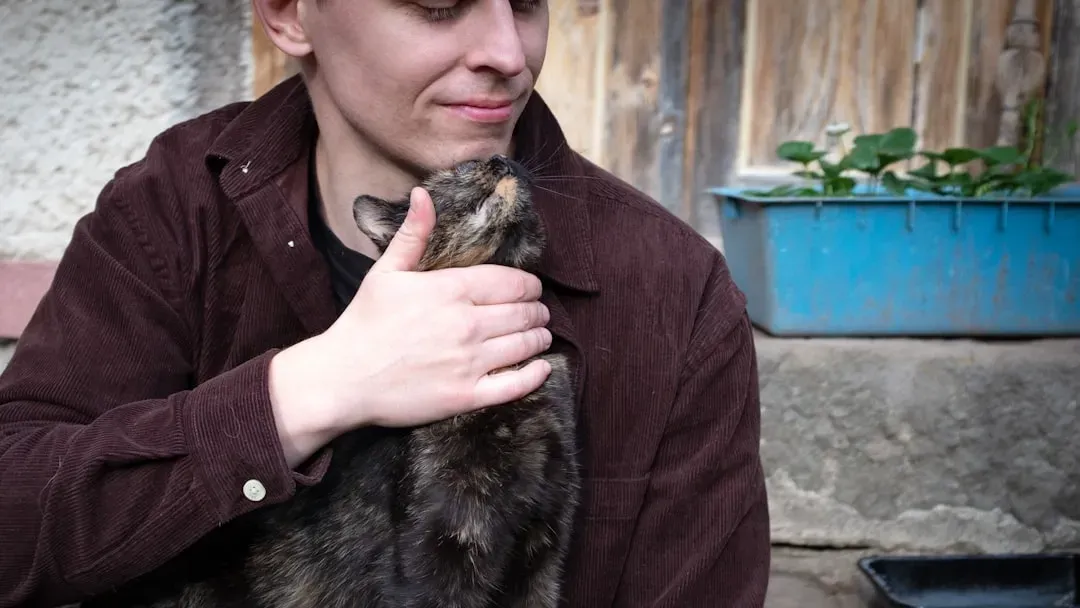
The myth of the independent cat isn’t about cats at all. It’s about us, our expectations, and our failure to understand a different form of communication. Cats form secure attachments. They experience separation anxiety. They prefer human interaction over food. They release bonding hormones when they spend time with their favorite people. Every piece of evidence points to the same conclusion: cats are deeply social creatures whose emotional lives have been profoundly misunderstood.
If you’ve been treating your cat like they don’t care, it’s time to look again. Learn their body language. Respect their boundaries. Pay attention to the slow blinks, the head bunts, the choice to sit near you even when they could be anywhere else. The love is there, you’ve just been reading it wrong. What will you notice differently about your cat now?