You’ve heard it a thousand times. Someone gets a cat and proudly declares, “I chose a cat because they don’t need me.” Sound familiar? It’s one of the most repeated ideas in the entire history of pet ownership, casually tossed around at dinner parties, used in apartment ads, and whispered at shelters as a selling point.
Here’s the thing, though. Science disagrees. Strongly. What researchers have been uncovering in recent years fundamentally flips everything most people think they know about feline behavior, social needs, and emotional connection. Your cat is not the cool, detached loner pop culture made them out to be.
So if you’ve ever wondered whether your cat actually misses you when you leave, or whether that slow blink really means something, or why your cat casually follows you into every single room of the house, you’re about to get some very satisfying answers. Let’s dive in.
Where the “Independent Cat” Stereotype Actually Came From
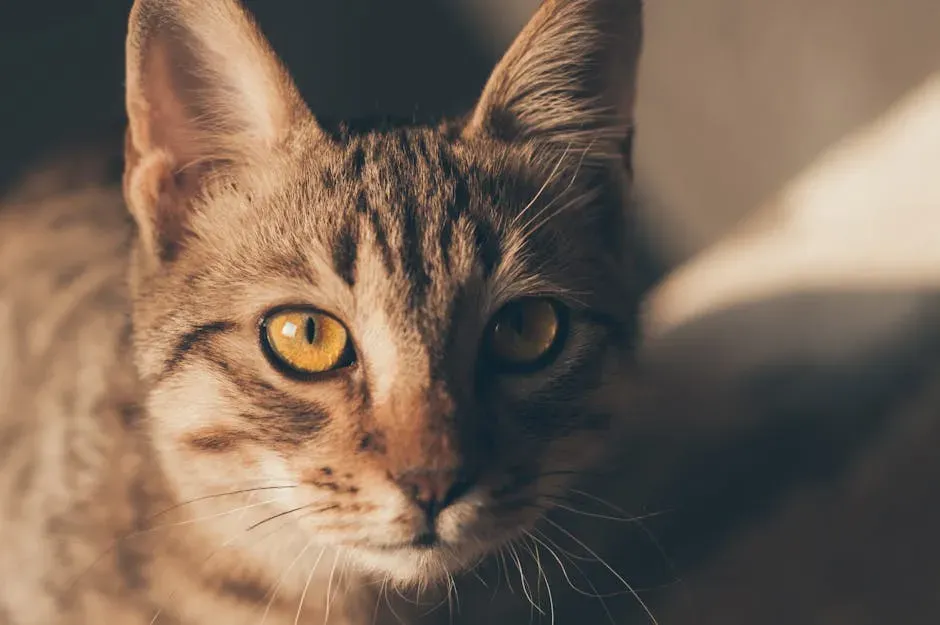
The roots of the independent cat stereotype stretch back thousands of years. Cats are descended from a largely solitary-living species, the North African wildcat, and although they have been domesticated for more than ten thousand years, it is a common perception that cats remain aloof and often fiercely independent animals with relatively little reliance on humans. That ancient ancestry left a lasting impression on how we see them today, even if the modern house cat is a very different creature.
The process of domestication for cats is not truly complete, with cats retaining many of their wild instincts, behavioral repertoires, and needs. That is a fair point worth acknowledging. But retaining some wild instincts is very different from not needing or wanting human connection. Wolves retain wild instincts too, yet nobody argues that dogs don’t love their people.
The Science of Feline Attachment: What Researchers Actually Found
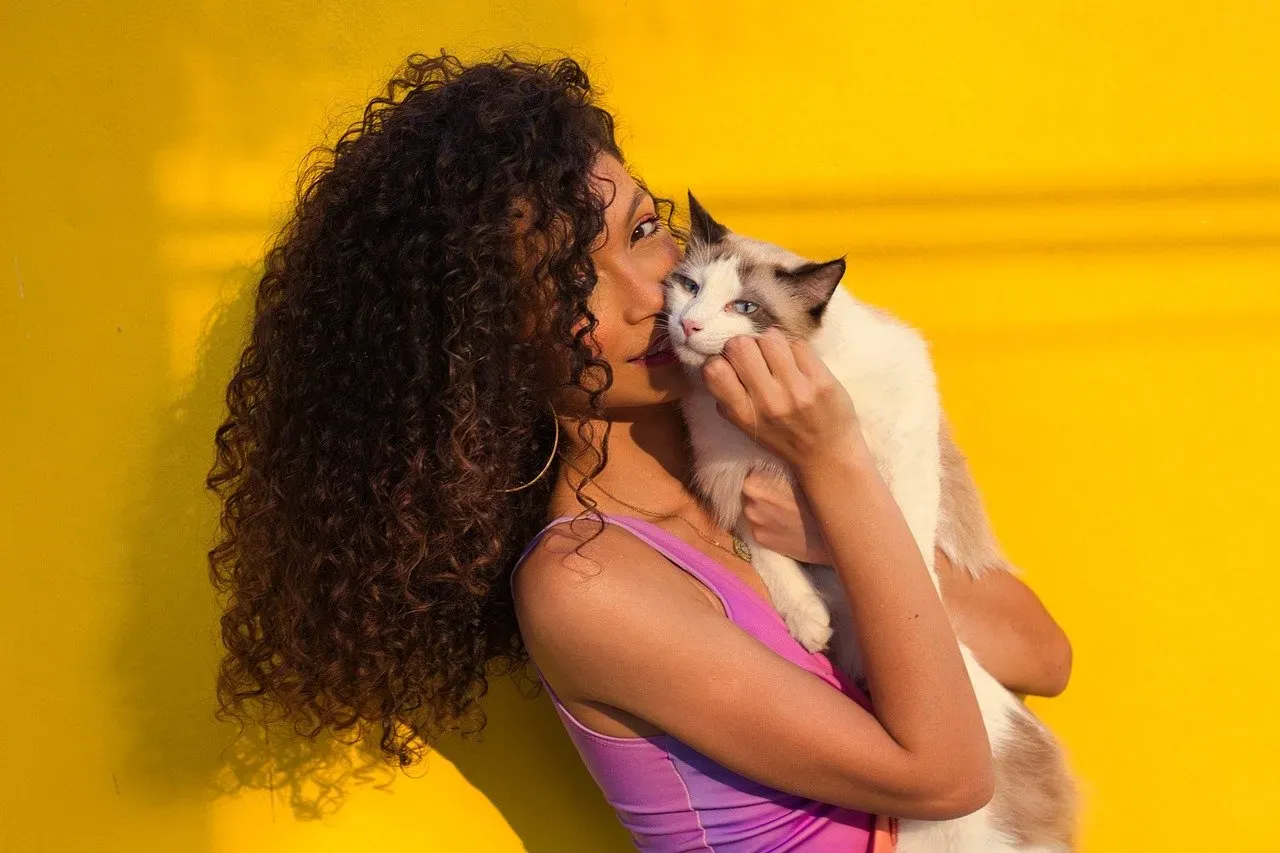
Here’s where it gets genuinely fascinating. Researchers took a test traditionally used to measure bonding between human infants and their caregivers, and they applied it to cats. There’s a test typically used on humans and other primates to test their attachment to caregivers, called the Secure Base Test. This test has been given to dogs, too. During the test, a cat is observed spending two minutes in an unfamiliar room with their guardian, then two minutes alone, and then two final minutes in a reunion with their guardian. Results showed that cats have a similar capacity for secure attachment to their guardians as human children do to their parents, and dogs do to their guardians. That’s not a minor finding. That’s extraordinary.
About two-thirds of cats showed a secure attachment to their owner, demonstrating remarkably similar patterns to both human children and dogs. It’s the first time that researchers empirically demonstrated that cats display the same main attachment styles as babies and dogs. This landmark study used a modified version of the “strange situation test,” originally developed to assess bonds between mothers and children, but adapted specifically for felines. The next time someone calls your cat emotionally unavailable, you now have some scientific ammunition ready to go.
You Are More Than a Food Dispenser to Your Cat
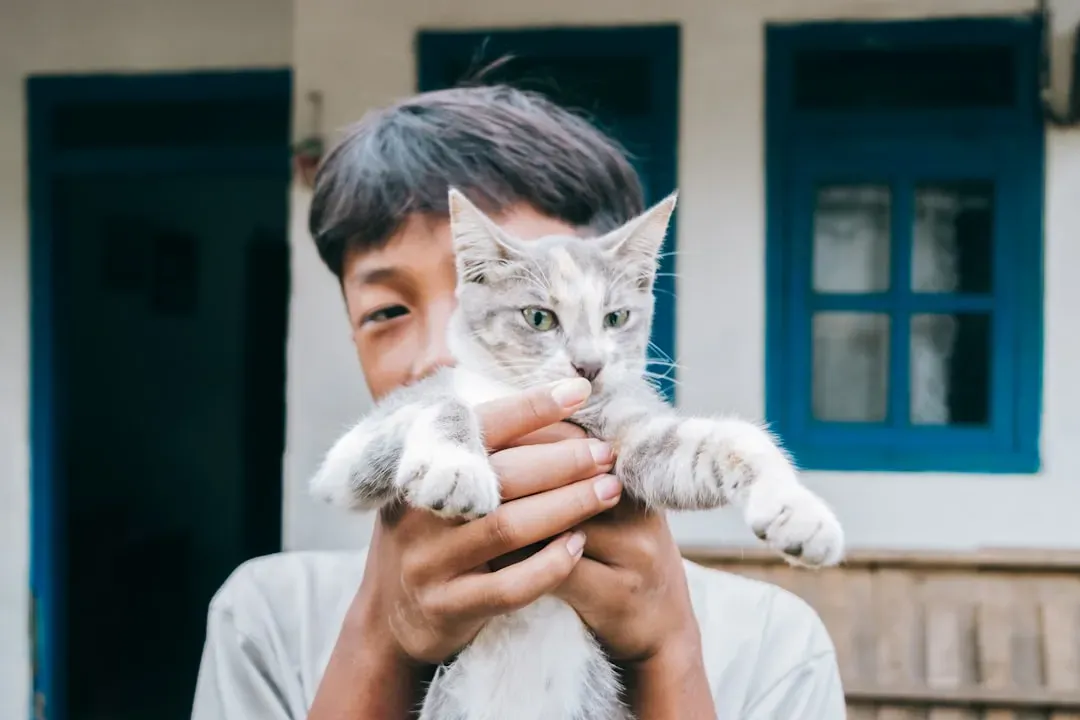
One of the cruelest parts of the independence myth is the side rumor that travels with it: that cats only tolerate you because you open cans. Honestly, this one is just insulting. Research finds that cats see their owners as a source of comfort and security. The research, published in the journal Current Biology, found that cats form attachments to their owners that are similar to those that dogs and even babies form with their caregivers. Comfort and security. Not dinner. The distinction matters enormously.
At the individual level, roughly half of cats chose to spend time engaged with their human owners preferentially compared with available food, toys, and scent items. Pet cats form attachment bonds to human caretakers, forming secure attachments at roughly the same rate as has been observed in dog-human bonds and human infant-caregiver bonds. Think about that for a second. When given the actual choice between you and a snack, many cats choose you. Still think you’re just a walking can opener?
How Your Cat Communicates Love in Ways You Probably Miss
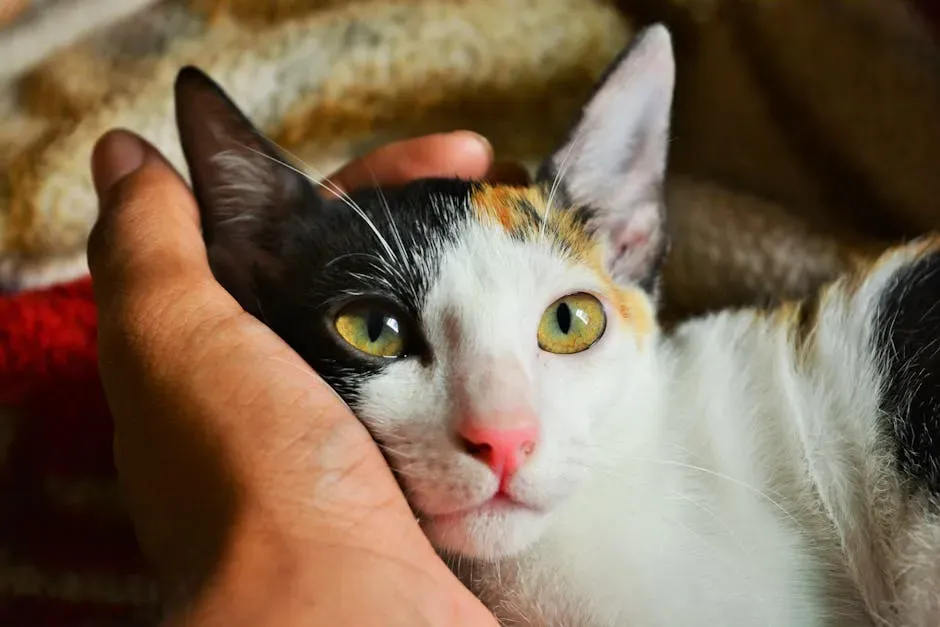
Cats show affection in so many ways and you might not notice some of the more subtle ones. Your cat doesn’t have to be a lap cat to be affectionate. They may enjoy sitting next to you or maybe even a few inches away, and that doesn’t mean they’re not affectionate. Think about how many times your cat has rubbed their head against you, given you a slow-blink cat kiss, rubbed alongside you, purred, or given you some rough tongue attention. The language of cat love is quieter than a golden retriever’s, sure. But it’s just as real.
Cats have been shown to recognize when a human says their name, engage in social referencing, and use some forms of synchronized non-verbal communication with human owners, such as slow blink-matching, wherein a cat opens and closes its eyes repeatedly in a series of slow blinks more frequently when their owners blink at them than when no such social interaction is taking place. That slow blink your cat gives you from across the room? That’s a tiny, deliberate act of intimacy. Cherish it.
The Slow Blink: A Secret Language Between You and Your Cat
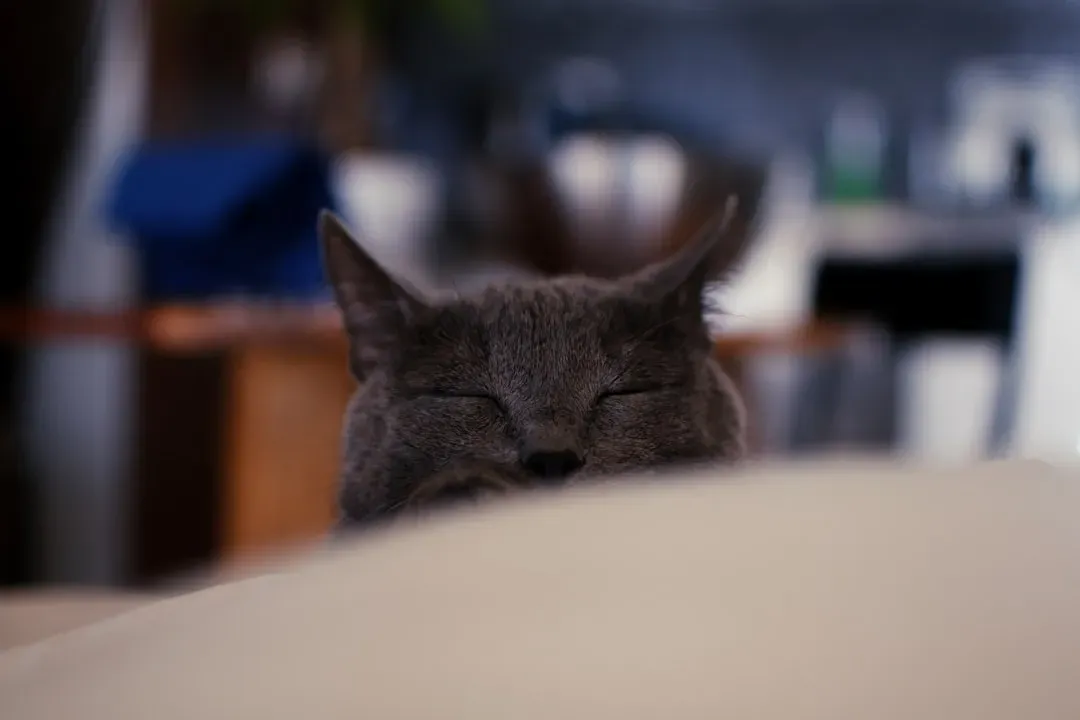
You just need to narrow your eyes and blink slowly, not in the human way by showing teeth, but by narrowing your eyes and blinking slowly. By observing cat-human interactions, scientists confirmed that this simple gesture makes cats, both familiar and strange, more likely to approach and engage with humans. It sounds almost too simple. But it genuinely works, and the science is there to back it up.
Researchers performed the slow-blink process and added an extended hand toward the cat. They found that not only were cats more likely to blink back, but they were also more likely to approach the human’s hand after the human blinked. So if you’ve ever felt like your cat was a little standoffish with visitors, try teaching your guests to slow-blink first. It’s a remarkably practical piece of interspecies communication advice.
Your Cat Knows Your Voice, and Actively Listens for It
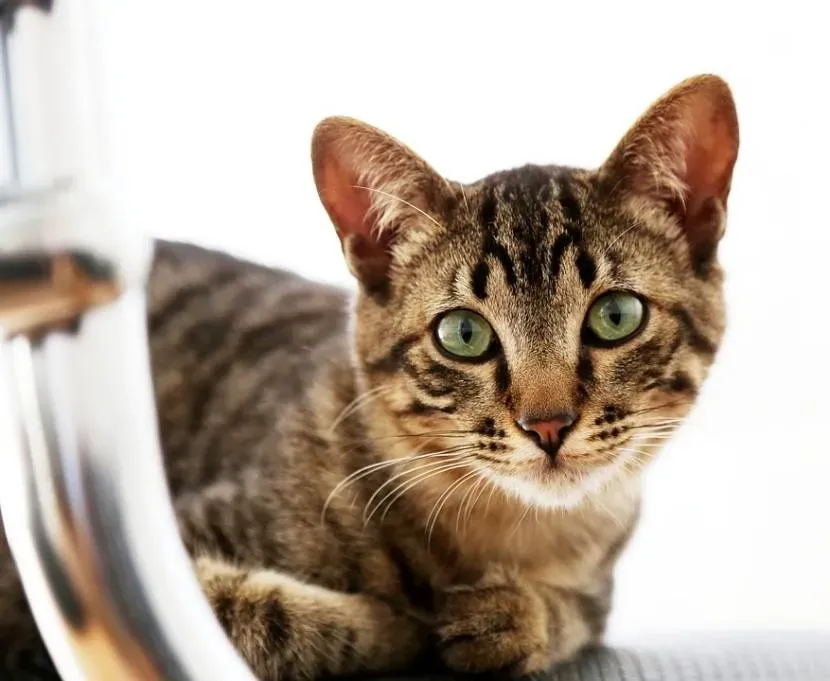
It might look like your cat completely ignores you when you talk to them. Don’t be fooled by that performance. Domestic cats recognize their own name in human speech patterns, adjust their behavior when they hear their owner speak in a tense or relaxed voice, look to humans for information in ambiguous situations, and use subtle vocal shifts when communicating with people compared with other cats. That is a sophisticated set of social skills being quietly deployed right under your nose.
Evidence of successful vocal communication between cats and humans includes the fact that the meowing of domestic cats is more pleasant than that of African wild cats to a human listener, and cats are able to differentiate between an owner and a stranger’s voice and distinguish their name from similar-sounding words. Your cat literally knows your voice from a stranger’s. Cats echo the personality traits of the humans they live with, which may be related to why cats seem to pick up when their humans are sad. They’re tuned into you, far more than they let on.
Cat Separation Anxiety Is Very Real and Very Underdiagnosed
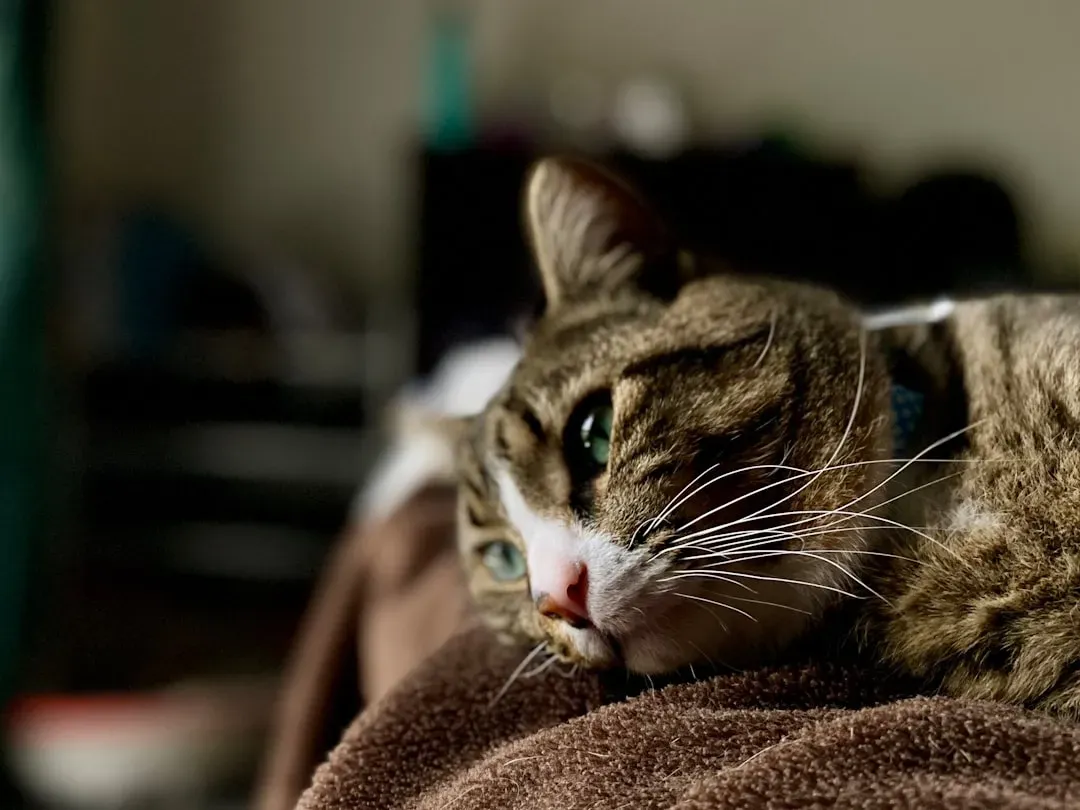
Here’s what truly surprises most people: cats can suffer genuine anxiety when you’re gone. Separation anxiety in cats is an emotional response of stress, fear, and sadness when they are away from the person or other animal with whom they are bonded and feel safe, secure, and loved. Separation anxiety can range from mild to severe and be harder to spot in cats. It’s harder to spot precisely because cats are, unfortunately, masters at hiding distress.
Depression during the owner’s absence is the most frequently reported sign of separation-related problems, followed by excessive vocalization, agitation-anxiety, and inappropriate elimination of urine. You might come home to what looks like misbehavior, but it could actually be a cry for connection. If their routine suddenly changes, for example if their owner starts leaving the house for long periods after having spent lots of time at home, they may experience separation-related frustration, similar to separation anxiety. Post-pandemic cat parents, this one is especially worth knowing.
The Misconception Is Actively Harming Cats
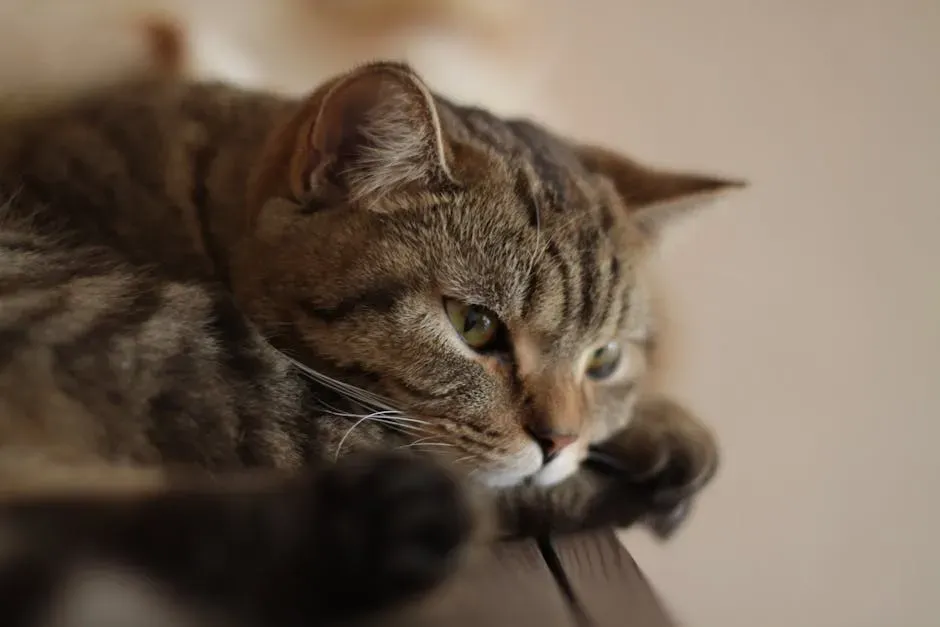
This is the part that honestly bothers me most about the independence myth. It doesn’t just mislead people. It causes real harm. The misconception that cats are independent and require little or no care causes many of them to suffer needlessly both physically and emotionally. When you believe a cat doesn’t need you, you stop paying attention to whether they’re lonely, overstimulated, bored, or grieving.
While comparing cat owners’ and veterinarians’ perceptions of cat behavior and welfare needs, owners were found to be inclined toward agreement that cats are independent and have less social needs than other animals. Beliefs such as these are not supported by the scientific data on cat social behavior and may result in failure to meet cats’ individual social or environmental needs. What’s even more concerning, in one study, a number of domestic cat owners appeared unable to interpret the behavior of their pets, particularly in gauging their stress responses. For example, nearly one in five owners failed to recognize house-soiling as a sign of distress, and more than half did not view aggression as indicative of distress. The independence myth doesn’t just lower the bar for cat care. It blinds us to when cats are asking for help.
How to Build a Deeper Bond With Your Cat Starting Today
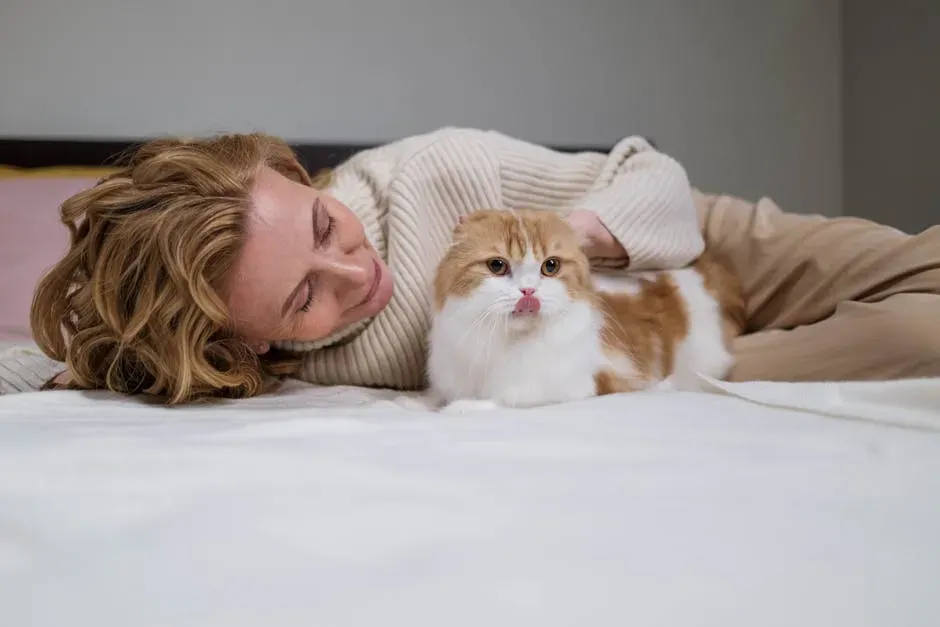
Cats are creatures of habit, and routine plays a crucial role in their emotional well-being. Predictability helps reduce anxiety, encourages stable behavior, and strengthens the human-cat bond. Cats thrive when their day includes consistent mealtimes, play sessions, and rest periods. These rituals create a sense of normalcy and provide daily opportunities for bonding. Think of it like any relationship. Showing up consistently matters more than grand gestures.
Your cat spends a great deal of effort getting to know you as a companion, so if you do the same, you increase your chances of having the relationship you’ve always wanted with your feline family member. Cats are marvelous communicators and your cat tells you so much through body language. Pay attention to your cat’s signals and you’ll help create a stronger, more trusting bond. Start with the slow blink. Add consistent routines. Watch how your cat responds when you treat them as the socially intelligent, emotionally complex creature they truly are.
Conclusion: Your Cat Was Never a Loner – You Just Didn’t Speak the Language
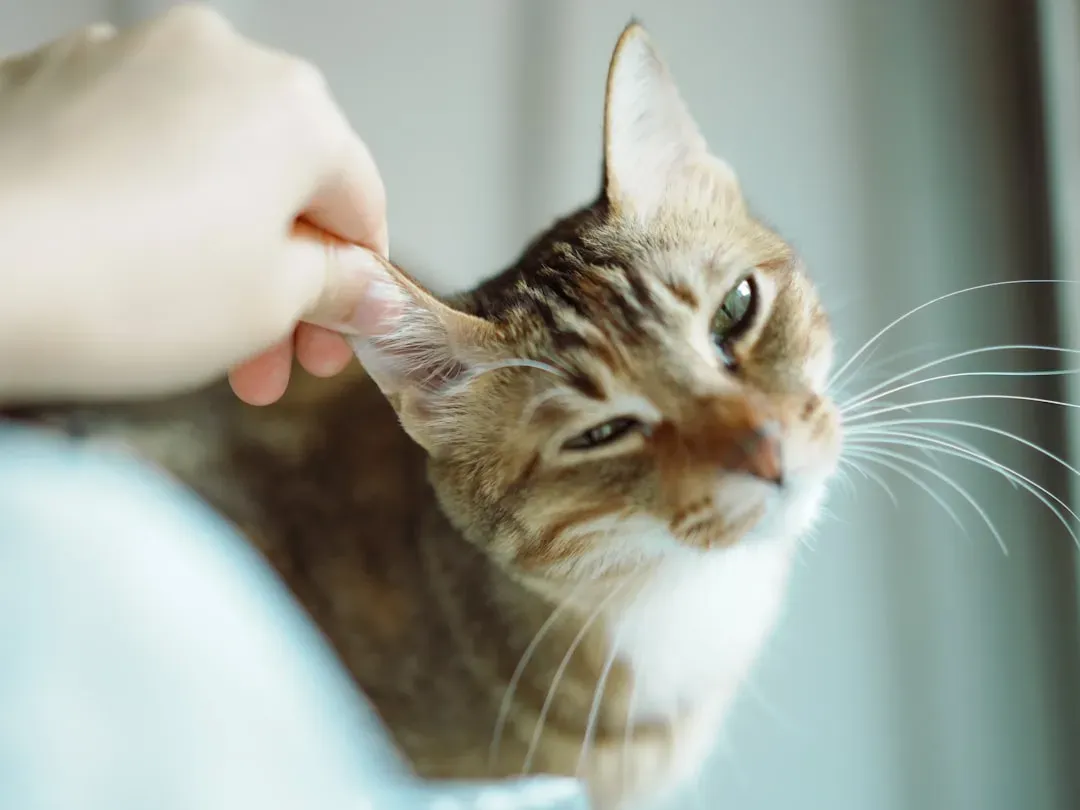
The “independent cat” narrative was always more about human convenience than feline reality. It gave people permission to be less present, less observant, less emotionally invested. Science has now firmly pushed back. The science is clear: cats are emotionally complex, cognitively advanced, and socially nuanced. Research has shown cats can form secure attachments to their owners like infants with caregivers, and they recognize human emotions, read tone and gesture, and exhibit behaviors linked to empathy and social awareness.
Your cat follows you from room to room for a reason. They slow-blink at you from across the sofa for a reason. They know your footsteps, your voice, your scent, and your emotional tone. They don’t broadcast their affection the way a dog does, in breathless, tail-wagging declarations. They speak in subtleties, in proximity, in quiet loyalty. The bond is there, and it’s deep. You just have to know how to look for it.
Now that you know your cat has been secretly craving your company all along, does it change how you see them? Think back to the last time your cat curled up near you, or met you at the door. Maybe it wasn’t a coincidence after all. What do you think – has your cat been sending you signals you’ve been missing? Drop your thoughts in the comments.