You’ve probably looked at your cat sprawled out across the sofa for the fifth hour in a row and thought, “Must be nice.” Maybe you’ve even called them lazy out loud, with a kind of playful envy reserved only for creatures who seem to have life completely figured out. Honestly, I get it. It does look effortless. It looks indulgent. It looks, frankly, like everything you wish you could do on a Monday morning.
Here’s the thing though: your cat isn’t lazy. Not even a little. What you’re actually watching is one of nature’s most sophisticated energy management systems in action – a biological strategy so refined it took millions of years of evolution to perfect. So before you roll your eyes at that limp, puddle-like feline on your couch, let’s dive into why your cat is, in fact, operating at a higher intellectual level than you probably give them credit for.
The Ancient Predator Still Lives in Your Living Room
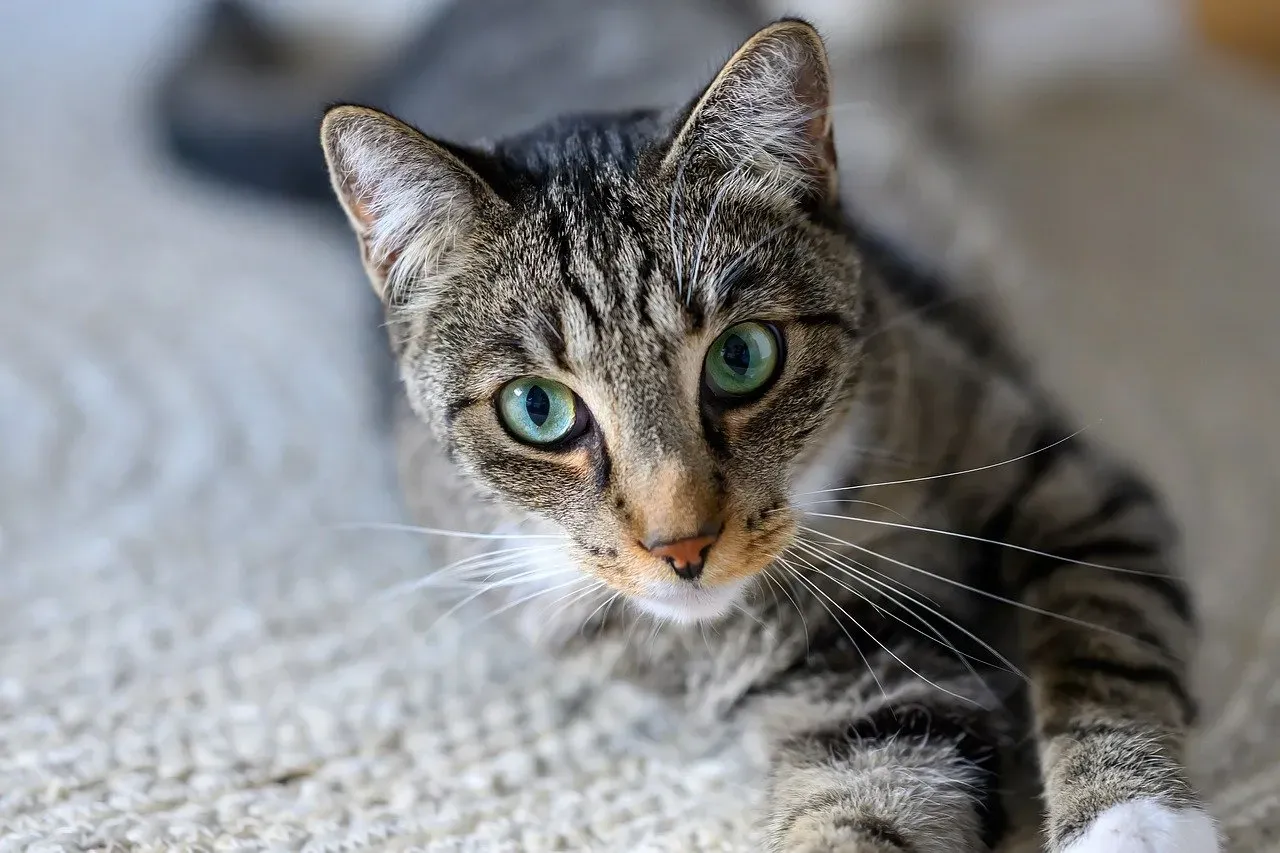
It’s easy to forget, when your cat is napping on a cashmere blanket, that they descend from wild hunters. Cats have developed a natural inclination to sleep for extended periods during the day, and this behavior stems directly from their evolutionary adaptation to conserve energy for hunting, chasing, and capturing prey in the wild. Think of it like a Formula 1 pit stop. The car isn’t broken when it’s in the garage – it’s recharging so it can absolutely dominate the track.
Your cat sleeps so much because of their biological wiring. Even though your cat might just be hunting for kibble, their bodies are built for the “hunt, feast, sleep, repeat” cycle of a predator. All that sleep helps them conserve energy for their next burst of activity, usually at dawn or dusk. Strip away the cozy home, the food bowl, and the heated bed, and you still have a predator operating on instinct, sleeping to stay sharp.
The Numbers Are More Shocking Than You Think
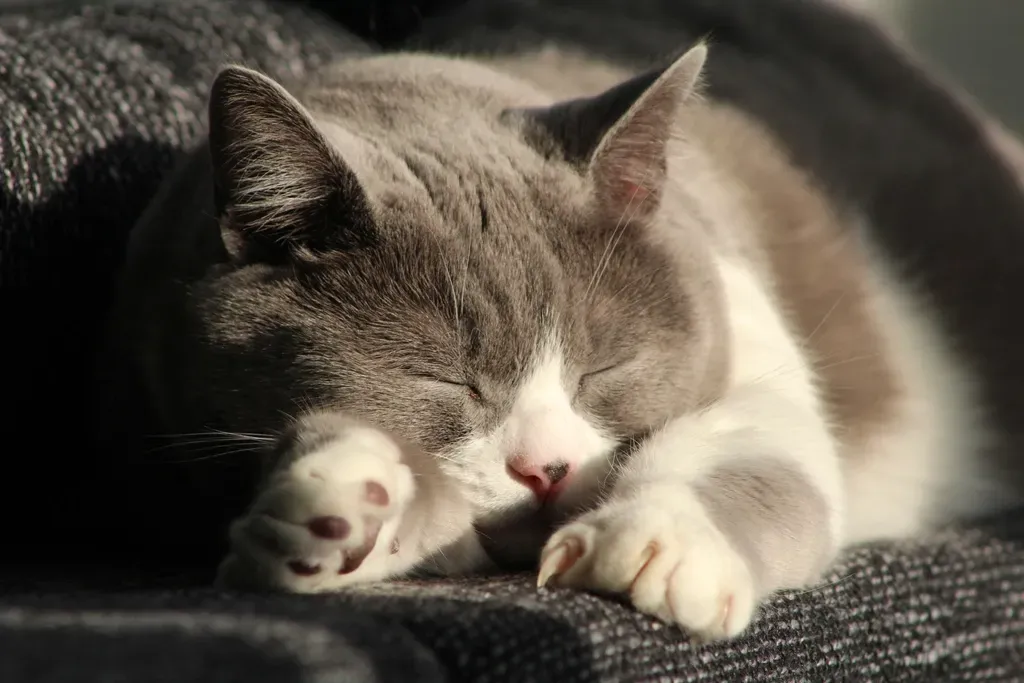
Let’s be real – when you hear the actual statistics, they sound almost unbelievable. Nearly forty percent of cats sleep more than 18 hours per day, and more than half sleep between 12 to 18 hours per day. To put that into perspective, a cat sleeping 18 hours a day is only conscious for roughly six hours. If a person did that, they’d be sent straight to a doctor.
Kittens and senior cats might even clock in at 18 to 20 hours of sleep daily. This extensive sleep requirement is part of their sleeping habits as cats are natural conservers of energy. As crepuscular creatures, they’re most active at dawn and dusk, so they sleep a lot during the middle of the day and night. Not lazy. Scheduled. Strategic. There’s a big, meaningful difference.
Crepuscular: The Word That Changes Everything
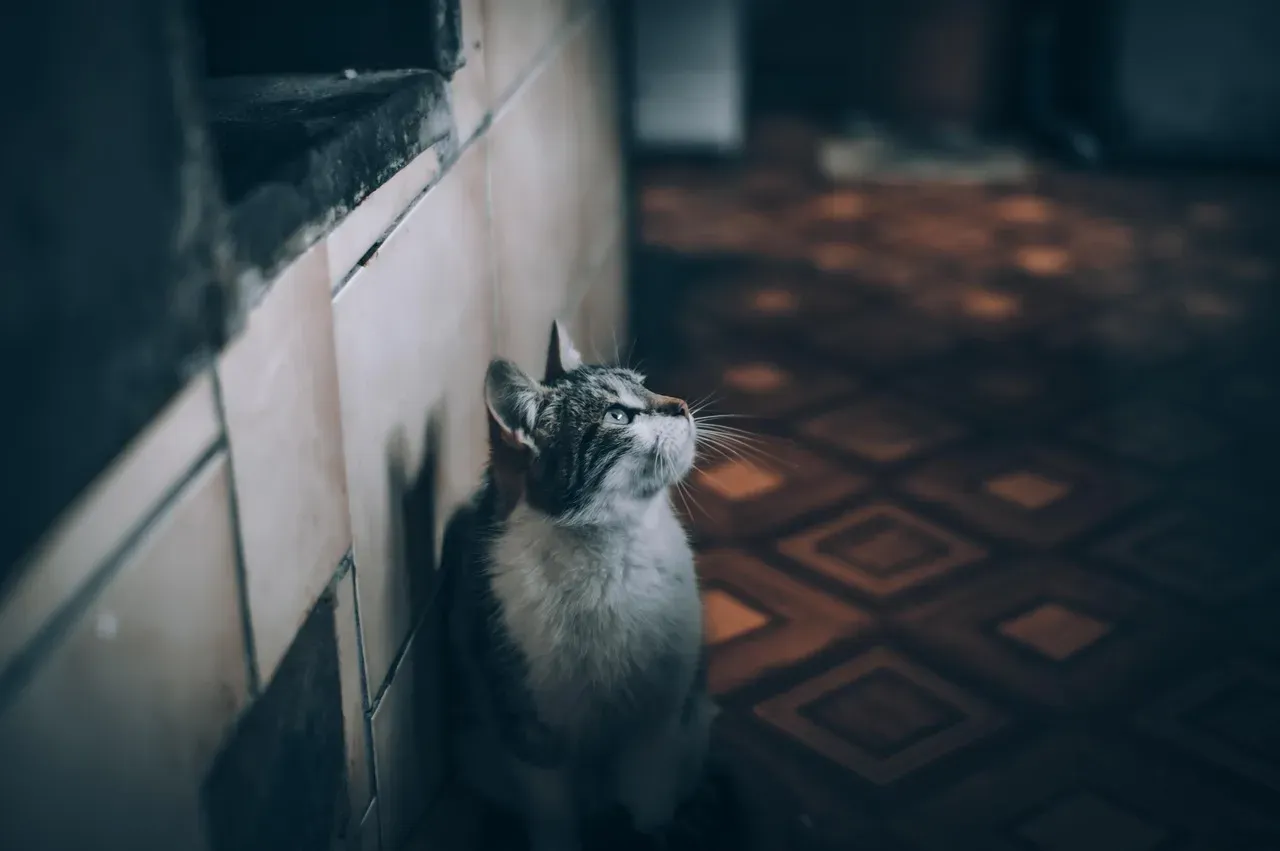
Most people assume cats are nocturnal. They’re not – and this misconception is actually central to why the lazy label sticks so unfairly. Contrary to popular belief, cats are not nocturnal, but rather crepuscular, meaning they are most active at dawn and dusk because of their ancestry. Over millions of years, felines have evolved to be low-light predators, with eyesight that works best in twilight. By spreading naps throughout the day and night, they’re conserving energy that was once expended hunting during those peak hours.
A cat’s crepuscular nature allows it to be awake at daybreak to prey on diurnal birds, and at twilight to prey on nocturnal rodents. Your cat isn’t sleeping through life. They’re timing their energy use with the precision of a seasoned athlete who knows exactly when to peak and when to rest. A marathon runner doesn’t sprint for all 26 miles, and your cat doesn’t either.
The Science of the Cat Nap: Polyphasic Sleep Explained
Here’s something that probably never crossed your mind: your cat doesn’t sleep the way you do. Not even close. Unlike humans, cats are polyphasic sleepers, meaning they divide their sleep into several “cat naps” rather than sleeping through the night. Cat naps range from 50 to 113 minutes, with an average of 78 minutes. Imagine sleeping in a dozen short bursts across the day – that’s your cat’s entire biological design.
The feline sleep-wake cycle is highly adaptive, allowing them to conserve energy while remaining ready to spring into action at a moment’s notice. This rapid sleep onset also helps them manage their energy reserves, so they’re always prepared for hunting or play at any time of day. It’s honestly impressive when you think about it that way. Their whole sleep system is engineered for instant readiness. Your cat isn’t slow – your cat is on standby mode, like a fighter jet idling on a runway.
REM, Dreams, and the Sleeping Brain That Never Truly Stops
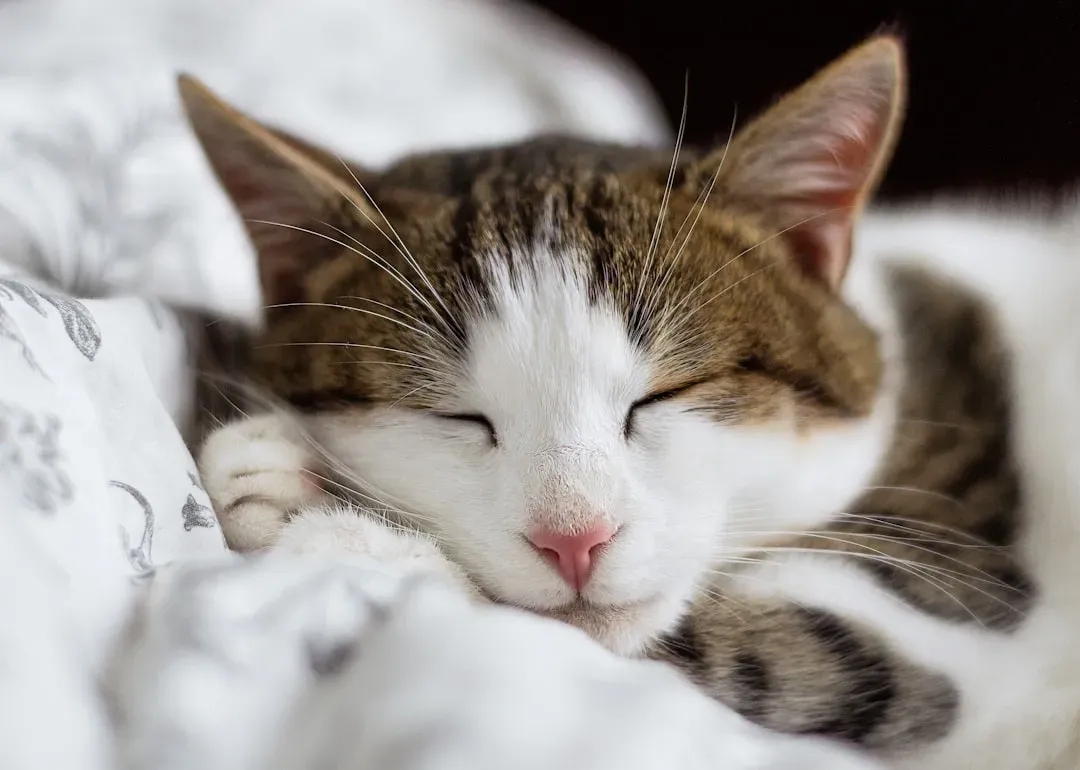
Yes – your cat dreams. And their sleeping brain is far more active than it looks from the outside. REM, or rapid eye movement sleep, is a vital part of a cat’s sleep cycle, characterized by quick movements of the eyes behind closed lids. This stage is crucial for brain development and memory consolidation. During REM sleep, cats are deeply asleep yet exhibit brain activity levels similar to their awake state. It’s during this phase that cats are believed to dream.
Non-REM sleep is critically important for cats: kittens build their muscles and bones during this phase, and an older cat’s body uses the time to repair and regenerate; their immune system will also strengthen and revitalize. The REM phase is when your cat will be reliving their adventures of the day, with brain activity similar to when they are awake. You will see their bodies twitch and feet move while their eyes move behind closed lids. That little paw twitch you find so adorable? Your cat is literally chasing something in their dream. Sleep, for them, is an active biological process – not a passive checkout from reality.
Sleep Is Their Immune System’s Best Friend
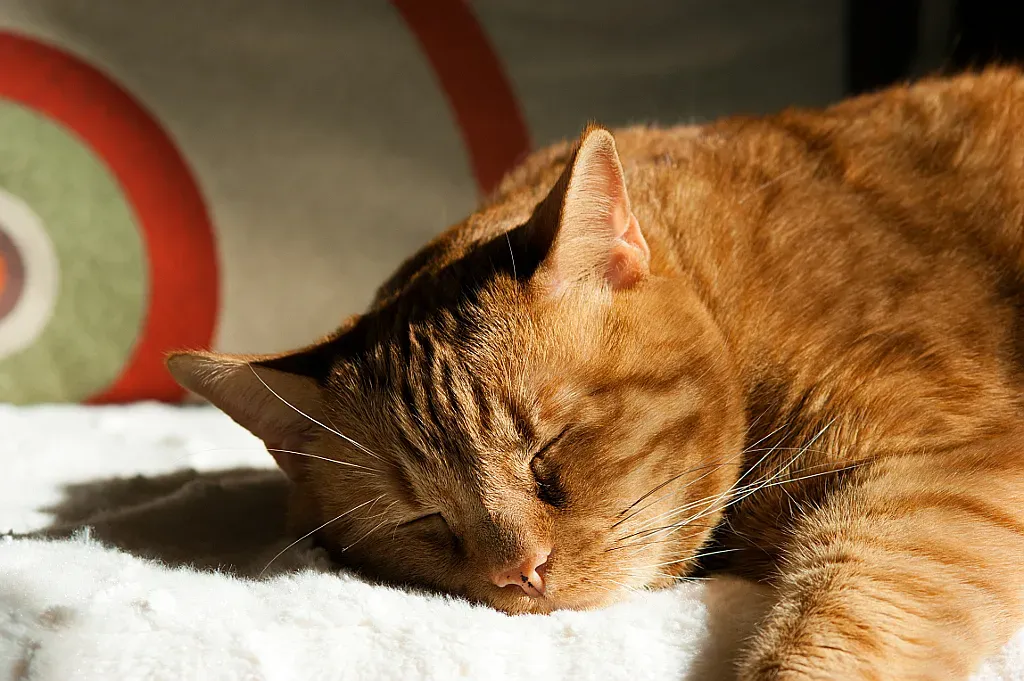
This one surprises a lot of people. Sleep isn’t just about rest for a cat – it’s practically a health maintenance program running in the background. REM and non-REM sleep play crucial roles in a cat’s restorative functions. Non-REM sleep allows for physical recovery, such as muscle repair, while REM sleep is essential for cognitive processes and emotional well-being. Adequate and uninterrupted sleeping habits are vital for a cat’s overall health, as it helps consolidate memory, regulate mood, and boost the immune system.
Sleep also supports immune function, tissue repair, and brain health. Without adequate rest, cats can become irritable, anxious, or even ill. I think of it like this: while your cat looks like they’re doing absolutely nothing, their body is basically running a full system update. You wouldn’t call your phone lazy when it’s updating its software overnight. Same principle applies here.
What Their Sleeping Positions Are Actually Telling You
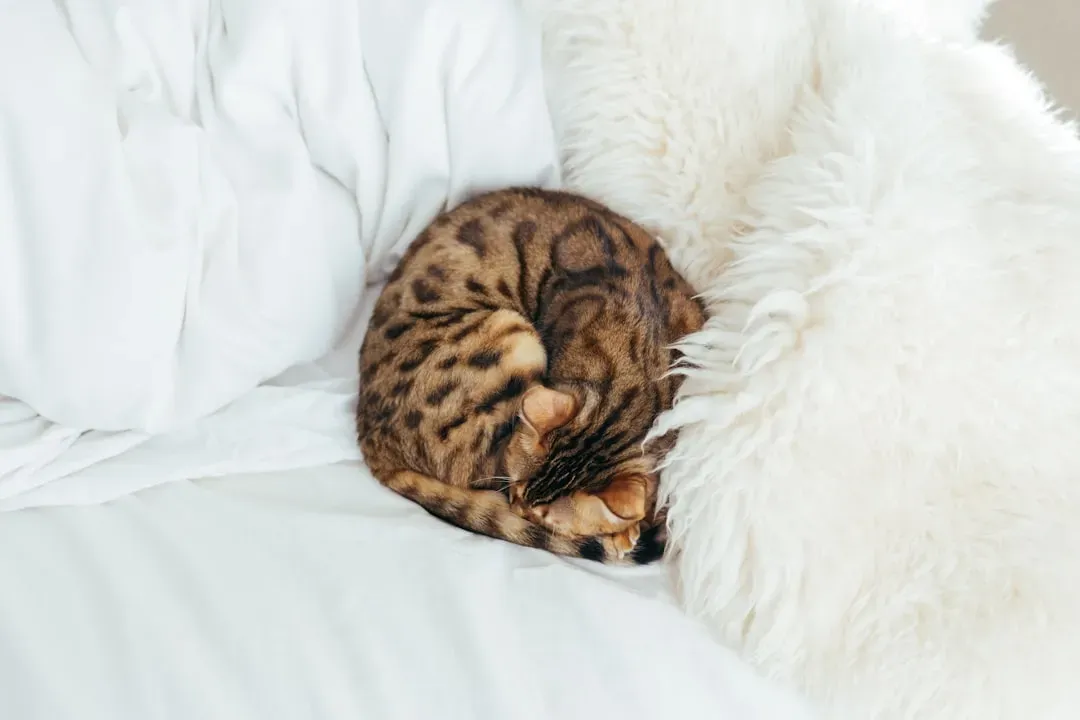
Every single position your cat sleeps in carries a specific meaning, and once you know how to read them, your cat becomes an open book. By curling into a tight circle, cats conserve a significant amount of body heat. Furthermore, this position protects their soft underbelly and vital organs. It is a defensive posture that makes them a smaller target. That adorable curl-up position isn’t just cute – it’s survivalism encoded into a nap.
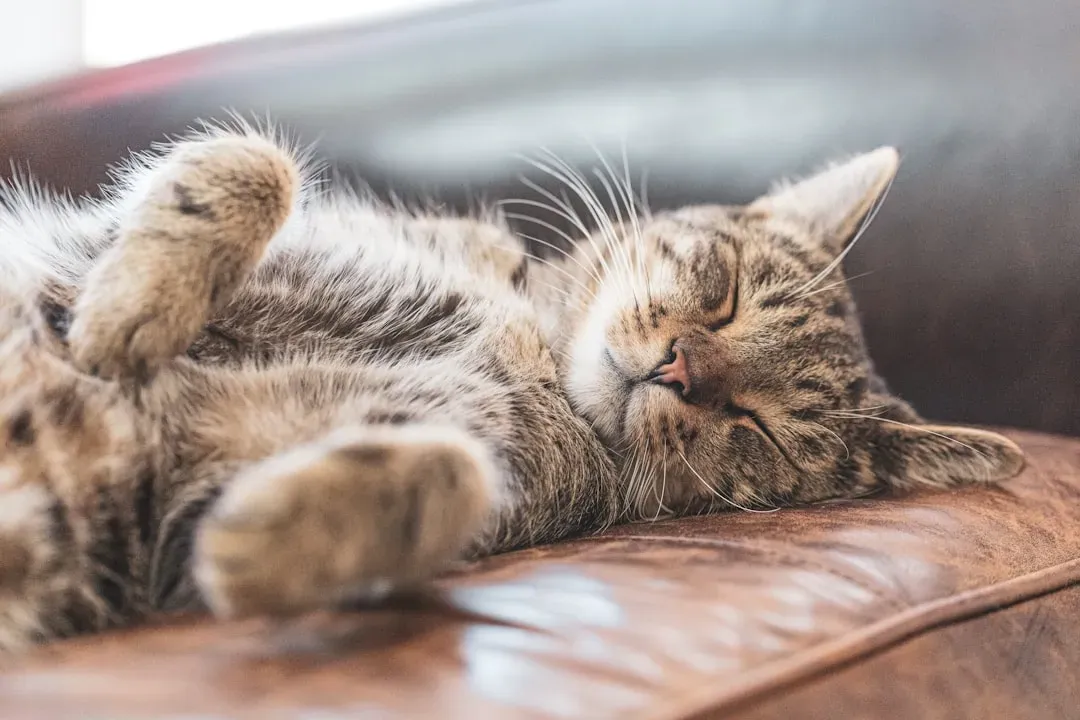
When you see your cat sleep on their back with their front legs either resting on their belly or outstretched over their head and their belly fully exposed, it means they feel very safe and confident. Cats instinctively protect their vulnerable organs, so if a cat is sleeping with their belly exposed, it means they feel secure. So when your cat belly-flops on your kitchen floor without a care in the world, take it as a compliment. They trust you completely. That’s not laziness – that’s love, feline-style.
Age, Breed, and Lifestyle: Why Not All Cat Sleep Is the Same
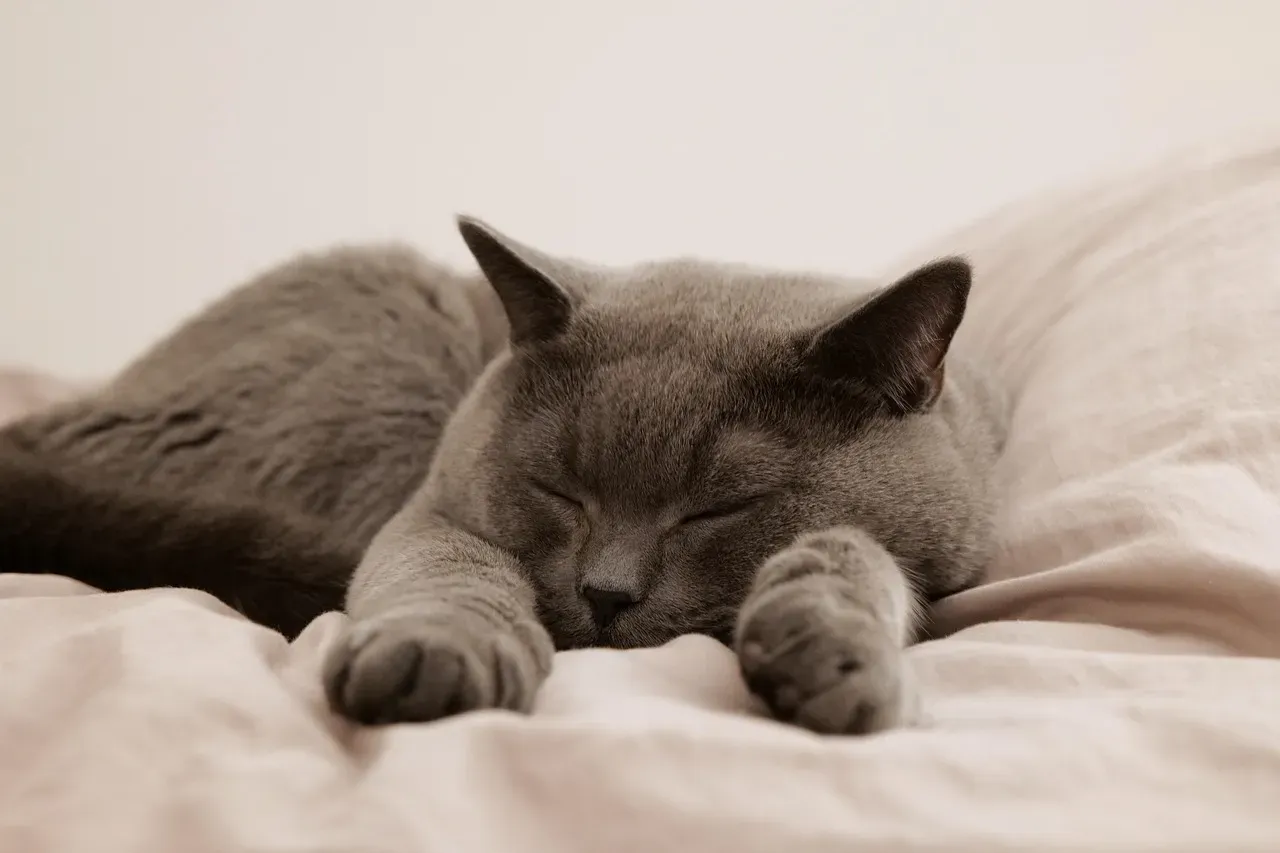
It’s worth understanding that not every cat sleeps the same amount, for the same reasons. How long individual cats sleep each day varies according to age, but the range is between 12 and 20 hours. Kittens and young cats crash 16 to 20 hours per day because they are growing and developing. Adult cats log 13 to 15 hours of daily rest. As cats age, they tend to establish more regular sleep routines. Senior cats over 10 years sleep 16 to 20 hours daily, as reduced energy and mobility cause older cats to gradually begin sleeping longer.
Some cat breeds are more prone to sleeping than others. For example, Persians and Ragdolls are known for their love of sleep and can sleep for up to 20 hours a day. Siamese cats, on the other hand, tend to be more active and may sleep for only 12 to 14 hours a day. Diet, indoor versus outdoor lifestyle, and how much daily stimulation your cat gets all matter too. It’s hard to say for sure what the “perfect” sleep amount is – but the range is wide, and most cats land somewhere perfectly healthy within it.
When Too Much Sleep Becomes a Warning Sign
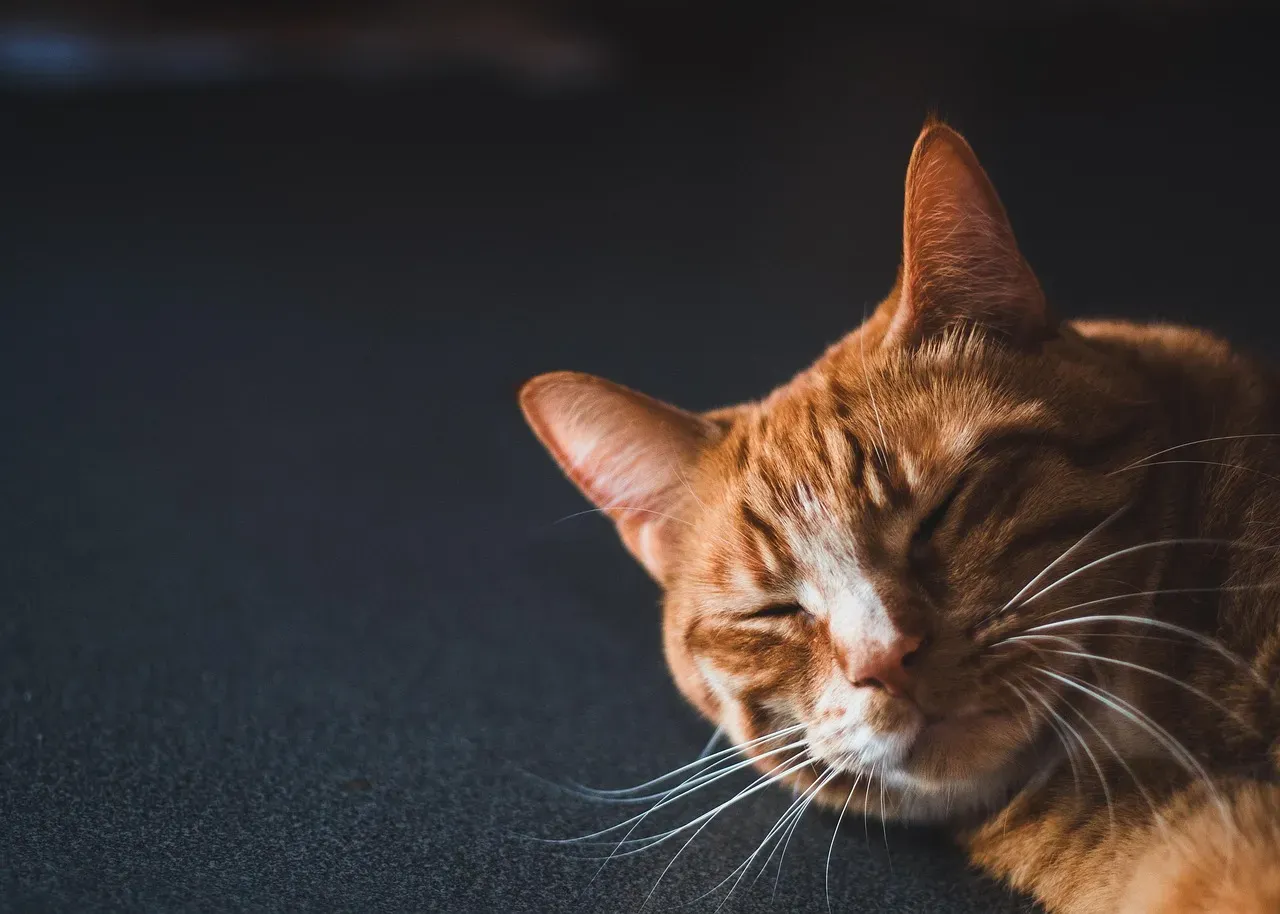
Here’s where the story gets a little more serious. While all this sleep is completely normal in healthy cats, there are moments when more sleep signals something worth investigating. Changes in your cat’s sleep can sometimes signal health issues. You should pay attention if you notice shifts in their sleeping habits. Cats naturally sleep a lot, usually between 12 and 16 hours a day. If your cat starts sleeping more than usual, it could indicate a problem. Conditions like kidney disease might cause a cat to sleep excessively.
As a responsible and caring cat owner, it’s important to watch your cat’s sleep patterns. While it’s normal for cats to nap often, significant changes in their sleep patterns could indicate an underlying health issue. If you notice your cat is difficult to awaken, uninterested in food or water, or seems unusually tired, don’t hesitate to consult your veterinarian for advice and peace of mind. The takeaway? Learn your cat’s personal baseline, because when something shifts, it’s worth paying attention to – and that attention could genuinely make a difference to their health.
Conclusion: Your Cat Is Smarter Than You’ve Been Giving Them Credit For
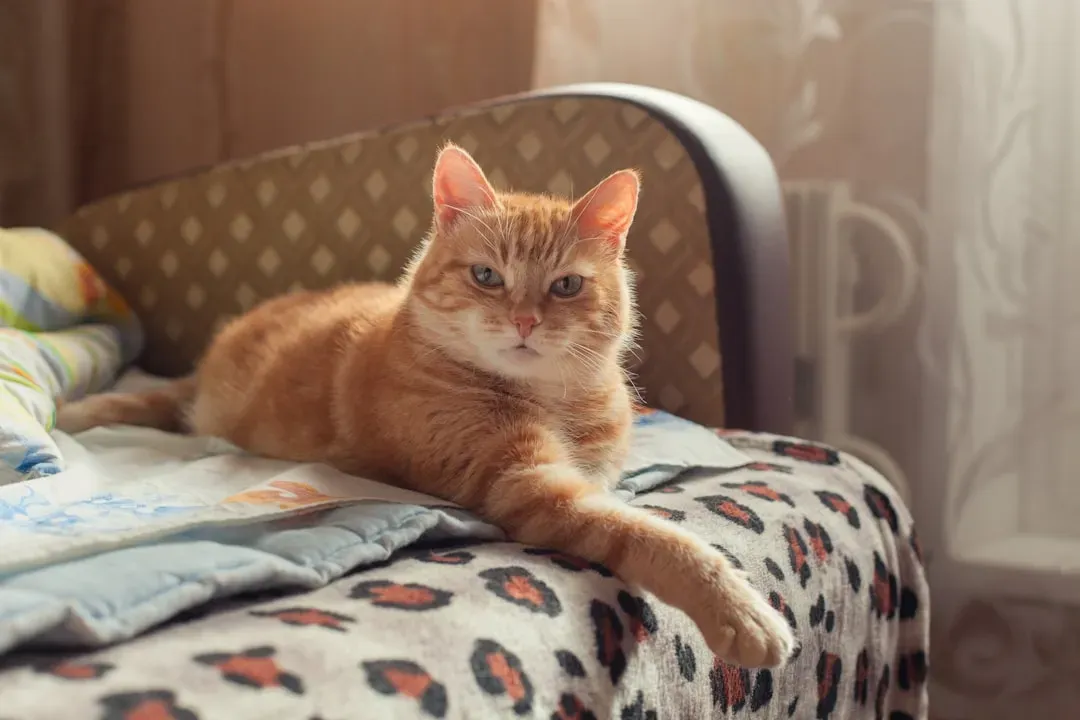
The “lazy cat” is one of the most persistent and honestly unfair myths in the pet world. What you’re actually living with is a perfectly calibrated biological machine – one that has spent millions of years evolving a sleep strategy so effective that even modern science finds it remarkable. Every nap is purposeful. Every curled-up position carries meaning. Every twitching paw is a brain firing on all cylinders, even in rest.
So the next time your cat drapes themselves dramatically across the couch like a discarded feather boa, resist the urge to call them lazy. They’re conserving energy, repairing tissue, consolidating memory, and preparing for their next moment of absolute, explosive feline action. You’re not watching laziness. You’re watching strategy. The question worth sitting with is this: who’s really the sophisticated one in the room?