Have you ever looked up from your book or glanced away from your screen to find your cat locked in an unwavering stare? Those unblinking eyes seem to pierce through you, making you wonder if they’re judging your life choices or plotting something far more mysterious. Let’s be real, it’s unnerving at times.
Yet despite how unsettling that gaze can feel, it’s anything but random. Your cat is actually communicating with you through this behavior, and understanding what it means can transform your entire relationship. Prepare to unlock the secrets behind that hypnotic feline stare.
A Silent Language That Speaks Volumes
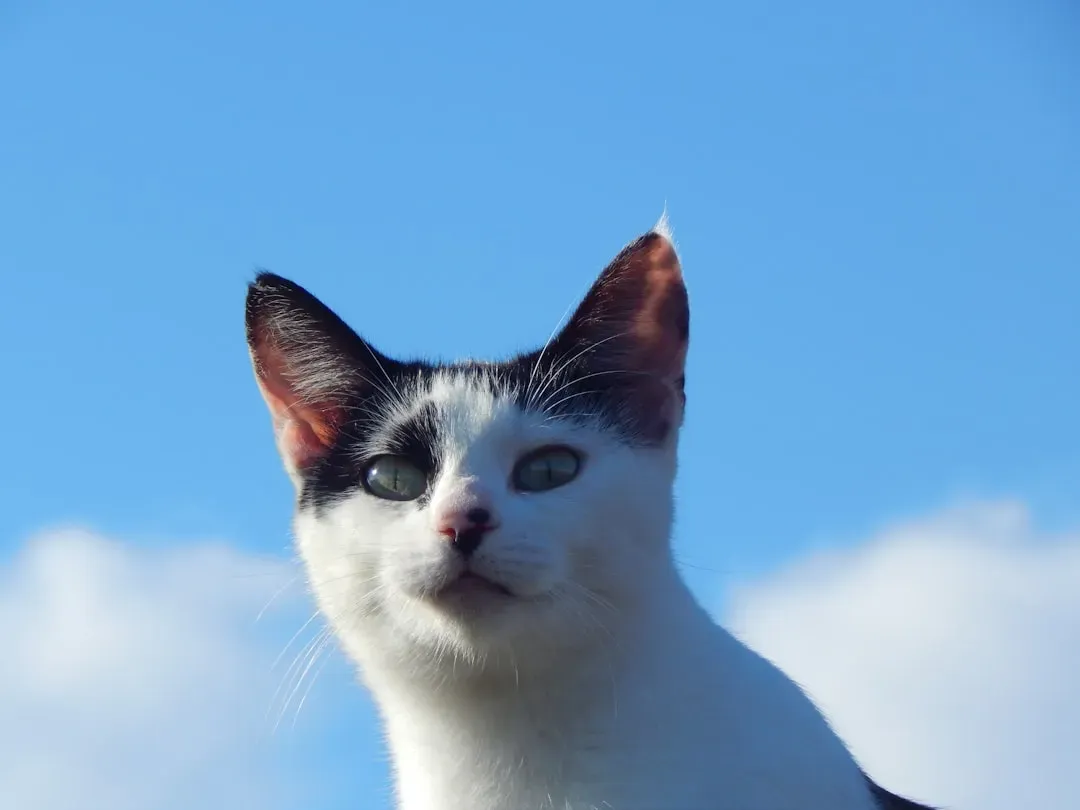
Cats don’t exactly come with instruction manuals, do they? They rely heavily on body language to express themselves, and staring is one of a cat’s primary ways of communicating with humans. Unlike dogs who may bark or whine to grab your attention, cats are far more subtle in their approach.
Your cat’s eyes function like a sophisticated communication system. Every glance, blink, and stare carries a message waiting to be decoded. Cats say a lot without saying anything, and that is when their eyes do all the talking. Unlike dogs that tend to bark, paw, or do acrobatics to get humans’ attention, cats are a little more subtle. Learning to interpret these visual cues helps you understand what your furry companion truly wants or feels.
The Affectionate Gaze That Melts Hearts
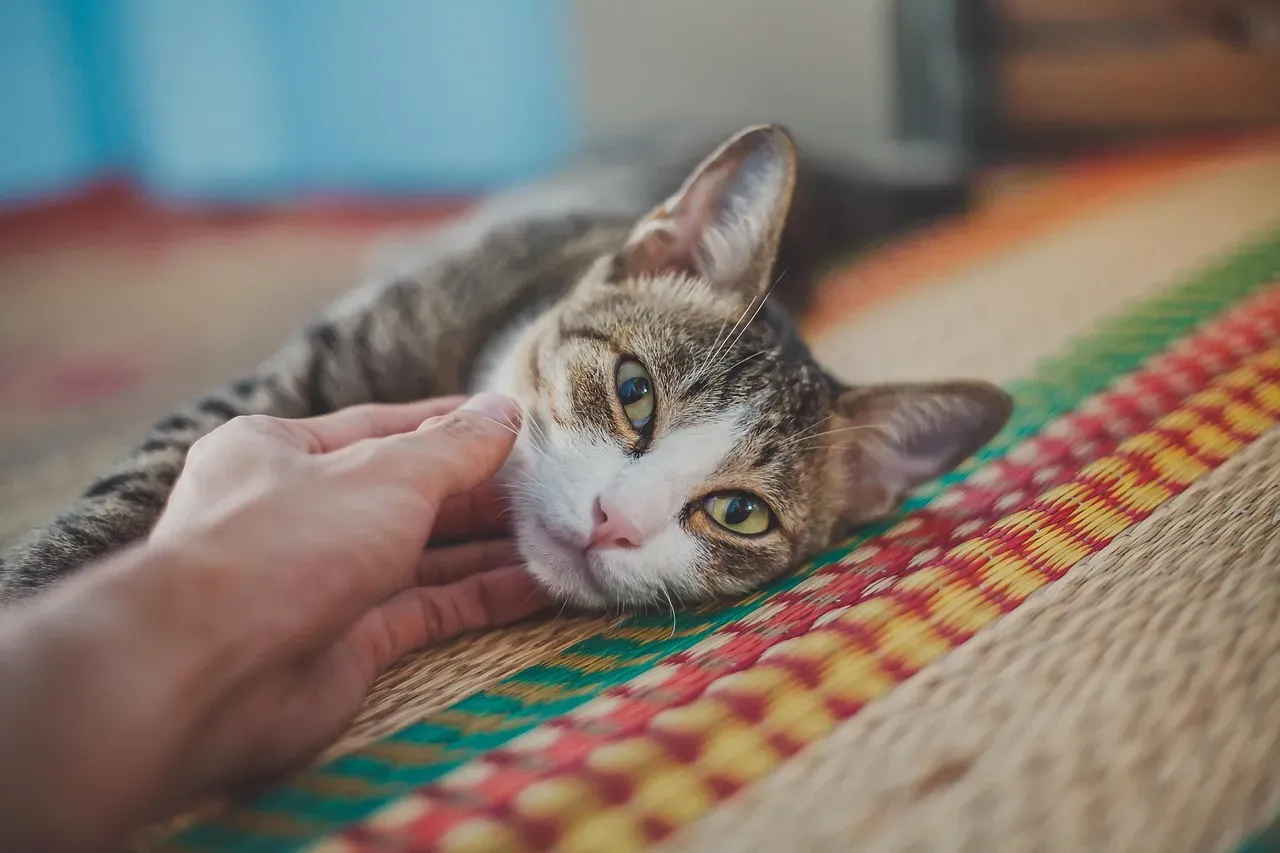
Cats can display affection by making eye contact with you and performing soft blinks. This slow, deliberate blink is often referred to as a cat kiss. When your feline friend gazes at you with half-closed eyes and blinks slowly, they’re essentially saying they trust you completely.
Here’s the thing: in the wild, closing their eyes makes cats vulnerable to threats. So when your cat does this in your presence, it’s a profound gesture of safety and comfort. A steady gaze, especially if paired with a slow blink, is often a cat’s way of showing trust and comfort. They’re essentially saying, ‘I feel safe with you’. Try slow-blinking back at your cat next time. You might just start a whole conversation.
Hunger Games and Food Demands
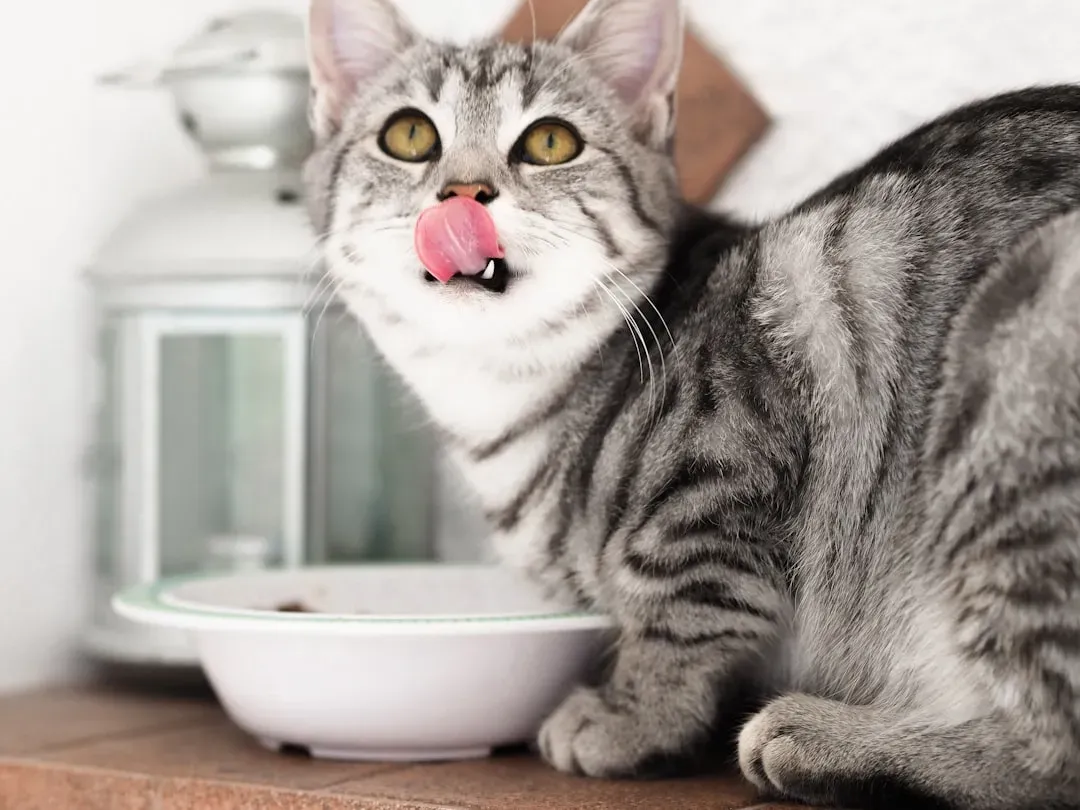
Let’s not pretend your cat is always being romantic with that stare. Sometimes, it’s pure strategy. Some cats have been known to stare at their pet parents when it’s feeding time. If you find yourself being watched intently while you’re anywhere near the kitchen, chances are your cat has learned that this tactic works.
Cats are intelligent and observant animals. Over time, they learn what actions lead to results, and staring at their humans without blinking has proven to be remarkably effective. It’s calculated behavior, honestly. Your cat has trained you far better than you realize. That intense gaze paired with a meow when you pass the food cupboard? Strategy, not coincidence.
Curiosity Really Did Drive the Cat
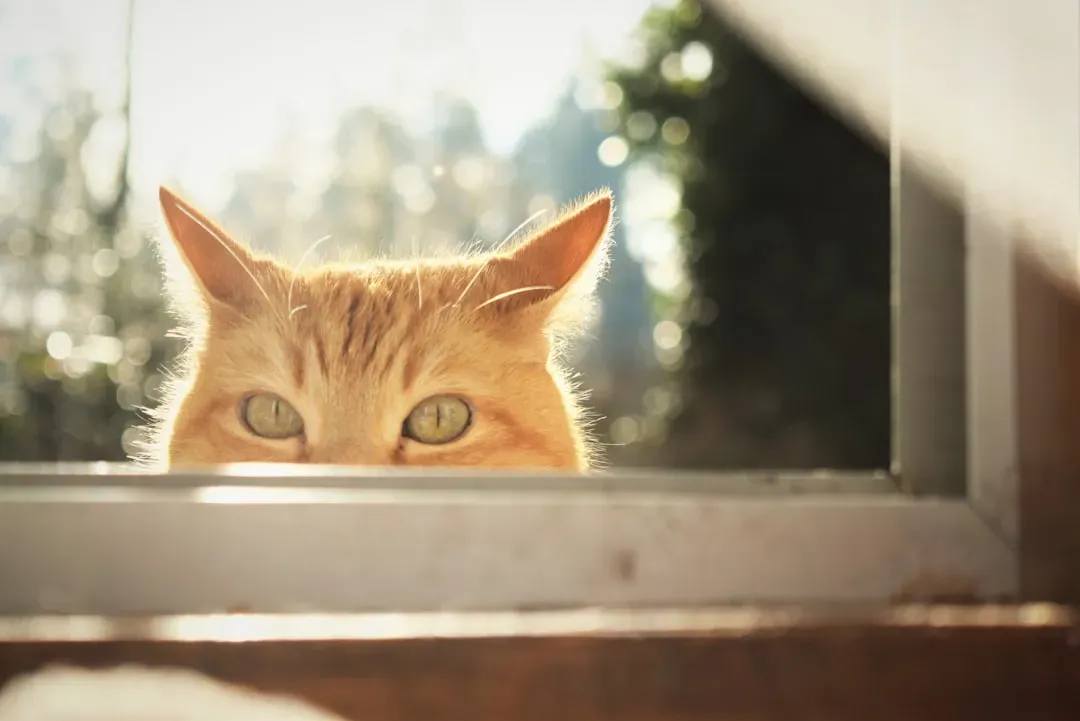
Cats are naturally nosy creatures who want to know everything happening in their territory. Cats are naturally observant animals. They may stare simply because they’re taking in what you’re doing. Whether you’re typing away at your computer, folding laundry, or talking on the phone, your cat might just be watching to understand what on earth you’re up to.
This observational behavior comes from their instinctual need to monitor their environment for changes. Your cat sees you as part of their territory, so keeping tabs on your activities is simply part of their daily routine. Sometimes they’re not expecting anything from you at all – they’re just fascinated by your strange human habits.
The Anxious or Fearful Fixation
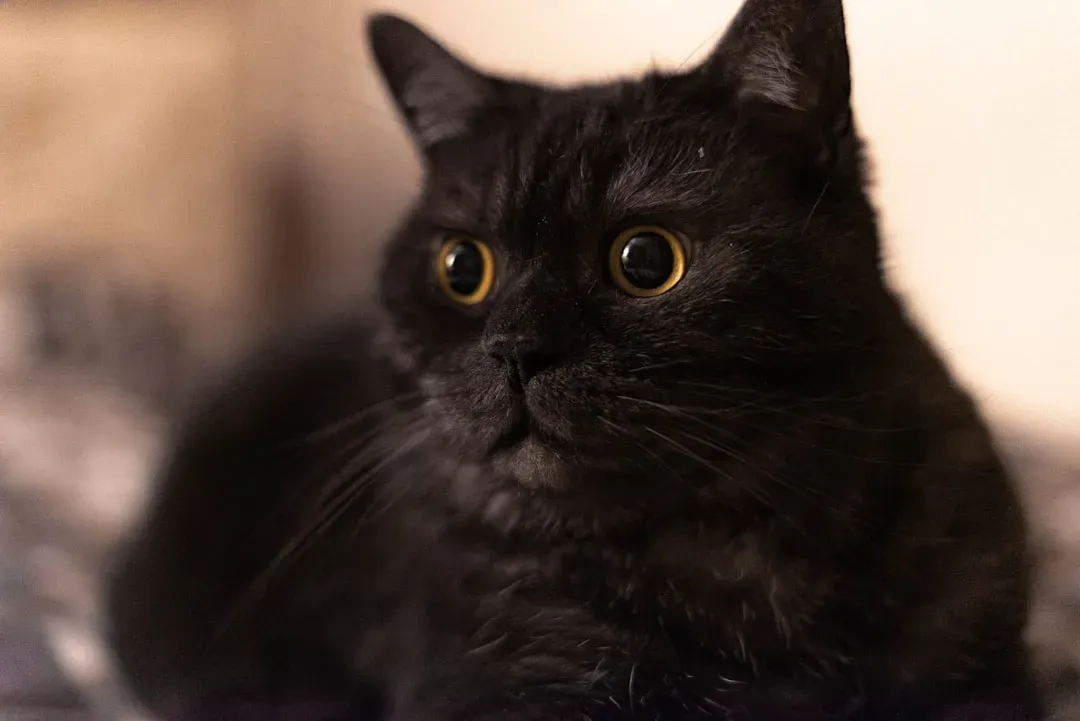
Sometimes a cat stares at a person, another animal, or an object out of fear. The cat is staring to keep his eyes on the stimulus he’s worried about. If you’ve made a sudden loud noise or quick movement, your cat might lock their gaze on you as a protective measure.
Watch for other signs of fear or anxiety alongside the stare – flattened ears, a crouched body position, or dilated pupils. If your cat’s staring at you whilst also in a crouched position with their tail tucked in, it’s generally a sign that your cat’s frightened. You may also find them hiding somewhere and when they stare at you like this it’s because they’re keeping an eye on the potential ‘danger’. Give them space and time to relax rather than approaching immediately.
When the Stare Becomes a Warning
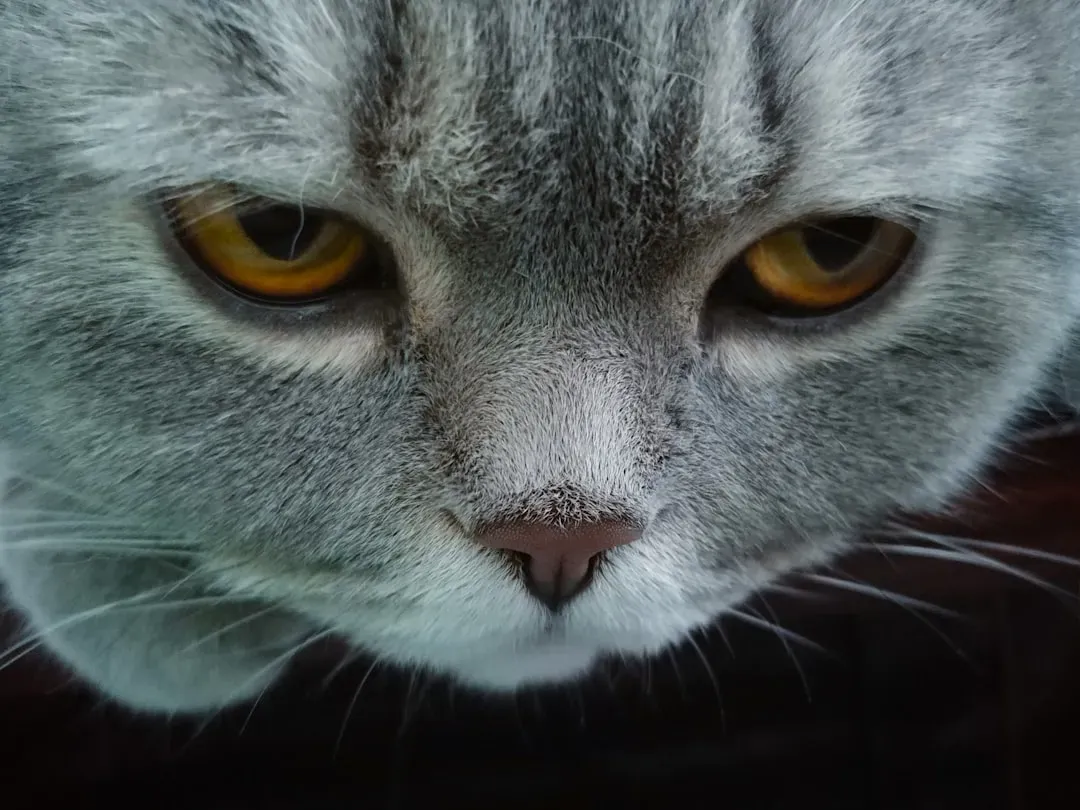
Not all stares are friendly, and recognizing the difference could prevent a scratch or bite. When a cat gives a hard, unblinking stare paired with stiff body language and piloerection along the back and tail, he is telling the other party that if they do not back off, there will be a confrontation. The hard, unblinking gaze is a threat to the other person or animal.
If your cat is staring with dilated pupils, a stiff posture, and a swishing tail, they’re communicating displeasure or aggression. This isn’t the time for cuddles or forcing interaction. The best response is to avert your gaze, stay still, and give your cat the space they’re demanding. Respect this boundary, and your cat will appreciate it.
The Slow Blink Phenomenon Backed by Science
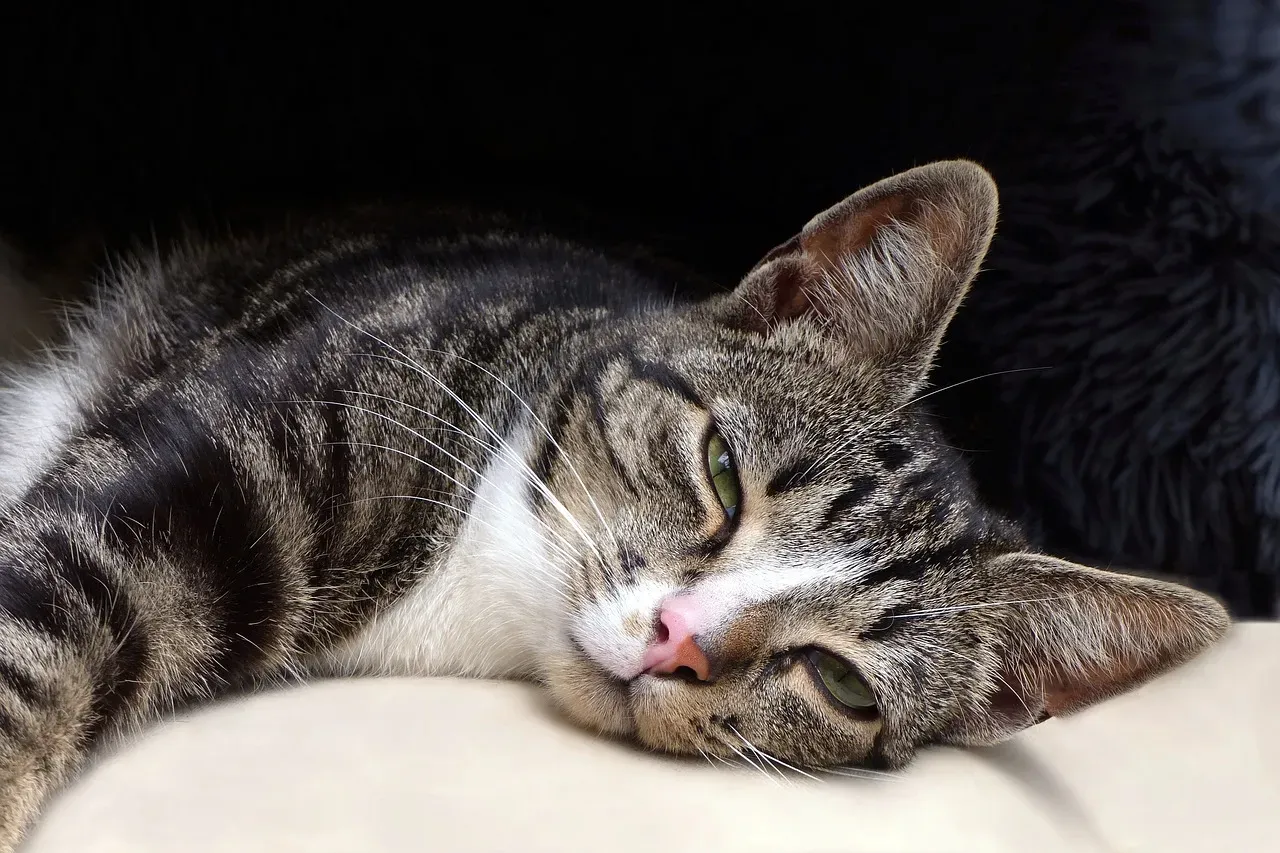
There’s actual research supporting what cat lovers have suspected for years. Cat half-blinks and eye narrowing occurred more frequently in response to owners’ slow blink stimuli towards their cats. In a second experiment, this time where an experimenter provided the slow blink stimulus, cats had a higher propensity to approach the experimenter after a slow blink interaction than when they had adopted a neutral expression.
The slow blink sequence appears to be an indicator of positive emotion in cats. When you engage in slow blinking with your cat, you’re essentially participating in a form of positive emotional communication. It’s like a secret handshake between species. Try incorporating this into your daily interactions, and you’ll likely notice your bond strengthening over time.
Nighttime Surveillance While You Sleep
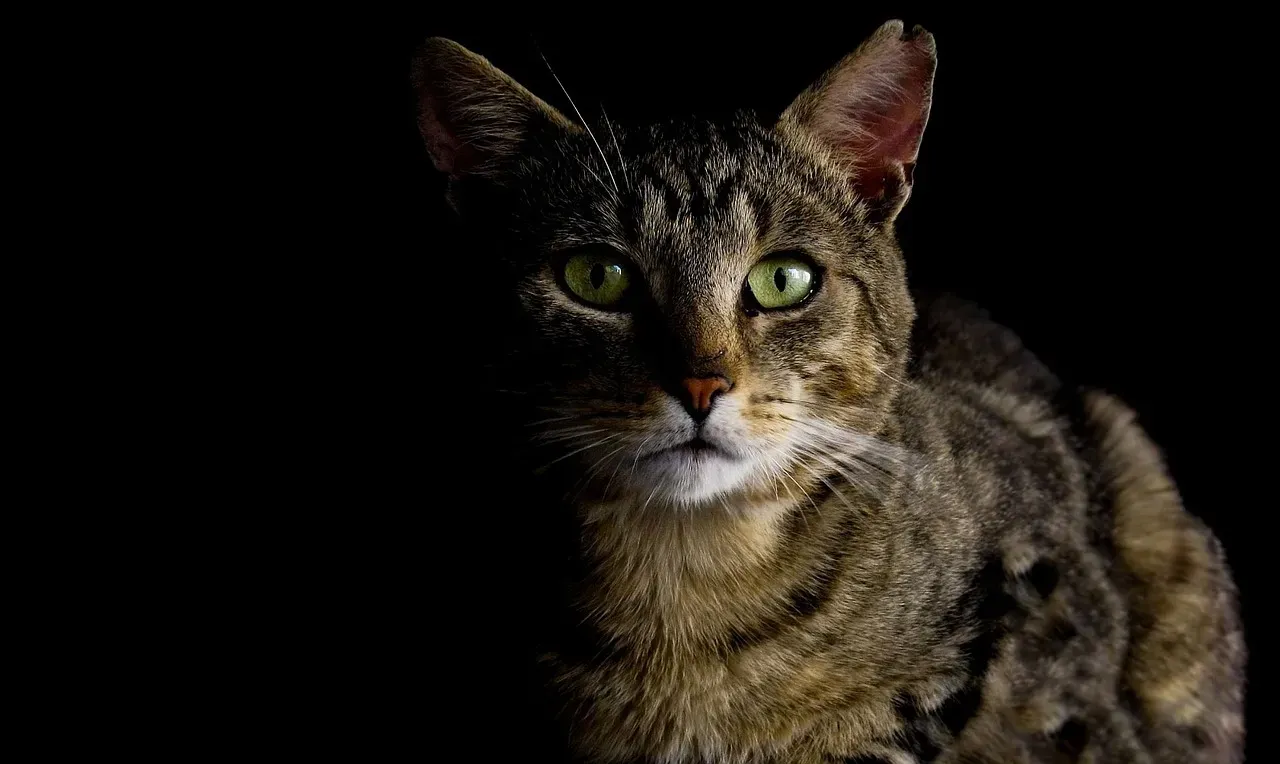
Waking up to find your cat staring at you in the darkness can feel like a scene from a horror movie. Yet the reason why cats stare at their owners when they sleep typically comes down to a mix of instinctual vigilance, deep social bonding, and natural curiosity. This common nocturnal behavior is usually harmless and can even be a sign that your cat feels safe and connected to you.
Cats are crepuscular, meaning they’re most active during dawn and dusk. So while you’re in deep sleep, your cat might be in their most alert phase. Your breathing, slight shifts in position, or even the sound of snoring can capture your cat’s attention. Rather than being creepy, it’s actually a sign your cat is comfortable enough with you to stay nearby and observe you in your most vulnerable state.
Decoding the Context Behind Every Gaze
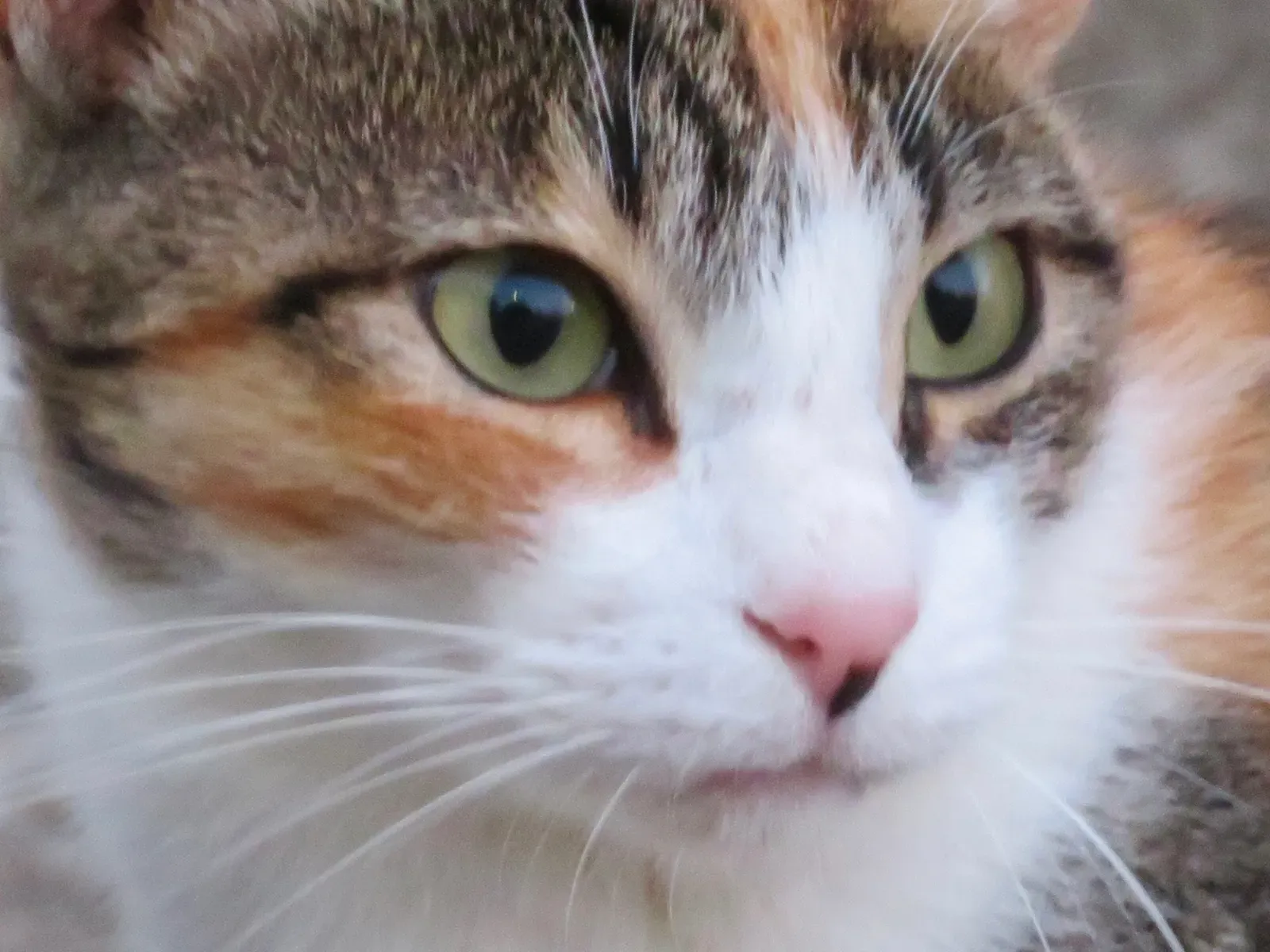
Understanding your cat’s stare requires more than just looking at their eyes. You need to consider the entire situation. Cats may stare at their owners in different situations, such as while they are eating, when they’re moving around or relaxing on the couch. By understanding the context of the stare, you can better interpret your cat’s intentions and respond appropriately. Consider what’s happening in the moment.
Is it near mealtime? Are they positioned by the door wanting to go outside? Did you just arrive home? All these contextual clues help you figure out what your cat is trying to tell you. Pay attention to their body posture, ear position, tail movement, and vocal cues alongside the stare. The full picture reveals far more than the eyes alone.
Conclusion
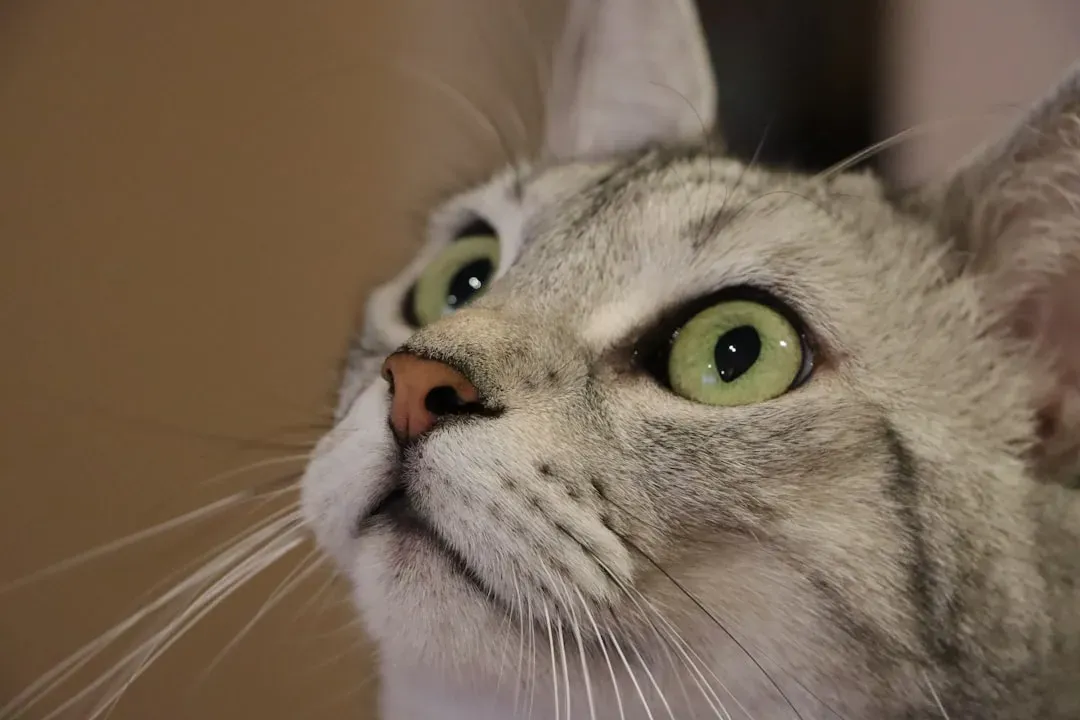
That lingering gaze from your feline companion isn’t meant to unsettle you or assert dominance over your household. Most of the time, it’s a sophisticated form of communication rooted in trust, curiosity, affection, or basic needs. Your cat is speaking to you through their eyes, and once you learn to interpret those messages, your relationship deepens in unexpected ways.
Whether your cat is expressing love through slow blinks, reminding you about dinner time, or simply observing your peculiar human behavior, that stare deserves your attention. The next time you catch those eyes locked on you, take a moment to consider what your cat might be saying. What do you think your cat is trying to tell you with that intense stare?