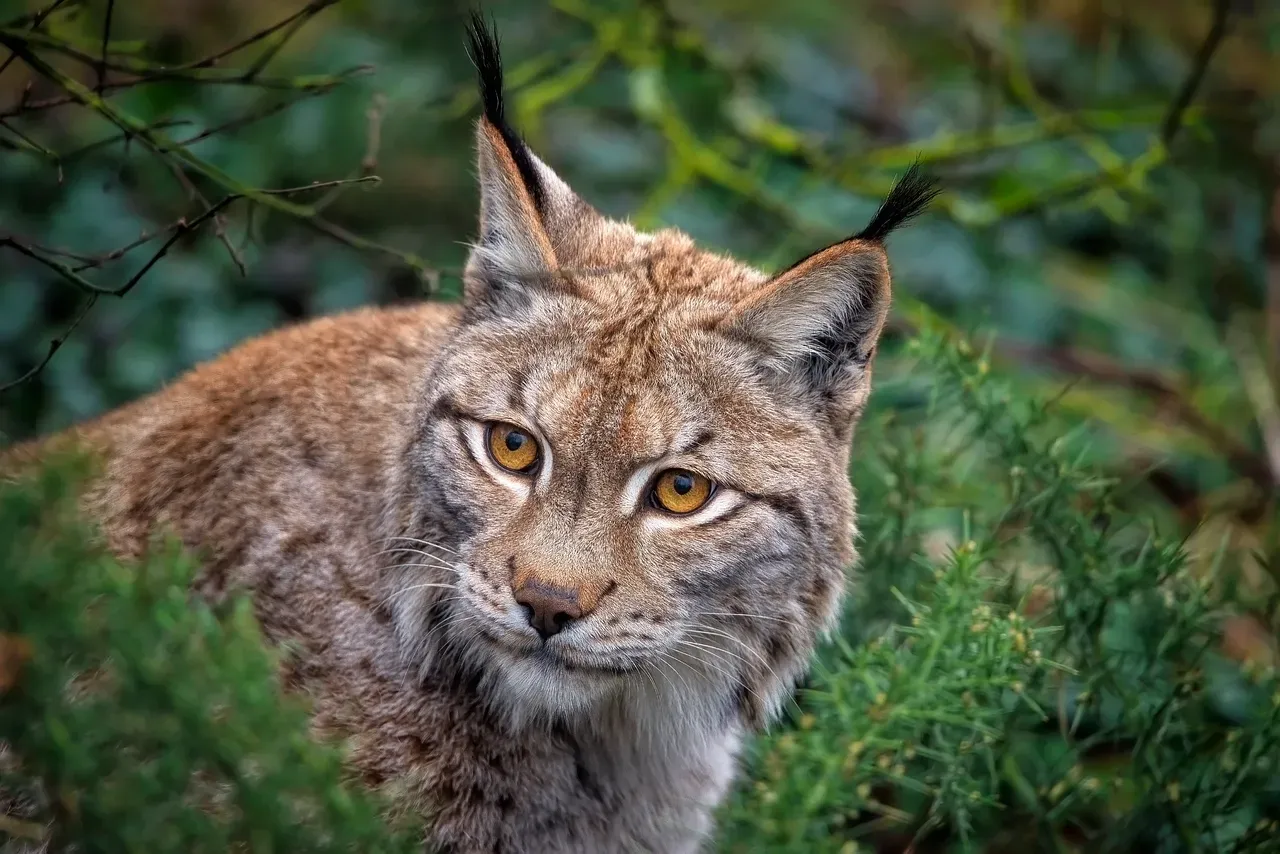
There is something almost supernatural about a creature that can share your forest, your mountain range, even your backyard woodland, for years without you ever knowing it is there. No dramatic roar. No heavy footprint on the trail. Just a ghost with tufted ears and amber eyes, vanishing into the tree line before you have time to blink. That is the lynx. That is the wild feline in its truest form.
These cats are not simply elusive. They are deliberately, almost philosophically, invisible. The more you learn about how they live, hunt, communicate, and survive, the more you realize you are looking at one of nature’s most perfectly tuned machines. So let’s get into it, because what you are about to discover might genuinely surprise you.
Silence Is Their Superpower: The Art of Going Unnoticed
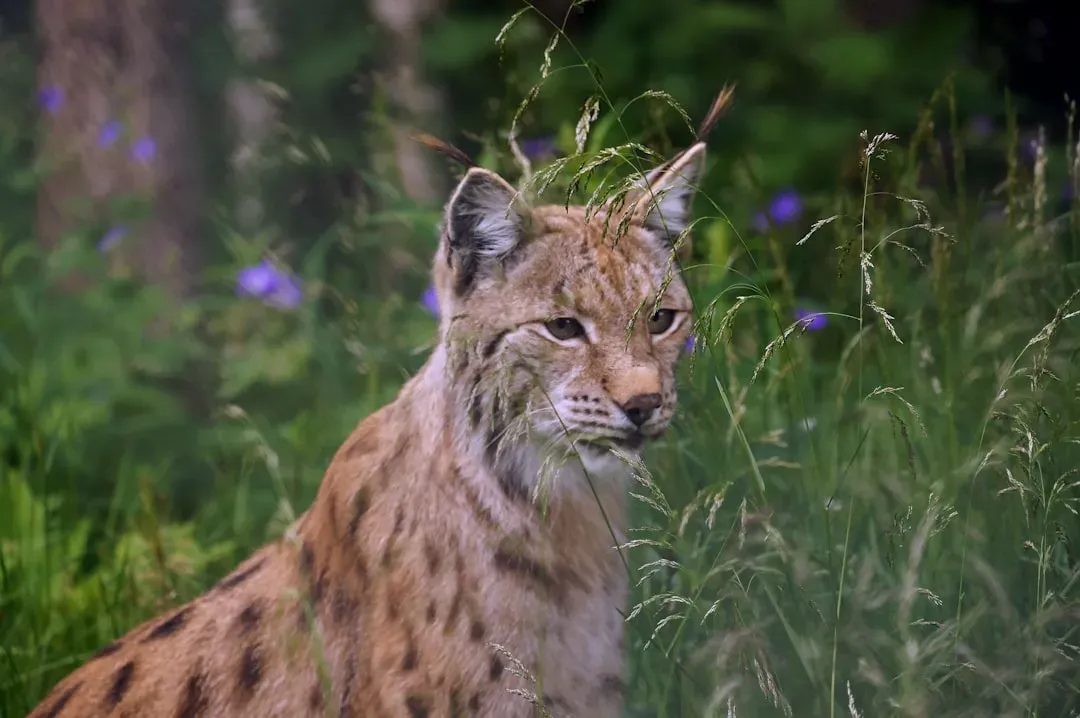
You could live next door to a lynx territory and never know it. Eurasian lynx are so secretive, and the sounds they make so quiet and seldom heard, that their presence in an area may go unnoticed for years. Researchers typically find remnants of prey or tracks in snow long before they ever actually see the animal. Think about that for a second. A top predator, operating right under our noses, in complete silence.
Nocturnal and secretive, lynx hunt by ambushing prey near well-used trails, relying on patience and stealth more than speed. Speed is the flashy option. Patience is the weapon of a master. It is the difference between a sprinter and a chess grandmaster, and the lynx is firmly in the grandmaster camp.
Built for the Cold: Physical Adaptations That Defy the Elements
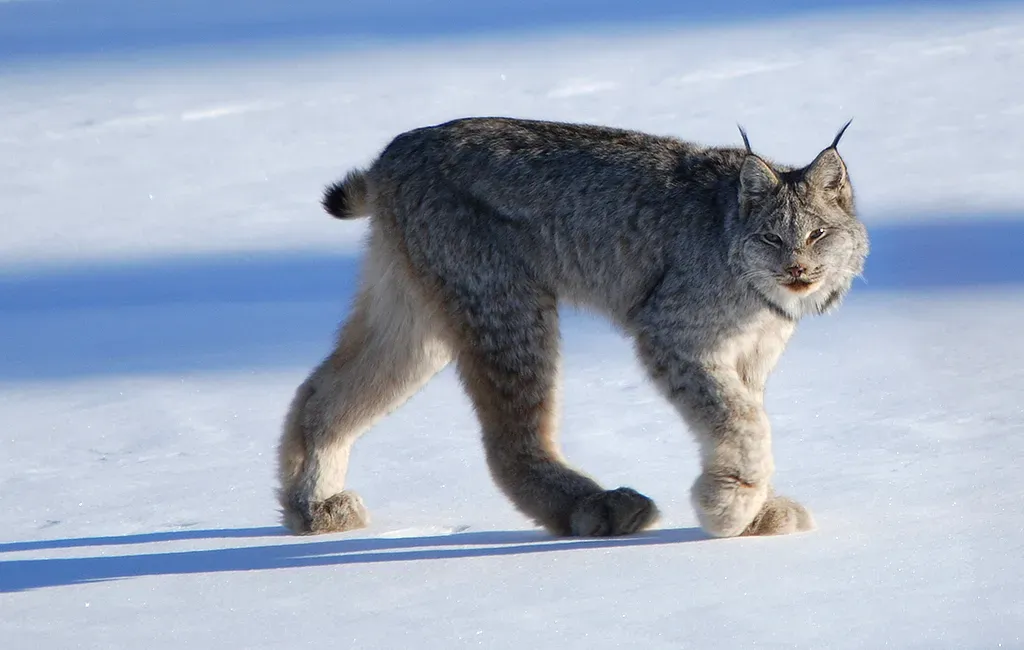
The Canada lynx is twice as large as an average house cat and far better equipped for winter, with long legs, thick fur, and big paws that act like snowshoes. You have probably seen snowshoes before. Now imagine having them built right into your feet from birth. That is exactly the advantage the lynx carries into every winter hunt.
Lynx have back legs that are even longer than their long front legs, so they appear hunched forward when they walk. It might look awkward, but their stilt-like limbs allow them to navigate areas with much deeper snow than bobcats. Nature has a sense of humor, designing one of its most effective predators to look a little like it is always trying to peer over a fence.
The Four Species You Need to Know
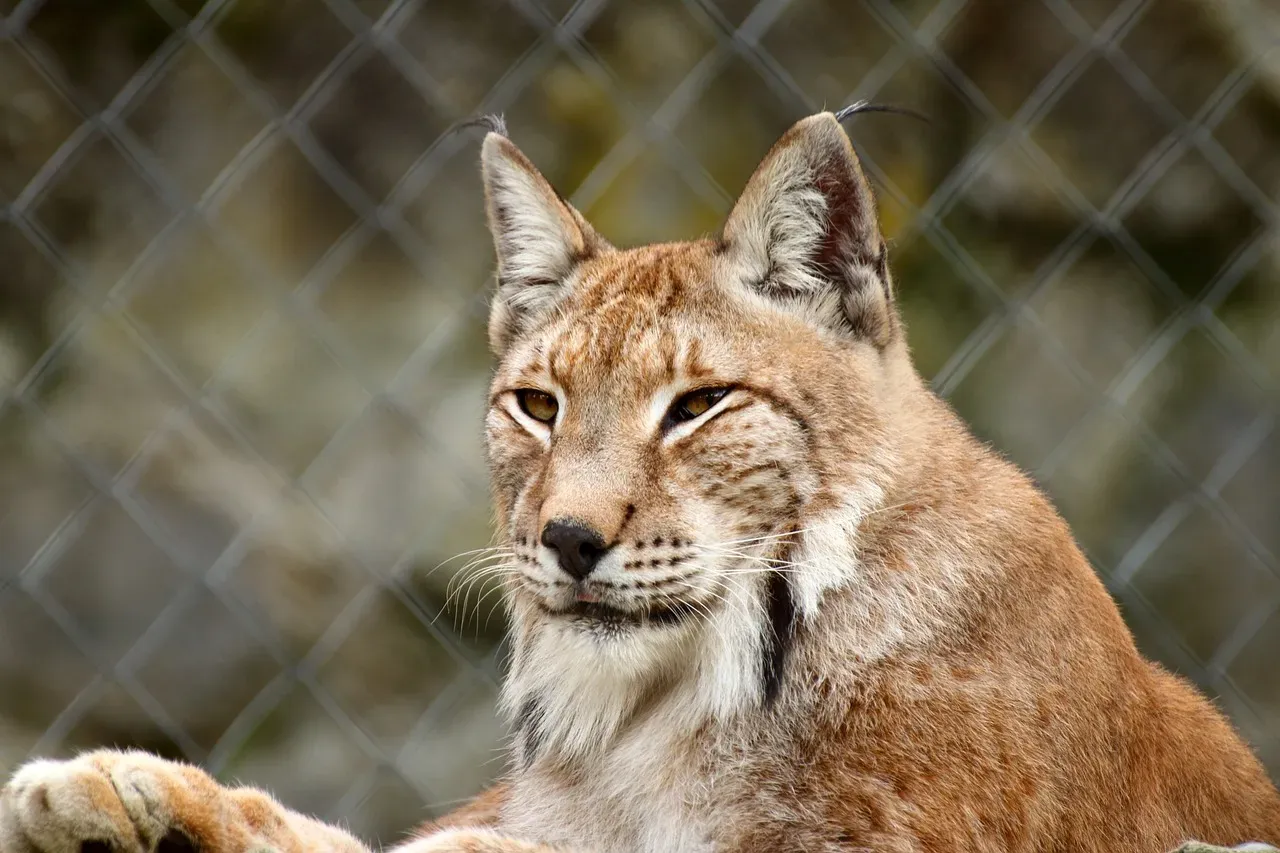
While bobcats and lynxes are separate species, they belong to the same genus. There are four different species in this group: the Eurasian lynx, the Spanish (Iberian) lynx, the Canadian lynx, and the bobcat, the most common cat native to North America. Honestly, the fact that most people only know one or two of these says a lot about how quietly these animals have gone about their business throughout history.
The Iberian lynx is a medium-sized cat with a striking, heavily spotted coat that ranges from yellowish to rusty-gray. While it shares the iconic flared facial ruff and long, black-tipped ear tufts of its relative, the Eurasian lynx, it is significantly smaller, roughly half the size of its northern cousin. The Eurasian lynx is the largest of the four species and is widely distributed from Northern, Central and Eastern Europe to Central Asia and Siberia, inhabiting temperate and boreal forests up to an elevation of 5,500 meters.
Territory and the Invisible Fence: How Wild Felines Guard Their Ground
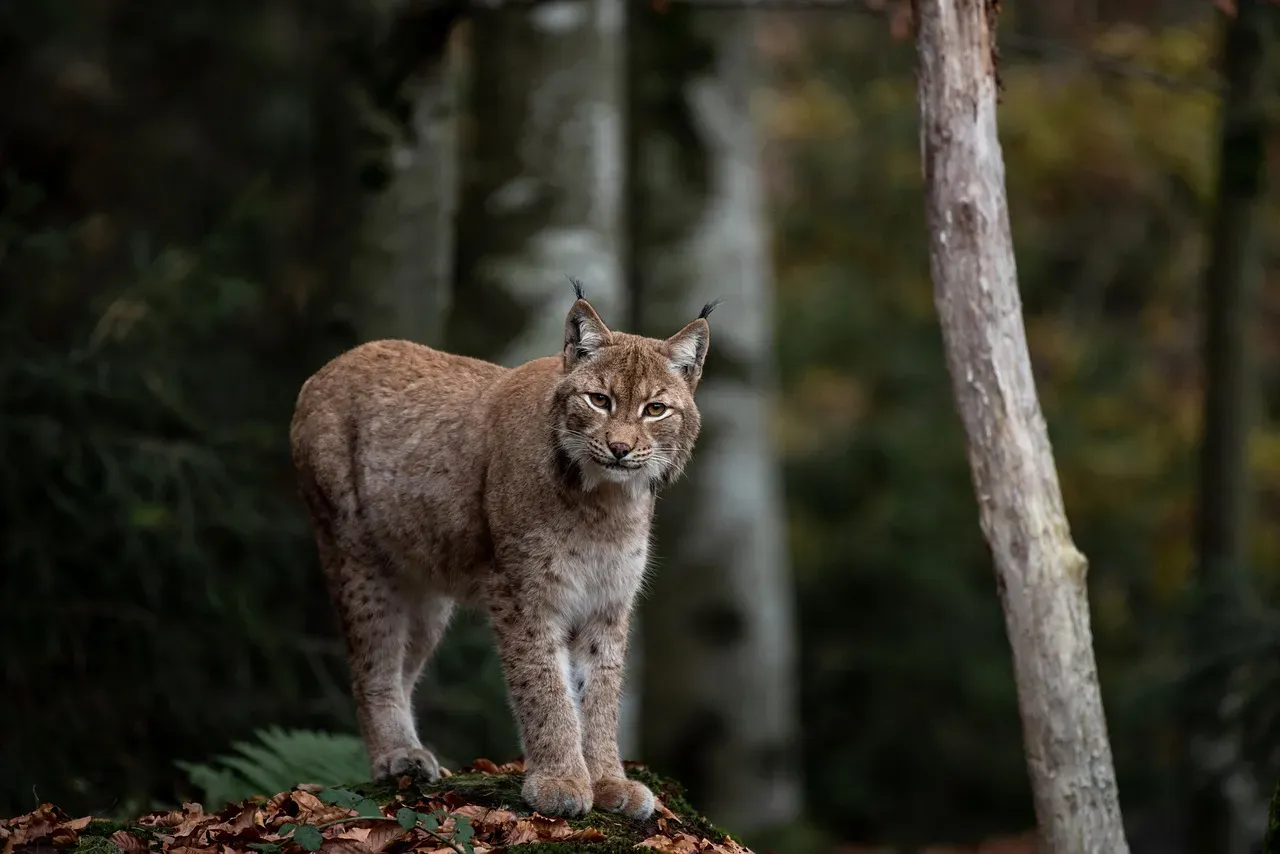
When it comes to their territory, these big cats can cover vast expanses, sometimes stretching over 100 square kilometers. They keep a close watch on their domain, marking their boundaries with urine or by scratching trees with their claws. Imagine marking every corner of a space that massive. It is less like owning a house and more like owning a small country.
Lynx marking behavior plays a critical role in the animal’s social organization and distribution. This behavior typically involves urine marking, rubbing, scratching, and stump marking to demarcate the home range and establish dominance. Both the Canada lynx and the Eurasian lynx display these behaviors, employing them as a form of communication, particularly important amidst dense forests and vast mountain ranges. Every scratch on a tree trunk is a message. Every scent marker is a letter in a language we are still learning to read.
The Hunter’s Mind: Patience, Precision, and the Perfect Pounce
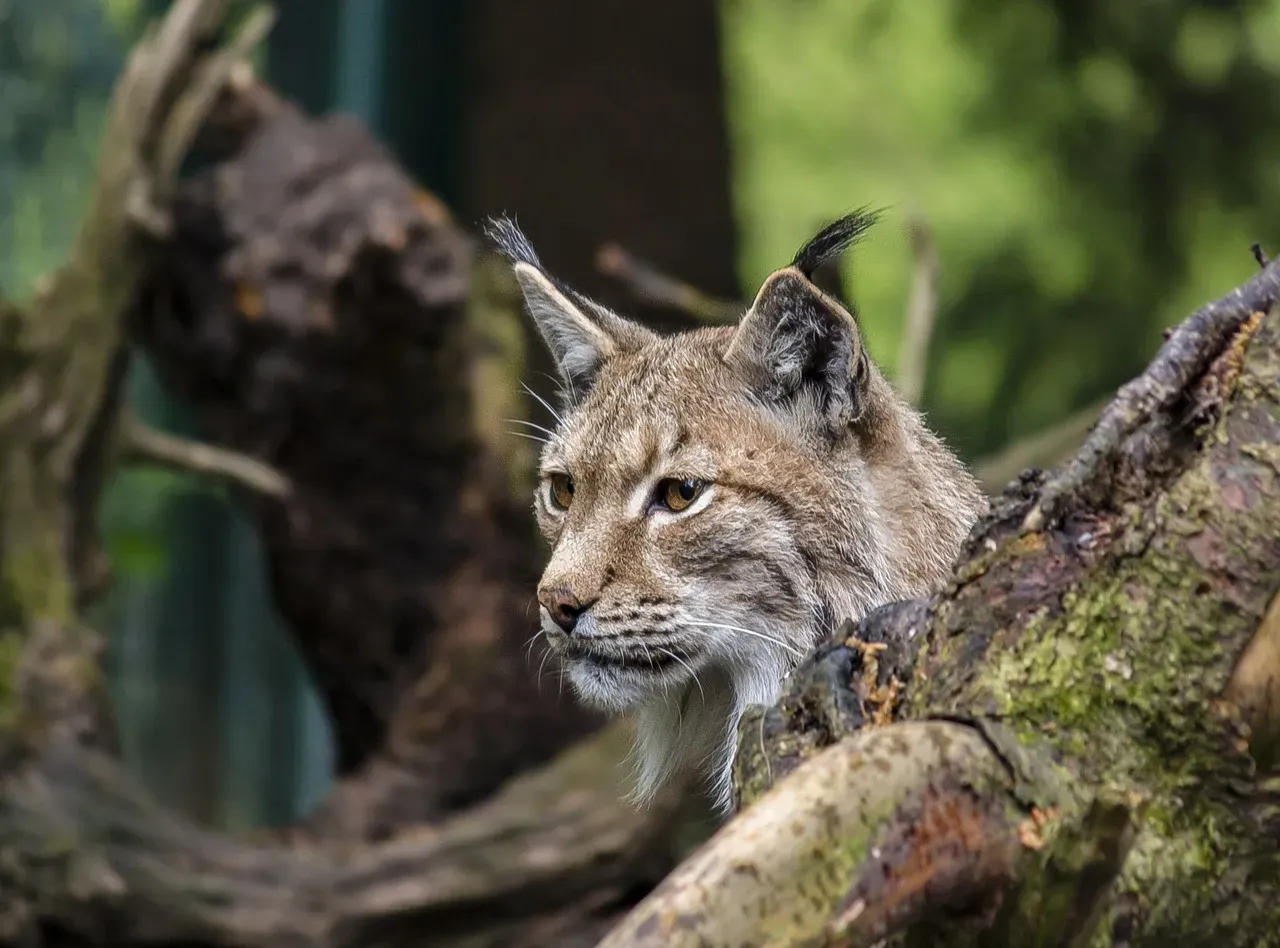
The Canada lynx possesses exceptional senses, including large eyes and acute hearing, making it an adept nocturnal hunter. In fact, they are able to detect prey in the darkness from as far as 250 feet away. To put that in perspective, 250 feet is roughly the length of a football field. Spotting a mouse from that distance, in the dark, is not just impressive. It is almost unfair.
A lynx’s stellar hearing also helps with locating prey. Along with pointy ear tufts that sense vibration, they have roughly 30 muscles in their ears and can independently rotate them, like satellite dishes, in the direction of soft noises their ear tufts have detected. When the moment is right, lynx use a stalk-and-pounce technique and can jump nearly 4.5 metres from a standstill. That is a living satellite dish attached to a spring-loaded ambush machine. Let’s be real, there is no prey animal that has a fair chance.
A Diet Written by Fate: The Lynx and Its Prey Connection
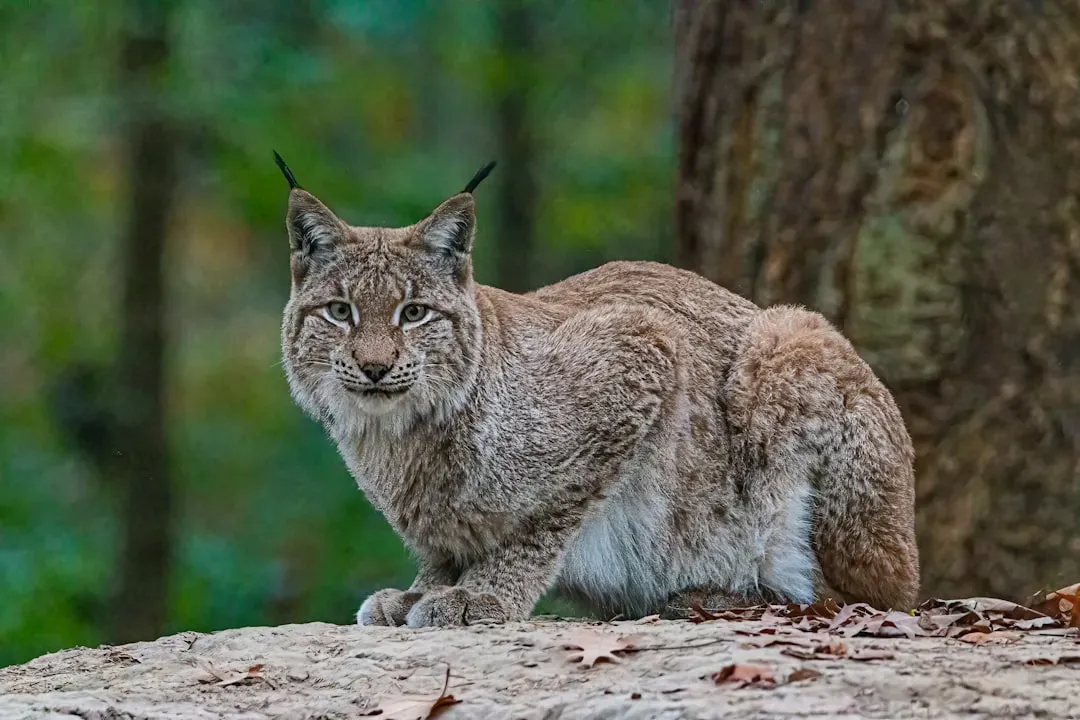
The Iberian lynx is a trophic specialist, meaning its survival is intrinsically linked to a single prey species: the European rabbit. For a female to successfully breed, a high density of rabbits is required, typically around one rabbit per day to meet energy needs. While they may occasionally hunt deer, ducks, or fish when rabbit populations dip, they remain highly dependent on stable rabbit numbers. Putting all your eggs in one basket is risky for humans. For the Iberian lynx, it is practically a life philosophy.
The close predator-prey relationship between Canada lynx and snowshoe hares means that lynx numbers rise and fall in a roughly 10-year cycle along with hare numbers. Because hares reproduce quickly, their population in one area can increase until the habitat can no longer support them, and the population crashes. The lynx population follows this boom-and-bust pattern, lagging behind by one or two years. It is one of the most striking ecological dances in the natural world, two species eternally locked together in a cycle of boom and bust.
The Language of the Silent Ones: How Lynx Communicate
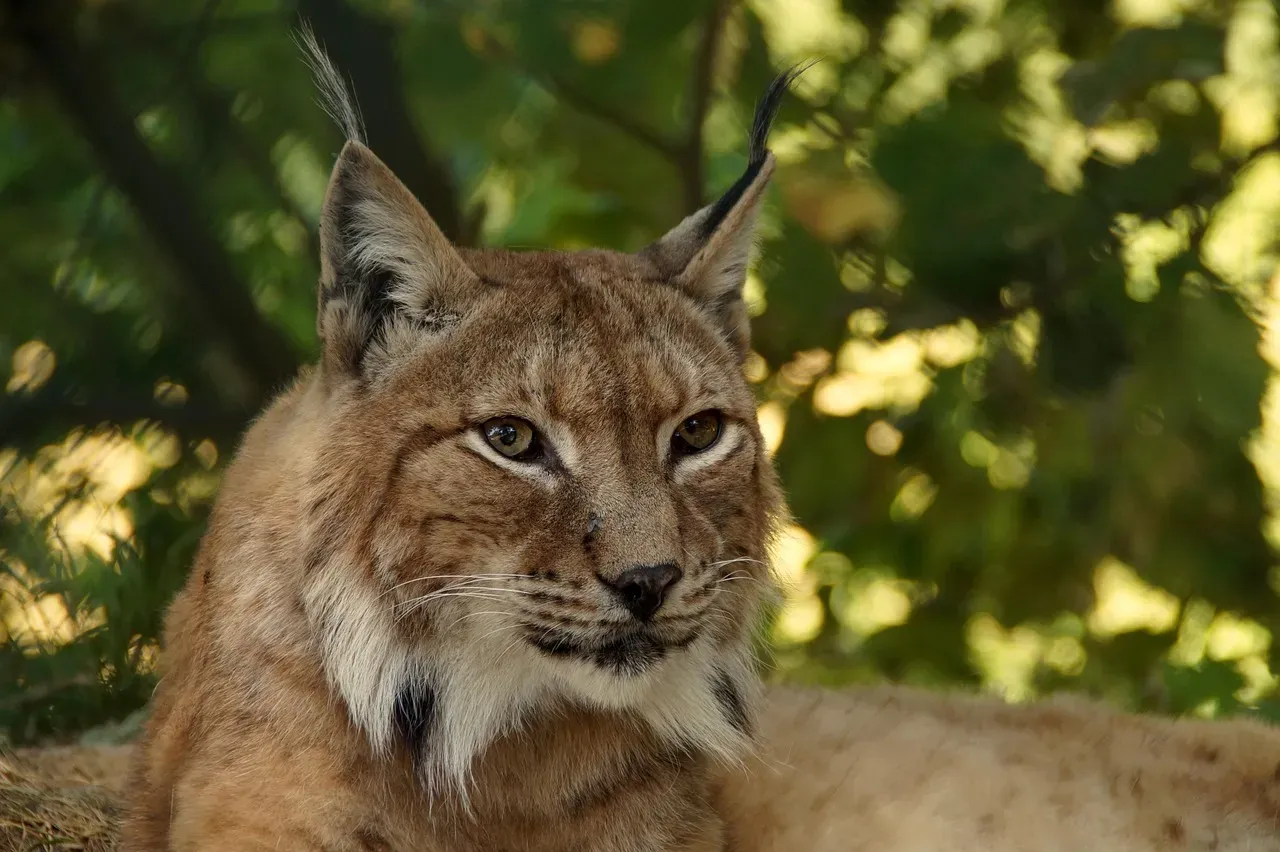
All lynx species share intriguing vocalization patterns, particularly prominent during the breeding season. The sounds a lynx makes include growls, purrs, and even screams, each carrying distinctive meanings, from luring a potential mate to warning off potential predators. Interestingly, these felines are not very chatty. They might growl, hiss, yowl, or even purr, but you will not hear them much otherwise. However, during mating season, their eerie calls can resonate through the valleys and forests, creating a haunting symphony of sounds.
During mating season, which typically occurs from February to March, male lynx will travel long distances to find a mate. They use vocalizations and scent marking to communicate with females and to warn other males to stay away from their territory. When they meet a rival male, the pair will sometimes engage in noisy, caterwauling matches as they fight for dominance. The rest of the year? Library-level silence. Mating season? A full-on wilderness opera.
Raising the Next Generation: A Mother’s Solitary Vigil
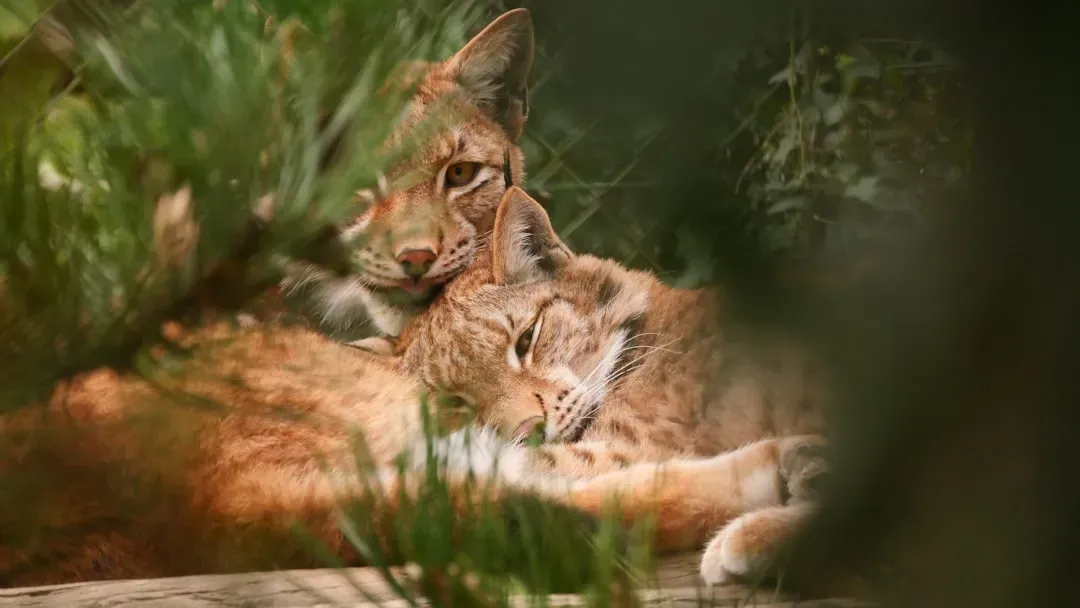
Pregnant females give birth to a litter of up to five kittens between May and June, hiding them under piles of brush or in hollow logs until, weaned, they are old enough to learn to hunt. Reproduction is closely tied to the availability of territory and food. A female usually will not reproduce until she has secured her own territory, which can happen as early as her first winter or as late as age five. It is a high-stakes investment strategy, and the mother bears every bit of it alone.
Young lynxes stay in the care of their mothers for about a year, and some females have been observed living and hunting in pairs, raising questions for scientists about the social behavior of these big cats. The kittens spend a lot of time playing and start learning to hunt with their mother from around 9 weeks old. The father takes no part in rearing his young. That detail right there, the father’s total absence, tells you everything about the lynx’s fiercely independent nature. These animals are built to be alone, and they are brilliant at it.
Threats and the Fight to Survive: Climate, Habitat, and Human Pressure
Climate change poses an increasing threat to lynx survival, as rising temperatures trigger wildfires in their habitat and reduce the availability of their prey. The primary threat lynx face remains the loss and fragmentation of habitat resulting from numerous large wildfires. Given the small, restricted population that remains in some regions and ongoing threats from climate change, including the loss of suitable snowpack and increased competition from bobcats and coyotes, the situation demands urgent attention. It is hard to say for sure how quickly conditions will shift, but the science is not reassuring.
The Iberian lynx has improved from Endangered to Vulnerable on the IUCN Red List, continuing its dramatic recovery from near extinction thanks to sustained conservation efforts. Today, the total population, including young and mature lynx, is estimated to be more than 2,000. Conservation efforts have focused on increasing the abundance of its prey, the European rabbit, protecting and restoring Mediterranean scrub and forest habitat, and reducing deaths caused by human activity. That recovery is nothing short of extraordinary. It is conservation’s equivalent of a miracle comeback, and it proves what is possible when people genuinely commit to protecting a species.
Conclusion: The Whisper We Must Learn to Hear
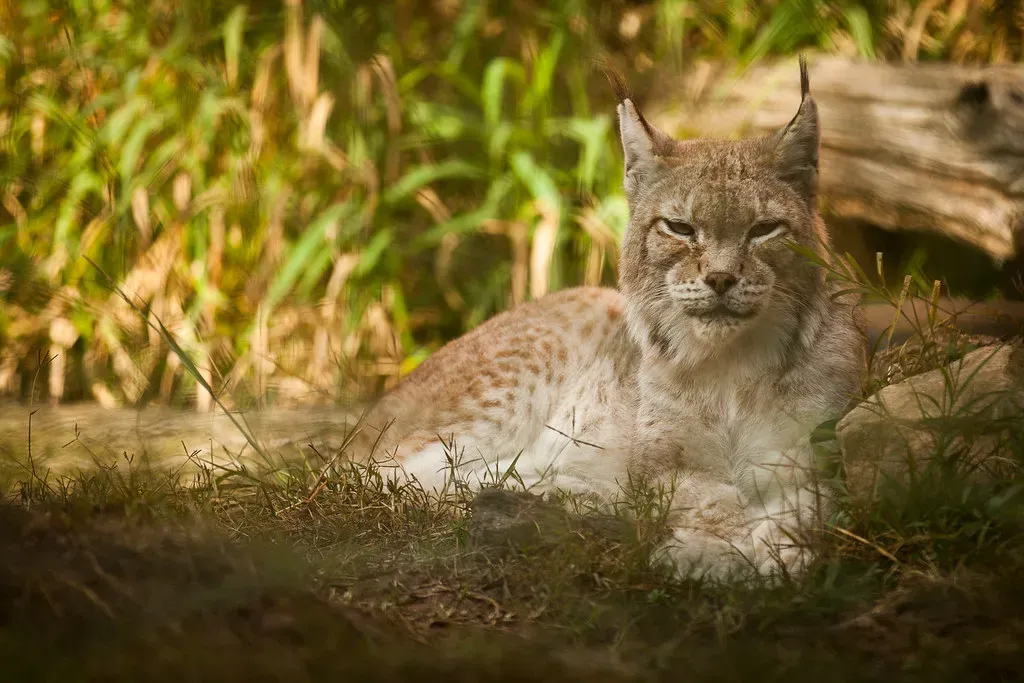
The lynx does not ask for your attention. It never has. It moves through the world on its own terms, in its own time, governed by ancient instincts that science is still working to fully understand. In a world increasingly defined by noise, constant visibility, and instant access, there is something deeply profound about a creature that has chosen, through millions of years of evolution, to remain invisible.
What the lynx teaches us, if you are willing to sit quietly long enough to listen, is that power does not always announce itself. Survival is not always loud. Sometimes the most extraordinary things alive are the ones you almost never see. The question worth sitting with is this: how many more whispers from the wild are we missing simply because we forgot to be still enough to hear them?