You’ve probably seen pictures online of enormous, fluffy cats lounging across entire sofas or perched majestically on cat trees. There’s a good chance you were looking at a Maine Coon. These cats have a way of commanding attention, not just because of their impressive size but because of something deeper. Maybe it’s the tufted ears that give them a wild, lynx-like appearance, or perhaps it’s those soulful eyes that seem to understand exactly what you’re thinking.
Let’s be real, most people don’t expect a cat this large to be as affectionate and playful as a Maine Coon. The breed defies expectations in almost every way. If you’re considering adding one to your family or you’re simply curious about what makes these felines so special, you’re in for quite a journey.
Massive in Size, Gentle in Nature
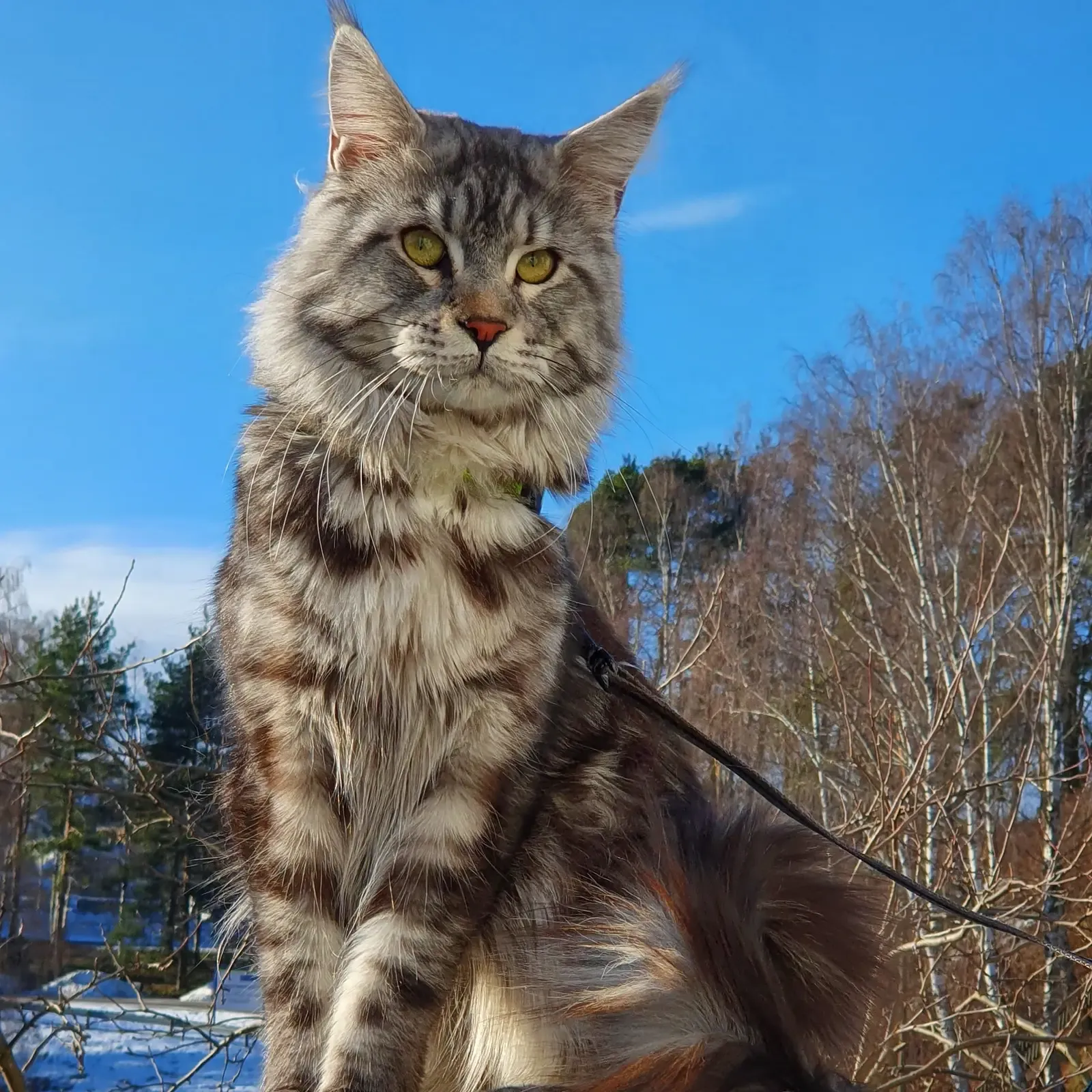
The Maine Coon is commonly referred to as the gentle giant, predominantly known for its size and dense coat of fur. Male Maine Coons typically weigh between 18 to 22 pounds when fully grown, while females weigh between 12 to 15 pounds on average. Some individuals even tip the scales at 25 pounds or more.
Here’s the thing though: their weight doesn’t tell the whole story. The typical Maine Coon has an overall height of 10 to 16 inches and body length of 19 to 32 inches. When you factor in that magnificent bushy tail, these cats can stretch out to roughly 40 inches from nose to tip. That’s longer than many toddlers are tall! The Italian feline Barivel is the current reigning champion for biggest Maine Coon cat alive today, measuring 47.2 inches.
Their size isn’t just for show. Thick, long coats, toe and ear tufts, big bodies, and snowshoe-like big feet are useful traits in the harsh climates where these breeds originate. Every aspect of their physicality evolved to help them survive brutal New England winters.
That Irresistible Personality
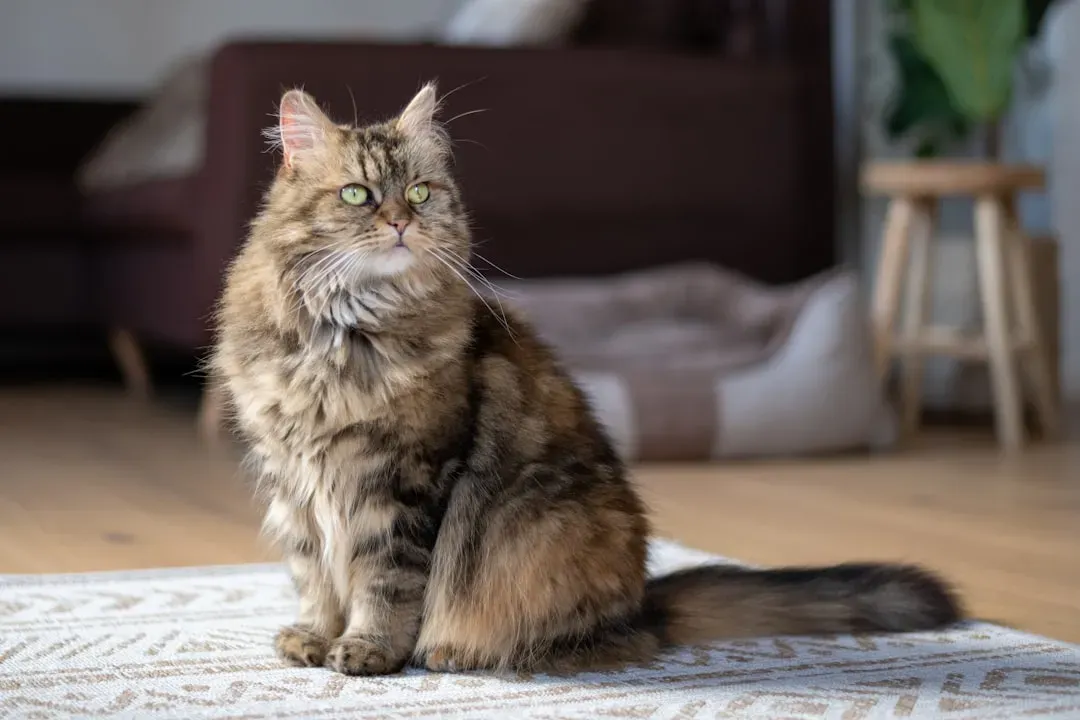
If you’re expecting a standoffish, aloof cat because of their imposing stature, prepare to be surprised. Despite their size and history, the Maine Coon cat is sweet tempered and gentle. Honestly, these cats often act more like dogs than typical felines.
This gentle giant is sure to be a pleasant addition to any household, getting along well in families with or without other pets and children. They’re curious without being destructive, playful without being hyperactive. They remain kitten-like throughout their lives, even as older cats, and they love their family but don’t crave attention like other breeds.
What really sets them apart is their intelligence. Maine Coons’ high level of intelligence means they pick up on new things quickly and can even be coaxed into playing fetch. Many owners swear their Maine Coons follow them from room to room, acting like furry supervisors overseeing household activities.
Their Unique Vocal Style
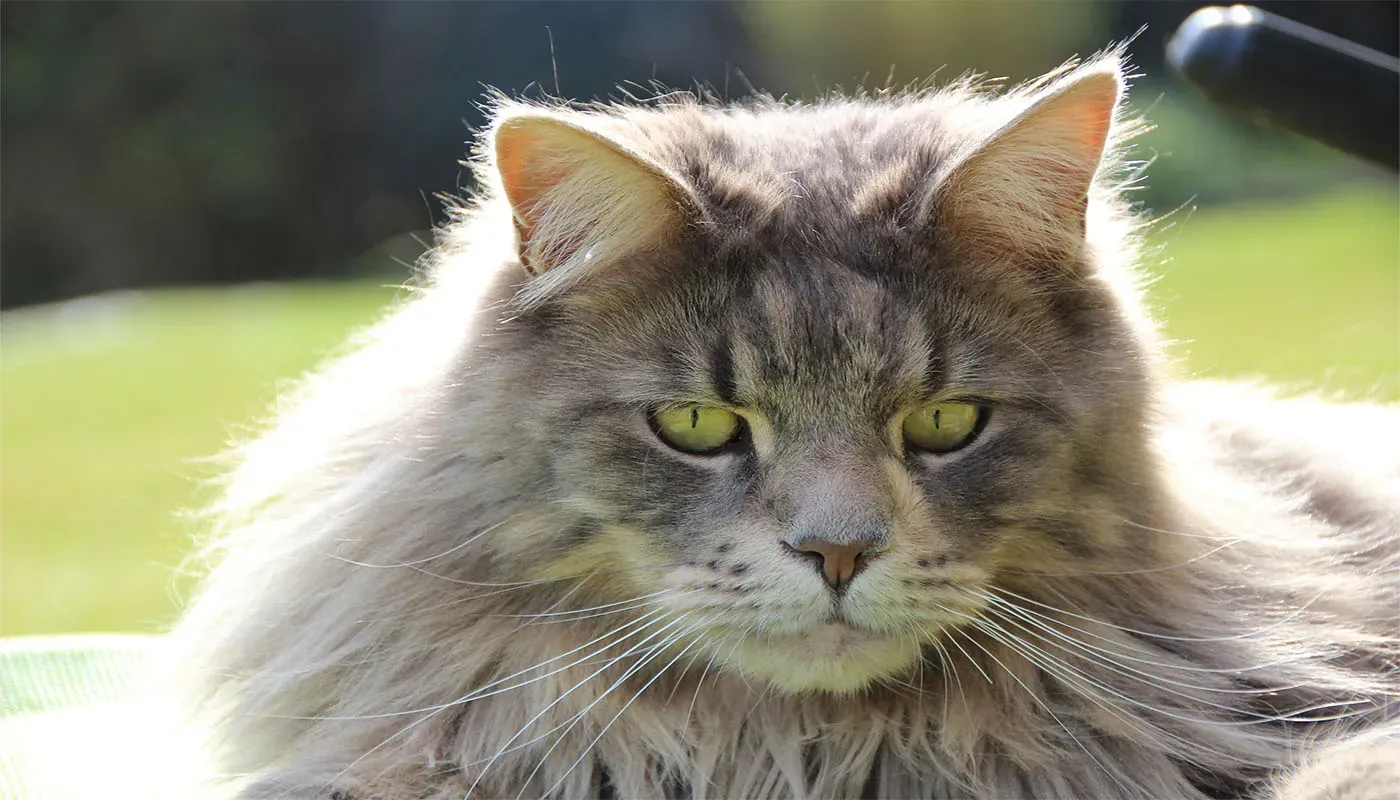
Perhaps the oddest part of their characteristics is their voice, which is not your typical meow like other cats; instead they make more of a chirping noise, as well as other noises like yowling. It’s one of those quirks that catches new owners off guard.
When they run, they can be quite loud, but their soft, quiet voice reassures you that this lion is truly a lamb. You might hear them trilling at birds through the window or chirping to get your attention when their food bowl is empty. These vocalizations are part of their charm and add to their surprisingly dog-like repertoire of behaviors.
Some Maine Coons are more talkative than others, but even the quieter ones will communicate their needs through these distinctive sounds rather than traditional meowing.
A Coat That Demands Attention
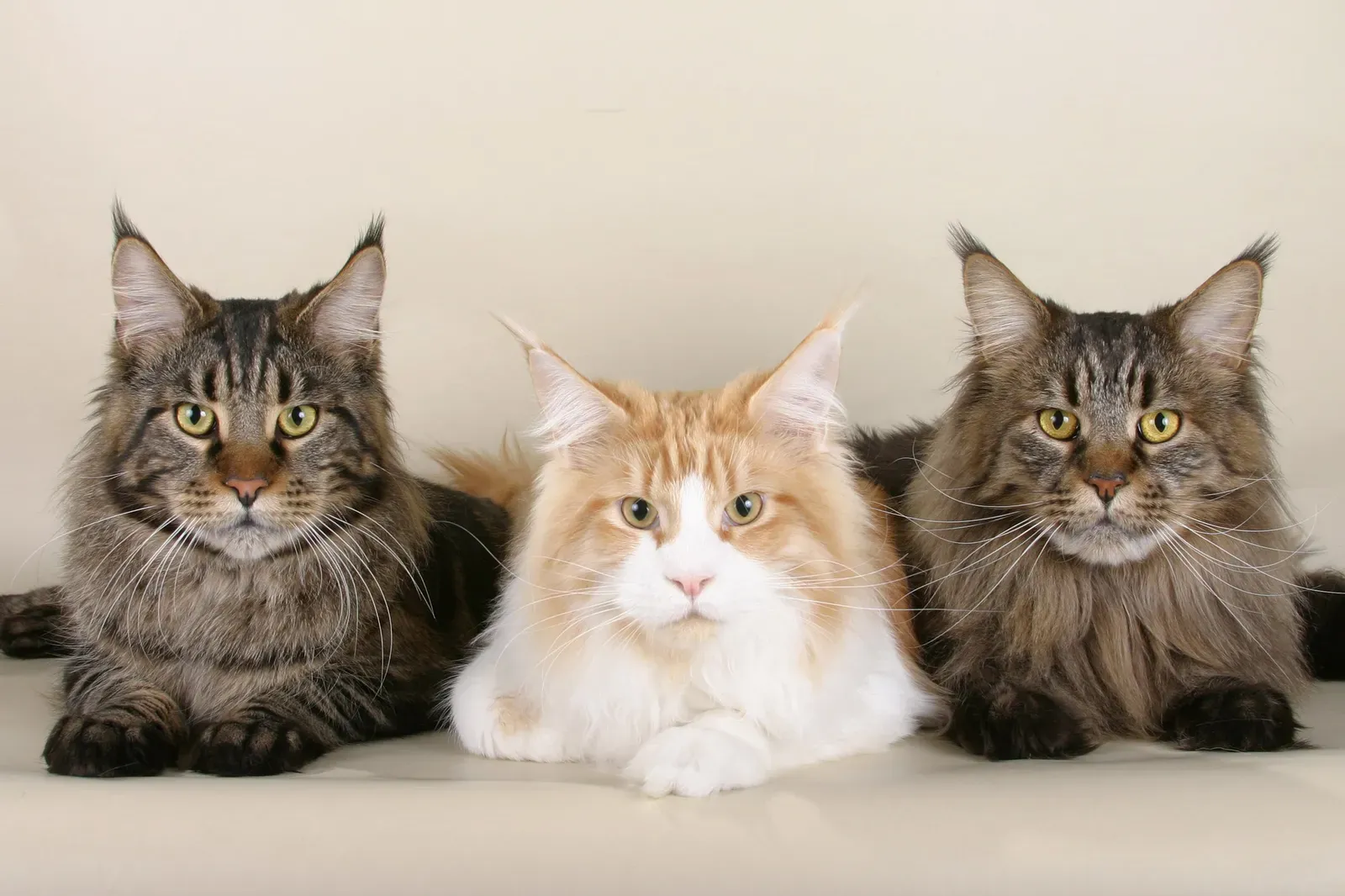
The coat of the Maine Coon is heavy but silky, and an interesting characteristic is that the coat is shaggy and drapes longer on the stomach and behind the legs but is shorter over the shoulders. This isn’t just a fashion statement. Their coat structure helps repel water and provides insulation during harsh weather.
Maine Coons have a dense, semi-long double coat designed for harsh winters, which means they shed year-round, with heavier seasonal moults in spring and autumn, and most owners will need to groom their cat two to three times per week. During peak shedding season, daily brushing becomes necessary to prevent tangles and reduce hairballs.
The grooming routine isn’t as overwhelming as you might think. There is no one size fits all grooming routine for all Maine Coon cats, and as a rule of thumb, aim for two to three brushing sessions per week, but increase the frequency to daily during shedding seasons. Starting early helps your cat get accustomed to the process, turning grooming sessions into bonding time rather than battles.
Those Show-Stopping Physical Features
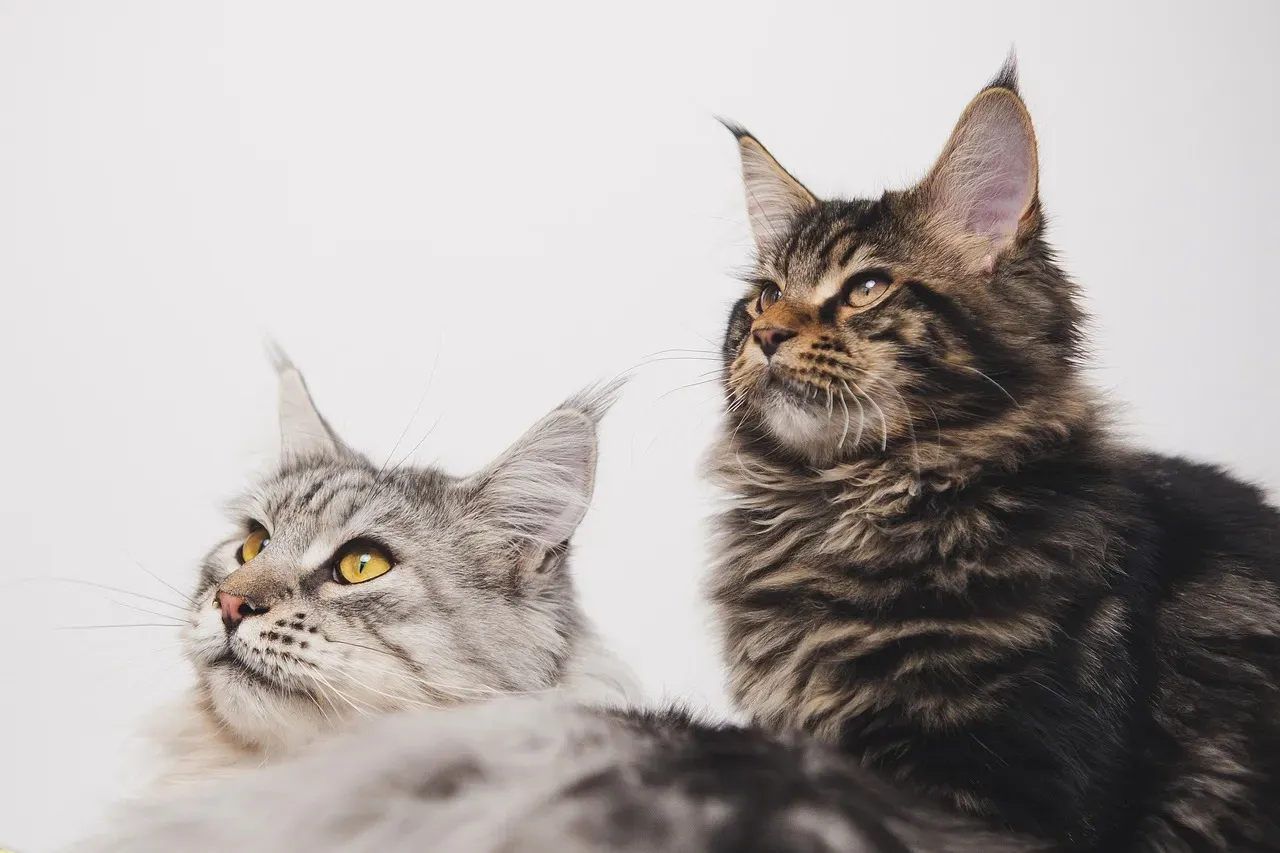
Beyond their size and coat, Maine Coons possess several distinctive physical traits. The most striking characteristic of Maine Coon cats is their one-of-a-kind ears which have adorable tufts on the edges, providing them a lovable look. These ear tufts give them that wild, lynx-like appearance that people find so captivating.
One of the most captivating features of the Maine Coon is its long, strong and fuzzy tail which sets it aside from all other breeds, providing warmth when it envelops the body, and the tail is its source of pride. Watch a Maine Coon walk past you with that magnificent tail held high, and you’ll understand why they seem to know they’re special.
Their paws deserve special mention too. Long tufts of fur growing between their toes help keep the toes warm and further aid walking on snow by giving the paws additional structure. Some Maine Coons are even polydactyl, meaning they have extra toes, which historically made them even better mousers and climbers.
Understanding Their Health Needs
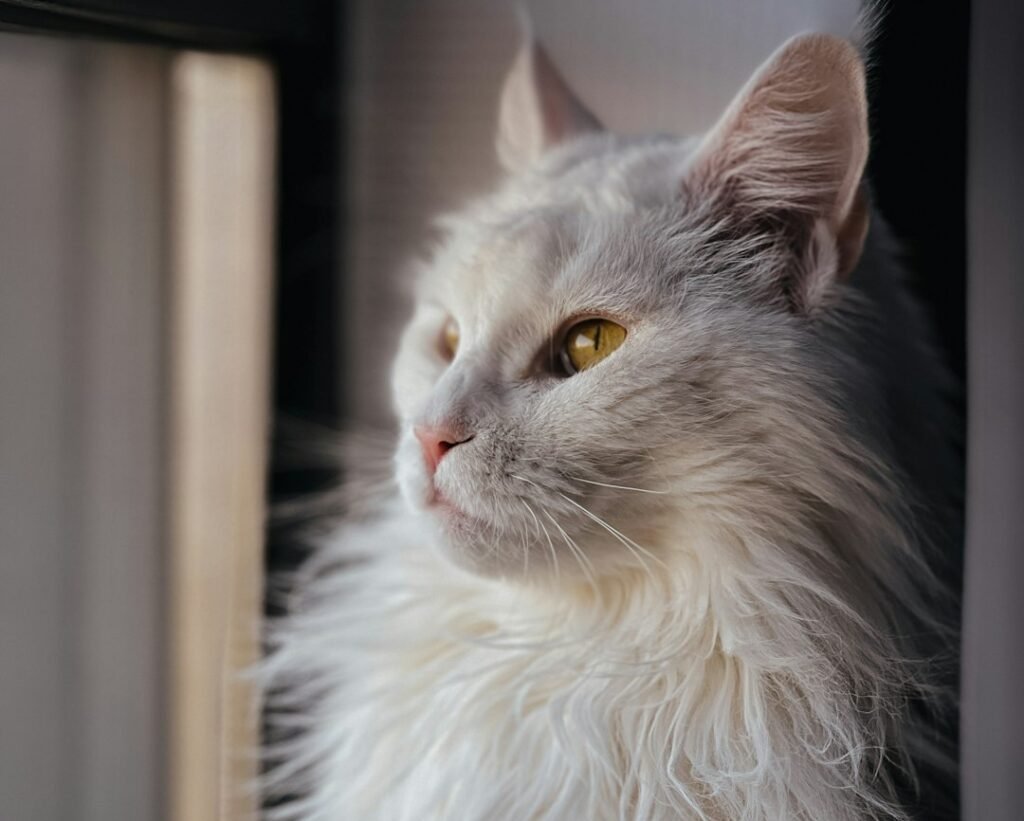
Maine Coon cats typically live between 12 to 15 years, although many healthy individuals reach 16 to 18 years with proper care. However, like many purebred cats, they’re predisposed to certain health conditions that responsible owners should know about.
Hypertrophic cardiomyopathy is the most common form of heart disease in cats, and Maine Coons can have a mutation in two genes that can cause this disease. Regular cardiac screenings become important as your Maine Coon ages. Due to their size, Maine Coons can develop hip dysplasia, where the hip joint doesn’t form properly, causing pain, stiffness, and reduced mobility.
The good news? Early detection makes a massive difference. Reputable breeders screen for genetic diseases, which reduces the risk significantly. Regular veterinary checkups, a high-quality diet, and maintaining a healthy weight all contribute to longevity.
Feeding Your Gentle Giant
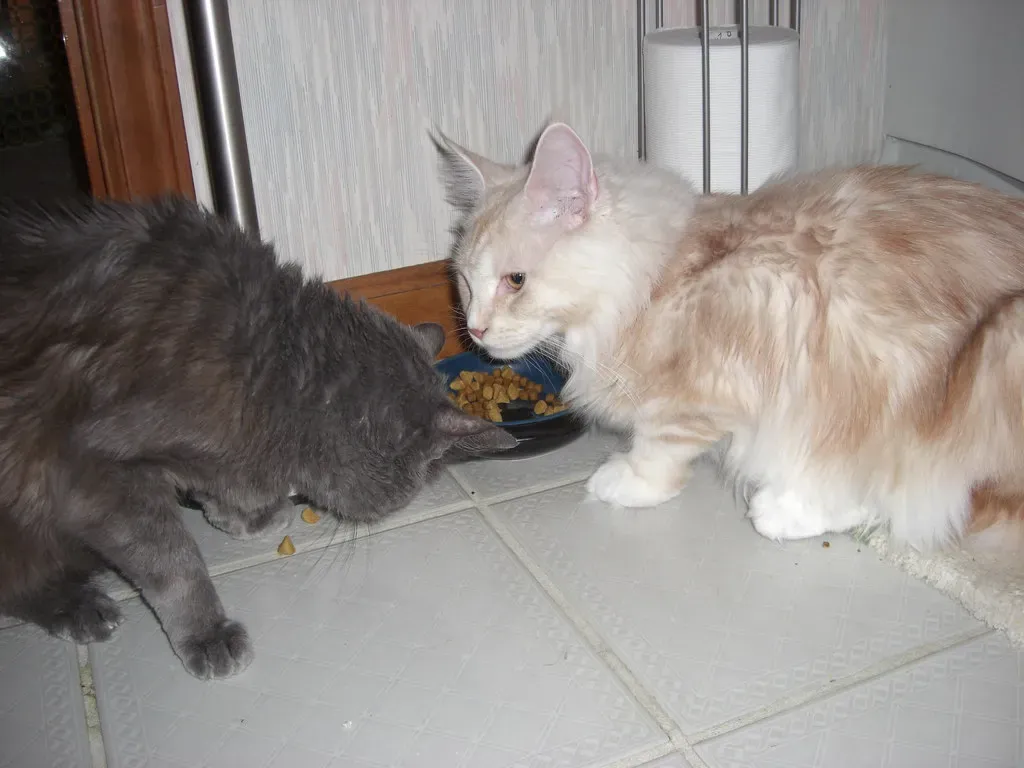
The Maine Coon’s nutrition should be carefully controlled, as this breed has a tendency to become soft or overweight if not carefully monitored. Their large frame and high energy levels mean they need more food than average cats, but overfeeding leads to obesity and related health problems.
Maine Coon cats are obligate carnivores needing to eat meat, and because they are high energy, they usually require more cat food than other breeds due to their size and how much energy they burn off while playing. Focus on high-protein, low-carbohydrate diets that support their muscular build.
Interestingly, Maine Coons also have a thing for water. Maine Coon cats like to drink a lot of water, so ensuring fresh, clean water is on hand at all times is essential. Many owners find their Maine Coons playing with water bowls or even joining them in the bathroom.
The Mysterious Origins Story
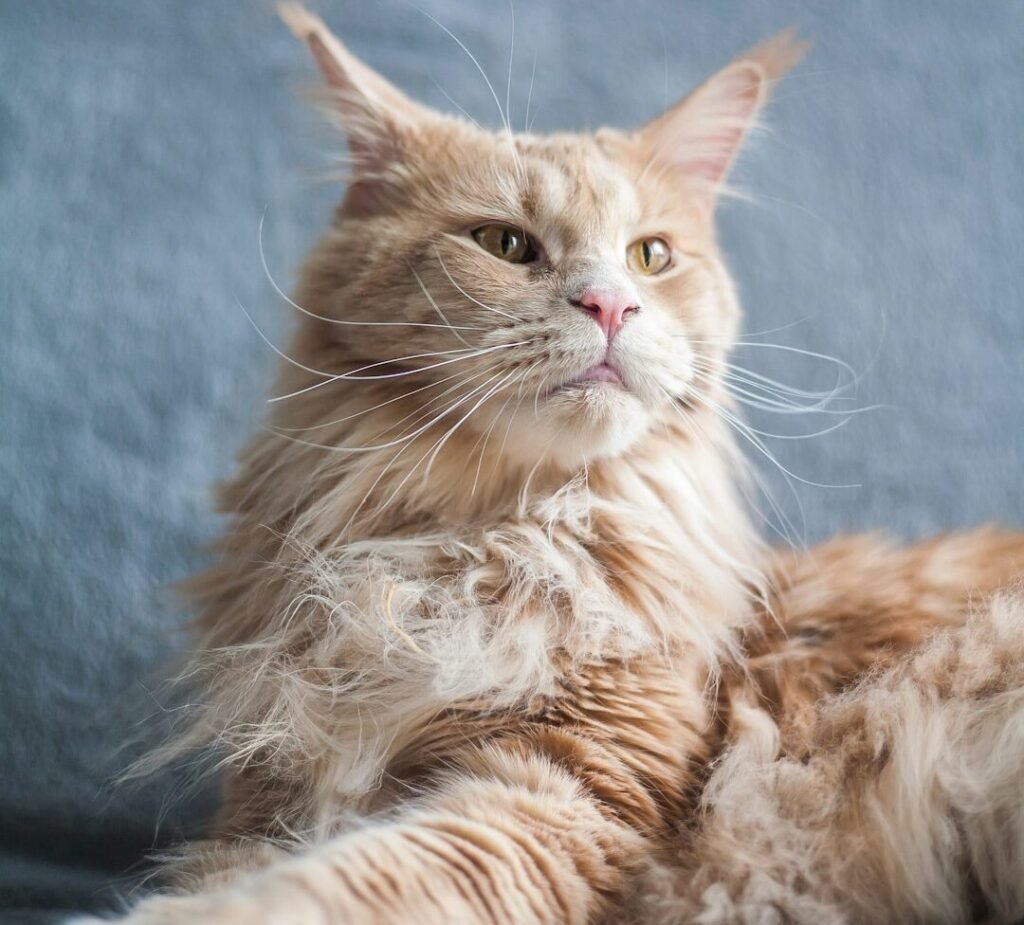
The Maine Coon is one of the oldest natural breeds in North America, originating in the U.S. state of Maine, where it is the official state cat. Yet their exact origins remain shrouded in folklore and speculation.
This breed probably was introduced by seamen who sailed into New England, and the cats they carried on their ships most likely left the ship, bred with existing native cats, and ultimately created a breed of their own. Maine Coons are descendants of cats brought to New England by Puritan settlers in the 1600s to 1700s, and their similarity to Norwegian and Siberian Forest cats comes from convergent evolution, as these breeds all formed in harsh climates with natural selection pressures for similar qualities.
The myths surrounding their origin are entertaining though. Some claim they resulted from cats breeding with raccoons (biologically impossible). Others suggest Marie Antoinette sent her Turkish Angora cats to Maine ahead of her failed escape from France. While these tales are dubious, they add to the breed’s mystique.
Their Rise, Fall, and Triumphant Return
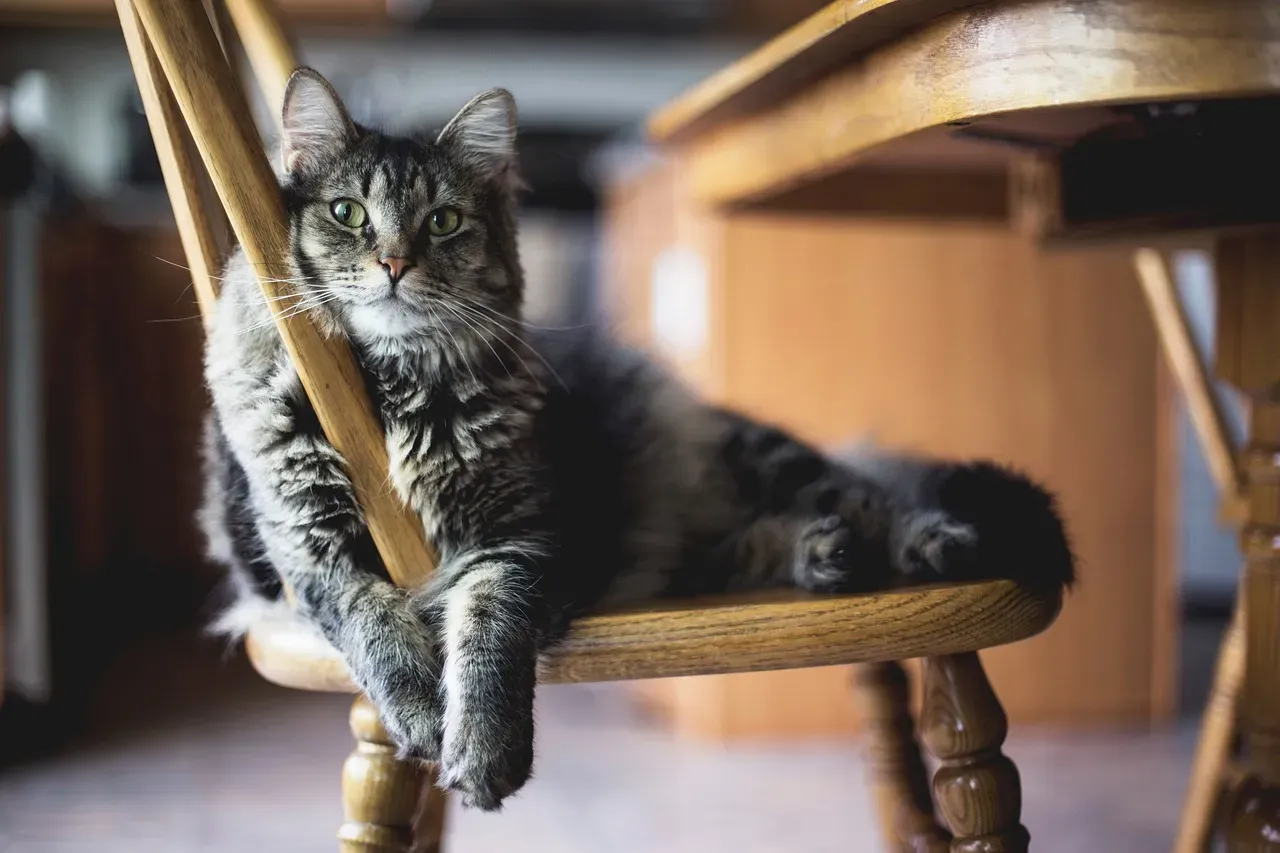
The show career for the Maine Coon cat began in New York in 1895 when the best cat award was given to a tabby Maine Coon named Leo, who kept winning at Boston cat shows until 1900. They were incredibly popular in the late 19th century.
Then came the decline. The breed was popular in cat shows in the late 19th century, but its existence became threatened when long-haired breeds from overseas were introduced in the early 20th century, and in 2025 the Maine Coon overtook the Ragdoll, becoming the most registered cat breed with the Cat Fanciers’ Association.
Their comeback story is testament to dedicated breeders who refused to let this magnificent breed disappear. Organizations like the Central Maine Cat Club worked tirelessly through the 1950s and 1960s to revive interest and establish breed standards. Today, Maine Coons enjoy immense popularity both in America and internationally.
Living With a Maine Coon
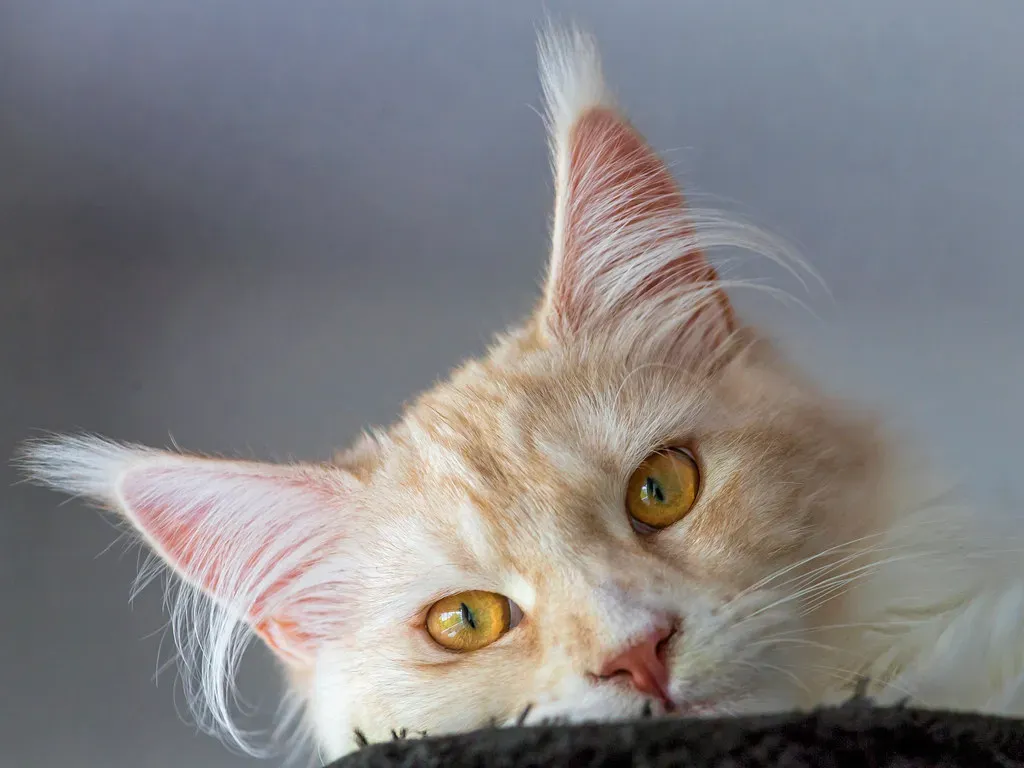
The Maine Coon must have adequate exercise, with cat trees and perches available and adequate running room, and she loves interactive play with every family member. These aren’t couch potato cats, despite their size suggesting otherwise.
The trademark Maine Coon personality will charm with quirky and silly behaviors, like following you in the shower, swimming in a tub, or singing to birds on the balcony. They’re endlessly entertaining, often surprising their owners with antics that seem more befitting of dogs than cats.
Space matters with Maine Coons. Their size means they need room to stretch out and move comfortably. They’ll appreciate tall cat trees where they can survey their domain and plenty of toys to keep their intelligent minds engaged. Many Maine Coons enjoy leash training and supervised outdoor time in secure spaces.
Why They’ll Steal Your Heart
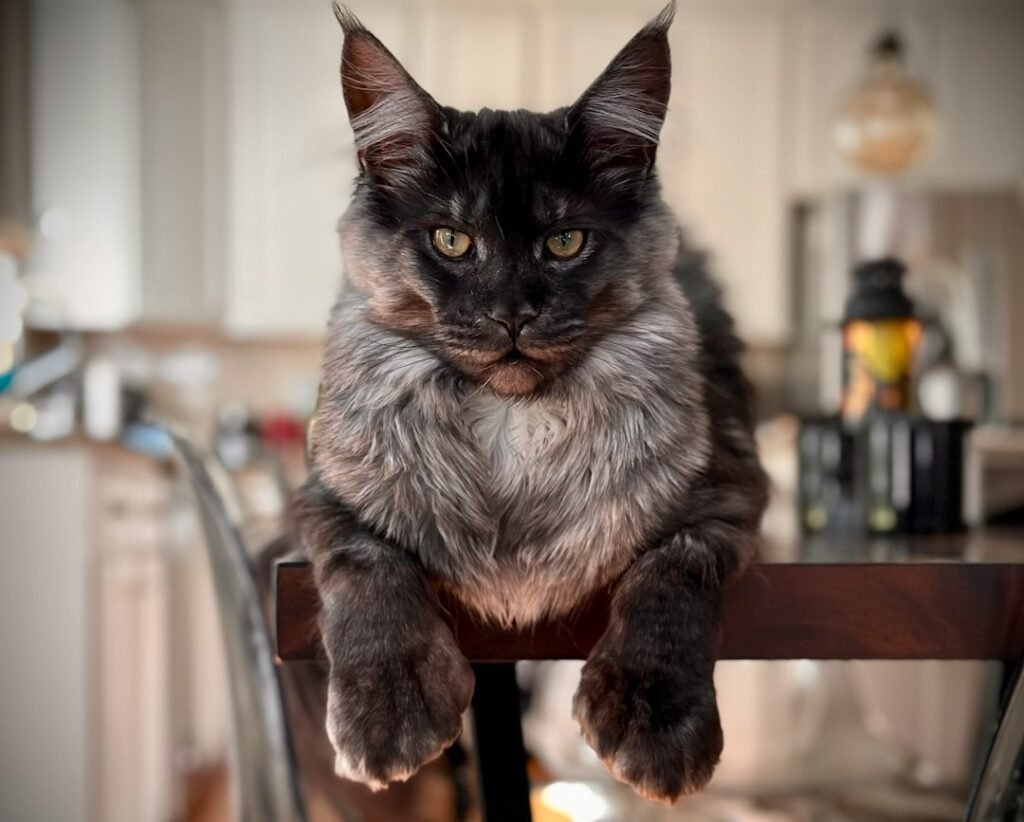
What makes Maine Coons truly special isn’t just one thing. It’s the combination of their majestic appearance, their gentle temperament, their playful intelligence, and those unexpected dog-like qualities. One of the key Maine Coon personality traits is loyalty, as they will often attach themselves to one person like a dog, and while they’re not generally a lapcat, they’re friendly, tactile and affectionate.
They’re the kind of cat that greets you at the door, follows you from room to room, and genuinely seems to care about what you’re doing. They’ll supervise your work, inspect your groceries, and offer commentary through their distinctive chirps and trills. Yet they’re not demanding or needy. They simply want to be near you, participating in daily life.
Maine Coon cats have kittenish personalities throughout their lives, they’re affectionate, intelligent, and trainable, and because of this, many people consider Maine Coon personalities to be similar to that of dogs. This combination of feline grace and canine devotion creates something truly remarkable.
If you’re considering adding a Maine Coon to your family, prepare for a long-term commitment. These cats take three to five years to reach full maturity, and with proper care, they’ll be your companion for 12 to 15 years or more. The grooming requirements and potential health considerations require dedication. Yet for those willing to invest the time and care, Maine Coons offer rewards that far exceed the effort. They’re not just pets; they become genuine family members who leave paw prints on your heart that last a lifetime. What do you think about these magnificent gentle giants?