There is a cat out there that makes people stop in their tracks. You see one at a cat show, or maybe in a friend’s living room, and your brain does a double-take. Is that a small wildcat? A dog? A very fluffy raccoon? No. It is a Maine Coon, and once you meet one, absolutely nothing else compares.
These extraordinary animals carry centuries of American history in their DNA, a personality that honestly puts most other pets to shame, and a physical presence that belongs more in a wildlife documentary than on a couch cushion. There is so much to discover about this breed, from their murky, folklore-drenched origins to their astounding record-breaking size, their almost supernatural social intelligence, and the very specific care they need to thrive. So let’s dive in.
A History Wrapped in Mystery and Myth
Here’s the thing about the Maine Coon’s origin story: nobody agrees on a single version, and honestly, that makes it even more fascinating. Maine Coon cats are known to have originated in Maine, yet their lineage is surrounded by mystery, folk tales, and myths. One of the most colorful legends suggests a romantic entanglement between a raccoon and a domestic cat, which is, to be clear, biologically impossible. Before it was realized that the combination was genetically impossible, the bushy ringed tails of brown tabby Maine Coon Cats prompted a theory that cats had mated with raccoons, hence the “Coon” part of the breed’s name.
The more credible scientific story is actually just as compelling. Maine Coons are descendants of cats brought to New England by Puritan settlers in the 1600s and 1700s, and out of the European cats they are genetically closest to cats found in the United Kingdom. It is not relatedness that makes them look similar to the Siberian and Norwegian Forest Cats, but convergent evolution – these breeds all formed in harsh climates, in which natural selection pressured for similar qualities. Think about that for a moment: the same brutal environment independently shaped the same powerful, fluffy, tufted design on multiple continents. Nature’s blueprint for cold-weather survival, written in fur.
From Farm Workhorse to Show Ring Champion
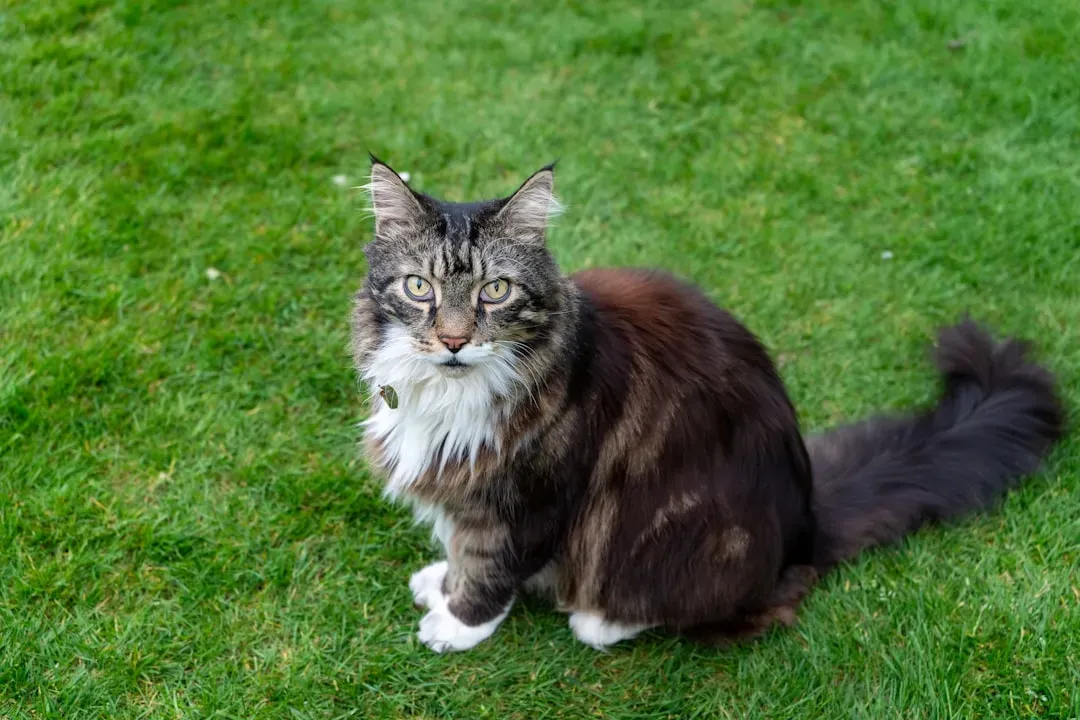
The Maine Coon is a heavily boned, muscular cat. Originally an outdoor cat, she later became a working breed who kept barns and homes clear of rodents. You could say they earned their keep long before anyone thought to put them on a velvet cushion. Maine Coons were historically a favorite breed in the Northeastern corner of the United States because of their robust and hearty build, perfect for colder northern climates. They were also popular for being great mousers and prized for their beauty.
On May 8, 1895, the first North American cat show was hosted at Madison Square Garden in New York City. A female Maine Coon brown tabby named Cosey was entered into the show. Owned by Mrs. Fred Brown, Cosey won the silver collar and medal and was named Best in Show. That win remains one of the most celebrated moments in American cat history. In the early 20th century, the Maine Coon’s popularity began to decline with the introduction of other long-haired breeds, such as the Persian. The last recorded win by a Maine Coon in a national cat show for over 40 years was in 1911 at a show in Portland, Oregon. The breed was rarely seen after that.
The Glorious Comeback: America’s Cat Reclaims the Throne
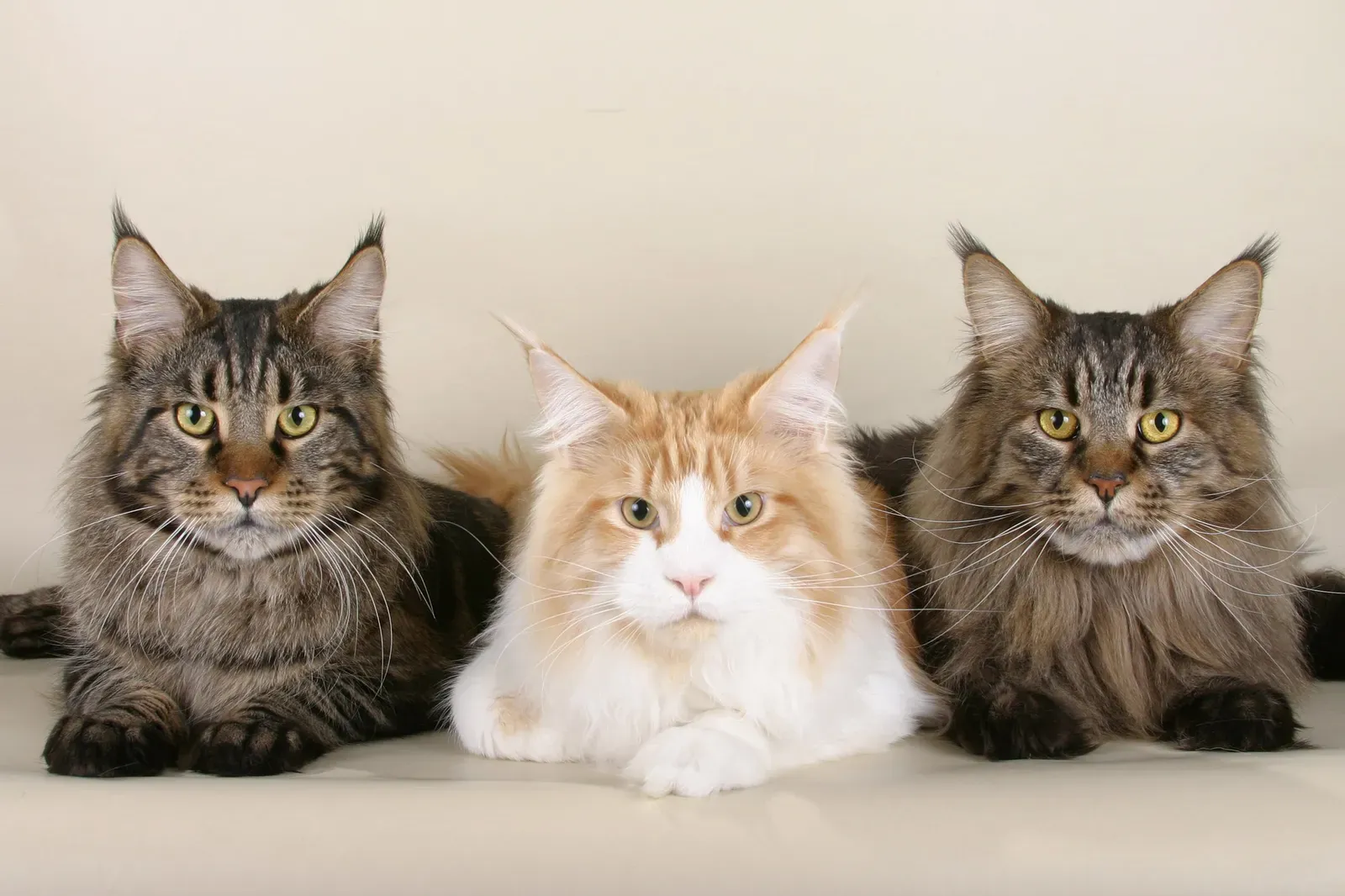
Although Maine Coon Cats have numbered among the top ten breeds registered by the CFA for many years, there was a time when they disappeared from show halls. In the early 20th century, other long-haired breeds rose to prominence and Maine Coon Cats faded into the background. In the 1960s and 70s, breeders became determined to achieve full recognition by the CFA, and in 1976, the breed earned Championship status. That was the turning point. A genuine cat comeback story.
Fast-forward to today, and the numbers are staggering. In 2025, the Cat Fanciers’ Association officially announced that the Maine Coon has surpassed the Ragdoll to become the most registered pedigree cat in the world, showing that more families and breeders are choosing Maine Coons than ever before. Total registrations of Maine Coons grew from 9,513 to 24,160 between 2015 and 2024, more than doubling in less than a decade. I think it’s safe to say this breed has more than made up for lost time.
Size That Stops You Cold: The Physical Marvel of the Maine Coon
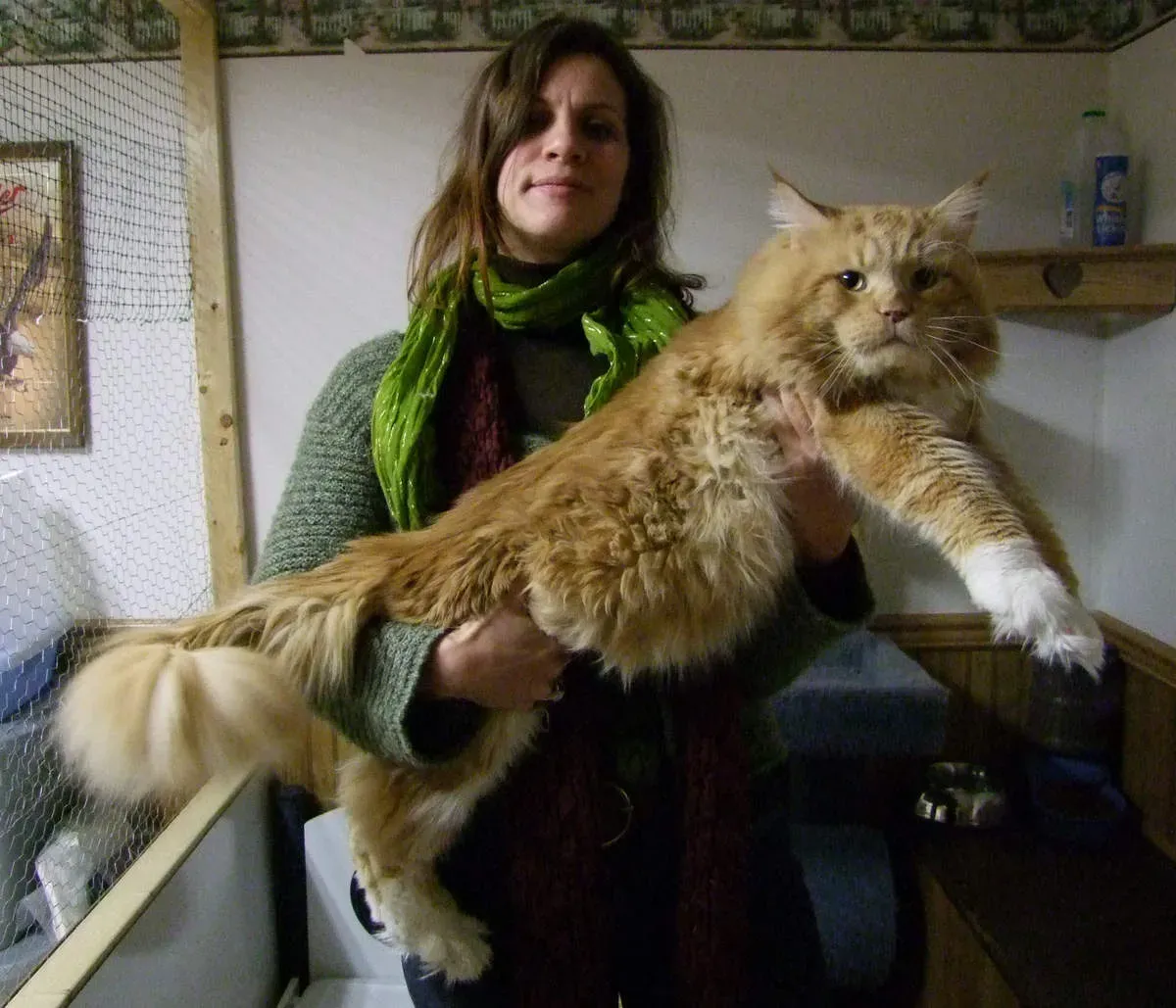
Let’s be real: the first thing you notice about a Maine Coon is the sheer scale of the animal. The Maine Coon Cat is widely considered the largest domestic cat breed, commonly stretching to over 40 inches in length. According to the Guinness Book of World Records, the longest domestic cat ever was Stewie, a Maine Coon measuring 48.5 inches in length. That is over four feet of cat. For context, that is roughly the height of a seven-year-old child.
Females are typically somewhat smaller at 12 to 15 pounds, but still larger than average for a cat. Males are quite large with healthy weights that are usually around 18 to 22 pounds. Maine Coons are slow-growing cats. Between one and four years old, they can gain an additional 3 to 7 pounds as they fully mature. They have a large, heavy bone structure, which makes them look even bigger than other cats of the same weight. Watching one of these cats grow is like watching a kitten that simply refuses to stop becoming more impressive.
A Coat Built for Winter: Physical Features and Stunning Appearance
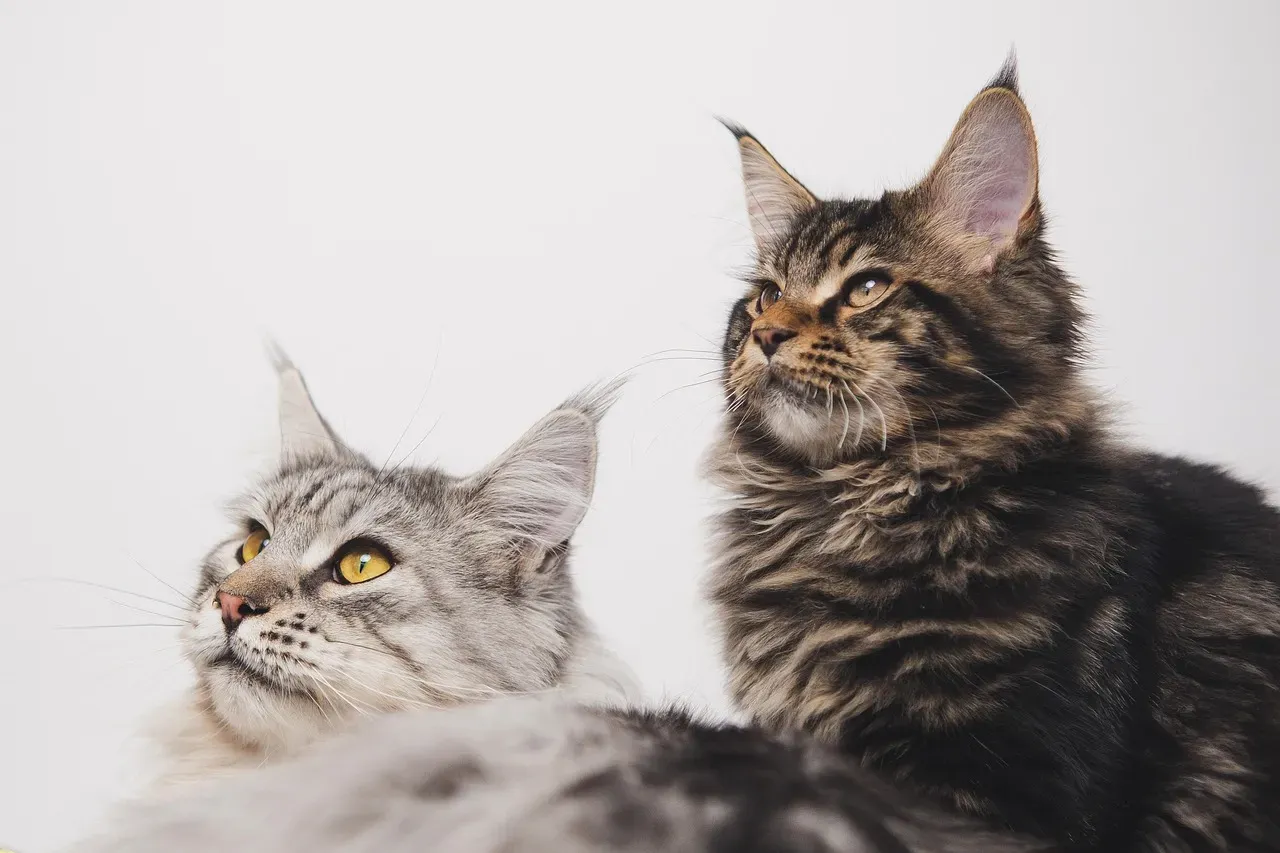
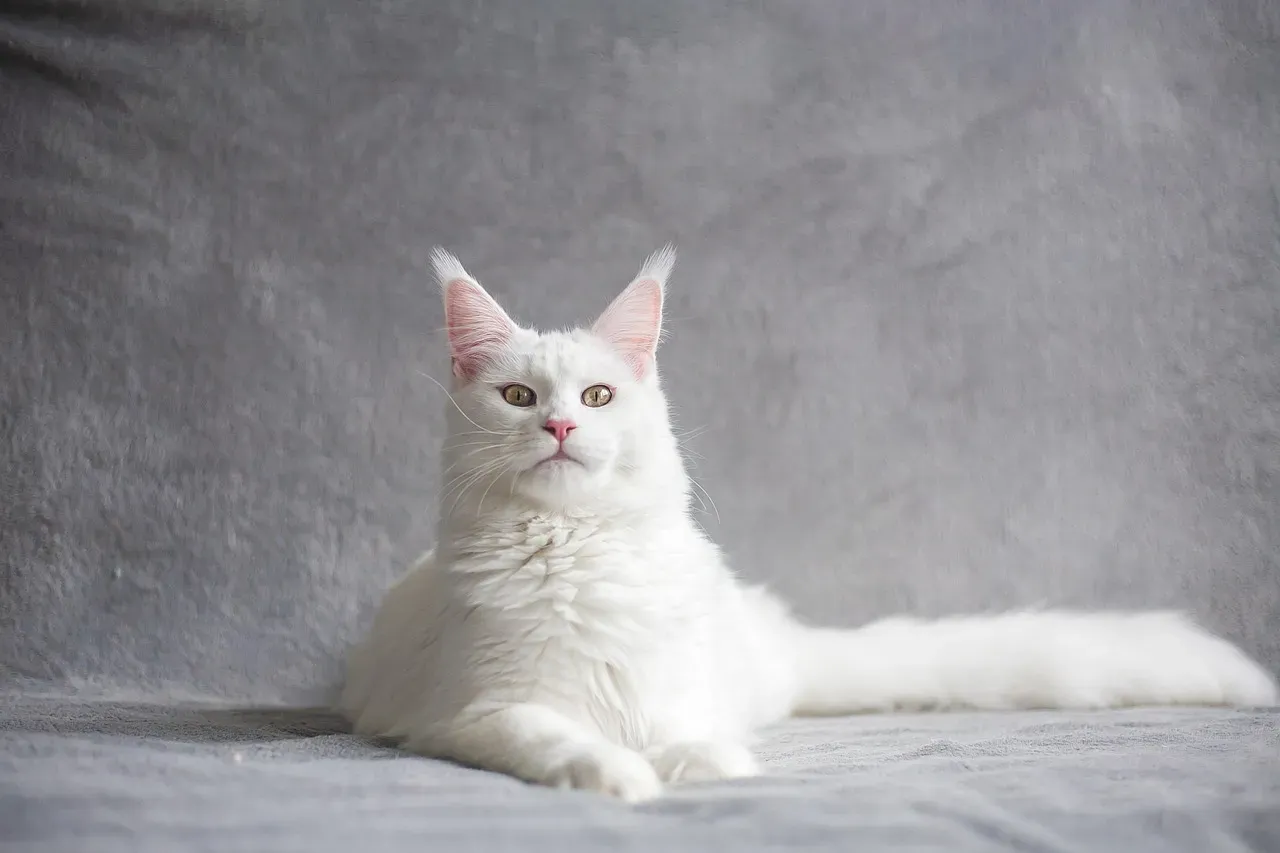
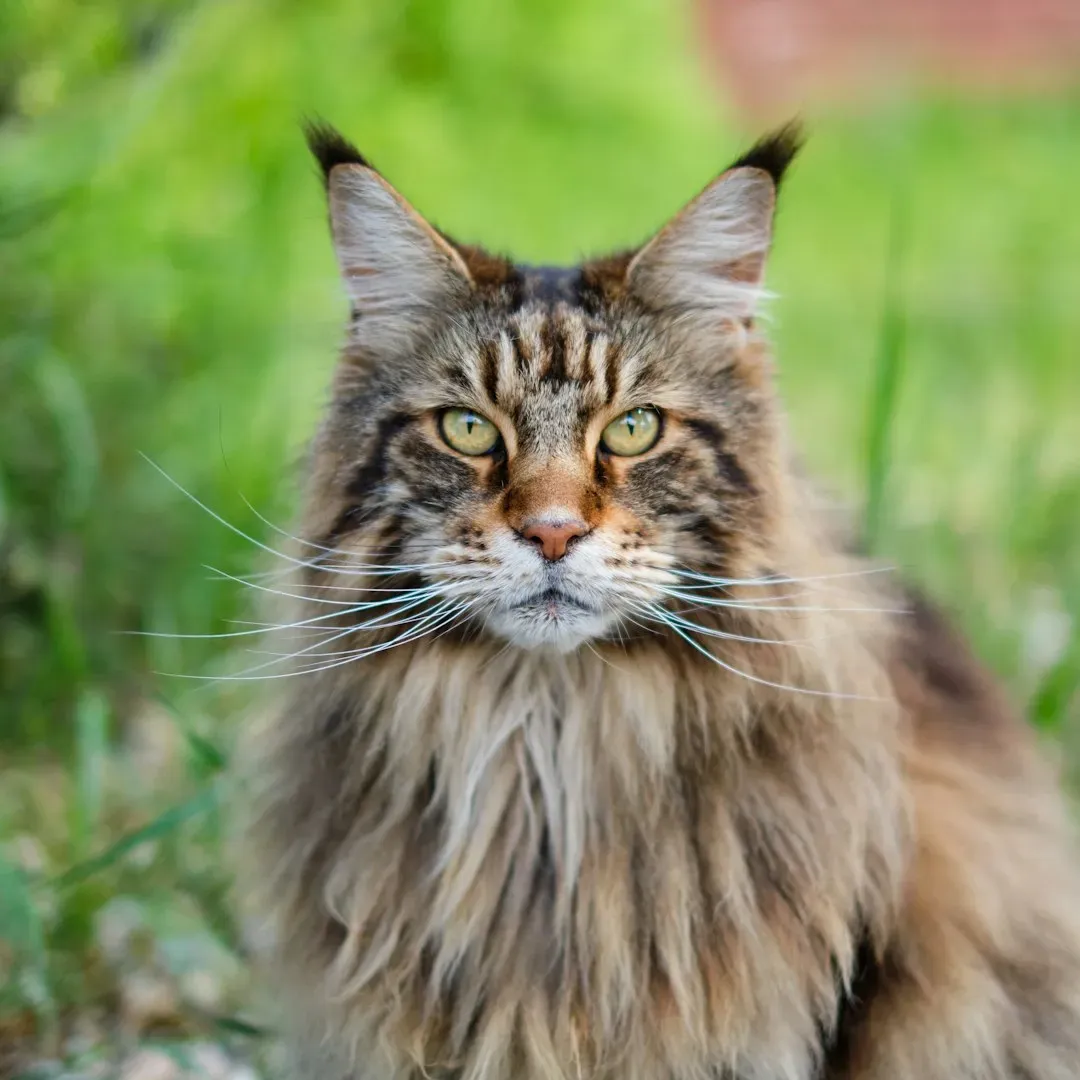
An adult Maine Coon Cat will have a thick, luxuriant coat that is shorter at the shoulders, longer on the sides, stomach and back legs, and culminating in a dramatically long plumed tail. The head is rectangular in shape, the muzzle square and strong, and a gently concave profile connects the two. Ears are dramatically large, typically with prominent tufts, and the cat’s intelligence shines forth in its large, expressive eyes.
They commonly sport a fluffy, Shakespearean-collar style neck ruff and full, bushy tails. They have massive paws with tufts of fur that traditionally acted as a kind of natural snowshoe. Maine Coons come in a variety of colors and patterns. You can find solid white, cream, red, blue, and black Maine Coons, as well as tabby, bi-color, parti-color, tortoiseshell, shaded, and calico Maine Coons. No two look quite the same, which is part of what makes them so endlessly captivating.
The Personality That Wins Every Single Person Over
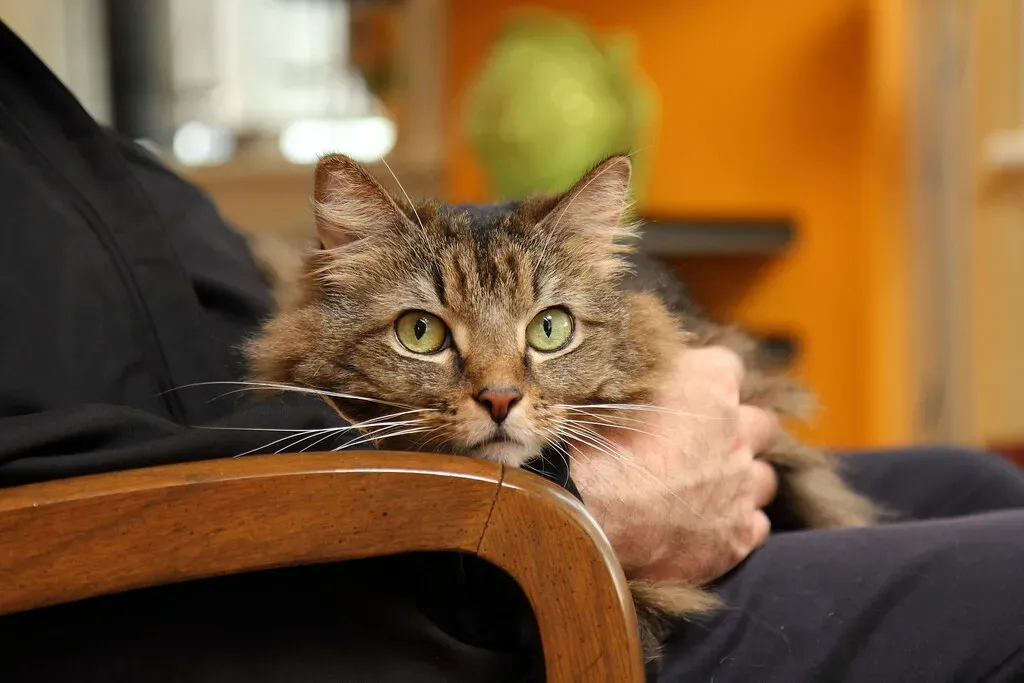
Affectionate but not needy, a Maine Coon shows curiosity in what you’re doing but is also talented at entertaining themselves. With low to medium energy, this breed is content to cuddle up next to their people or practice their mousing skills with toys. They can be very outgoing and affectionate, especially when it comes to the humans they love most. They are often described as “dog-like” because of their loyalty and trainability.
Maine Coons tend to think of themselves as pack animals, which makes you and your family their pack mates. These gentle giants want to be involved in everything you do, no matter where you might be. Though they may not want to sit on your lap, your cat will want to snuggle up next to you as you lounge on the couch or try to sleep in your bed. Their daily conversation may include chirps, trills, and purrs as well as an occasional meow, but they are not considered a talkative breed. Honestly, the chirping alone is enough to make you completely obsessed.
Intelligence, Trainability, and That “Dog-Like” Reputation
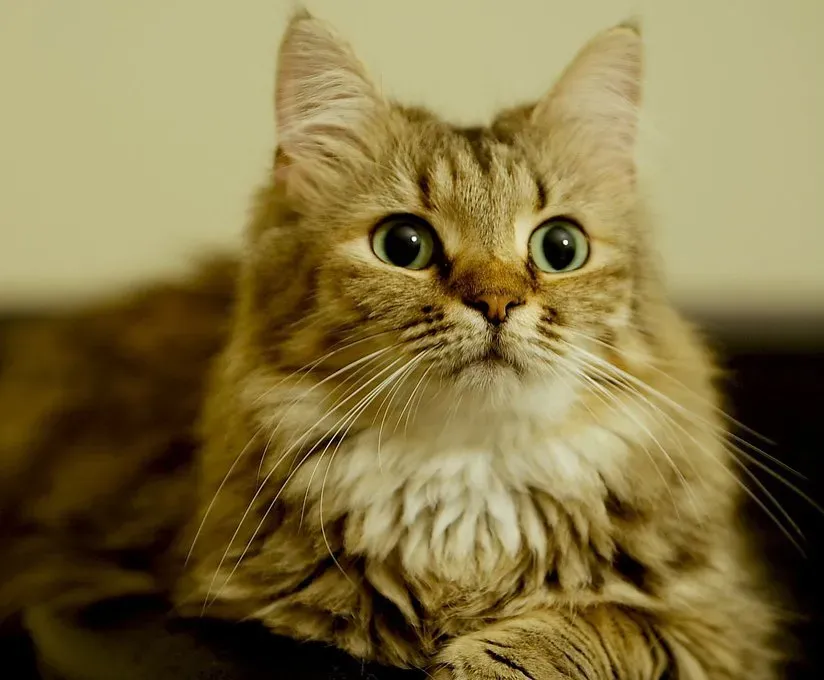
Maine Coon Cats are sociable, loyal, and like many breeds that were formerly working cats, quite intelligent. Just as their ancestors figured out where mice were hiding, today’s Maines can deduce exactly where you have hidden a preferred toy and unearth it to continue a game. This is not your average sit-and-be-admired kind of cat. This is a cat that figures things out.
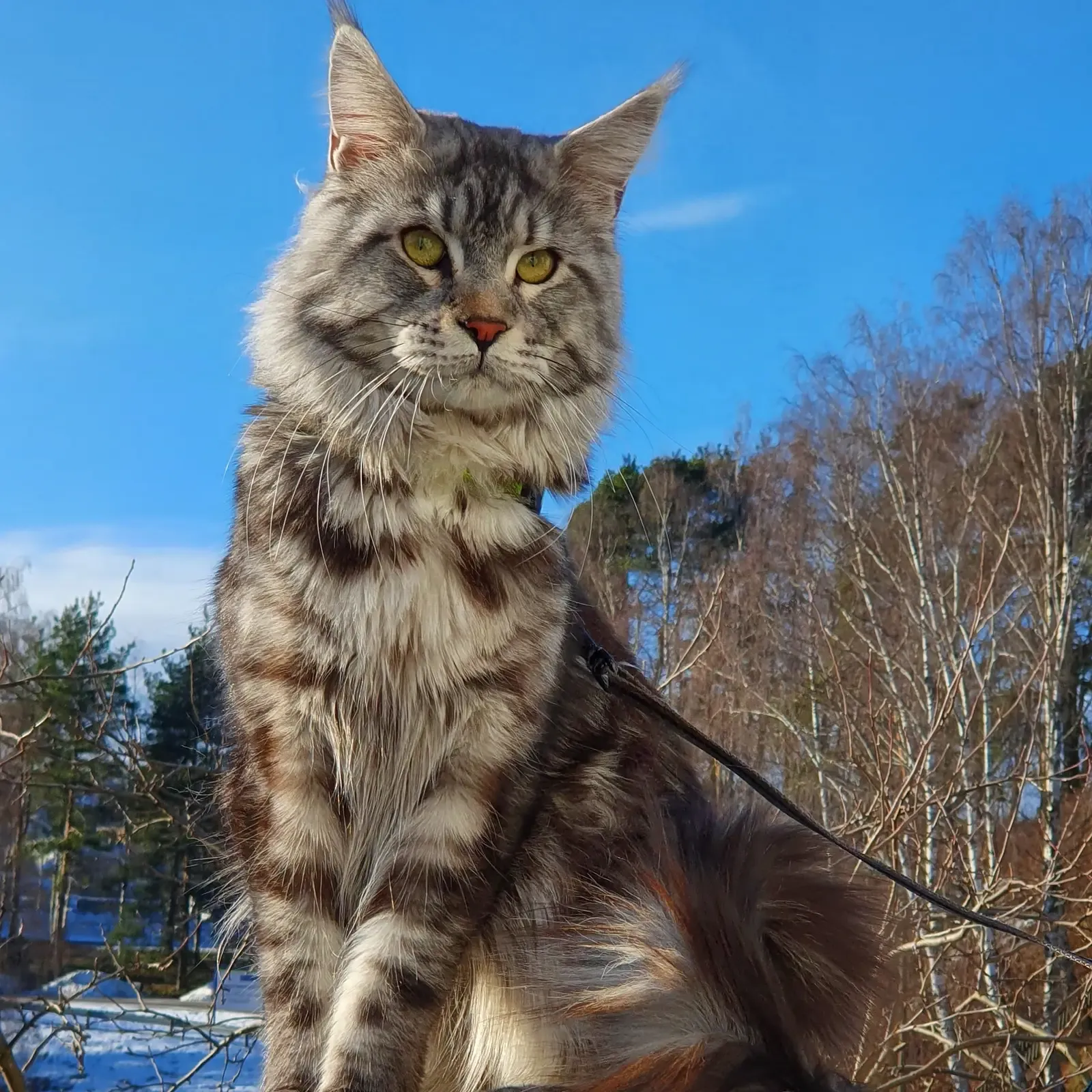
One of the Maine Coon’s unique traits is that this breed is trainable. Much like dogs and humans, Maine Coons are creatures of habit. By linking expected behaviors to pleasant things, like treats, you can train your cat to do a variety of things, including wearing a harness and leash. Your Maine Coon’s high level of intelligence means they pick up on new things quickly and can even be coaxed into playing fetch. Yes, fetch. With a cat. I know it sounds crazy, but it is completely real with this breed.
Grooming, Diet, and Daily Care: What You Really Need to Know
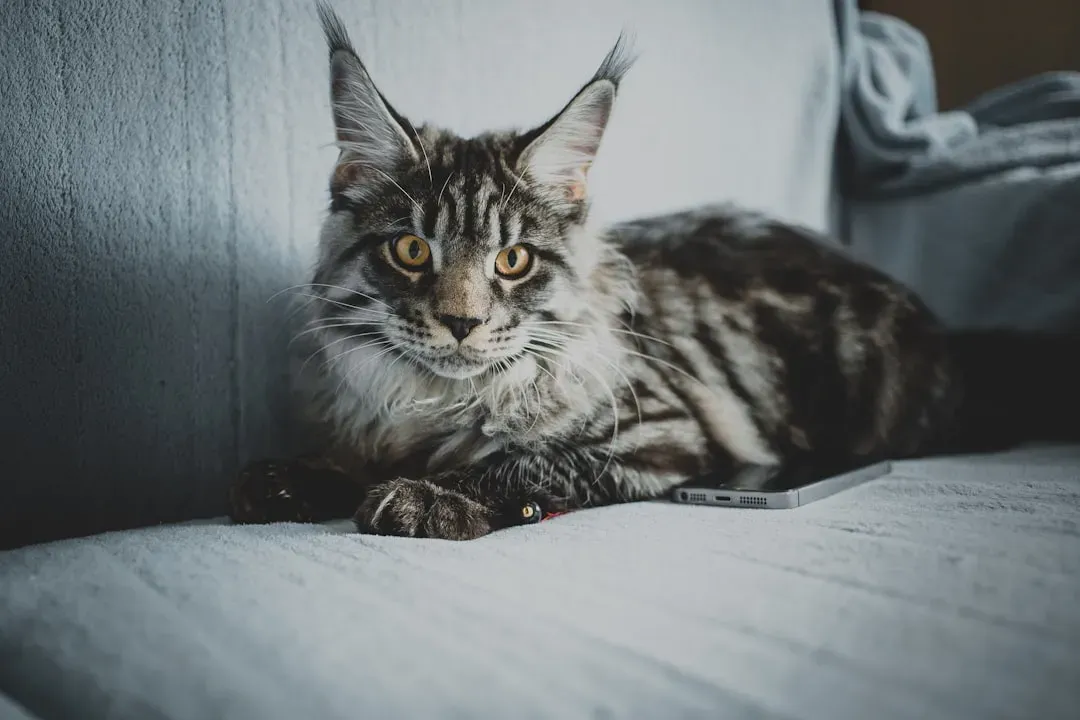
Maine Coon cats have thick, long coats that can become oily or matted without routine grooming. If you notice excessive oil in your cat’s fur, it might be time for an at-home bath. Most Maine Coon cats are open to the occasional bath, especially if introduced to bathing when young. To control shedding, prevent hairballs, and protect against matting, breeders recommend combing your Maine Coon two or three times a week. These grooming sessions need not take longer than five or ten minutes and will keep the shaggy coat looking its best.
Maine Coon cats are obligate carnivores. Feed them high-quality food that has a high protein content of 50% or more, two to four times a day. Maine Coon cats have the longest whiskers of any domestic cat breed, so they prefer extra-wide food and water bowls to prevent whisker fatigue. Little details like that matter more than you might think. Getting your Maine Coon’s environment right from the start sets them up for a genuinely happy life.
Health Watch: What Every Maine Coon Owner Should Know
Hypertrophic cardiomyopathy is a common heart condition in Maine Coons, affecting the heart muscle and reducing its efficiency. Early diagnosis is key to managing this condition. Hip dysplasia is another concern and can lead to joint problems. Keeping your Maine Coon at a healthy weight and encouraging regular activity can help reduce joint strain. These are serious conditions, but they are manageable with the right proactive approach.
Gingivitis is inflammation of the gums and is considered the earliest stage of dental disease in cats. Maine Coon cats may be at risk of developing feline juvenile gingivitis when they’re as young as 6 months old. Brushing your cat’s teeth daily and scheduling routine veterinary exams are the most effective ways to prevent dental disease. The breed has an average lifespan between 9 and 15 years. However, Rubble, the oldest Maine Coon ever on record, was also believed to be the oldest living cat when he passed away in 2020 at the ripe age of 31. With the right care, these cats can be lifetime companions in the truest sense.
Conclusion: Life Is Simply Better with a Gentle Giant
The Maine Coon is not just a cat breed. It is an experience. You bring one home thinking you are getting a pet, and somewhere along the way you realize you have gained a companion who follows you to every room, chirps at birds from the window, supervises your remote work meetings, and makes everyone who visits immediately want one of their own. The Maine Coon is more than just a popular cat. It is a breed that combines beauty, intelligence, and a loving nature.
If you are considering welcoming one of these incredible animals into your life, go in with eyes open. They need regular grooming, thoughtful nutrition, plenty of play, and a whole lot of your time and attention. Give them all of that, and they will give you something rare: the kind of loyal, warm, endlessly entertaining companionship that most people associate only with dogs. The Maine Coon is a beautiful and loving cat that you will treasure having in your life. Social by nature, they make excellent companions for large, active families of all ages that also enjoy having dogs and other animals. So tell us, after everything you have just read, are you already looking up breeders? We would not blame you for a second.