
Have you ever looked at your cat and wondered if you’re truly giving them the life they deserve? You’re not alone. So many cat owners—both new and seasoned—have moments where regret seeps in, whether it’s about a rushed decision or a missed opportunity for their furry friend. Sometimes, it’s the little oversights that haunt us: the vet appointment skipped, the toy never bought, the affection left unshared. Owning a cat can be a journey full of both joy and unexpected challenges, and it’s easy to trip up along the way. But what if you could dodge the most common regrets before they even happen? Let’s talk about the pitfalls most cat lovers stumble into and, more importantly, how to sidestep them for a happier, healthier companionship.
Not Researching the Breed or Temperament

Many people fall in love with a cat based on looks alone, only to discover later that their new companion’s personality doesn’t fit their lifestyle. Some breeds are fiercely independent, while others crave constant attention. For example, Siamese cats are known for being vocal and social, which can overwhelm someone seeking a quiet roommate. It’s also easy to overlook important details like grooming needs or health predispositions. This regret often surfaces when the reality of daily care sets in, leading to frustration on both sides. Taking the time to research and ask breeders or shelters about temperament can save you hours of heartache. Think of it as matchmaking with fur: the right fit makes all the difference. Always ask yourself, “Does this cat’s energy and needs match my routine?”
Underestimating the Financial Commitment

Cats may seem low-maintenance, but their costs add up fast. Food, litter, toys, routine vet visits, and surprise health issues can quickly stretch a budget. Many owners regret not planning for these expenses, especially when faced with an unexpected surgery or chronic illness. It’s not just about the startup costs—cats live for well over a decade, and their needs change as they age. Skimping on regular care can lead to bigger bills down the road. Budgeting ahead of time, and even setting aside an emergency fund for your feline, can mean the difference between stress and peace of mind. Remember: a healthy cat is a happy cat, but that comes with a price tag.
Skipping Early Socialization

Kittens are blank slates, and those first weeks are crucial for shaping their confidence and friendliness. Owners often regret not exposing their young cats to a variety of people, sounds, and environments. The result can be a shy or fearful adult cat who hides from guests or panics during car rides. Early socialization doesn’t mean overwhelming them; gentle, positive introductions work best. Simple acts like handling their paws or taking them for short car rides can build resilience. Missing this window can make future vet visits or travel a nightmare. It’s far easier to raise a bold, adaptable cat than to fix fearful behaviors later.
Neglecting Regular Vet Visits

Many cat owners skip annual checkups, believing indoor cats are immune to illness. This is a big regret when subtle health issues go unnoticed until they become serious. Cats are masters at hiding discomfort, so problems like dental disease or kidney trouble can sneak up. Regular vet visits catch these early, saving both money and heartache. Vaccinations and parasite control are also critical, even for strictly indoor cats. If the idea of wrestling your cat into a carrier fills you with dread, you’re not alone—but avoiding the vet only sets you up for bigger worries later. Preventive care truly is an act of love.
Ignoring Dental Health

It’s easy to overlook your cat’s teeth—after all, how often do you see them? But dental disease is one of the most common and painful issues for cats. Many owners regret not brushing their cat’s teeth or providing dental treats, only to face expensive cleanings or extractions later. Bad breath, drooling, and loss of appetite are often the first signs, but by then the discomfort has set in. Starting a dental routine early can save your cat from pain and you from hefty vet bills. Even if your cat resists, persistence pays off. A healthy mouth really is the gateway to a healthy cat.
Feeding an Inappropriate Diet

Choosing the right food for your cat is more complicated than picking the prettiest bag at the store. Some owners regret feeding low-quality kibble or failing to address special dietary needs, leading to obesity or health issues. Cats are obligate carnivores, and their bodies require specific nutrients found in meat. Grain-heavy diets or excessive treats can wreak havoc on their health. Consult your vet about the best food for your cat’s age, weight, and medical history. Transitioning to a balanced, vet-recommended diet can make a world of difference and help your cat live a longer, more energetic life.
Letting Cats Roam Outdoors Unsupervised

The romantic idea of a cat prowling the neighborhood is tempting, but many owners regret allowing unsupervised outdoor access. Outdoor cats face risks from cars, diseases, and predators. Many also become lost or injured, leaving owners heartbroken. Cats are natural explorers, but the dangers are real. Creating a “catio” or using a harness for supervised outdoor time can offer the best of both worlds. Indoor cats can be just as happy and far safer with enough enrichment. When it comes to outdoor access, it’s better to be safe than sorry.
Not Providing Enough Mental Stimulation

Bored cats often turn to mischief—clawing furniture, attacking ankles, or meowing incessantly. Owners frequently regret not offering enough toys, scratching posts, or interactive play. Mental stimulation is just as important as physical exercise for a cat’s wellbeing. Rotating toys, introducing puzzle feeders, or even hiding treats around the house keeps things interesting. A bored cat can quickly become a destructive or depressed one. Treat playtime as an essential part of your daily routine, not just an afterthought. It’s a small effort with a huge payoff.
Delaying Spaying or Neutering

Waiting too long to spay or neuter can lead to unwanted litters, behavioral issues, or even certain cancers. Many owners regret putting off this essential surgery, thinking their cat would “settle down” or that it’s not urgent for indoor-only pets. The truth is, spaying and neutering not only prevents surprise kittens but also helps prevent marking, yowling, and roaming behaviors. Early surgery is safe and recommended for most cats, and recovery times are quick. This small step has a massive impact on your cat’s lifelong health and happiness.
Overlooking Litter Box Hygiene

No one likes cleaning the litter box, but neglecting it is a fast track to regret. Cats are notoriously picky about cleanliness, and a dirty box can lead to “accidents” elsewhere in the house. Owners often feel frustrated when their cat stops using the box, not realizing that more frequent scooping is the simple fix. Using the right type of litter, and providing enough boxes—one per cat, plus one extra—makes all the difference. Cats remember negative experiences, so keeping their bathroom spotless helps avoid future issues. Think of it as basic respect for your feline roommate.
Choosing the Wrong Litter Box Location
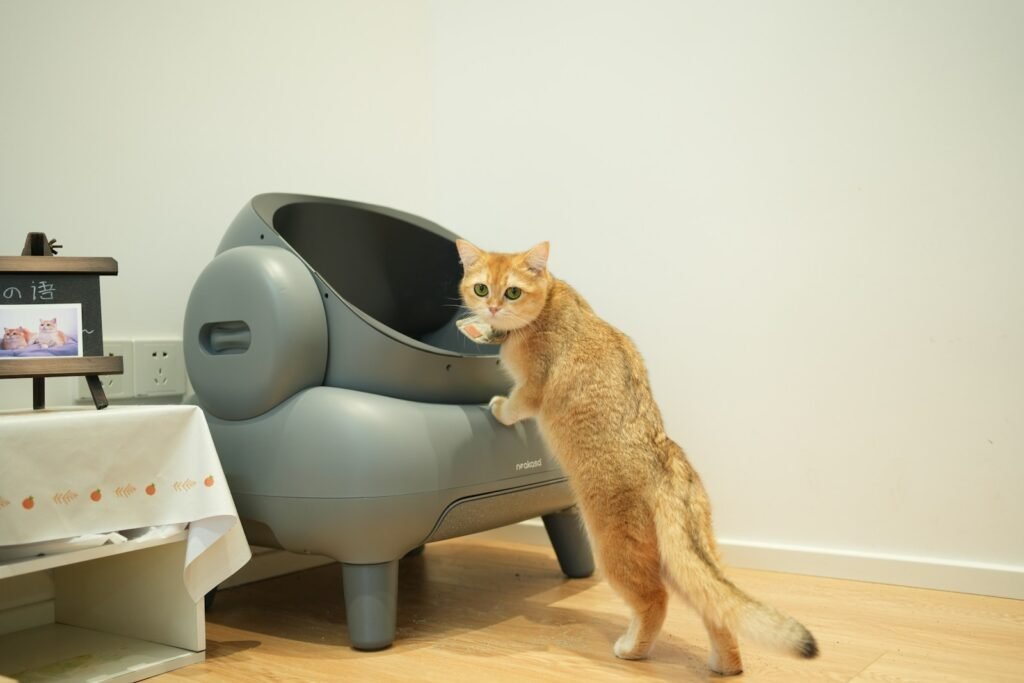
Tucking the litter box in a dark, cramped corner or next to noisy appliances is a common regret. Cats value privacy, but they also dislike feeling trapped or startled while doing their business. Placing boxes in quiet, accessible spots encourages consistent use and reduces accidents. If you have multiple cats, avoid placing boxes side by side, as this can cause territorial disputes. Experiment with different locations if your cat seems hesitant, and always avoid drastic changes without warning. The right spot can mean the difference between harmony and household chaos.
Failing to Recognize Signs of Illness

Cats are subtle when they’re sick, often showing only minor changes in behavior or appetite. Many owners regret not seeking help sooner, assuming their cat will “snap out of it.” Unfortunately, by the time symptoms are obvious, the condition may be advanced. Learn to spot early warning signs: hiding, changes in grooming, or unexplained weight loss. Trust your instincts—if something feels off, it probably is. Prompt attention can make a dramatic difference in your cat’s recovery and quality of life.
Not Investing in Pet Insurance

Veterinary care can be shockingly expensive, especially in emergencies. Many cat owners regret not purchasing pet insurance when their cat was young and healthy. Without coverage, tough decisions sometimes have to be made based on finances rather than what’s best for the cat. Pet insurance offers peace of mind and can make advanced treatments affordable. The best time to buy is when your cat is healthy; waiting until illness strikes means higher premiums or exclusions. Think of it as a safety net that you hope you’ll never need, but are grateful to have.
Ignoring Behavioral Changes

Cats rarely act out “just because.” Sudden changes in behavior—like aggression, withdrawal, or litter box avoidance—often point to underlying issues. Owners sometimes regret punishing these behaviors without asking why they’re happening. Stress, illness, or changes in the household can trigger unwanted behaviors. Instead of scolding, take time to observe and address the root cause. Sometimes, a simple change like a new scratching post or quiet time can restore balance. Understanding your cat’s emotional world is just as important as understanding their physical needs.
Not Providing Enough Vertical Space

Cats crave height—it’s instinctual, offering both security and a great view. Many owners regret not installing cat trees, shelves, or window perches. Without vertical space, cats may climb curtains or knock things off shelves to satisfy their urge. Providing these outlets helps prevent boredom and territorial disputes, especially in multi-cat homes. Even a simple cardboard box on a bookshelf can delight a curious kitty. Giving your cat “upstairs” privileges turns your house into a feline paradise.
Delaying Introduction to Other Pets

Bringing a new cat or pet into the home is tricky, and many regret rushing the process. Cats are territorial, and sudden introductions can spark fights or long-lasting tension. Slow, supervised introductions—with separate spaces and scent swapping—work best. Owners often wish they’d taken more time, as patience usually leads to peaceful coexistence. It’s tempting to hope everyone will “just get along,” but a gradual approach prevents stress and injuries. Think of it as blending two different families: it takes time, but the results are worth it.
Forgetting to Microchip or Update Information

Losing a cat is a nightmare, and many owners regret not microchipping or keeping their contact details current. Collars can slip off, but a microchip is a permanent link back to you. Even indoor cats can slip out unexpectedly. Updating your information with the microchip company is just as important; outdated details render the chip useless. This tiny investment offers huge peace of mind. If your cat ever goes missing, a microchip dramatically increases the odds of a joyful reunion.
Not Spending Enough Quality Time Together

Life gets busy, and it’s easy to take your cat’s quiet companionship for granted. Many owners regret not playing, cuddling, or simply spending time with their cats while they could. Cats form deep bonds and notice when they’re being ignored. Setting aside a few minutes each day for interactive play or quiet petting strengthens your connection. These moments become cherished memories, especially as your cat ages. In the end, it’s the shared experiences—not the fancy toys—that matter most.
Waiting Too Long to Say Goodbye

This is perhaps the hardest regret of all. When a beloved cat’s quality of life declines, many owners struggle with the decision to let go, hoping for a turnaround that never comes. Waiting too long can mean unnecessary suffering for your furry friend. It’s a deeply personal and emotional decision, but seeking guidance from your vet and focusing on your cat’s comfort can help. Remember, choosing kindness over prolonging pain is the final, most loving gift you can give.
Growing up traveling and experiencing new cultures and wonders, I have had a passion for nature, adventuring, photography, and videography. I am currently working towards a BSc in Biodiversity and Ecology at Stellenbosch University, and I hope to specialise in Marine Sciences one day.
Please send any feedback to Feedback@animalsaroundtheglobe.com