If you share your home with a cat, you’ve probably worried about fleas at some point. These tiny parasites are more than just annoying. They bite, they multiply at an alarming rate, and they can make life miserable for both you and your feline friend. Yet when it comes to fighting fleas, most people focus only on treating their cat and maybe giving the carpet a quick vacuum.
Here’s the thing, though. Most flea eggs are laid on cats inside homes and accumulate in their resting sites. That means while you’re concentrating on visible areas, fleas are setting up nurseries in places you’d never think to check. Understanding where these eggs really hide is the difference between a quick fix and months of frustration. Let’s dive into the spots you’re probably missing.
Between Floorboards and Baseboards

You might think your hardwood or laminate floors are safe from flea infestations, but that’s far from the truth. Flea larvae are likely to live in baseboards and the cracks and crevices between floor seams or floorboards. These narrow gaps provide the perfect dark, humid environment that flea eggs and larvae need to develop without being disturbed.
When your cat walks across the floor, eggs fall off and roll into these tiny spaces where your vacuum cleaner can’t reach. Once there, the eggs hatch into larvae that burrow even deeper, feeding on flea dirt and organic debris. It’s hard to say for sure, but these cracks might be housing thousands of developing fleas right under your feet.
Underneath and Inside Furniture

Carpeting, rugs, floorboard cracks, pet bedding, cushions and upholstery, beneath beds and furniture are common places to find flea eggs indoors. Most people remember to vacuum around furniture, but how often do you actually move your couch or armchair to clean underneath? Probably not as often as you should.
Flea eggs and larvae have a habit of getting between cushions and settling down for a while. The underside of furniture and between cushions creates a sheltered microclimate where humidity stays higher and light rarely penetrates. Your cat loves napping on that cozy armchair, which means eggs are constantly falling into those hidden crevices. If your furniture has a skirt or sits low to the ground, it’s even worse because air circulation is limited.
Deep Within Carpet Fibers
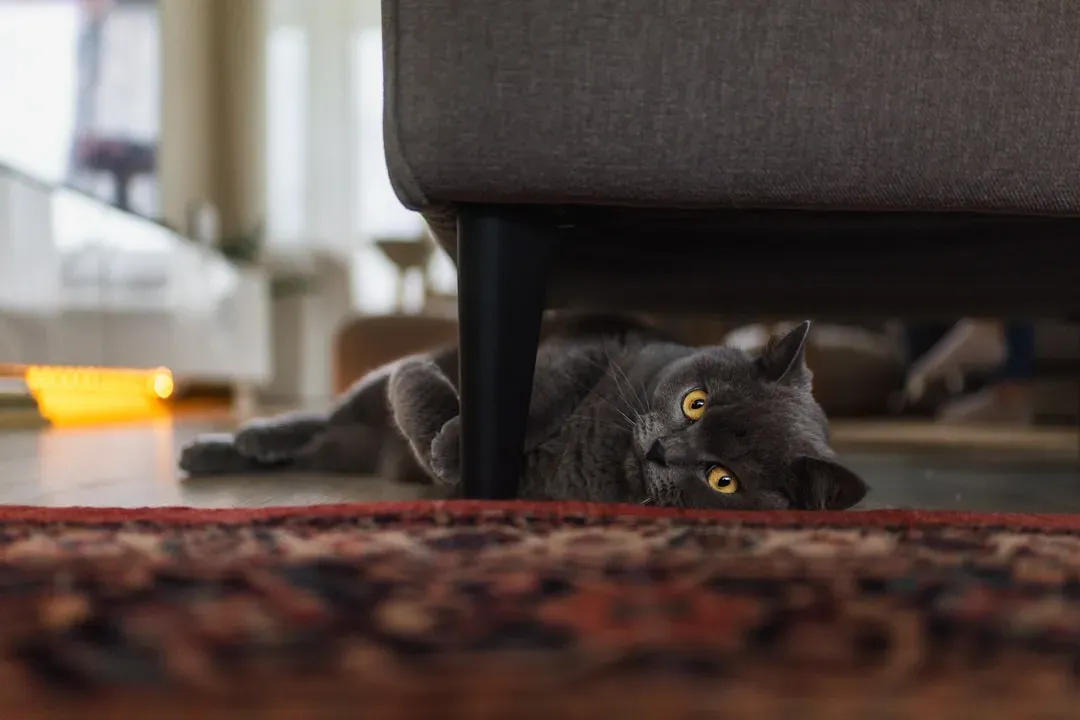
Carpeting is flea paradise, plain and simple. Fleas lay up to 50 eggs per day within the fur of their animal hosts, and as pets move around indoors, the eggs fall into floor cracks and carpeting. Even if you vacuum regularly, your standard household vacuum might not have enough suction to pull eggs and larvae from deep within the pile.
Fleas rarely develop in carpeting that gets a lot of sunlight or in well-traveled areas like hallways. Instead, they thrive in darker corners, under furniture, and in rooms that don’t get much foot traffic. Think about that spare bedroom or the area behind your entertainment center. Those are prime real estate for flea development, and they’re probably getting ignored during your cleaning routine.
Your Own Bed and Bedding

Let’s be real, most cat owners let their furry companions sleep on the bed at least occasionally. If your cat has fleas, your bed becomes an automatic drop zone for eggs. Fleas travel with their host, so it’s likely they could be hiding in your bed, and they can slip into the crevices of your mattress and your bedding.
The warmth and darkness between your mattress and box spring, the folds of your comforter, and even your pillowcases can harbor developing fleas. You might wake up with mysterious bites around your ankles and not realize that the problem isn’t just on your cat. Honestly, it’s pretty unsettling to think about, but washing your sheets once a week isn’t enough if you’re dealing with an active infestation.
Inside Closets and Storage Areas
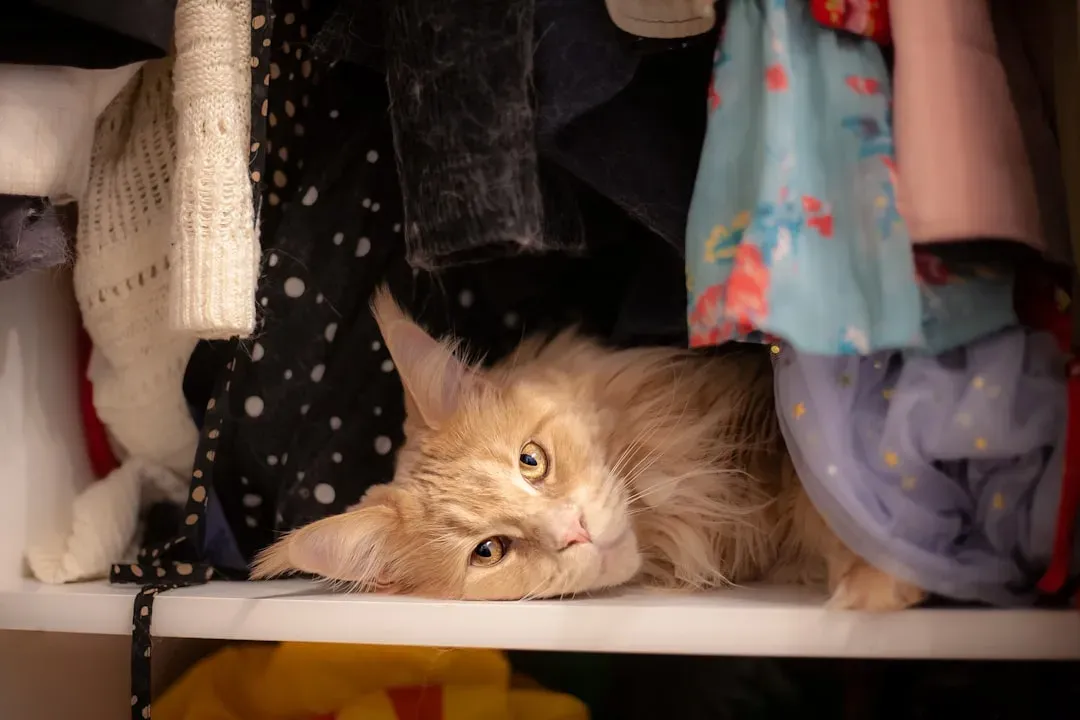
Closets and storage rooms are often overlooked during routine cleaning, which makes them perfect hiding spots for flea populations. Guest rooms and rarely visited spaces in the house can turn into flea havens. If your cat ever ventures into these areas or if you store pet items there, eggs can accumulate undisturbed for weeks or even months.
The lack of light, stable temperature, and minimal disturbance create ideal conditions for eggs to hatch and larvae to develop through their life cycle. You might not even notice there’s a problem until the fleas emerge as adults and start looking for a blood meal. That’s when you suddenly have fleas appearing in parts of your home that seem completely random.
Pet Carriers, Crates, and Cat Trees
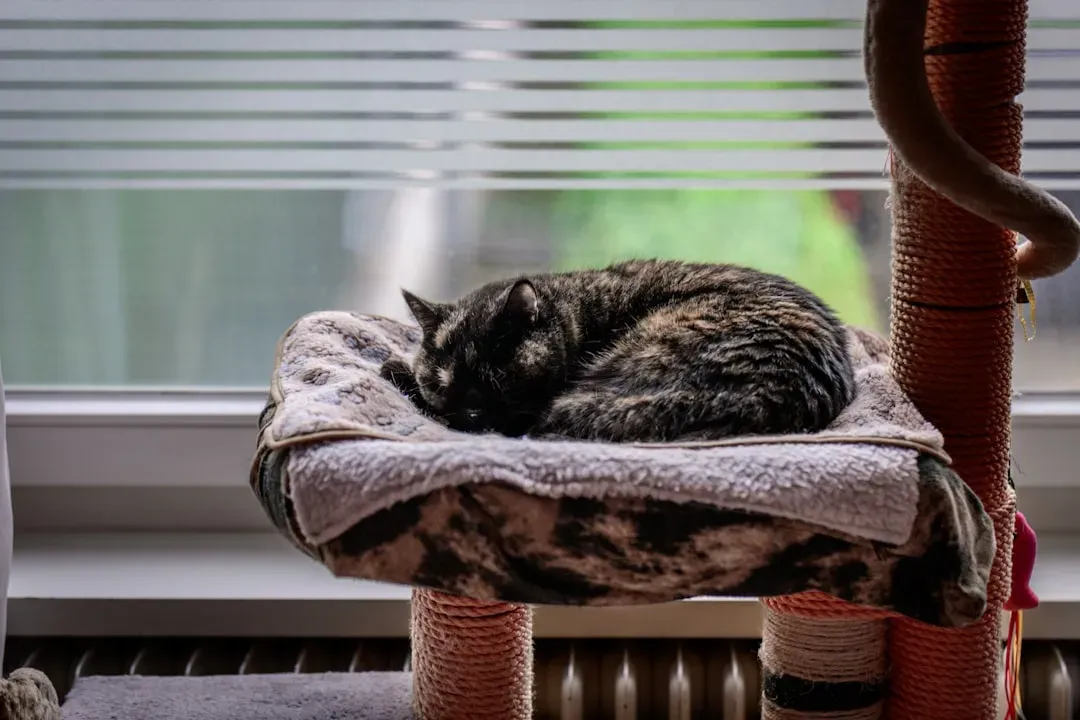
Your cat’s favorite hangout spots are absolute hotspots for flea eggs. You’ll find flea eggs in any and all places that your cat frequents – beds, bedding, crates, couches, chairs, carpeting, floor cracks or crevices, and corners. Cat trees with multiple levels, scratching posts wrapped in fabric, and enclosed pet carriers all provide countless nooks where eggs can lodge.
The fabric on these items traps eggs, and because they’re specifically designed for your cat to spend time on, the concentration of flea activity is incredibly high. Many people treat their cat and clean the house but completely forget about disinfecting the cat tree or washing the fabric lining of the carrier. Meanwhile, those items are basically flea incubators.
Behind Appliances and in Utility Areas
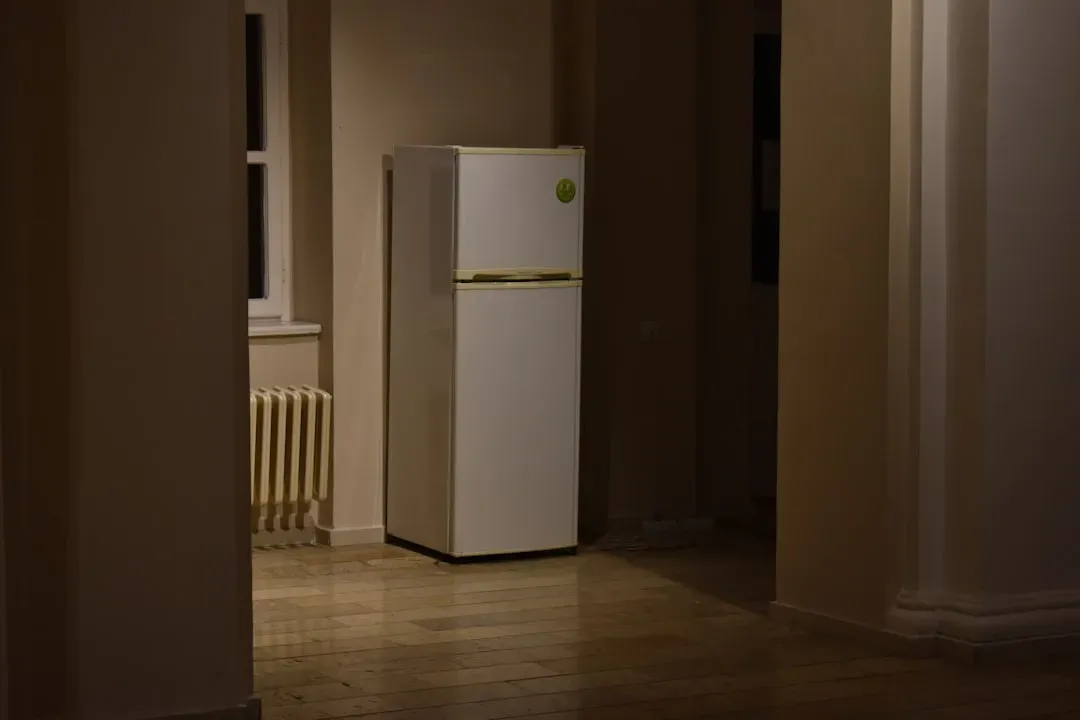
How often do you clean behind your refrigerator or washing machine? For most people, the answer is rarely or never. These forgotten spaces accumulate dust, pet hair, and yes, flea eggs. They will find favorable conditions in carpets, rugs, between floorboards, or in the deep fabrics of sofas and armchairs: these are places where they are hidden from light and where the humidity level is a little higher.
Utility rooms, laundry areas, and the spaces behind large appliances often have slightly higher humidity from pipes or vents, creating the moisture that flea eggs need. If your cat has access to these areas, even briefly, eggs can fall and develop without you ever knowing. It’s one of those out-of-sight, out-of-mind situations that can seriously undermine your flea control efforts.
Window Treatments and Fabric Decor

Curtains, drapes, throw blankets, and decorative pillows might seem like unlikely flea habitats, but they’re more vulnerable than you’d think. When your cat rubs against curtains or lounges on a decorative throw, eggs can transfer to these fabrics and settle into the folds and seams. They roll right off your cat and bounce into carpets, between floorboards, in upholstery and in your pets’ bedding.
These fabric items often hang or sit undisturbed for long periods, giving eggs time to hatch and larvae time to develop. Most people don’t think to wash their curtains when dealing with a flea problem, which means the infestation can persist even after you’ve treated everything else. The weight and texture of heavy drapes especially can trap eggs near the floor where fleas first jump onto your cat.
Conclusion
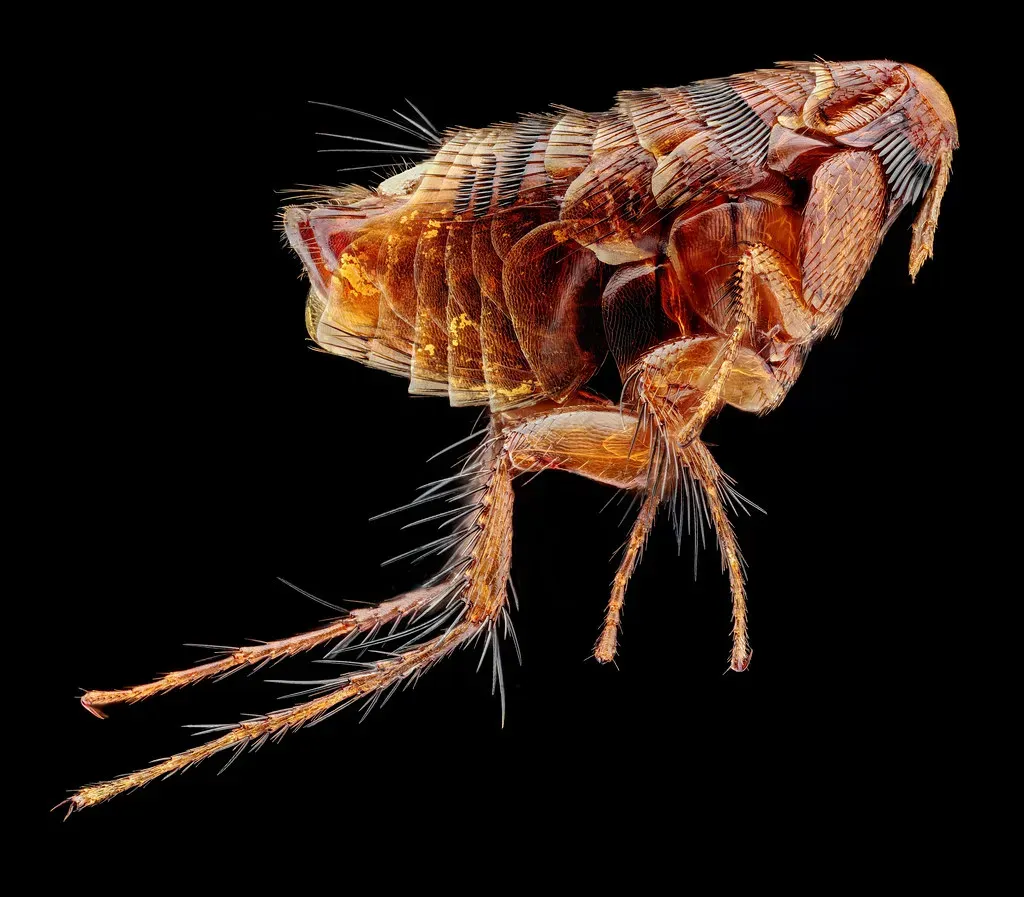
Fighting fleas in a cat home isn’t just about treating your pet or vacuuming the obvious spots. The real battle happens in the hidden corners, the forgotten spaces, and the places you’d never think to check. From the cracks between your floorboards to the folds in your curtains, flea eggs are lurking in spots that seem completely innocent.
The key to winning against these persistent parasites is thoroughness. You need to think like a flea, imagining where a tiny egg might fall and find the darkness and humidity it needs to develop. Vacuum everywhere, move furniture, wash fabrics in hot water, and don’t forget those storage areas and pet accessories. Consistency matters more than intensity when you’re breaking the flea life cycle.
Did any of these hiding spots surprise you? Sometimes the most obvious places are the ones we overlook simply because they’re so mundane. Stay vigilant, keep cleaning, and remember that those tiny eggs are tougher opponents than they look.