There are roughly thirty thousand mountain lions left in the United States. That number sounds reassuring until you realize most of them are packed into fragmented pockets of the American West, squeezed between freeways, subdivisions, and human fears that date back centuries. You might picture the mountain lion as the unshakable ruler of the wilderness, powerful and untouchable. The truth is far more complicated, and honestly, far more urgent.
This is the story of an apex predator that once commanded nearly every corner of North America, now fighting for survival in a landscape it barely recognizes anymore. From the suburbs of Los Angeles to the swamps of South Florida, you will find mountain lions navigating a world that was not designed with them in mind. Be surprised by how close the edge really is.
A Predator That Shaped a Continent
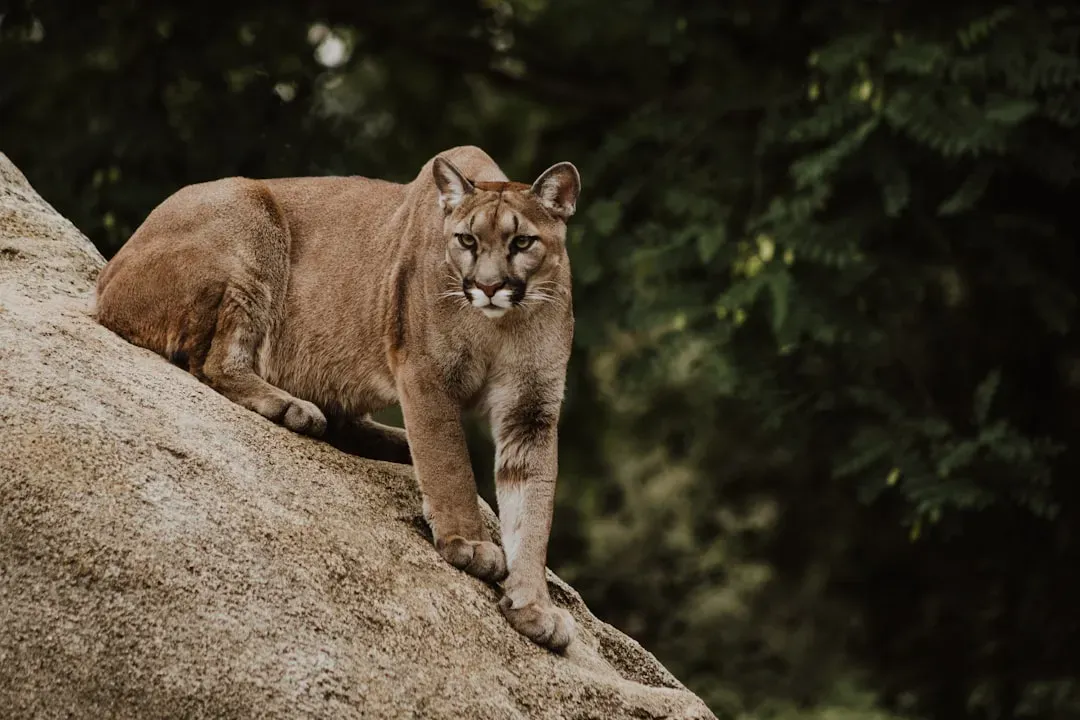
You are looking at one of the most adaptable animals on Earth. Mountain lions are highly adaptable and can thrive in a variety of habitats, including forests, deserts, and mountains. They have earned more names than almost any other North American creature: cougar, puma, catamount, panther. Mountain lions, pumas, cougars, and panthers are all the same species. That versatility is the whole point. These cats did not survive for millions of years by being fussy.
The cougar is a keystone species in Western Hemisphere ecosystems, as it links numerous species at many trophic levels, interacting with 485 other species as a food source, prey, through carcass remains left behind, and through competitive effects on other predators in shared habitat. Think of the mountain lion the way you might think of a keystone in an arch. Pull it out, and everything collapses. The mountain lion has existed for over ten million years, with ancestors that roamed the Americas long before modern humans arrived. Respect, honestly, is the least it deserves.
Where You Will Find Them Today
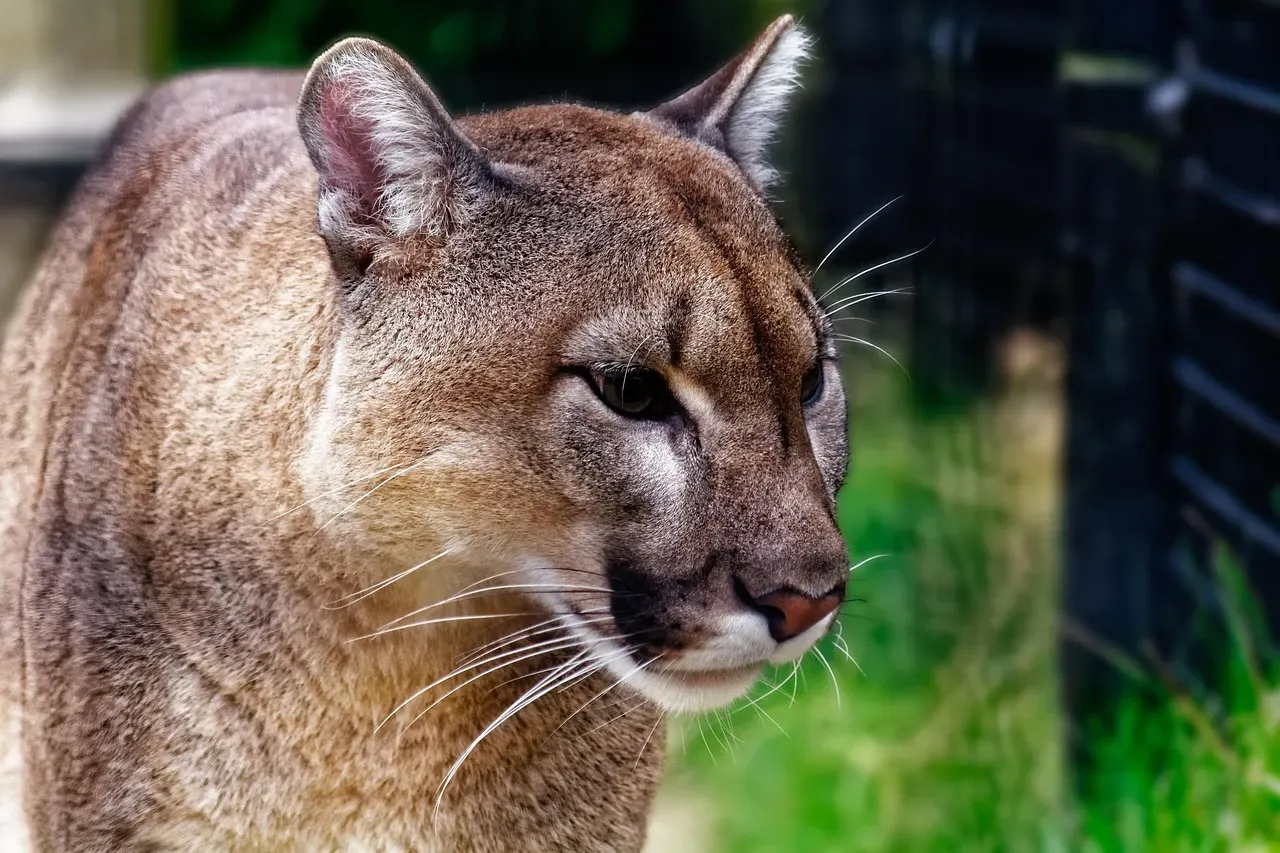
State game agencies suggest that population numbers range between twenty thousand and forty thousand lions, while conservation groups like the Mountain Lion Foundation believe the actual number is around thirty thousand, many of which reside in fragmented and degraded habitats. They are primarily found in the western states, occupying a range of habitats from the dense forests of the Pacific Northwest to the arid deserts of the Southwest. The picture changes dramatically once you start looking at the fine print of each state’s population.
California is home to one of the largest populations, with estimates between four thousand and six thousand, while Colorado boasts a population between three thousand and seven thousand, thanks to its dense forests and high elk populations. Meanwhile, the Florida panther is the only known breeding population of mountain lions in the United States east of the Mississippi River. So the “domain” of the mountain lion is vast on paper but deeply fractured in reality.
The Habitat Fragmentation Crisis
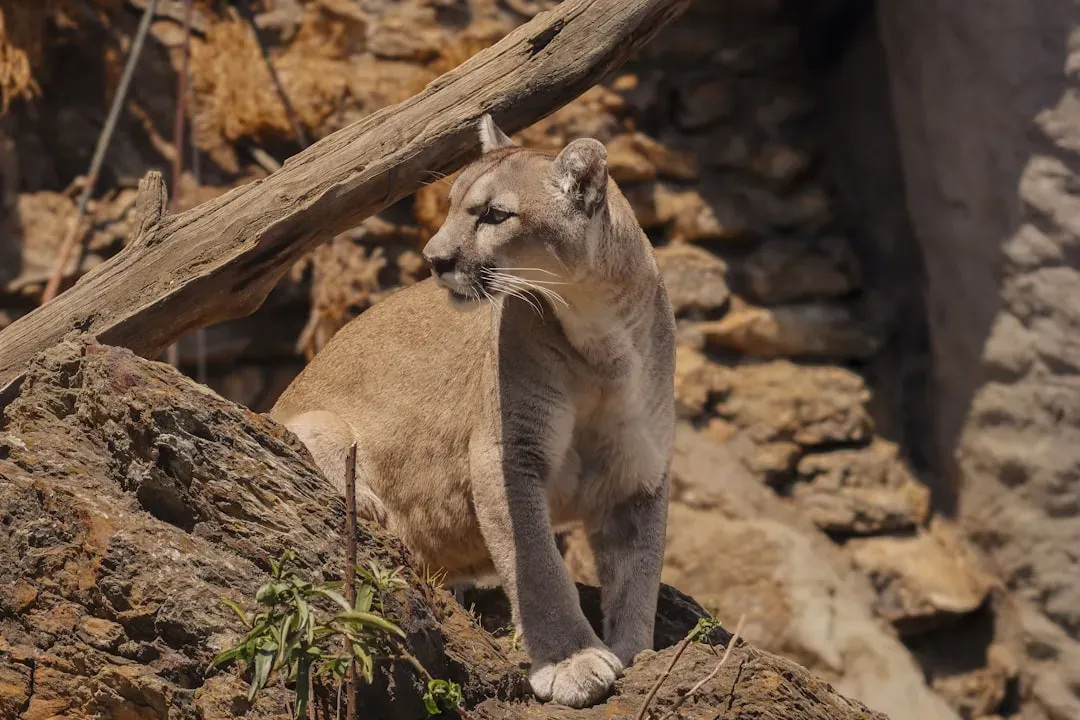
Here is the thing: you cannot overstate how serious the fragmentation problem is. More than one hundred years of urbanization has taken its toll on mountain lions in central California. Roads and rural residential development have fractured the large, connected territories that mountain lions rely on for hunting, breeding, and survival. It is like taking a sprawling national park and cutting it into parking lots. Sooner or later, the wildlife runs out of room to be wild.
To survive and thrive, pumas depend on something harder to measure and even harder to maintain: the ability to move through a landscape without running into dead ends. That simple function, crossing ridgelines, navigating valley bottoms, and slipping through the mosaic of human development, determines whether populations stay genetically healthy, whether isolated groups avoid extirpation, and whether historic range gets recolonized. Without movement, you do not just lose individuals. You lose the entire population’s future.
Roads, Cars, and the Silent Death Toll
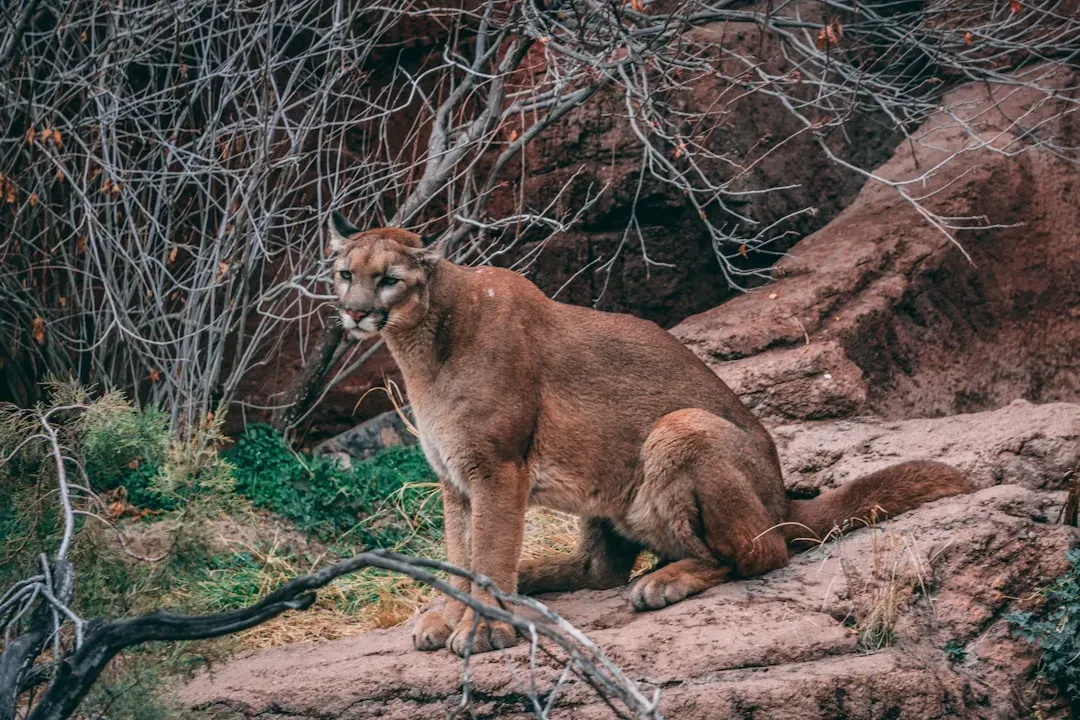
You might not think a freeway is a predator, but for a mountain lion, it absolutely is. In Florida, heavy traffic causes frequent accidents involving cougars. Highways are a major barrier to the dispersal of cougars. The story of mountain lion 54M, a young male tracked by conservation researchers in California, captures this reality with painful clarity. Researchers tagged 54M to follow his journey through the region. For nearly a year, they observed his movements as he traversed a network of farms and busy roads that weave throughout the surrounding mountains. By tracking him, they learned more about where he roamed and identified places where conservation projects could help the species survive. Sadly, 54M was killed by a car a year later while attempting to cross Highway 101.
Florida panther numbers have rebounded to about two hundred panthers, but their habitat continues to shrink, resulting in increased roadkill and fights to the death with other panthers for territory. On average, around twenty-five cats are struck and killed by vehicles each year. Road mortality is not an accident. It is a systemic failure that grows more deadly with every new highway lane added to the American landscape.
The Genetics Time Bomb: Inbreeding and Isolation
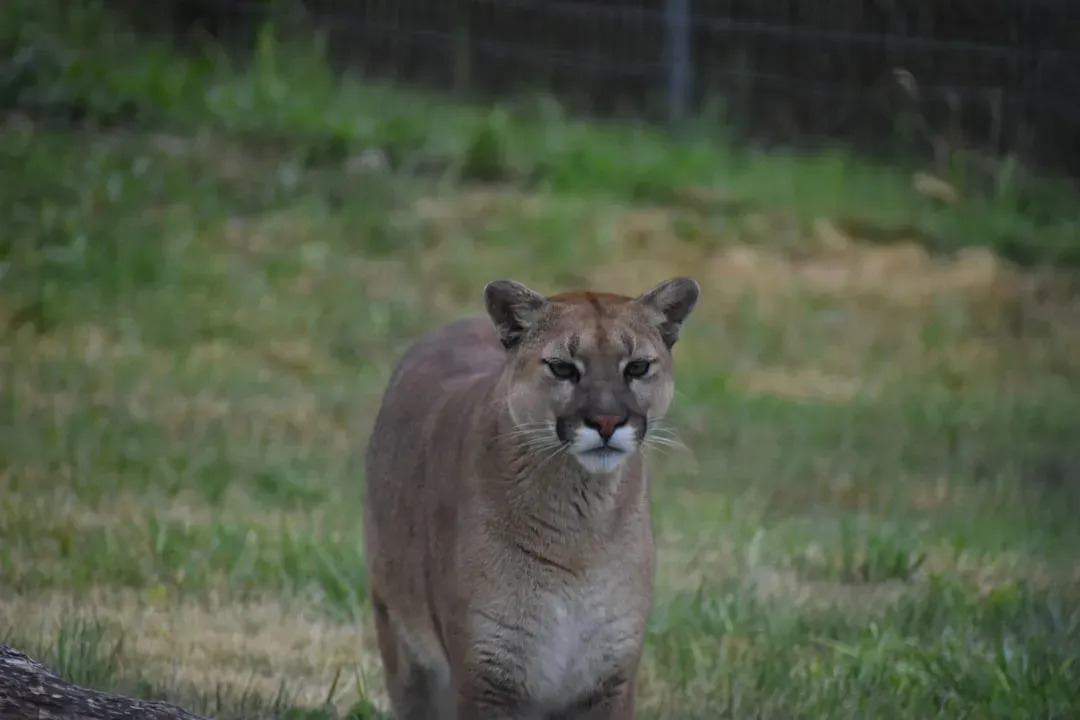
I think this is the most overlooked crisis in mountain lion conservation, and it deserves a much louder conversation. The genetic diversity of the Santa Monica Mountains population is among the lowest ever documented for the species. Only the Florida panther population has experienced lower genetic diversity, and it nearly went extinct as a result. When you cut off a population from others long enough, the family tree stops being a tree and starts being a circle.
Research shows that Los Angeles mountain lions are seriously inbred due to habitat fragmentation, caused primarily by major roads and highways, especially Route 101, which restrict movement and gene flow. Unless connectivity is increased by creating wildlife corridors, these mountain lions are likely to become locally extinct in the coming decades. With lack of contact with other populations, the panther gene pool weakened over time because of inbreeding depression, the buildup of weakened genes, which was expressed in some cats with kinked tails, heart defects, or reproduction problems. That is not a distant hypothetical. You can see it right now in California.
The Florida Panther’s Near-Extinction and Comeback
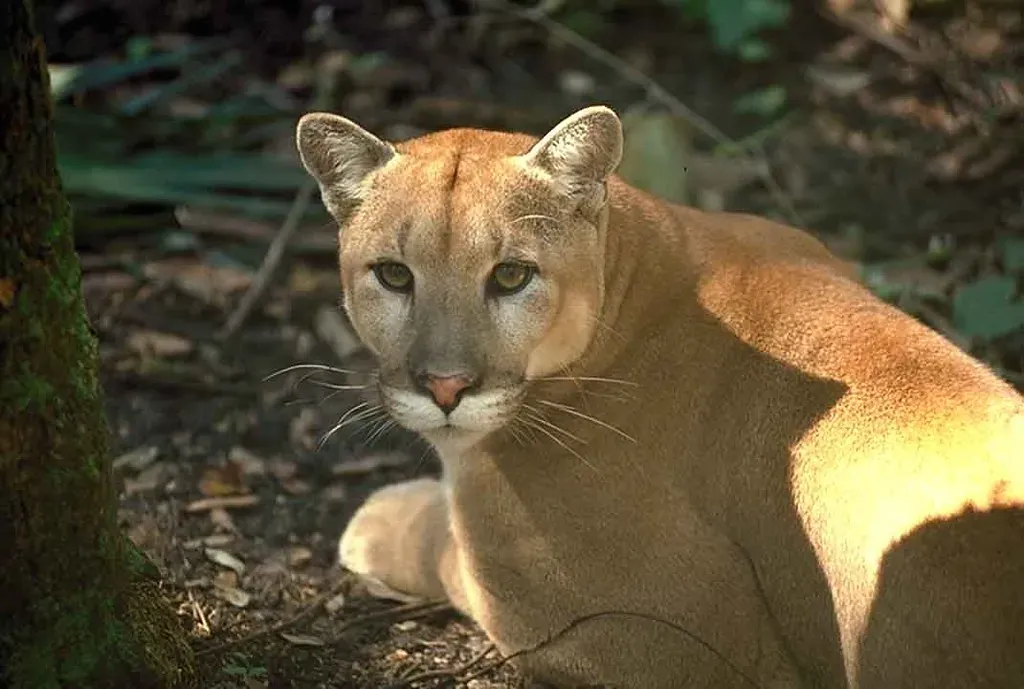
The Florida panther story is one of conservation’s most dramatic reversals, and it is worth understanding in detail because it offers both a warning and a blueprint. In the mid-1990s, conservationists faced a critical turning point for one of North America’s most iconic yet endangered predators. This elusive subspecies of mountain lion had dwindled to fewer than thirty individuals, teetering precariously on the edge of extinction, primarily due to inbreeding depression stemming from a drastically reduced population size and fragmented habitat. Thirty individuals. You have more people in a single classroom.
In response, wildlife managers took a bold step in 1995, introducing a small number of Texas panthers, a closely related population, in an effort known as genetic rescue, aiming to inject fresh genetic diversity to quell the deleterious effects of homozygosity and revitalize the Florida population. The results were remarkable. Using data collected over forty years from more than eleven hundred endangered Florida panthers across nine generations, researchers showed that the genetic rescue implemented in 1995 alleviated morphological, genetic, and demographic correlates of inbreeding depression, subsequently preventing extirpation of the population, and helped increase panther abundance more than fivefold.
Human-Wildlife Conflict: Ranchers, Livestock, and Fear
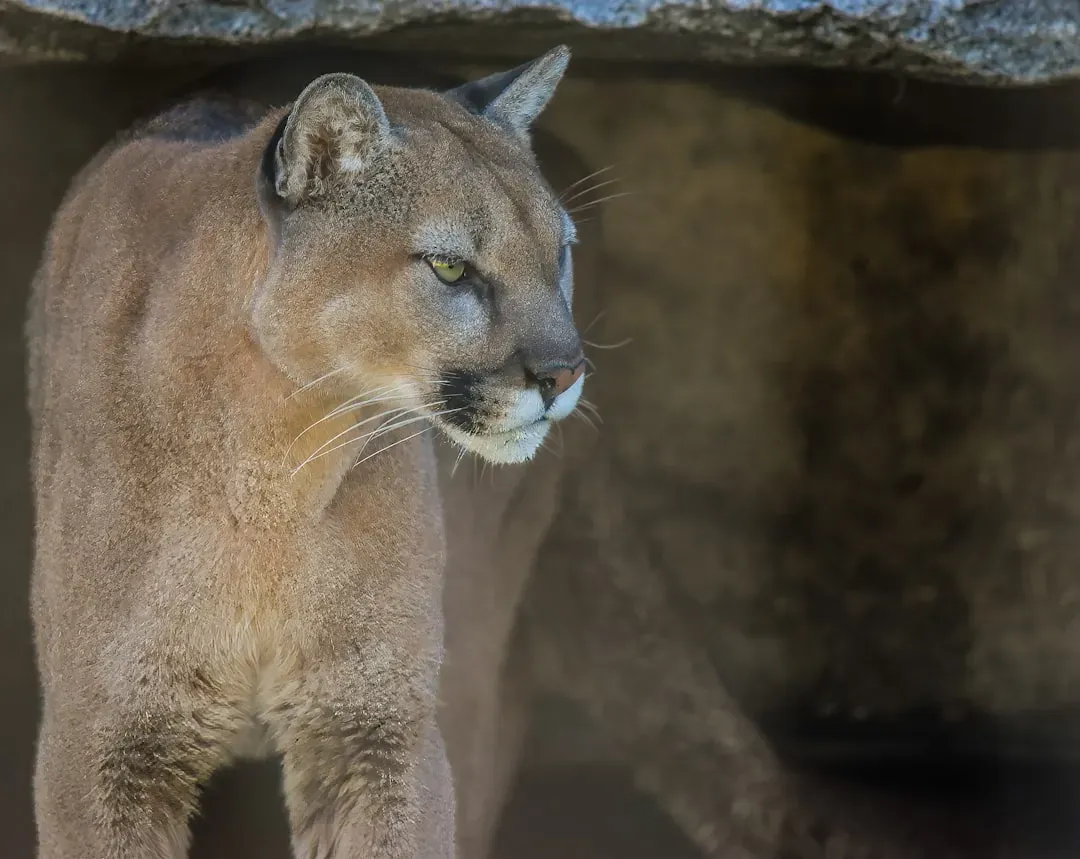
Let’s be real. Not everyone who lives near mountain lion territory is thrilled about it. Carnivore predation of livestock poses significant challenges for pastoral communities, and the often-resulting lethal removal of carnivores threatens their conservation. Large carnivores play a crucial role in ecosystem stability, yet interactions with human activities, particularly livestock grazing, have disrupted this balance, leading to conflicts between conservation and economic interests. Livestock ranching, vital for many communities, often overlaps with carnivore habitats, resulting in preemptive or retaliatory killings.
Mountain lions were perceived by European settlers as dangerous competitors vying for the abundant game of the New World and threatening domestic livestock: rivals cheaper to eradicate than to safeguard against. Four hundred years later, many Americans still fear mountain lions despite the miniscule number of recorded attacks and even fewer fatalities. Fortunately, solutions exist. Studies suggest that the sound of human voices, especially when combined with other sensory experiences like flashing lights and sporadic loud noises, are an especially effective method for keeping mountain lions away from livestock. Some sheep and goat ranchers keep a transistor radio tuned to talk radio near their flocks. It is hard to say for sure which methods work best in every context, but the options are growing smarter every year.
Wildlife Corridors and the Race to Build Them
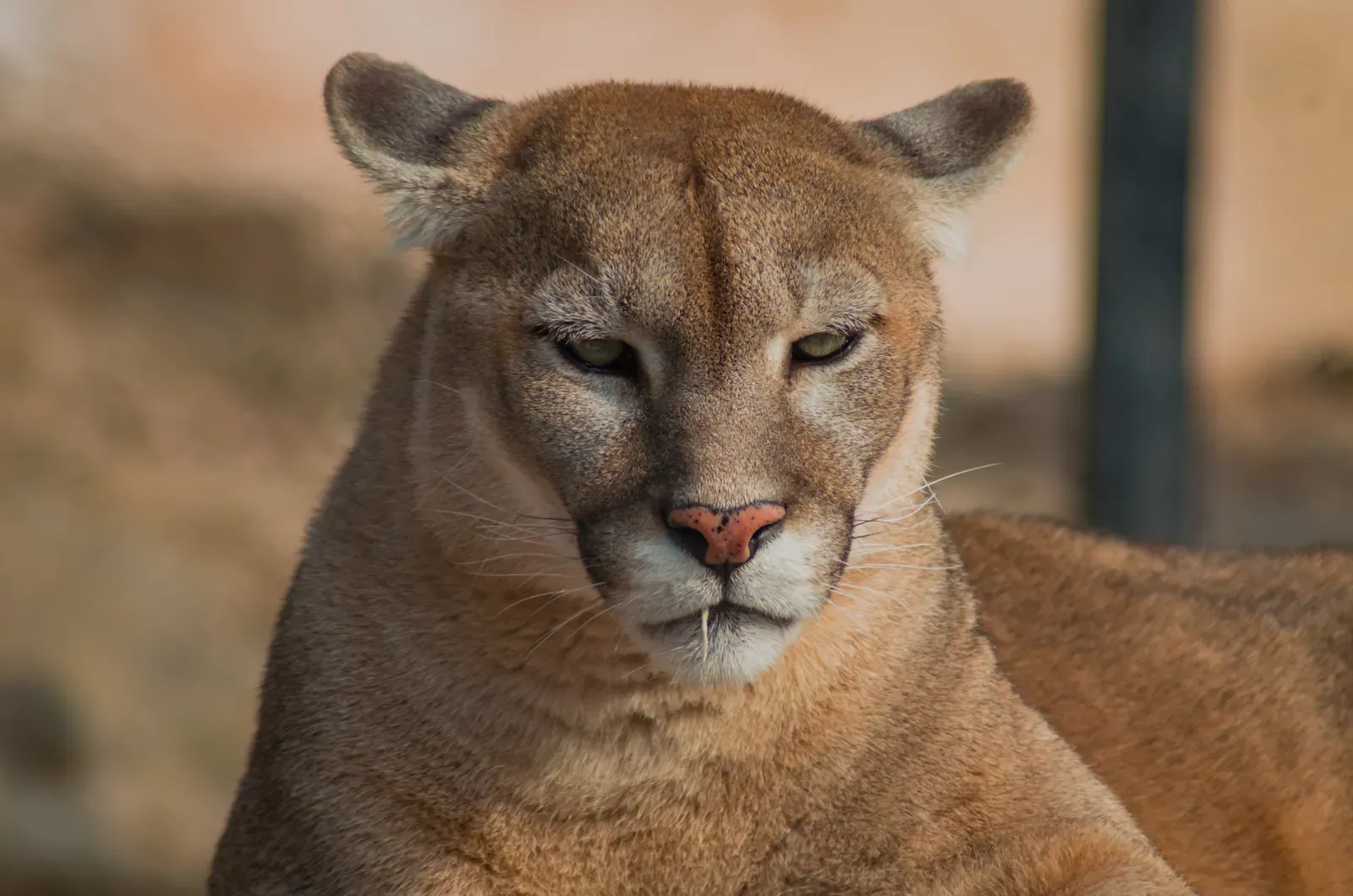
You want good news? Here it is. The conservation world is building some genuinely impressive solutions to the connectivity crisis. The Conservation Fund protected five hundred acres of land in the northern tip of the Gabilan Range in 2025, which sits in the middle of the region’s wildlife pathway. Each protected acre is another stepping stone across what has become a deeply fragmented landscape. Think of it as reconnecting the dots on a map that someone has been quietly erasing for decades.
Establishing wildlife corridors and protecting sufficient range areas are critical for the sustainability of cougar populations. Research simulations showed that the species faces a low extinction risk in areas larger than about eight hundred and fifty square miles. Between one and four new individuals entering a population per decade markedly increases persistence, thus highlighting the importance of habitat corridors. Wildlife crossings built under highways have already reduced road mortality significantly in Florida. The engineering works. Now the challenge is building enough of it, fast enough.
The Future of Mountain Lions and What You Can Do
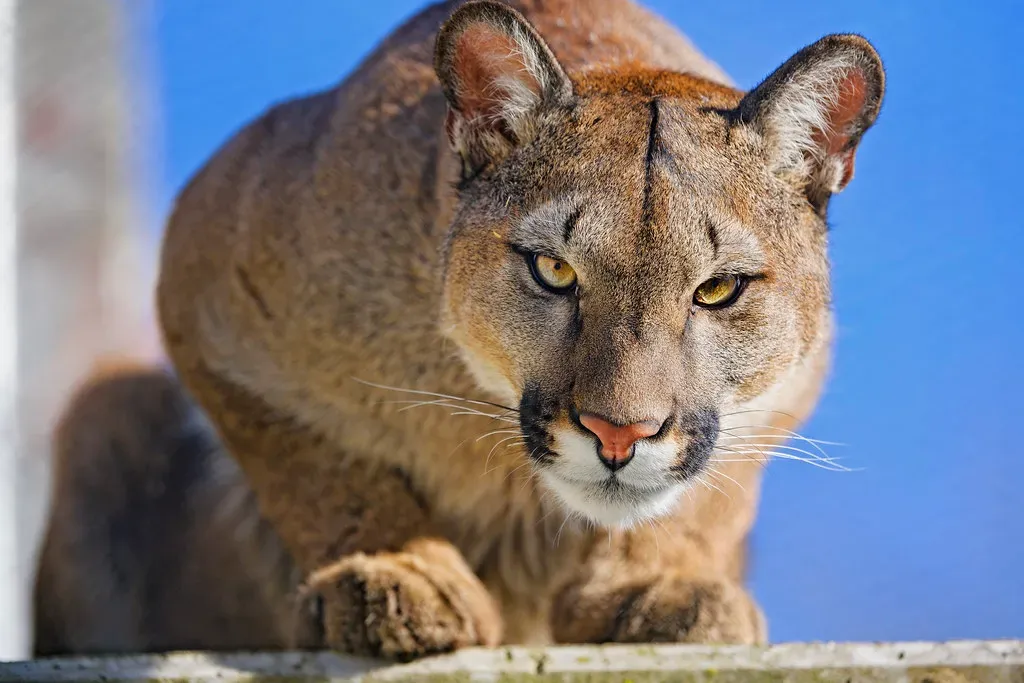
The question is not whether mountain lions deserve to stay. The science on that is clear. Urban expansion and development threaten mountain lions and the crucial role they play in maintaining a healthy regional ecosystem. Without these majestic creatures, the balance between predator and prey populations will collapse, leading to overgrazing, erosion, and a harmful loss of biodiversity. Losing them is not just a wildlife tragedy. It is an ecological catastrophe in slow motion.
Connectivity can be repaired, mortality can be reduced, and communities can choose coexistence over fear. If mountain lions are to remain a defining character of North America’s wildness, then the work ahead is clear: keep landscapes open, keep movement possible, and give species the conditions to do what they have always done. You do not have to be a scientist or a ranger to be part of that work. The most important thing you can do is support conservation programs that protect their habitats, particularly in regions where human encroachment is high. This includes supporting wildlife corridors that allow mountain lions to move freely between different habitats.
Conclusion
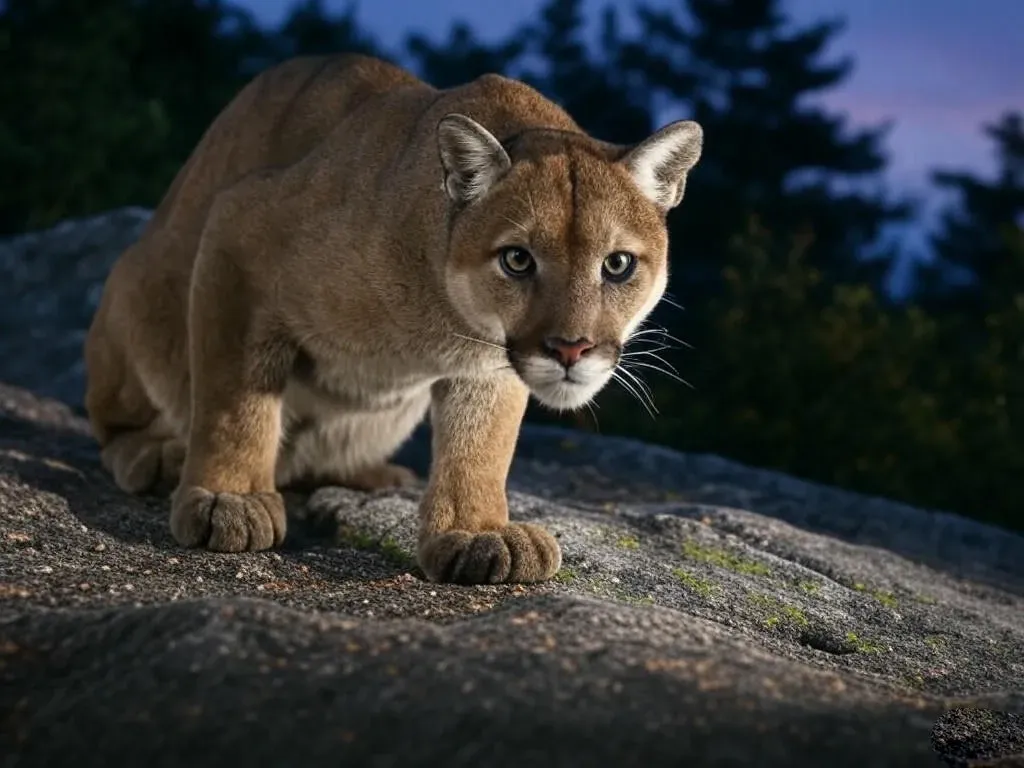
The mountain lion’s domain is not shrinking because the cat is failing. It is shrinking because we have built so much of our own world on top of theirs. That is not a comfortable fact, but it is an honest one. From the genetic near-collapse of the Florida panther to the inbred cats lurking beneath the Los Angeles skyline, the evidence is impossible to ignore. The mountain lion is a mirror held up to the consequences of unchecked human expansion, and what stares back is deeply revealing.
The good news, and there genuinely is good news, is that this species has proven its resilience again and again. Genetic rescue worked in Florida. Wildlife corridors are being built in California. Communities are learning to live alongside one of the most powerful predators on the continent. The tools exist. The science is solid. What remains is the collective will to use them.
What would the American landscape look like if we let the mountain lion reclaim even a fraction of what it has lost? That is a question worth sitting with.