You’ve probably been there. You’re sitting across the room, your cat is watching you with those half-lidded, sleepy eyes, and then it happens. A long, drawn-out blink. Deliberate. Almost regal. You’re left wondering what on earth just happened and whether you should feel honored or confused.
Here’s the thing – that tiny gesture carries more emotional weight than most people realize. Cats are famously hard to read, and yet they’ve been quietly speaking to us all along, right there in plain sight. What you’re about to discover about your cat’s slow blink might change the way you see your feline companion forever. Let’s dive in.
What Exactly Is the Slow Blink?
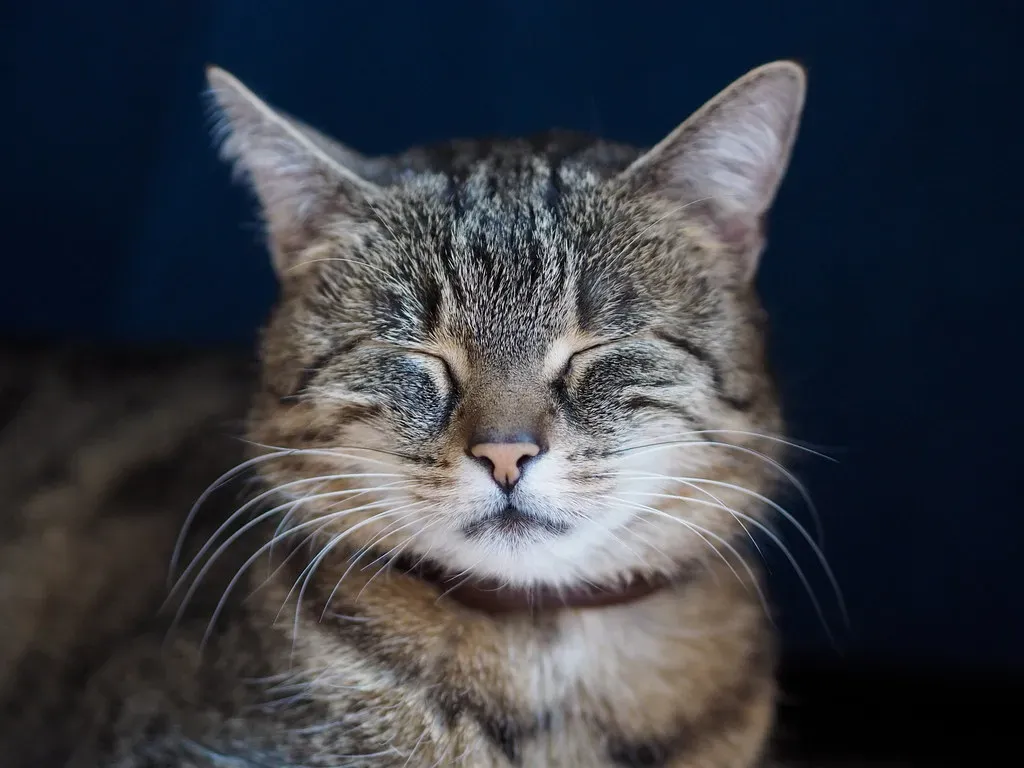
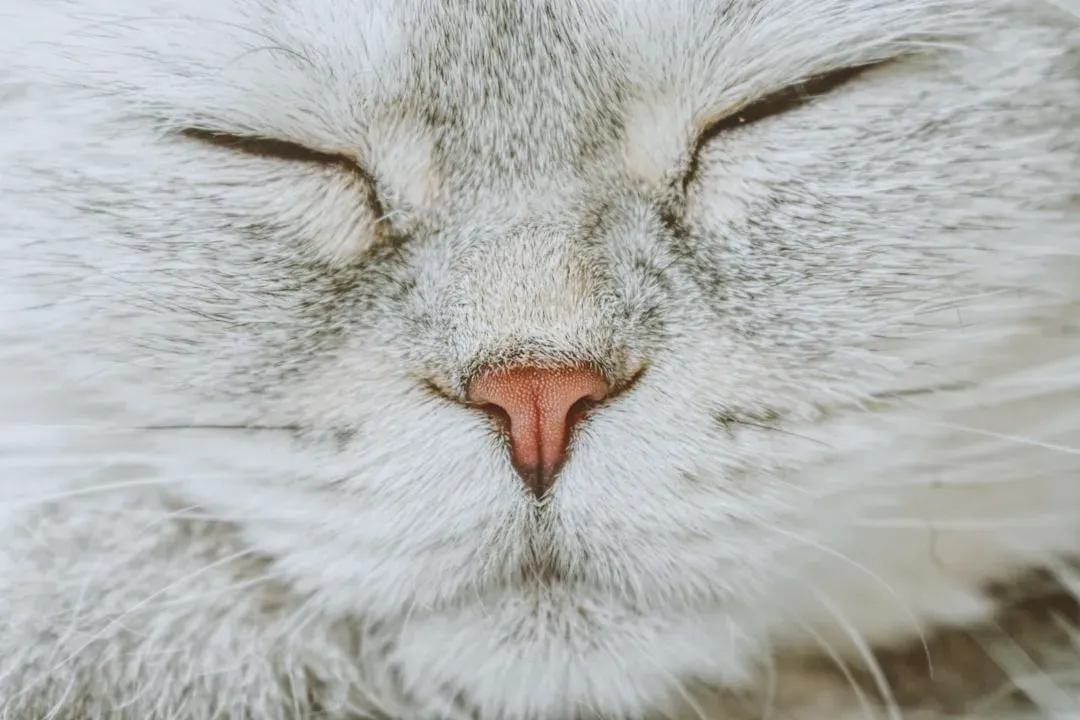
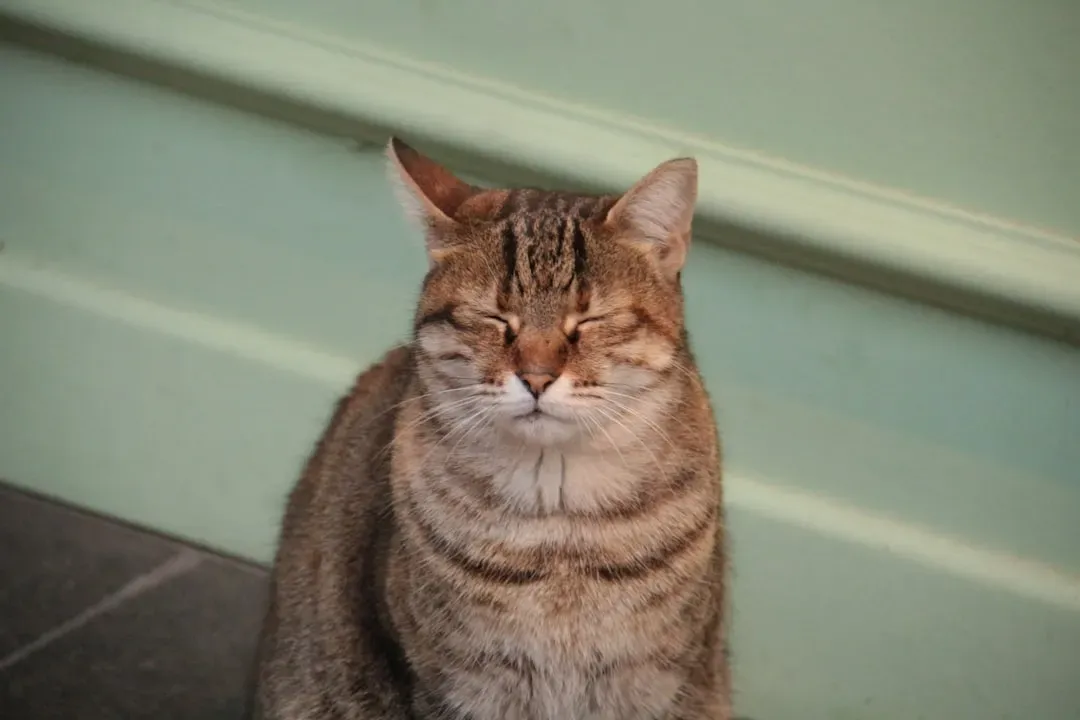
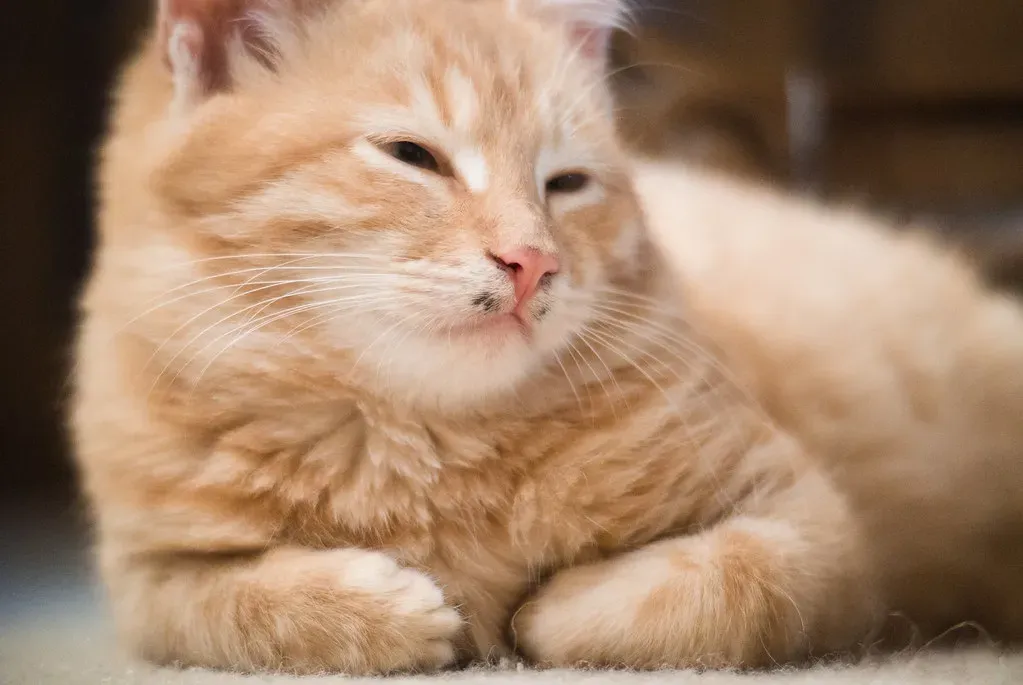
Picture this: your cat locks eyes with you, then slowly, softly lets their eyelids drift down and back up again, sometimes pausing with eyes half-closed in between. That’s it. That’s the famous slow blink. Slow blink sequences typically involve a series of half-blinks followed by either a prolonged eye narrow or an eye closure.
Cats blink slowly as a form of nonverbal communication, often interpreted as a sign of trust and affection toward humans or other animals. It might seem like nothing more than a cat being drowsy, but animal behaviorists have been paying very close attention to this gesture for years, and what they’ve found is genuinely fascinating.
Slow blinking is a subtle feature that has been observed in cats for some time and is thought to be used by cats to indicate a sense of calm and a positive emotional state. It involves the partial or complete closure of the eyelids, performed slowly and lasting for longer than half a second. Think of it less like blinking and more like your cat exhaling emotionally right in front of you.
The Science That Proves It’s Real
For years, this was just a thing cat lovers believed. A warm feeling, a hopeful interpretation. Then science stepped in and confirmed what many had sensed all along. According to peer-reviewed research, it’s the feline equivalent of saying “I trust you.” In 2020, psychologists at the University of Sussex conducted the first scientific study on cat slow blink meaning.
Led by Dr. Tasmin Humphrey and Professor Karen McComb, the research published in Scientific Reports proved something cat owners long suspected: slow blinking is genuine cat communication. The study ran two experiments. This wasn’t a casual observation – it was properly designed, controlled, and peer-reviewed.
The first experiment involved 21 cats from 14 different households. Once the cat was settled and comfy in one spot in their home environment, their owners were instructed to sit about 1 meter away, and slow blink when the cat was looking at them. Cameras recorded both the owner’s and the cat’s faces, and the results were compared to how cats blink with no human interaction. The results were clear and compelling.
What the Research Actually Found
So what did the scientists discover when they crunched the data? The first experiment revealed that cat half-blinks and eye narrowing occurred more frequently in response to owners’ slow blink stimuli towards their cats, compared to no owner-cat interaction. In other words, your cat is actively responding to you.
In the second experiment, where an experimenter provided the slow blink stimulus, cats had a higher propensity to approach the experimenter after a slow blink interaction than when they had adopted a neutral expression. That’s remarkable. Even a total stranger earned trust through a simple blink. It’s almost poetic, honestly.
From the current study, the slow blink sequence appears to be an indicator of positive emotion in cats. Not just neutrality. Not just comfort. Positive emotion. That distinction matters enormously when you’re trying to understand what’s going on behind those mysterious eyes.
Why Cats Use Their Eyes to Communicate
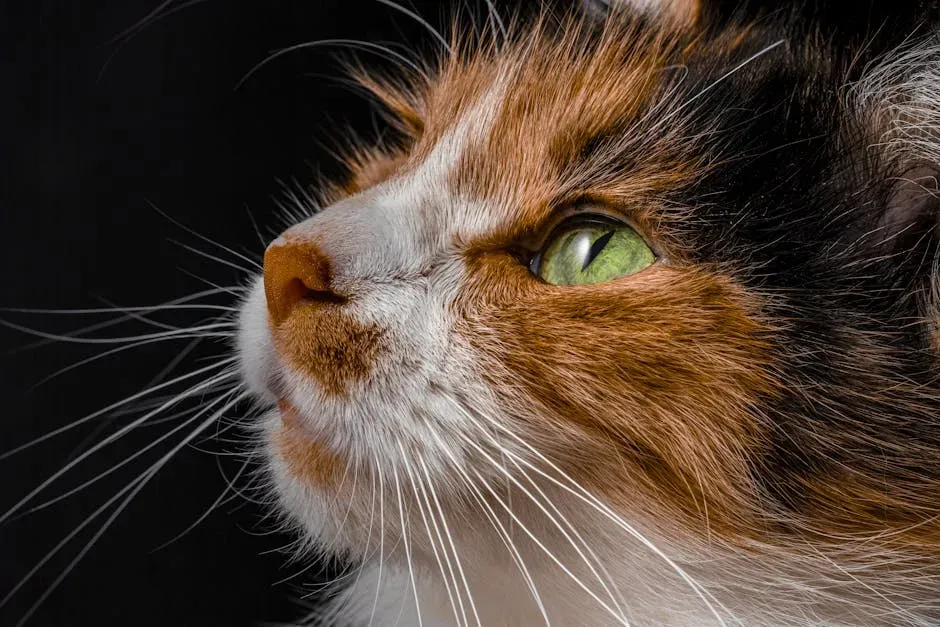
To understand the slow blink, you first need to understand how cats experience eye contact in general. Cats use their eyes as powerful communication tools. A direct, unblinking stare might signal aggression or challenge, while slow blinking indicates peaceful intentions. This sophisticated eye communication system helps cats navigate social interactions with both other cats and humans.
When your cat narrows their eyes around you, they’re doing the opposite of threatening. They’re signaling vulnerability. Closed eyes mean “I don’t need to watch you for threats.” It’s the same reason cats expose their belly to trusted humans – it demonstrates they feel safe. It’s a profound act of letting their guard down.
It’s difficult to know exactly why cats slow blink at humans like this. It’s been interpreted as a means of signaling benign intentions, since cats are thought to interpret unbroken staring as threatening. It’s also possible that cats developed the expression since humans respond positively to it. Either way, the communication is real and it runs deep.
The Biological Connection Behind the Gesture
There’s more going on beneath the surface than just a sweet social gesture. The act of slow blinking releases oxytocin, a hormone associated with bonding and affection, in both cats and humans. When a cat slow blinks at a trusted human, the gesture is not only a show of emotional security but also an actual biological response, fostering a sense of connection and wellbeing.
Researchers noted that cat slow blinks share similarities with the Duchenne smile in humans, the genuine smile that reaches the eyes. Both are involuntary expressions of positive emotion. Think about that for a moment. Your cat is essentially giving you the feline version of the most authentic human smile there is.
It’s not just adorable. It’s a full-body emotional experience rooted in biology, trust, and thousands of years of coexistence between humans and domestic cats. Research has shown that slow blinking is not just an anecdotal behavior observed by cat owners, but a scientifically supported form of communication.
How to Slow Blink Back at Your Cat
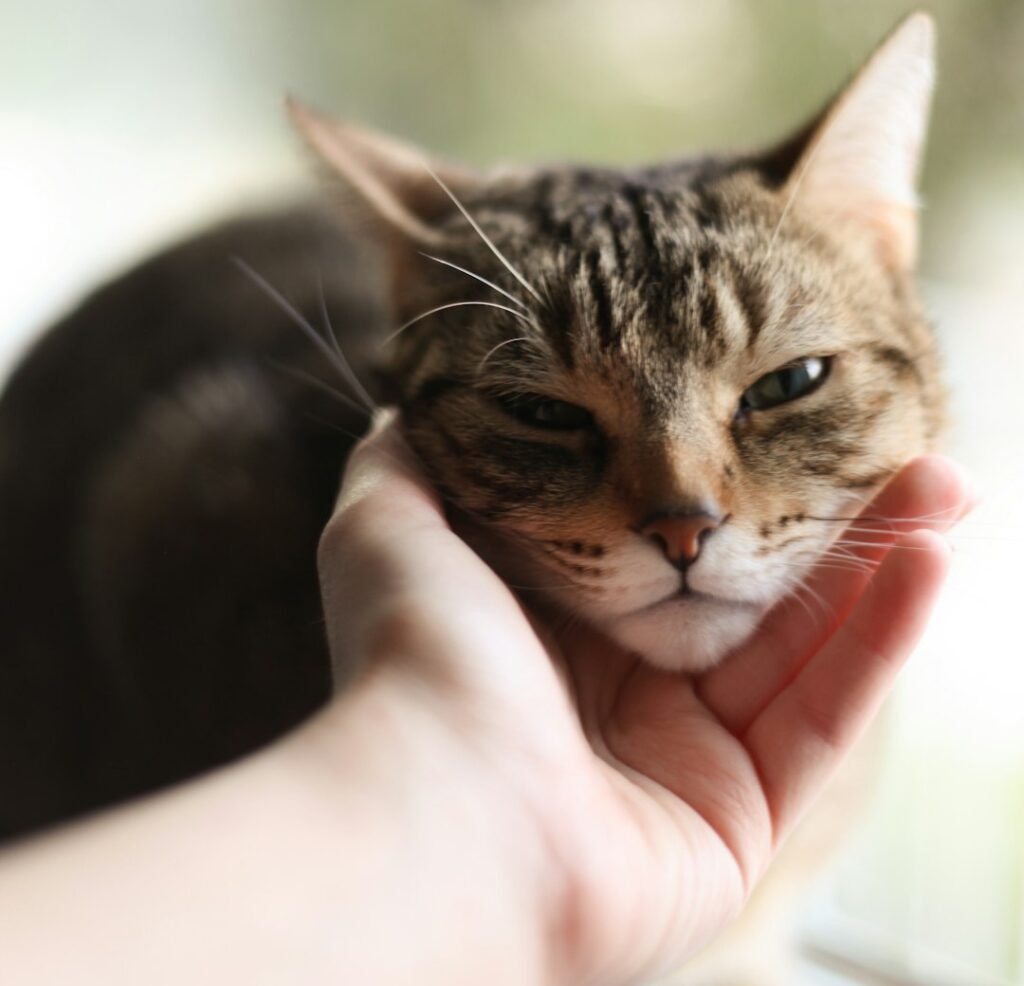
This form of communication goes two ways. Speaking cat fluently involves learning to slow blink yourself. You don’t need a degree in animal behavior. You just need a calm moment and a little patience. Honestly, it’s one of the simplest things you’ll ever do to strengthen a relationship.
Here’s the method from the study: first, wait until your cat is relaxed and looking in your direction – don’t force eye contact. Next, narrow your eyes slowly, keeping them half-closed for a moment. Think “sleepy,” not “squinting.” Then, close your eyes fully for a second or two, then open them softly.
Some cats respond within seconds. Others need repeated positive interactions before they reciprocate. Don’t take it personally if your cat gives you a blank stare the first time. Cats are the masters of playing it cool. Keep trying. The payoff is worth it.
What Happens When You Slow Blink at an Unfamiliar Cat
Here’s where it gets genuinely surprising. You might assume this only works with your own cat, a cat that already knows and loves you. But the research tells a different story. By observing cat-human interactions in 2020, scientists confirmed that this simple gesture makes cats, both familiar and strange, more likely to approach and engage with humans.
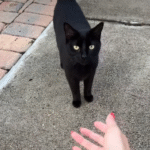
Even though cats can normally find visitors unsettling, a separate investigation found that cats were more likely to exhibit slow blinking behavior in response to an unfamiliar person who engaged in slow blinking. They were also more likely to approach the visitor when they held out their hand if the person was also engaging in slow blinking activity. Let that sink in. A stranger. Just blinking.
This has real-world implications that go way beyond your living room. Beyond strengthening everyday relationships, this technique has broader implications for understanding feline communication signals. Many cats end up misunderstood because their subtle behaviors go unnoticed. Recognizing the meaning behind slow blinking helps us offer better emotional support, whether a cat lives in a warm home or a crowded rescue center.
Slow Blinking in Shelters and Veterinary Settings
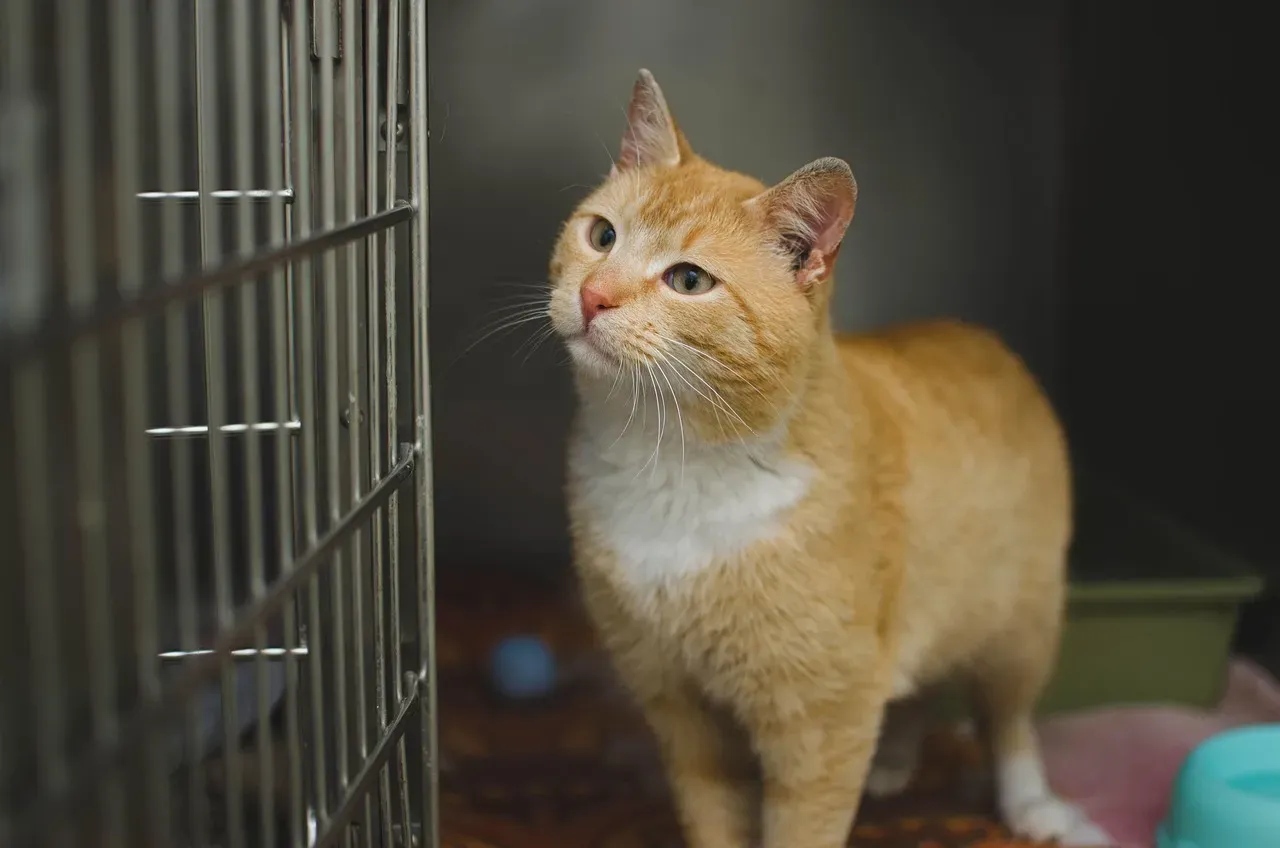
This might be one of the most underappreciated findings in the entire field of feline welfare. One notable social behavior that cats exhibit in relation to humans is the slow blink sequence, which research suggests can function as a form of positive communication between cats and humans. In high-stress environments like shelters, that positive communication can be a lifeline.
The Sussex researchers highlighted practical applications beyond cute bonding moments. Veterinarians could use slow blinking to calm anxious cats during exams. Shelter workers might help fearful cats feel safer, improving adoption outcomes. The implications for animal welfare are significant and still largely untapped.
Since the slow blink is becoming increasingly recognized as a form of communication employed by cat owners and non-cat owners alike, these findings may have practical implications for shelters by introducing strategies to promote positive social interactions between potential adopters and shelter cats, particularly for cats that might be more likely to spend a longer time in care. A simple blink could literally change a cat’s fate.
When a Slow Blink Might Mean Something Else
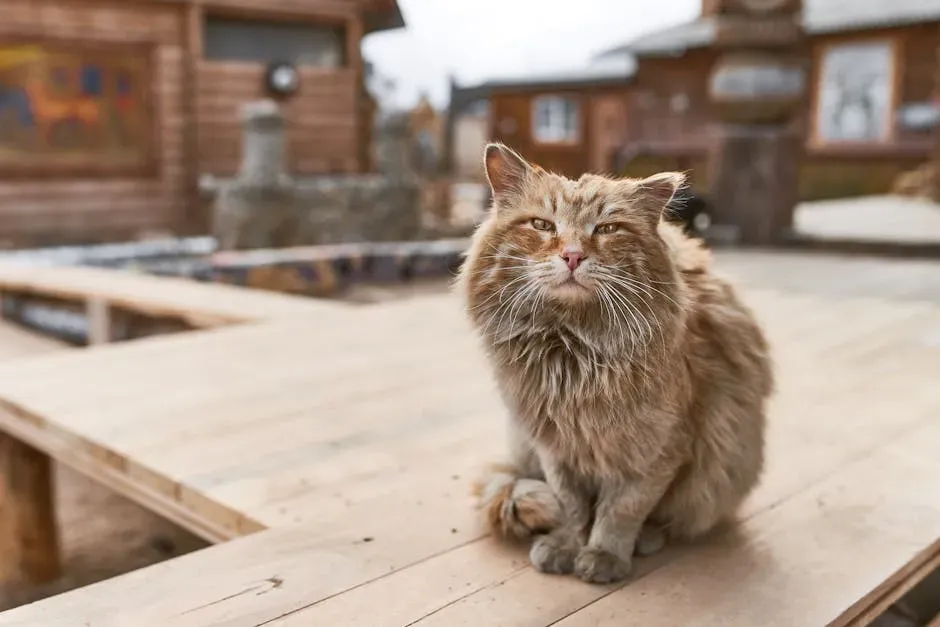
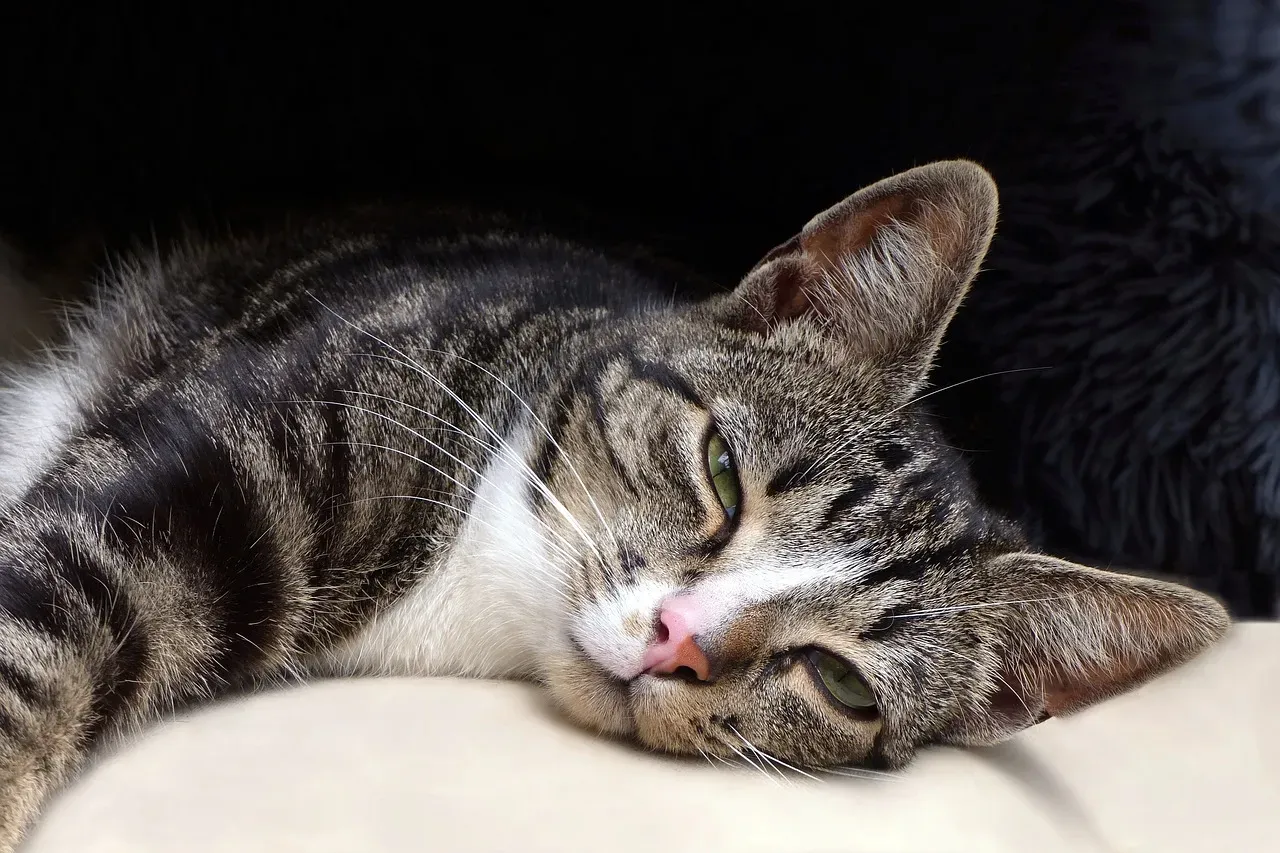
Let’s be real – not every slow eye movement from your cat is a love letter. A cat’s slow blinking doesn’t always communicate trust or affection. That’s because what looks like a slow blink is actually sometimes a squint, which generally means your pet is experiencing pain, discomfort, or injury. Knowing the difference matters.
Normal blinking in cats serves the basic purpose of eye maintenance, while rapid blinking might indicate stress, discomfort, or eye irritation. If you notice your cat blinking excessively, it could signal an underlying health issue requiring veterinary attention. Context is everything with cats. A relaxed body, a soft environment, and a comfortable posture almost always accompany a genuine slow blink.
Conjunctivitis, the most common eye disorder in cats, is simply an inflammation of the mucus membrane on the outer edge of the eye. Besides squinting, cats may have red eyes, discharge, or a runny nose. So observe the whole picture, not just the eyes. Your cat’s body language always tells the full story.
Conclusion: The Tiniest Gesture, the Biggest Meaning
It’s remarkable when you think about it. In a world full of noise and complexity, one of the most meaningful conversations you can have with another living being involves no words at all. Just a soft, deliberate closing of the eyes. Slow blinking is a simple yet powerful way to connect with your cat on a deeper, more emotional level.
Understanding your cat’s slow blink as a form of communication can help you to better interpret their emotions and needs, allowing you to respond more effectively and compassionately. That’s not just good for your relationship with your cat. It’s good for your cat’s quality of life, full stop.
So the next time you’re sitting quietly and your cat turns those half-lidded eyes in your direction, you’ll know what’s happening. You’ll know what to do. Close your eyes slowly, open them gently, and let the silence speak. Some of the most powerful things in life are also the most quiet. Did you ever imagine that something as small as a blink could carry so much? Drop your thoughts in the comments – we’d love to hear about the moment your cat first blinked at you.