You’ve probably heard it a hundred times. “Oh, cats? They basically take care of themselves.” It’s one of those ideas so baked into popular culture that most people accept it without a second thought. Cats are aloof. Cats are self-sufficient. Cats don’t need you the way dogs do. But here’s the thing – science has been quietly, persistently dismantling that narrative for years.
The truth is far more fascinating and, honestly, a lot more touching. Your cat isn’t just tolerating your presence. In many ways, you are central to their emotional world. So if you’ve ever felt vaguely dismissed by your feline companion, you might be reading the room all wrong. Let’s dive in.
The “Solitary Predator” Story Was Always Incomplete
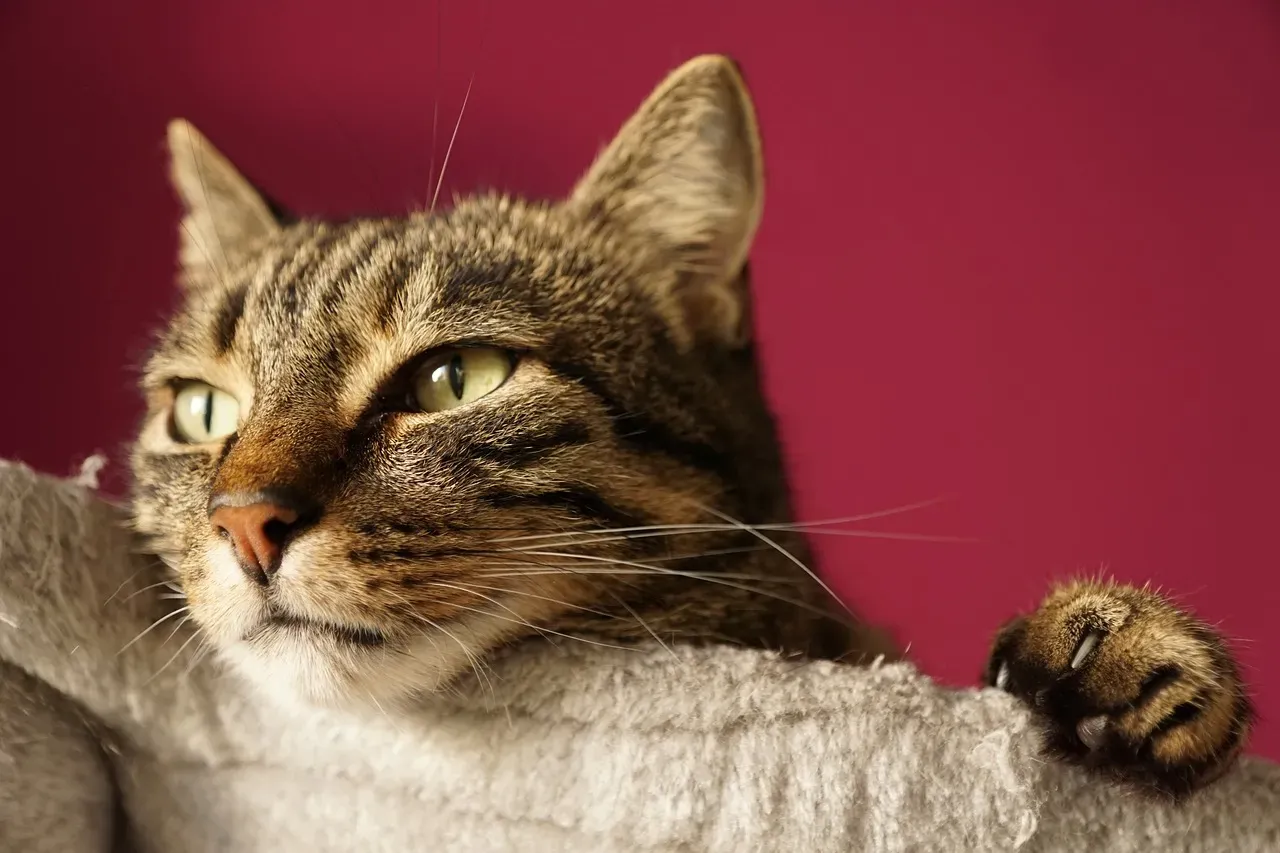
The misconception that cats are independent and require little or no care causes many of them to suffer needlessly, both physically and emotionally. That’s a bold statement, and it deserves to sit with you for a moment. The idea that cats are loners was never fully accurate to begin with – it was a convenient oversimplification.
Cats have a social structure built around the availability of resources. The misconception may partly come from the fact that, as small predators, they often hunt alone because they go after prey that’ll only supply enough food for one. In other words, solo hunting didn’t make them emotionally solitary – it just made them efficient. Think of it like a freelance worker who prefers their own workspace but still craves a good team meeting once in a while.
Science Has Officially Challenged the Loner Label
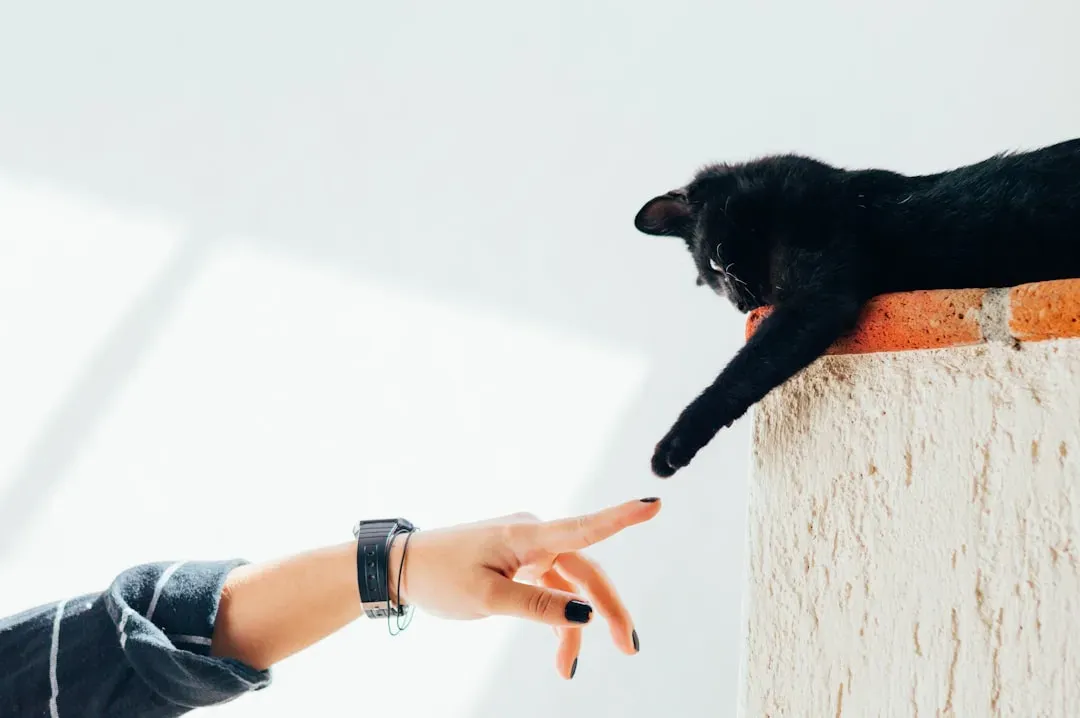
Despite the cat’s popularity as a companion species, many owners and practitioners lack high quality information about important aspects of their behavior and management. Myths, anecdotes, and narratives of cats as ‘low maintenance, self-sufficient’ animals are pervasive. Honestly, it’s a little shocking that a pet this popular still carries so many misunderstood labels.
An increasing number of studies demonstrate that cats not only have the capacity to form strong social bonds with humans, but they also show great social sensitivity – for example, preferentially approaching attentive humans and following human points or gazes to locations containing concealed food. That’s not indifference. That’s active social engagement. Your cat is paying close attention to you, even when you think they couldn’t care less.
Your Cat Has an Attachment Style – Just Like You Do
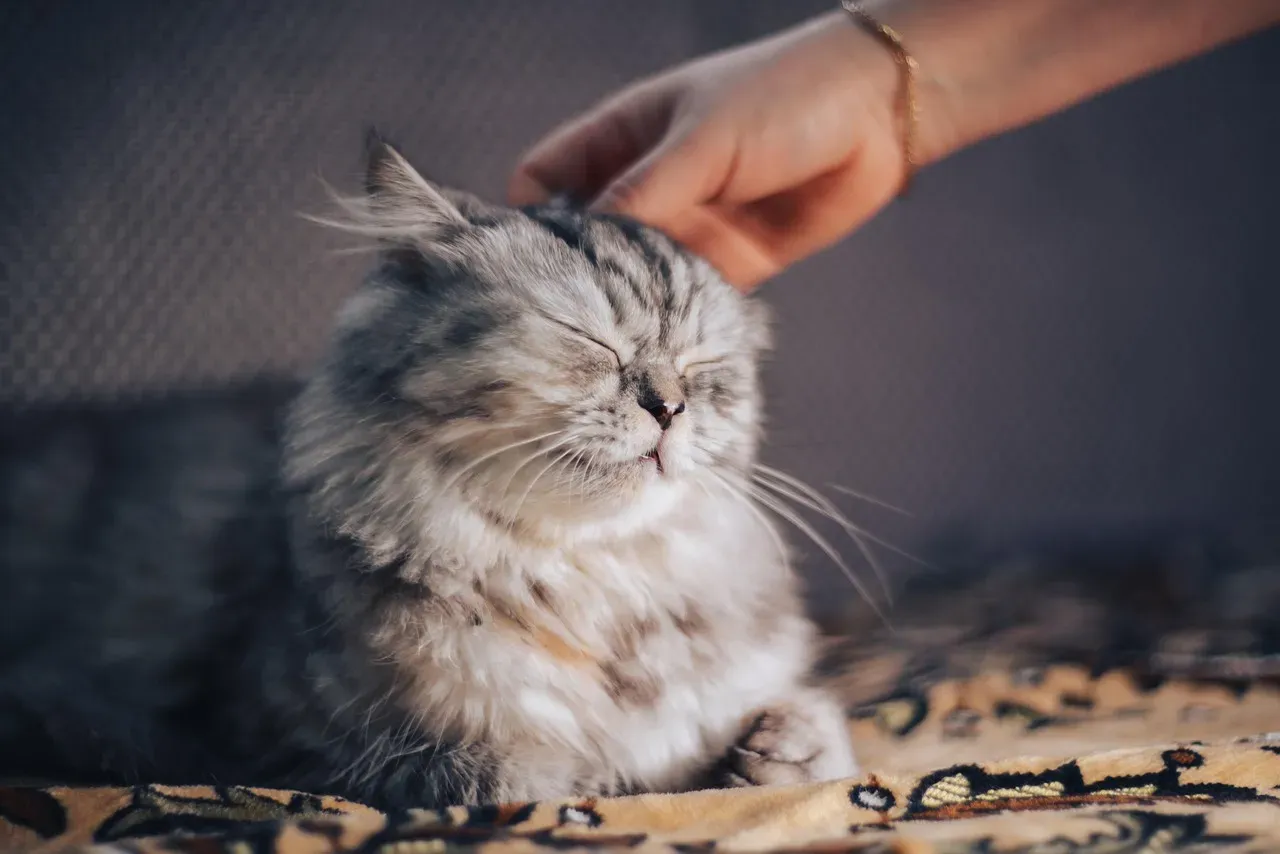
There’s a test typically used on humans and other primates to test their attachment to their caregivers, called the Secure Base Test. This test has been given to dogs, too. During the test, a cat is observed spending time in an unfamiliar room with their guardian, then alone, and then reunited. Results showed that cats have a similar capacity for secure attachment to their guardians as human children do to their parents. Let that sink in. Your cat’s bond with you has been scientifically compared to the attachment between a child and a parent.
Securely attached cats display a reduced stress response and curiously explore the room while checking in periodically with their owners for attention. Cats with an insecure attachment remain stressed after their owner returns and display behaviors such as clinging or avoidance. Sound familiar? It really is remarkably similar to human attachment theory – the spectrum runs from secure and confident to anxious and clingy.
They Meow Almost Exclusively for You
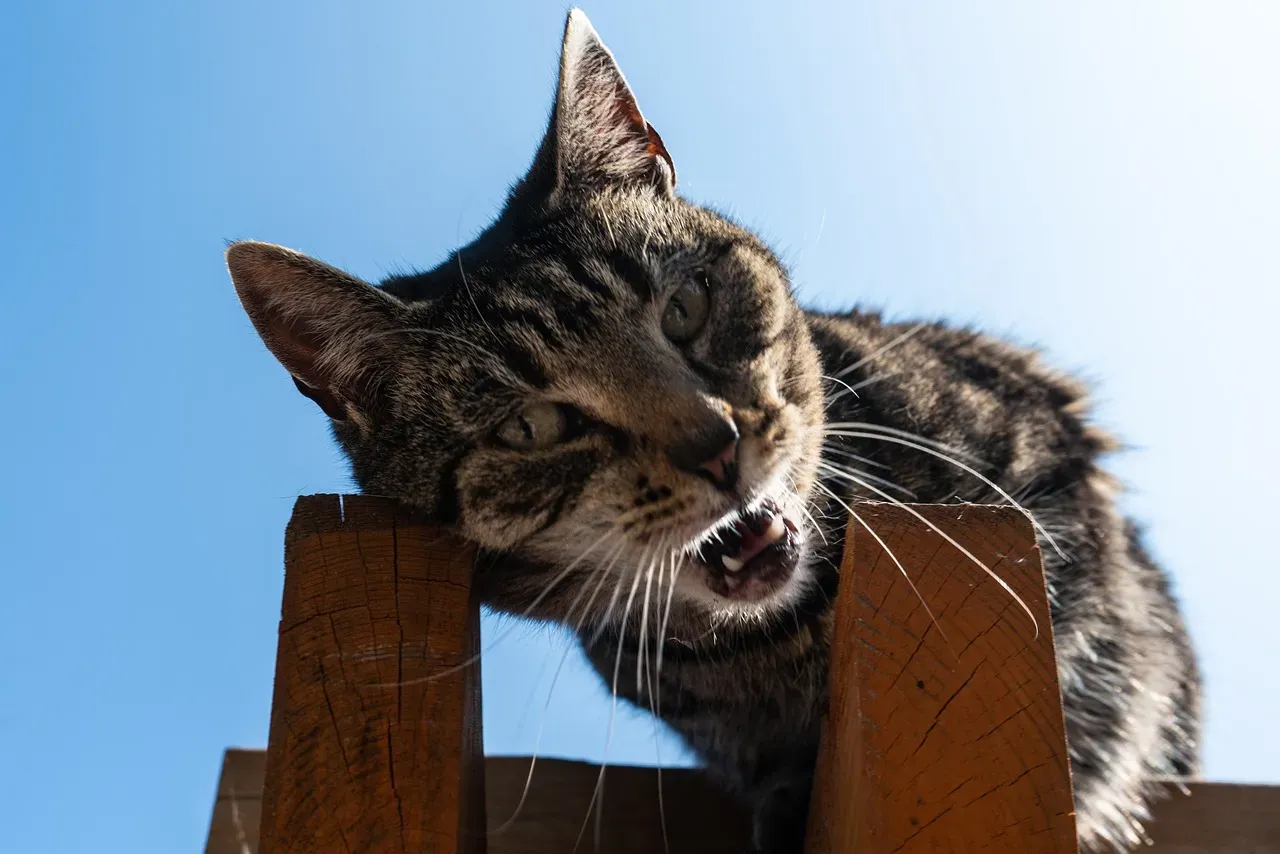
Adult cats rarely meow at other cats – they primarily use meows to communicate with humans. Meowing is a behavior typically reserved for communicating with their mother during kittenhood. When your cat meows at you, it is a special, intimate vocalization that suggests they view you as their caretaker. I find this one genuinely surprising every time I think about it. Your cat essentially invented a private language just to talk to you.
It is generally known that cats vocalize more frequently with their human companions than with other cats. Research has found that meows are attention-seeking vocalizations in interspecific situations – meaning between different species – and are higher pitched and more pleasant-sounding than those of feral cats and wild ancestors. So your cat didn’t just develop a vocabulary for you. They fine-tuned it, making it softer and more appealing over generations of living alongside humans. That’s not independence. That’s co-evolution.
The “Slow Blink” Is a Love Letter Written in Eye Contact
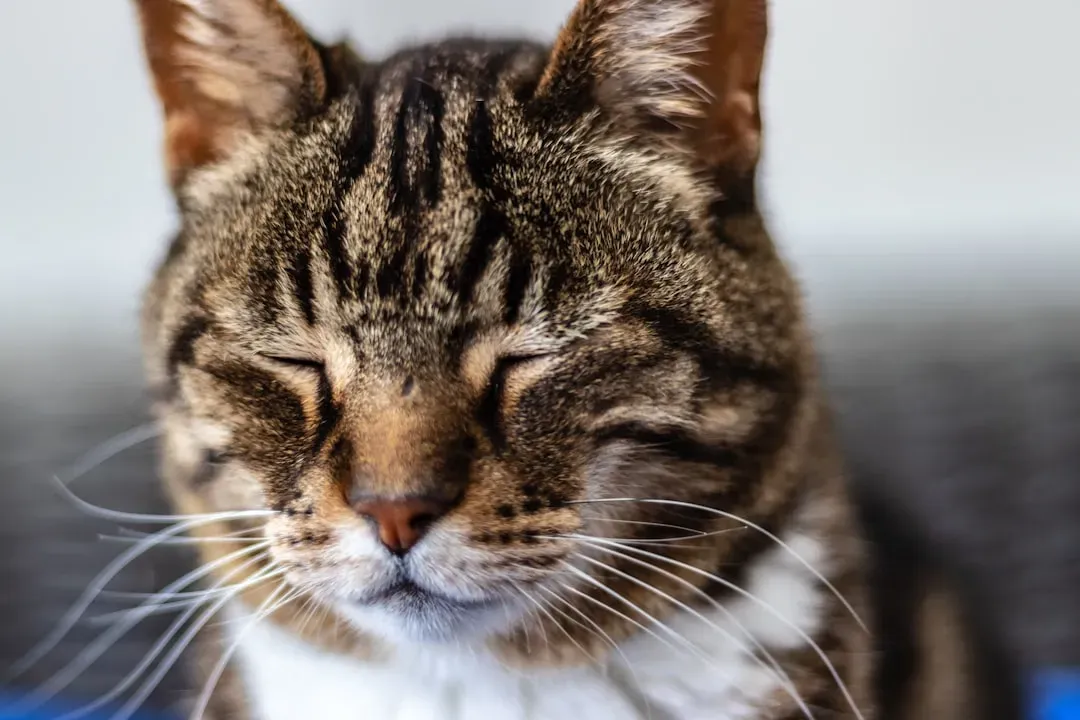
Cats aren’t confused about anything when they slow blink. If anything, they’re confident in their love for you. A slow blink is one of the most intimate ways a cat shows love, often called a ‘cat kiss.’ When your cat looks at you deliberately and softly closes and opens their eyes, they are communicating that they feel safe and at ease with you. It’s subtle, quiet, and completely easy to miss – but once you know what it means, it changes everything.
A groundbreaking 2020 study published in Scientific Reports found that cats respond positively to slow-blinking from humans. This non-verbal cue, similar to a cat’s version of a smile, signals trust and affection. When you slowly close your eyes, pause for a second, and then gently open them again, your cat is likely to interpret this as a friendly and calming gesture. Many cats even return the slow blink, reinforcing their bond with you. Try it tonight. Genuinely. The results might make you rethink every interaction you’ve ever had with your cat.
Head Bunting: When Your Cat Claims You as Family
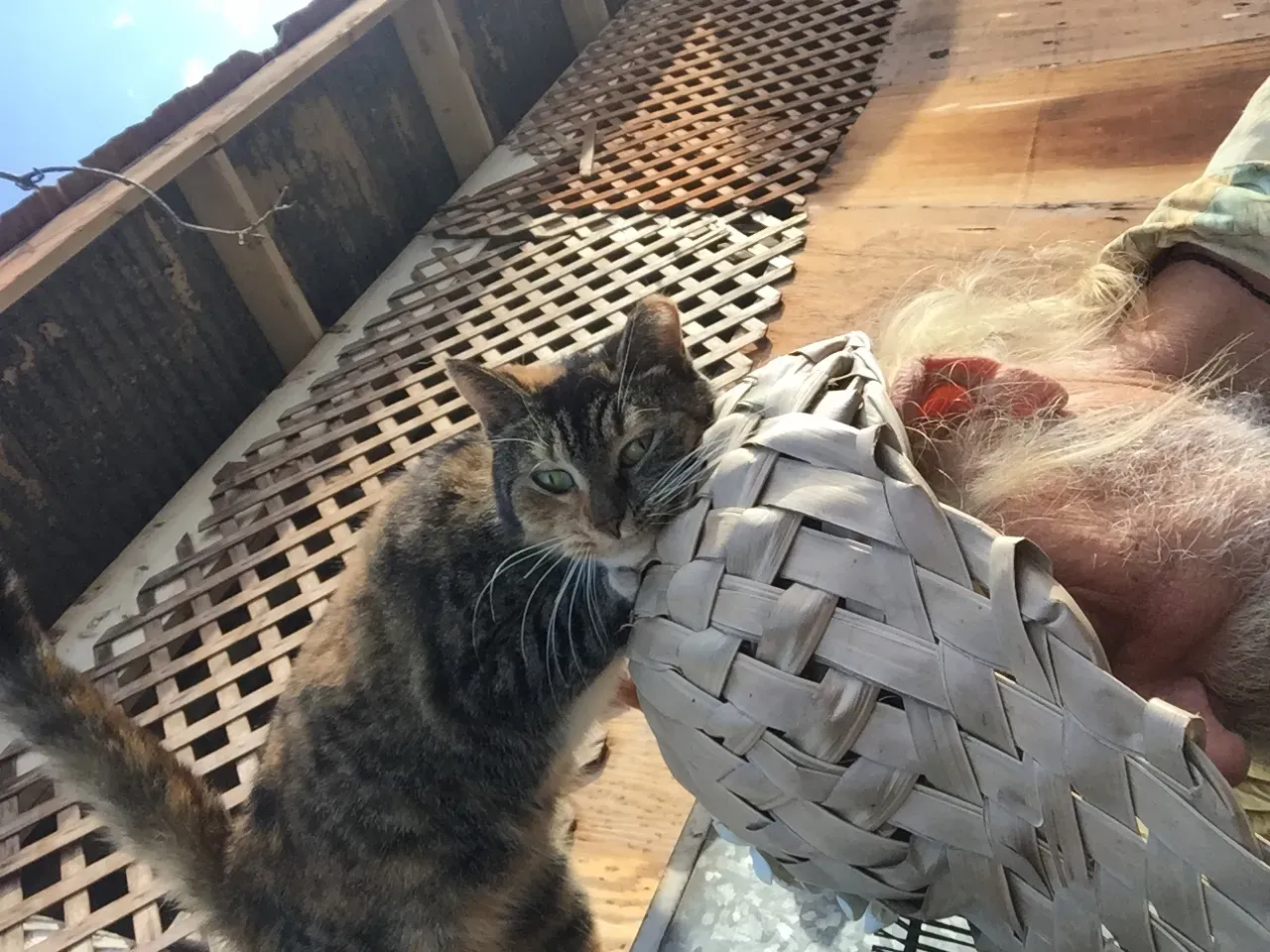
Cats have scent glands on their chins, cheeks, and foreheads. By firmly pressing or rubbing their face against your leg, arm, or head, they are depositing their scent and marking you as their territory and part of their family. This sweet feline gesture is a clear sign of love, showing that you’re officially part of their family and that they trust and adore you. When your cat headbutts you at seven in the morning, they’re not just being weird – they’re including you in their inner circle.
When cats rub their head on you, they are depositing pheromones from glands on their neck and head. This is something they do with other cats they like, and it’s thought to build up a group scent. So if they are putting that scent on you, it’s a sign that you are part of their social group. It’s their version of a friendship bracelet, just a little more invisible and a lot more olfactory. Same sentiment, different medium.
Kneading on You Means You’ve Earned Deep Trust
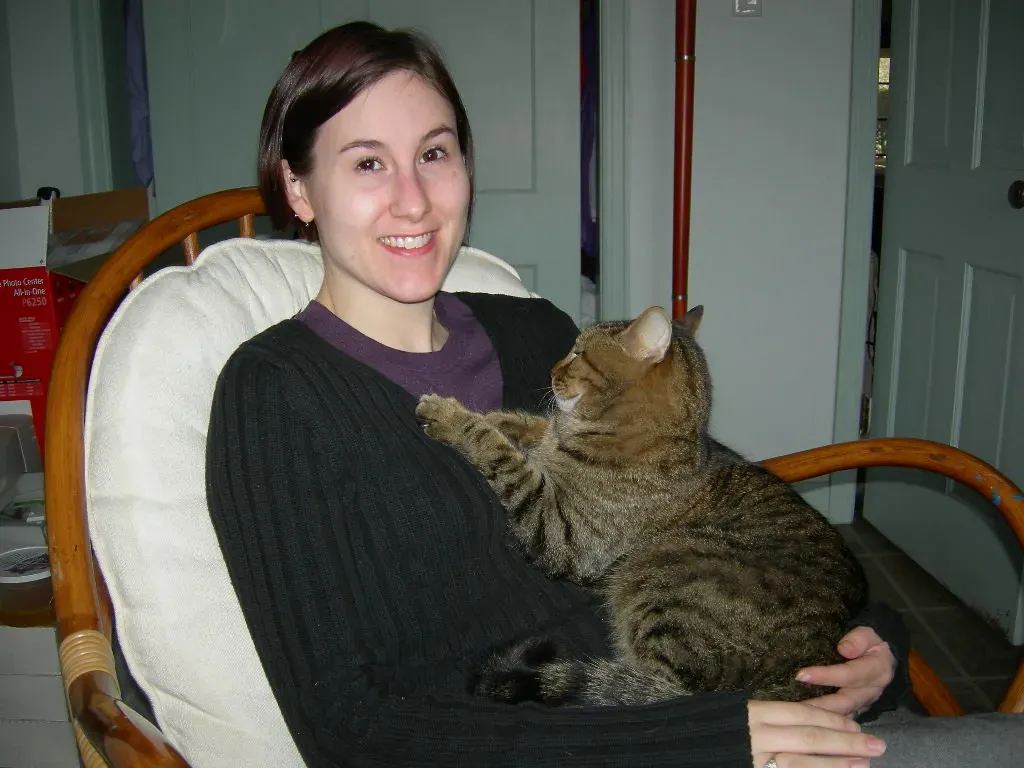
Kneading is a behavior that begins at kittenhood, when kittens knead against their mothers to stimulate milk production, resulting in a feeling of contentment. When adult cats knead, experts believe it’s associated with that same kind of feeling – so the next time you feel those little paws pressing against you, it’s your cat letting you know she loves you. There is something almost heartbreakingly tender about the fact that your adult cat still reaches for the comfort of their earliest memory – and they reach for it while sitting on you.
The rhythmic kneading cats do on blankets, pillows, or their humans is a behavior that mimics what they did while nursing as kittens. It’s just a leftover instinctual thing that they do when they feel super happy and super connected. So if your cat “makes biscuits” on your lap, even if it’s occasionally uncomfortable with the claws, that’s one of the highest compliments they can offer. You’re basically their safe place.
Following You Around the House Is Not Nosiness – It’s Bonding
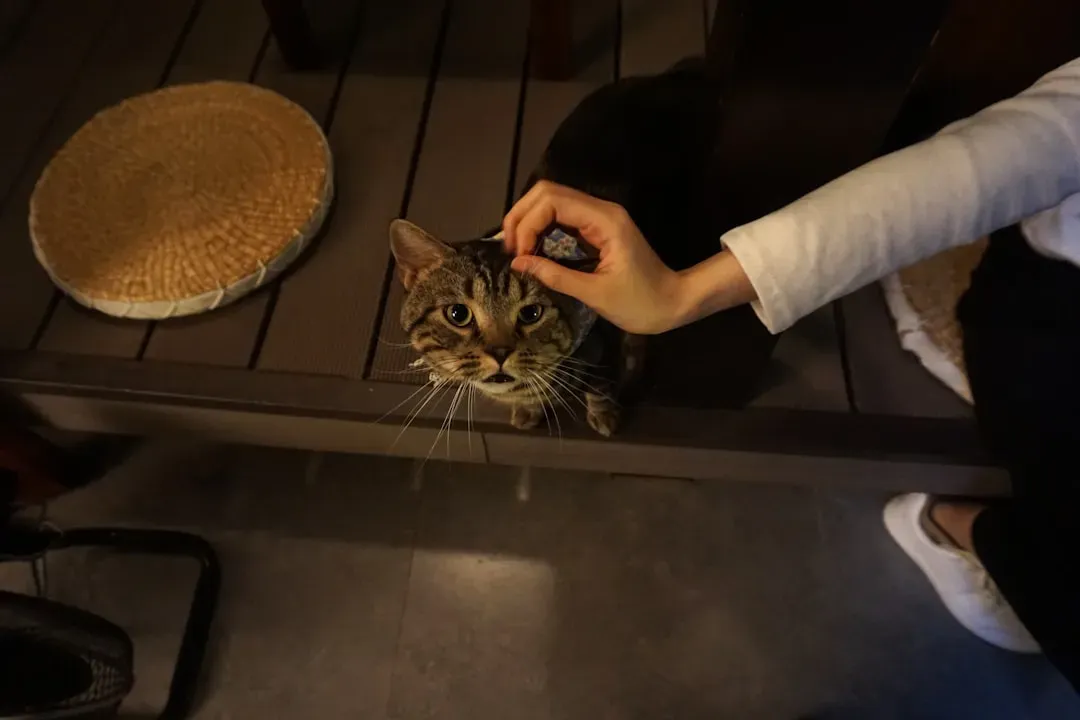
If your cat is following you, it could be a sign that they want your attention. Many cats do it around feeding time to signal they want to be fed, but others do it because they crave attention. It’s hard to say for sure whether your particular cat is following you out of love or just monitoring the kitchen situation – but chances are, it’s a little of both.
Some cats follow as a form of companionship. Sitting nearby, sleeping in your room, or trailing behind are feline equivalents of saying, “I trust you.” Understanding these patterns helps owners identify whether their cat’s following behaviour is a healthy sign of trust or a potential stress response. Think of it this way: if a friend kept quietly turning up in whatever room you were in, you’d probably feel pretty loved. Your cat is doing exactly the same thing – they just don’t make it awkward about it.
Attention-Seeking Behaviors You’ve Been Misreading as “Bad”
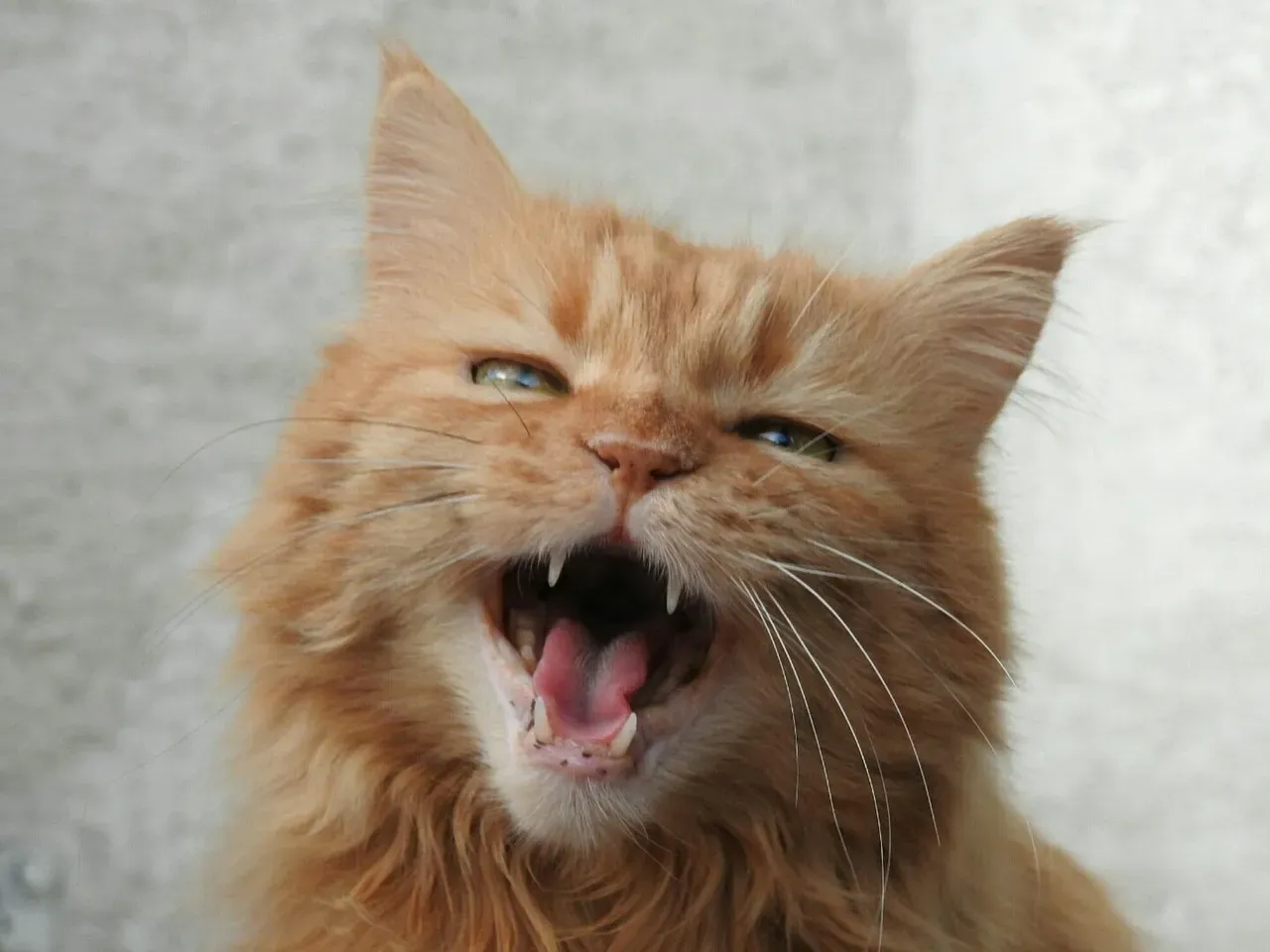
Attention-seeking behaviors may include excessive vocalization, destructive scratching, pawing or tapping, and deliberately knocking items off surfaces within your view. Sound familiar? Maybe you’ve labeled your cat as a troublemaker for sweeping your coffee cup off the table. But there’s a deeper communication happening beneath that chaos.
Cats seek attention for many reasons, including loneliness, boredom, or an unmet need. Attention-seeking behavior in cats can indicate that they crave more human interaction, engagement, or predictability in their lives. Your cat isn’t breaking your stuff for sport. They’re telling you something. The cup-on-the-floor trick is essentially a feline text message that reads: “Hello? I exist. Please acknowledge me.” Frustrating? Yes. But also, if you think about it, kind of adorable.
Conclusion: Your Cat Needs You More Than They’ll Ever Let On
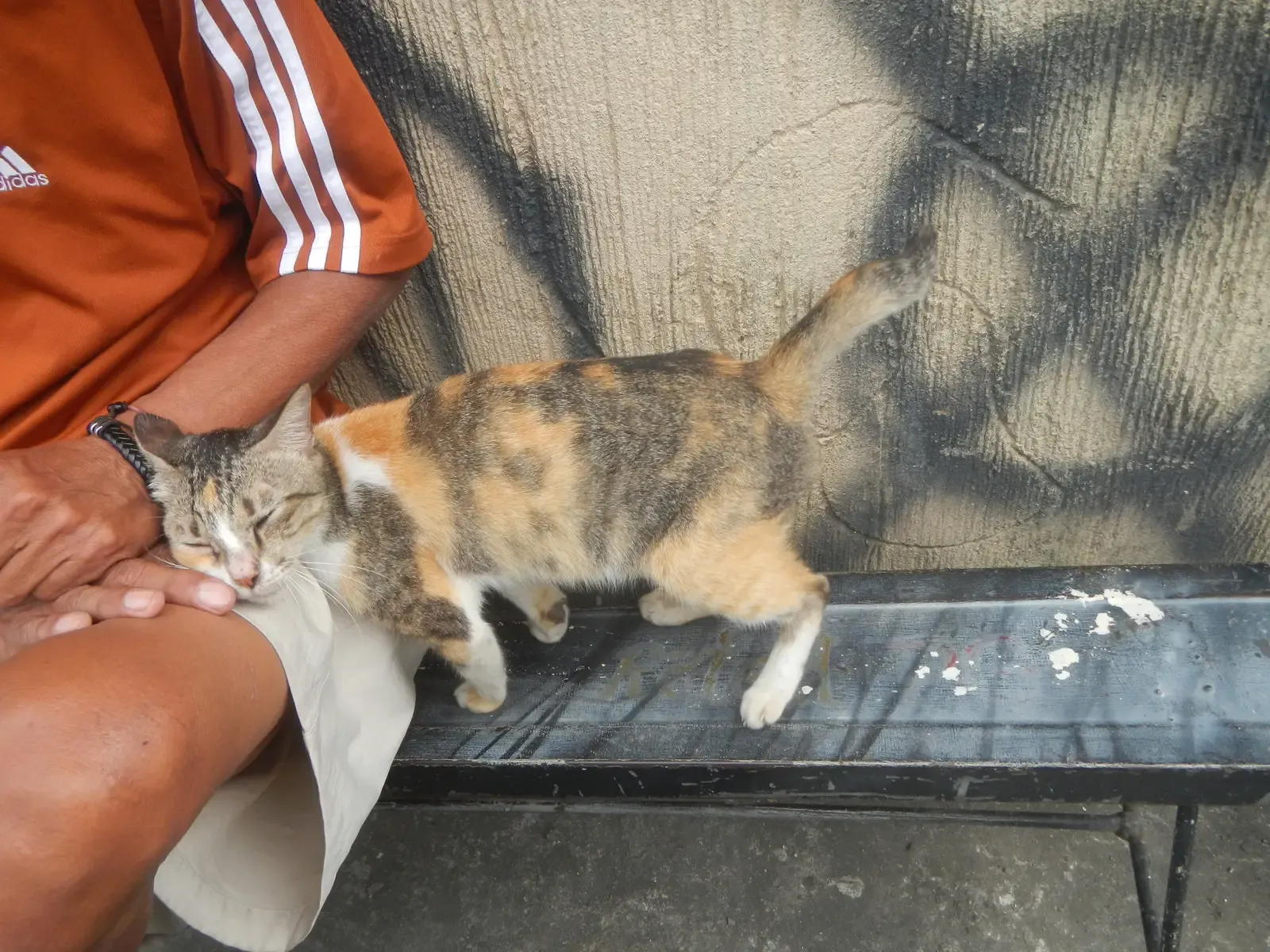
In essence, the “independent cat” is a partial myth. Cats form attachments that are subtler but no less significant than canine loyalty. The key word there is “subtler.” Cats don’t shout their needs from the rooftops the way dogs might – they whisper them. In slow blinks. In gentle headbutts. In following you from room to room.
They are social animals that form strong bonds with their human caregivers and feline companions. Cats thrive on affection, attention, and interactive play, seeking human companionship to fulfill their emotional needs. The next time your cat does something that seems odd or needy or even mildly destructive, resist the urge to dismiss it. They’re reaching out in the only language they know.
The most remarkable thing about cats isn’t their independence – it’s how deeply they can connect despite a culture that has spent centuries misunderstanding them. Now that you know the signs, the question is: how many of them have you been missing all along?