Most cat enthusiasts immediately think of Maine Coons or Persians when discussing nurturing feline companions. British Shorthairs rarely get the recognition they deserve as emotional support animals and quiet comforters. These round-faced, plush-coated cats possess an understated nurturing quality that makes them exceptional companions for those seeking calm, stable relationships.
Think of them as the quiet friend who always knows when you need company without being overwhelming. Their gentle presence and intuitive understanding of human emotions create bonds that few other breeds can match. Let’s explore the hidden depths of British Shorthair compassion that make them perfect for peaceful homes.
The Science of Their Soothing Presence
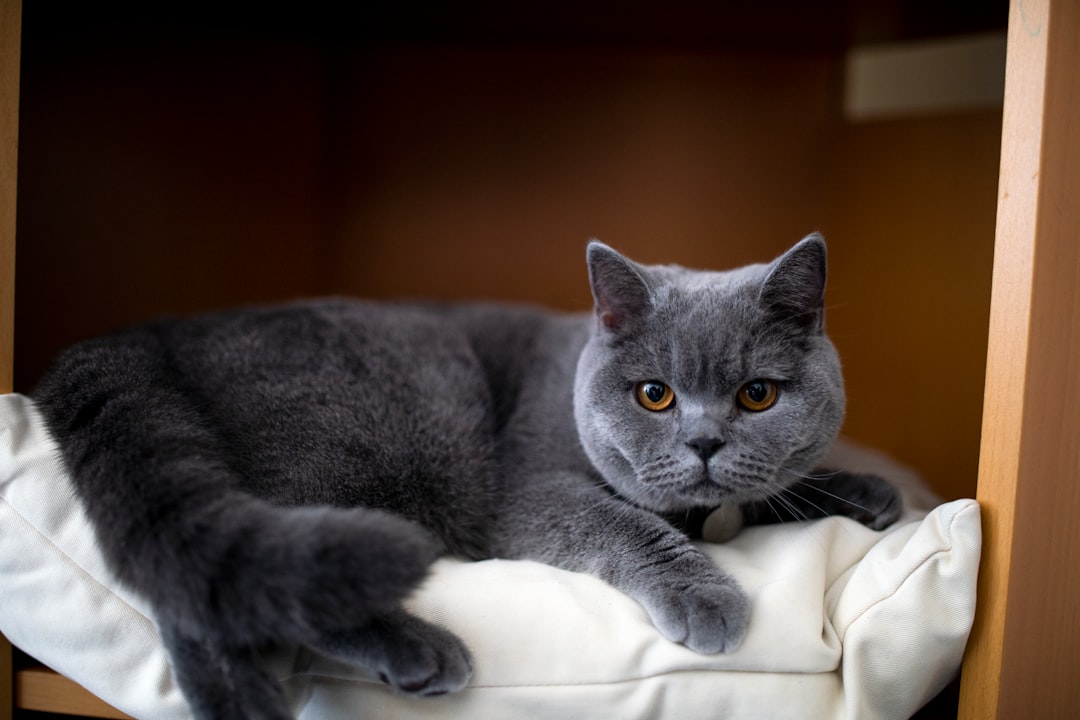
The unchanging and inherently calm nature of a British Shorthair can significantly help individuals manage emotional highs and lows. Their consistent steadiness brings a much-needed sense of control and peace, particularly valuable for people dealing with anxiety or stress.
Studies have shown cats reduce stress and blood pressure levels in their owners. Additionally, some studies suggest ESAs may help with anxiety and depression, though research on ESAs specifically remains limited and mixed. British Shorthairs excel in this therapeutic role because they provide comfort without overwhelming their human companions.
These cats can lower stress levels, decrease blood pressure, and provide comfort and normalcy in the often sterile and impersonal hospital environment. Their natural ability to remain composed under pressure makes them ideal for various therapeutic settings.
Masters of Quiet Companionship
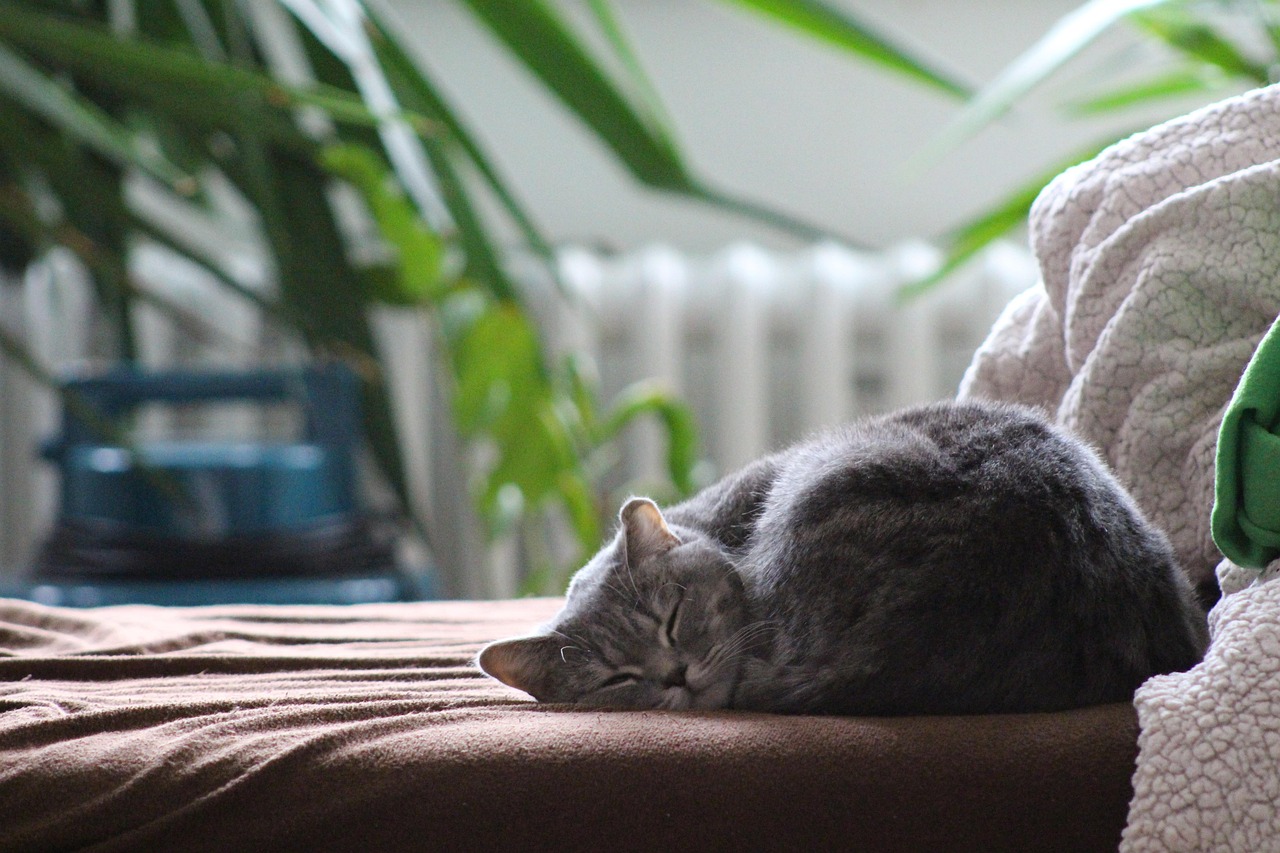
British Shorthair cats have a quiet temperament, and if they trust their owners, they are vigilant and will silently follow their owner’s activities and stay with them. This silent support system provides emotional stability without demanding constant interaction.
Whether it’s through a gentle nuzzle, a slow blink, or their presence in the same room, their quiet companionship is comforting. They understand when words aren’t needed and simply offer their calming presence instead.
They maintain a calm presence, providing steady support without demanding constant attention. For those who appreciate companionship balanced with independence, British Shorthairs offer an ideal temperament. This balance makes them perfect for people who need emotional support but also value personal space.
Emotional Stability Through Routine and Consistency
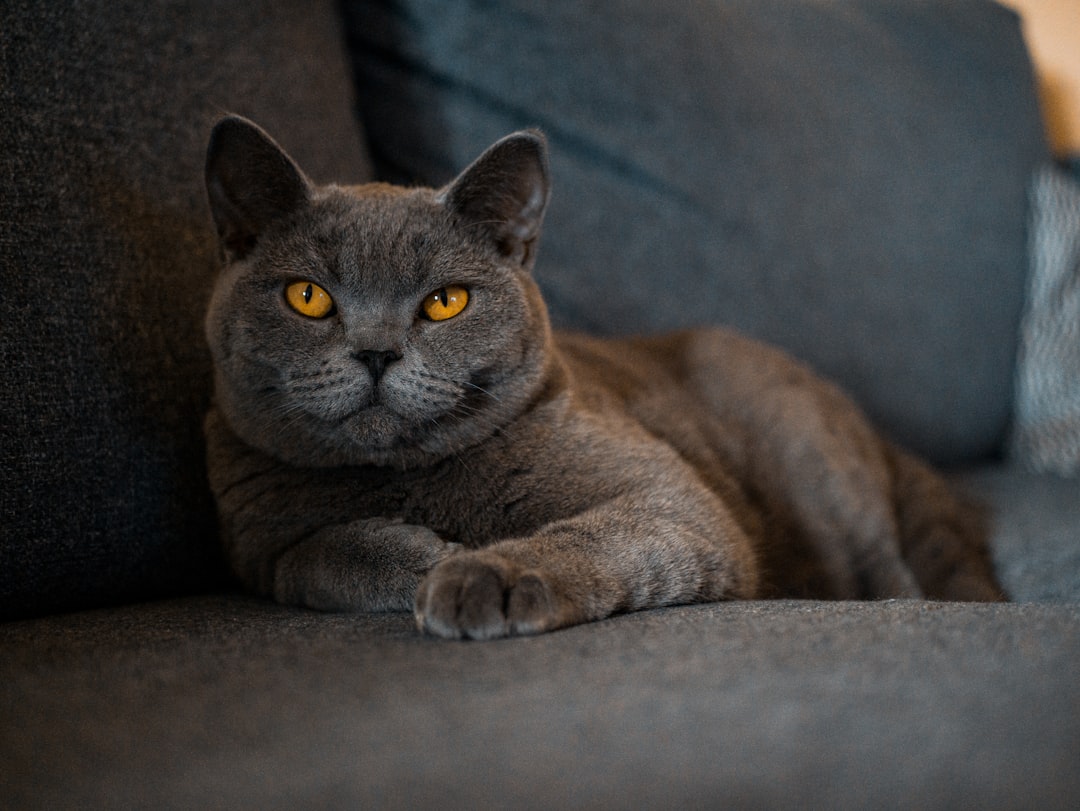
The daily tasks involved in feeding, grooming, and generally caring for a British Shorthair necessitate consistency, which in turn helps establish and maintain vital daily structure. This routine is incredibly beneficial for individuals coping with depression, where motivation and effective time management can often be significant challenges.
They learn your daily routine, follow from room to room as you complete it, and protest with a gentle touch of a paw if something changes significantly. This predictable behavior creates a sense of normalcy and structure that many people find deeply comforting.
They typically form stronger bonds with their chosen humans and begin to follow a set routine that brings them comfort. At this stage, they strike a balance between enjoying their alone time and seeking out companionship. It’s during these years that their personality feels most predictable and consistent.
The Perfect Balance of Independence and Affection
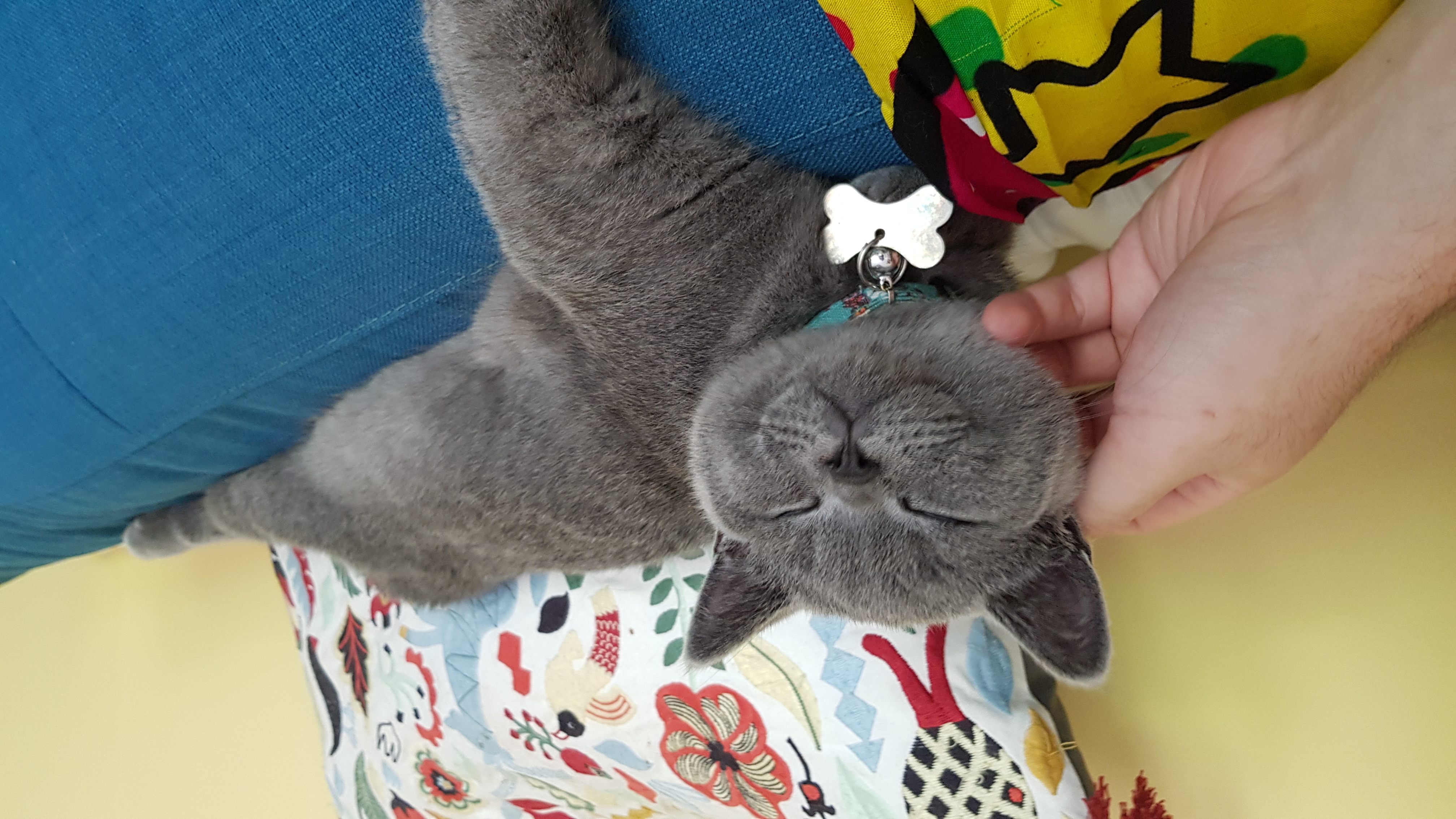
British Shorthairs love to be near their owners but are not overly clingy. They are content to sit by your side or watch you from a distance. This balanced approach to affection makes them ideal for people who appreciate companionship without feeling overwhelmed.
British Shorthairs are known for their round faces and plush coats, but it’s their balanced temperament that makes them standout ESAs. They are independent yet loving, providing a comforting presence without being overly demanding.
British Shorthair cats are the ideal blend of affectionate and independent, making them perfect companions for various lifestyles. Unlike more demanding breeds that constantly seek attention, these cats appreciate their owners without being overly clingy.
Natural Therapy Through Tactile Comfort
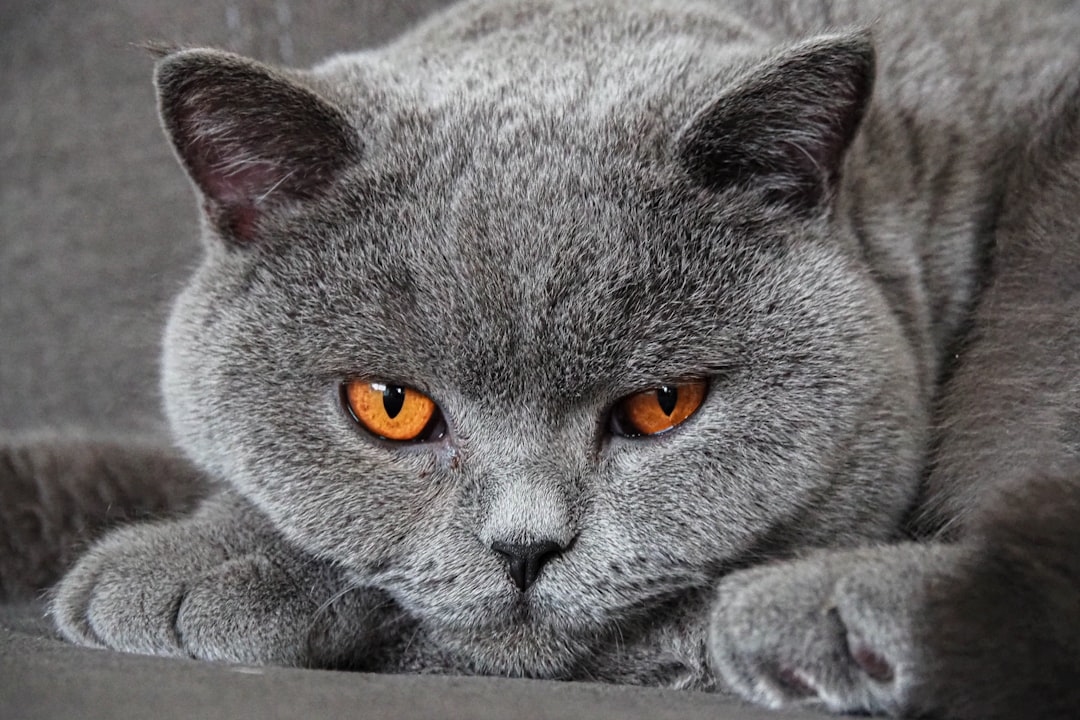
The plush, incredibly thick coat of the British Shorthair provides a rich tactile comfort for those who naturally self-soothe through petting or touch. Their dense, velvety fur offers a sensory experience that can be deeply calming during stressful moments.
They’re large cats with exceptionally soft fur, making them cozy companions for cat lovers of all ages. The physical comfort they provide through their soft coats and sturdy build creates a sense of security that many find therapeutic.
A British Shorthair is rarely vocal, but will greet their trusted family members with great rumbling purrs. They are steady, quiet, and affectionate companions who are well mannered and intelligent. Their purring may provide additional comfort, as some research suggests purring frequencies could have therapeutic effects, though this remains largely anecdotal.
Adaptability to Calm Home Environments
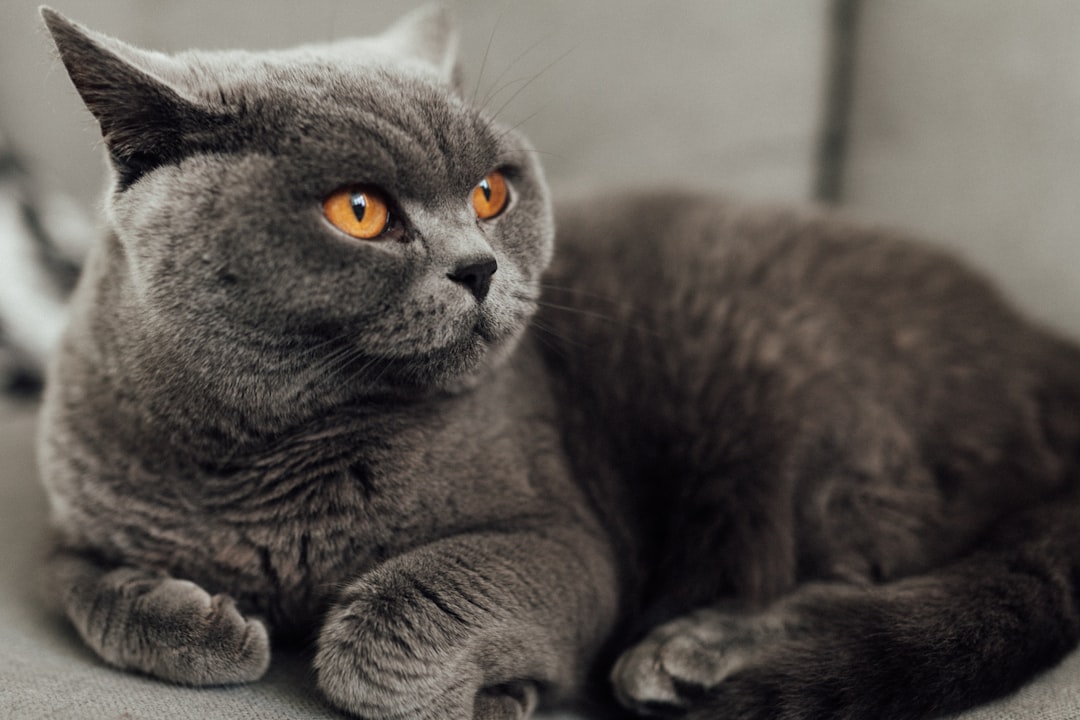
Considering the distinctive British Shorthair temperament, these cats are particularly well-suited for: People who value a calm, peaceful home environment. They thrive in quiet settings where their gentle nature can truly shine.
They are friendly and adaptable, but well suited to a quiet and calm home. Their ability to maintain composure in peaceful environments makes them ideal companions for introverts or those who prefer tranquil living spaces.
These cats are generally calm and composed, often preferring a quiet environment where they can lounge comfortably. They naturally gravitate toward peaceful settings, making them perfect matches for households that prioritize serenity over chaos.
Intuitive Emotional Intelligence
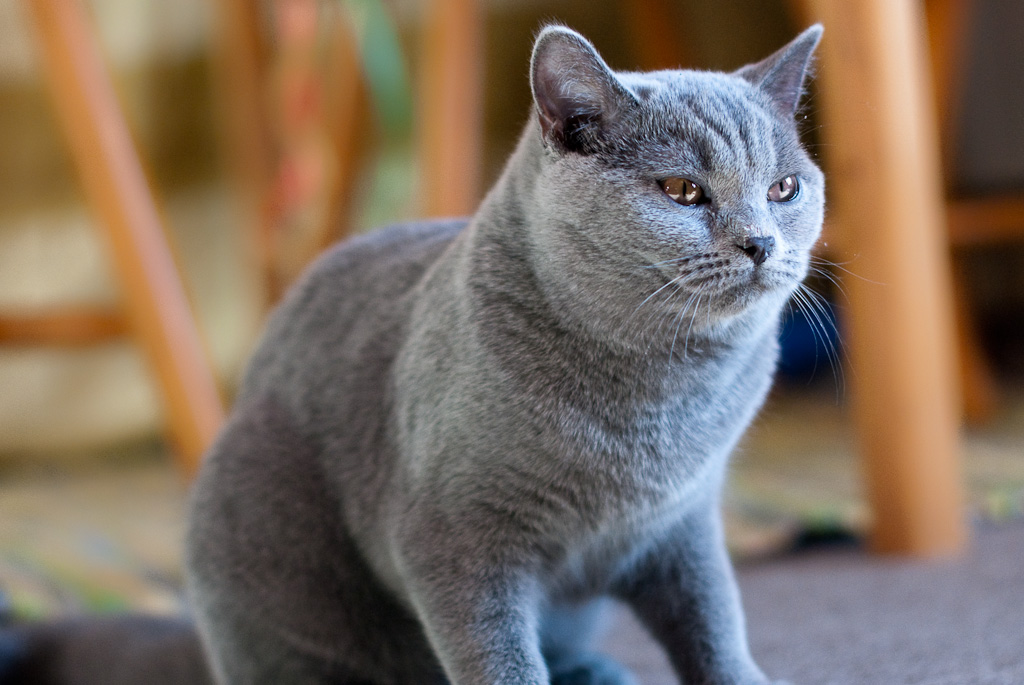
British Shorthairs take a keen interest in all their owners’ activities, and will bestow attention and affection on each member of the family rather than choosing one key person. This inclusive approach to family bonding demonstrates their emotional intelligence and adaptability.
Cats make wonderful emotional support animals with their soothing purrs, gentle presence, and intuitive ability to sense emotional needs. While dogs often get more attention as support animals, cats offer unique benefits that make them ideal companions for many individuals seeking comfort and stability in their lives.
They tend to appreciate quiet moments and may become more openly affectionate, even if they were more reserved before. Simple pleasures like lounging in the sun, resting by a window, or being close to their favorite person become their main priorities. Many owners say their cat’s temperament grows even sweeter with age, as the bond between cat and human deepens over time.
Health Benefits for Mental Wellness
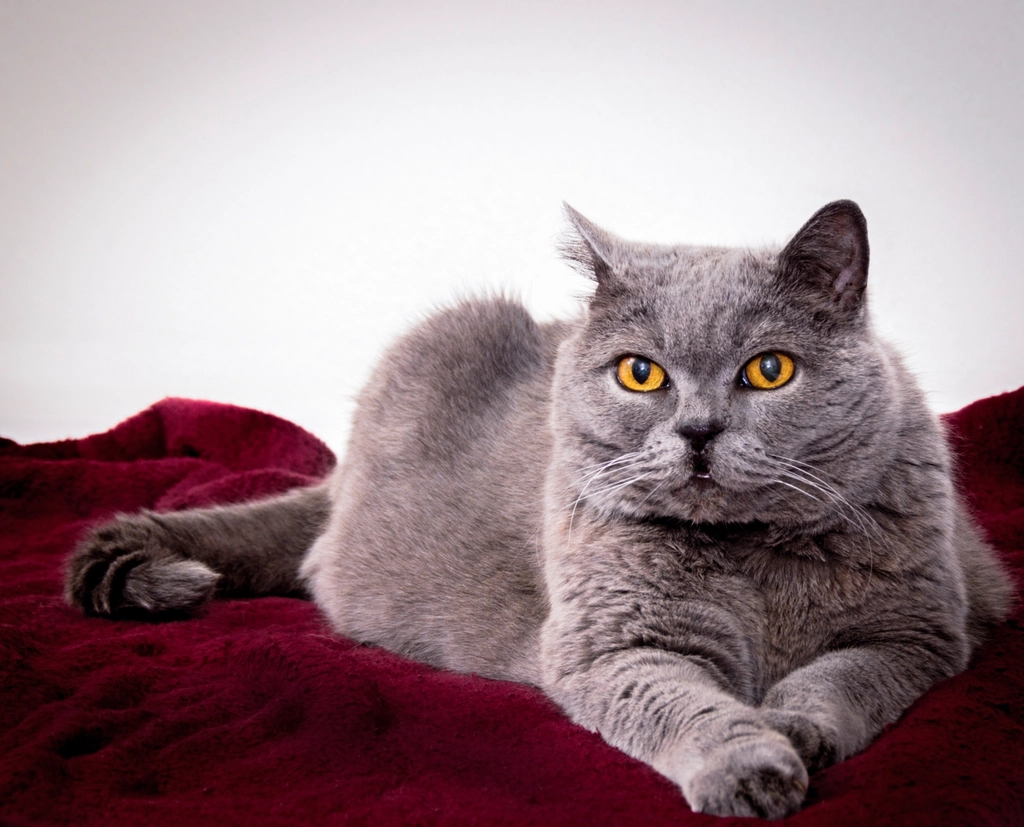
Need gentle help managing anxiety, depression, PTSD, or emotional instability. Benefit significantly from structured routines and steady, consistent companionship. Desire an elegant, relatively low-maintenance feline with subtle emotional intuition.
The British Shorthair, with its round face and dense coat, is a breed known for its calm and dependable nature, making it an excellent therapy cat. British Shorthairs tend to be very affectionate and enjoy being close to humans, offering quiet support without demanding constant attention. Their sturdy build and easygoing temperament make them well-suited for hospital visits, where they can provide comfort and stability in what can often be a stressful environment. The breed’s friendly disposition and ability to remain composed under stress contribute to its effectiveness as a therapy cat, offering a soothing presence to those in need.
According to Pet Partners (formerly Delta Society), one of the leading animal-assisted therapy organizations, animals can provide emotional support and companionship benefits. British Shorthairs excel in providing these benefits through their consistent, calming presence.
Low-Maintenance Nurturing Partners
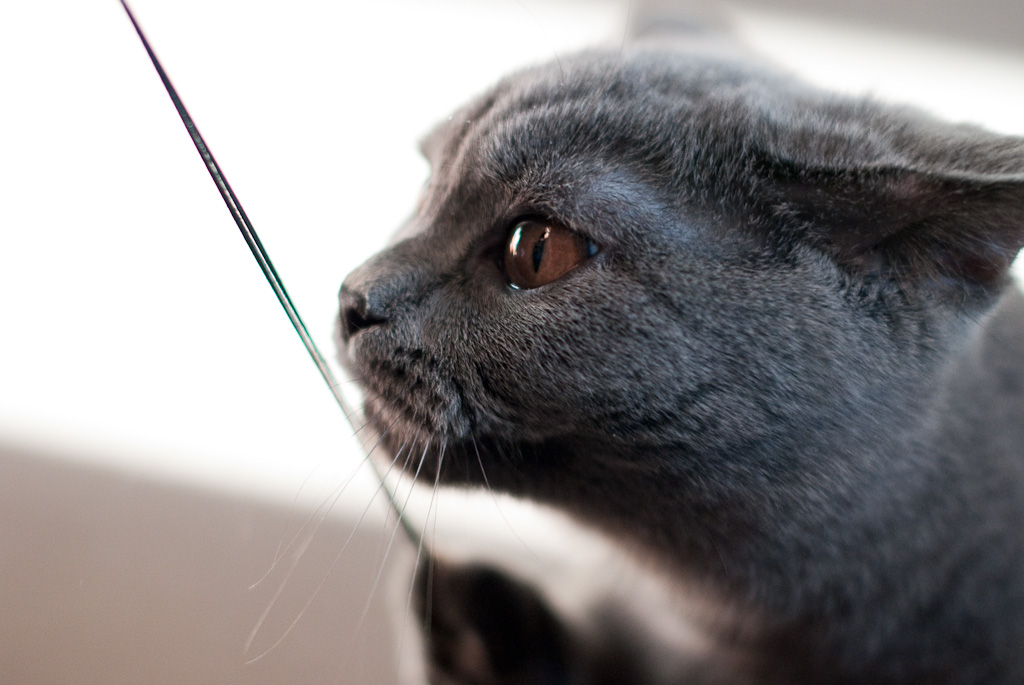
They make for a great first-time cat parent because they remain very low-maintenance. Everyone in your family will love them! Their nurturing nature doesn’t come with overwhelming care requirements, making them accessible to various living situations.
The British Shorthair is a very pleasant cat to have as a companion. She is easy going and placid. The British is an easy cat to care for and makes a wonderful, quiet companion.
They are quite happy having a play and a cuddle, but they are not attention-seeking. They are less needy and demanding than many other cat breeds. This independent cat will pop back to check on you at regular intervals, but they don’t tend to be a lap cat. This independence makes them perfect for people who want companionship without feeling overwhelmed by constant demands.
Long-Term Companions for Stable Relationships
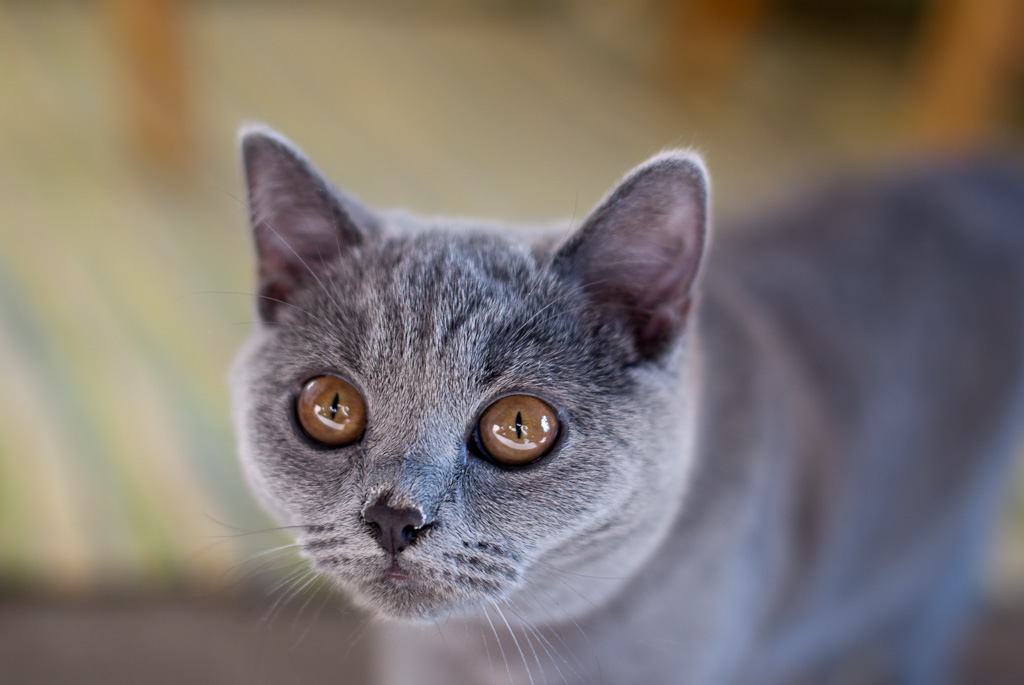
This breed thrives in a stable environment and tends to develop a strong attachment to their home and family, ensuring a long-lasting, trustworthy relationship. Their loyalty and consistency create enduring bonds that provide emotional stability over many years.
The British short hair tends to be a placid and easy-going cat. They are some of the most loyal and loving cats, and they will often attach themselves to several family members. While they enjoy playing, they also don’t mind spending time by themselves.
Cuddly and comforting, the calm presence of a British Shorthair in the home means a welcoming “smile” for visitors and loyal, affectionate companionship for everyone in the house. Their ability to create lasting, meaningful relationships makes them invaluable emotional support partners for those seeking stable, long-term companionship.
Conclusion
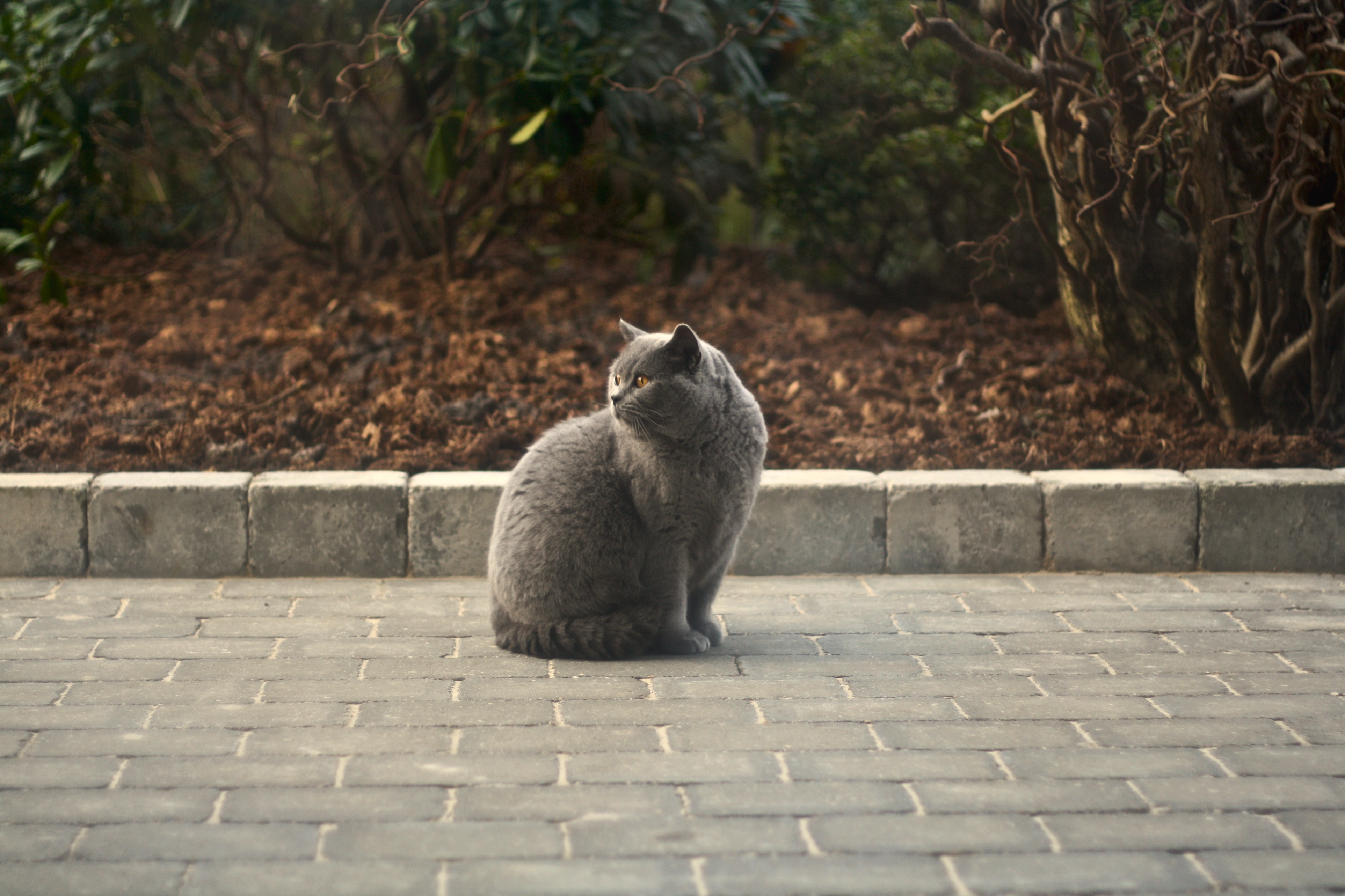
British Shorthairs represent a unique form of feline nurturing that operates through subtle presence rather than dramatic gestures. Their quiet loyalty, emotional stability, and intuitive understanding of human needs create therapeutic relationships that benefit mental wellness in ways that are often overlooked.
These remarkable cats offer the perfect solution for individuals seeking emotional support without overwhelming demands. Their balanced temperament, combined with their natural ability to provide comfort through consistency and gentle affection, makes them ideal companions for calm homes where peace and emotional stability are priorities.
What aspects of British Shorthair companionship do you find most appealing? Share your thoughts about these gentle, nurturing cats in the comments below.