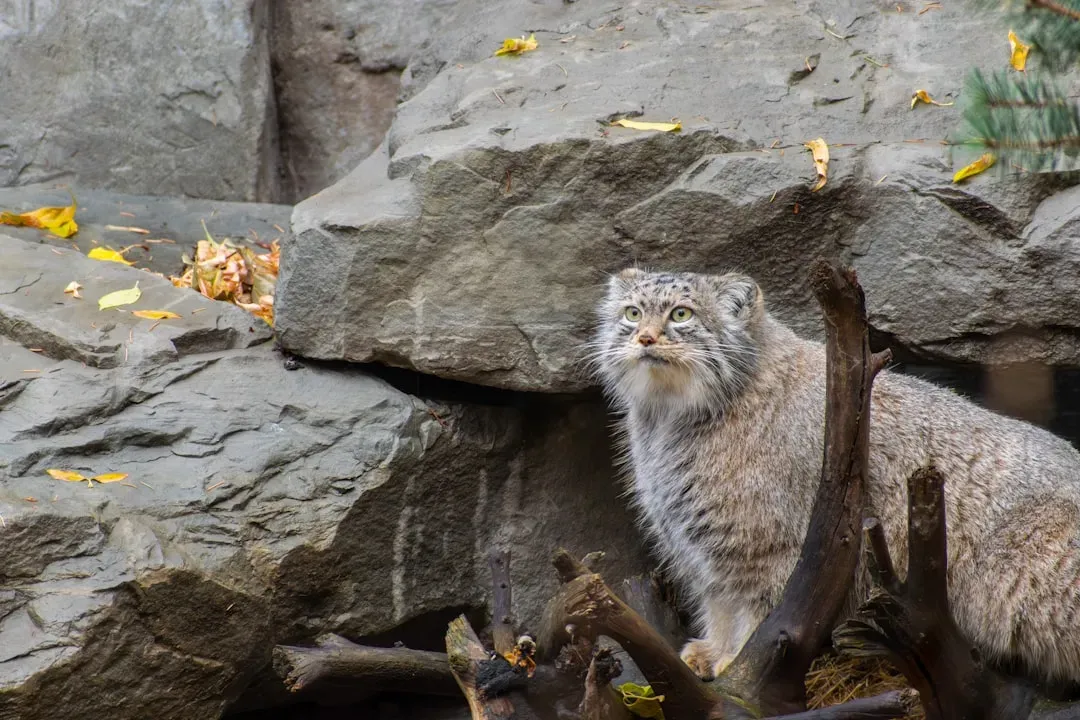
Picture this: a cat that looks like it was designed by someone who’s never seen a cat before. It has the permanent expression of someone who just woke up to find their alarm didn’t go off, the fluffiest coat you’ve ever seen, and a body that looks like it ate another cat. That’s the Pallas’s cat for you, and honestly, it’s one of nature’s most fascinating little secrets hiding in the cold mountains of Central Asia.
What makes this creature so captivating isn’t just its grumpy expression or its ridiculously thick fur. It’s everything about how this cat has managed to survive in one of Earth’s harshest environments for millions of years. While you’re comfortable in your climate-controlled home, this wild feline is thriving in temperatures that would make most creatures think twice. Let’s explore what makes the Pallas’s cat such an incredible survivor.
An Ancient Lineage That Refuses to Quit
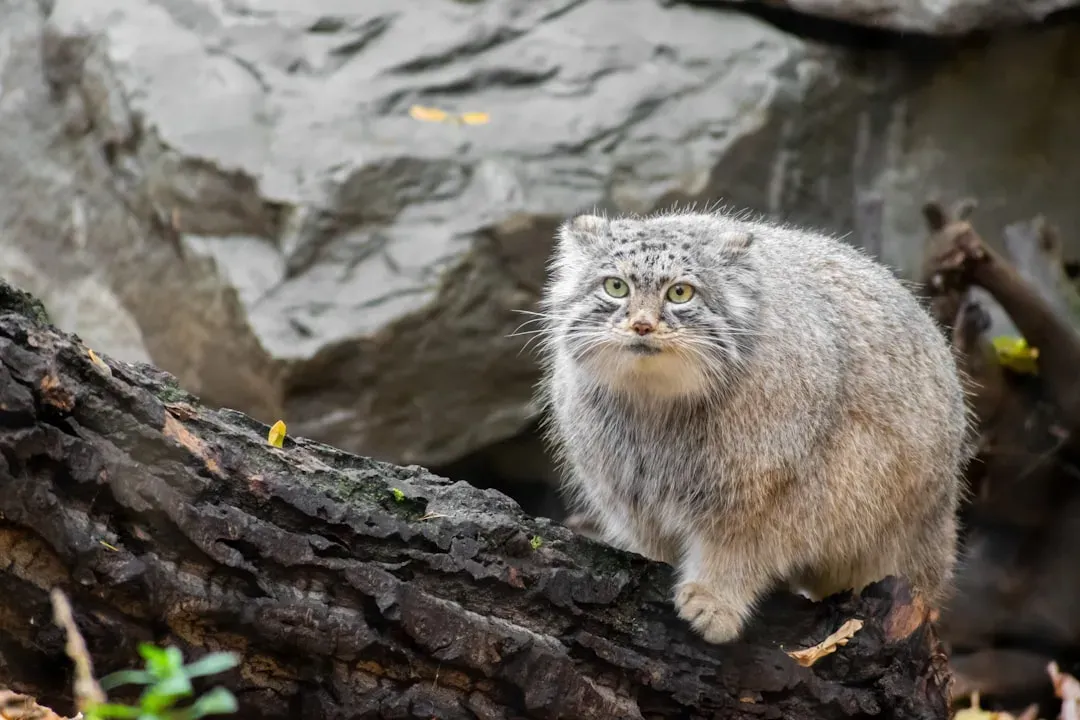
The Pallas’s cat diverged from a common leopard ancestor around 5.2 million years ago, making it one of the oldest known feline species with distinct appearance and behavior. Think about that for a moment. While our human ancestors were still figuring out how to walk upright, this cat’s lineage was already established and thriving.
Peter Simon Pallas first described this species in 1776 after observing it near Lake Baikal. The German naturalist probably had no idea he was documenting something so evolutionarily significant. The Pallas’s cat is the single member of the scientific group Otocolobus, where “oto” means ear and “colobus” can mean “maimed” or “cut short,” referring to the stumpy shape of the cat’s ears. It’s basically in a category all its own.
A Face Only Evolution Could Love
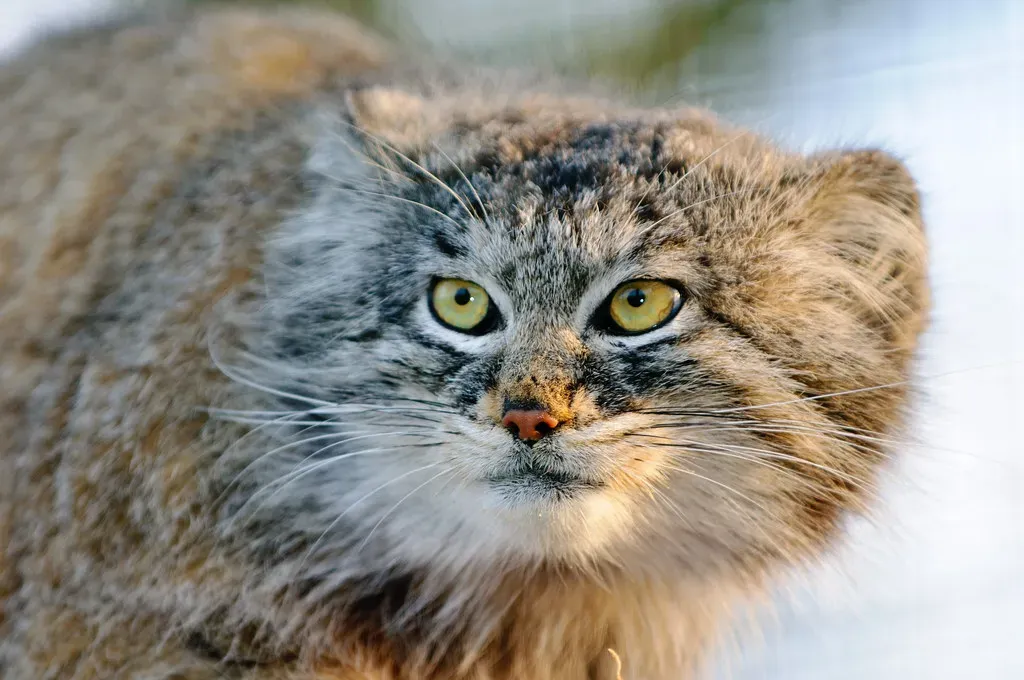
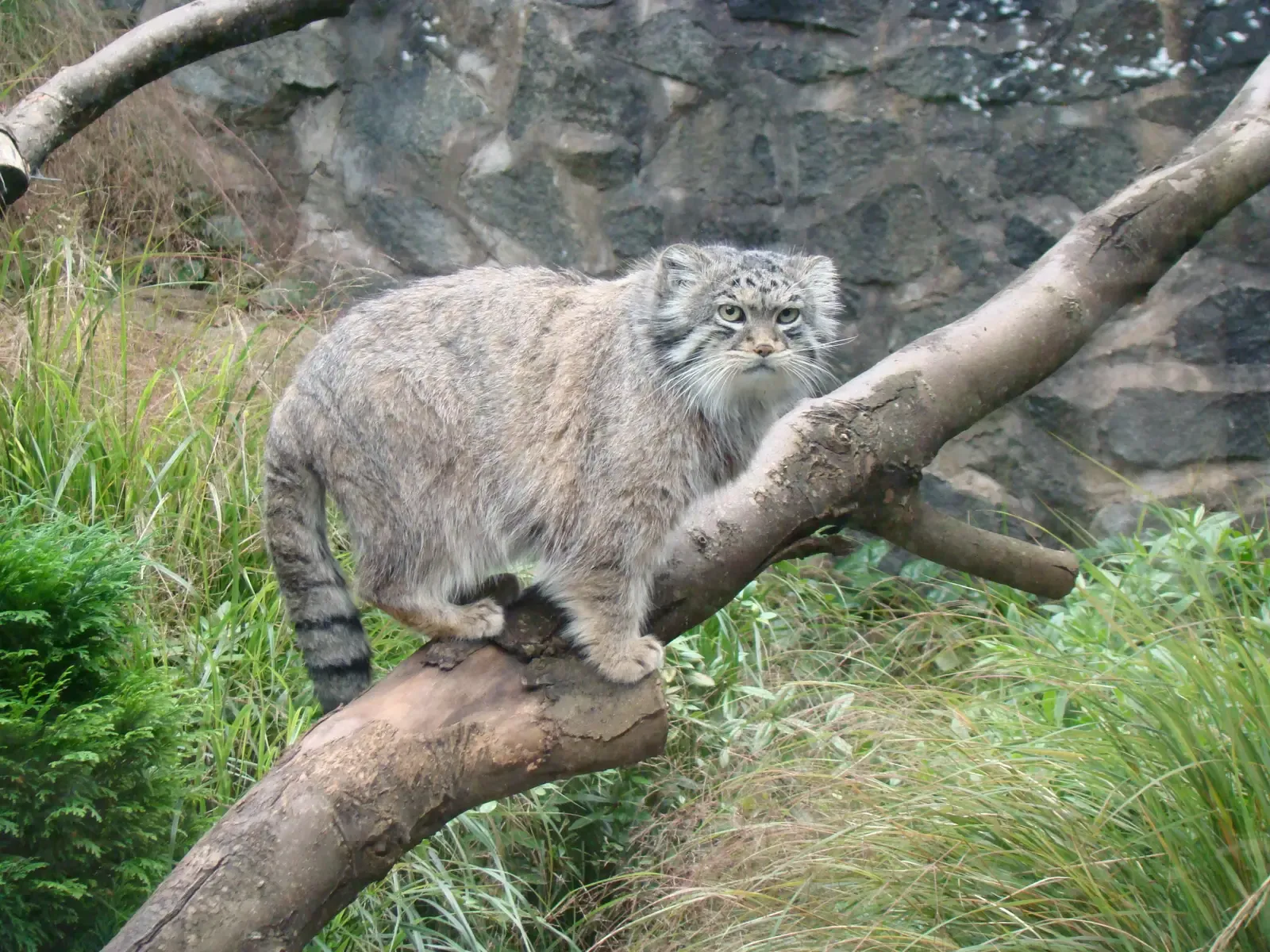
Let’s be real: the Pallas’s cat looks perpetually annoyed, and there’s a good reason for that unusual appearance. Some researchers think their strange-looking faces might be an environmental adaptation to the cold, with unusual skull shapes that mean they have small foreheads and eyes positioned higher up on their face than domestic cats. Nature wasn’t going for cute here; it was going for functional.
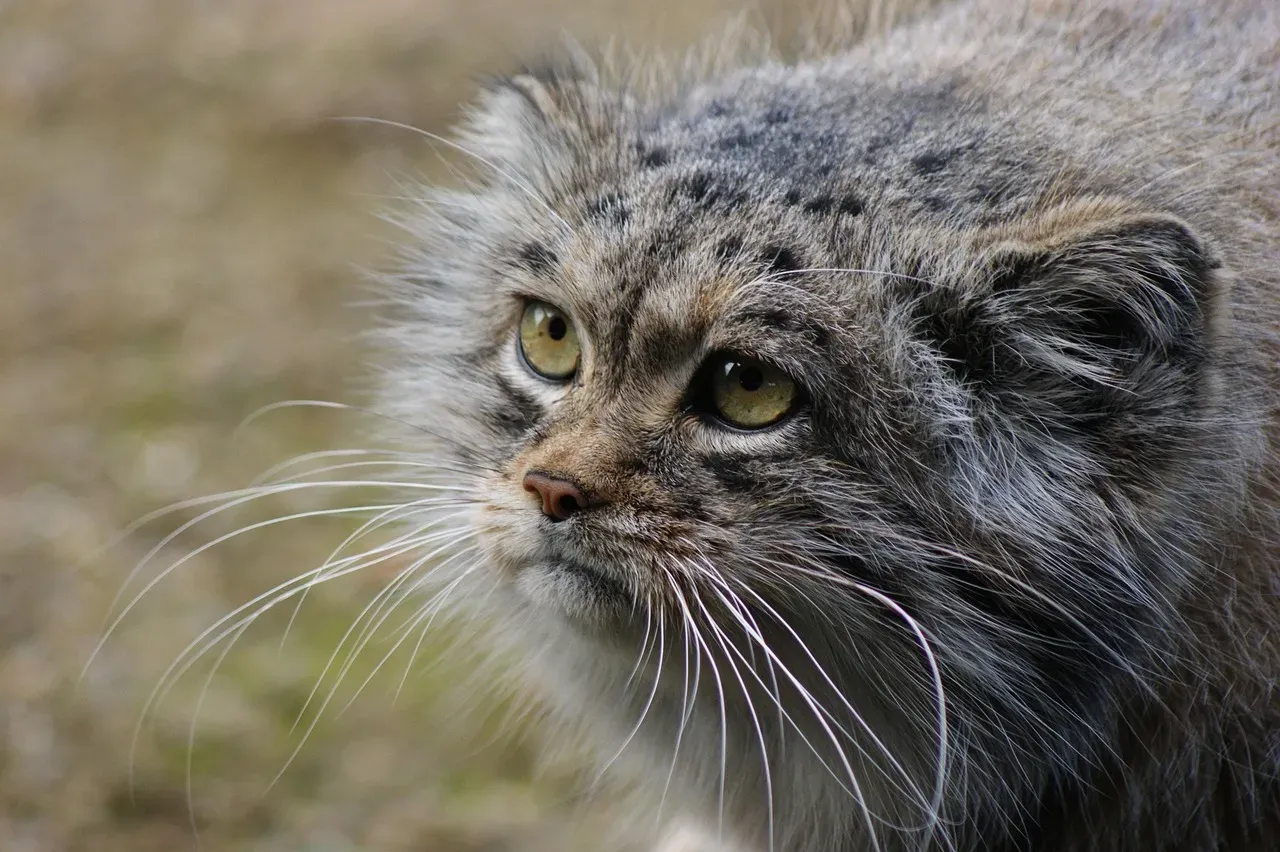
Their head is round and broad with scattered black spots on the forehead and two distinct parallel black bars on each cheek, with large owl-like yellow eyes whose pupils contract into small circles instead of the usual vertical slits. This gives them an expression that’s become internet gold. You know what though? That grumpy look is just their face doing exactly what it needs to do to help them hunt in open terrain.
Built for the Cold Like No Other Cat
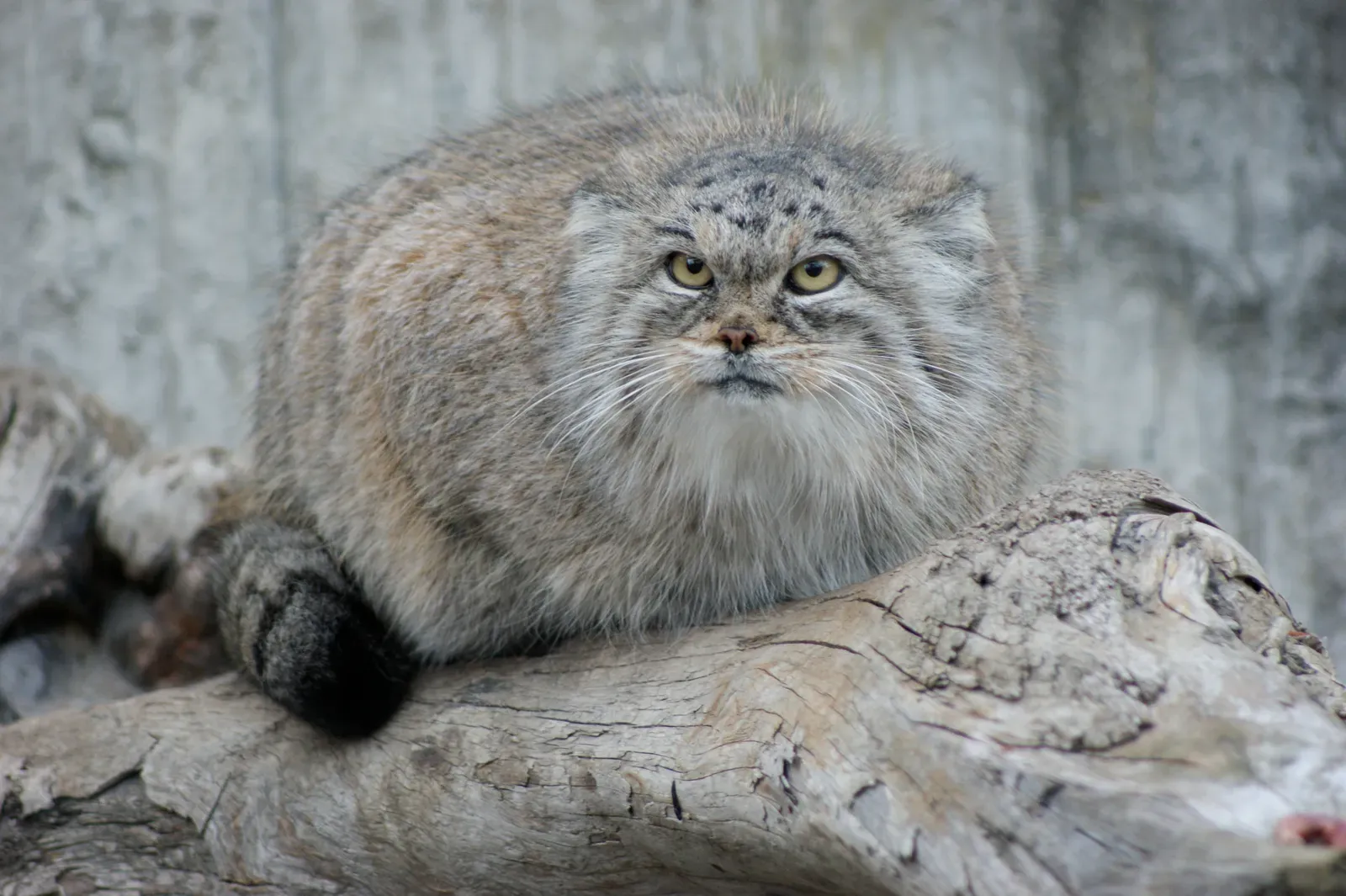
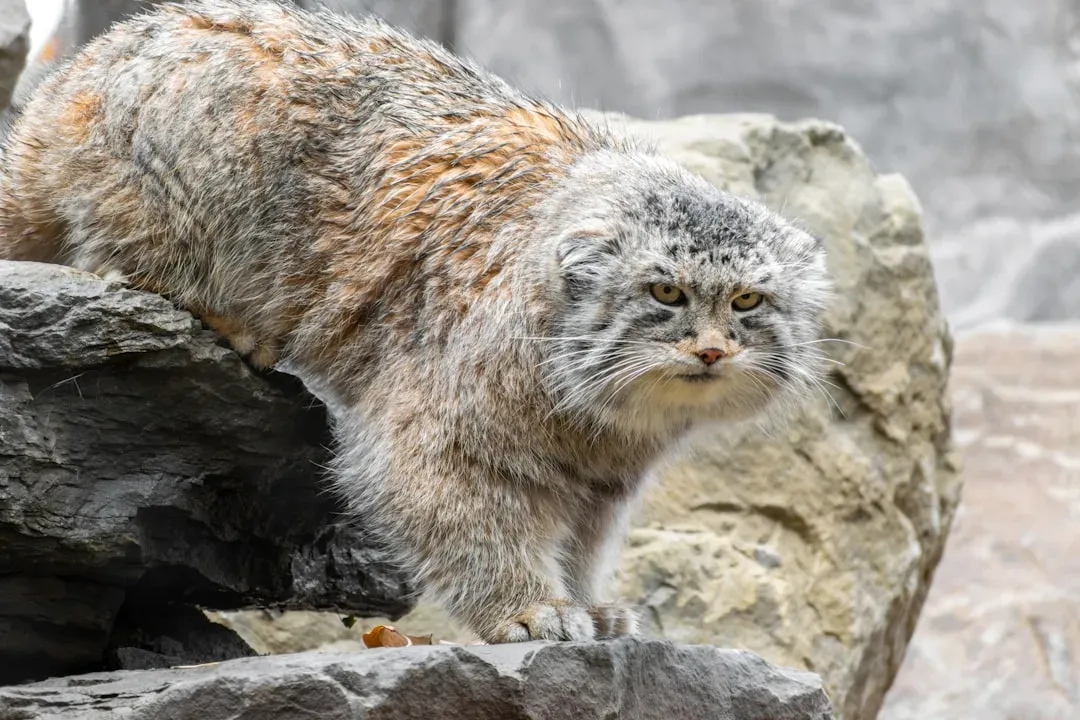
Pallas’s cats have the densest fur of any cat in the world, with their gray winter coats helping them stay insulated when temperatures in the mountains drop below minus 58 degrees Fahrenheit. To put that in perspective, that’s colder than most household freezers. Most cats would curl up and refuse to move; this one just goes about its business.
Beyond their exceptionally dense fur, Pallas’s cats also have a hefty layer of fat and strong muscles providing supreme insulation against the harsh cold, allowing them to endure temperatures as low as minus 50 degrees Fahrenheit, with their fluffy tails offering additional protection by wrapping around their small bodies and even standing on them to protect their paws from icy ground. I mean, imagine using your tail as a warm mat. That’s next-level adaptation right there.
In the summer, when temperatures soar over 90 degrees, they shed most of their fluff to stay cool. So they’re basically wearing a seasonal wardrobe that would make any fashionista jealous.
Masters of the Rocky Steppe
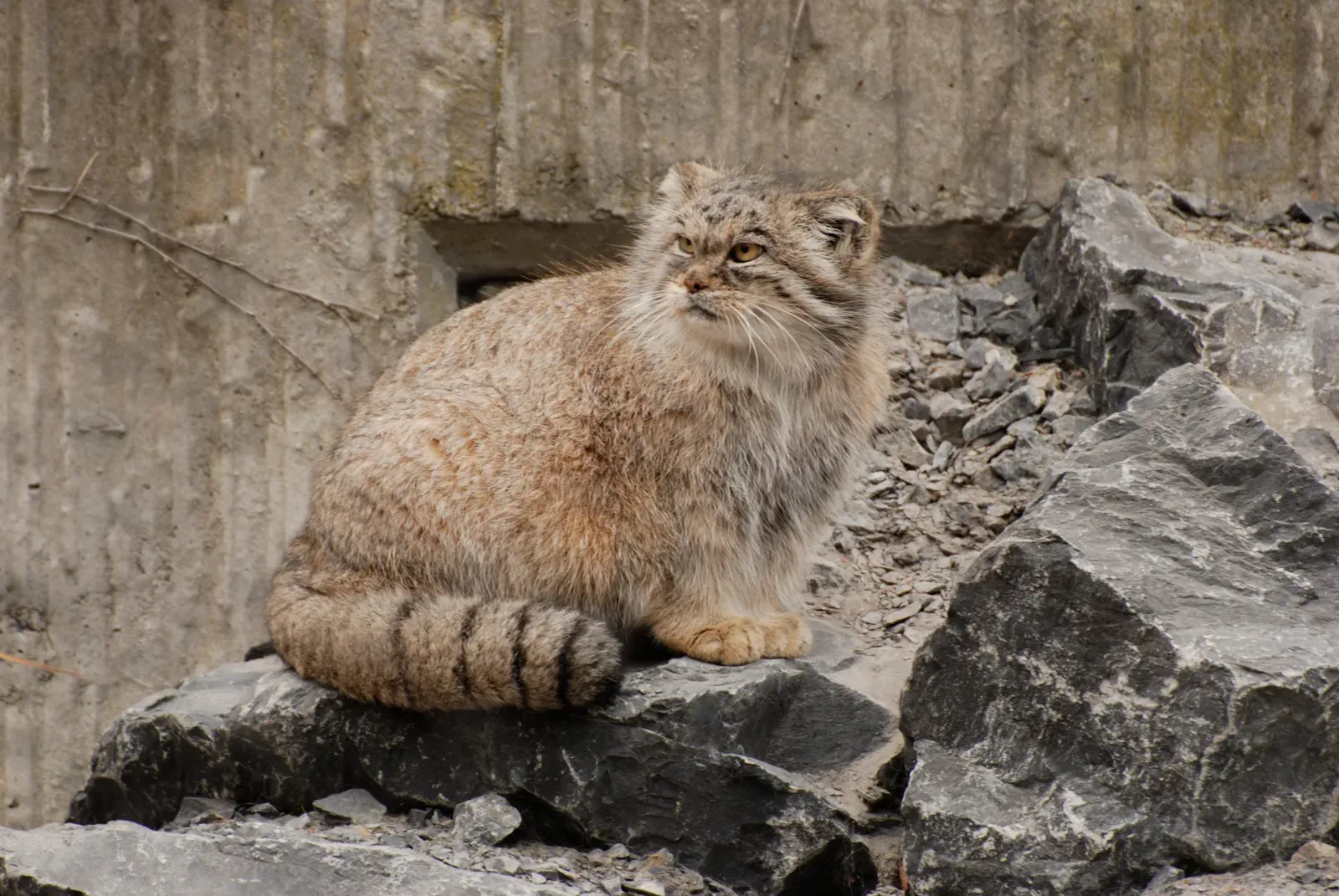
The Pallas’s cat’s range extends from the Caucasus eastward to Central Asia, Mongolia and adjacent parts of the Tibetan Plateau, inhabiting montane shrublands and grasslands, rocky outcrops, scree slopes and ravines in areas where continuous snow cover is below about six to eight inches. They’re picky about where they live, and for good reason.
The continental climate in this region exhibits a range of 80 degrees Celsius between the highest and lowest air temperatures, dropping to minus 50 degrees Celsius in winter. That’s an insane temperature swing. The typical habitat is marked by extreme continental climate with little rainfall, low humidity and wide temperature range, though persistent snow cover over about six inches seems to limit its distribution. Their short legs simply can’t handle deep, loose snow.
They are habitat specialists, preferring rocky areas, ravines, and slopes that offer hiding cover from predators, generally found at mid-mountain elevations though recorded as high as 5,593 meters in the Himalayas.
Hunting Strategies That Would Impress Any Predator
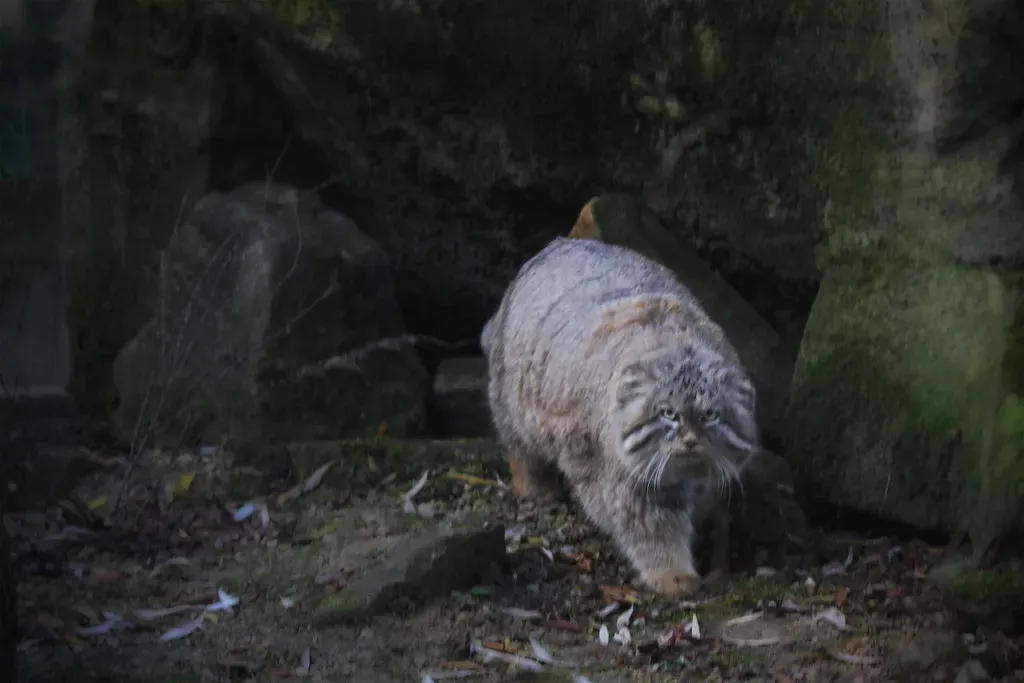
Pallas’s cats use three hunting techniques: stalking involving creeping slowly and low to the ground using vegetation or rocks as cover, a moving and flushing technique where cats quickly walk through long grass undergrowth flushing and capturing unwary small mammals and birds, and an ambush technique where cats wait outside a burrow for prey to emerge before attacking. They’re not chasing anything down; they’re outsmarting it.
Pallas cats hunt for small prey including marmots, pikas, ground squirrels, voles, gerbils and hamsters, with the steppe being home to some of the densest populations of small mammals on the planet, and ground-living birds like sandgrouse, partridges and larks also part of their diet. They contribute to the overall health of their environment by controlling rodent populations, with a single adult able to eat up to five pikas, voles, and mice in one day. That’s some serious pest control.
When hunting or attempting to avoid predators, they engage in a behavior known as periscoping, which involves repeatedly raising their head above the terrain behind which they’re hiding to check on the status of their quarry.
Solitary Lives in Vast Territories
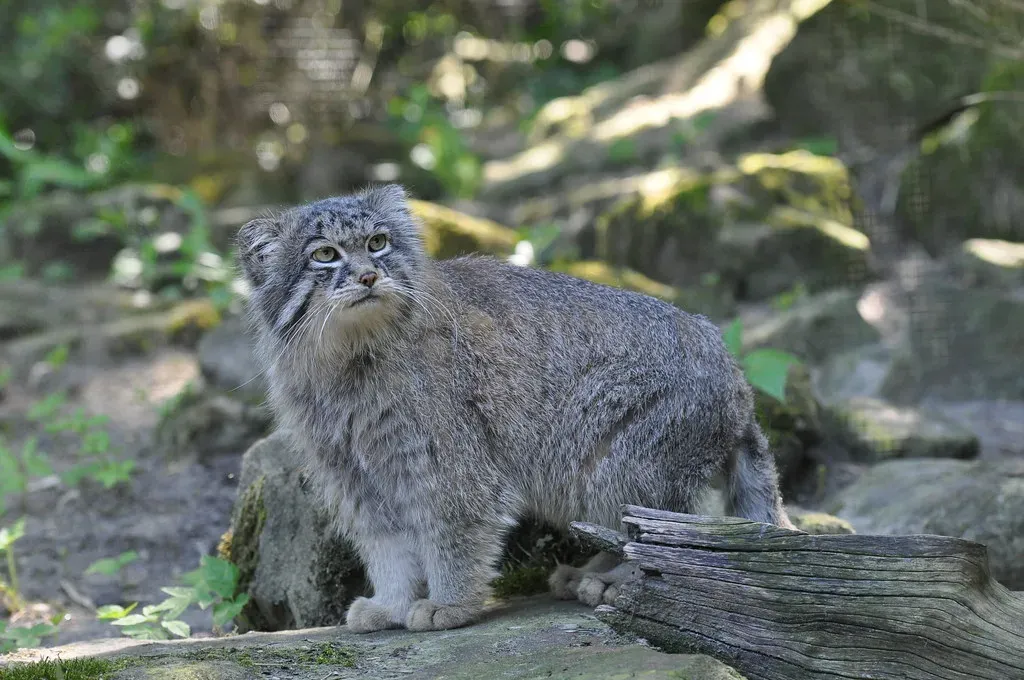
These cats aren’t social butterflies. Secretive and solitary, Pallas’s cats move slowly but purposefully, concealing themselves within their environment, mainly crepuscular but in some areas also active during the day, sheltering in rock crevices or small caves during daytime, most commonly in abandoned marmot burrows. They’ve got their routine down.
Home range sizes are very large for such a small felid, with female territories in Mongolia ranging from about 7.4 to 125 square kilometers while male ranges were 21 to 207 square kilometers, and density estimates revealing four to eight individuals per 100 square kilometers. That’s a lot of space for a cat roughly the size of a house cat. Males occupy larger territories than females, which overlap those of a few females, and both sexes scent mark their territory.
Raising the Next Generation Against All Odds
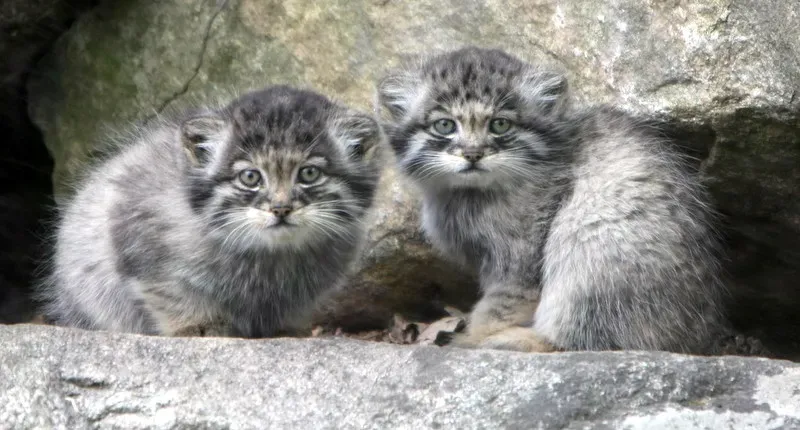
Mating occurs between December and March, with estrus lasting only 26 to 42 hours and gestation lasting 66 to 75 days, with the female giving birth to litters of two to six kittens in dens or burrows. The window for reproduction is surprisingly narrow, which makes every breeding season count.
In central Mongolia, seven females with kittens were observed using 20 dens for four to 60 days, with their maternal dens either among rocks or in former burrows of the Tarbagan marmot and having at least two entrances. Smart mothers always have an escape route. Kittens start hunting at the age of about five months and reach adult size by the age of six to seven months.
They have a high mortality rate, with 68 percent of Pallas cat kittens not surviving to the point of being able to establish their own territory. That’s a sobering statistic that shows just how tough life is on the steppe.
Unique Communication in a Harsh World
Here’s something that surprised me: Unlike domestic cats, Pallas’s cats don’t meow; instead, when they need to communicate, they’ll honk, growl and chirp at each other, and when excited or scared, they make a sound much more like the yelp of a small dog than any typical cat sound. Imagine hearing that in the wild.
Although little is known about their vocalizations in the wild, recent captivity research found they have a range of vocalizations from typical felid hisses and snarls to a more unusual call used in the breeding season, used mainly at night to attract other Pallas’s cats prior to mating. They’re chatty when it counts.
Threats Lurking in Modern Times
The main threats facing the Pallas’s cat are habitat degradation and fragmentation, mostly consequences of increasing livestock numbers, conversion of steppe grasslands into arable land, infrastructure development and resource extraction. Progress for humans often means loss for wildlife, and this cat is no exception.
In some range states such as China, Mongolia and the Russian Federation, pikas and other rodent species are poisoned due to being considered vectors for diseases or competitors of domestic livestock for grazing resources, and in other areas pikas are hunted for food and skins. When you eliminate their food source, you’re essentially eliminating the cats themselves. In Mongolia, the use of rodenticide bromadiolone in rodent control measures poisoned the prey base, and in the Sanjiangyuan region of the Tibetan Plateau between 2005 and 2009, grassland poisoning led to an estimated loss of 50,000 to 80,000 tonnes of pika biomass.
Cases of herding dogs killing Pallas’s cats were reported in Iran, Kazakhstan and the Altai Republic, and Pallas’s cats have also fallen victim in traps set for small mammals.
Conservation Status and Challenges Ahead
Due to its widespread range and assumed large population, Pallas’s cat has been listed as Least Concern on the IUCN Red List since 2020, though some population units are threatened by poaching, prey base decline due to rodent control programs, and habitat fragmentation as a result of mining and infrastructure projects. The “Least Concern” label is a bit misleading when you look at the actual threats.
The IUCN estimates a population of approximately 58,000 mature Pallas’s cats. That might sound like a lot until you realize they’re spread across an enormous geographic range. Despite 12 percent of the Pallas’s cat’s distribution in Mongolia lying within protected areas, illegal hunting is still frequent, and approximately 13 percent of the species’ range in Russia now lies within protected areas.
This cat is rare to find in many zoos or conservation-based rehabilitation programs because of their specialized immune system adapted for high altitudes but unfit for the increased number of bacteria and viruses in lower habitats, and while they breed with relative ease in captivity, they have unusually high mortality rates from disease and infections, making it difficult to increase populations using captive breeding programs alone. Nature designed them for one specific environment, and that’s where they need to stay.
Conclusion: A Future Worth Fighting For
The Pallas’s cat represents something special in our natural world: a creature so perfectly adapted to its environment that it struggles anywhere else. With their ancient lineage, remarkable cold-weather adaptations, and crucial role in controlling rodent populations across Central Asia’s steppes, these cats deserve our attention and protection. The challenges they face from habitat loss, prey depletion, and human encroachment are real and growing.
What strikes me most is their resilience. They’ve been around for over five million years, weathering countless environmental changes and challenges. Yet now, in just a few decades of modern development, we’re putting their survival at risk. Conservation efforts are underway, but they need to be strengthened and expanded. Protected areas need better enforcement, rodent poisoning programs need reconsideration, and local communities need support in coexisting with these remarkable felines. What do you think we should prioritize to help ensure these grumpy-faced survivors stick around for another five million years?