There is something almost magical about a cat settling onto your lap at the end of a long, exhausting day. You didn’t ask for it. You didn’t schedule it. But the moment that warm, rumbling little body curls up against you, something shifts. Your breathing slows. Your shoulders drop. The noise in your head gets quieter.
Cats have been wandering through human lives for at least ten thousand years, and honestly, it’s no accident we keep letting them in. Scientists have studied the bond and found that, while feline friends may not always be kind to your furniture, they likely contribute to both your physical and mental health. The story of how they do it is surprising, layered, and genuinely fascinating. Let’s dive in.
Your Brain on Cats: A Chemistry You Didn’t Know You Needed
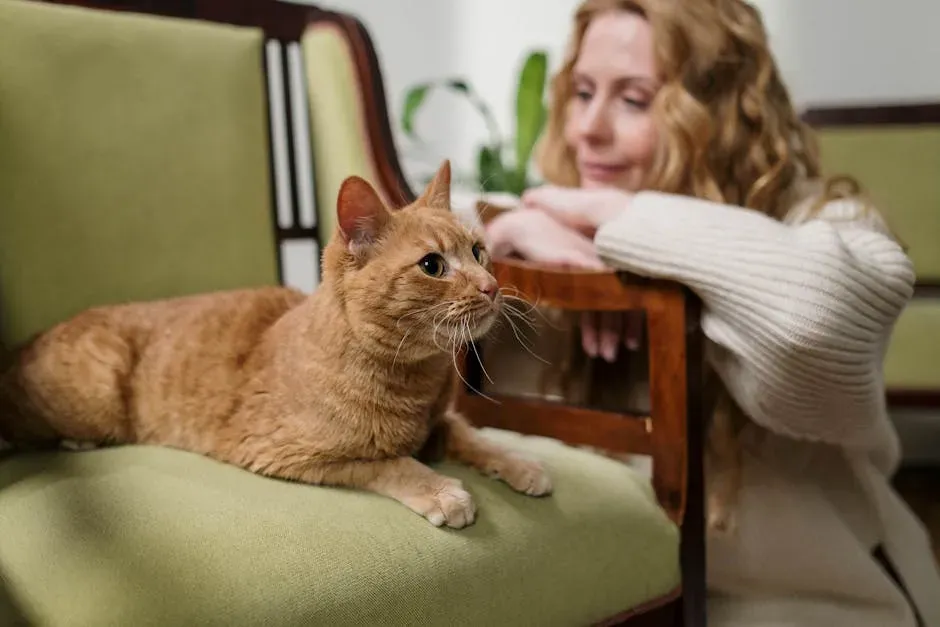
Here’s the thing most people don’t realize: spending time with your cat is literally changing your brain. Interacting with cats has positive effects on their owners’ brains, improving mood and activating the prefrontal cortex and inferior frontal gyrus, which both contribute to physiological and psychological health. That’s not a metaphor. That’s neuroscience.
Positive interactions with your cat trigger the release of oxytocin, often referred to as the “bonding hormone,” along with endorphins and prolactin, while simultaneously decreasing levels of stress hormones like cortisol. Think of it as your own internal pharmacy, triggered every time your cat nudges its head under your chin. No prescription required.
The Science of the Purr: Nature’s Most Underrated Medicine
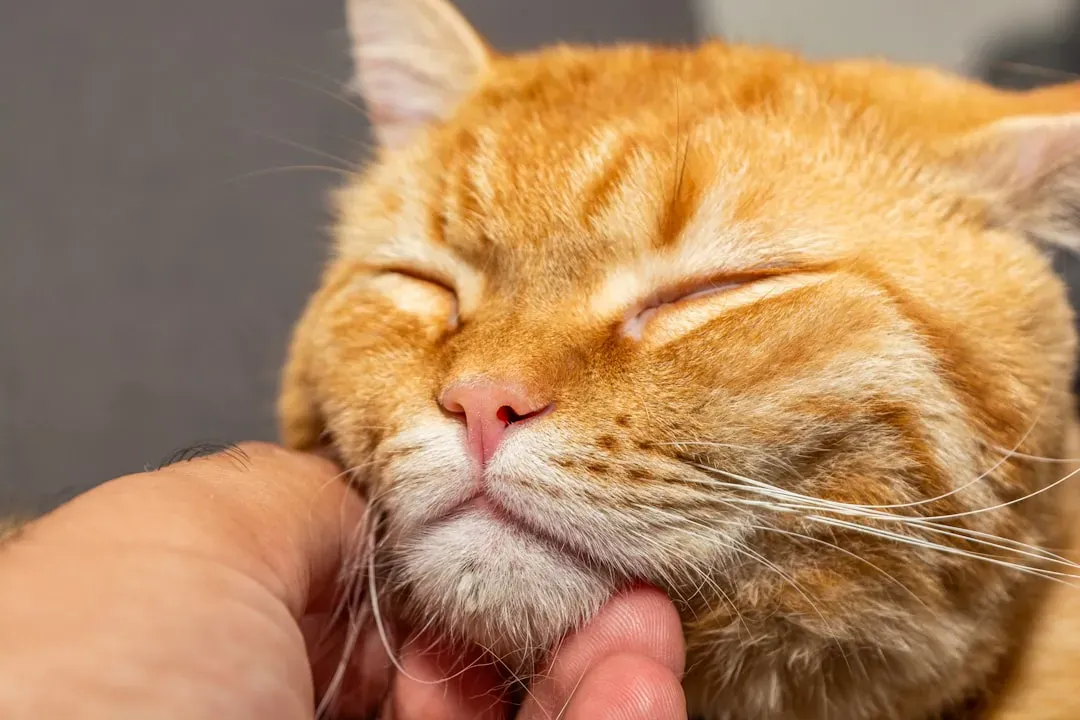
You’ve heard your cat purr a thousand times, but have you ever stopped to think about what’s actually happening? Research suggests that a cat’s purr may offer genuine health benefits, including reducing anxiety, lowering blood pressure, and promoting physical healing. That gentle vibration is doing a lot more than signaling contentment.
Studies have confirmed that purring falls between 25 and 240 Hz, which happens to be the frequency known to speed up the healing process of wounds, broken bones, and tendon and joint injuries. Purr frequencies actually correspond to vibrational and electrical frequencies used in treatment for bone growth, fractures, pain, edema, muscle growth, joint flexibility, and wound healing. Honestly, it sounds almost too good to be true, but the research keeps pointing in the same direction.
Stress Reduction: Your Cat Is Better Than a Meditation App
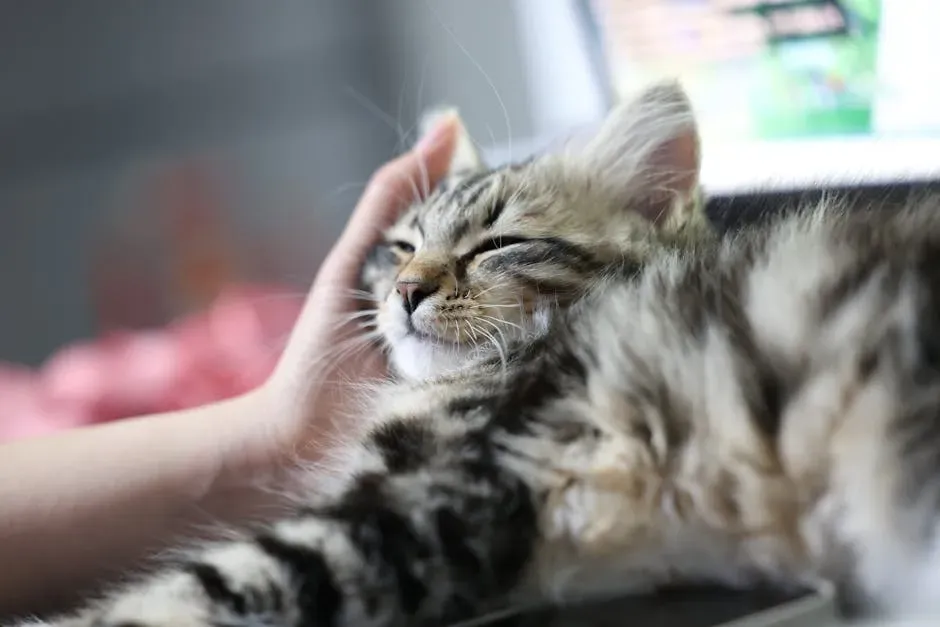
Let’s be real. Stress is everywhere in 2026, and the wellness industry will happily sell you a hundred different solutions for it. Your cat, meanwhile, is sitting right there on the couch, freely offering one of the most effective stress-relief tools science has identified. One of the most immediate effects of a cat’s purring on humans is its ability to reduce stress and anxiety, with the soothing sound and vibration compared to the calming effects of meditation.
Petting a cat can significantly lower stress levels and increase feelings of well-being by reducing cortisol and increasing oxytocin. In one study, a group of researchers from Washington State University gathered 249 students for an animal visitation, and the group that got to pet and play with the animals for a mere 10 minutes showed the greatest reduction in cortisol levels. Ten minutes. That’s shorter than most podcast intros.
A Heart That Beats Longer: Cats and Cardiovascular Health
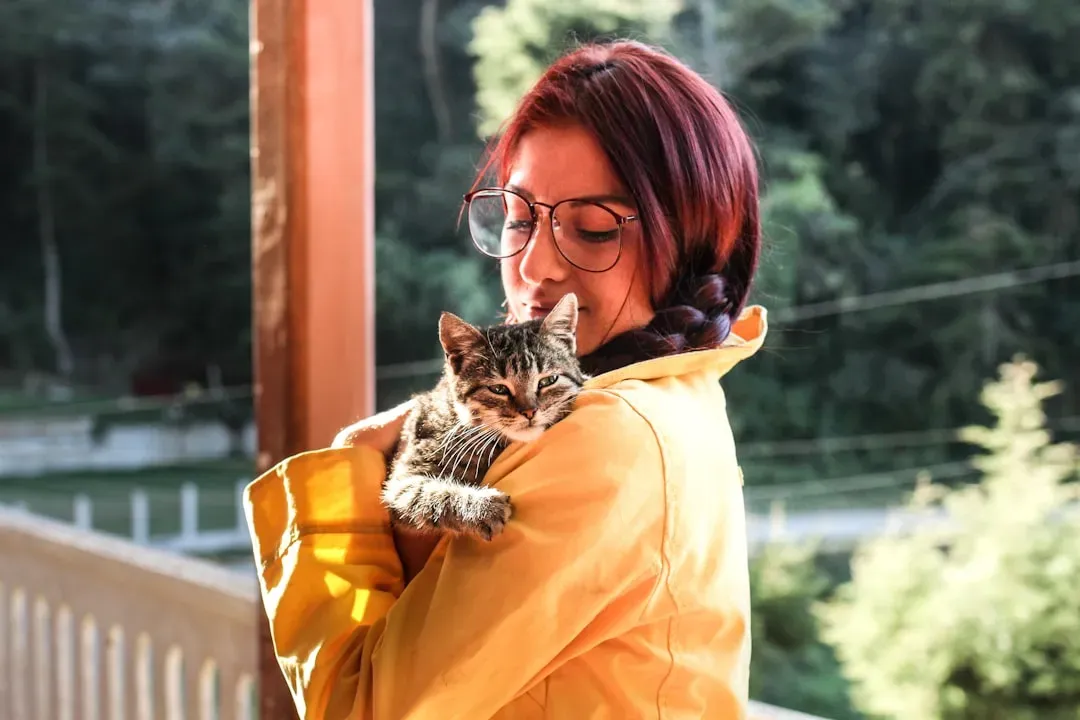
People who own or have owned a cat have a lower risk of dying from cardiovascular diseases such as stroke or heart disease, a result that has been repeated in several studies. That’s not a small finding. That’s a consistent pattern across decades of research, and it should probably get more attention than it does.
The University of Minnesota’s Stroke Institute has reported that cat owners have roughly 40 percent less risk of suffering a heart attack and tend to have lower triglyceride and cholesterol levels. Studies have found that cat owners maintain lower heart rates and blood pressure during stressful tasks and recover faster than non-owners, with the link to reduced cardiovascular disease risk remaining significant even when controlling for factors like blood pressure, cholesterol, smoking, and body mass index. Your cat might be doing more for your heart than your cardiologist knows about.
Fighting Loneliness: The Quiet Companion Who Always Shows Up
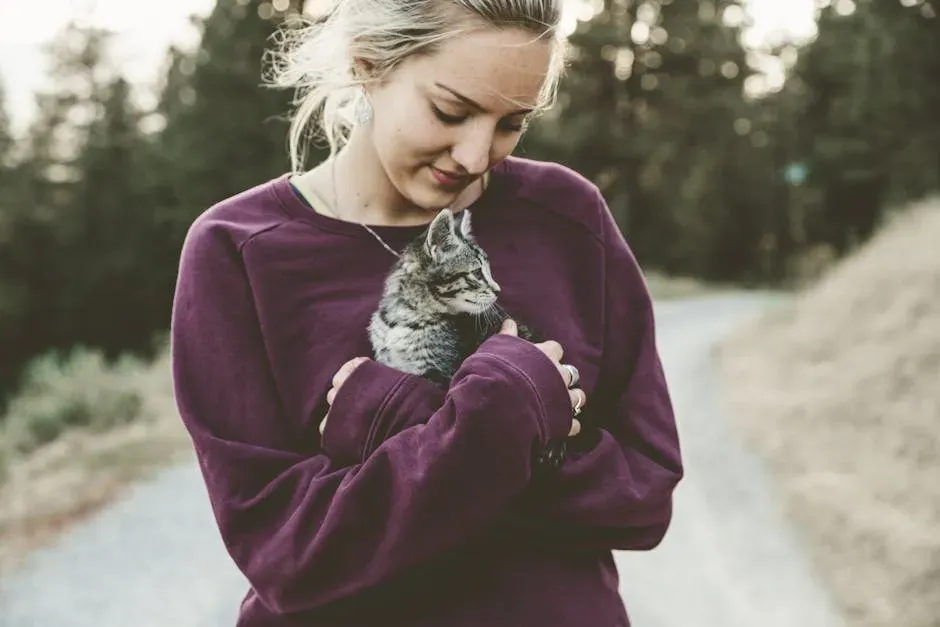
Loneliness is one of the most quietly damaging forces in modern life. It’s hard to admit, often invisible from the outside, and remarkably common. Loneliness was a social epidemic even before recent global upheaval, and when pet owners were asked what they do when they feel lonely, roughly eight in ten said they turn to their pets for comfort.
Cats make excellent companions, especially for those who live alone or have limited social interaction. Research shows that petting and caring for a cat can combat feelings of loneliness, and their affectionate behaviors, like curling up next to you or quietly following you around the house, make owners feel valued and less isolated. There is no judgment with a cat. No small talk required. Just presence. Sometimes that’s the only thing you actually need.
Mental Health Support: More Than Just a Furry Friend
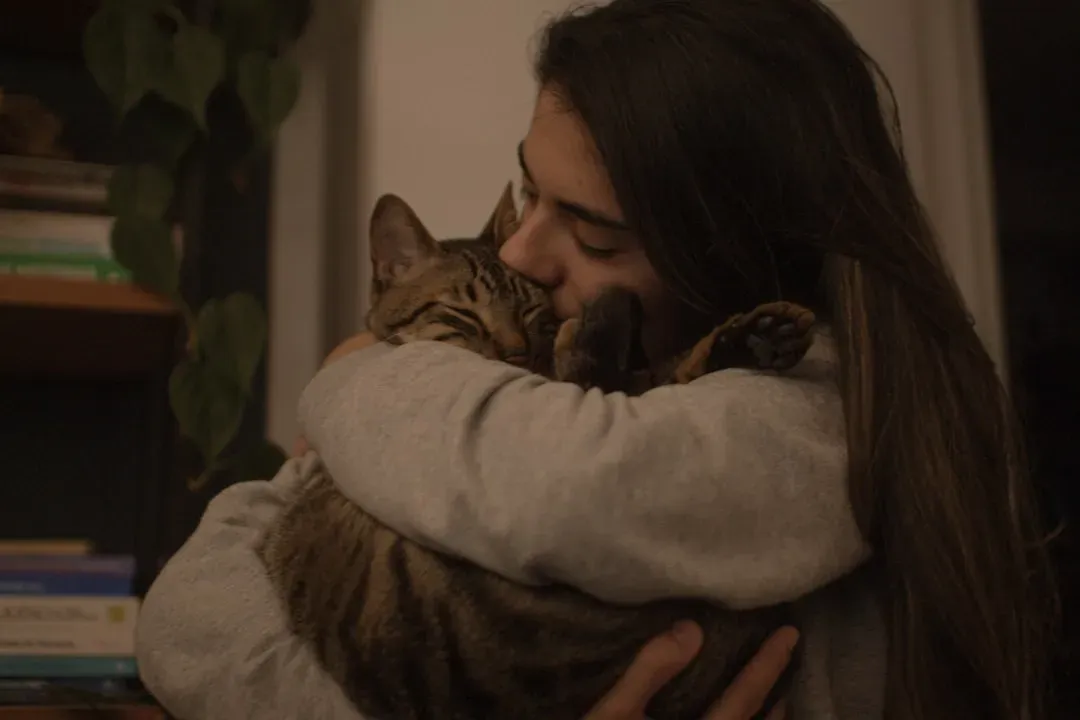
Cats can provide companionship, support, and unconditional love, which benefits people with mental health conditions, and beyond providing emotional support during challenging times, they play a significant role in promoting psychological well-being, offering comfort and security for individuals experiencing stress, anxiety, depression, loneliness, or even autism. That’s a remarkable range of support coming from one small, four-legged creature.
Pet therapy has proven especially helpful when recovering from conditions such as post-traumatic stress, depression, and anxiety, with cats often employed as therapy animals in hospitals, physiotherapy sessions, and long-term care facilities. They have also been known to be exceptionally helpful with children with autism, ADHD, and other cognitive conditions by promoting positive social interactions. The clinical world is catching up to what cat owners have quietly known all along.
The Oxytocin Loop: How Bonding with Your Cat Is Mutual
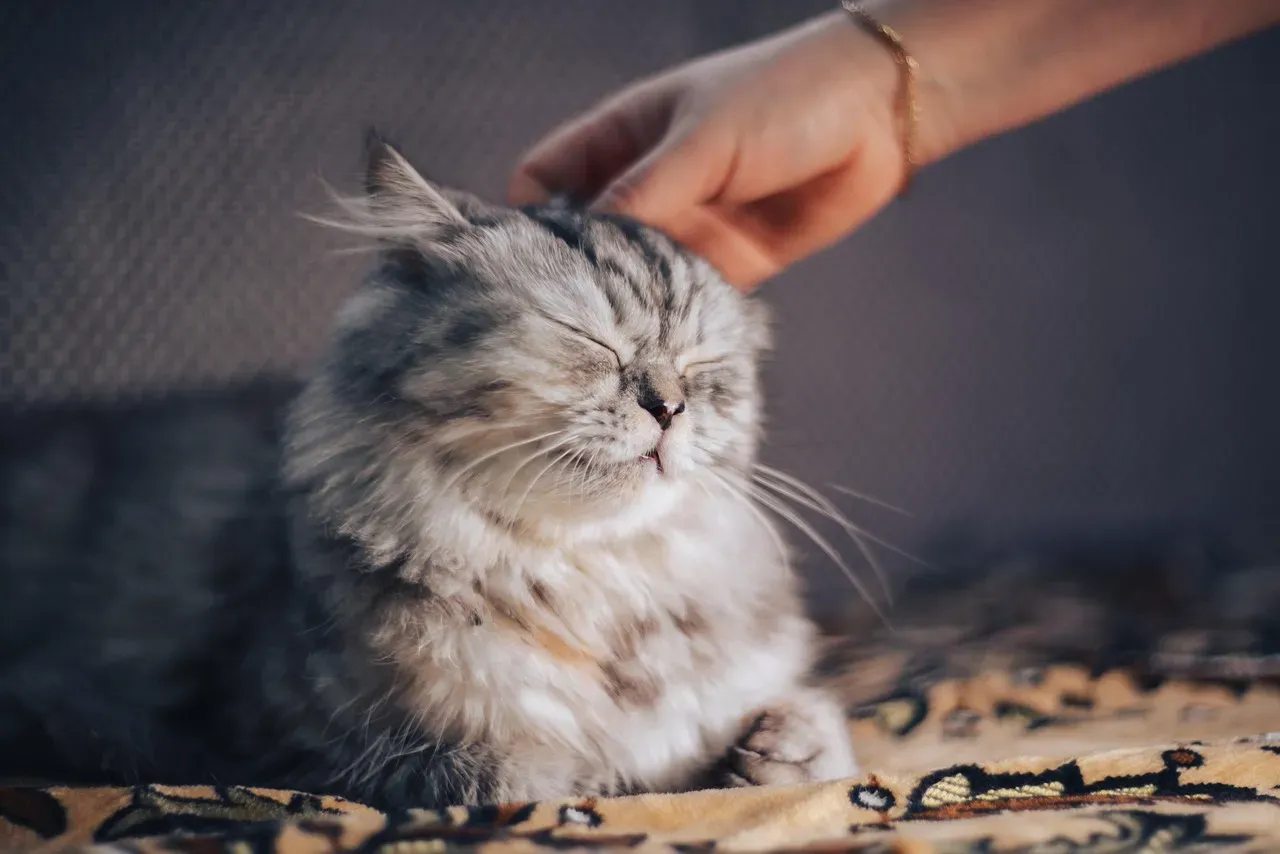
Here’s something genuinely moving: when you bond with your cat, the chemistry flows both ways. Researchers reported that brief petting sessions boosted oxytocin levels in many owners, and that friendly contact, such as stroking the cat or talking in a gentle tone, was linked to elevated oxytocin in the humans’ saliva compared with a quiet resting period without their cat.
The companionship of a cat, reinforced by all those little oxytocin boosts from daily interactions, can serve as a buffer against anxiety and depression, in some cases providing comfort on par with human social support. I think that last part deserves a moment of genuine reflection. On par with human social support. Not replacing it, but genuinely comparable in its calming power for many people.
Building Stronger Children: Cats and Immunity from an Early Age

Parents sometimes worry about having cats around young children, but the research tells a more reassuring story. Exposure to cats and dogs at an early age has been shown to strengthen children’s immune systems and help shield against asthma and eczema later in life. It’s a bit counterintuitive if you grew up thinking pet hair was a health hazard.
Children born in households with animals experience significant increases in two beneficial gut bacteria: Oscillospira, linked to a decreased risk of obesity, and Ruminococcus, linked to a reduced risk of childhood allergies. The Canadian Healthy Infant Longitudinal Development Study found that children exposed to pets before and after birth had a two-fold increase in this specific gut bacteria. The “hygiene hypothesis” suggests that early exposure to cat allergens trains the immune system to respond more appropriately to environmental triggers. Your cat may be quietly building your child’s health from the very first months of life.
Routine, Purpose, and the Quiet Gift of Being Needed
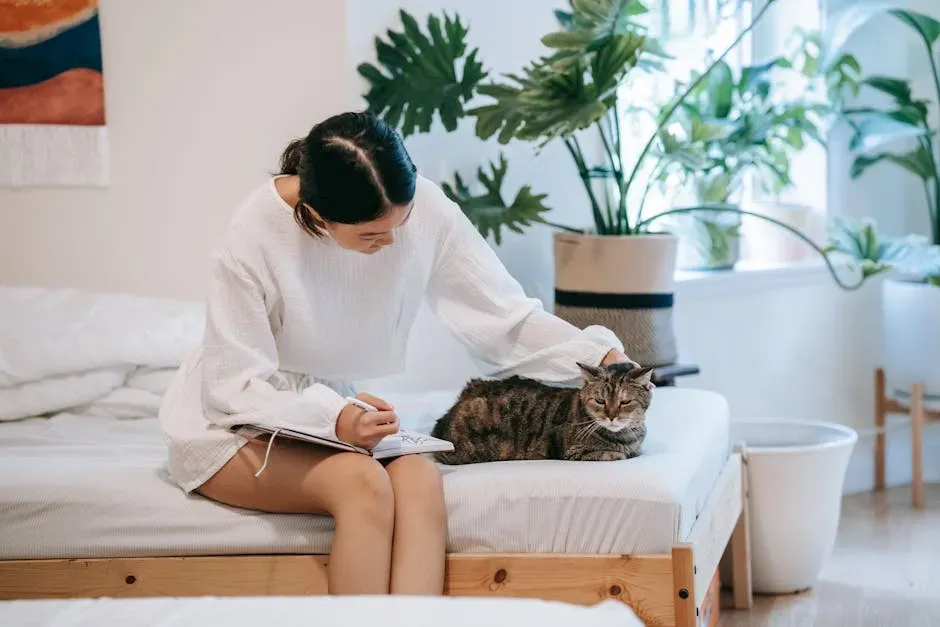
One of the less glamorous but genuinely powerful benefits of cat ownership is something deeply simple: your cat needs you. Every single day. And that dependability is more therapeutic than it sounds. Caring for a cat provides a sense of purpose and routine, which is especially valuable for those going through difficult times, as the daily tasks of feeding, grooming, and playing with a cat create structure and give cat owners a reason to get up daily, with studies showing that this sense of responsibility is beneficial for mental health, particularly for those struggling with depression or anxiety.
One way owning a pet reduces feelings of low mood and depression is by providing a sense of purpose and helping maintain a routine, with pet ownership also promoting increased activity, which medical professionals recommend to reduce depression. Think about it like this: on the days when everything feels pointless and getting out of bed seems impossible, a cat waiting at the food bowl is an anchor. Small. Warm. Reliable. Exactly what a struggling human sometimes needs most.
Conclusion: The Healer Who Never Sends a Bill
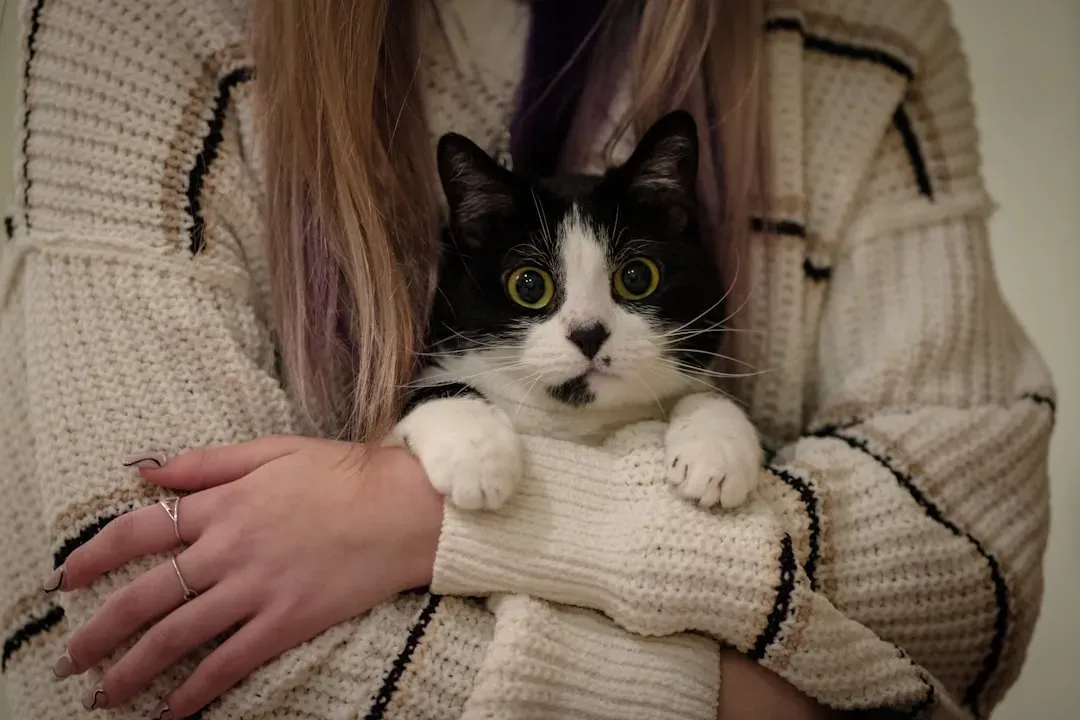
It’s hard to say for sure whether the ancient Egyptians who first domesticated cats had any idea what they were really inviting into human civilization. But looking at the evidence today, across cardiovascular health, stress chemistry, mental wellness, immune development, and emotional bonding, it’s clear the relationship runs far deeper than companionship.
Research conducted in the United Kingdom found that roughly nine in ten people who owned a cat felt they had a positive impact on their well-being, and more than three quarters said they could cope with everyday life much better thanks to the company of their cat. Your cat doesn’t know it’s your therapist, your cardiologist, or your emotional anchor. It’s just being a cat. And somehow, beautifully, that’s enough.
So next time your cat sprawls across your laptop, knocks something off your desk for absolutely no reason, or headbutts your face at 6 a.m., remember: that bizarre, independent, occasionally maddening creature might just be the best thing that ever happened to your health. What do you think? Has your cat ever surprised you with just how much you needed them that day? Share your story in the comments.