Have you ever caught yourself watching your cat snoozing in the most peculiar position and wondered what’s really going on inside that fuzzy head? Maybe they’re curled up like a perfect croissant on your warmest blanket, or sprawled out belly-up in a position that seems utterly absurd. Here’s the thing: your cat’s sleeping habits aren’t just adorable quirks. They’re actually little windows into their emotional landscape, revealing feelings of trust, anxiety, contentment, or even stress that they can’t tell you about with words.
Your feline friend spends a massive chunk of their day catching those famous catnaps. It’s easy to assume they’re just lazy, but the truth runs deeper than that. The way your cat sleeps, where they choose to rest, and even how long they stay in dreamland all paint a vivid picture of what’s happening in their inner world. Let’s dig into these fascinating sleep patterns and discover what your cat is really trying to tell you through their slumber.
The Hours Add Up: Why Your Cat Sleeps More Than You
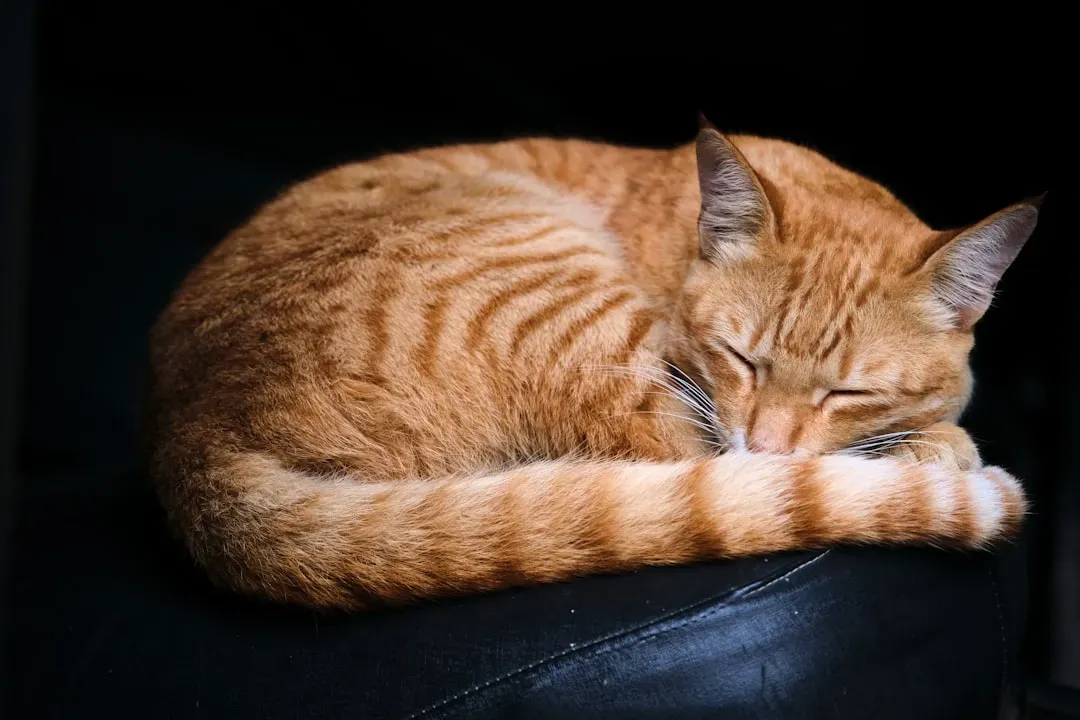
Your cat likely sleeps anywhere between twelve and eighteen hours daily, with some sleeping even more than eighteen hours. That’s a lot of snooze time compared to your own sleep schedule, right? The reason behind this impressive napping marathon lies in their evolutionary blueprint. Cats developed this natural inclination to sleep extensively during the day as an adaptation to conserve energy for hunting and capturing prey in the wild.
Even though your domestic kitty doesn’t need to stalk dinner anymore, their body hasn’t forgotten those ancient instincts. Hunting and exploring are energy-consuming activities, and as predators, cats need considerably more rest than humans to remain alert and focused. Think of it like this: wild cats in nature would expend enormous bursts of energy during hunts, then need long recovery periods. Your house cat still carries that same biological programming, even if their biggest “hunt” involves chasing a feather toy across your living room.
Not All Sleep Is Created Equal: Light Dozing Versus Deep Dreams
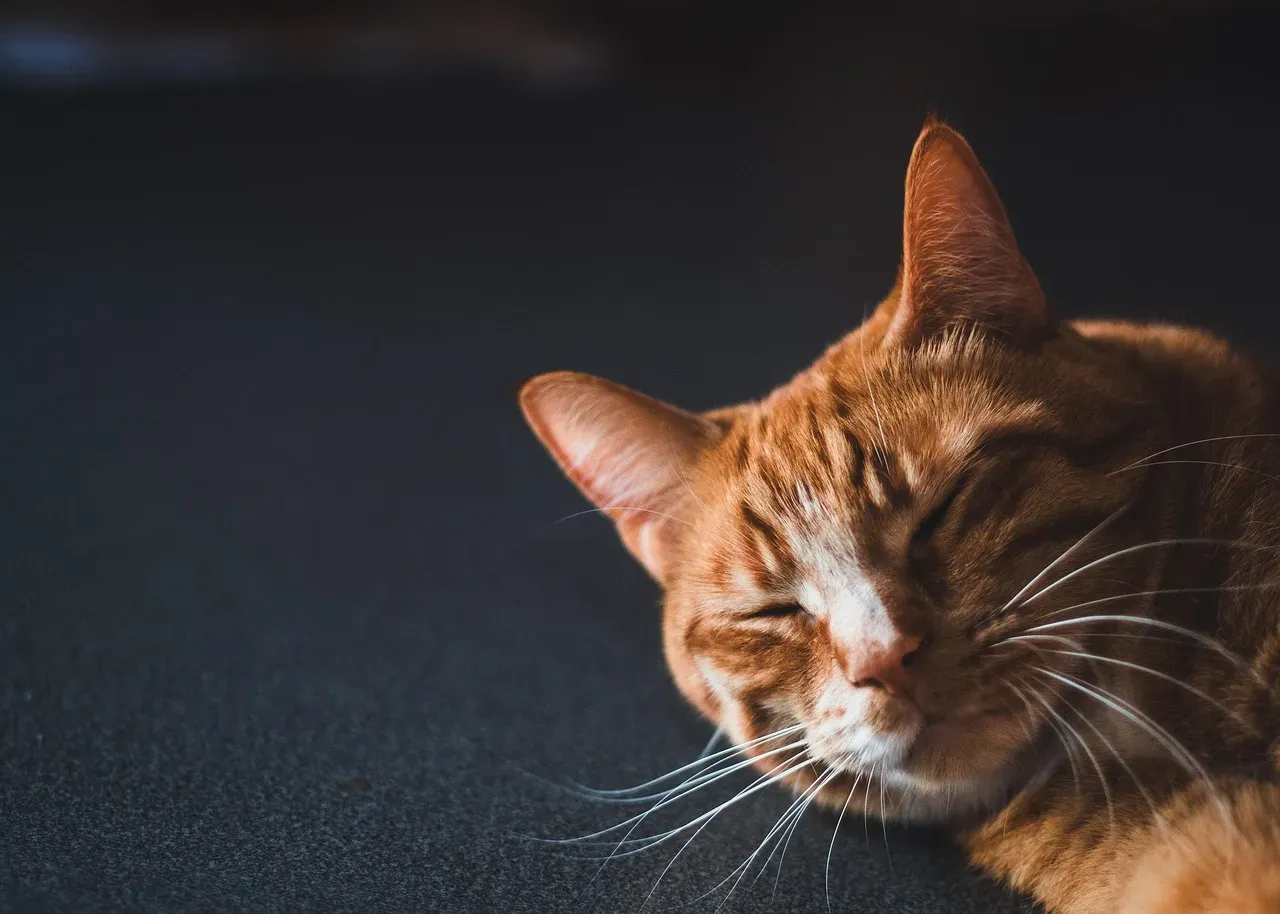
You might notice your cat seems to be sleeping with one ear always tuned in to the environment. That’s because roughly three-fourths of their sleep is a shallow, almost-waking rest called slow-wave sleep. During these lighter phases, their rest varies between light dozing that lasts fifteen to thirty minutes and deeper sleep that only comes in five-minute increments, with their ears remaining erect and responsive to sounds.
This isn’t poor-quality sleep. It’s smart survival strategy. Cats doze in a ready position with their senses in the ‘on’ mode, peaceful but poised, ready to react instantly. Then there’s the other quarter of their sleep time, when they really do drift off into deep slumber. Similar to humans, cats experience REM sleep showing low voltage EEG with characteristic eye movements. That’s when you might see their paws twitching or whiskers trembling as they chase imaginary mice through dreamland.
The Twilight Zone: Understanding Your Cat’s Crepuscular Nature

Here’s something many people get wrong: cats aren’t nocturnal. Despite popular belief, domestic cats are not nocturnal but crepuscular, meaning they’re most active at twilight, during dawn and dusk. This explains why your cat might wake you up at the crack of dawn or suddenly get the “zoomies” right around sunset.
Being crepuscular animals, cats are most active during dawn and dusk, which influences their sleep patterns. In the wild, this timing makes perfect evolutionary sense. A cat’s crepuscular nature is driven by their predatory instincts, allowing them to be awake at daybreak to prey on diurnal birds and at twilight to prey on nocturnal rodents. Your indoor cat still follows this ancient rhythm, which is why you might find them napping peacefully at noon but bouncing off the walls at six in the morning.
Decoding Sleep Positions: What Your Cat’s Body Language Says
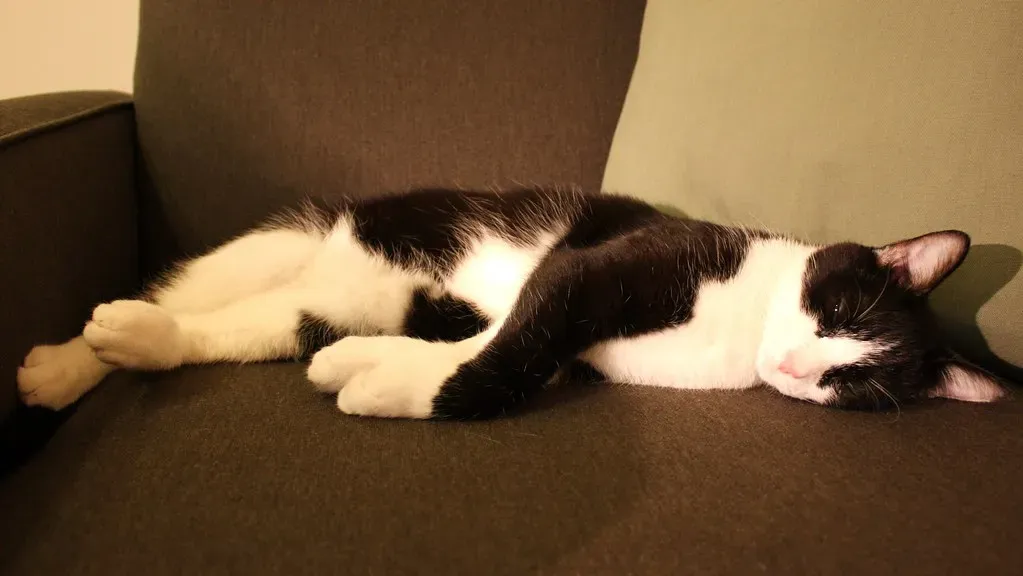
The position your cat chooses for naptime speaks volumes about how they’re feeling emotionally. A cat’s sleeping position refers to the stance they choose based on their personality, current emotional state, age and health condition, indicating how relaxed or tense they are at that specific moment.
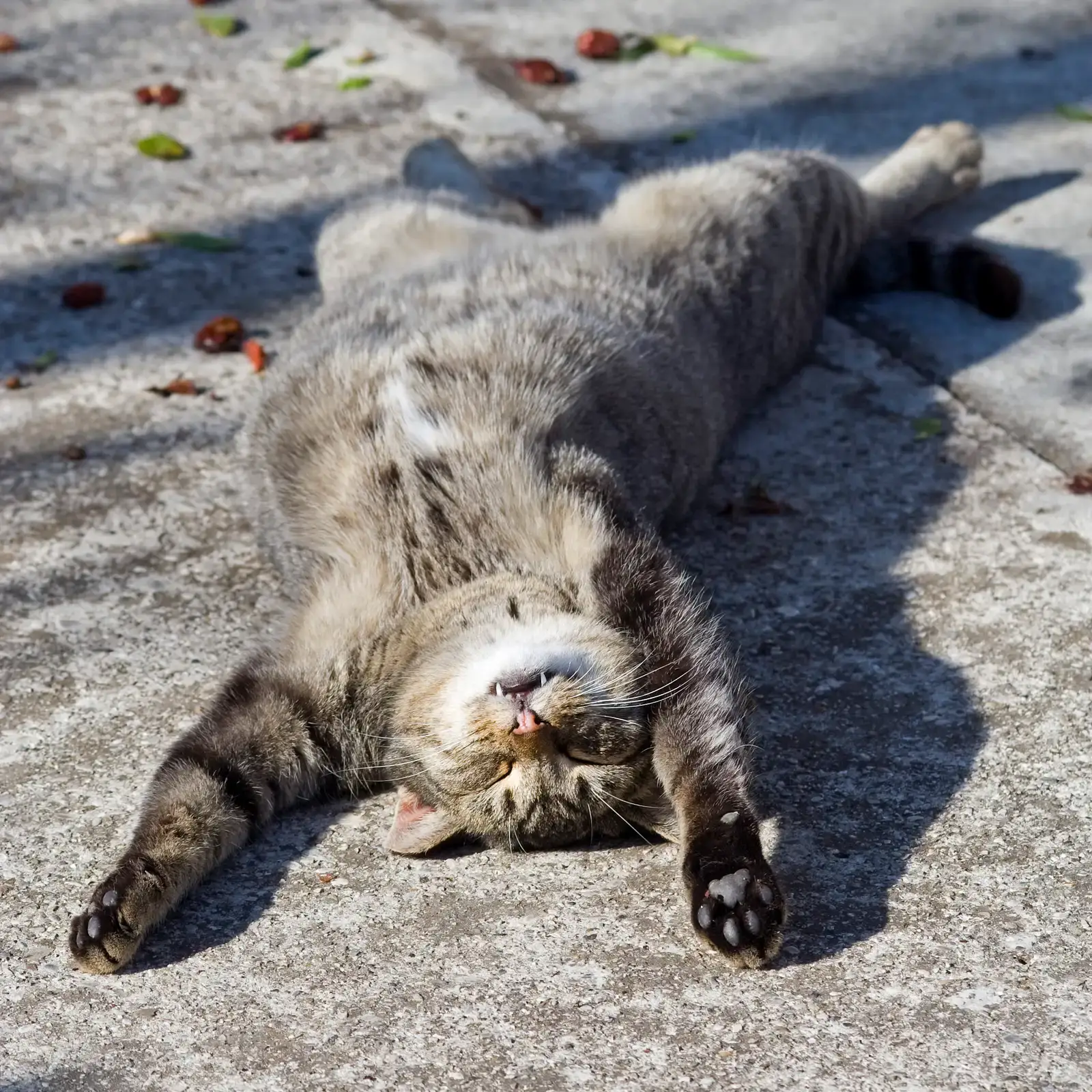
When a cat feels secure and trusts their environment, they’re more likely to stretch out in deep sleep, exposing their belly, indicating they are comfortable and at ease. Conversely, if you see your cat tightly curled into a ball, they could be seeking warmth or might feel a bit vulnerable, as this position preserves body heat and protects vital organs. It’s hard to say for sure, but these subtle shifts in sleeping posture can give you valuable insights into whether your cat feels safe or a bit on edge.
Dreams and Twitches: What Happens in Your Cat’s Sleeping Mind
Ever wondered if your cat dreams about finally catching that pesky red laser dot? The answer is likely yes. Dreaming occurs during REM sleep, and since cats experience REM sleep with similar brain structures to humans showing high electrical activity during sleep, it’s highly likely they dream too.
A cat twitching in their sleep is a pretty sure sign they’re dreaming, likely acting out part of their dreams whether chasing a housemate or stalking a bird, with the brain replaying these vivid activities resulting in twitches, running motions, and sounds like purrs and meows. Scientists have found that during REM sleep, cats often move their heads from side to side, just like they do when following a toy or stalking their prey. Next time you see those little paw movements during naptime, your cat might be living out their wildest hunting fantasies in dreamland.
Age Matters: How Sleep Patterns Change Throughout Life

Just like humans, your cat’s sleep needs shift as they age. Newborns and young kittens need a lot of sleep since they’re growing and developing, sleeping about eighteen to twenty hours a day. You’ll see them wake up, eat, play briefly, then crash again almost immediately.
Once kittens become adults around age one, their sleep lessens a bit, with adult cats sleeping an average of twelve to sixteen hours daily. Then as your cat enters their senior years, their energy levels drop and their sleep can increase to more than sixteen hours a day, which is generally nothing to worry about as it’s a normal part of aging. Understanding these age-related changes helps you recognize what’s normal versus what might signal a health concern worth checking with your vet.
Location, Location, Location: Where Your Cat Sleeps Reveals Trust
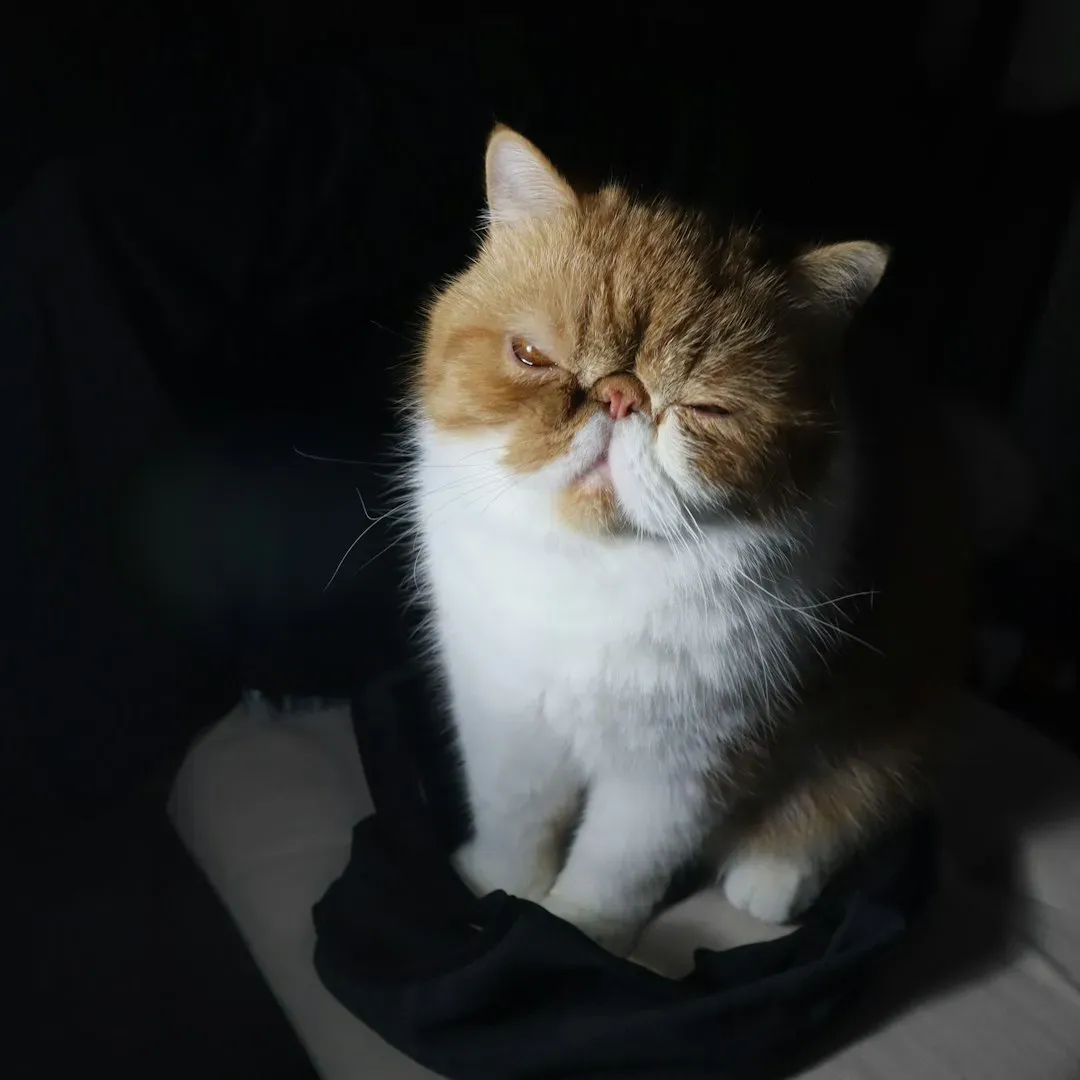
Pay attention to where your cat chooses to catch their naps, because it’s incredibly revealing. A cat’s preferred sleeping spot is not random; rather, it reflects their comfort level, trust in you, and even their emotional state. If your cat sleeps right next to you or even on top of you, that’s a massive compliment.
Cats sleeping on top of their pet parents likely want to be close to their human companions, with your cat potentially sleeping on your chest to hear and feel your soothing heartbeat. Meanwhile, many cats prefer to sleep in elevated areas like cat trees where they feel safe and can survey their territory, also enjoying curling up in warm spots as warmth helps them feel secure. If your cat suddenly changes their preferred sleeping location, it might signal they’re feeling stressed or uncomfortable about something in their environment.
When Sleep Signals Stress: Reading Emotional Red Flags
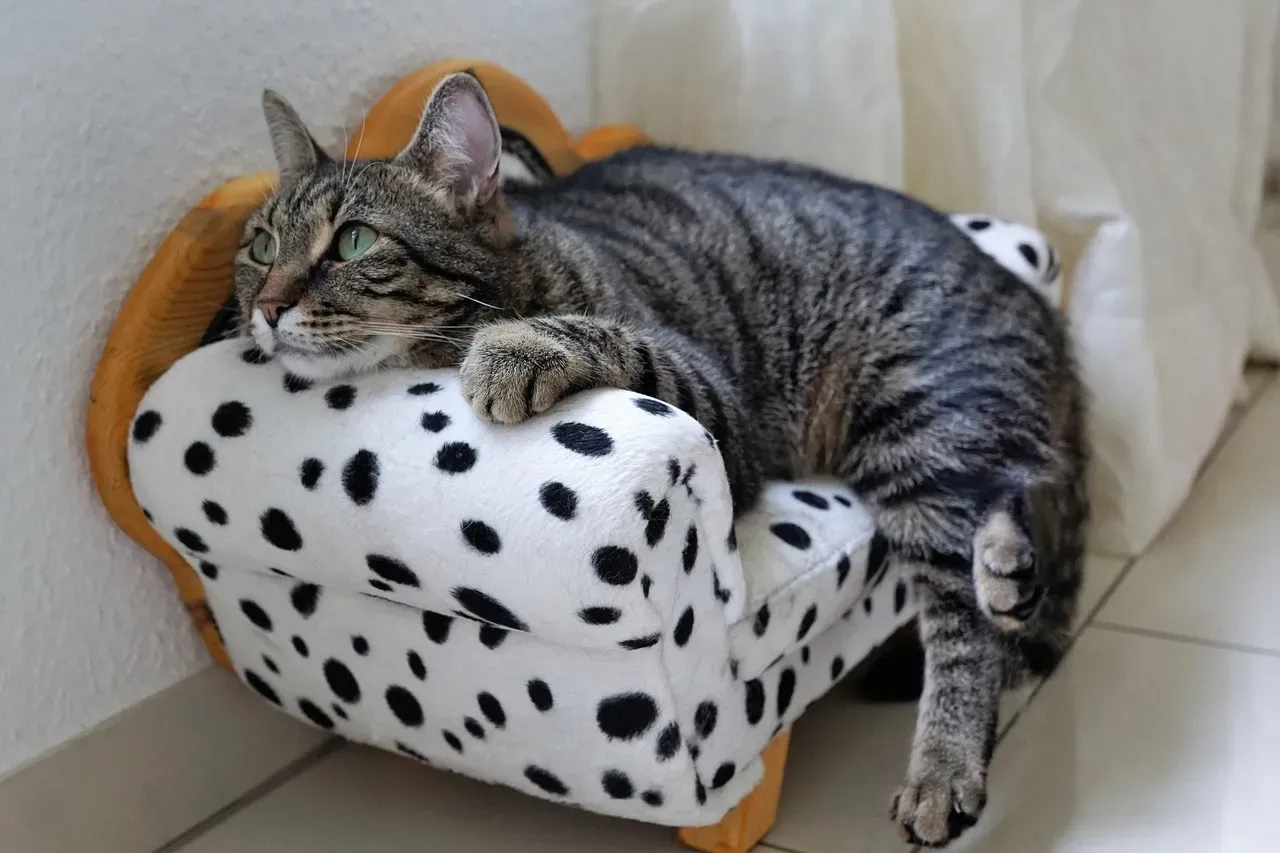
Sometimes excessive sleep isn’t just about being a typical lazy cat. Cats who are depressed, highly stressed, or in an unhealthy environment may sleep more than usual, but this type of sleep is not good-quality sleep. The difference lies in how your cat looks and acts when they’re awake.
Cats are affected by stress, and one way they express stress or anxiety is by changing their sleep patterns; if they’re suddenly sleeping more than usual, it could signal they’re feeling overwhelmed or anxious about something in their environment. A stressed or painful feline may struggle to rest, snooze more, or slumber in an unusual pose, presumably since movement is painful, suggesting a negative emotional state. If you notice your cat sleeping way more than usual combined with other changes like reduced appetite or hiding, it’s time for a vet visit.
The Healing Power of Quality Sleep: Physical and Emotional Benefits
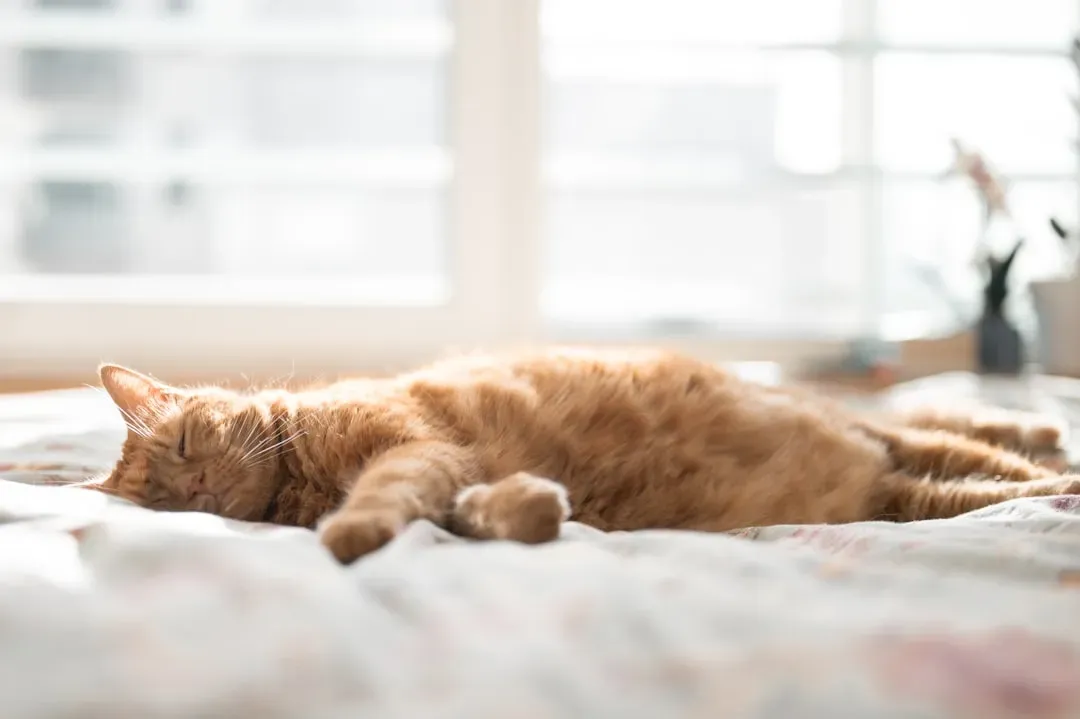
Sleep isn’t just downtime for your cat. It’s when serious restoration happens. REM and non-REM sleep play crucial roles in a cat’s restorative functions, with non-REM sleep allowing for physical recovery like muscle repair while REM sleep is essential for cognitive processes and emotional well-being.
Cats benefit mentally from sound sleep, with consistent sleep helping cats maintain their memory, brain health, and emotional well-being. Additionally, balanced sleep helps avoid unnecessary behaviors such as irritability, restlessness, and aggression, also helping reduce stress. Think of sleep as your cat’s daily mental and physical maintenance routine. Without it, they can’t function at their best, just like you can’t think straight after a terrible night’s rest.
Creating the Purr-fect Sleep Environment for Your Cat
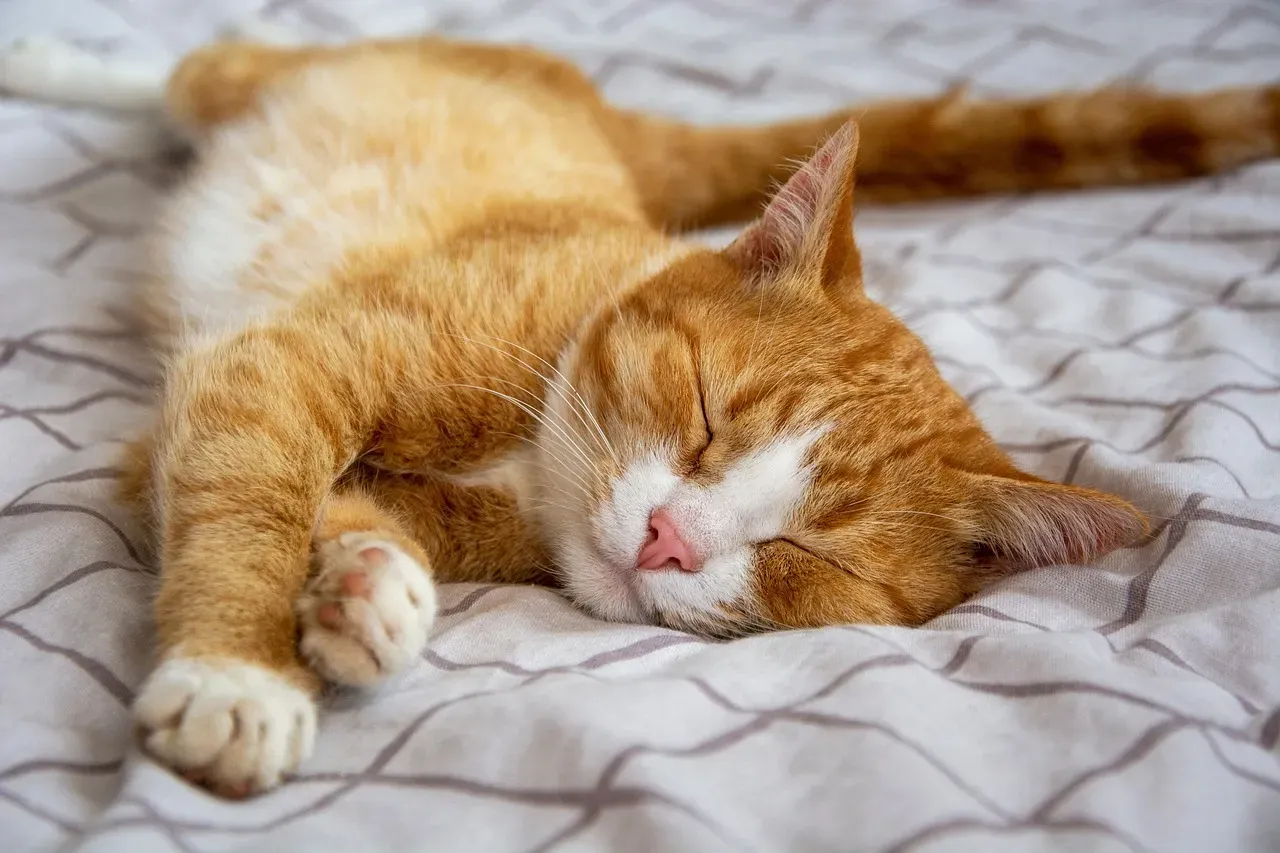
You can actually help your cat achieve better quality sleep by setting up their environment thoughtfully. Creating a safe and cozy sleeping environment is essential for encouraging restful sleep, providing a designated sleeping area away from noise and disturbances, with soft and comfortable bedding like cat beds or blankets ensuring a warm and inviting spot.
Cat owners should create a serene and comfortable sleeping environment by offering cozy, quiet bedding areas and maintaining a consistent daily routine, as factors like bedding type, location, and household noise levels all influence a cat’s sleep quality. Consider placing beds in various locations around your home so your cat has options depending on their mood. Some days they might want the sunny windowsill, other days a dark, enclosed cave bed. Giving them choices respects their need for control over their environment, which directly impacts their emotional security.
Conclusion: Listening to What Sleep Is Telling You
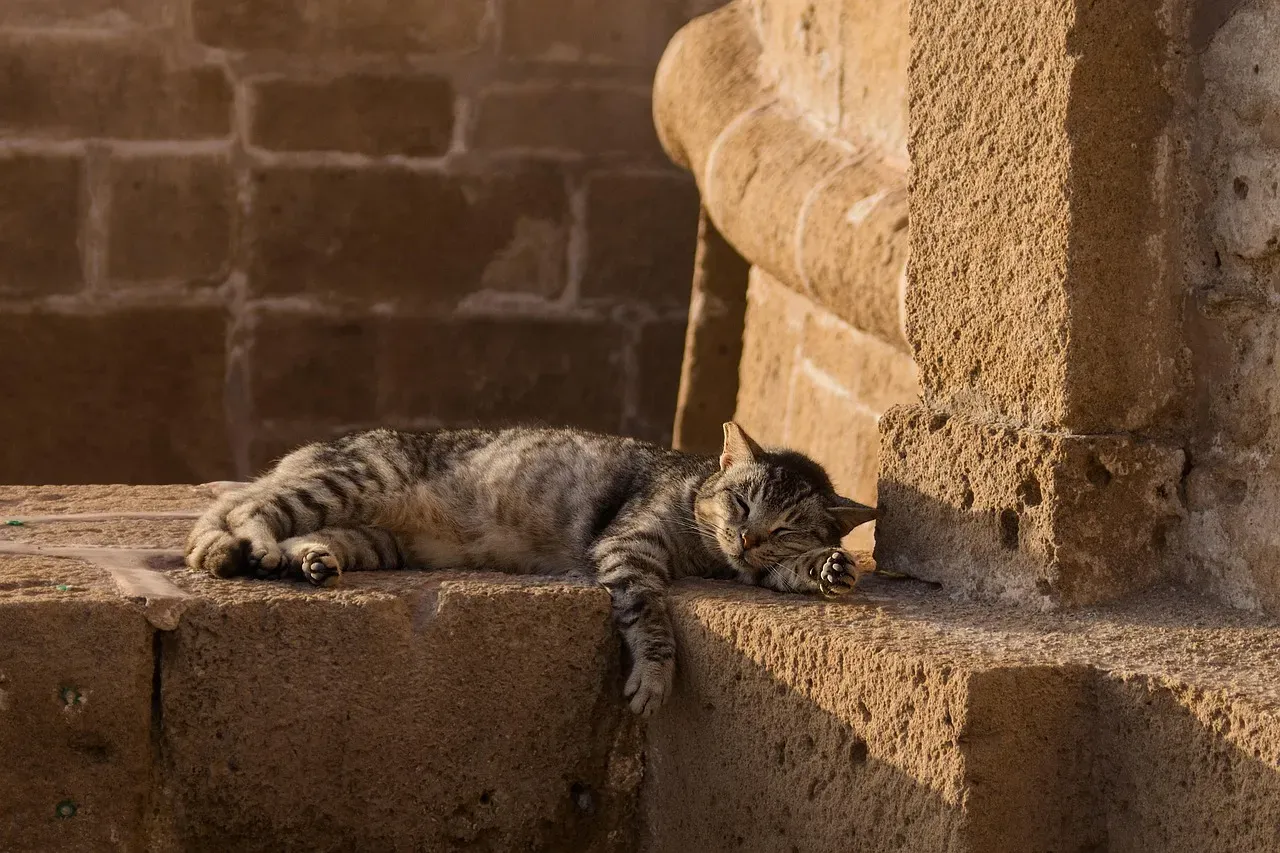
Your cat’s sleep habits are far more than just adorable photo opportunities. They’re a direct communication channel into your cat’s emotional and physical well-being. From the positions they choose to the locations they prefer, from the hours they spend dozing to the twitches that reveal their dreams, every aspect of your cat’s sleep cycle offers clues about how they’re truly feeling.
By paying attention to these patterns, you become fluent in a language your cat speaks constantly but silently. You’ll notice when something shifts, when stress creeps in, or when your cat feels so safe and content that they expose their vulnerable belly without a second thought. That kind of trust is precious, and understanding their sleep cycle helps you nurture it. So what do you think? Does your cat’s sleeping style match what you’ve learned here, or have you discovered something new about your furry companion’s inner world?