There is something almost magical about watching a cat sleep. One moment they are all sharp edges and independence, the next they are sprawled like they have not a single worry in the world. It is easy to dismiss it as just a nap. Honestly, it is so much more than that.
Cat sleeping positions are more than random habits. Every posture reflects a mix of instinct, comfort, temperature regulation, and emotional state. So when your cat sinks into a deep, exposed slumber right beside you, they are not just resting. They are making a statement. A quiet, confident, deeply personal one. Let’s dive in.
Why Cats Are Such Careful, Calculated Sleepers
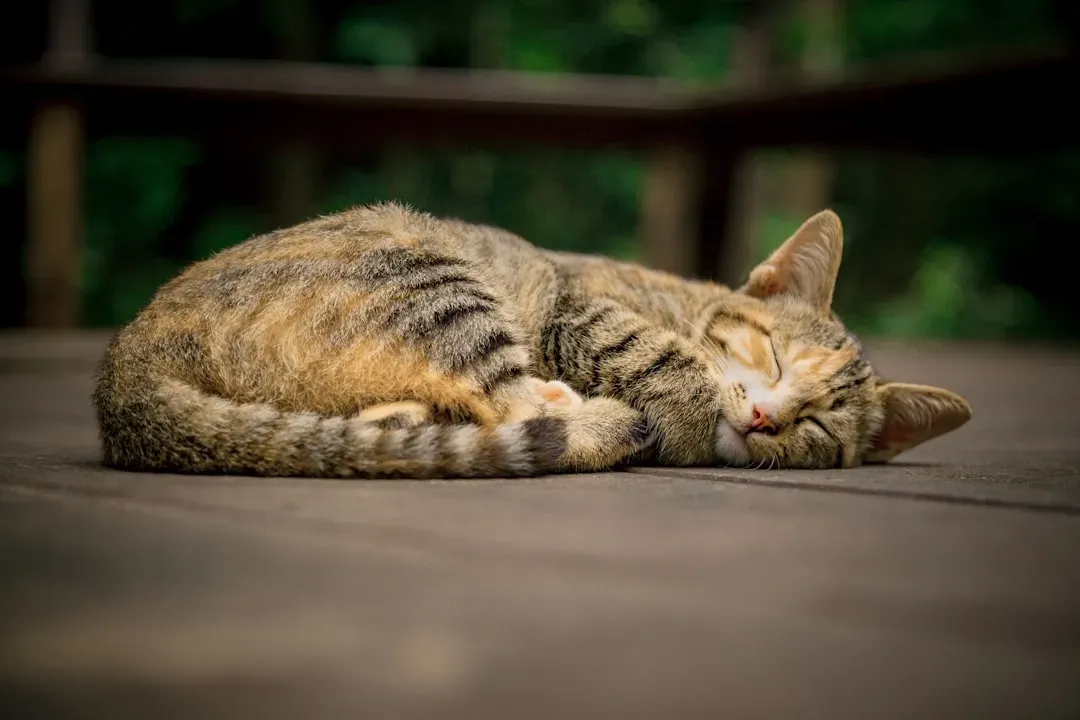
You might think of your cat as a lazy creature who simply conks out wherever it is comfortable. Here is the thing, though. Their sleeping behavior is rooted in millions of years of survival instinct. A cat’s wild ancestors had to protect vulnerable organs and stay ready to react to threats even while resting, and those instincts still shape how domestic cats sleep today.
Cats are both predators and prey animals, so in the wild their lives depend on paying attention. Because of this, cats are highly observant of their surroundings and protective of their bodies. Think of it like a soldier who never truly switches off. Every nap, every doze, is calibrated. So when your cat completely lets go in your presence, that is not laziness. That is an enormous compliment.
The Belly-Up Position: The Ultimate Declaration of Trust
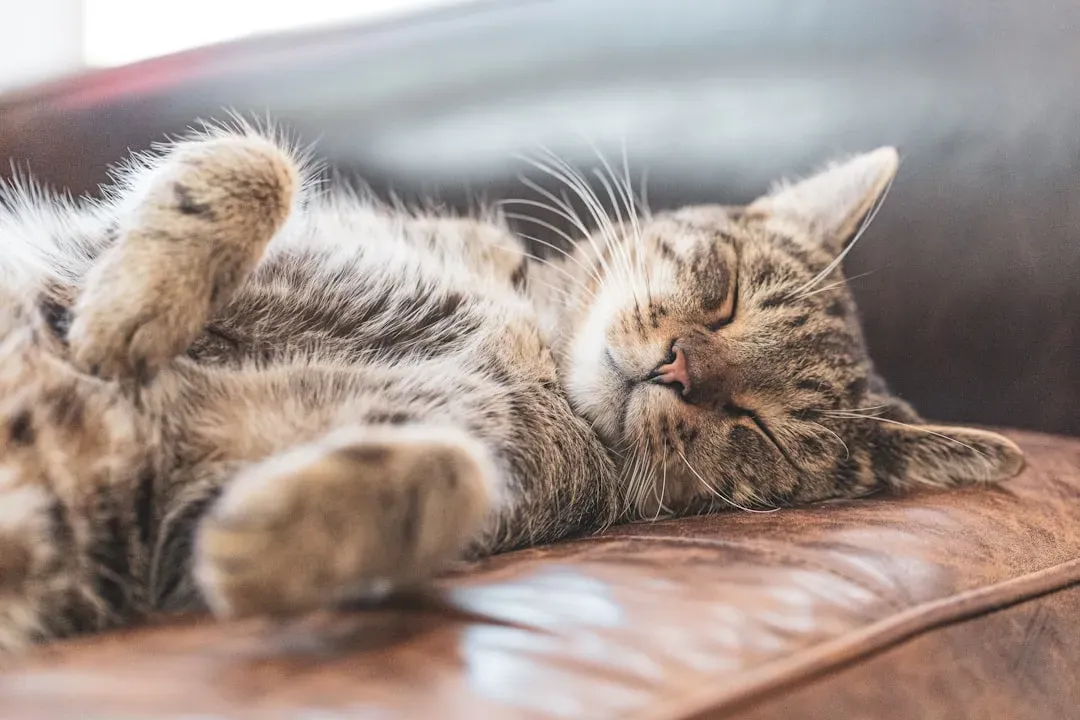
If you have ever seen your cat lying flat on their back, belly facing the ceiling, with legs flopped in every direction, you have witnessed something genuinely rare. A cat sleeping on its back with its belly exposed is displaying complete trust in their environment and the people around it. The belly is a cat’s most vulnerable area, so this position means they feel entirely safe.
The cat’s stomach is the most vulnerable part of their body, lying flat on the back with legs extended in the air, unable to quickly escape in case of danger, and this exhibits total trust. It is worth knowing, however, that just because your cat is belly-up does not mean you should dive in for a rub. This is usually a sign of trust, not an invitation for a belly rub. Respect the moment. Admire it from a distance.
The Curled-Up Ball: Warmth, Security, and Ancient Instinct
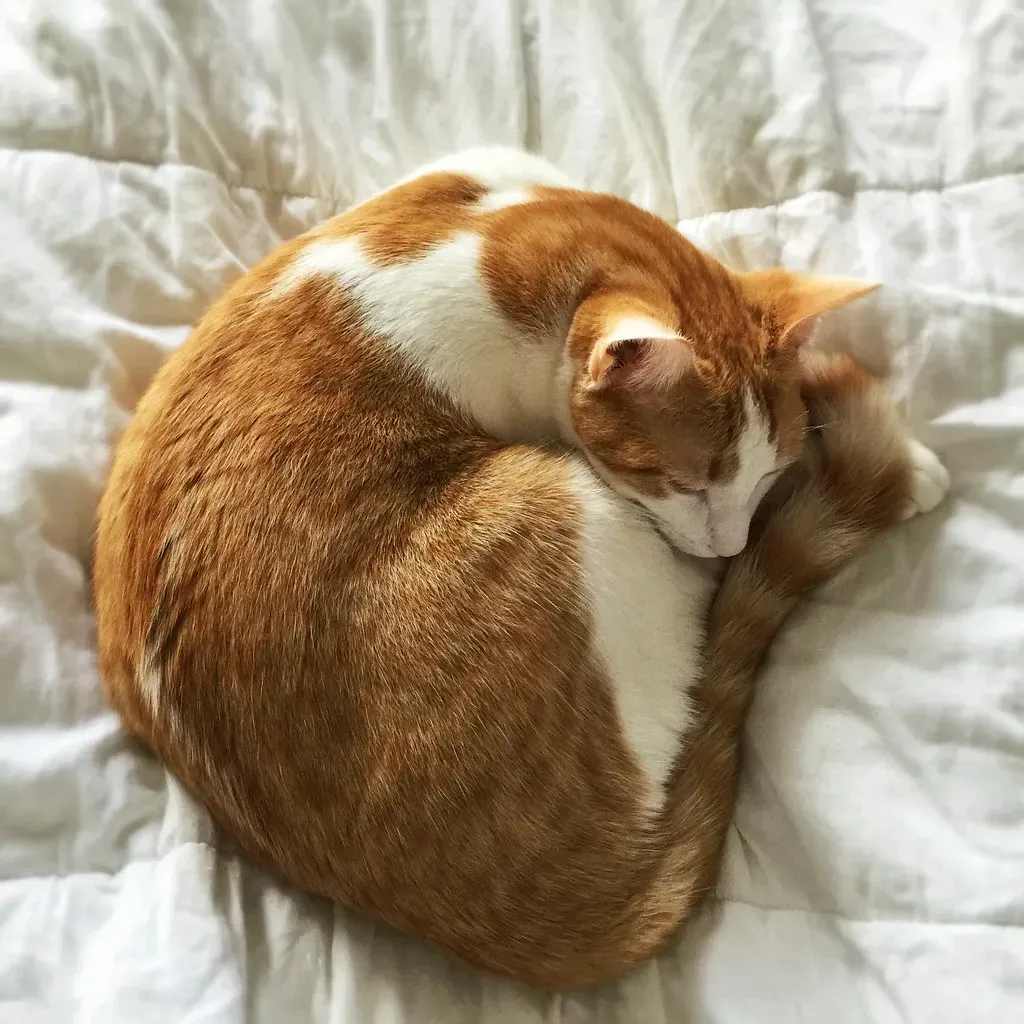
The curled-up position, often resembling a crescent roll or a shrimp, is one of the most typical sleeping postures for cats. This classic “cat curl” is not just for comfort, it serves practical purposes as well. By curling into a tight ball, cats preserve body heat and protect their vital organs. It is like nature’s own version of a hug, except your cat is hugging themselves.
The crescent position allows your cat to conserve body heat, so you are more likely to see your cat in this position during the winter or in cold weather. Similarly, most wild cats sleep in the crescent position because it protects their vulnerable bellies from predators. If your cat curls up near you in this position, they still trust you. They are just also cold. It is hard to say for sure where one instinct ends and the other begins.
The Cat Loaf: Relaxed but Never Entirely Off Guard
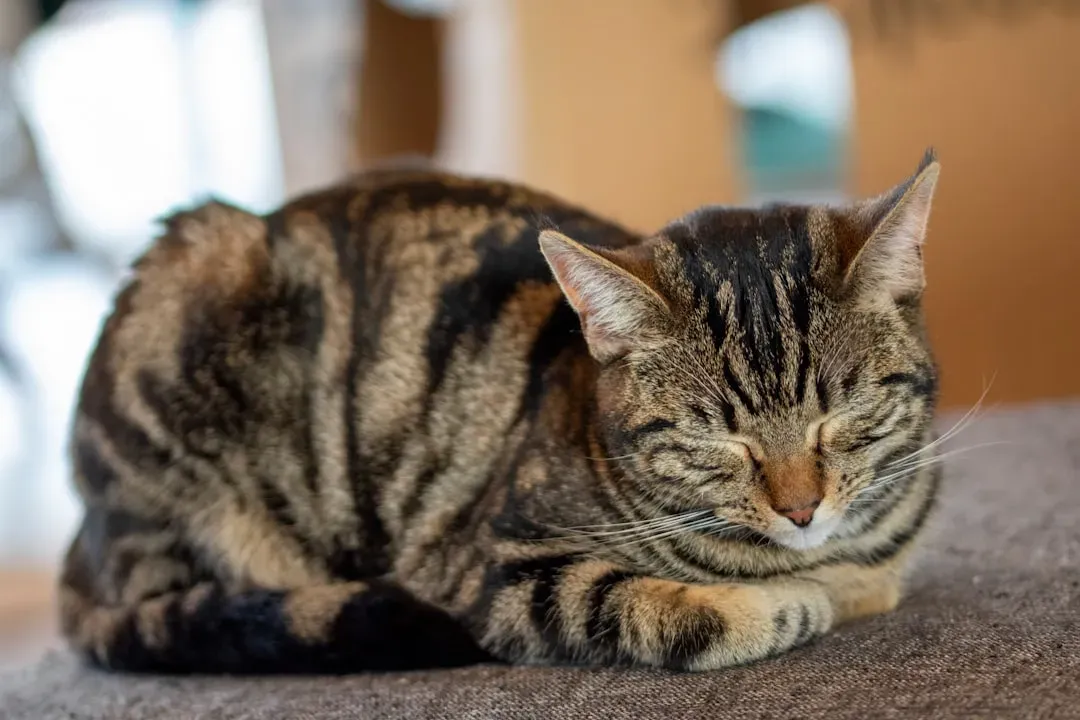
The “cat loaf” is a common and adorable sleeping posture that many cats assume, where they resemble a loaf of bread. In this position, cats tuck their front paws under their bodies and often keep their heads up, making them look similar to a loaf of bread. This compact and cozy stance helps cats conserve body heat and shields their vital organs.
When you see your cat in the loaf position, it usually means they are comfortable and at ease, yet they remain alert and ready to move quickly if necessary. Although they appear calm and collected, they are prepared to leap into action or defend themselves at a moment’s notice. Think of it as the feline equivalent of sitting in a coffee shop with one eye on the door. Calm, but not checked out.
Sleeping on Their Side: Deep Rest and Deep Trust
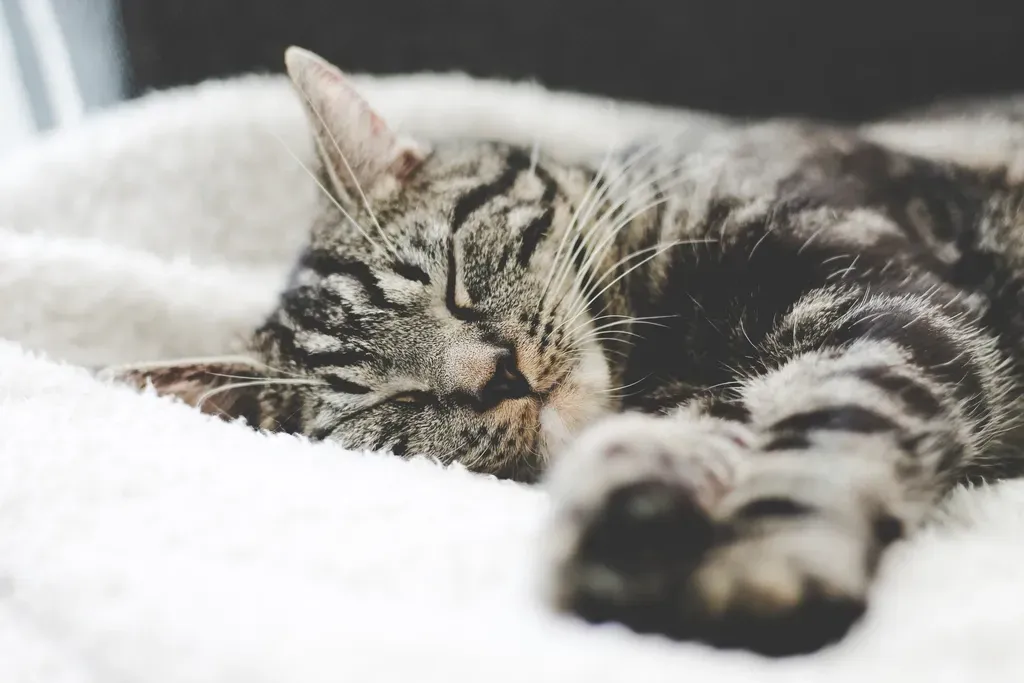
A cat lying on its side with limbs outstretched is in a deep, restful sleep. It means they’re feeling safe, stress-free, and completely at ease in their environment. This position is usually seen in well-adjusted, confident cats. Let’s be real, if your cat is sprawled out sideways next to you on a Sunday afternoon, life is genuinely good for them.
When your cat sleeps on their side, they are usually in a deep sleep state and feel very secure in their environment. This position is often associated with calm, relaxed cats who are content with their surroundings. Cats who sleep on their side are typically less anxious and may be more affectionate towards their owners. If you have a regular side-sleeper, consider yourself fortunate. You have earned their full emotional relaxation.
Where Your Cat Sleeps on Your Bed Tells a Whole Story
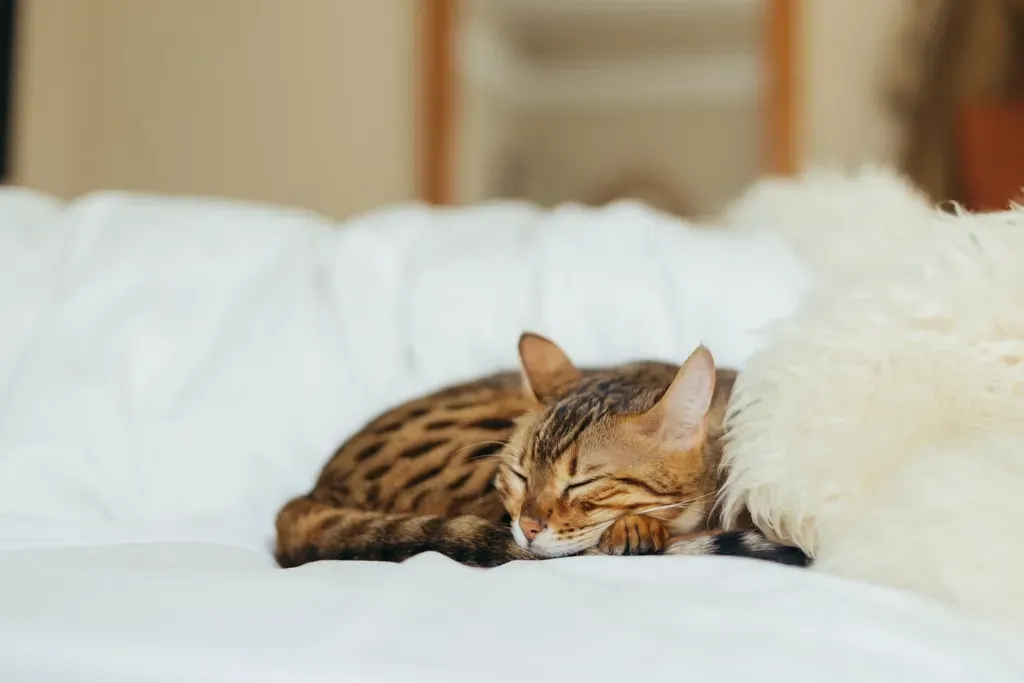
No matter where your cat sleeps on your bed, the fact that they choose to sleep near you at all is a strong indicator of trust. But the specific spot? That reveals even more nuance. Sleeping near your head signals strong bonding and scent-seeking. On your chest means deep attachment to your warmth and heartbeat. At your feet shows affection with a preference for personal space and an easy exit route. Between your legs means your cat is nesting for warmth and security.
The rhythmic sound of your heartbeat and the rise and fall of your breathing mimic the sensations they felt when sleeping against their mother and littermates. This position is the ultimate sign of security. Honestly, when your cat sleeps on your chest, you are not just a warm body. You are their safe place, their anchor point, their version of home. That is extraordinary when you think about it.
Scent, Safety, and Why Your Bed Is Their Favorite Spot
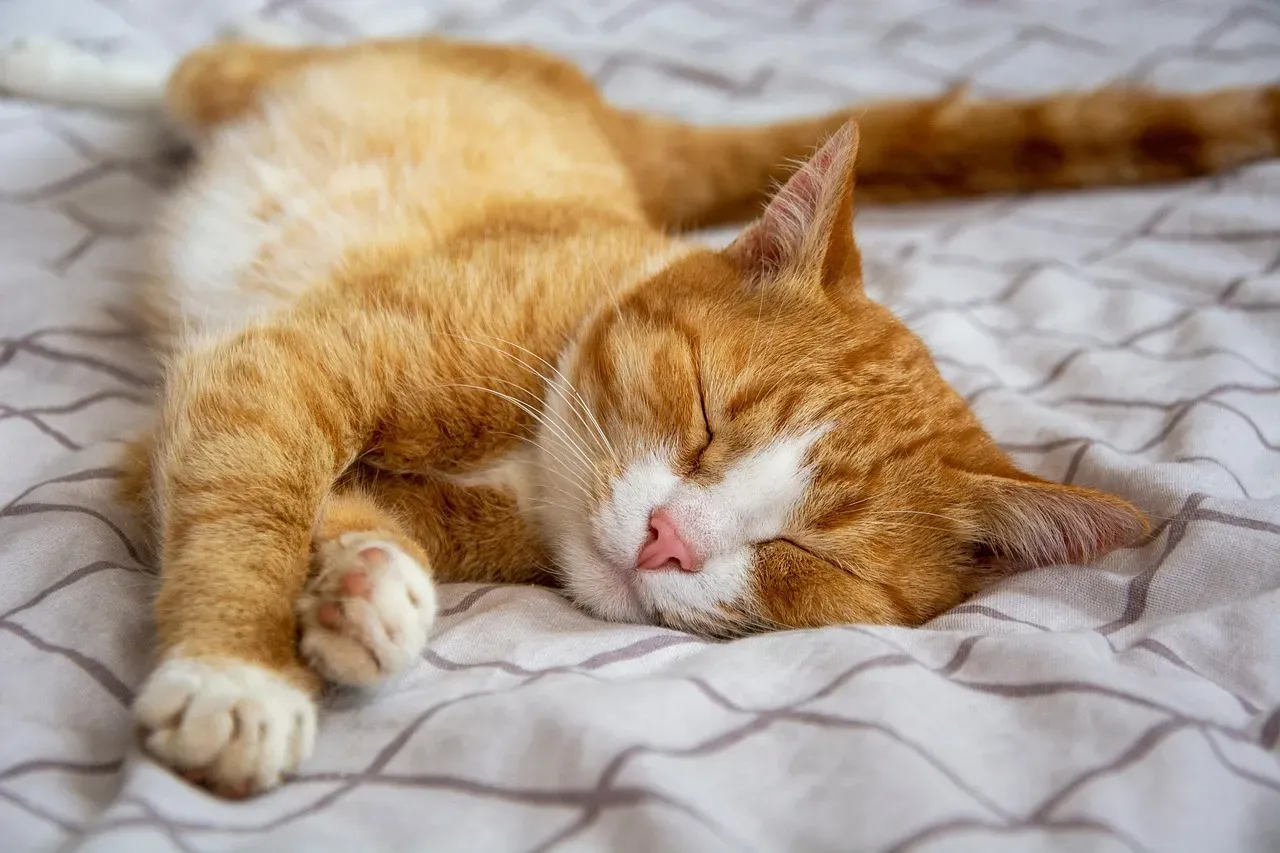
Your bed carries your concentrated scent, and cats find that deeply reassuring. When your cat sleeps on your bed, they are also depositing their own scent alongside yours, reinforcing social bonds and marking your sleeping space as trusted territory. It is a two-way conversation, even if you are asleep for most of it.
Your cat associates your bed with safety because of your presence. When you are in bed, your body heat, scent, and steady breathing create an environment that feels secure. Many cats wait until their owner is settled before joining because the combination of warmth, scent, and companionship is what makes the bed appealing, not just the mattress itself. Next time your cat jumps in right after you lie down, know that they timed that perfectly on purpose.
What Sudden Changes in Sleep Position Might Signal
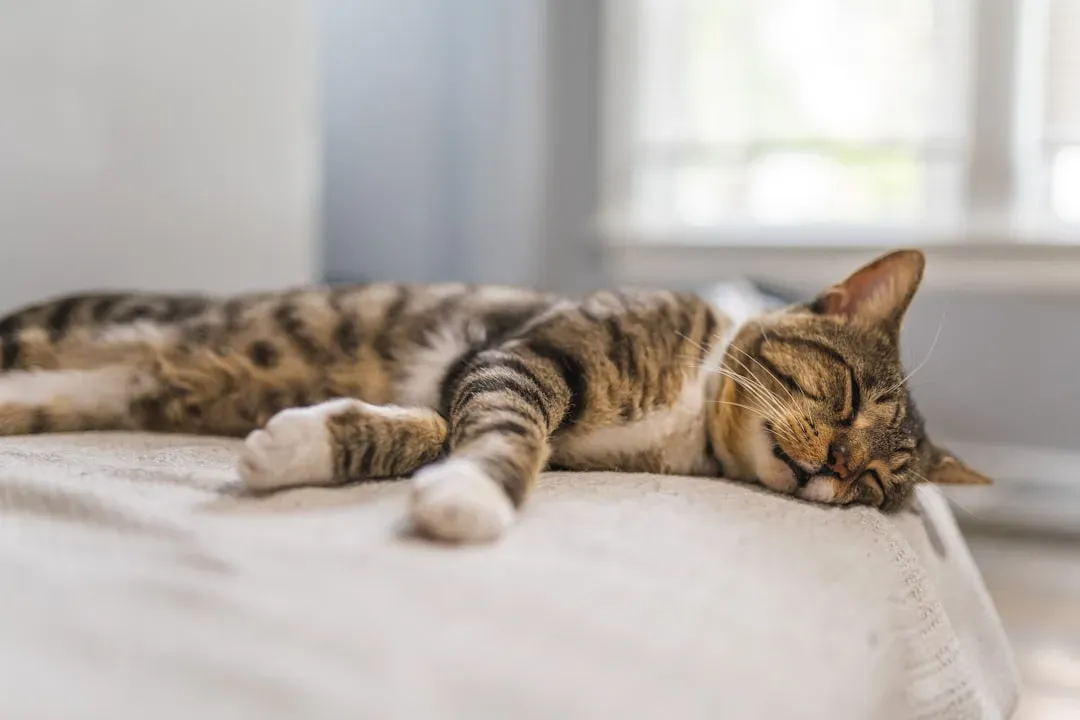
Paying attention to your cat’s preferred positions can give you real insight into their mood, health, and how secure they feel in your home. A sudden change in sleep posture is also worth noting, as it can occasionally signal discomfort or stress. Your cat’s sleeping habits are essentially a health dashboard, one that updates silently every single day.
A cat that consistently sleeps in a tight, hunched loaf with eyes partially open may be experiencing pain. Cats who suddenly switch from relaxed, sprawling positions to tense curling in hidden locations could be signaling illness or stress. Excessive hiding, loss of appetite, or lethargy alongside a change in sleep posture warrants a veterinary visit. Do not ignore the quiet shifts. Your cat cannot tell you in words when something is wrong, but they do tell you. You just have to pay attention.
How You Can Build and Strengthen That Trust
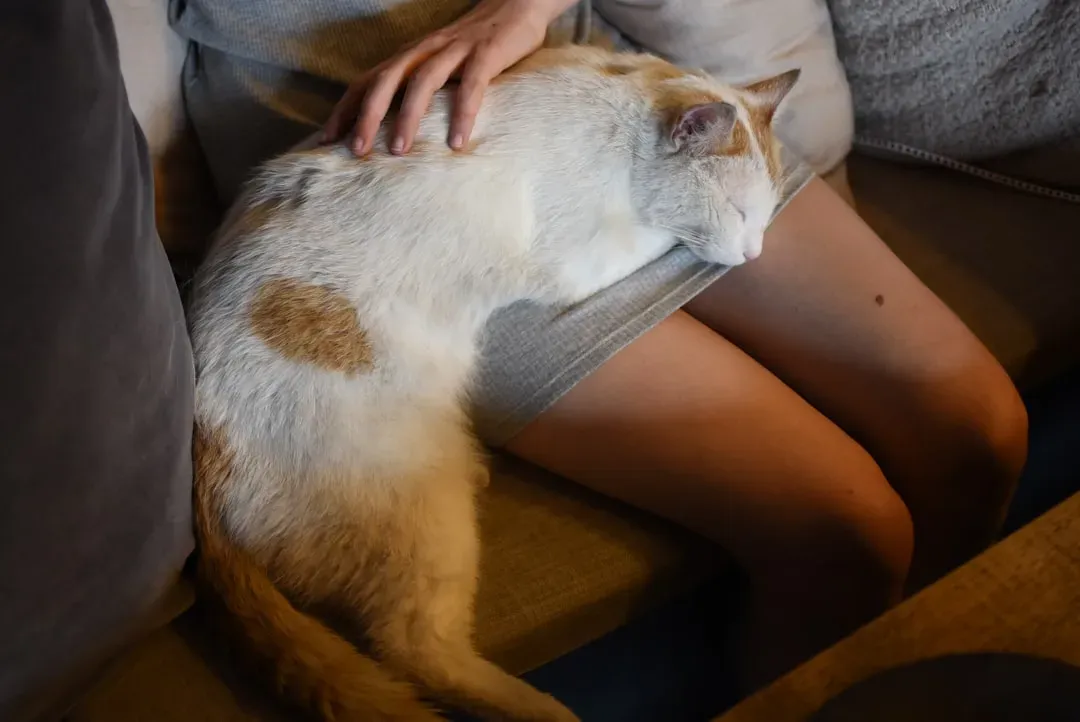
Trust between you and your cat is not something that just happens overnight. It is built through patience, consistency, and respect for their boundaries. If you want your cat to feel more secure and potentially shift into these trusting sleeping behaviors, consider creating a calm environment by avoiding loud noises and offering cozy resting spots. Respect their space and let the cat initiate interaction to build mutual respect. Establish routines, as feeding and playing at regular times helps cats feel secure. Use treats and gentle praise to reinforce trust-building moments.
Cats thrive on consistency. A change in their environment, new furniture, moving homes, the introduction of a new pet, or even your altered work schedule, can make them feel insecure. Sleeping on you becomes a coping mechanism, a way to re-establish stability and reassurance. Think of your daily routine as an invisible safety net your cat walks on every single day. The more consistent it is, the more confidently they sleep.
Conclusion: A Nap That Says More Than Words Ever Could
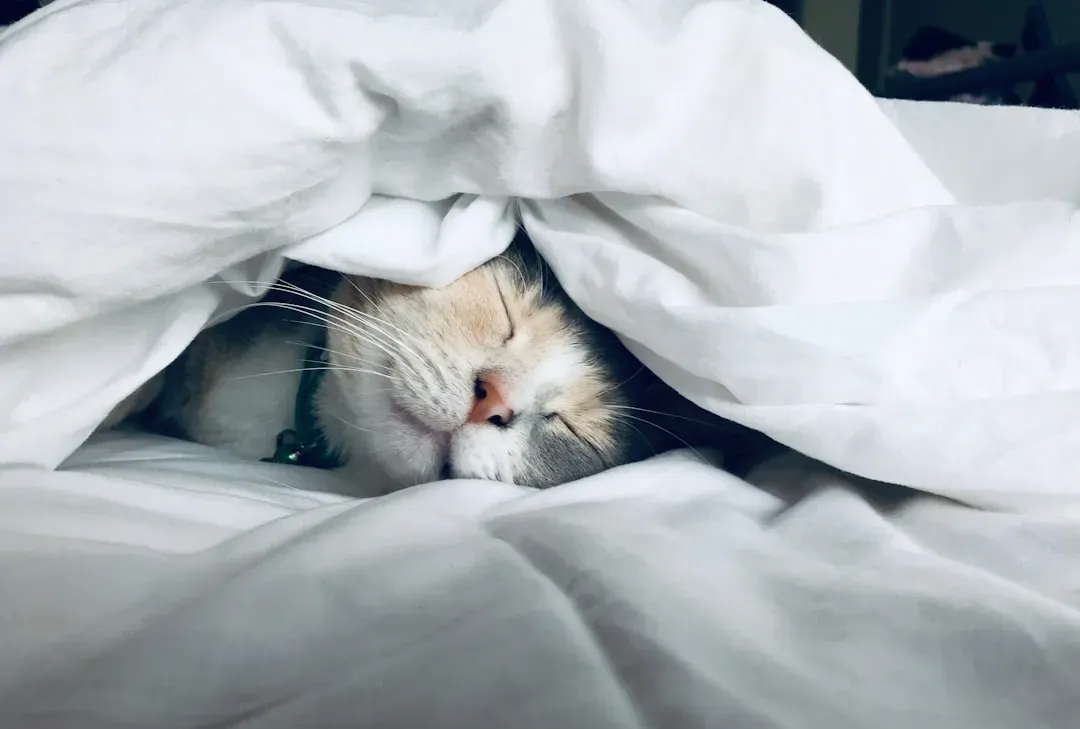
There is no louder silence than a cat sleeping peacefully in your presence. Every sprawled limb, every exposed belly, every soft purr against your chest is a form of communication that predates language itself. Your cat is telling you, without a single word, that you are safe. That you are chosen. That in a world ruled by instinct and threat-assessment, you passed every test.
Cat sleeping positions are far more than adorable moments to capture on camera. They are a window into your pet’s emotional world. When a cat chooses to lie belly-up, nap on your lap, or even loaf nearby, it is rewarding proof of trust. Recognizing and appreciating these signals can strengthen the bond you share with your feline companion.
So the next time your cat closes their eyes in your company, take a quiet moment to appreciate what is really happening. You have earned the trust of a creature that gives it to almost no one. What could possibly be more meaningful than that?