You know that cat in your neighborhood who barely makes a sound? The one who watches the world with those unblinking eyes, moving through life like a whisper? Here’s something that might surprise you. While your friend’s Siamese is announcing every thought that crosses their mind, that silent observer is experiencing an entirely different kind of richness within their feline mind. Let’s be real, quiet doesn’t mean empty.
We’ve gotten it all wrong. We tend to equate vocalization with intelligence, personality, even depth of feeling. It’s hard not to. When a cat meows, trills, or chirps at us, we feel connected. They’re clearly trying to tell us something, right? Meanwhile, that Reserved Tabby lounging in the corner seems aloof, maybe even indifferent. The truth is far more fascinating than you’d expect.
The Silent Language That Speaks Volumes
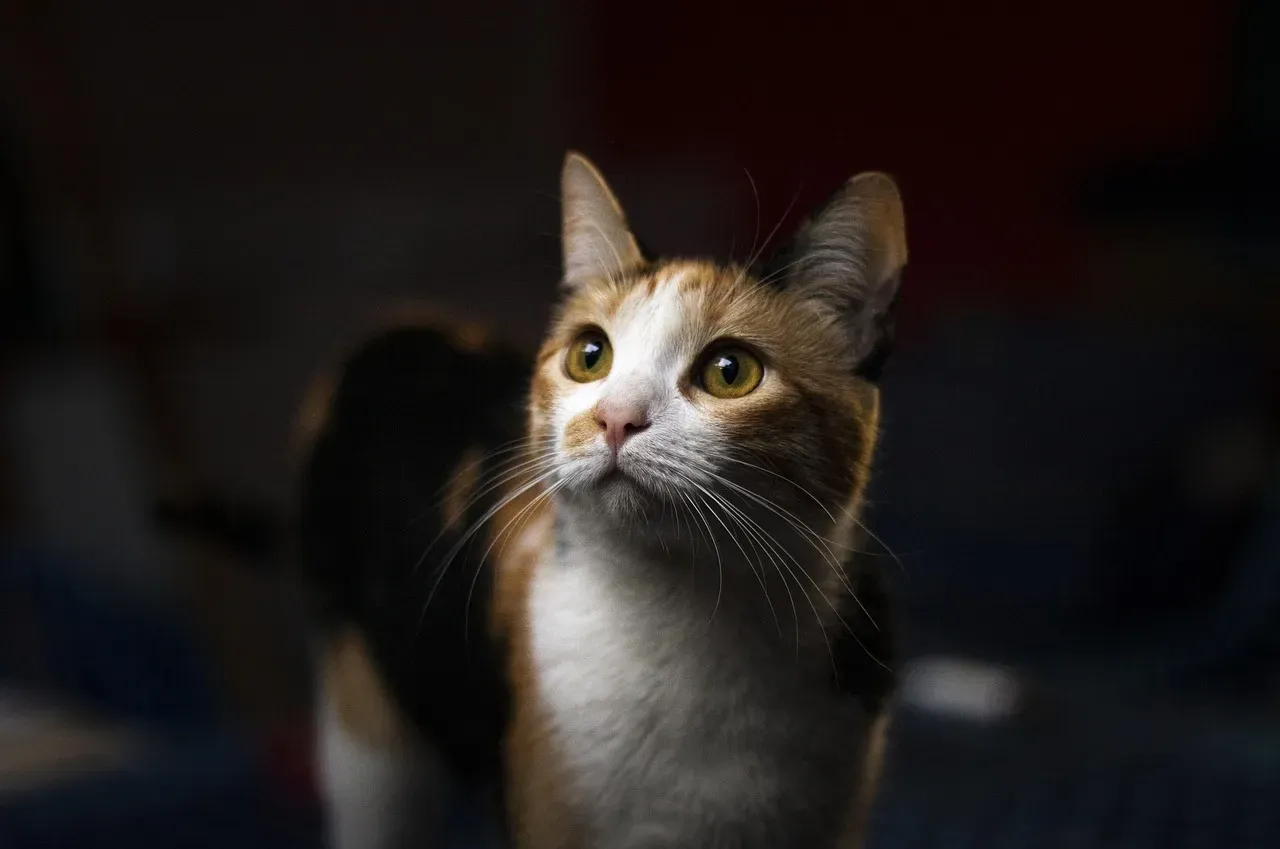
Cats use a range of communication methods, including vocal, visual, tactile and olfactory communication, with up to 21 different cat vocalizations having been observed. What many people don’t realize is that vocalizations represent only a fraction of what cats are actually expressing.
Feral cats are more silent than their counterparts that live with humans with the exception of agonistic and mother-kitten interactions. Think about that for a second. In the wild, being quiet is actually an advantage, a survival skill refined over millennia. Domestic cats who remain vocally reserved might simply be tapping into this ancient wisdom, communicating through channels we humans are only beginning to understand.
Genetics Play Their Part in Vocal Expression
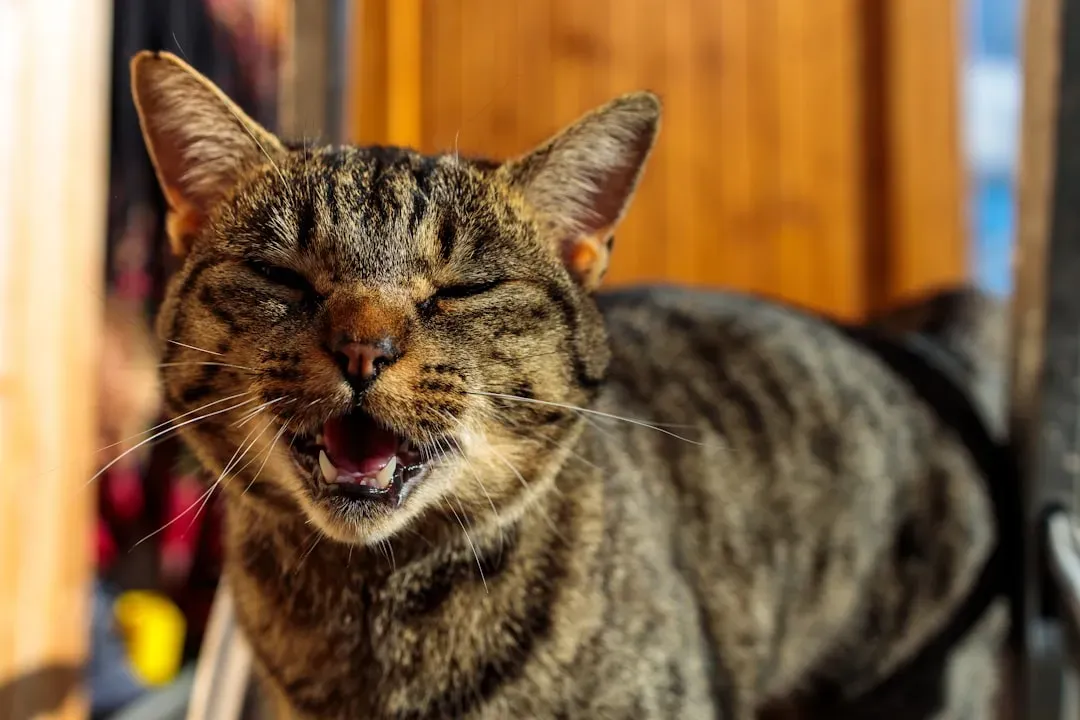
A recent study led by wildlife researcher Yume Okamoto and colleagues at Kyoto University suggests that part of the answer may lie in cat genes. Researchers discovered connections between specific genetic variants and vocal behavior in cats.
Among 280 spayed or neutered cats, those with the short AR gene variant purred more often, with males scoring higher for directed vocalizations such as meowing. This reveals something profound: vocal behavior isn’t just about personality or mood. It’s partly hardwired. Your quiet cat isn’t choosing silence out of disinterest; their biological blueprint might simply favor subtlety over sound. Some cats are genetically inclined toward restraint, and honestly, that’s pretty remarkable.
Quiet Breeds Harbor Complex Personalities
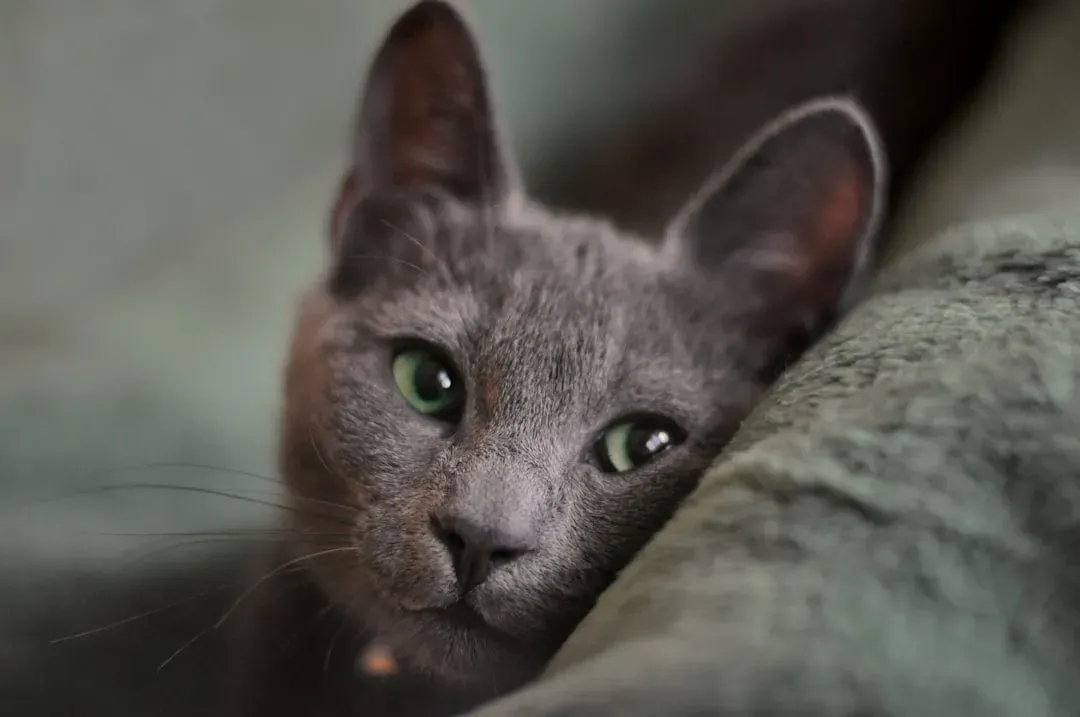
Certain breeds wear their silence like a badge of honor. British Shorthairs are very calm and typically quiet, Russian Blues are intelligent and affectionate but rarely meow, and Persians are gentle and soft-voiced cats. Yet anyone who’s lived with these breeds knows they’re anything but simple.
The Persian is the epitome of tranquility with a calm, passive personality, quiet and laid-back, though the breed can be fearful around strangers but is generally adaptable. This contradiction – calm yet potentially fearful – hints at inner complexity. These cats process their environment deeply, observing details we might miss. Their silence isn’t absence; it’s careful consideration.
The Intelligence Hiding Behind Those Eyes
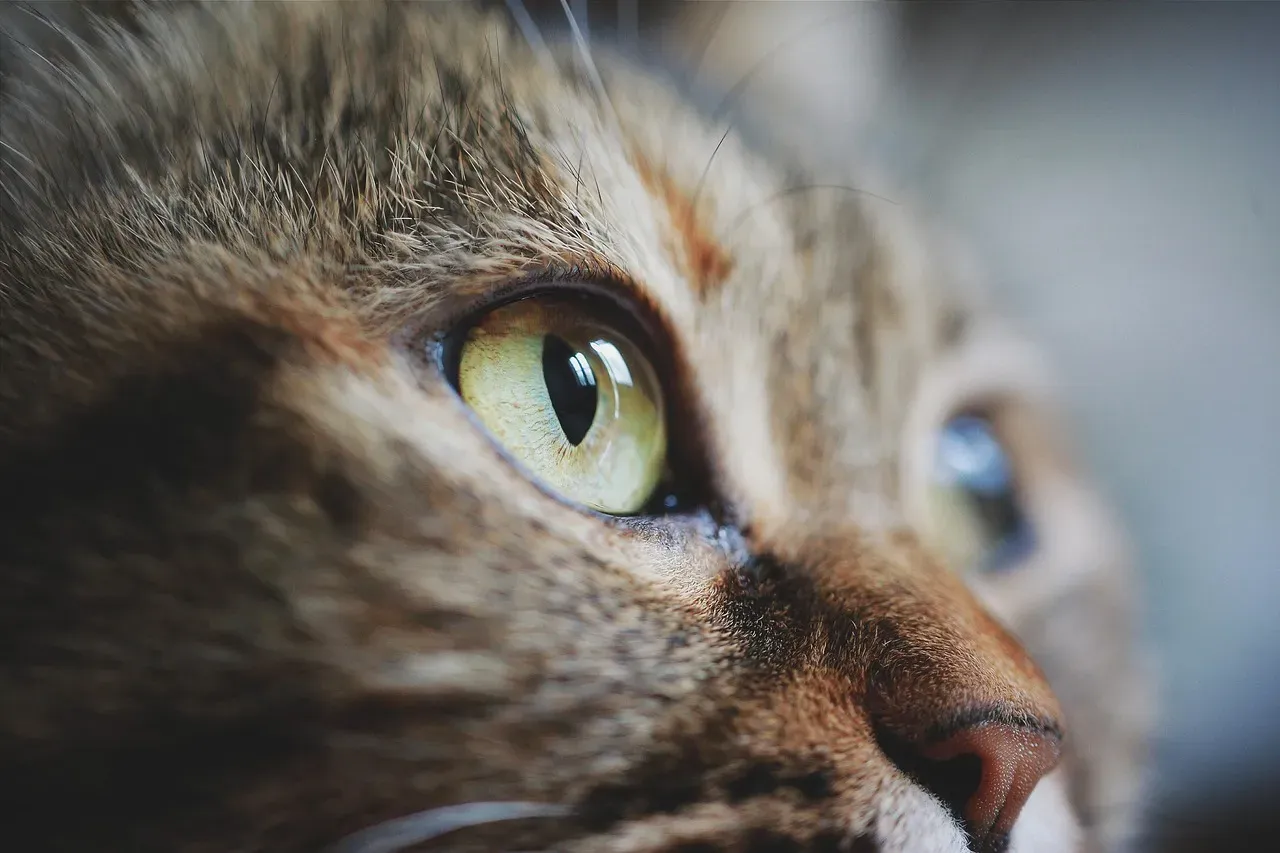
A cat’s brain contains around 250 million neurons in the cerebral cortex, which is responsible for complex processing. Cats have around 250 million cortical neurons, compared to over 400 million in dogs. Let that sink in for a moment.
Cats possess intelligence comparable to that of a two-year-old human child, with advanced abilities in problem-solving, memory retention, and social cognition, with their approximately 250 million cortical neurons enabling complex thought processes. Your quiet cat isn’t sitting there in an empty trance. They’re thinking, analyzing, remembering. Research has shown cats can recall and use information of “what” and “where” from a single experience, and those memories can persist for years.
Body Language Replaces the Missing Meow
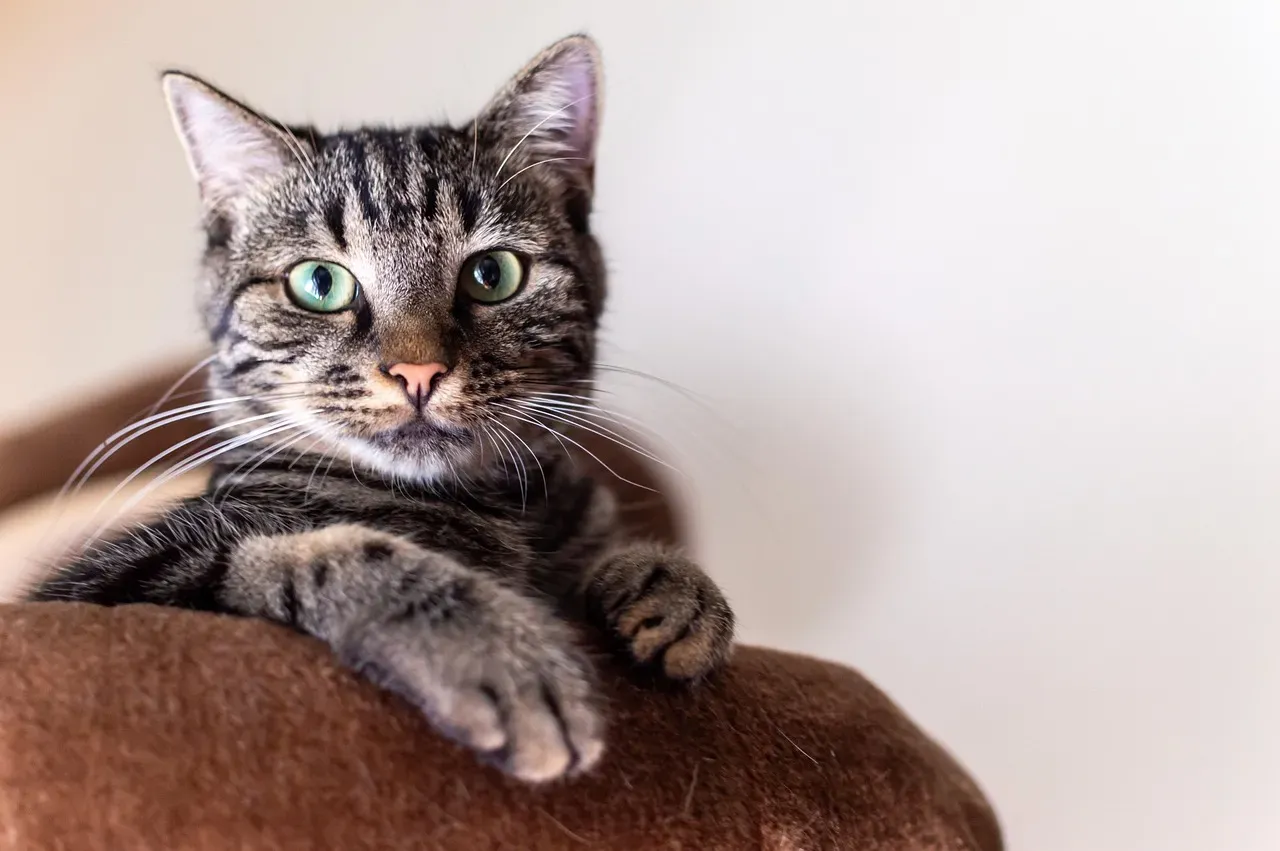
While chatty cats tell you everything out loud, silent cats have mastered the art of physical communication. Cats use body language and movement to communicate a wide range of feelings and information, with domestic cats frequently using visual communication with their eyes, ears, mouths, tails, coats and body postures.
Cats blink slowly to show affection and relaxation, and if a cat blinks slowly at you, they are not threatened by you. I think this is one of the most beautiful forms of feline expression. No sound required, just a gentle closing of the eyes that says more than a thousand meows ever could. Slow blinking is a sign of trust and comfort, and reciprocating the gesture can reinforce the feeling of safety. These quiet cats are speaking constantly; we just need to learn their language.
Memory and Observation Create Rich Inner Lives
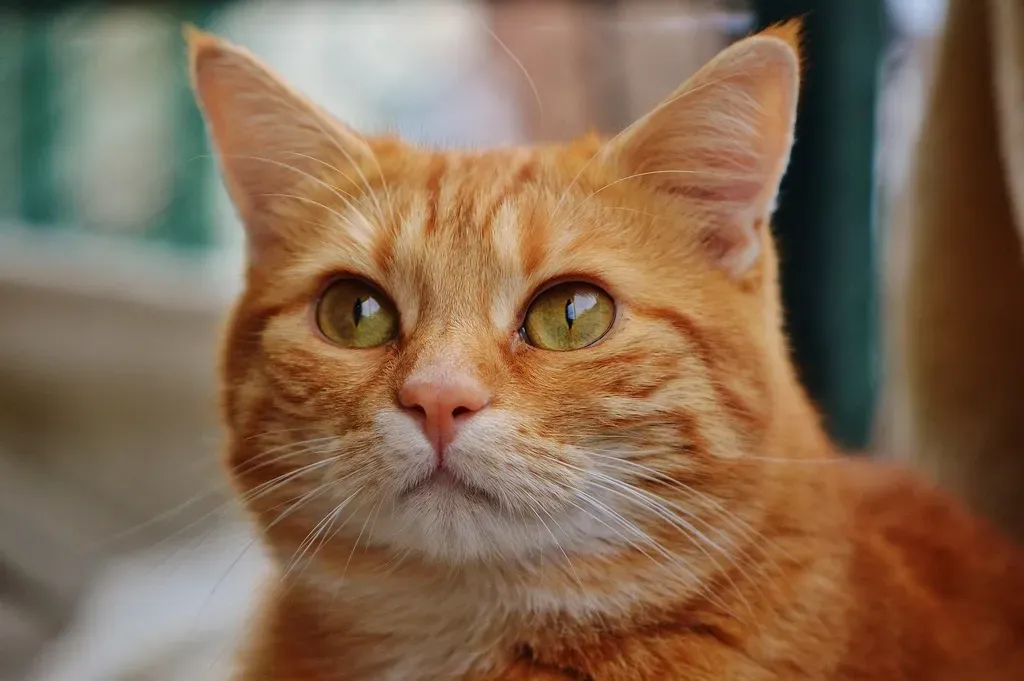
Quiet cats spend their time doing something humans often forget to do: paying attention. Cats possess impressive long-term memory capabilities, reportedly retaining recollections of events and locations for up to a decade, with these memories often intertwined with emotions.
Your reserved cat remembers that time you accidentally stepped on their tail three years ago. They remember the hiding spot where you once found them during a thunderstorm. They’re building an emotional map of their entire existence, processing each experience through layers of memory and feeling. Cats possess a remarkable ability to learn and solve problems, as they are naturally curious and have a penchant for exploration. Silence gives them space to think.
Emotional Depth Runs Deeper Than Volume
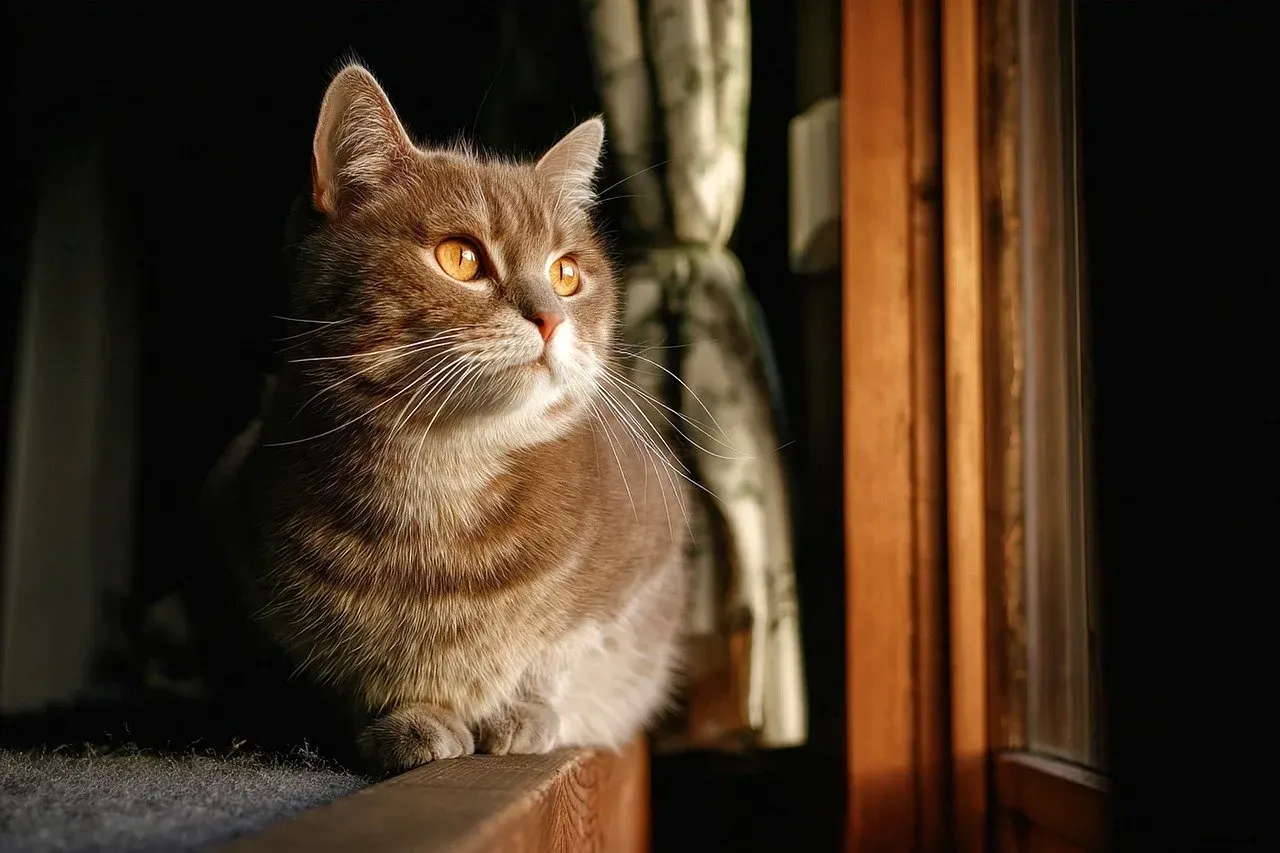
A quiet cat may be signaling something emotionally, and understanding feline psychology helps clarify this silence. The assumption that quiet equals emotionless couldn’t be further from reality.
Cats that score high on Neuroticism (shy) may be stressed and benefit from an assessment of social stress, and these cats may benefit from additional hiding places around the home or access to quiet areas. Being reserved doesn’t mean lacking feelings. Often it means feeling everything intensely but choosing to process internally rather than broadcast. Cats are far more social than most people realize, and lack of attention to the social and emotional needs of cats may contribute to their poor welfare. These cats need us to meet them where they are, not where we think they should be.
Social Intelligence Beyond Words
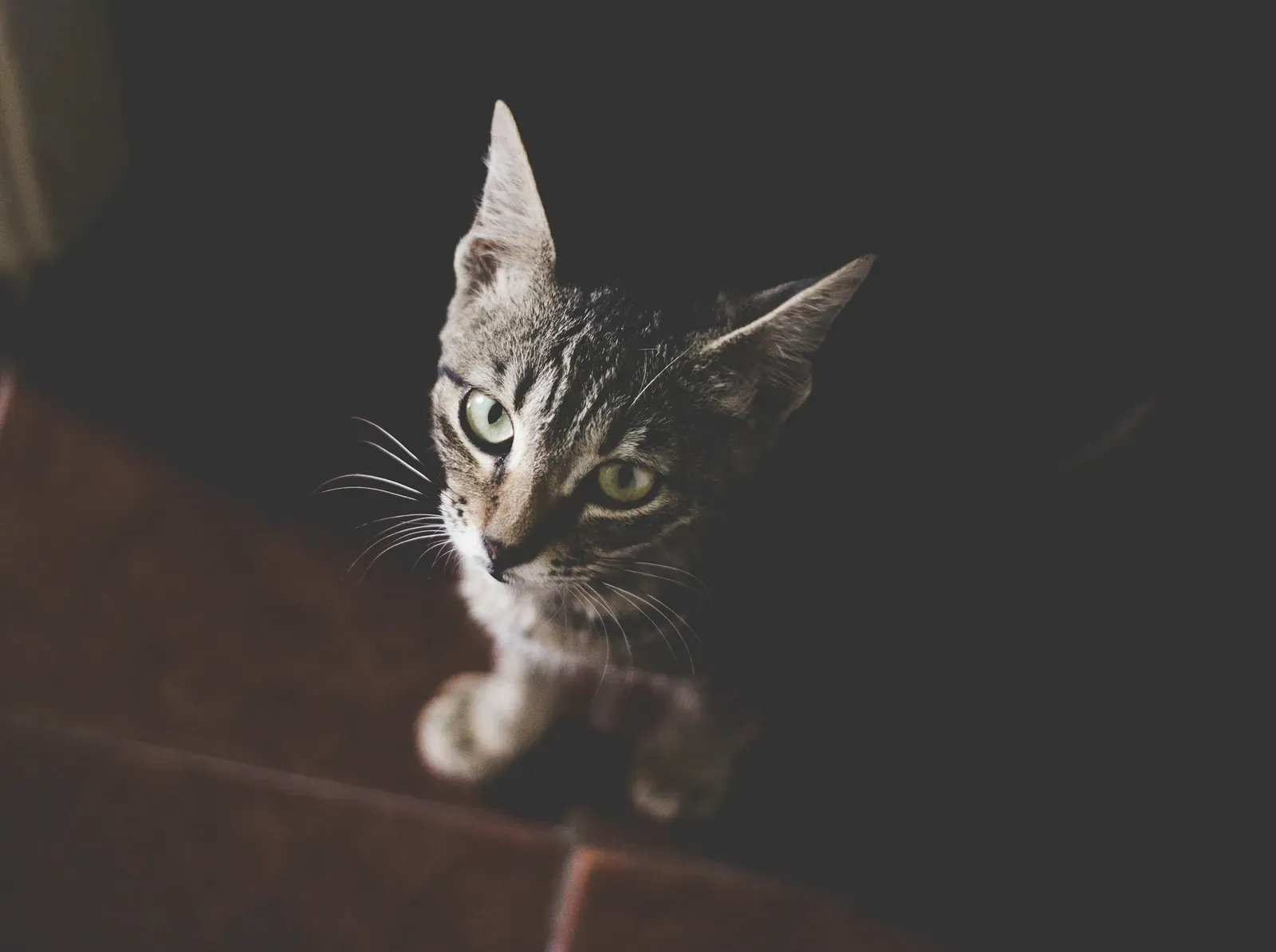
The belief that silent cats are antisocial is one of the biggest myths around. Cats will look for human cues and gestures and can respond to human moods, and cats can recognize specific human voices and become attached to people in their lives.
Your quiet companion is reading you constantly. Cats are social creatures, displaying a strong understanding of social cognition, interpreting human cues such as gestures and voices, responding appropriately to affection or commands, with chatty cats modulating their vocalizations to communicate with humans. What’s fascinating is that quiet cats often display this same social intelligence, just through different channels. They know when you’re sad. They sense when you need company. They simply choose presence over proclamation.
The Power of Selective Communication
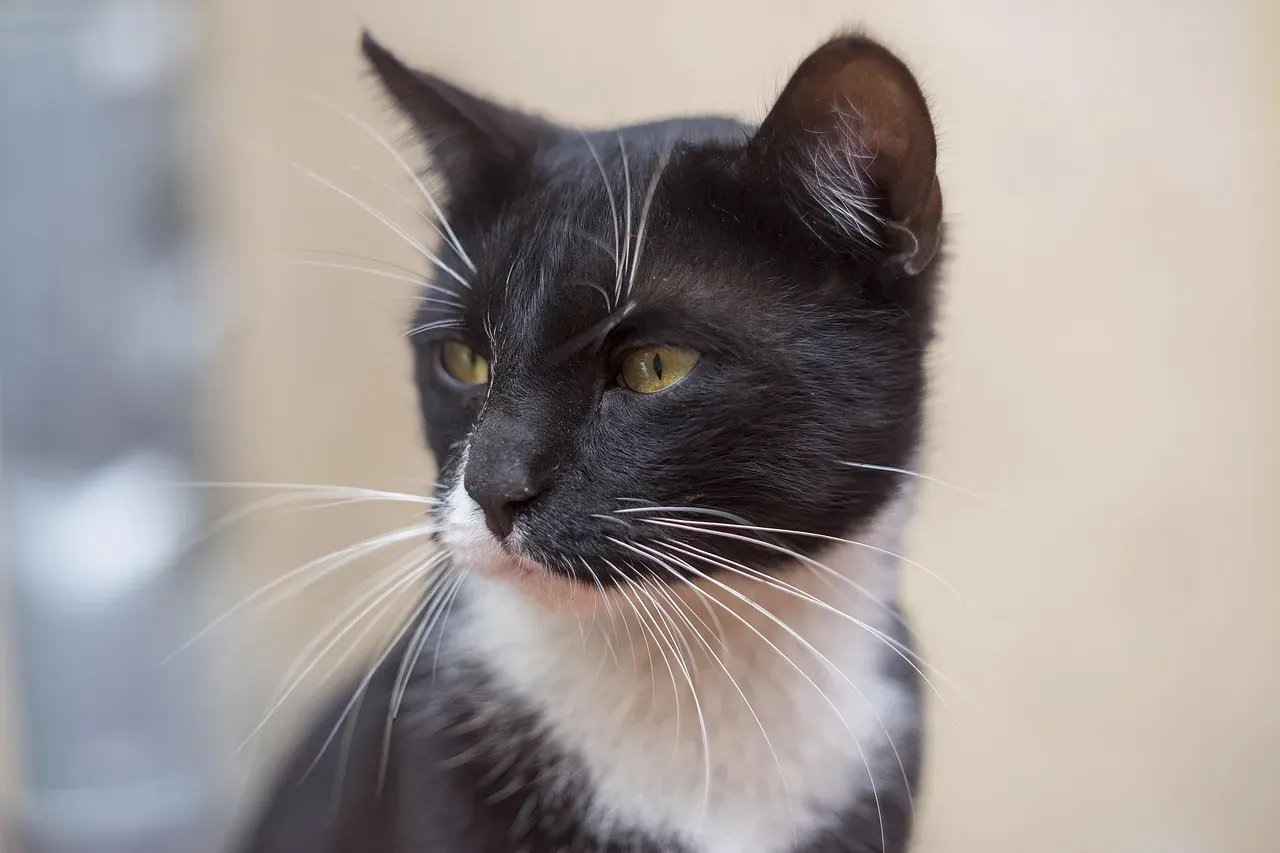
The feral cats produce almost no meow in the presence of a caretaker, but the rate can increase to resemble those of house cats after regular contact with a human caretaker over a period of weeks. This teaches us something crucial about cat communication. It’s strategic and intentional.
Thanks to its high adaptive abilities, cats are able to change their vocalizations depending on the context presumably using associative learning. Quiet cats aren’t broken or defective versions of loud ones. They’re making calculated choices about when and how to communicate. The occasional ‘silent meow’ is common among felines and nothing to worry about and some cats do use this more often than others. Sometimes the most powerful message is the one delivered without a sound.
Navigating Inner Complexity Without the Noise
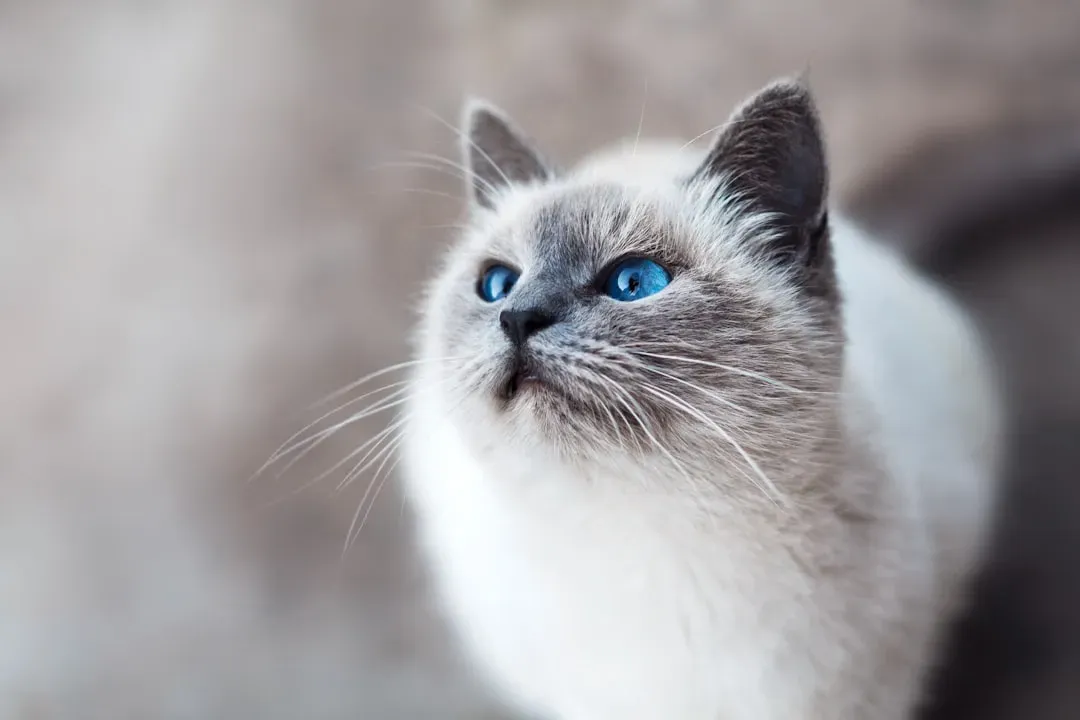
A cat’s temperament affects both their physical health and behavioral outcomes, with fearful cats experiencing compromised immune function, while bolder cats face higher risks. This connection between personality and wellbeing extends to our quiet cats too.
Living inside a rich mental landscape while maintaining external calm requires exceptional emotional regulation. Every cat is an individual, with unique personality traits and habits, and what is right for one cat may not be right for another cat. That quiet Persian watching you from the windowsill isn’t just zoning out. They’re managing complex internal states, processing sensory information, weighing options, making decisions. The fact they do this without constant vocal commentary makes it no less real or important.
A Different Kind of Connection
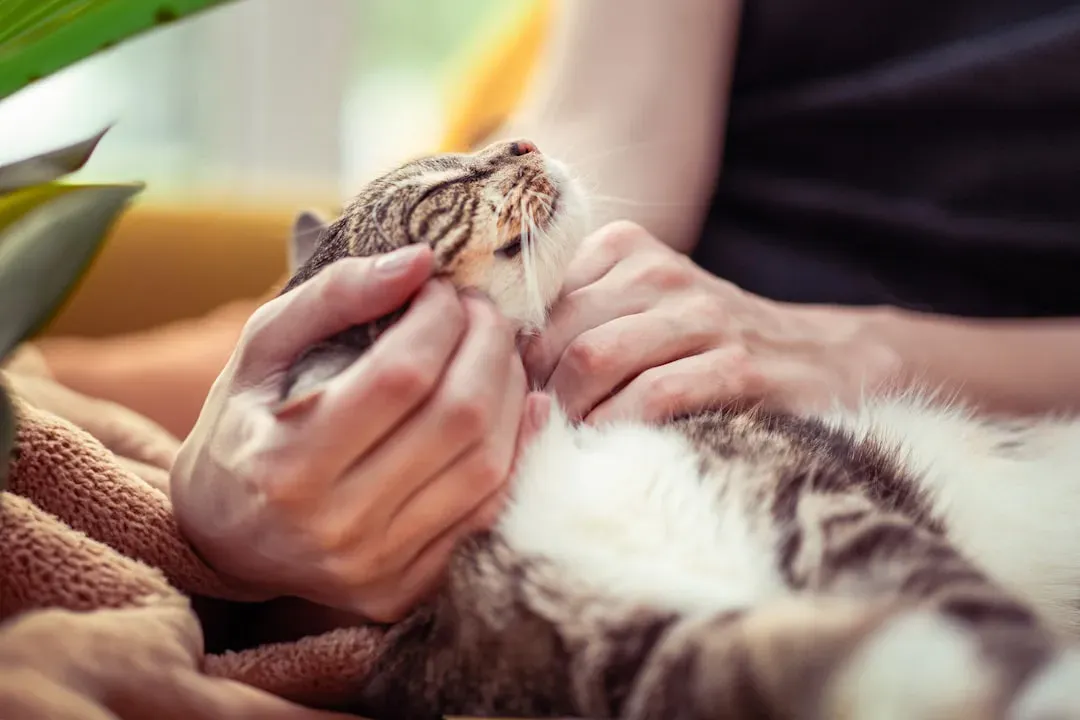
Here’s the thing about living with a quiet cat. It forces you to slow down. To observe. To meet them in their world rather than demanding they enter yours. Cats that feel connected to their owners might express affection in non-vocal ways, such as rubbing or following.
The cat who silently pads into the room and settles beside you is offering something precious. Companionship without conditions. Deciphering cat body language requires close observation and patience, but discovering what your cat is trying to tell you results in clear communication and a closer connection. These quiet souls teach us that connection doesn’t require constant chatter. Sometimes the deepest bonds form in comfortable silence, where two beings simply exist together, understanding flowing between them like an invisible current.
So what do you think? Does your quiet cat surprise you now with their hidden depths? Tell us in the comments about those moments when your silent companion revealed the complexity within.