You’ve been there. You’re brushing your teeth, or rinsing a dish, and suddenly a furry little gremlin materializes out of nowhere, elbowing you out of the way to get a sip from the running tap. Your cat has a perfectly clean, freshly filled bowl on the floor, but does that matter? Absolutely not. The faucet is where it’s at, apparently.
Honestly, this is one of those classic cat behaviors that can make you laugh, scratch your head, and feel oddly obligated all at once. What’s going on in that tiny, calculating brain? The answer is actually more fascinating than you might think, weaving together ancient survival instincts, sensory science, and just a pinch of pure feline stubbornness. Let’s dive in.
Your Cat Is More Wild Than You Think
Here’s the thing that surprises most people: your cozy, napping, treat-obsessed housecat is genetically almost identical to its wild ancestors. The genetic differences between African and European wildcats and domestic cats are no greater than the difference between any two domestic cats, with domestic cats differing from their wildcat cousins almost solely in hair color and a few other superficial physical traits resulting from selective breeding. That’s wild, right? Pun absolutely intended.
Wild cats learned that moving water sources like streams and rivers were typically safer and fresher than stagnant pools, and this ancient survival instinct remains strong in domestic cats today, making them naturally drawn to the sight and sound of flowing water. So when your cat stares at the faucet like it’s the most important thing in the world, it genuinely is, at least from the perspective of a brain that’s still partially running on wildcat survival software.
Standing Water Is the Enemy – At Least According to Evolution
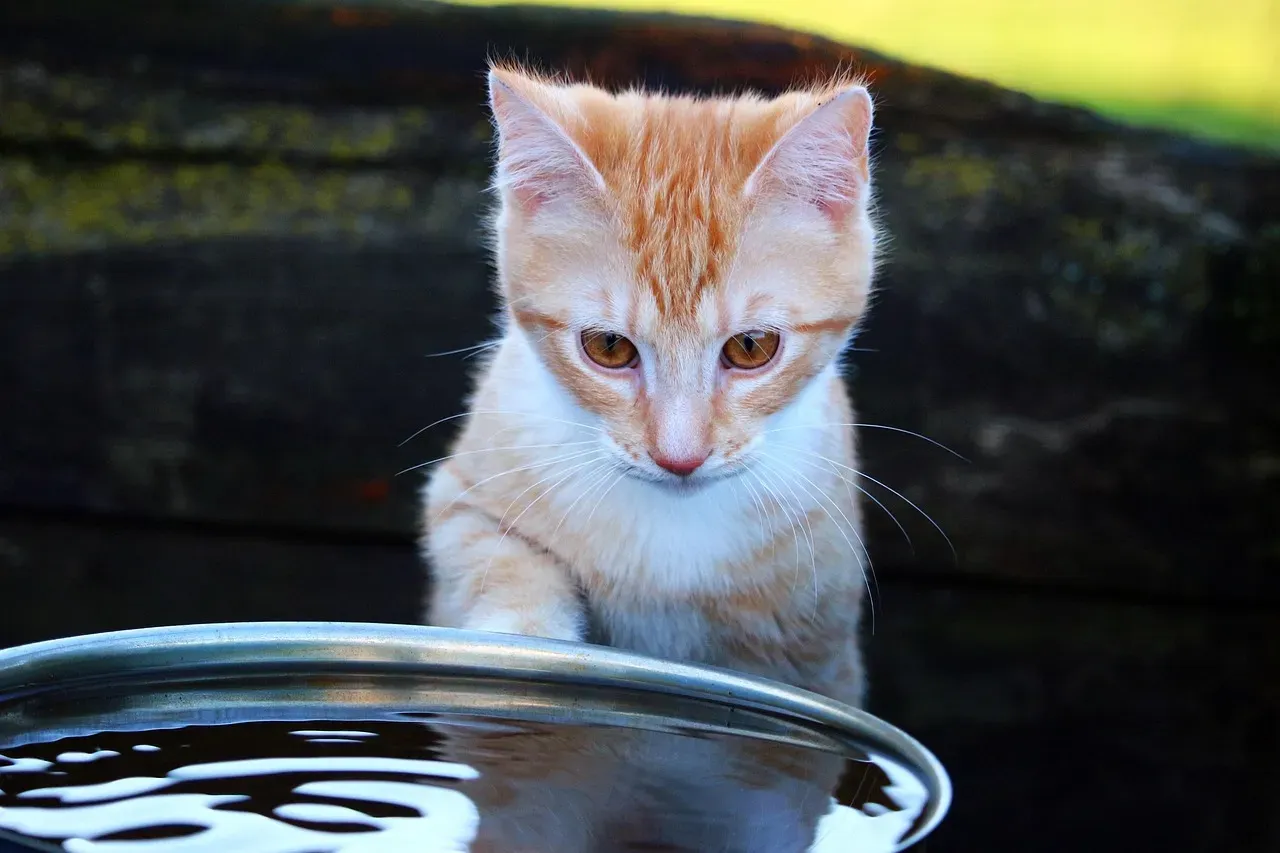
Long before cozy couches and sunny windowsills, cats relied on their instincts to survive in the wild. Still water often meant danger. Puddles and stagnant pools were more likely to harbor bacteria or parasites, while moving water signaled freshness and safety. Even though today’s house cats enjoy filtered food and premium treats, that ancient programming still whispers in their ears every time they approach a bowl.
From an evolutionary standpoint, running water is less likely to harbor harmful bacteria, parasites, and other contaminants that could make a cat sick, and this natural selection has programmed cats to seek out moving water sources as a safer drinking option. Think of it like this: your cat’s bowl of water sitting on the kitchen floor is, to your cat’s ancient brain, basically a suspicious puddle in the jungle. The faucet, on the other hand, is a flowing stream. No contest.
The Freshness Factor Is Very Real
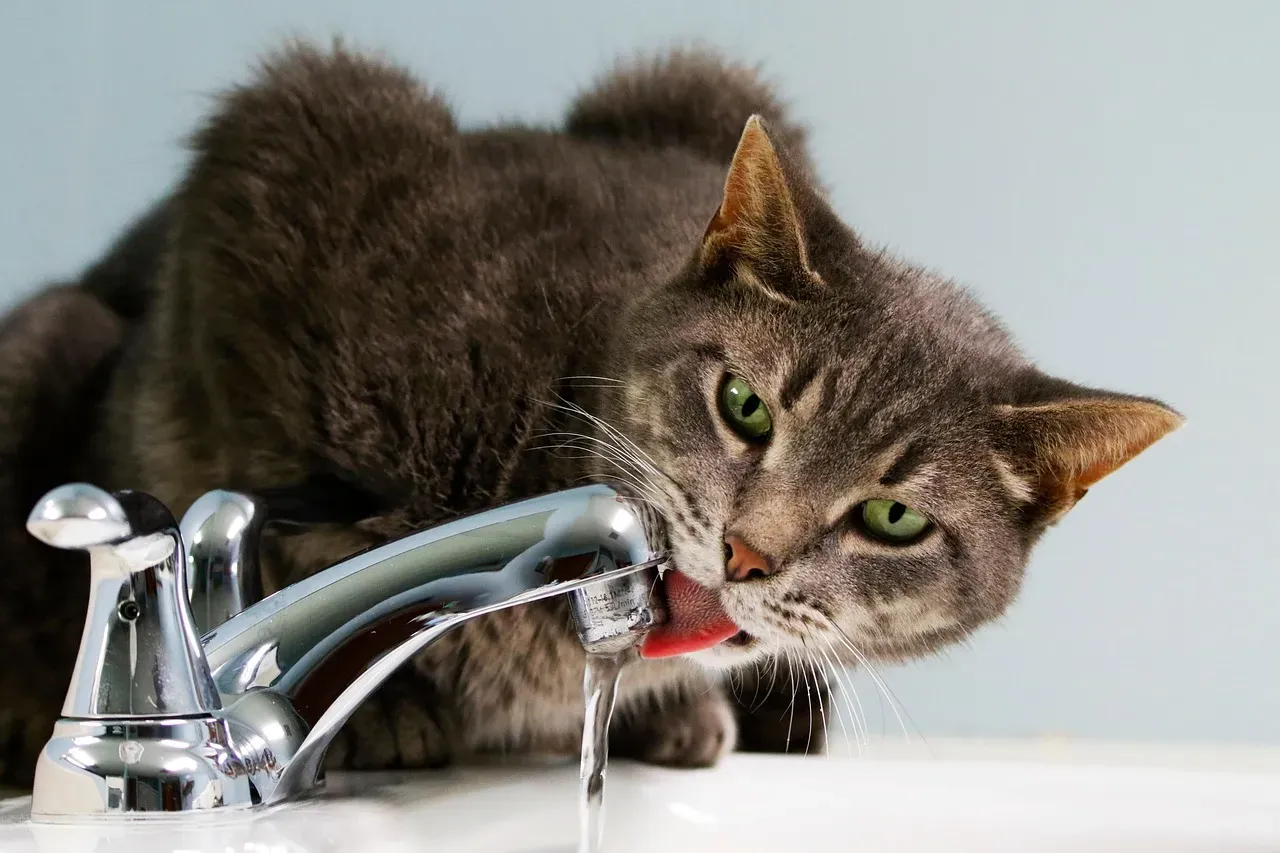
Just like us, running water from the faucet may appeal to your cat’s taste buds more than the stale, dusty water sitting in their bowl, because cats, like all of us, prefer fresh, cool water. You wouldn’t want to drink a glass of water that’s been sitting out overnight, and neither does your cat. Let’s be real, that analogy hits pretty close to home.
Cats have really thick saliva since it is also used to clean themselves, and drinking out of the same water over and over can cause the water to have a stale taste or cause a build-up of saliva, which is not pleasant. Standing water also absorbs odors from food, the environment, and even the bowl itself, and to a cat’s sensitive nose, that can make the water smell stale or uninviting. Running water stays oxygenated and cooler, which often makes it taste fresher. In short, your cat is basically a water sommelier.
Their Vision Actually Makes Still Water Hard to See
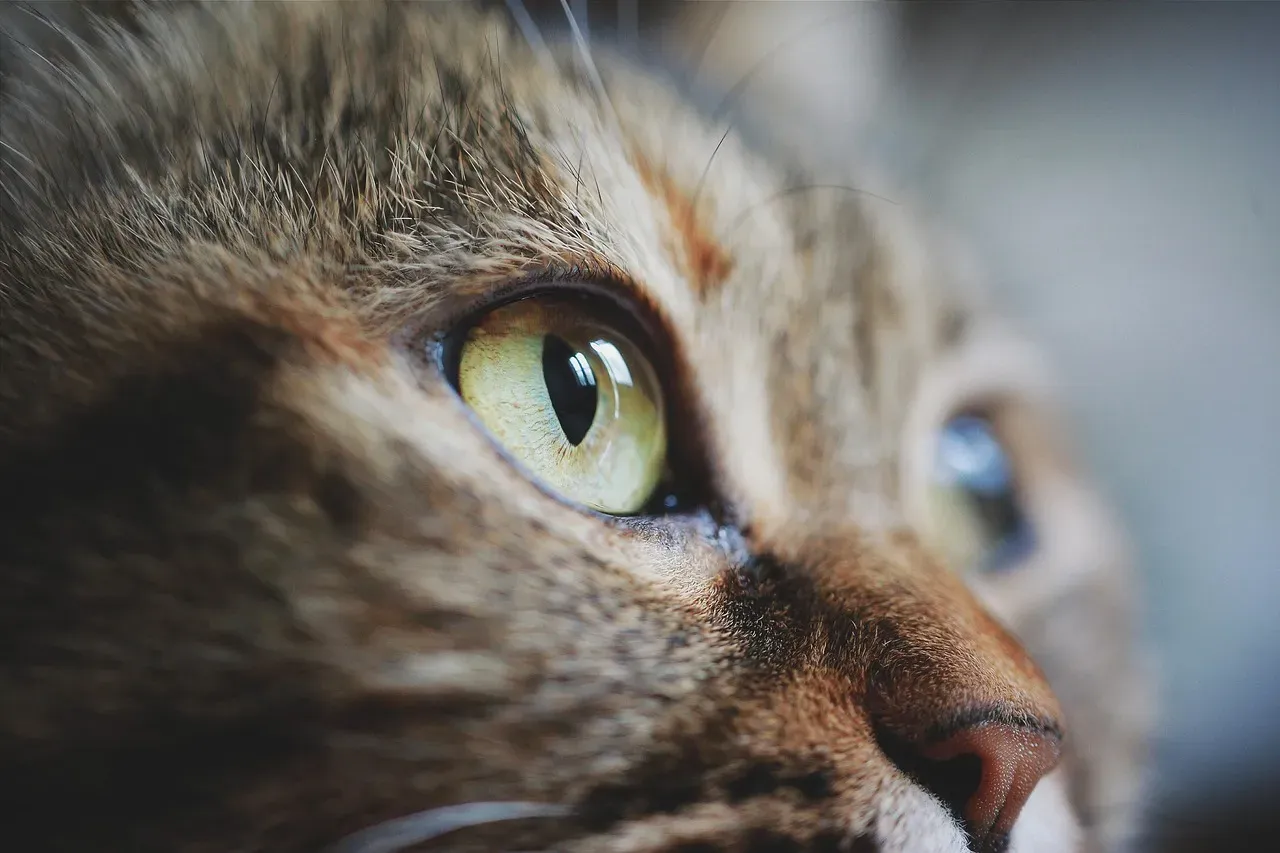
This is one most people don’t know, and honestly, it changes everything. Cats do not see still water as easily as humans do. Their vision is designed to detect motion, which is excellent for hunting but not ideal for spotting a clear, motionless surface. A still bowl can appear invisible or confusing, especially in certain lighting. So it’s not just attitude – your cat might genuinely struggle to see what’s in the bowl.
Flowing water solves this problem. The movement reflects light, creates ripples, and gives cats a clear visual target. That extra sensory feedback makes drinking more appealing and far less uncertain. In other words, the faucet isn’t just tastier or more trustworthy. It’s also simply easier to see and interact with. It makes a lot of sense when you think about it from a cat’s-eye view.
Sound Plays a Bigger Role Than You’d Expect
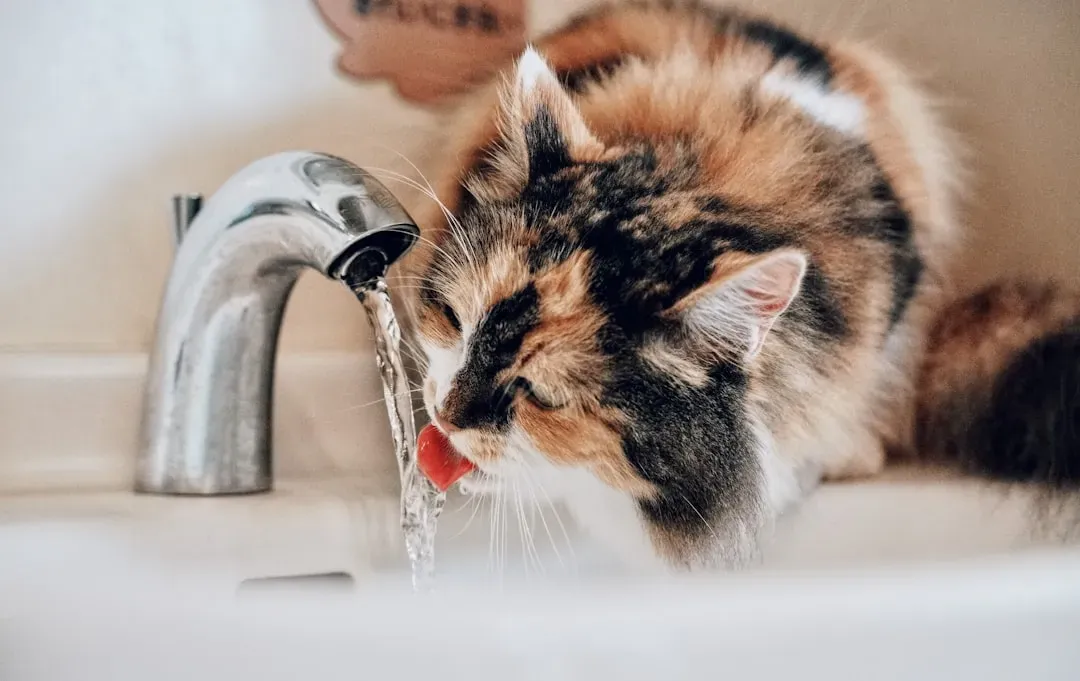
Cats are highly sensory creatures, and running water engages multiple senses simultaneously. The sound of flowing water captures their attention and helps them locate water sources, which was a crucial survival skill their ancestors needed in the wild. The movement and light reflection on running water are also visually stimulating, making it more interesting than still water in a bowl.
Domestic cats preserved this instinct telling them that running water is much safer to drink than still water, and cats are attracted to the sound of running water because they rely on their hearing to find it that way in the wild. So the next time your cat comes sprinting from the other room the moment you turn on a tap, you know why. That sound is essentially broadcasting a dinner bell from thousands of years of evolutionary wiring.
Whisker Fatigue Is a Surprisingly Serious Problem
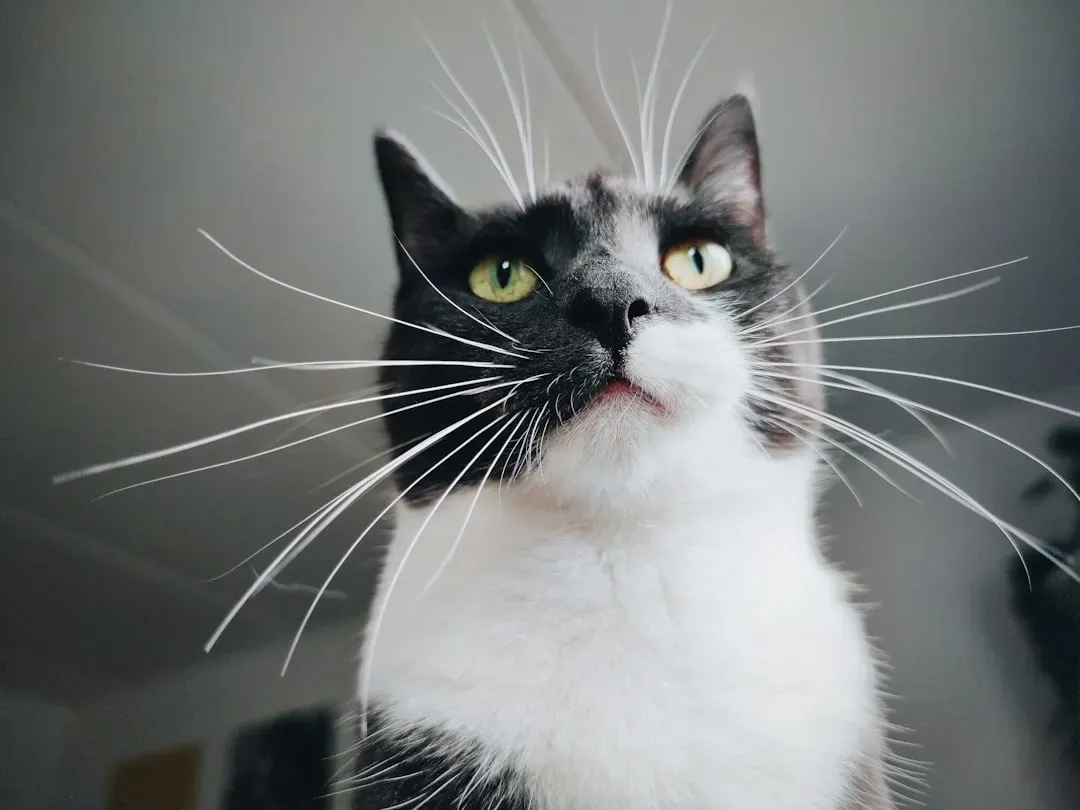
This one sounds almost too cute to be real, but whisker fatigue is genuinely a thing. Your cat’s whiskers are intricate touch receptors connected to their nervous system. When your cat goes to drink water out of her bowl, her whiskers may touch the bowl and the water itself, and this can stress or overstimulate her, leading to what is known as “whisker fatigue.” Because of whisker fatigue, cats may desire running water where their whiskers are less likely to come into contact with something.
Whisker fatigue is caused by the overstimulation of the whiskers. When your cat’s whiskers brush up against the sides of her food or water bowl, they send sensory messages to the brain. Too many messages, and your cat could become agitated and refuse food or water from her usual bowls. The faucet, with its open stream that needs no bowl contact at all, is basically whisker paradise. To avoid whisker fatigue, try swapping small, high-sided bowls with wide, shallow ones.
Location, Location, Location – The Bowl Placement Problem
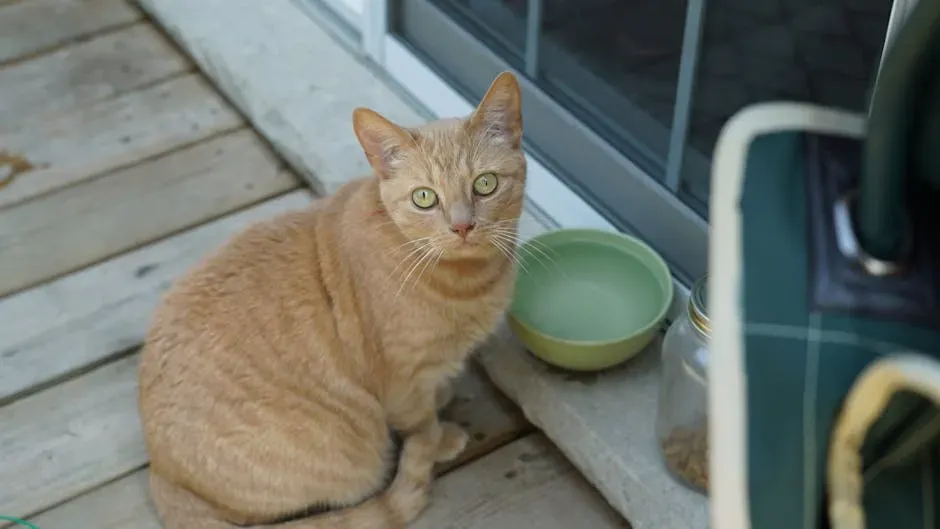
You might have the world’s fanciest water bowl, but if it’s sitting in the wrong spot, your cat will ignore it completely. Instinctively, cats prefer to drink water that’s located away from their dead prey which, in nature, may contaminate their water with bacteria. Cats will commonly search out clean and safe water resources which commonly include your glass of water, any sink or bathtub faucet in the home, the toilet, or the water on the shower floor.
Many cats avoid drinking water that’s placed right next to their food bowl. This behavior likely comes from their survival instinct. African wildcats usually avoid eating their prey near their water source, because the water could become contaminated by the remains of the prey. Our pet cats have the same natural instinct. Move the water bowl away from the cat’s food bowl, not just a few feet away, but ten feet away or more, or even against an opposite wall of the same room. Sometimes the simplest changes make the biggest difference.
The Faucet as Playground: When Drinking Becomes Entertainment
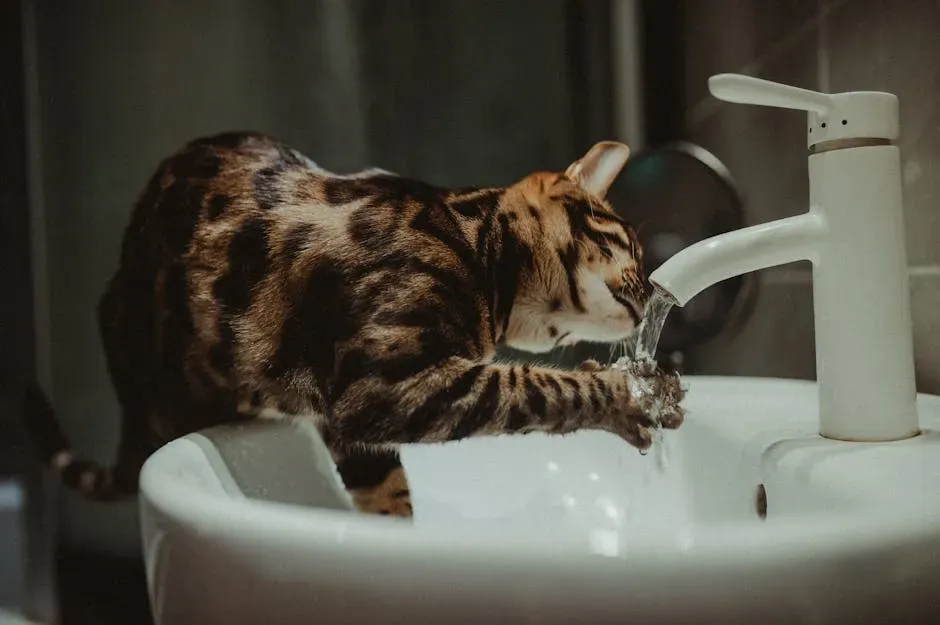
Cats are naturally curious creatures, and the sound and movement of running water can be intriguing to them. Drinking from the faucet may also be a form of play, as cats enjoy batting at the water stream or watching it flow. This behavior can provide mental stimulation and entertainment, making it a fun activity for your pet. I think this is one of the most underrated reasons of all. For an indoor cat, the faucet is basically an amusement park.
For some cats, running water is not just about drinking – it is entertainment. The movement stimulates curiosity and play, offering mental enrichment. This can be especially helpful for indoor cats who need extra stimulation throughout the day. A fountain can become a mini enrichment station, encouraging interaction, exploration, and even stress reduction through predictable, soothing movement. So your cat isn’t just a diva demanding tap water on demand. It’s also just… genuinely having fun. Hard to be annoyed at that.
What You Can Actually Do About It
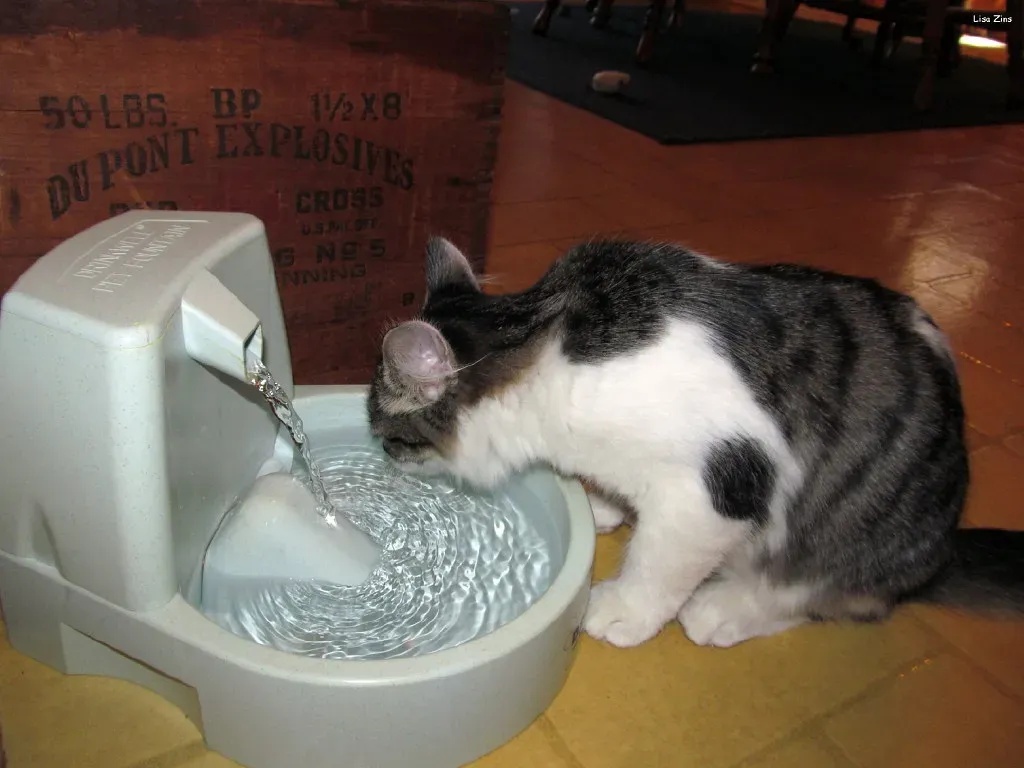
Here’s the practical bit. If the faucet routine is getting old, there are real, effective solutions. Pet water fountains circulate water through a filter, keeping water fresh and creating movement, which cats tend to prefer thanks to their wild cat ancestors. There are plenty of fantastic cat fountains if you wish to give your cat their own “faucet.” A good fountain is honestly one of the best investments you can make for a cat’s health and your own sanity.
For concerned cat owners, one expert recommends replacing the water in the bowl every day, even if the cat did not drink all of it, and providing multiple drinking options by placing at least two water bowls in the areas where your cat spends most of their time, using different types of bowls. Your cat may also have a preference for a certain type of bowl, as plastic and metal bowls can taint the water. Try glass or ceramic instead. It’s a small switch that can make a surprisingly big impact on how much your cat actually drinks.
Why Hydration Matters More Than You Might Realize
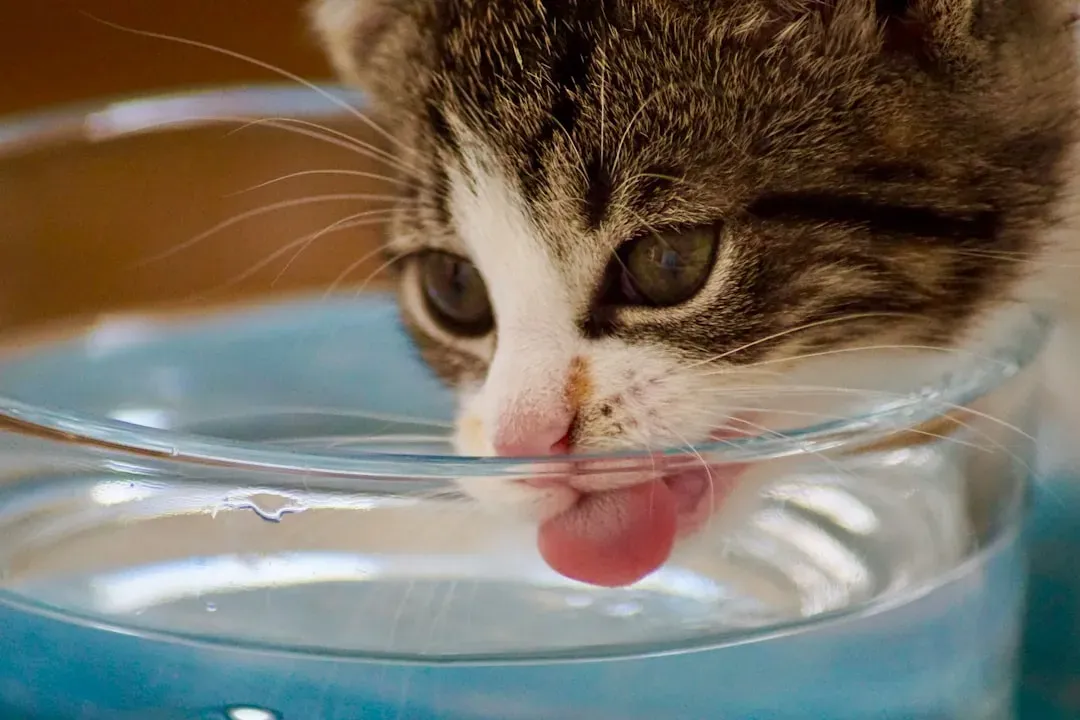
Kidney failure is widespread in cats, and increasing water consumption may help stave it off. That single fact should make every cat owner sit up straighter. Cats naturally have a low thirst drive because their ancestors consumed moisture-rich prey. Modern dry diets can leave cats mildly dehydrated if they do not drink enough water. This can contribute to urinary tract issues and kidney stress over time.
Encouraging cats to drink more water is essential for preventing urinary tract issues and maintaining kidney health. Many cats don’t drink enough water, especially those on dry food diets. Running water can entice cats to drink more frequently, helping them maintain proper hydration levels. Pet fountains that simulate running water can be particularly beneficial for indoor cats, as they provide a constant source of filtered, moving water that appeals to cats’ natural preferences. So that faucet obsession your cat has? It might actually be keeping them healthier than you realized.
Conclusion
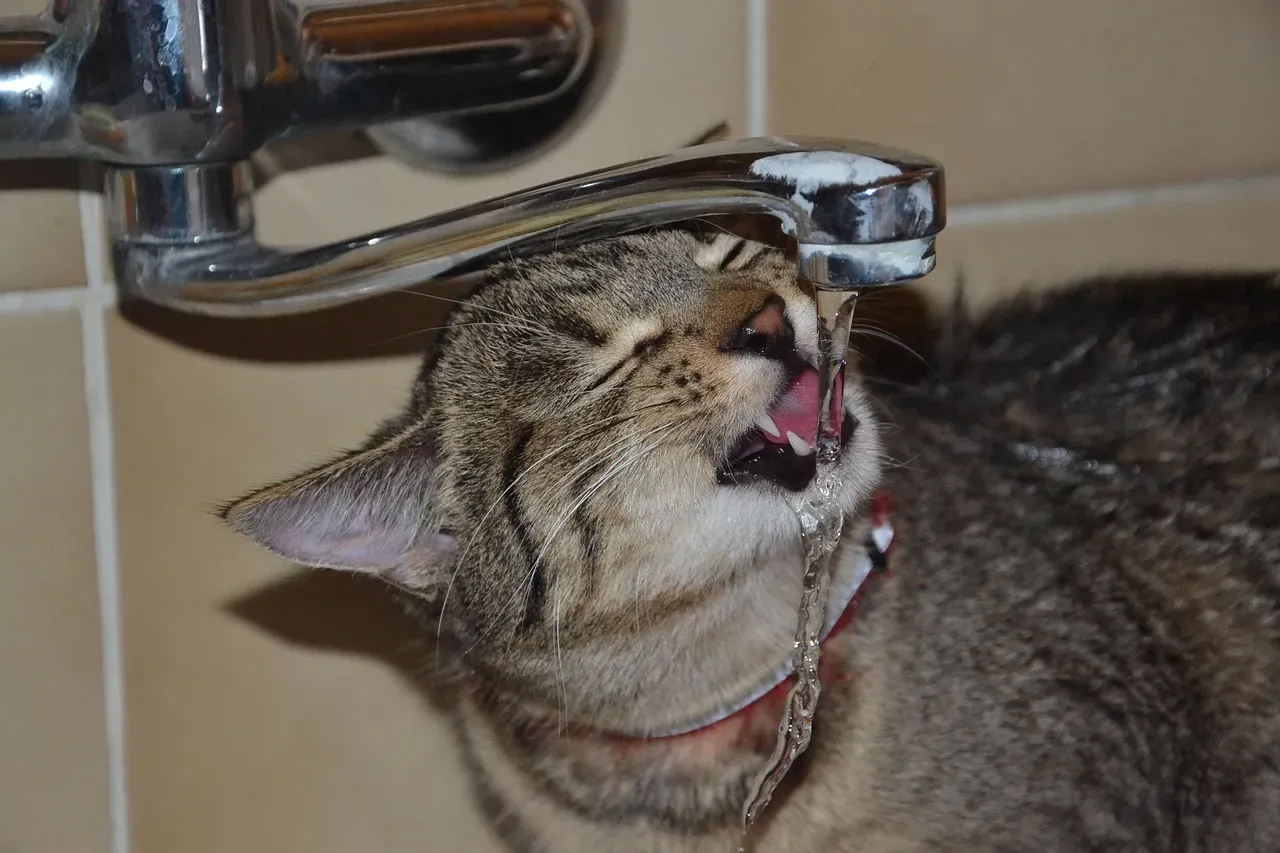
What looks like stubbornness or drama from your cat is actually something beautifully layered – a cocktail of ancient instinct, sharp sensory perception, and genuine intelligence all bundled into one furry, demanding creature. Your cat isn’t being difficult. It’s being a cat, fully and completely, the same way wildcats have been for thousands of years.
Understanding why your cat prefers the faucet over the bowl gives you real power to improve its health, its hydration, and your daily household peace. A fountain here, a relocated bowl there, and you might just find your faucet sessions cut in half. Or maybe your cat will still show up anyway, just to see you. It’s hard to say for sure. Either way, now you know the quirky, fascinating truth behind every single faucet visit.
So, next time your cat plants itself by the sink and stares at you with that look of absolute expectation, will you see a diva, or will you see a wildcat in disguise? Tell us your faucet stories in the comments below.