You’ve felt it a hundred times. That gentle nudge against your leg, the soft bonk against your cheek when you least expect it. Your cat walks up to you, lowers their head, and bam, there it is. A deliberate, sometimes surprisingly forceful bump of their forehead against your body. Maybe you think it’s just your cat saying hello, or perhaps you’ve wondered if they’re trying to push you out of the way.
Here’s the thing, though. This behavior isn’t random, and it’s definitely not your cat being clumsy. What your feline friend is doing has a name and a purpose that goes way deeper than you might imagine. Once you understand what’s really happening during these head bumps, you’ll see your cat in a completely different light. So let’s dive in.
It’s Called Bunting, Not Bumping
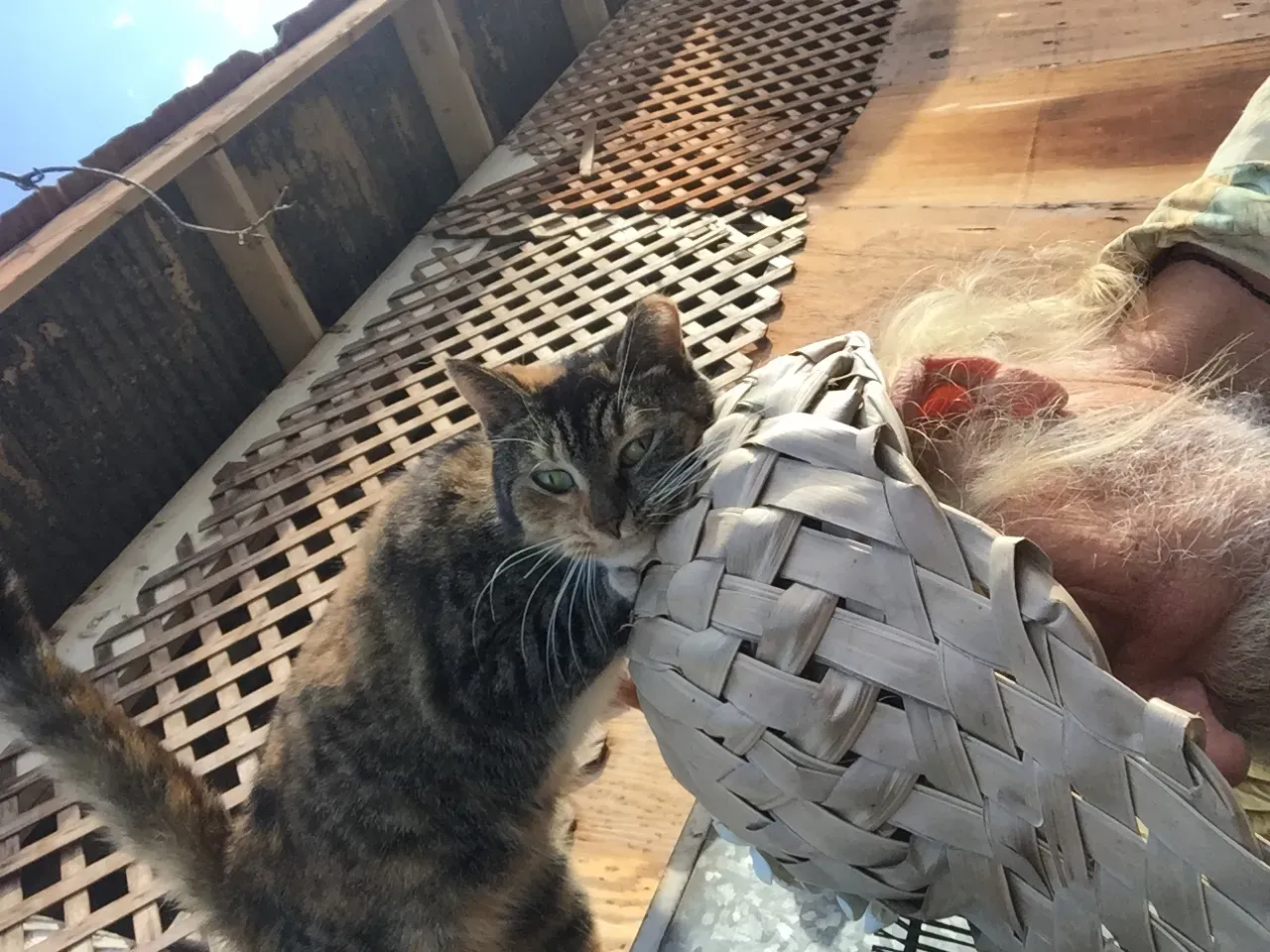
The technical term for this behavior is bunting, though you might also hear it called head butting or head bonking. When your cat does this, they’re deliberately rubbing or nudging their forehead or the side of their face against you, furniture, or other animals. It might look like a simple gesture, but honestly, it’s far more complex than just a physical touch.
The behavior is deliberate, gentle, and often followed by purring, rubbing, or a slow blink. Think about it. Your cat isn’t accidentally bumping into you. They’re making a conscious choice to get close and make contact with specific parts of their head. This tells you something important is going on beneath the surface.
The Secret World of Scent Glands
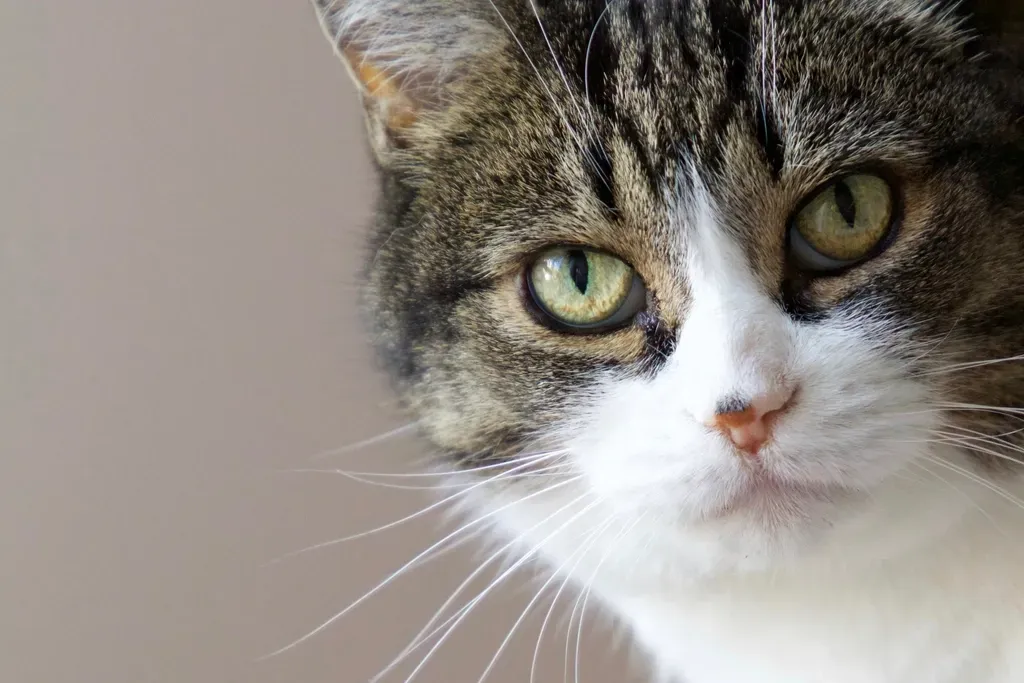
Cats have scent glands located in their cheeks, lips, forehead, flanks, paw pads, and tail. These glands on their face, particularly on the cheeks, forehead, and chin, contain pheromones, and the ones deposited during headbutting come from glands located just in front of a cat’s ears. Now, here’s where it gets fascinating. Humans can’t detect these pheromones, but to a cat, you can consider yourself marked.
The scent glands around the face are identified as friendly or low intensity, and head bunting is a behavior cats engage in toward another cat, dog, or human with whom they have a friendly relationship. So when your cat bumps you, they’re actually leaving an invisible message that only other cats can read. It’s like they’re writing their name on you in a language you’ll never fully understand.
Creating a Colony Scent
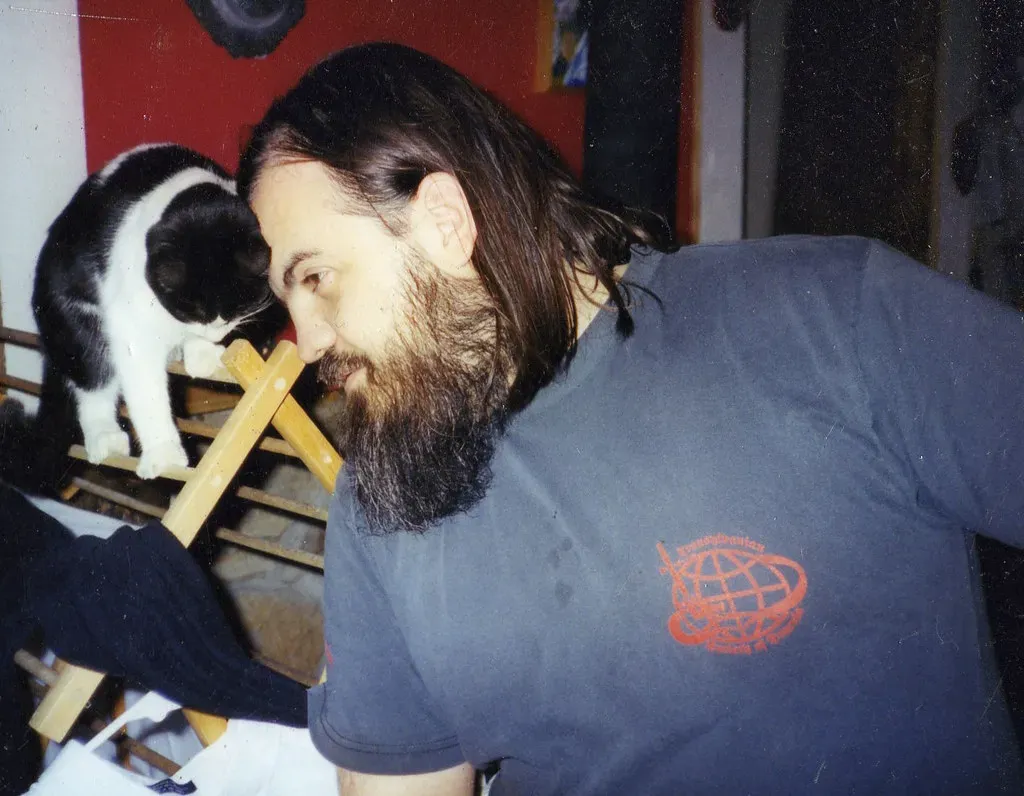
Cats engage in this behavior to help create a colony scent, and bunting is more about marking you as part of their safe zone. Let’s be real, your cat isn’t trying to claim you like a possession. They aren’t just claiming something as theirs, but instead creating a scent to indicate that the area is safe. This distinction matters.
Bunting transfers pheromones that help create a familiar scent environment, and confident cats use head bunting to blend their scent with others, building a kind of colony scent. When your cat headbutts you, they’re essentially merging their scent with yours. You become part of their inner circle, their trusted group. A cat might rub its face to deposit scent, which identifies those marked as belonging to a specific group. Think of it as being inducted into an exclusive club where membership is decided entirely by your cat.
Trust and Affection in Physical Form
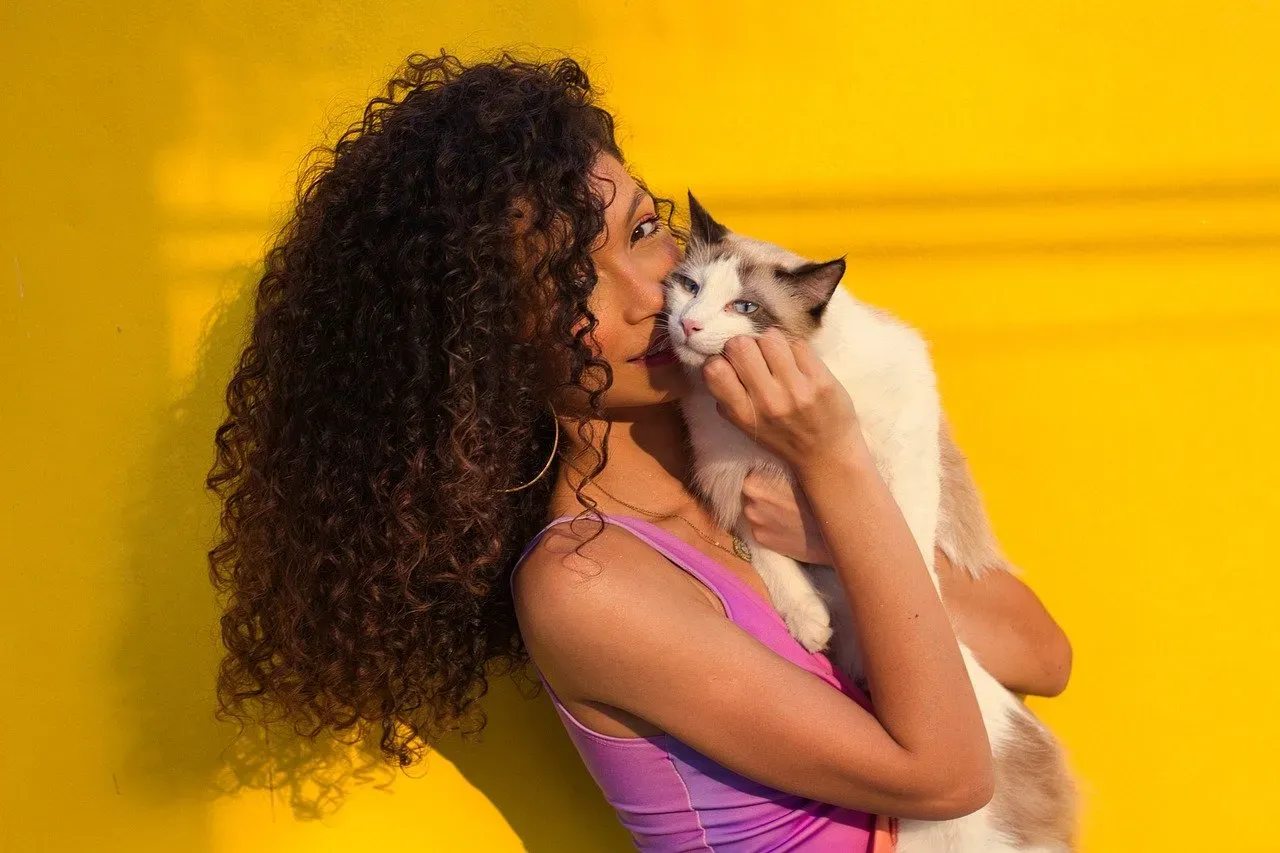
Your cat wouldn’t do that if they didn’t trust you and feel safe with you, so in that way, it can be considered a sign of affection. Cats that bump heads with you aren’t angry or being aggressive; in fact, they’re more than likely doing it as a sign of affection. I know it sounds crazy, but that gentle bonk is basically your cat’s version of a hug.
Head bunting is often a clear sign of affection, and not every cat shows love the same way, but for cats that do this, it’s a big deal, alongside other signs like slow blinking, purring, or curling up next to you. Your cat is telling you something profound. They feel safe around you. They consider you family. Cats don’t bunt just anyone.
The Social Hierarchy Factor
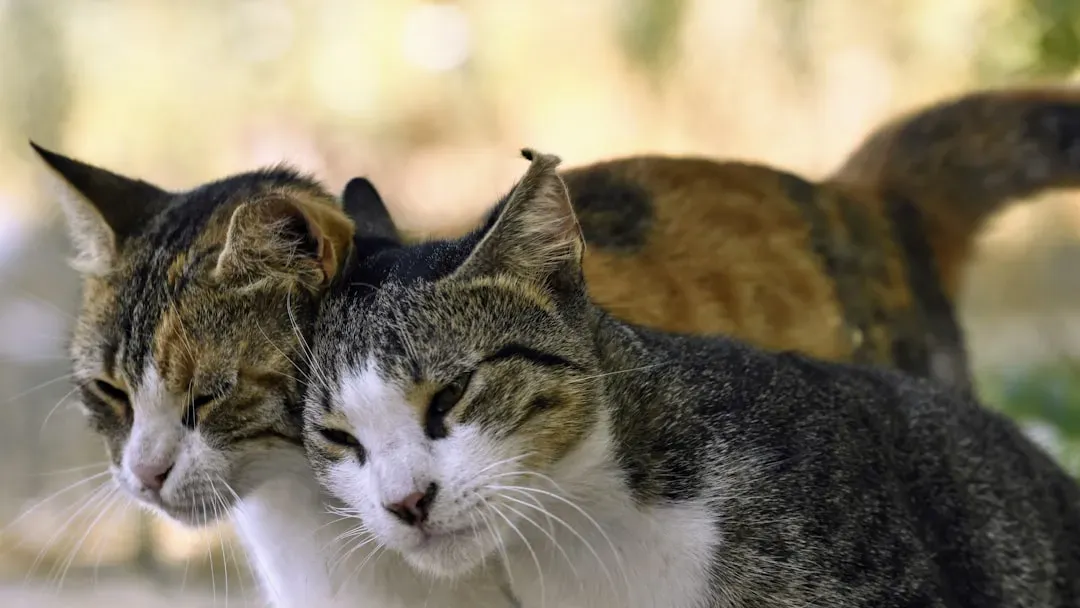
A more dominant cat with a higher social rank will be the one to initiate head bunting, and it’s the job of the dominant, confident cat to spread the family scent and groom the other cats. This might surprise you, but bunting has a social structure attached to it. Head bumping is often a hierarchical behavior in feline colonies, and a more dominant or confident cat will usually initiate head bumping.
When your cat bunts you, they might actually be asserting themselves as the more confident member of your household. The more confident and outgoing a cat is, the more likely they will bunt, but not always. So if you have multiple cats and one seems to do most of the head bumping, there’s your answer. They’re the leader of the pack, spreading their scent to keep everyone unified and secure.
Asking for Attention or Something Else
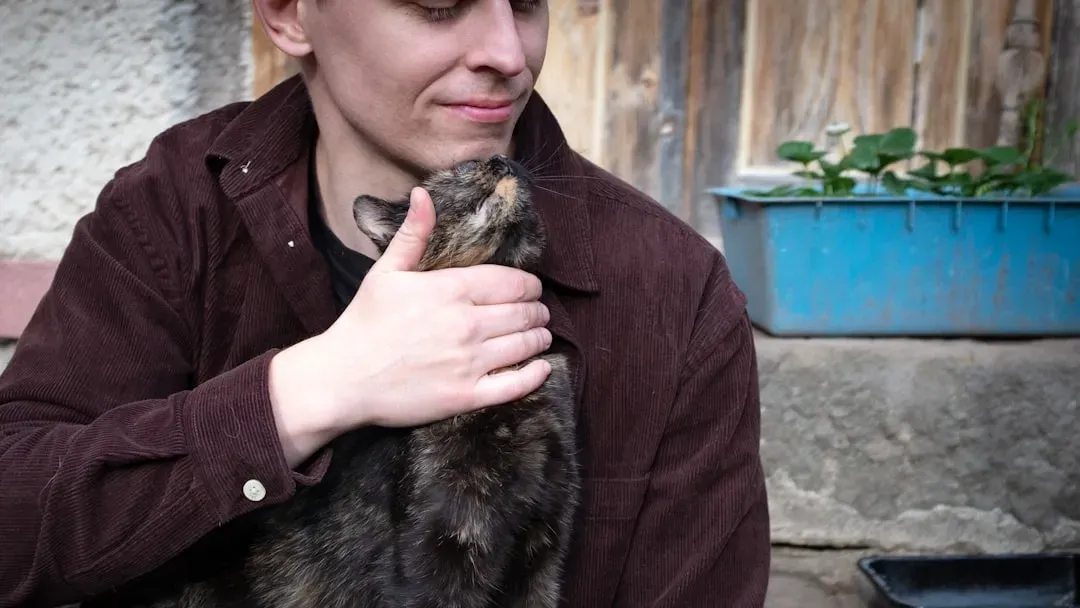
Head bumping can be a way of getting your attention to let you know they are hungry, they want to go outside, or they want something else from you, and often these head bumps are a bit more forceful and repetitive until you meet their demands. Let’s be honest here. Sometimes your cat isn’t just being affectionate. They want something.
Bunting can be a way to seek attention, not just give affection, and if your cat is headbutting you while you’re doing something, it might mean that they need playtime or a pet. Pay close attention to what happens after the bump. Does your cat lead you to their food bowl? Do they look toward the door? If your cat bunts you and then leads you to their food bowl, they may want a refill. Your cat has learned that this behavior gets results, and they’re using it strategically.
A Calming and Reassuring Effect
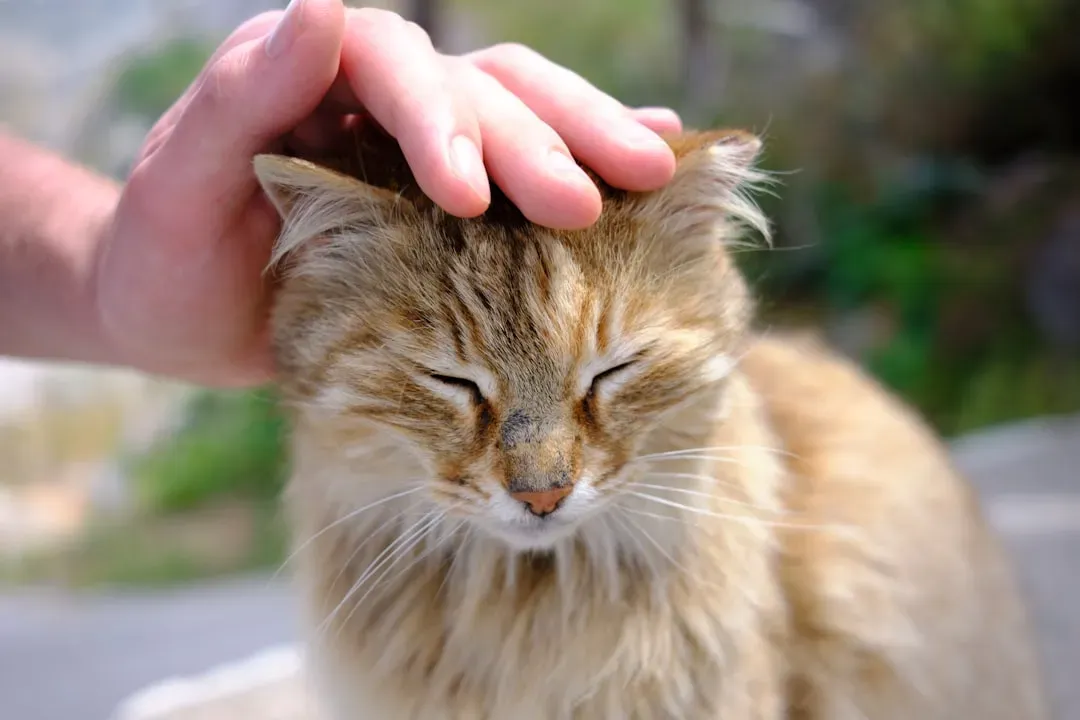
Cat facial pheromones have a calming and reassuring effect, so headbutting can be a sign your cat is content, and both before and during headbutting, a cat may flop over playfully, purr, partially close their eyes, or exhibit other relaxed behaviors and body language. There’s another layer to this whole bunting thing. It’s not just about marking you. The pheromones they leave behind after a head bump can also have calming effects, so it can also simply be a sign of contentment.
Some cats may also bunt as a way to comfort themselves. Your cat might be head bumping you because it makes them feel better, safer, more secure in their environment. It’s like a self soothing mechanism wrapped up in a social gesture. When they’re feeling anxious or uncertain, that familiar scent exchange brings them peace.
Not All Head Contact Is the Same
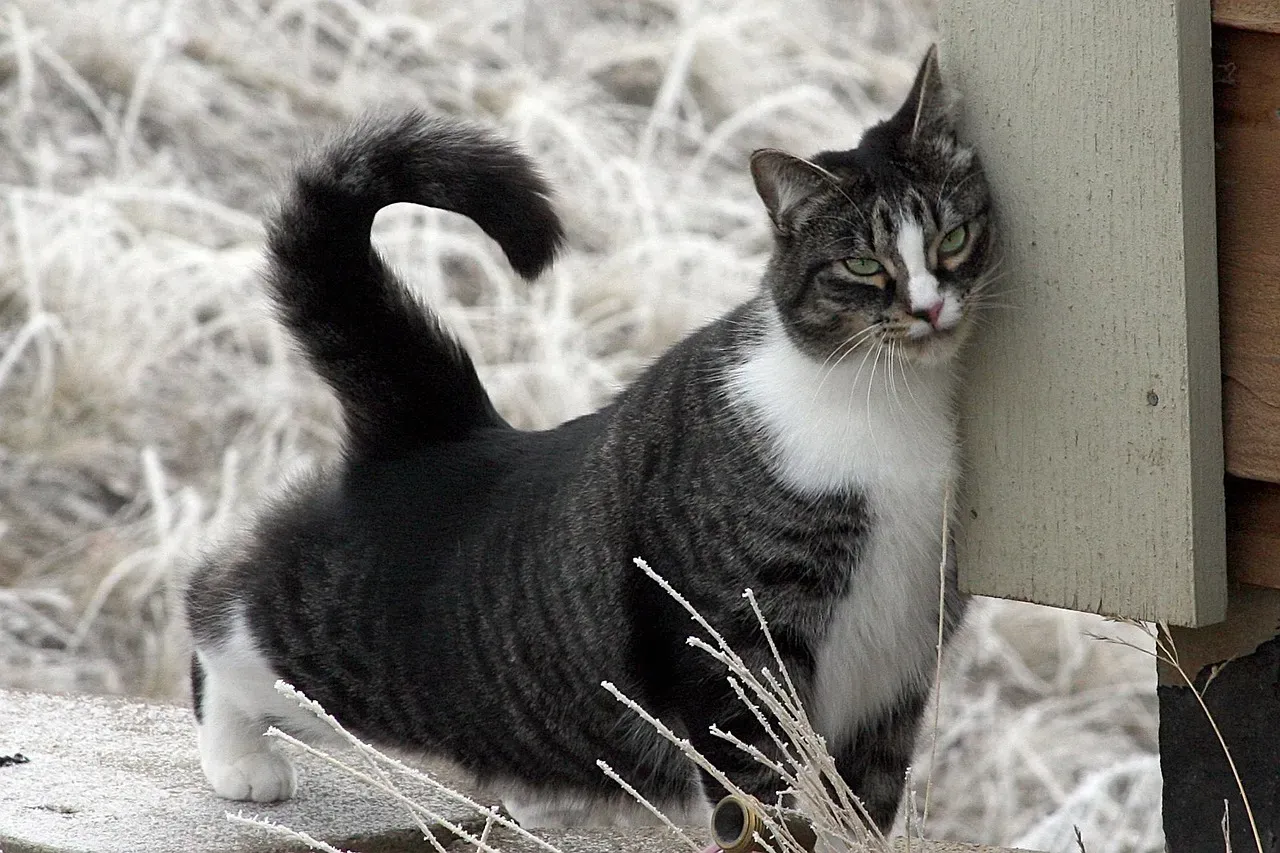
It’s important to note that a cat headbutting is not the same as a similar behavior called head pressing, where a cat will push their head into the wall, corner, or something else for a longer period of time and will typically not appear relaxed. This is crucial. Head pressing is when a cat presses their head into a wall, corner, or other solid surfaces compulsively or for prolonged periods, and head pressing is a concerning behavior and a sign that you should take your cat to see a veterinarian as soon as possible.
If your cat is head pressing or shows any other signs, it could be an indication of a serious neurologic condition, and in this case, your cat should be immediately examined by a veterinarian. So while bunting is adorable and affectionate, head pressing is a medical emergency. Know the difference. It could save your cat’s life.
How to Respond When Your Cat Bunts You
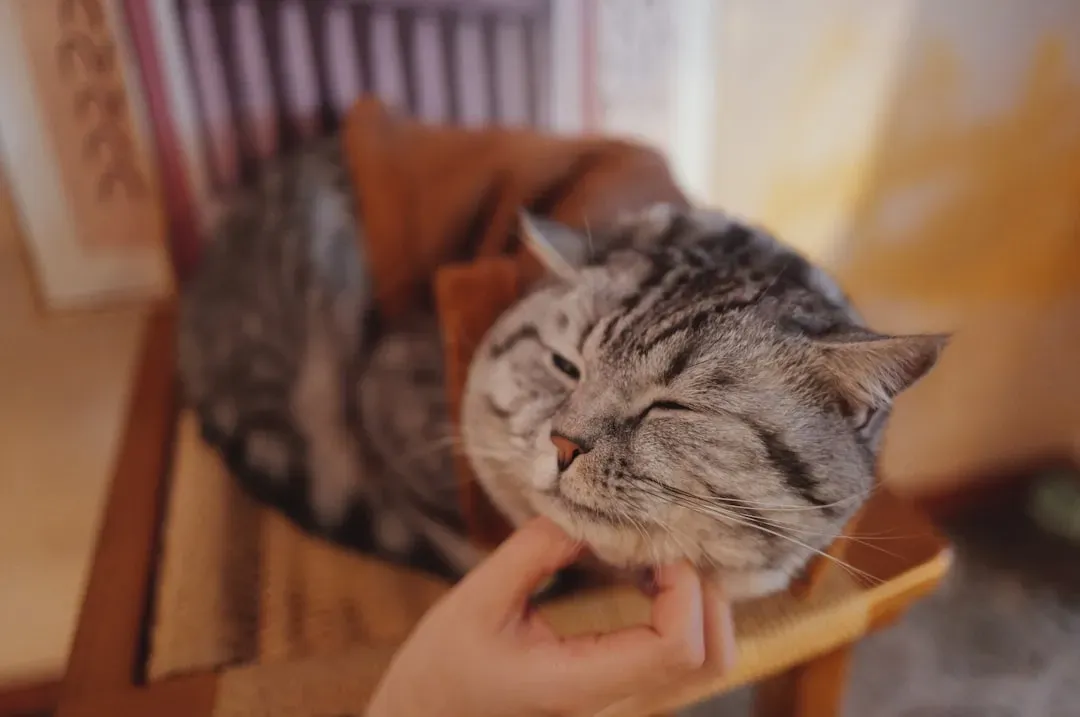
When your cat head butts you, it’s appropriate and encouraging to respond positively, and you can pet your cat, especially around the cheeks and under the chin where those scent glands are, which makes your cat feel loved and helps to affirm the bond you share. Your cat has just given you a precious gift. Don’t waste it.
Cats often prefer petting around their neck and head, but pay attention to your cat’s body language to check whether they’re positioning themselves for pets in a certain spot, like under the chin. Return the gesture. Give them some gentle scratches. Once you’ve started petting, watch your cat’s body language for subtle signs they’ve had enough attention, like tail twitches. Respect their boundaries, and you’ll strengthen that bond even more. What do you think about your cat’s head bumps now? Tell us in the comments.