You walk into the kitchen on a perfectly normal Tuesday morning, still half-asleep, and there it is – a small, very dead bird sitting right next to your slippers. Your cat is nearby, looking at you with an expression that can only be described as proud. And honestly? That look of total satisfaction might be the most confusing part of the whole thing.
If you have an outdoor cat, you’ve almost certainly been on the receiving end of one of these “presents.” A mouse, a lizard, a mangled moth – sometimes even a live creature that then goes on to terrorize your living room for the next two hours. It’s gross, it’s startling, and yet there’s something oddly touching about it when you understand what’s really going on inside your cat’s head. Be surprised by what science, animal behavior, and feline instinct have to say about it. Let’s dive in.
Your Cat Is Hardwired to Hunt – Even After a Full Meal
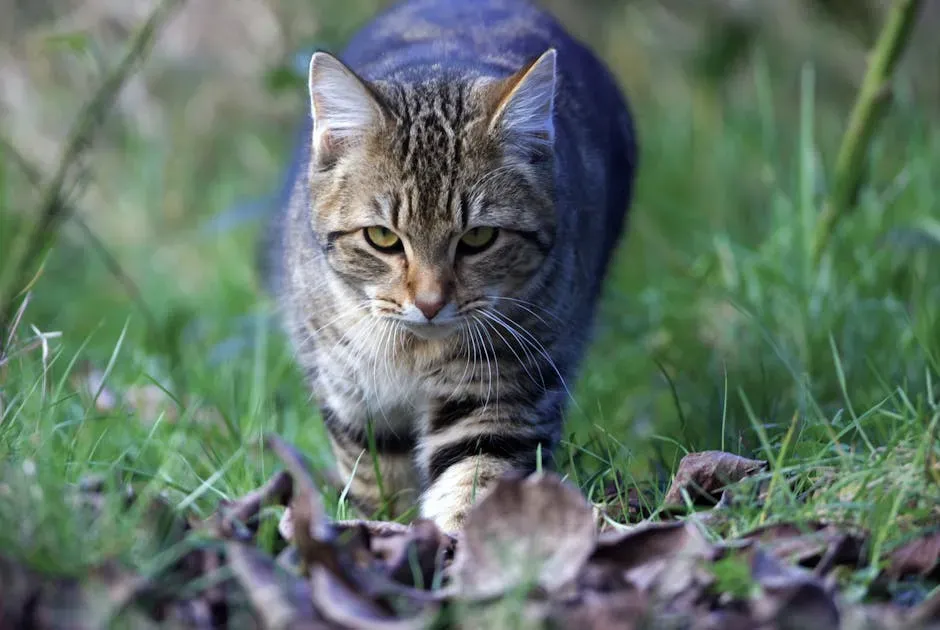
Here’s the thing most people don’t realize: the motivation to hunt is only partly related to hunger. As a species that hunts alone, your cat relies solely on itself to provide enough food – and if it waited until it was actually hungry to hunt, it could starve to death, since each hunting attempt has less than a 50% chance of success. So your cat isn’t hunting because you’re a bad pet parent who forgot to fill the bowl.
Cats have evolved to be opportunistic feeders, meaning they change their activity patterns depending on food availability, and if the opportunity to hunt presents itself, they’ll do so regardless of whether they’re hungry at the time. Think of it like this – imagine you’ve just finished a huge dinner, completely stuffed, and then you spot a twenty dollar bill blowing across your front lawn. You’re going after it. Your cat operates on the same logic, except the twenty dollar bill is a sparrow.
It’s Deeply Rooted in Ancient Survival Programming
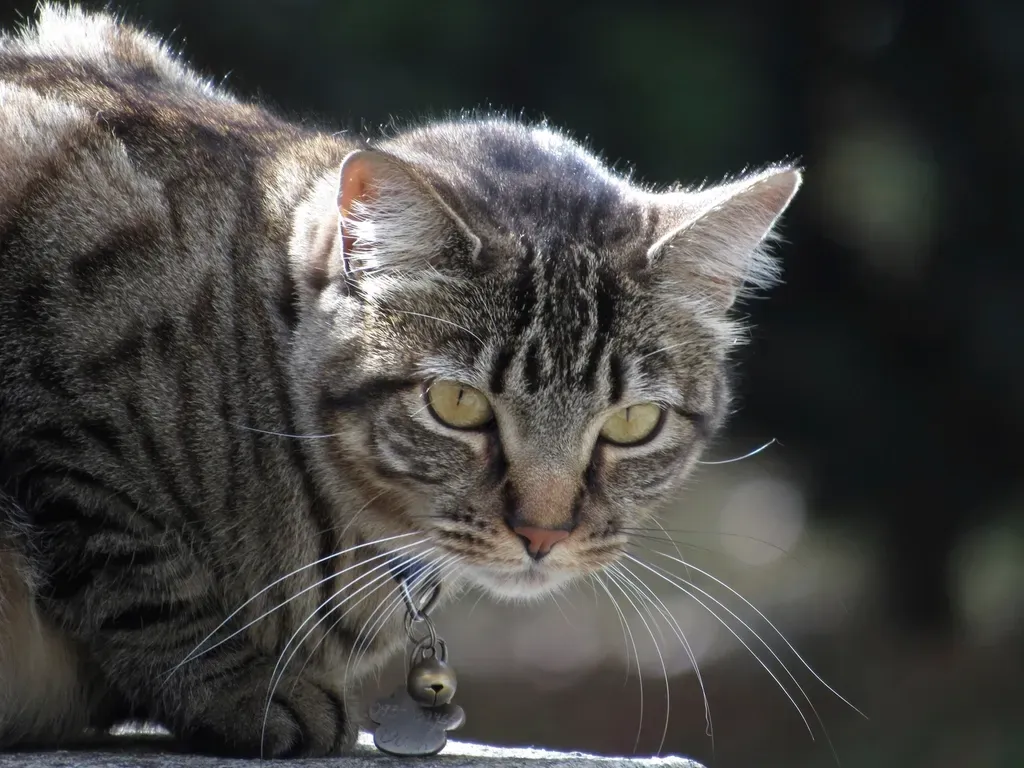
Hunting behavior is hard-wired into your cat’s DNA. In fact, it’s their wild ancestors that developed their hunting skills over millions of years of stalking and chasing prey to feed themselves and their young. Domestication changed a lot of things about cats – their social tendencies, their communication with humans, their taste for expensive wet food – but it did not erase this particular drive.
The domestic cat is a predatory species, and much like their wild ancestors, they are solitary hunters. Until quite recently, cats were mainly kept to control rodent populations rather than as pets, and during that time only the best hunters survived and reproduced. Our pet cats today descended from the most adept hunters, and there has been very little selective breeding to change that, so their instinctive need to hunt remains strong. Thousands of years of evolution don’t just disappear because you bought a cat bed and a crinkle toy.
Your Home Is Their Safe Place to Store the Goods
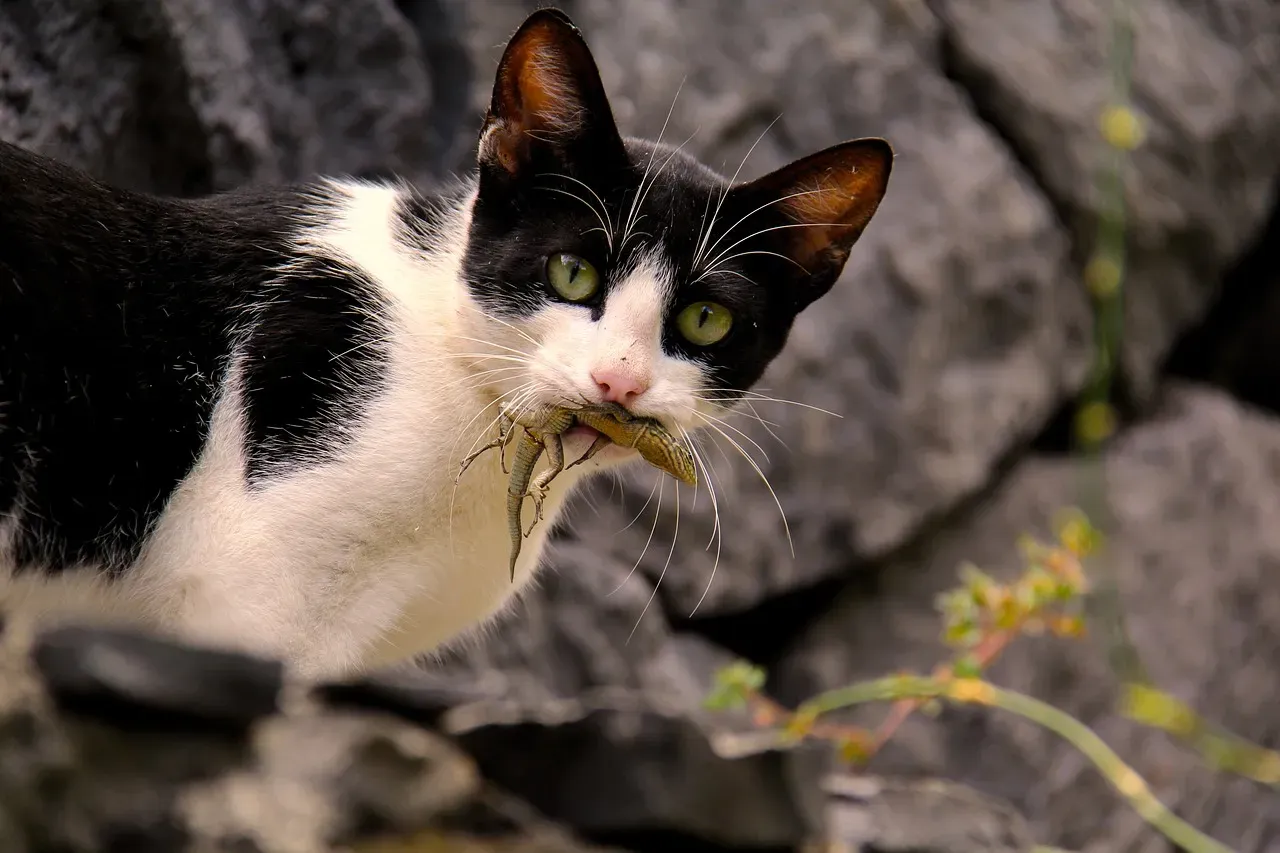
The real reason cats bring these “gifts” home is because their home is where they feel safe and secure. When cats catch prey, they may not want to eat it immediately or leave it somewhere other animals could steal it from them. You might find it disturbing. Your cat finds it completely logical – it’s the feline equivalent of putting leftovers in the fridge.
Your cat has an instinct to bring prey back to a safe environment to guard it from other predators that may want to steal from them. Take it as a compliment – your cat feels safe and secure in the home you’ve made for them. Honestly, when you look at it that way, it’s kind of sweet. In a slightly unsettling, very primal sort of way.
They Think You’re Part of the Family – and a Terrible Hunter
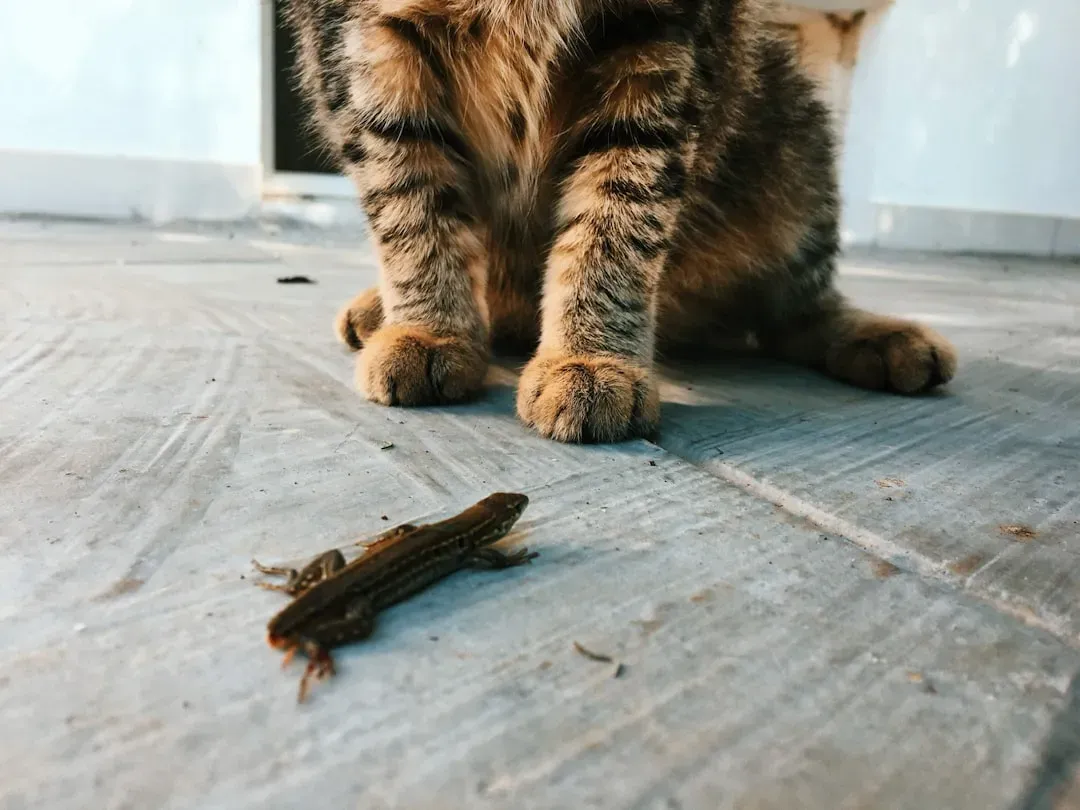
The most fundamental reason that cats bring dead animals to you is because they are treating you as family, presenting the catch to their clan, and attempting to teach you to do likewise. Yes, you read that right. Your cat has sized you up, watched you fumble around the kitchen, and quietly concluded that you would not survive a single day in the wild without assistance.
When your cat brings you dead animals, it might be because they think you’re a terrible hunter and want to help you practice. While that might sound a bit insulting on the surface, it’s one of many ways cats show you their love. Feral cats often live together in groups called colonies. In these groups, female cats often care for kittens that don’t belong to them. By gifting you a dead animal, your cat might be trying to signal that you’re part of their group. You’re not just a roommate to them. You’re family – just the kind that clearly needs feeding.
The Mother Instinct – Teaching You to Survive
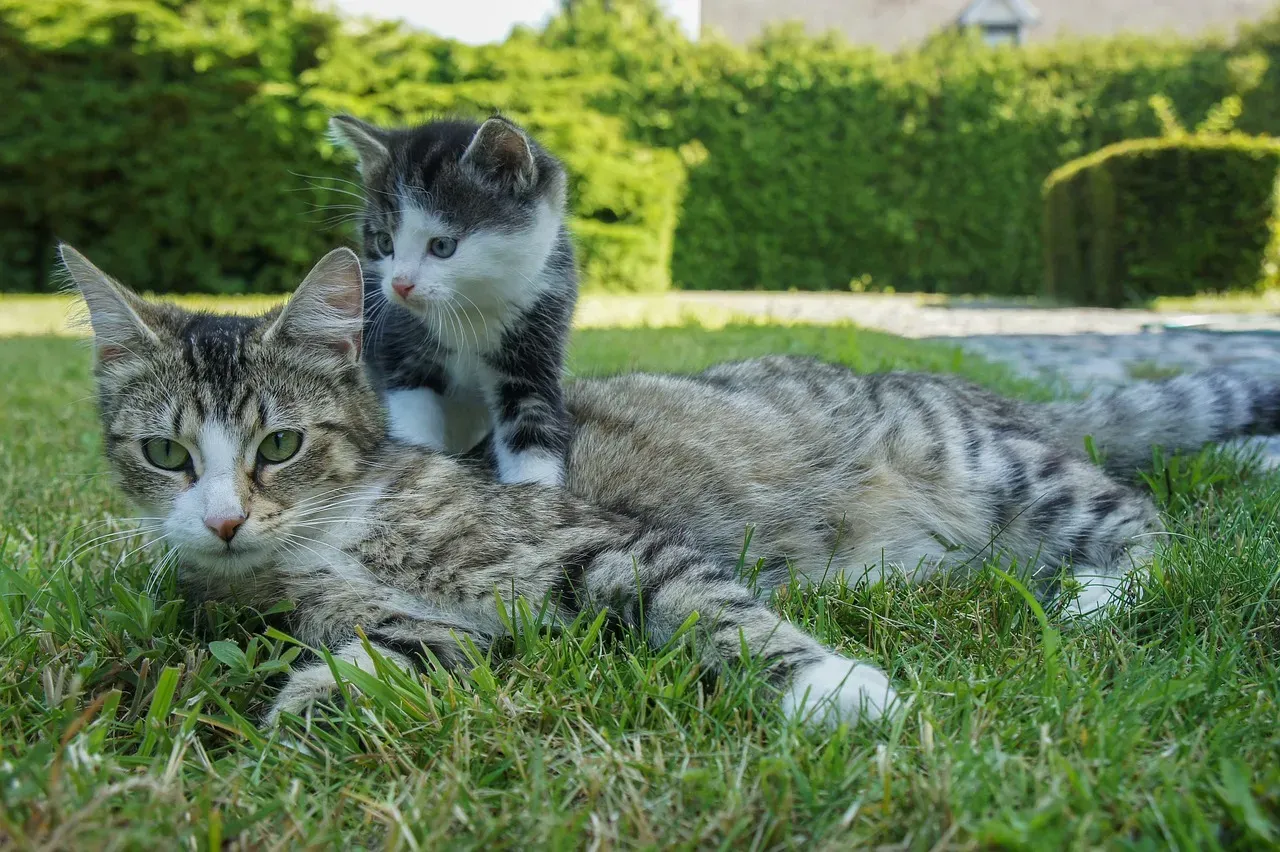
One prominent theory among feline experts is that cats view their human owners somewhat like inept kittens. This perception is not a judgment on your capabilities but rather a reflection of how cats see your relationship within their social structure. That’s a perspective that’s both humbling and oddly heartwarming. Your cat essentially sees you as a giant, clumsy kitten who keeps forgetting how to eat real food.
In the wild, mother cats are diligent educators. They teach their kittens crucial survival skills, such as hunting, grooming, and finding shelter. These teaching moments are often seen when a mother brings back live prey for her kittens, allowing them to “practice” their hunting skills – not just about feeding, but equipping the next generation with skills they’ll need to thrive. Since most domestic cats are neutered and have no young to provide for, they may transfer these instincts to their owners instead. You’ve become the kitten. Congratulations.
It’s Also a Bid for Your Attention and Approval
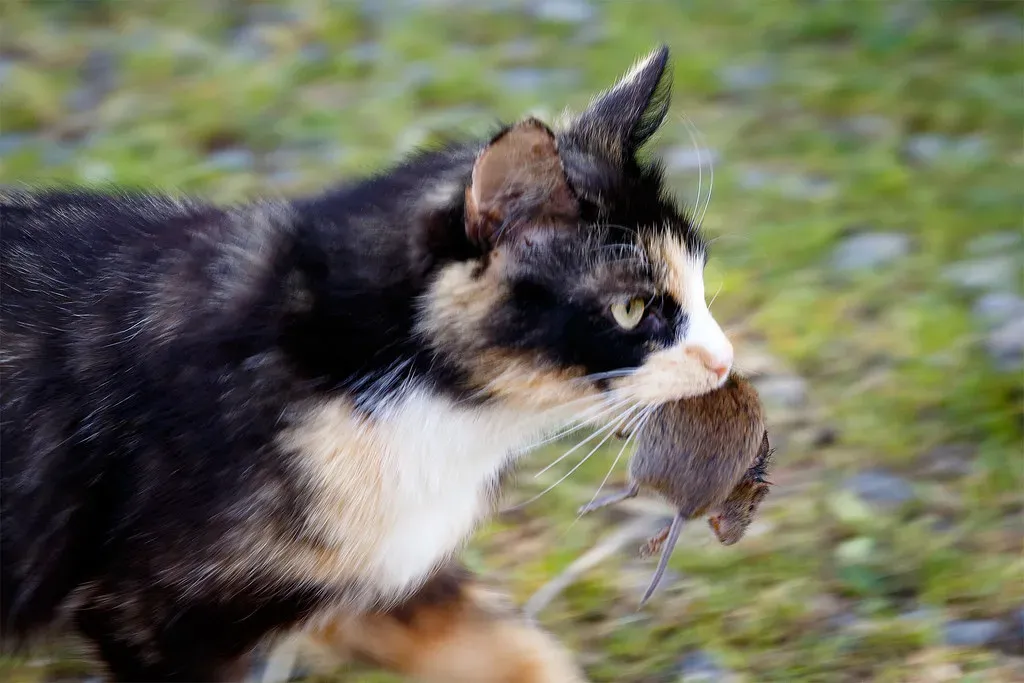
Cats bringing dead animals home can be seen as a form of affection or gifting, stemming from their instinctual behaviors. This behavior carries over into domestication, where cats present their “catch” to their human companions to share their success and demonstrate care. Some cats are quite vocal when they engage in this behavior – they may meow persistently while bringing prey home, which can be interpreted as seeking attention or announcing their accomplishment.
Some research suggests that cats bring you items they believe you would appreciate, as a means of expressing love, gratitude, or seeking acknowledgement. They want approval and praise from their owner. Your cat might also have learned that bringing back a “gift” gets them attention, even if it’s not the kind they expected. Animals, like people, can quickly learn what actions lead to specific reactions. So if you screamed dramatically the first time it happened, just know – you may have accidentally trained your cat to do it again.
The Hidden Risks You Shouldn’t Ignore
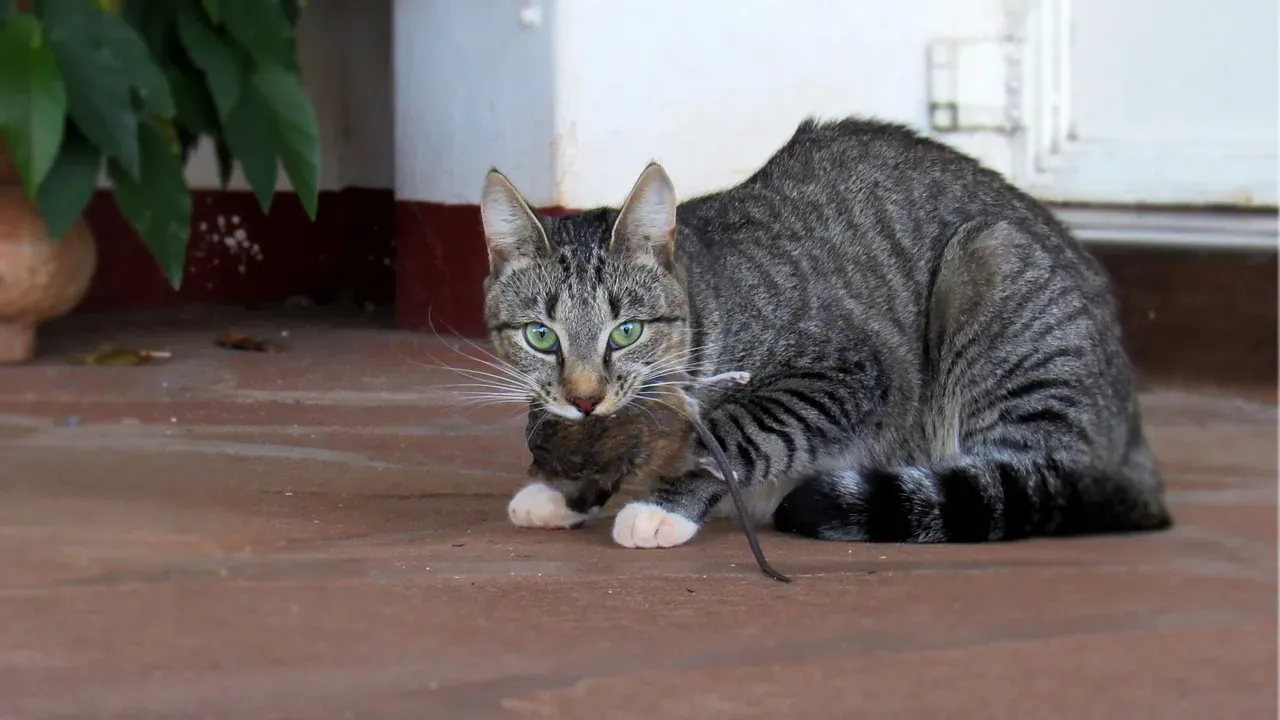
Small rodents, such as mice or rats, that your cat might put in their mouth can carry parasites like tapeworms or might have ingested rodenticide poisons, both of which can make your cat sick. Your cat could also be injured if the prey animal bites or scratches them. It’s easy to think of this behavior as harmless and even charming, but there are real health hazards involved – for your cat and potentially for you.
Cats are incredibly efficient hunters that can do an extensive amount of damage to wild bird numbers in any given area. According to the American Bird Conservancy, cats kill 2.4 billion birds in the U.S. every year. That number is genuinely staggering. Wild rodents and birds often carry parasites like fleas and ticks, or diseases like Toxoplasmosis. So while your cat’s intentions are arguably noble, the consequences for local wildlife and household hygiene are worth taking seriously.
How to Manage the Behavior Without Punishing Your Cat
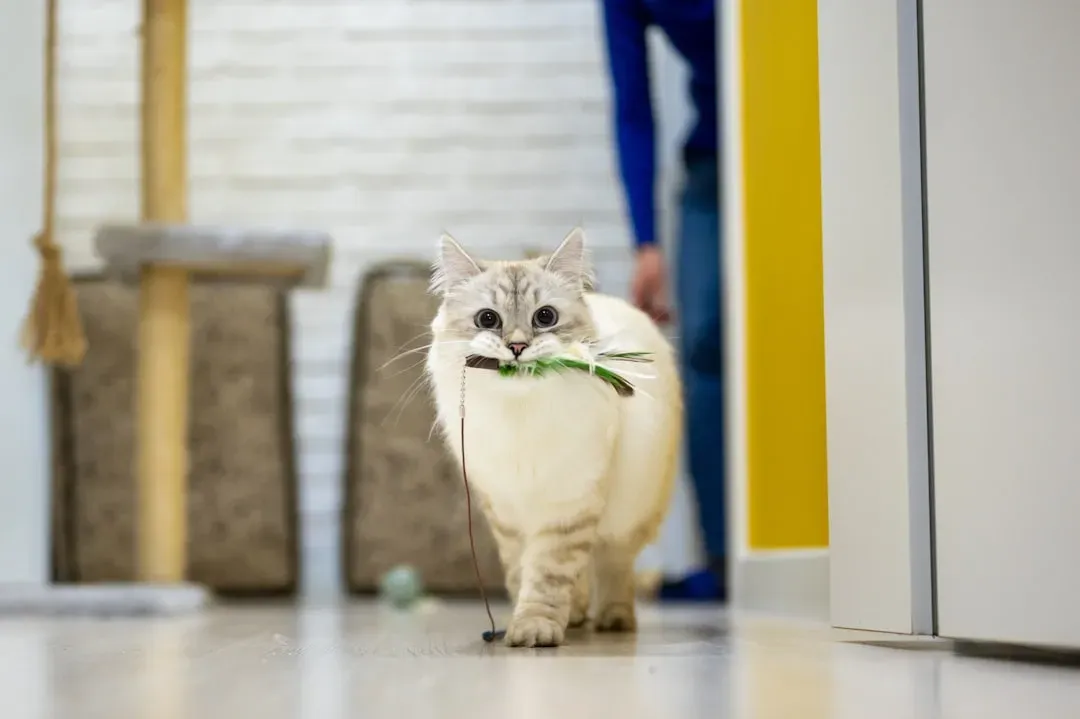
It’s important not to punish your cat for catching wildlife or bringing their prey home. They won’t understand what they’ve done wrong. As hunting is a natural instinct for cats, shouting at them won’t deter them from doing it again – it will only cause them stress, which could lead to other unwanted behaviors. The right approach is redirection, not punishment. Think of it as changing the channel, not turning off the TV entirely.
A recent study showed that daily playtime with their owners actually reduced the amount of prey that cats brought home. If you give your cat an outlet for their instinct to hunt, it will help to satiate their prey drive. This isn’t just throwing them a catnip mouse, though – cats need to stalk, chase, and pounce on things that move, which means joining in with these games. There are endless toys on strings you can buy to indulge your cat’s hardwired predatory behaviors. A few ten-minute interactive play sessions per day can make a genuinely meaningful difference.
Conclusion
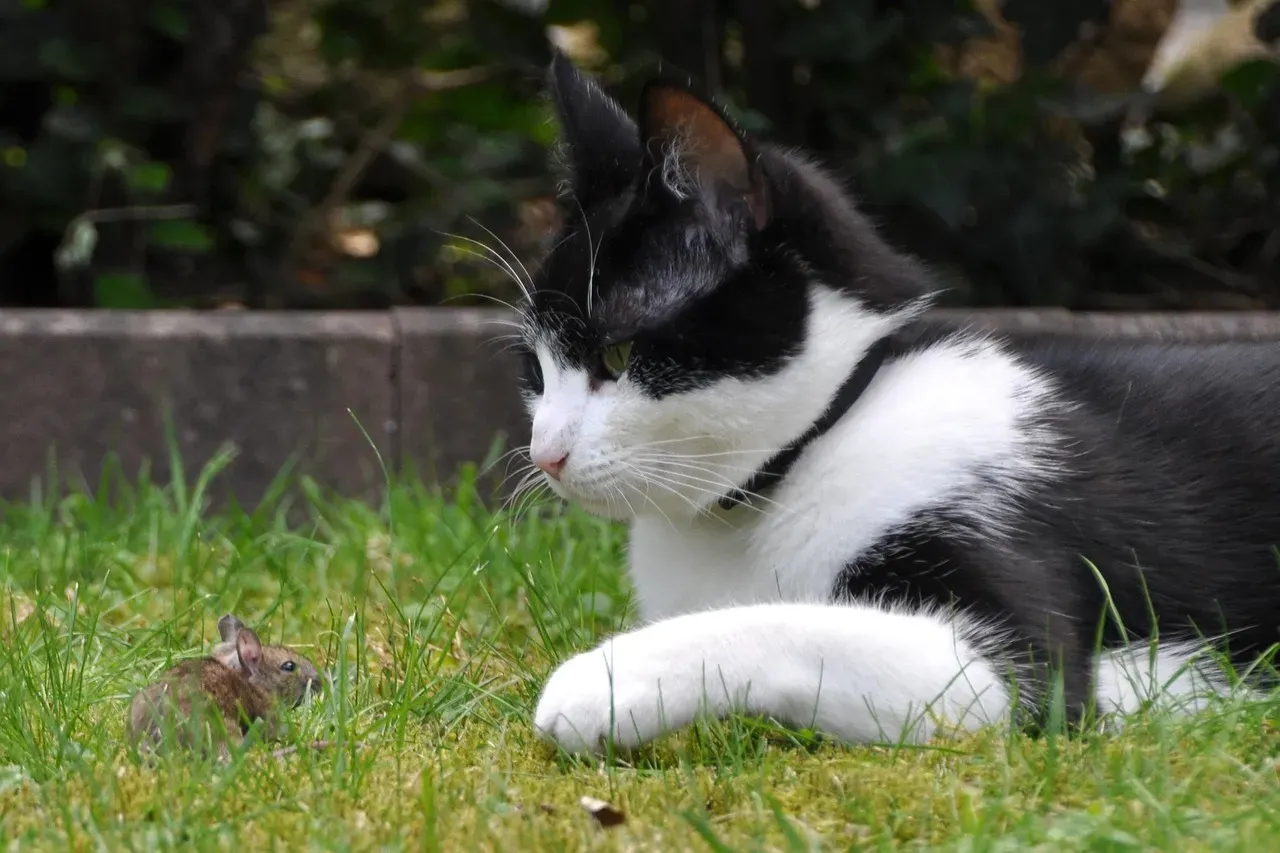
Your cat’s “gifts” are strange, occasionally horrifying, and sometimes impossible to explain to houseguests. Yet beneath all the feathers and fur lies one of the most honest expressions of love and loyalty an animal can offer. Your cat is not trying to gross you out – it’s trying to take care of you, include you, and show you that you matter in their world.
Understanding that this behavior is rooted in millions of years of instinct, not spite or mischief, changes everything about how you see it. The next time you discover a tiny, very dead “present” on the doormat, maybe take a second before the shrieking begins. Your cat worked hard for that. It’s the thought that counts – even if the thought involves a dead sparrow.
So, now that you know what’s really going on in your cat’s head when they drop that mystery creature at your feet – has it changed how you feel about those little “gifts”? Tell us what you think in the comments.