You sit down at the dinner table, fork in hand, and within seconds – there it is. That steady, unblinking gaze from across the room. Your cat is watching you eat. Again. It’s one of those quirky little rituals that nearly every cat owner knows, yet few people truly understand. Sure, your first instinct is probably to assume they’re just begging for a bite. Honestly, I used to think the same thing.
The truth is far more fascinating than simple hunger. When your cat stares at you, they’re usually trying to communicate something – whether it’s asking for attention, requesting food, showing affection, or signaling something else entirely. What happens at your dinner table is actually a layered, deeply instinctual, and emotionally complex exchange between two very different species. Stick around, because what you’re about to discover might completely change how you see your furry dinner companion. Let’s dive in.
You’ve Actually Trained Your Cat to Do This (Without Knowing It)
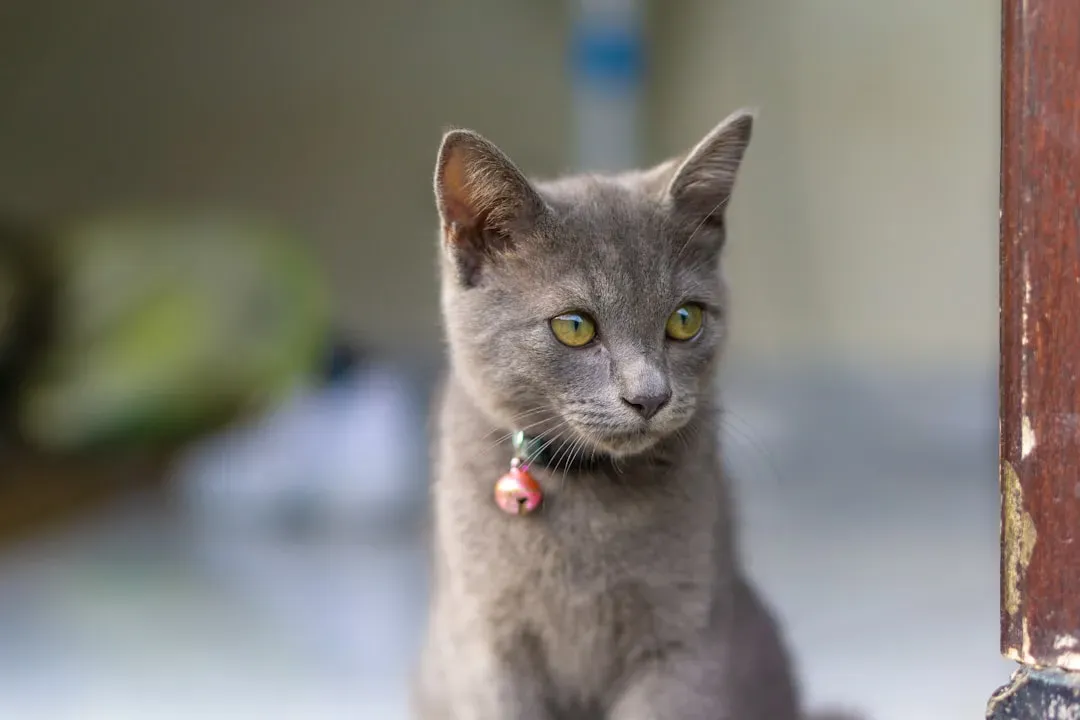
Here’s the thing – that stare didn’t come out of nowhere. You helped create it. Rather than simply challenging you to a staring contest, this curious behavior is actually something you may have trained your cat to do without even realizing it. As a solitary species, cats don’t naturally feel the need to hold eye contact with others to communicate, but if they think they can get something out of it, they’re willing to give it a go.
Cats often learn that staring produces results – whether it’s food, playtime, or attention. If you’re consistently rewarding their staring, they will keep on doing it, a process known as “operant conditioning.” Based on past experiences, your cat has learned that staring intently at you while you’re eating your meal is likely to result in a tasty morsel for them. Think of it like Pavlov’s bell, except your cat is the one ringing it with their eyes.
Their Wild Instincts Are Showing at Your Dinner Table
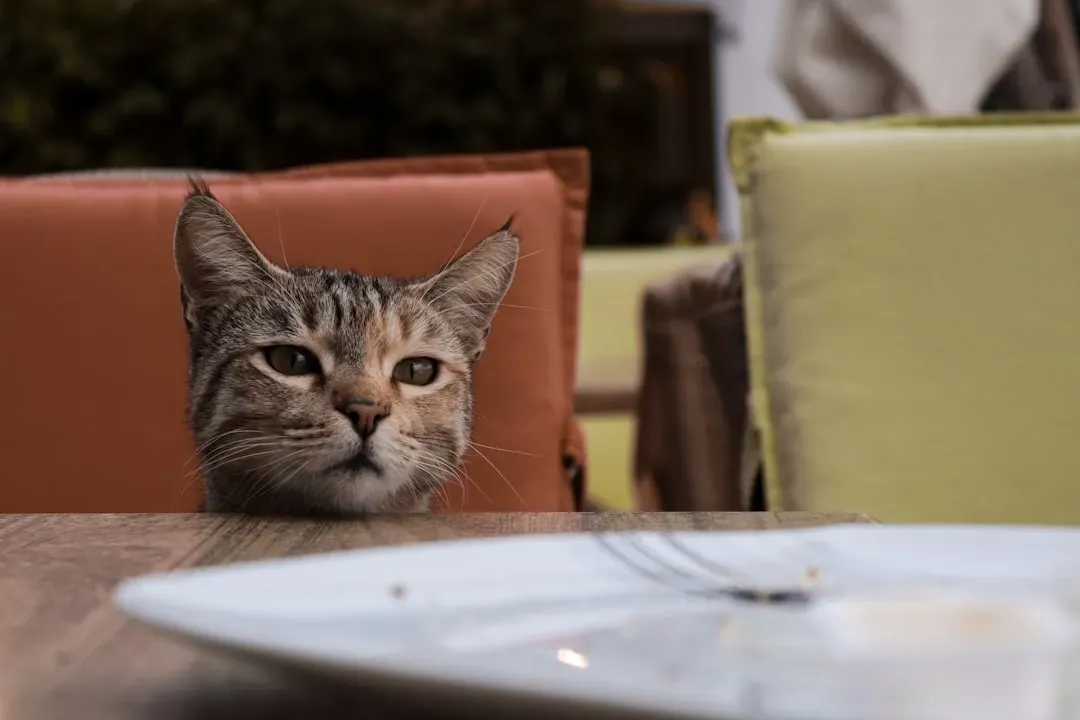
Even the most pampered indoor cat is still, at the core, a predator. Even domesticated cats retain their natural instincts, and staring is part of their predatory focus – they lock eyes with potential prey, or in this case, their food source: you. When your cat fixes that gaze on your plate, it isn’t just hoping for a nibble. It’s running ancient software that hasn’t been updated in thousands of years.
Domestic cats descended from the North African wildcat, and despite being wonderful companion animals, they retain the instincts of their forebears when it comes to eating patterns. It’s important to be mindful of this when feeding your cat, because whilst the traditional schedule of feeding two larger meals a day might suit you, it is unnatural for cats compared to their evolutionary behaviour and physiology. Your dinner time simply triggers something primal in them that no amount of cushy living can fully suppress.
It’s a Form of Silent Communication You Might Be Missing
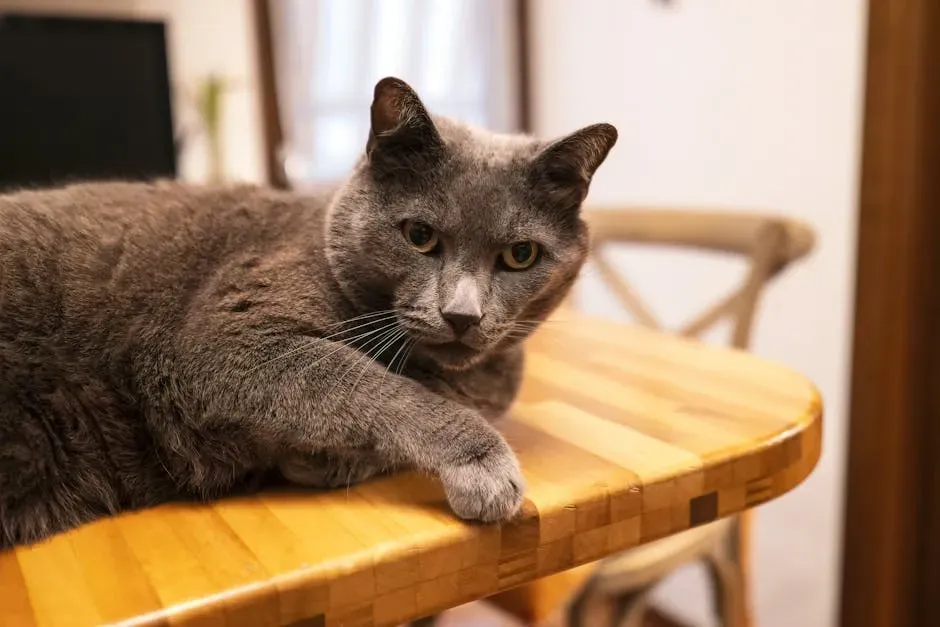
Cats don’t talk the way dogs bark. Their communication style is far more subtle, and the stare is a central part of that language. Cats say a lot without saying anything – and that is when their eyes do all the talking. Unlike dogs that tend to bark, paw, or do acrobatics to get humans’ attention, cats are a little more subtle. Eye contact plays a significant role in the way they bond, communicate, express emotions, and even assert dominance.
Cats stare to communicate needs, emotions, or intentions. Common reasons include attention-seeking, play solicitation, hunger, affection, fear, or aggression. Dilated pupils, ear position, tail movement, and posture can all help you interpret what the stare actually means. So next time your cat locks eyes with you over your pasta, look at the whole picture – the ears, the tail, the posture – before assuming they’re just scheming for your dinner.
The “Slow Blink” During Mealtimes Is Actually a Love Letter
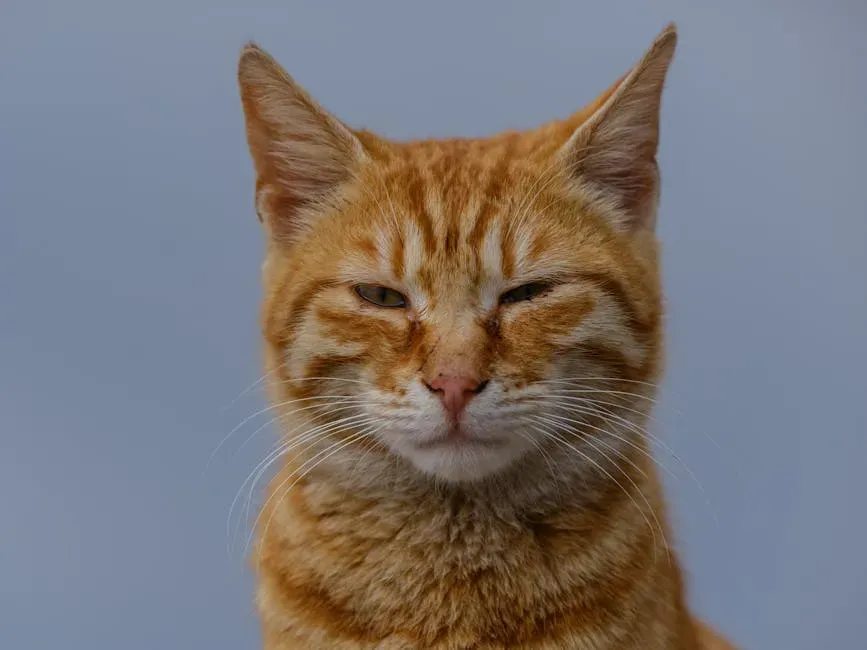
Not all mealtime stares are about food. Some of them – the soft, half-lidded ones – are genuinely about affection. When your cat’s eyes are half-closed or relaxed and they slowly blink at you, it indicates affection and trust. It’s the feline equivalent of a warm smile or a hug. Slow blinking shows your cat feels safe, content, and bonded with you.
Staring is also a sign of a close bond between you and your cat. They are unlikely to hold eye contact with someone they don’t like or trust. If they slowly blink while looking at you, that means they love you even more – they trust you enough to close their eyes in your presence. If you want to show them you love them too, try returning the gesture by slow-blinking back. I know it sounds a little odd, but give it a try. It’s the closest thing you’ll get to a cat saying “I love you.”
Your Cat Sees You as Part of Their Feeding Ritual
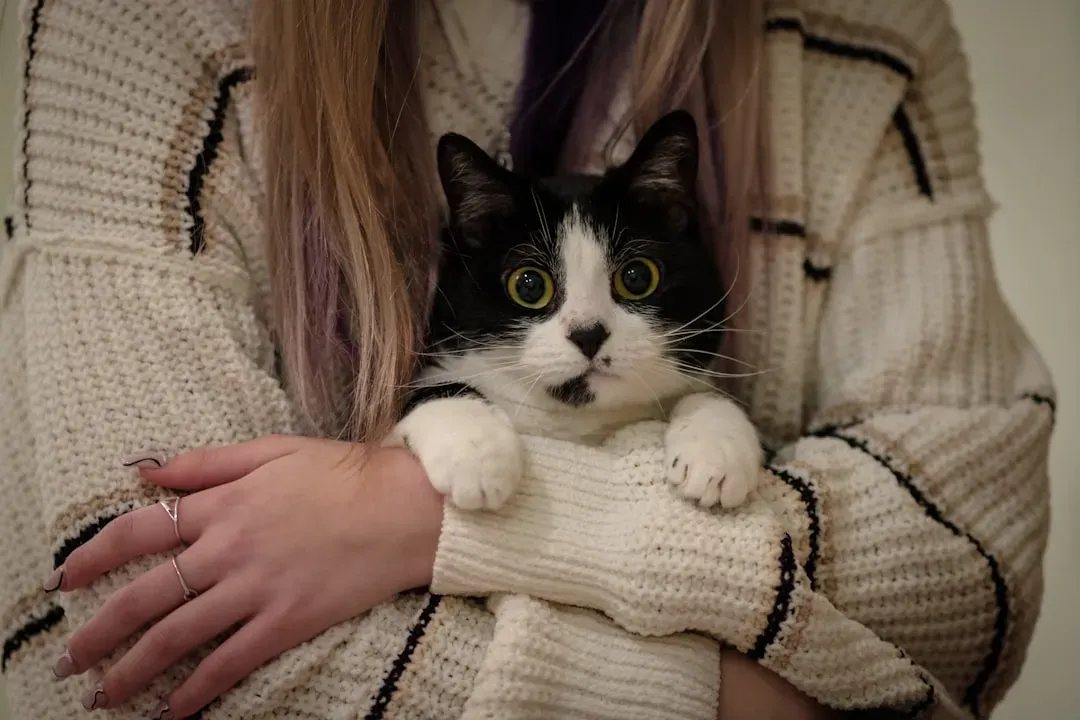
This one might surprise you. Your cat isn’t always watching you eat because they want your food – sometimes they want you to watch them eat. Some cats simply don’t want to eat unless the dining environment is to their liking, and that may mean they expect you to watch them eat. This fussy behavior is known as “affection eating,” and it often means that your cat just wants a little company or affection while they snack. In most cases, this behavior is no reason to worry – your cat likely just feels more comfortable with you around, which is definitely a compliment.
Affection eating could stem from their instinct to avoid predation. When a cat is eating, their head is down, and they can’t see around them to avoid an approaching predator. Knowing their human is around may help them feel more secure and protected. You’re not just their owner at that moment. You’re their lookout. Their security guard. Their trusted companion during one of the most vulnerable moments of their day.
Routine Is Everything – Your Mealtimes Are Hardwired Into Their Brain
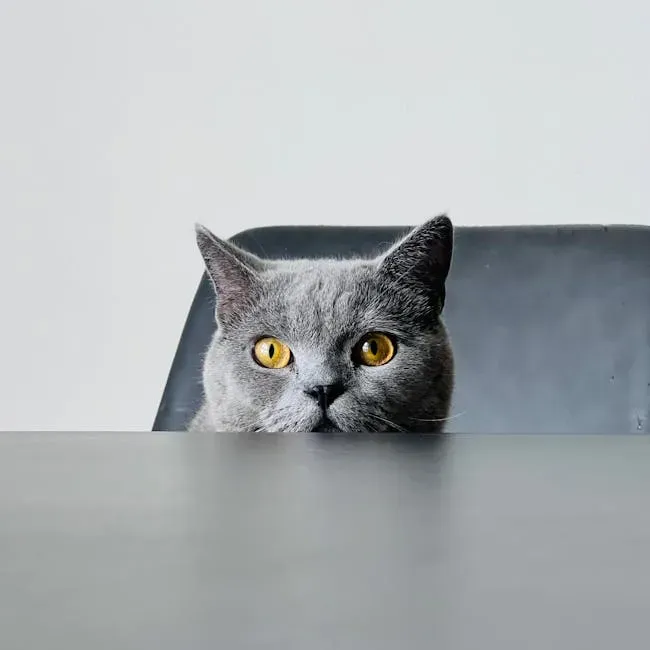
Cats are creatures of deeply ingrained habit, and your eating schedule is very much a part of their internal clock. Cats tend to follow fairly strict routines, and if you have an irregular lifestyle, this can create a stressful and unpredictable routine for your cat. When you sit down to eat at roughly the same time each day, your cat’s brain registers it as a reliable event worth monitoring.
Cats increase activity and exhibit anticipatory behaviors as feeding time approaches. As these behaviors – like pacing, meowing, or purring – become associated with the delivery of food, they may be reinforced. Your dinner is basically your cat’s alarm clock, their cue that the world is moving on schedule. Cats are creatures of routine. If feeding is associated with other predictable events like playtime, treats, or going outside, your cat may stare to remind you that the next step in the sequence is due. It’s part habit, part hope, and entirely fascinating.
They Are Genuinely Curious About What You’re Eating
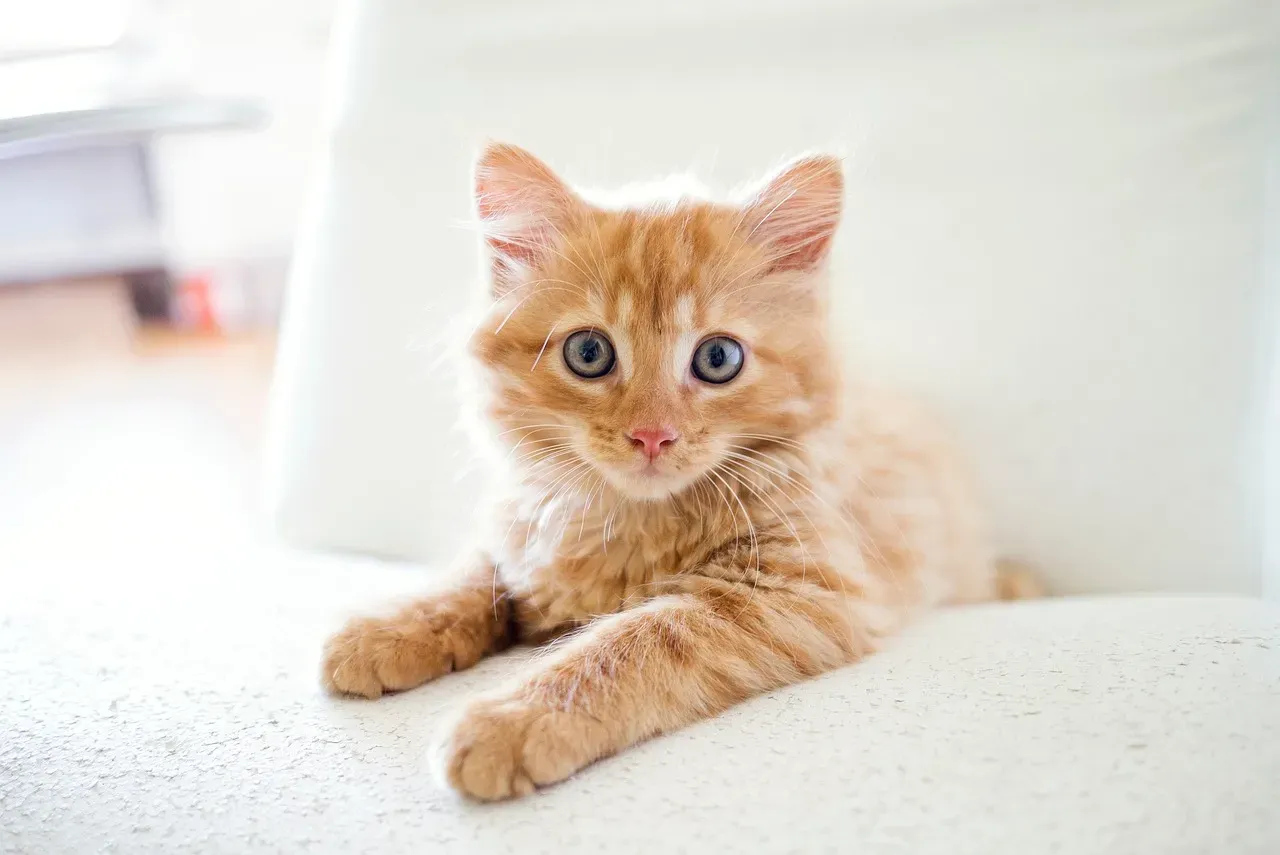
Let’s be real – cats are nosy. Wonderfully, adorably nosy. Cats are incredibly curious by nature and always want to know what’s going on. It could simply be that they’re observing you to see if you’re going to do anything interesting and whether it’s something they want to be part of. Your meal, with all its unfamiliar smells and sounds, is essentially live entertainment for a creature whose main daytime activity is napping.
Cats spend much of their days napping, so when dishes start clinking and interesting smells come from another room, they’re likely to come around and investigate – whether they’re hungry or not. Cats observe human behavior and recognize patterns – when you eat, food is available. Some cats beg silently by using eye contact instead of meowing, and they might simply be interested in your food’s smell, even if they can’t eat it. The stare is often less about wanting your food and more about wanting to be in the loop.
Sometimes It’s Anxiety, Not Affection – Know the Difference
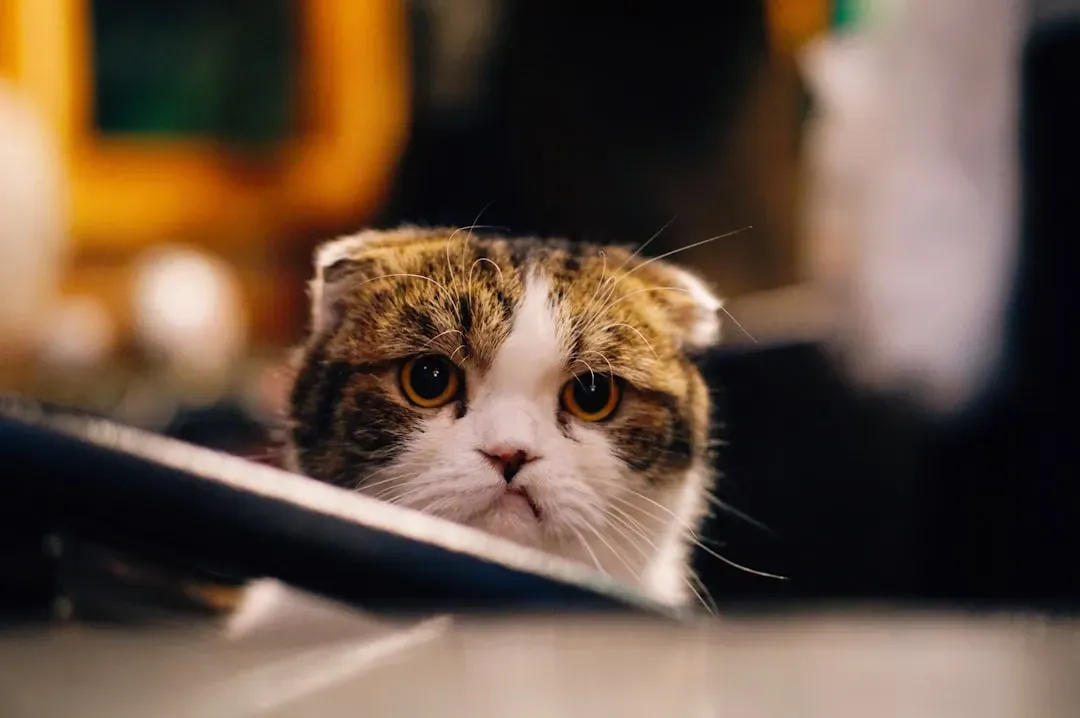
Not every stare is a sweet one. It’s hard to say for sure without knowing your specific cat, but a tense, unblinking stare combined with stiff body language tells a very different story. Body language plays a significant role in understanding your cat’s behavior. If your cat is staring while exhibiting other signs of tension – such as its back stiffening, ears flattening, or tail flicking – it’s likely not in a happy mood. Your cat is likely to be annoyed, scared, overstimulated by loud noises, or simply asking for personal space.
Cats may insist on having you close during mealtime because they feel anxious about changes to their environment, like moving to a new place, loud noises, or introducing new pets to the home. If the staring behavior is new and seems to come with other behavioral changes, it’s worth paying close attention. While a steady stare is usually normal, if it’s paired with other unusual behaviors, it could be your cat’s way of signaling that something isn’t quite right. Be on the lookout for dilated pupils, frequent or excessive hiding, restlessness, or unusual vocalizations, as these symptoms combined with intense staring may suggest your cat is experiencing discomfort, fear, or even pain.
How to Respond to Your Cat’s Mealtime Stare (Without Making It Worse)
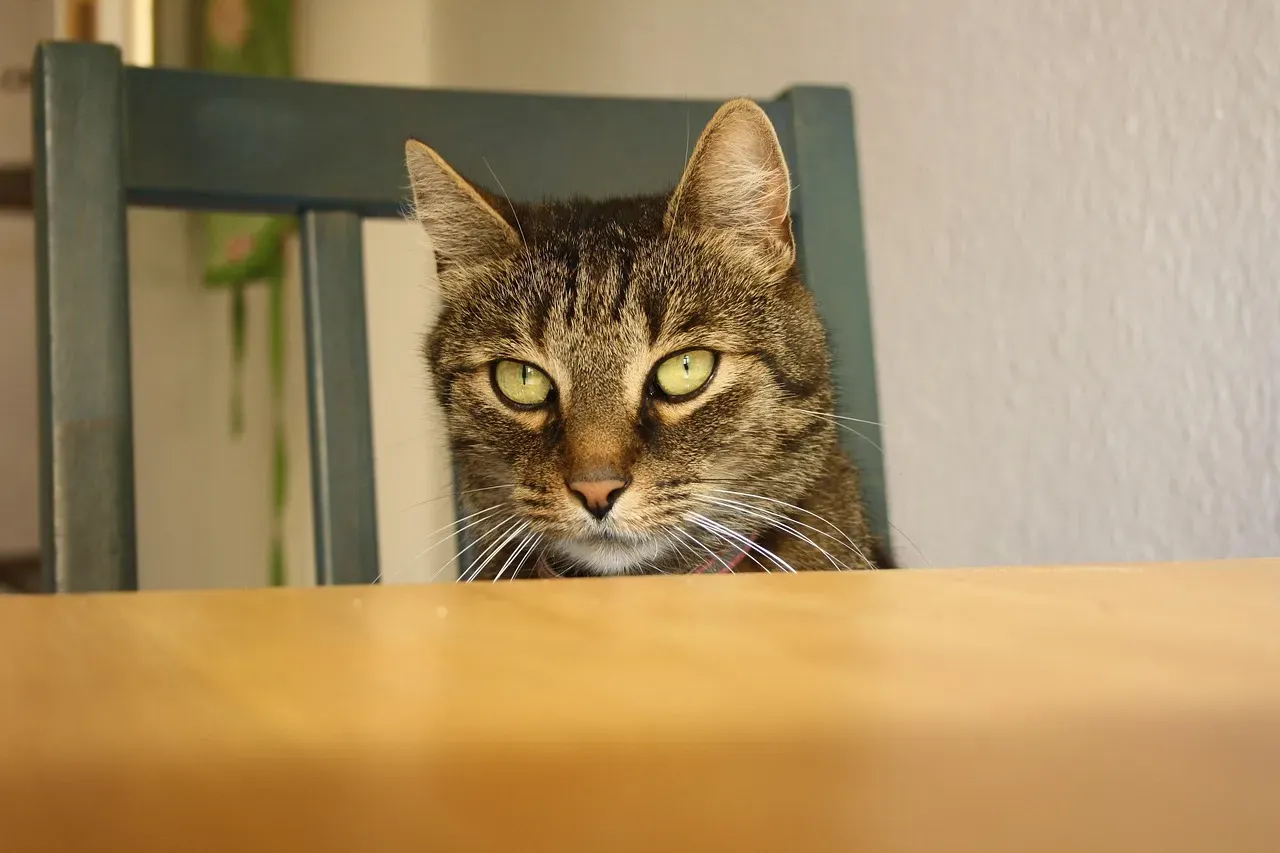
So now you know what the stare means – but what should you actually do about it? The answer depends heavily on what kind of stare you’re dealing with. Sticking to a consistent feeding schedule can help reduce excessive food-staring behavior. If begging becomes persistent, ignoring the stare can help break the reinforcement cycle. It sounds cold, but it works. You’re essentially teaching your cat that the stare no longer produces results.
Always make sure to give your cat plenty of affection outside of meals. Take time to play with your cat, groom them, or just cuddle if they’re up for it. Your cat may even return the favor with some gentle kneading. If your cat feels that they get plenty of attention from you throughout the day, they’re less likely to beg for your attention during dinner. Honestly, a well-exercised, well-loved cat is far less likely to haunt your mealtimes with that penetrating gaze. It really does come down to balance.
Conclusion: That Stare Has More Layers Than Your Lasagna
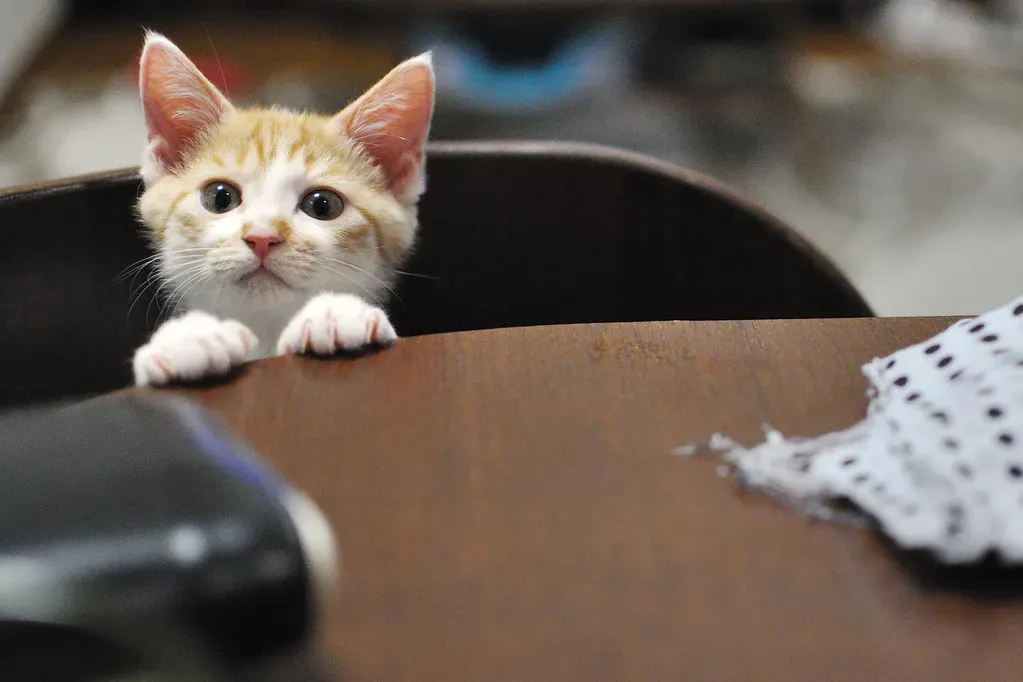
Your cat staring at you while you eat is one of those small, daily moments that’s easy to laugh off. But beneath that wide-eyed gaze lies a rich world of instinct, emotion, communication, and deep-rooted habit. It’s hunger sometimes, yes. It’s also trust, curiosity, anxiety, love, and the echoes of a wild ancestor that once hunted alone under an open sky.
The next time your cat plants themselves across the table and locks eyes with you mid-bite, pause for a second. Read the room. Check the ears, the tail, the posture. Slow blink back if the moment feels right. You might just find that your cat isn’t interrupting your meal – they’re simply trying to share it with you, in the only way they know how.
What other strange habits does your cat have around mealtimes? Tell us in the comments – because every cat is a mystery worth talking about.