When most people hear the classic holiday carol “The 12 Days of Christmas,” they imagine a whimsical cascade of gifts—piling up from pear trees to pipers and drummers. But take a moment to look more closely, and that list turns out to be a fascinating snapshot of historical wildlife, farming life, and human symbolism wrapped in lyrical form. A new wildlife interpretation breaks down each animal mentioned in the song and what these creatures represent in real life, offering insights into ecology, behavior, and how our ancestors viewed the natural world.
Partridge in a Pear Tree: A Ground-Dwelling Game Bird
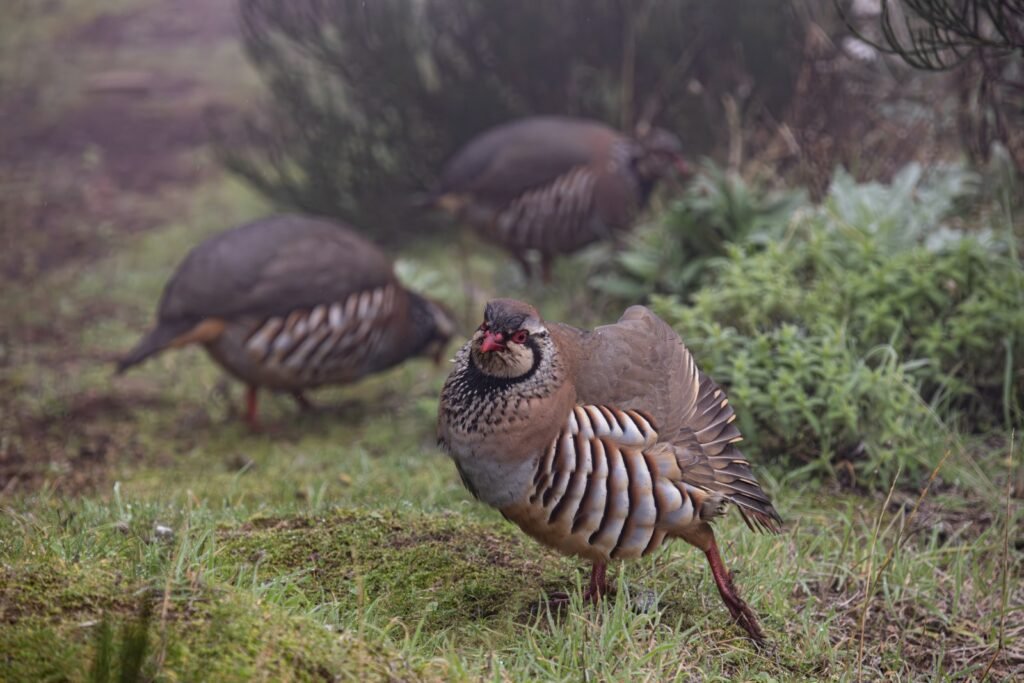
Though the image of a partridge perched atop a pear tree has become iconic, real partridges are strictly ground-dwelling birds. Species like the gray partridge (Perdix perdix) and red-legged partridge (Alectoris rufa) inhabit grasslands, agricultural fields, and scrubby edges rather than treetops. They forage for seeds and insects across open terrain and nest on the ground, relying on camouflage and group vigilance to evade predators.
During winter, partridges often form family groups called coveys, which help them stay alert and conserve body heat. Far from nesting or roosting in leafless pear trees, they are more likely found sheltering in hedgerows or low vegetation. The poetic image in the song captures imagination more than biology, tying a familiar countryside bird to a cultivated fruit tree symbolic of sustenance and comfort.
Two Turtle Doves: Symbols of Devotion
The “two turtle doves” sung about in the second verse refer to real birds—European turtle doves (Streptopelia turtur), members of the pigeon and dove family. These slender, soft-plumaged birds were once widespread across Europe and western Asia during the breeding season. Their gentle cooing and strong pair bonds made them cultural emblems of love and fidelity, fitting the romantic theme of early carol interpretations.
However, in nature these birds are migratory, flying to the Mediterranean and Africa to escape European winters. That means they would not actually appear in northern settings at Christmas time. Habitat changes and declines in traditional farmland have also reduced their populations, adding a conservation dimension to their symbolic presence in the song today.
Three French Hens and Four Calling Birds: Farm to Forest
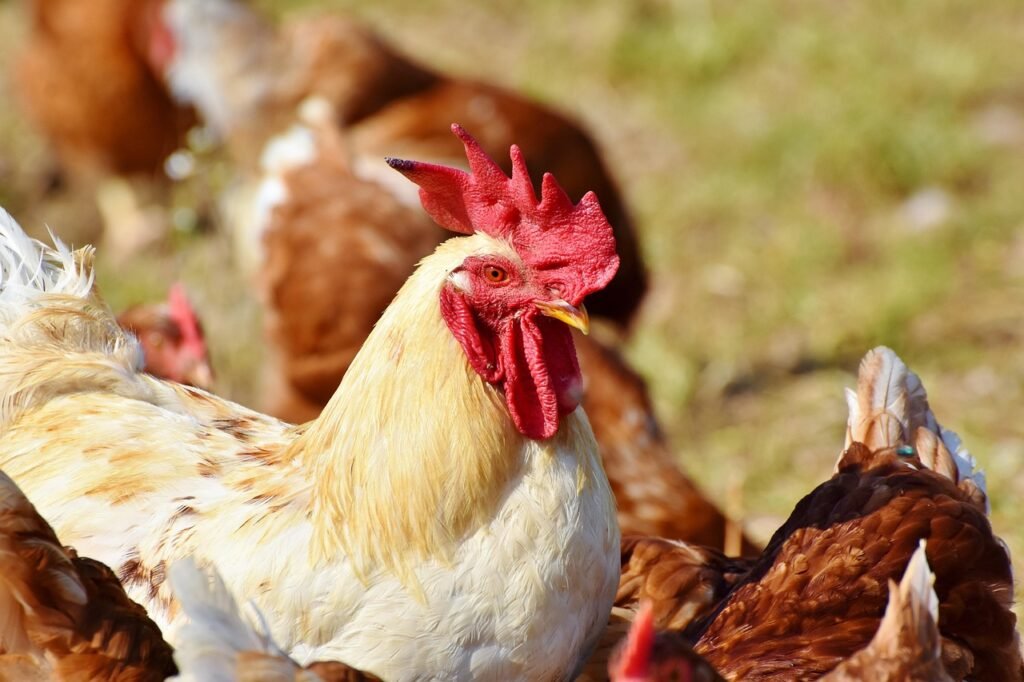
The “three French hens” are far more grounded in rural reality. These are domestic chickens, valued across Europe for centuries for eggs and meat. Brought from Southeast Asian ancestors long ago, chickens had become integral to farm life by the time the carol emerged. Robust breeds valued in France were often prized for their productivity, making them practical gifts that offered ongoing nourishment rather than mere decoration.
“Four calling birds,” meanwhile, likely evolved from an earlier phrase “four colly birds,” where colly meant black in Old English. This would have referred to Eurasian blackbirds, common songbirds found in hedges and woodlands. These birds contribute to winter soundscapes with their calls and represent the lively presence of nature even in colder months.
Five Golden Rings and Beyond: Feathers and Folklore
The line “five golden rings” breaks from the strictly avian and introduces a more symbolic gift. Many historians believe this referred not to jewelry but to ring-necked pheasants—birds introduced to Britain and associated with aristocratic hunting culture. These pheasants have a white ring around their neck, though the idea of “golden rings” lent lyrical sparkle and value to the verse. Owning or hunting pheasants was linked to wealth and status, much like the idea of golden jewelry itself.
By this point in the song, the gifts have moved from modest birds and farm animals to creatures and items that symbolize abundance, status, and festivity. The ring-necked pheasant thus bridges the gap between practical rural life and the pageantry reflected in the carol’s escalating extravagance.
Six Geese a-Laying and Seven Swans a-Swimming
Geese have long been valuable on European farms, prized for meat, eggs, and feathers. The “six geese a-laying” in the song evokes a household rich with resources—productive birds that can contribute to food stores and livelihoods. Descended from wild greylag geese (Anser anser), domestic geese are social, vocal birds well suited to free-range life among pasture and barns.
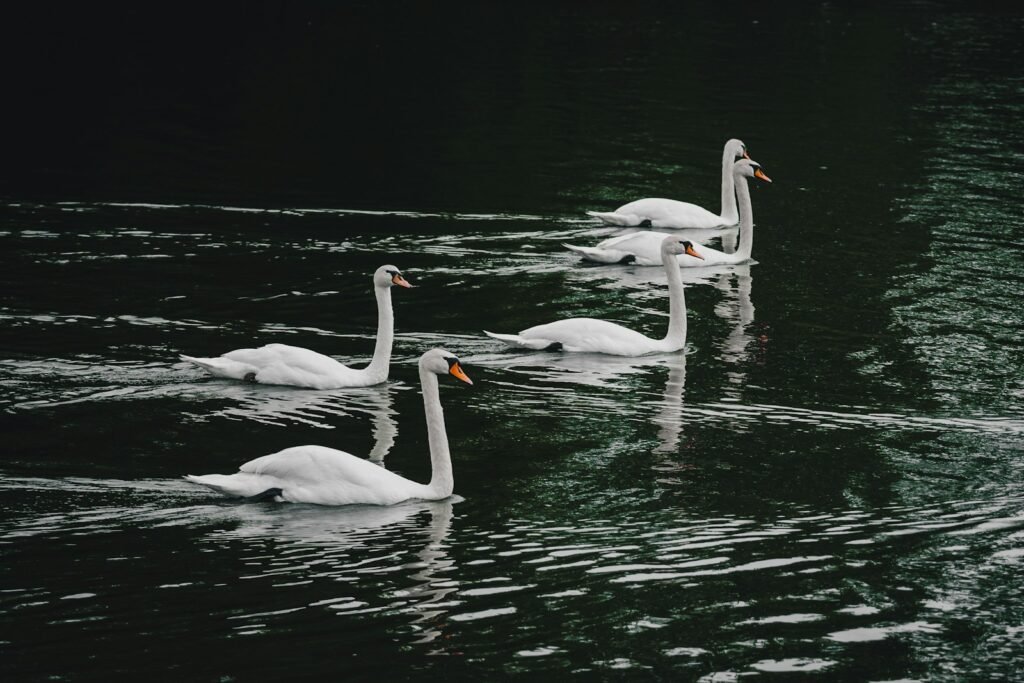
“Seven swans a-swimming” calls to mind the elegant mute swan (Cygnus olor), a bird that graces lakes and rivers across Europe. Swans historically signified nobility and control over land and water; in Britain, ownership rights to swans were once tightly regulated. Their inclusion in the song points to prestige and wealth, rather than mere utility as food or labor animals.
Humans and Activity: Music, Labor, and Celebration
After the seventh day, the carol shifts from animals to people engaged in seasonal work and entertainment. “Eight maids a-milking” reflects the importance of dairy production in winter, a period when butter, cheese, and milk were vital. Milkmaids were an essential part of farm economies, and their depiction shows respect for labor as part of holiday festivities.
“Nine ladies dancing,” “ten lords a-leaping,” “eleven pipers piping,” and “twelve drummers drumming” evoke music, movement, and communal celebration. In historical winter festivals, work and play walked hand in hand—after the labors of harvest and preparation, communities gathered in halls to enjoy music, dance, and the warmth of shared stories.
Viewed through a wildlife and historical lens, The Twelve Days of Christmas transforms from a simple, repetitive holiday tune into an intriguing catalogue of birds, farm animals, and human roles rooted in rural life and tradition. While many of the animals in the song might not fit neatly into their literal holiday settings, each carries real ecological and cultural meaning that enriches our understanding of the seasons, survival, and celebration. Whether interpreted for its natural history or its musical charm, the carol offers more than just festive cheer—it provides a living tableau of life long before modern conveniences.