Cats have long been celebrated as creatures of mystery, independence, and quiet strength. You might assume that an animal so aloof and self-contained would breeze through any disruption without a second thought. Honestly, the truth is far more nuanced and far more fascinating than that popular image suggests.
Behind those cool, calculating eyes is a creature wired for survival in ways that still surprise scientists and behaviorists today. From the way your cat reclaims a strange new room to how it uses invisible chemical signals to rewrite its story in a foreign space, feline resilience is one of nature’s most underappreciated marvels. So let’s dive in.
Built for Survival: The Evolutionary Roots of Feline Resilience
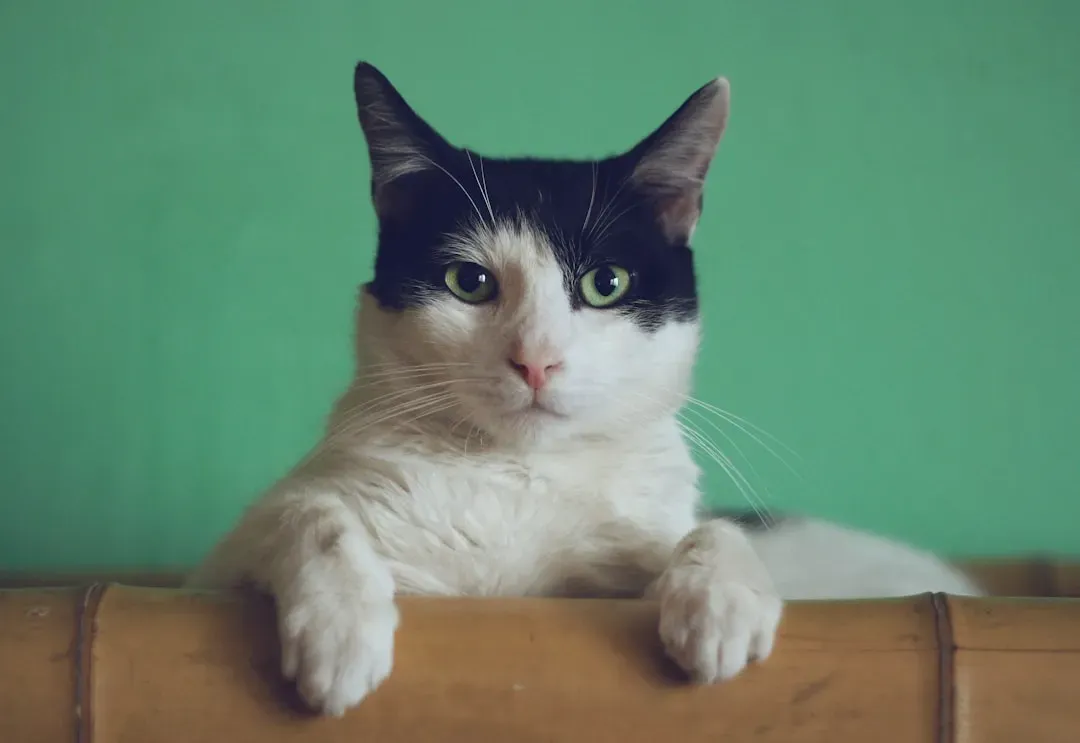
If you ever marvel at how your cat seems completely unbothered after a household upheaval, you are witnessing millions of years of evolutionary engineering at work. The adaptability of cats can be traced back to their evolutionary origins. Felids evolved as solitary predators, which meant a high degree of adaptability was necessary for survival. They learned to be flexible in their hunting strategies, diet, and habitat preferences, traits that are still evident in modern domestic and wild cats today.
Unlike many species that evolved through diversification and compromise, cats succeeded through refinement. Their consistent body plan and focused predatory toolkit reflect an evolutionary path where adaptability came not from variety, but from mastering a narrow ecological role. Think of it like this: while other animals were busy reinventing themselves, cats simply got better and better at being exactly what they already were. That is not stubbornness. That is genius.
Creatures of Habit: Why Routine Is a Cat’s Best Shield
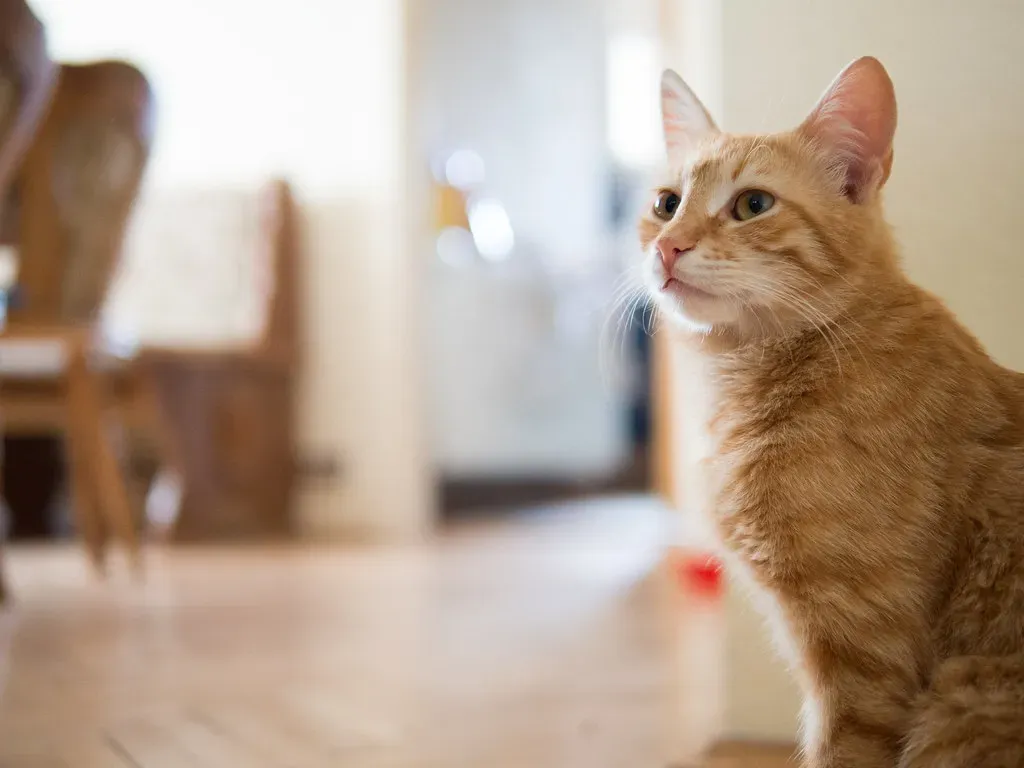
Cats are creatures of habit, and they thrive on routine and predictability. When their routine is disrupted or their environment changes, they can become anxious, stressed, and even aggressive. This can lead to a range of undesirable behaviors, including hiding, scratching, biting, or avoiding the litter box. It is almost like pulling the rug out from under someone who has been standing in the same spot for years. The reaction is immediate and visceral.
Predictable surroundings provide your cat some perceived control over their physical environment and social interactions, which helps reduce stress, build resilience, and enables cats to cope better with new challenges. Here is the thing that most people miss: it is not just big life changes that throw a cat off balance. Depending on your cat’s individual personality and temperament, simply changing their mealtimes or having a new visitor in the house temporarily can result in emotional upset and stress-related behavior, such as avoidance, over-grooming, reduced appetite and vomiting.
The Chemical Language of Security: How Scent Fuels Adaptation
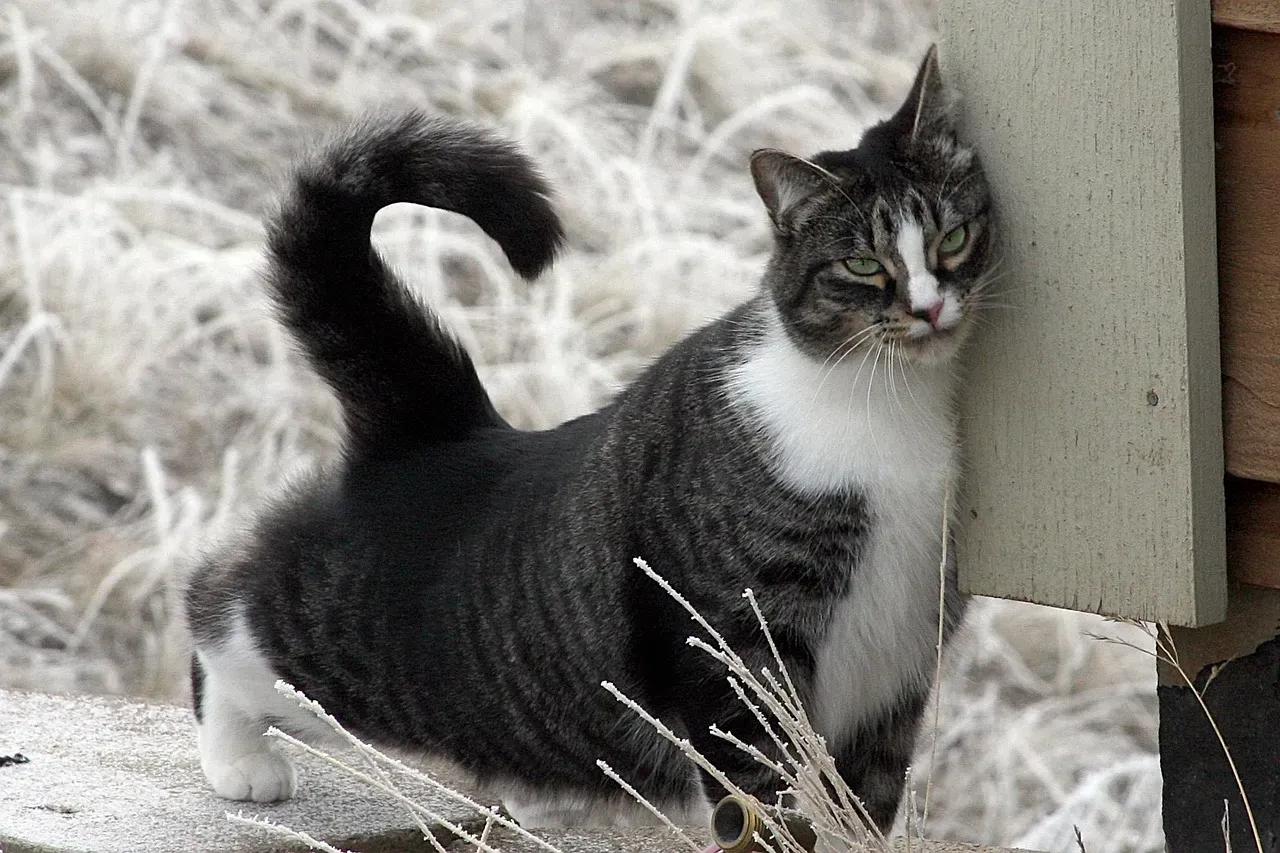
You have probably noticed your cat rubbing its face on furniture, doorframes, or even your ankles. What looks like simple affection is actually something far more strategic. Cats mark the spaces they frequently use as a territorial signal. This may help to emotionally soothe them, such that being closer to the scent may increase a sense of security and belonging, while reducing anxiety.
Similar to many other carnivore species, cats rely heavily on their olfactory system to explore the physical and social environment. Even now considered a facultatively social species, cats often choose to live a solitary life with enough space and resources. Chemical communication is therefore involved in many inter-cat activities, such as territory marking, reproduction, and individual recognition. In a way, scent is your cat’s version of signing its name on everything it considers safe. When that scent is disturbed or absent in a new place, the feeling of security evaporates along with it.
Reading the Signs: Behavioral Clues That Your Cat Is Struggling to Adapt
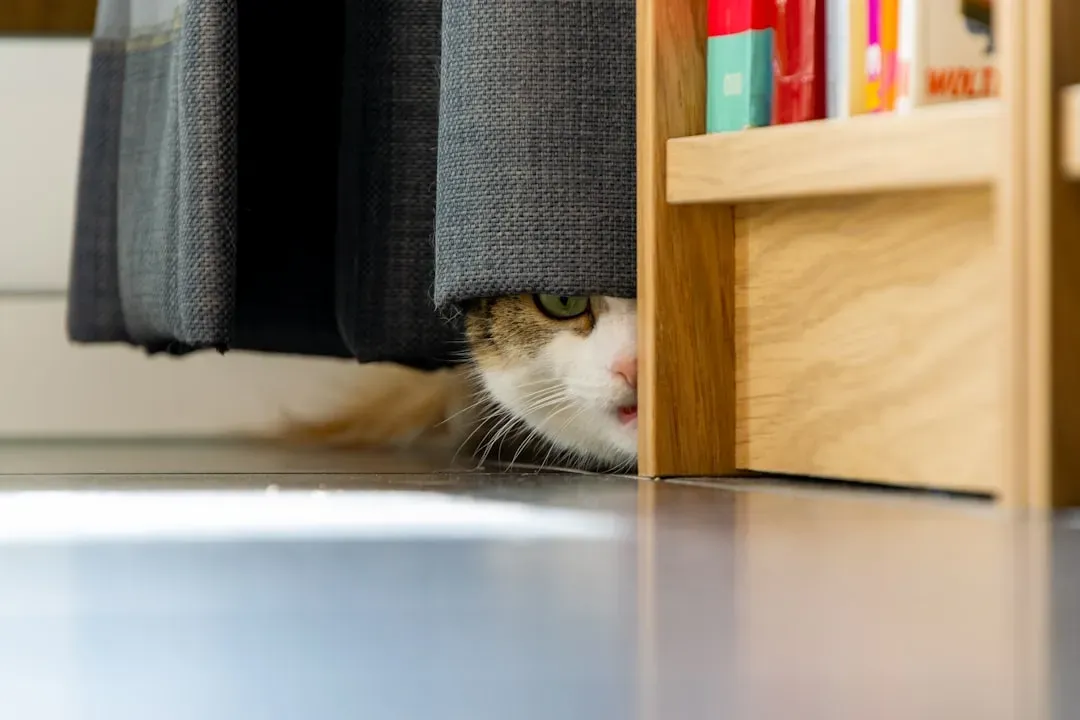
When introduced to a new environment, cats often exhibit various behaviors that can include hiding, vocalization, or reluctance to eat or use the litter box. Cats are naturally solitary animals and often seek out hiding spots when they feel threatened or anxious. In a new environment, the cat may feel overwhelmed by unfamiliar sights, sounds, and smells, leading them to seek out a secluded area where they feel safe.
The most frequent behavior problems cited by cat owners are inappropriate elimination, scratching, aggression, anxiety, eating problems, vocalizations, and excessive activity. If your cat is suddenly doing any of these things, try not to take it personally. It is not acting out. It is communicating distress the only way it knows how. Stress has an important role in the reactivation of feline herpesvirus, a common cause of respiratory disease in cats, and cats with high levels of stress are significantly more prone to developing upper respiratory tract infections than cats with lower levels of stress. That connection between stress and physical health is genuinely striking.
The Power of Hiding: Why Safe Spaces Are Non-Negotiable
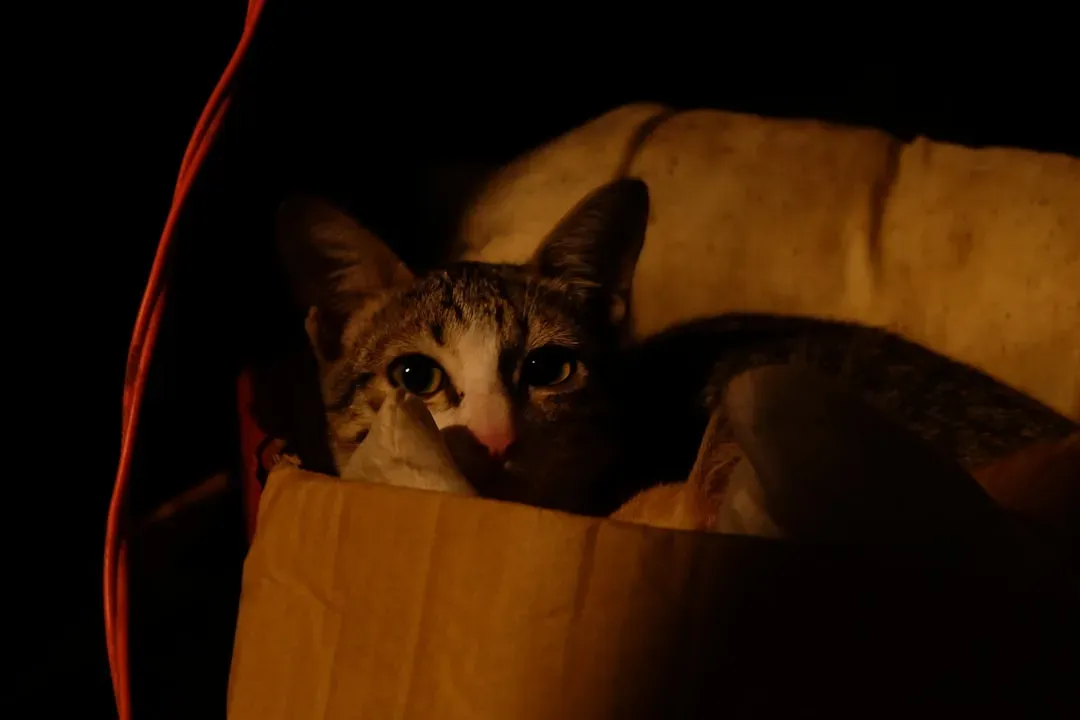
It is hard to say for sure why so many cat owners underestimate the value of a simple hiding box, but research makes a compelling case for taking it seriously. Providing hiding boxes can be a relatively simple way for cats to self-manage stress and to adapt faster to the shelter environment. That principle applies equally at home whenever your world shakes up your cat’s.
Cats often seek hiding places when stressed, so a cardboard box on its side or an open cat carrier is useful as a place your cat can retreat to temporarily while they adapt to their new surroundings. Leaving a carrier out as a safe space will also help your cat feel safe when travelling. Even once your cat has settled in a new home, providing permanent hiding places in fixed locations is important so they have predictable places to retreat to and feel safe. It is a bit like knowing exactly where the emergency exit is. You may never need it, but knowing it is there changes everything.
Scent Swapping: A Simple Trick That Changes Everything
One of the most practical and underused tools for helping your cat through change is something called scent swapping, and once you understand it, you will never overlook it again. You can use scent swapping to help your cat adapt to change. When your cat rubs its face on furniture and other objects, it is using pheromones that signal the objects are familiar and safe. Scent swapping mimics this very behavior.
Cats have lots of different glands that release pheromones, with many concentrated around their face, on the chin, lower ears, forehead, cheeks, and around the mouth. You can take a soft cloth, rub it on those areas, and then rub it around the house on objects. If you get a new couch, you rub your cat’s pheromones on it. I know it sounds a little unconventional, but think of it as pre-loading your home with your cat’s personal sense of “this belongs to me,” which is precisely the reassurance it needs.
The Role of Your Presence: You Matter More Than You Think
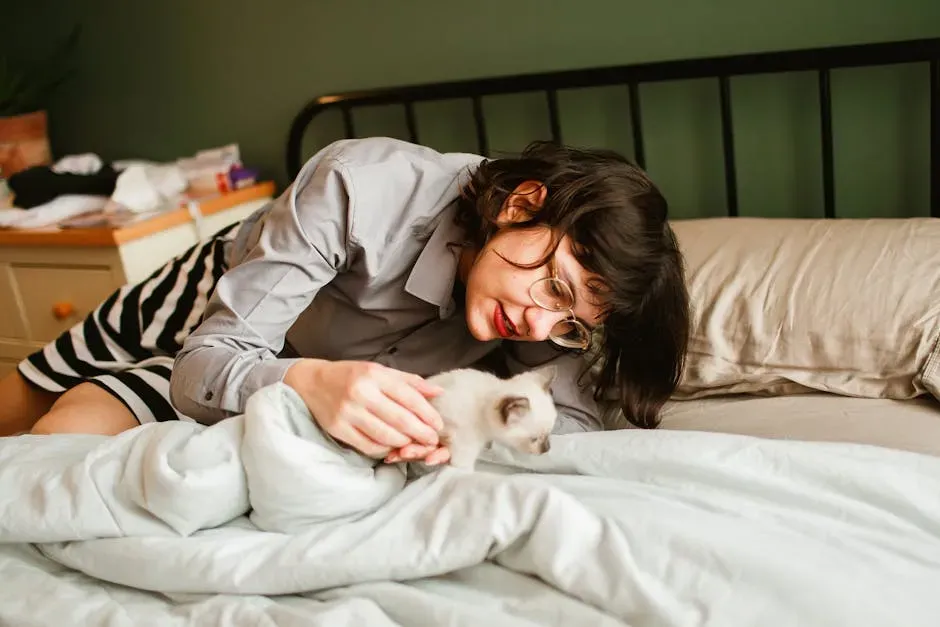
Let’s be real: cats are often portrayed as indifferent to their owners. That reputation does them a serious disservice. Research tells a very different story. The Secure Base Effect refers to a human or non-human animal’s ability to use the presence of a bonded caretaker as a source of comfort that facilitates stress reduction and exploration in novel or stressful contexts. Recent research has shown that some pet domestic cats display this effect in the presence of their human owner.
On average, cats display a lower frequency of stress-related behaviors when the owner is present, providing support for the Secure Base Effect. This is significant. Your calm presence during a move, a renovation, or the arrival of a new pet or person is one of the most powerful tools in your cat’s coping toolkit. Allorubbing is an important reunion behavior, with the vast majority of cats rubbing their owner following a separation. That little face-press against your leg when you return home? That is not just hello. That is your cat restoring its sense of safety.
Feline Social Flexibility: More Adaptable Than You Imagine
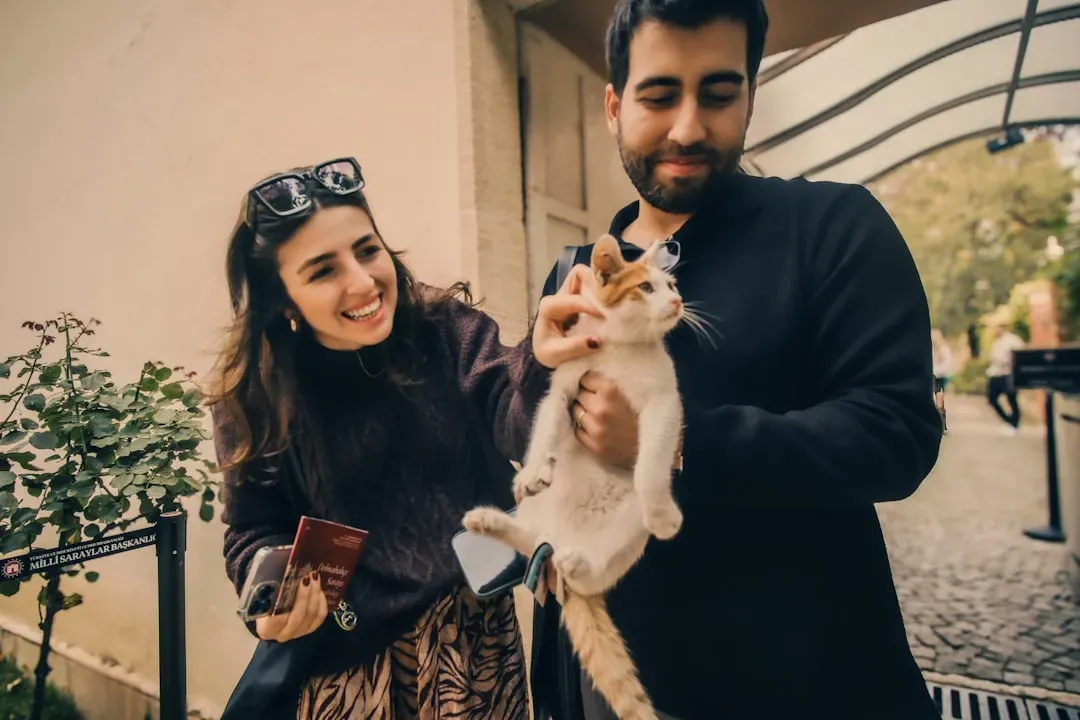
Most people assume cats are rigidly antisocial, but the evidence suggests something more fluid and interesting. While typically solitary hunters, cats exhibit a degree of social flexibility that aids in environmental adaptation. They can form loose colonies in resource-rich areas, displaying a unique behavioral adaptability. This flexibility allows them to coexist with other cats and humans, facilitating survival and comfort in diverse settings.
Modern cats are well adapted to living in close association with humans, and most rely on human provisioning or anthropogenic environments. They are predisposed to form attachments with people during early developmental stages, tolerate the presence of humans, other cats, and other domestic animals far better than wilder felids, and exhibit distinctive behavioral traits, including vocalizations and body language, that facilitate effective interspecies communication. Honestly, when you look at it that way, your cat has been doing something extraordinary all along: navigating a world designed for humans, on its own terms.
Supporting Your Cat Through Change: What Science Actually Recommends
Understanding what cats need during transitions is one thing. Putting it into practice, while life is already chaotic, is another matter entirely. Still, the science gives you a clear roadmap. One way to help your cat cope with change is to maintain a consistent routine as much as possible. This means feeding them at the same time each day, providing them with regular playtime and exercise, and sticking to a consistent sleep schedule. By maintaining a familiar routine, you can help your cat feel more secure and less stressed, even when there are changes happening around them.
Encouraging your cat to explore their new surroundings at their own pace is essential for their adjustment. Use positive reinforcement, such as treats or praise, to reward brave behavior. Additionally, be patient and understanding during this process, allowing your cat to build confidence in their new environment gradually. When the disruption is severe or prolonged, cats with separation anxiety may benefit from anti-anxiety medication, which can help them feel more calm and relaxed. Similarly, cats with aggression issues may be prescribed medication to reduce their anxiety and improve their ability to cope with stressful situations.
Conclusion
Cats are neither the stone-cold independents they are sometimes made out to be, nor the fragile creatures that crumble at the first sign of disruption. They are something far more layered: deeply sensitive survivors with a toolkit of coping mechanisms that range from the invisible chemistry of pheromones to the quiet reassurance of their trusted human’s presence. Their resilience is real, but it is not unconditional. It needs to be understood and supported.
The next time your cat hides under the bed after the furniture gets rearranged, or stares at you with wide eyes the morning after a house guest arrives, take a moment to appreciate what you are witnessing. You are seeing millions of years of survival instinct brushing up against the peculiarities of modern life. Your cat is doing its best. The question is: are you giving it what it needs to do that well?
What changes have you put your cat through, and how did they handle it? We would love to hear your experience in the comments below.