Cats, both domestic and wild, are natural hunters. This instinct has been honed over millennia and remains a critical aspect of their behavior. While wild cats rely on their hunting skills for survival, domestic cats often use play as a means to practice and develop these essential skills. Understanding the role of play in a cat’s life can provide insights into their behavior and enhance your pet’s well-being.
The Evolutionary Background of Felids
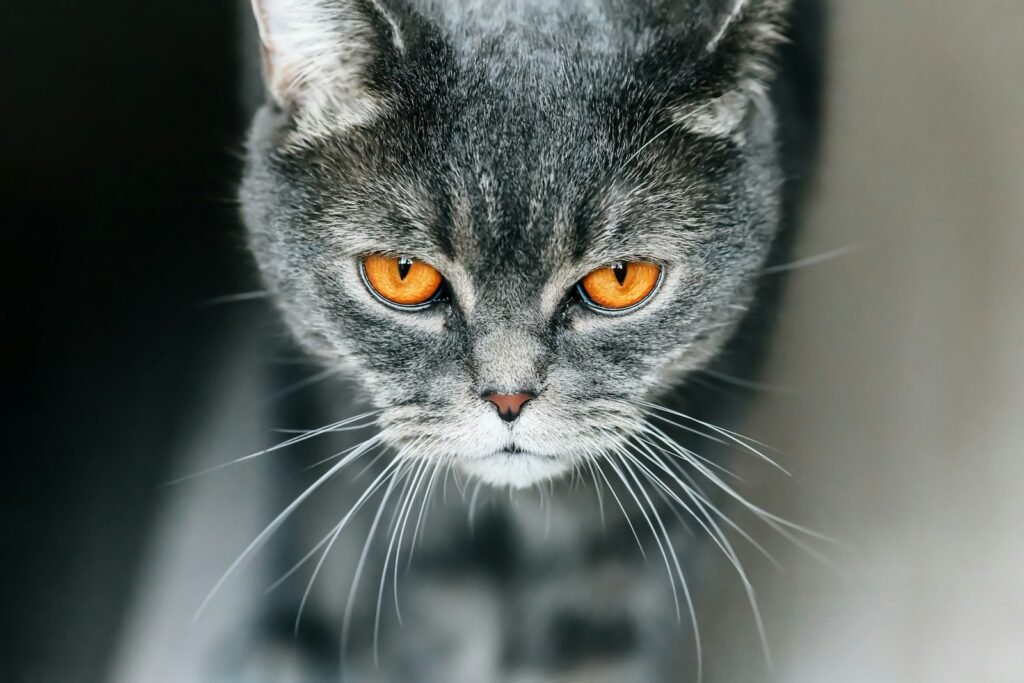
Cats belong to the Felidae family, which has a long evolutionary history of honing hunting skills. Their ancestors relied on stealth, speed, and precision to catch prey. This heritage remains evident in the behaviors of modern cats, which naturally engage in activities that simulate hunting, even when well-fed.
The Link Between Play and Hunting
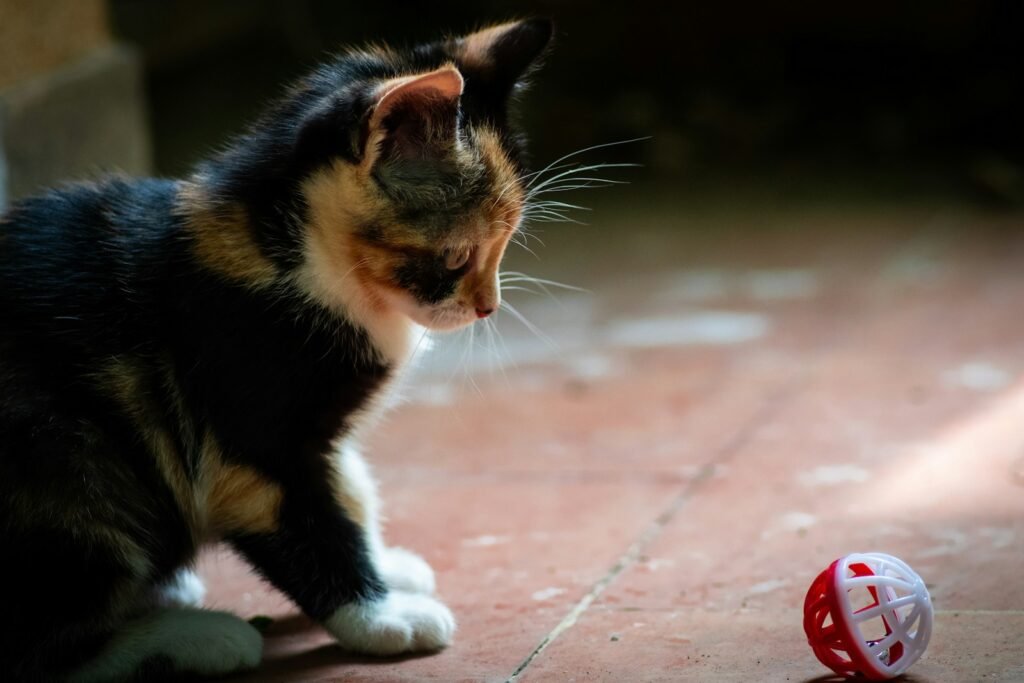
For cats, play is more than just a recreational activity. It is a dynamic training session where they enhance their hunting skills. Toys and objects of all kinds become surrogate prey, as cats practice pouncing, stalking, and chasing, honing their timing and coordination in a safe environment.
Developmental Stages: Kitten Play and Learning
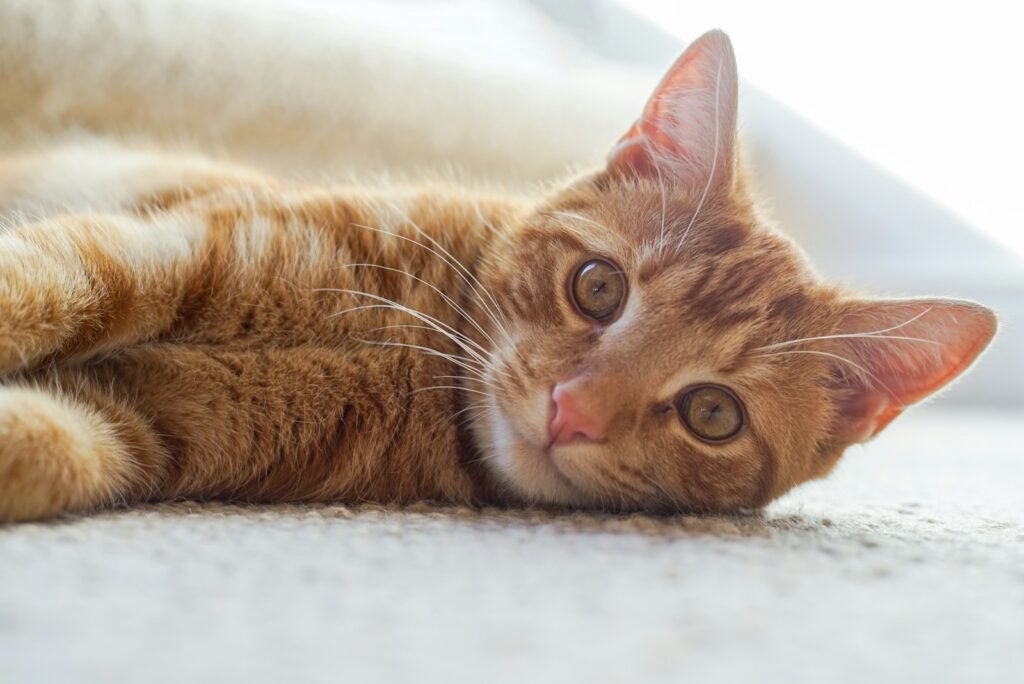
Kittens begin playing as early as a few weeks old, a critical period for developing their hunting skills. This early play often includes mimicking the hunting behaviors they observe in adult cats. Through rough-and-tumble play with their littermates, they learn the importance of stealth and timing.
The Importance of Interactive Play
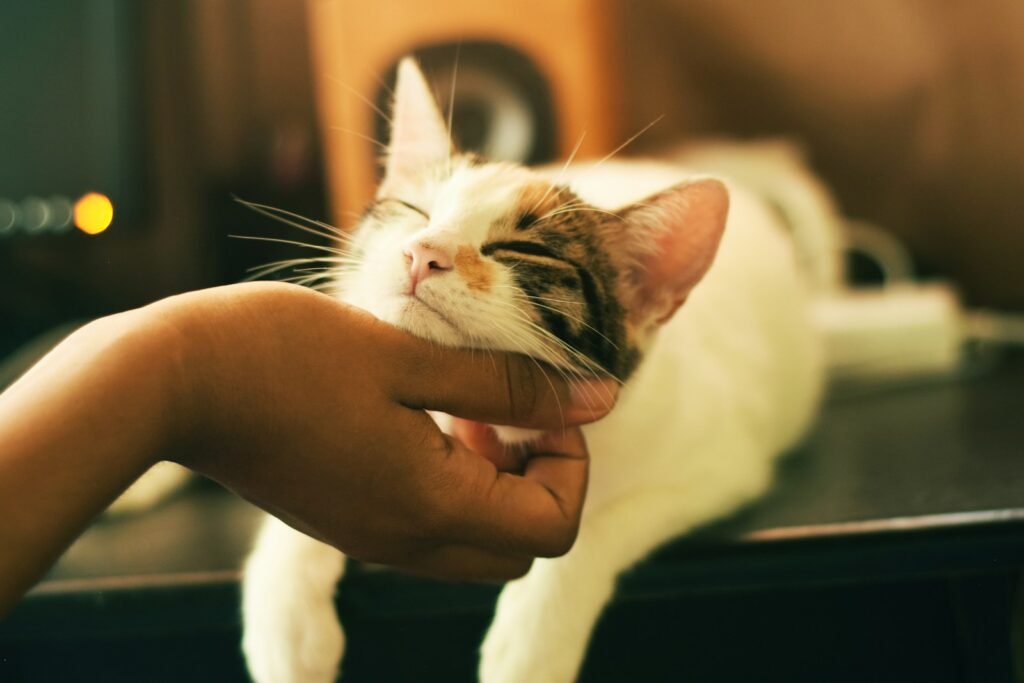
Interactive play, where humans engage directly with cats using toys, is crucial in further developing a cat’s hunting instincts. Toys that mimic the erratic movements of prey, like feather wands or laser pointers, elicit predatory responses, allowing cats to practice their skills with varying challenges and degrees of difficulty.
Environmental Enrichment and Hunting Simulation
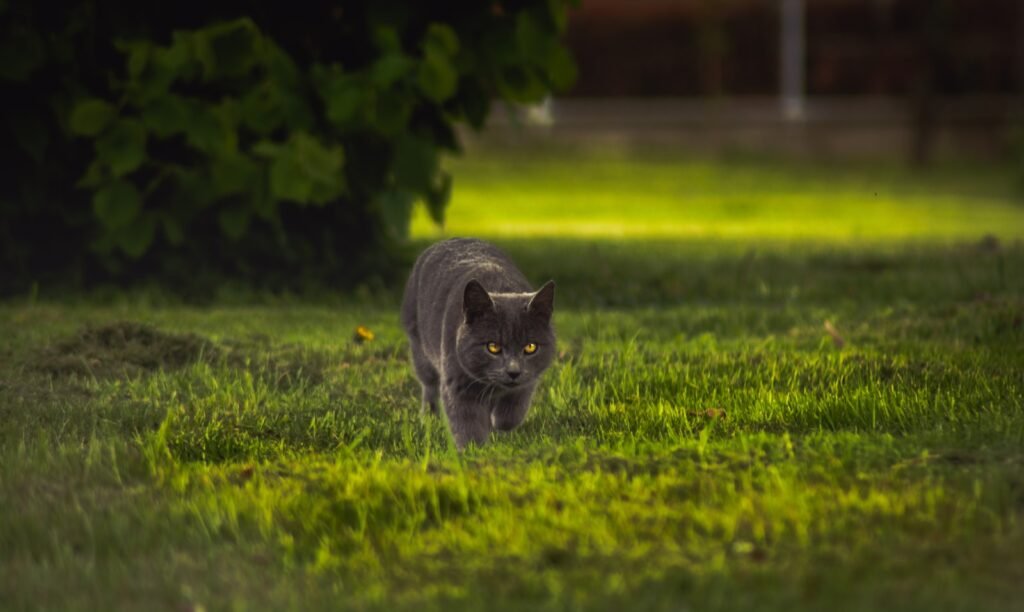
Providing a stimulating environment can enhance a cat’s innate hunting abilities. Enrichment activities, such as hiding their food or using puzzle feeders, mimic hunting scenarios, keeping your cat mentally agile and physically active, preventing boredom and obesity.
Social Dynamics and Play in Multi-Cat Households

Play not only fosters hunting skills but also helps establish social hierarchies in multi-cat households. Often, cats will engage in mock battles, improving their ability to communicate and understand boundaries, which can reduce inter-cat aggression and foster peaceful cohabitation.
The Psychological Benefits of Play and Hunt Simulations
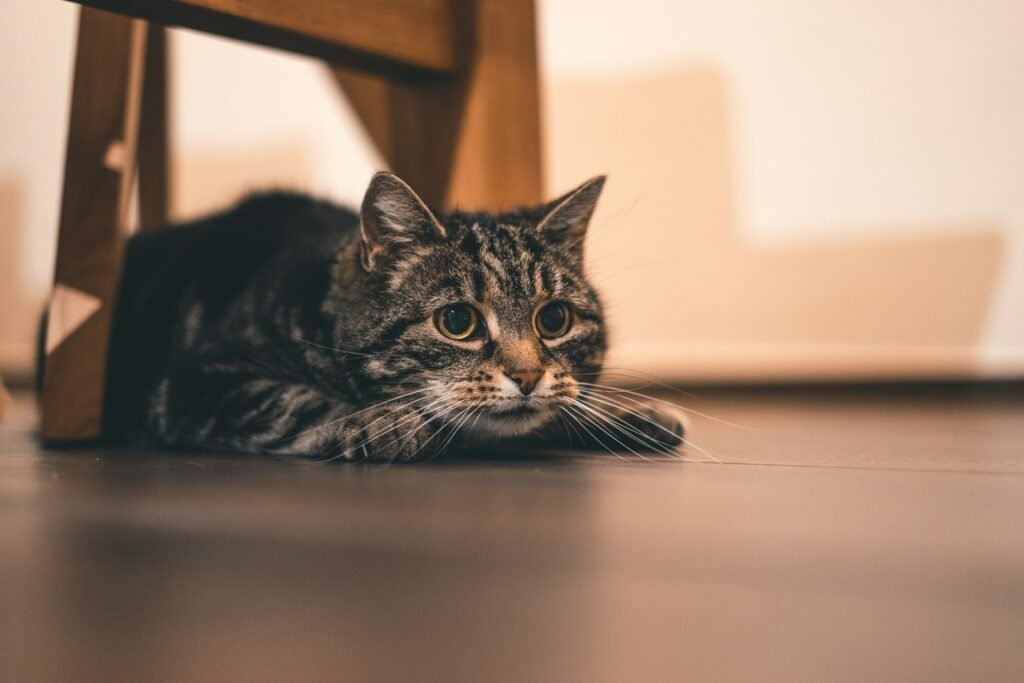
Hunting simulations through play provide cats with psychological satisfaction. It activates the reward pathways in their brain, simulating the natural endorphin rush experienced after a successful hunt, contributing to a happier and healthier pet.
Addressing Potential Behavioral Issues
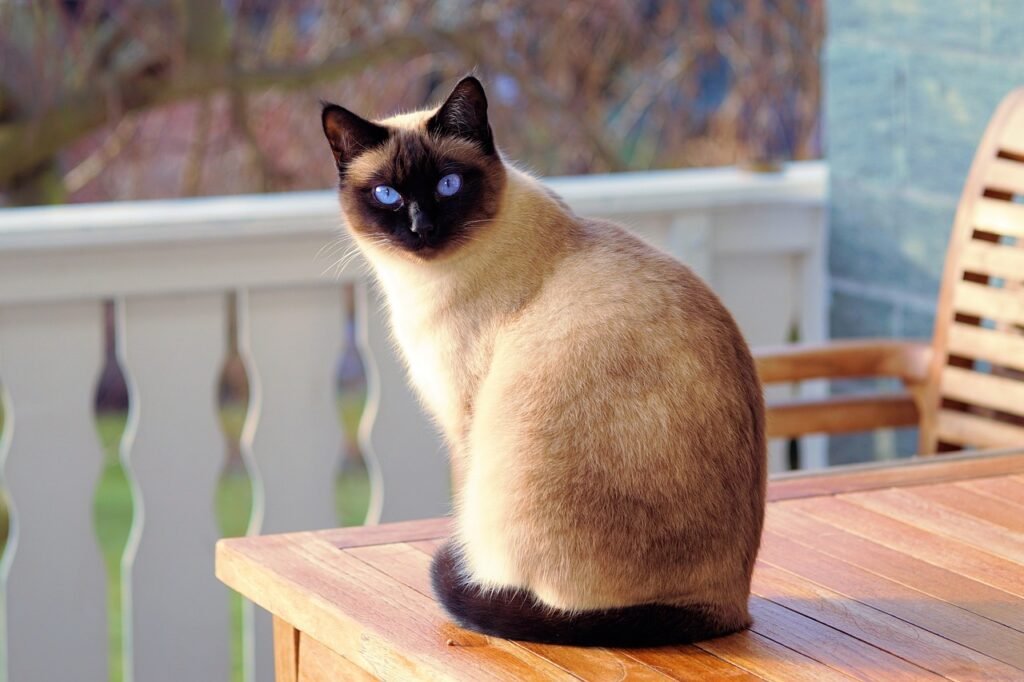
A lack of play can lead to behavior issues such as aggression, anxiety, or destructive habits. Regularly engaging your cat in play sessions can mitigate these issues by providing an outlet for pent-up energy and stress, leading to better overall behavior and demeanor.
Conclusion: Incorporating Play into Daily Routine
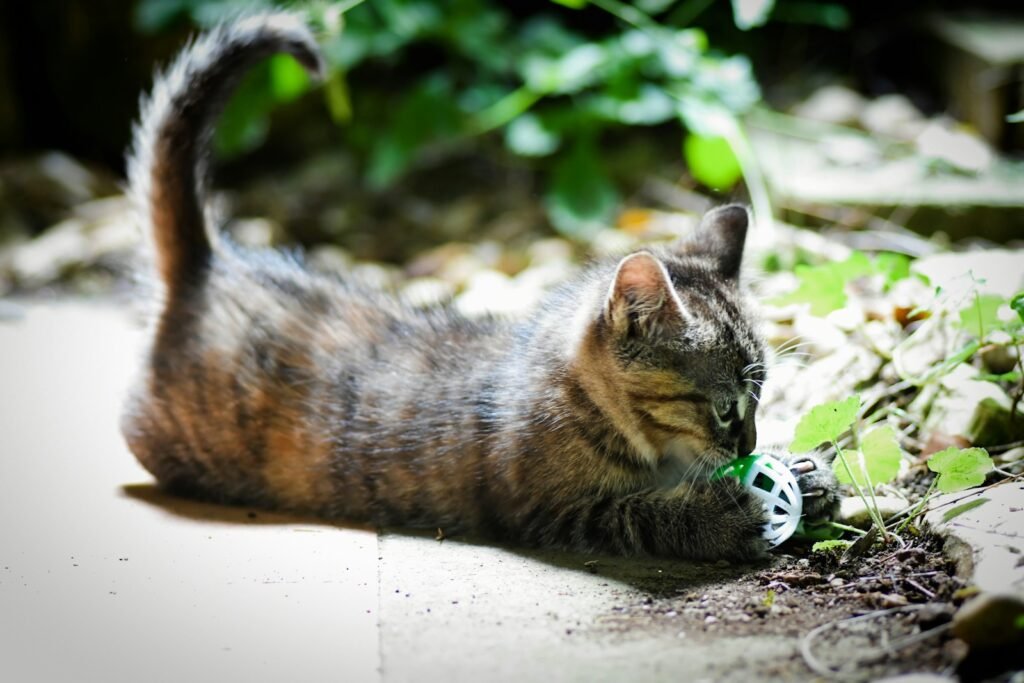
Integrating regular play sessions into your cat’s daily routine is essential for maintaining their physical health and mental well-being. By understanding the role of play in developing a cat’s hunting skills, owners can tailor activities to their pet’s natural tendencies, fostering a fulfilling and enriching environment for their feline companions.
Final Thoughts: Enhancing the Human-Cat Bond Through Play
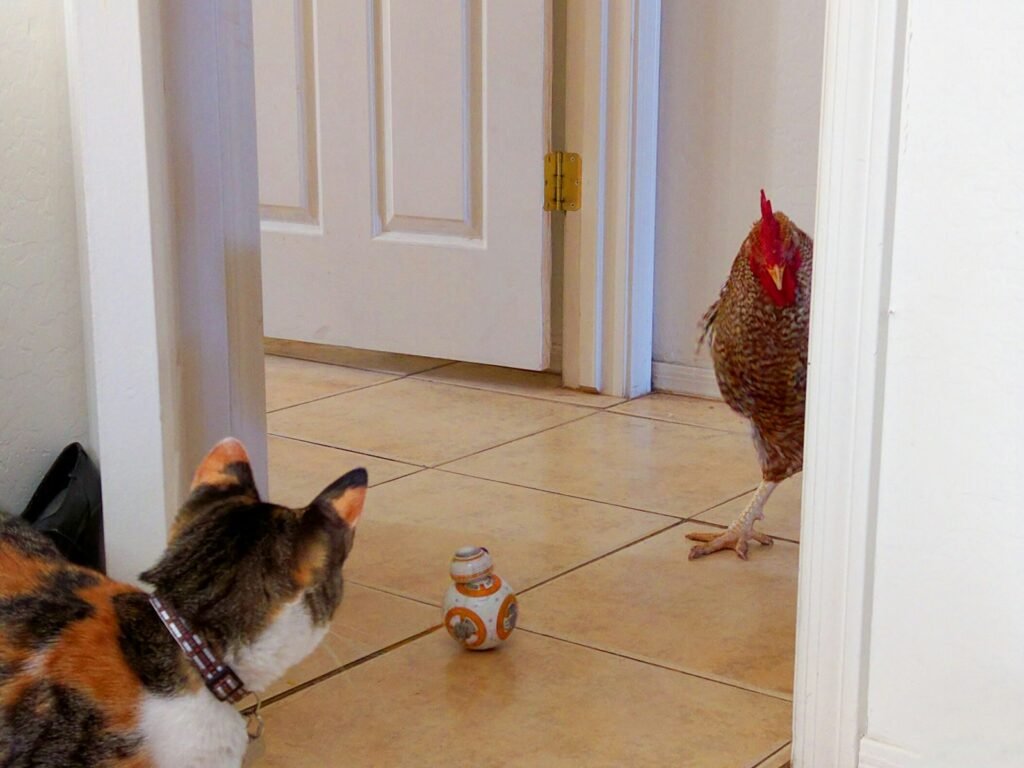
By engaging in play that mimics hunting, cat owners not only contribute to their pets’ development but also strengthen the bond they share with their feline friends. Recognizing and respecting the natural instincts of cats will lead to a more harmonious relationship and a deeper understanding between humans and their beloved pets.
Growing up traveling and experiencing new cultures and wonders, I have had a passion for nature, adventuring, photography, and videography. I am currently working towards a BSc in Biodiversity and Ecology at Stellenbosch University, and I hope to specialise in Marine Sciences one day.
Please send any feedback to Feedback@animalsaroundtheglobe.com