For centuries, the gentle, rhythmic hum of a cat’s purr has intrigued and soothed humans, leaving many to wonder about its origins and purposes. Though often associated with a contented feline, the science behind why cats purr is far more complex and multifaceted. This article delves into the captivating world of cat purring, exploring its various facets, from evolutionary origins to potential healing properties.
The Mechanics of Purring How Cats Produce the Sound
At the heart of a cat’s purr is a unique physiological mechanism. Purring involves the rapid movement of muscles within the larynx, or voice box. As these muscles twitch, they open and close the glottis, a space between the vocal cords. When the cat breathes, the air vibrates through the closing and opening glottis, producing the characteristic sound. The process is typically rhythmic and can occur both while a cat is inhaling and exhaling.
Evolutionary Purposes The Origins of Purring
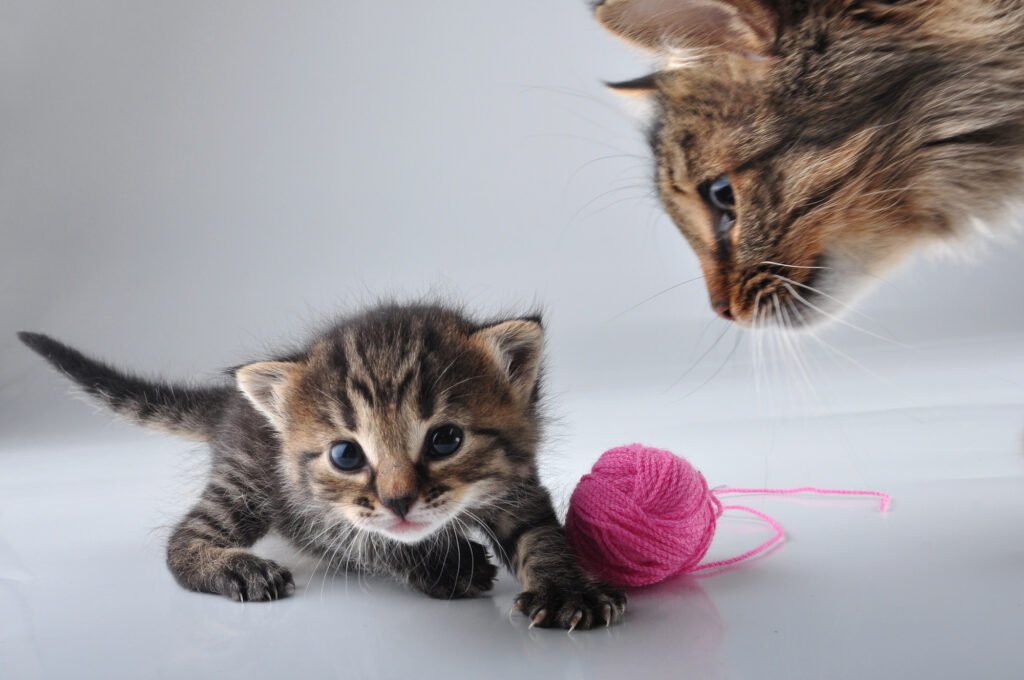
From an evolutionary perspective, purring may have served and continues to serve several survival functions. For kittens, the ability to purr shortly after birth helps them communicate with their mother, signaling their well-being and encouraging bonding. In the wild, the soft sound of purring is also less likely to attract predators, allowing vulnerable cats a stealthy way to communicate.
Communication More Than Just Contentment
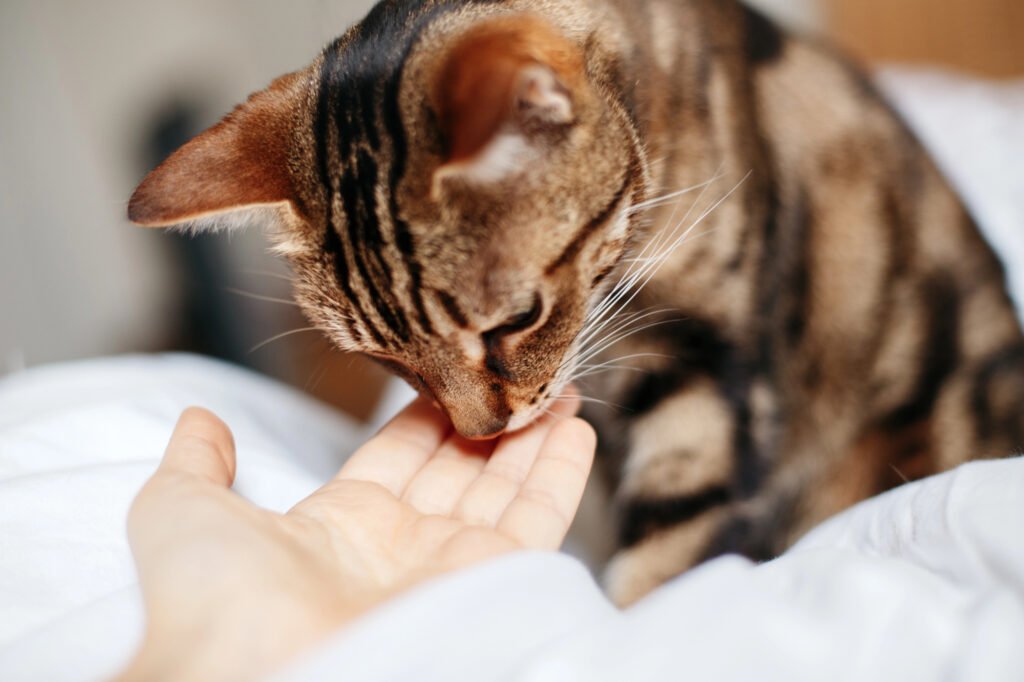
While a content cat curled up in a cozy spot is the classic image of purring, the sound serves as a multi-faceted communication tool. Cats may purr when frightened, stressed, or in pain, utilizing it as a self-soothing mechanism. In some cases, cats will purr loudly when hungry or seeking attention from their human companions.
Healing Vibrations Purring and Pain Relief
An intriguing aspect of purring is its potential role in accelerating healing processes. Research suggests that the low-frequency vibrations of a cat’s purr—ranging from 25 to 150 Hertz—can promote bone density and tissue healing. This therapeutic frequency is thought to reduce inflammation and pain, aiding in recovery following injury.
Human Benefits Cats, Purring, and Stress Reduction

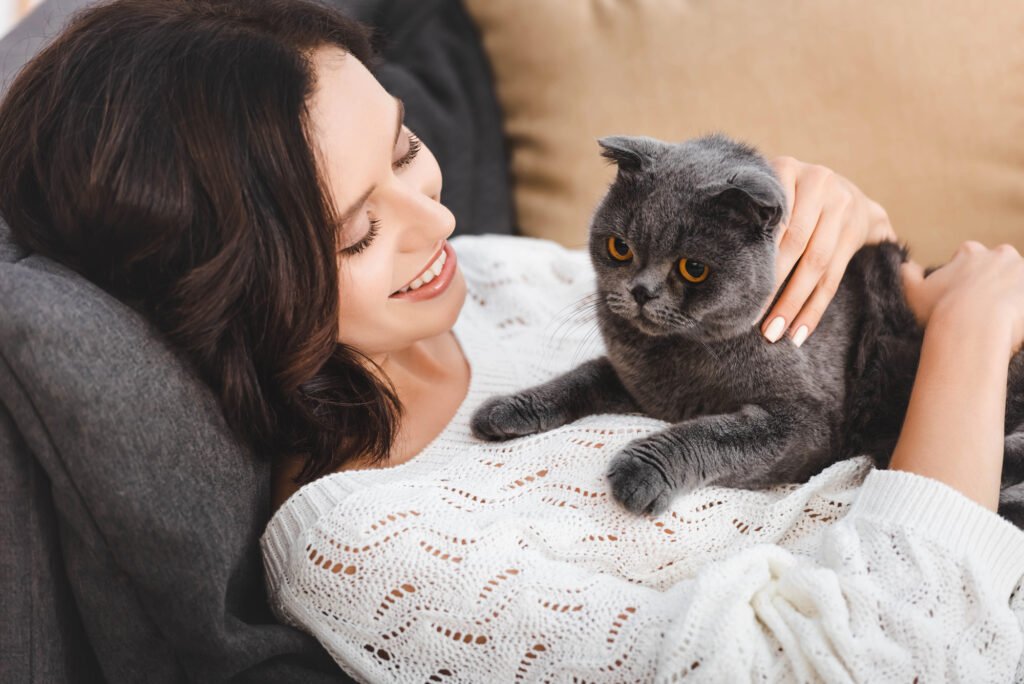
Beyond aiding cats, purring may also have positive effects on humans. Interaction with purring cats can contribute to stress reduction, lowering blood pressure, and releasing endorphins. Petting a purring cat is often associated with a calming effect, potentially offering therapeutic benefits for individuals dealing with anxiety or depression.
Comparative Purring Cats and Other Animals

While domestic cats are the most well-known purveyors of purring, other feline species, like bobcats, cheetahs, and pumas, also purr. Some non-feline animals, such as rabbits and guinea pigs, exhibit similar vibrating sounds. However, the capability and purpose of purring can vary significantly among these species.
Scientific Debates Unanswered Questions in Purring Research
The scientific community continues to explore the mysteries of purring. While much is understood about the mechanics and purposes of purring, researchers still debate certain aspects, such as the extent to which cats control purring consciously and how the behavior originally evolved. Ongoing studies strive to uncover these unknowns.
Observing Purrs What Can Cat Owners Learn?
Cat owners can learn a lot by paying attention to their feline’s purring habits. Observing when and how a cat purrs can provide insight into its emotions and physical health. Regular changes in purring patterns may indicate stress, discomfort, or health issues, prompting a closer look or a visit to the veterinarian.
Conclusion The Enigmatic Charm of the Cat’s Purr
The soothing hum of a cat’s purr continues to be one of nature’s most mysterious and comforting sounds. Beyond its calming effect, the science of purring unveils multifunctionality extending from evolutionary survival to potential health benefits, both for felines and humans. Though science continues to explore this enigma, the purr remains a beautiful reminder of the complex bond between humans and their feline companions.