You’ve probably had this experience. You’re sitting on the couch, minding your own business, and your cat locks eyes with you across the room. Then, slowly, almost ceremonially, those eyes narrow and close for a long, quiet moment before opening again. You blink back without thinking. Something passes between you. But what exactly just happened?
Cats are famously mysterious creatures. They don’t wag their tails in excitement or bark when they’re happy. Their emotional expression is subtle, layered, and easy to miss if you’re not paying attention. The truth is, your cat has been trying to talk to you through their eyes all along. It’s a language so precise, so intentional, that scientists have spent years studying it. Let’s dive into the fascinating, and honestly surprising, world of cat blinks.
The Slow Blink Is Not Just a Blink
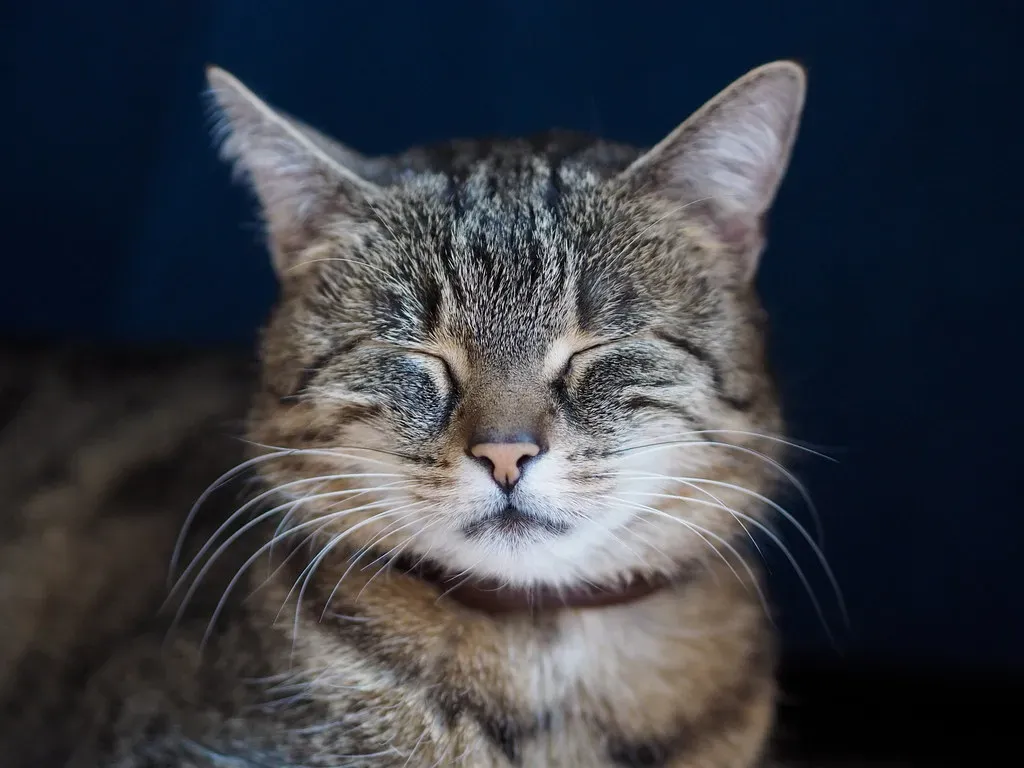
Here’s the thing most people get wrong about cat blinking: they assume it is simply a reflex, the same way we blink to keep our eyes from drying out. It is not. Research published in The Journal of Physiology notes that cat slow blinking, when both the closing and opening of the eyelid happen at a slow pace, differs from the velocity of a typical cat blink. This observation is noteworthy because it shows that slow blinking is not a reflexive movement – it is an intentional behavior.
Think about that for a second. Your cat is choosing to close their eyes around you. In the feline world, closing their eyes in the presence of another creature makes them vulnerable, as they are unable to detect potential threats. By slow blinking at you, your cat is demonstrating their trust in you and signaling that they feel safe and relaxed in your company. That is no small thing from an animal wired to stay alert.
What Science Actually Says About the Cat Blink
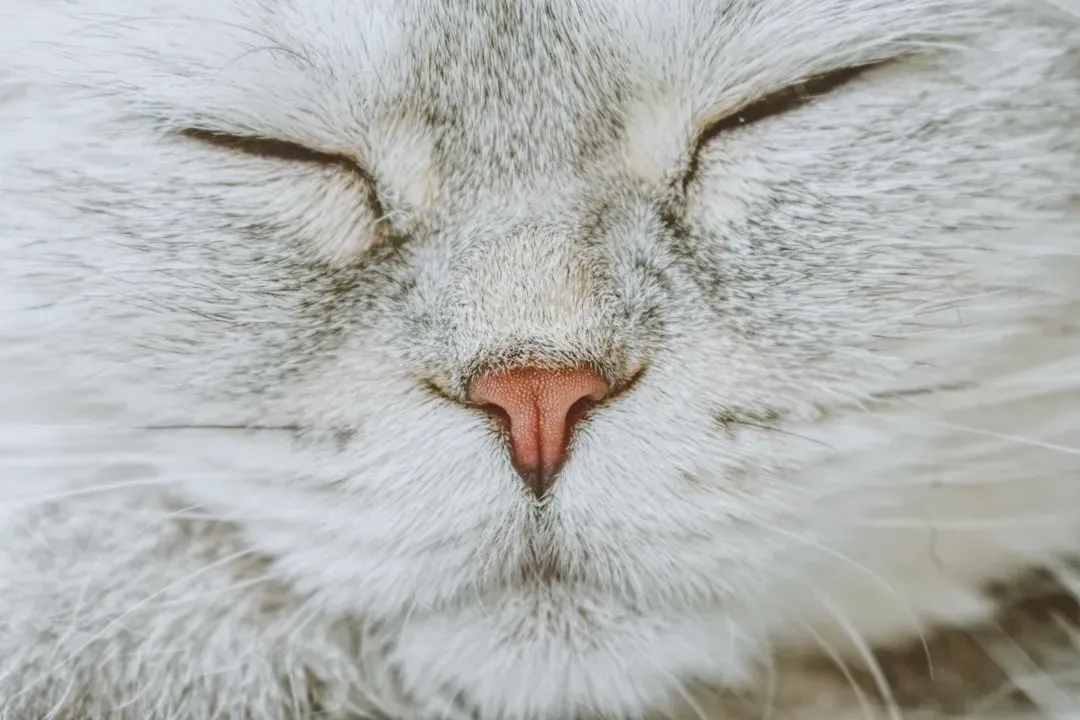
For a long time, the idea that cats communicated affection through blinking was purely anecdotal. Cat owners swore by it, but science had not caught up. That changed. A landmark study provided the first systematic investigation of the role of slow blink behaviour in cat-human communication, showing that slow blink interactions appear to be a positive experience for cats and may be an indicator of positive emotions.
The research, led by scientists at the University of Sussex and the University of Portsmouth, was rigorous and methodical. The first experiment involved 21 cats from 14 different households. Once the cat was settled and comfortable in one spot in their home environment, their owners were instructed to sit about one meter away and slow blink when the cat was looking at them. Cameras recorded both the owner’s and the cat’s faces, and the results were compared to how cats blink with no human interaction. The results were remarkably clear.
Your Cat Is Smiling at You
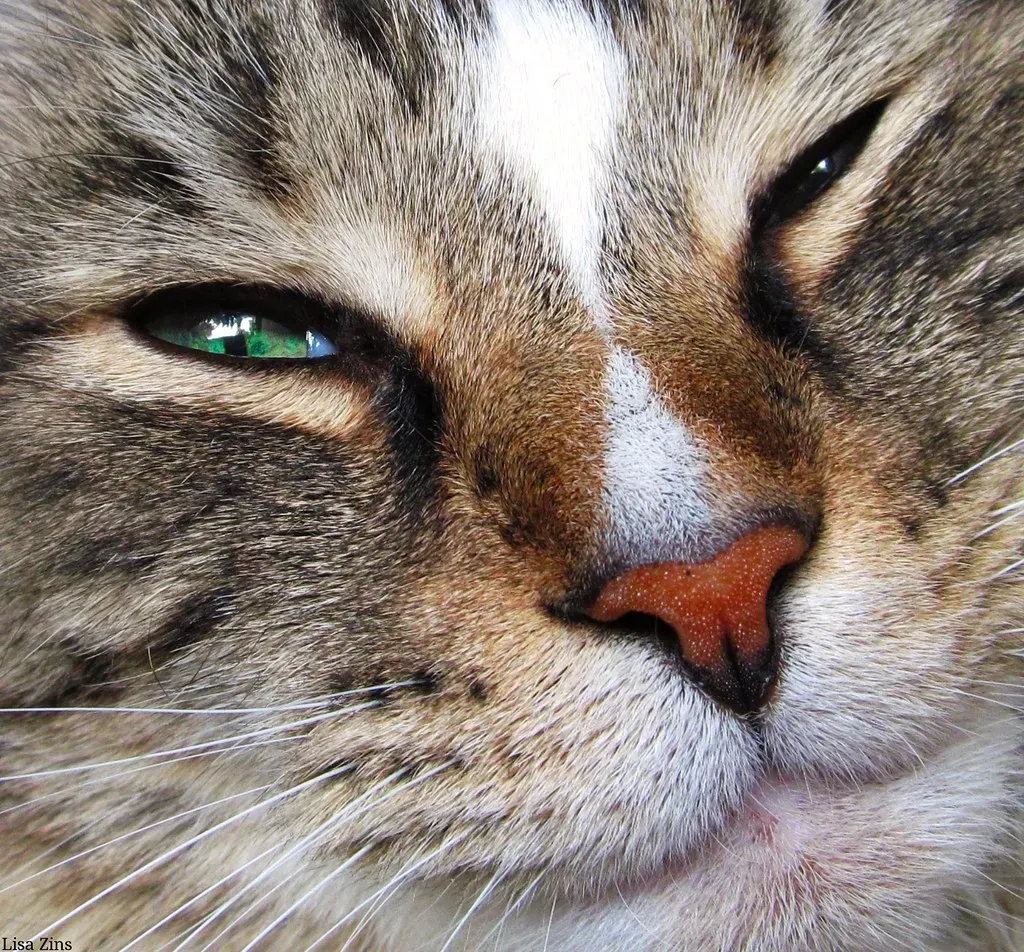
I know it sounds crazy, but that soft, half-closed expression your cat gives you? That is the feline version of a warm smile. This eye-narrowing action by humans generates something popularly known as a cat smile – the so-called slow blink – and seems to make the human more attractive to the cat. Eye narrowing movements in cats have some parallels with the genuine smile in humans, known as the Duchenne smile, as well as eye narrowing movements given in positive situations in some other species.
It gets even more poetic when you think about it cross-species. Narrowing of the eyes, the main characteristic of the slow blink sequence, also features in the positive emotional displays of some other species, including the play and consummatory faces of canids, in horses and cows during stroking, and the human Duchenne smile. So the next time your cat narrows their eyes at you, smile back. In the truest sense, that is exactly what you’re doing.
You Can Actually Talk Back
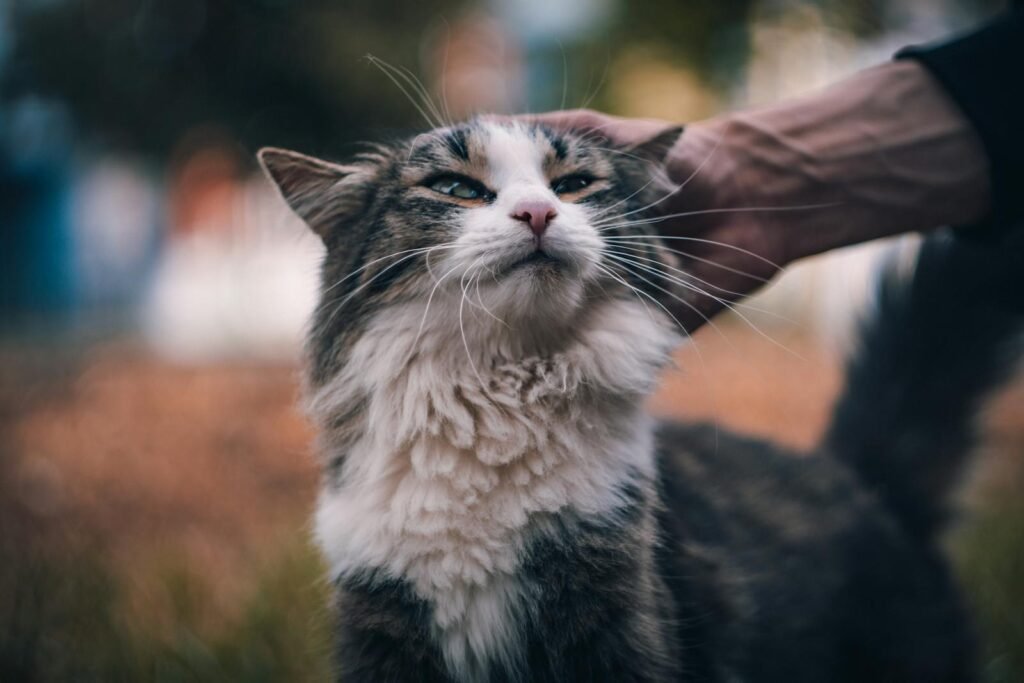
This is where it gets genuinely exciting for cat lovers. The communication is not one-way. The results showed that cats are more likely to slow blink at their humans after their humans have slow blinked at them, compared to the no-interaction condition. You have the power to initiate this exchange yourself, and it works.
Even though cats can normally find visitors unsettling, a separate investigation found that cats were more likely to exhibit slow blinking behavior in response to an unfamiliar person who engaged in slow blinking. They were also more likely to approach the visitor when they held out their hand if the person was also engaging in slow blinking activity. Honestly, that is remarkable. A total stranger can essentially introduce themselves to a cat using only their eyes.
How to Slow Blink the Right Way
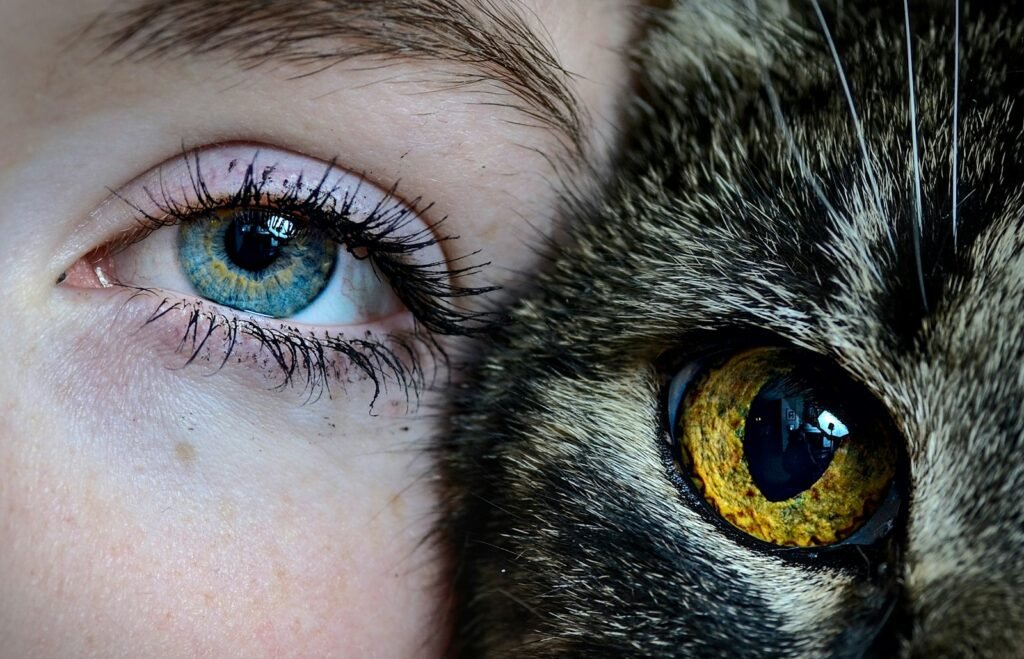
Let’s be real, you can get this wrong. Technique matters. While communicating through slow blinking requires attention and eye contact between humans and cats, it is also recognized that direct eye contact in the form of a prolonged stare can be perceived negatively and as a threatening behavior by cats, so slow blinking needs to be used in a subtle non-confrontational way.
The mechanics are simple but deliberate. Slowly narrow your eyes, as if you are smiling with them, and then close them completely. Hold this closed-eye position for one to two seconds. It should feel like you are blinking in slow motion. Open your eyes slowly and gently glance away, breaking the gaze. Practice it a few times. Your cat will likely stare at you like you have lost your mind the first couple of attempts. Patience is the whole game here.
What Rapid Blinking Means – and Why It Worries
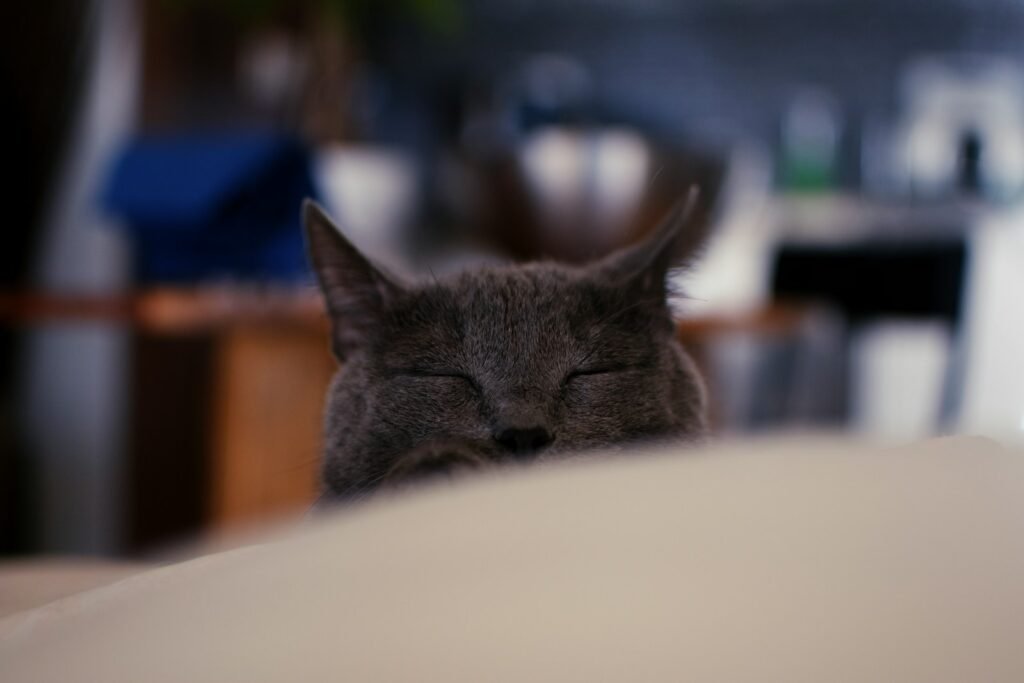
Not every blink from your cat carries warmth. Speed matters enormously when you are reading feline eye language. Rapid blinking can be a sign of a negative or fearful emotional state. During rapid blinking, the eyes close quickly and the eyelids become closed shut, causing crinkling of the skin on the cat’s face. Typically a cat will avoid direct eye contact in potential conflict situations, and when terrified, the blinking rate will intensify because of increased arousal.
If your cat is blinking rapidly, almost like a twitch, it can signal uncertainty, mild stress, or a reaction to an irritant like dust or a strong smell. If you have just introduced a new piece of furniture or a guest is over, this type of blinking might mean your cat is processing the change and feeling slightly uneasy. Context is everything. Pay attention to what changed in the room before the blinking started.
The Unblinking Stare: When Eyes Go Cold
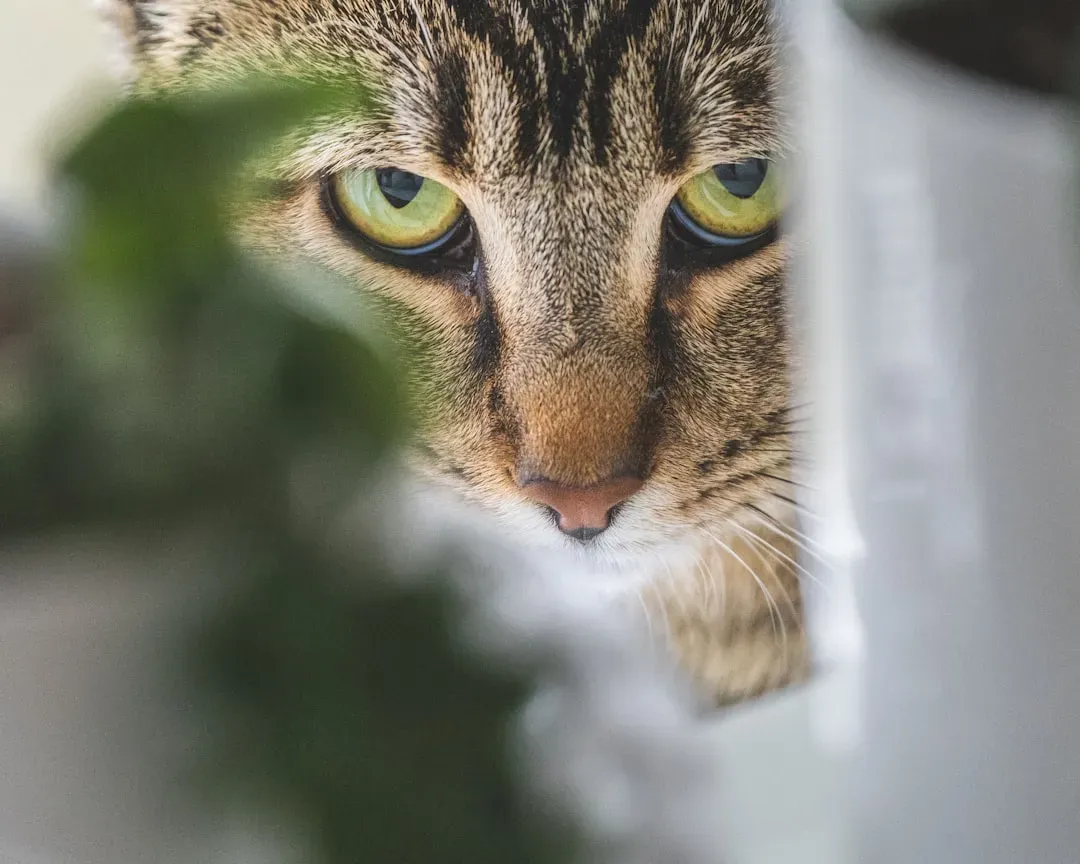
Equally important to understand is what happens when your cat is not blinking at all. The total absence of blinking carries its own loaded message. Cats use their eyes as powerful communication tools. A direct, unblinking stare might signal aggression or challenge, while slow blinking indicates peaceful intentions.
A hard, fixed stare in the cat world is a challenge or a sign of high alert. It is often seen during standoffs between cats or when your cat is in full predator mode, focused on a toy or a bird. If you find yourself on the receiving end of this laser-focused, unblinking gaze, resist the urge to stare back. It will escalate things, not calm them. Look away, offer a slow blink, and let the tension dissolve naturally.
When Blinking Signals a Health Problem
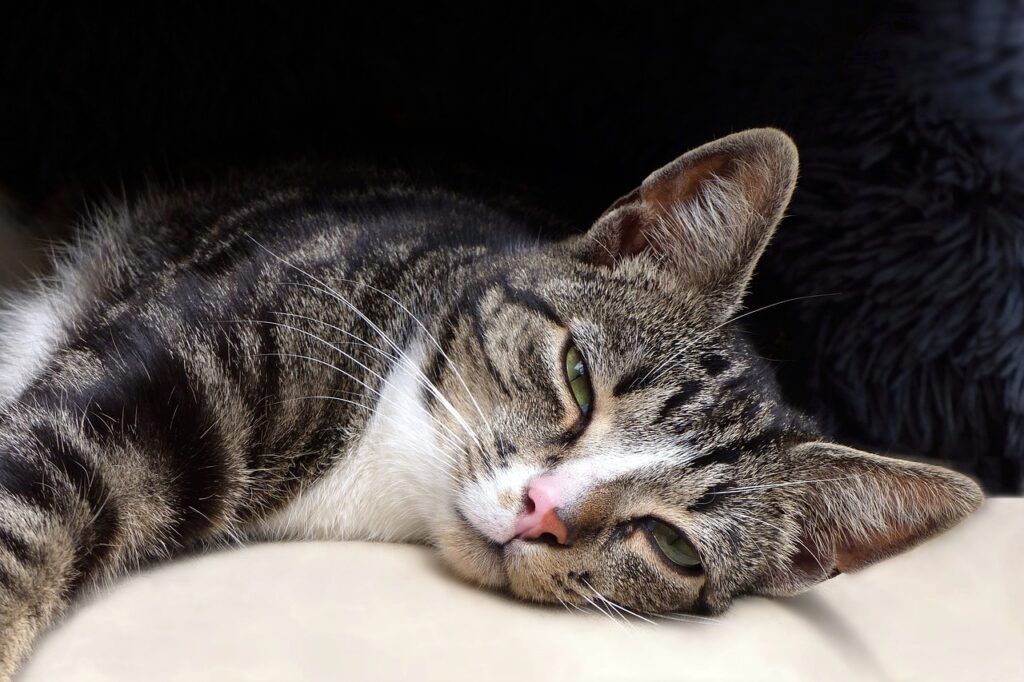
Here is where responsible cat ownership overlaps with all this fascinating behavior science. Not every squint or unusual blinking pattern is a message of trust or fear. Sometimes it is a health alarm. Concern arises with excessive rapid blinking or squinting, especially if it is persistent and one-sided. This type of blinking often indicates pain, an ulcer, or an infection and requires a prompt visit to the veterinarian to diagnose and treat the underlying issue.
Abnormally squinting one or both eyes can be a sign of discomfort due to an eye irritant, injury, or other health condition that is affecting the eyes. Other signs of pain include pawing at the eyes, increased vocalization, loss of appetite, hiding more than usual, and abnormal irritability or aggressiveness. If you notice your cat doing any of these things alongside unusual blinking, do not wait. A vet visit sooner rather than later is always the right call.
The Slow Blink in Shelters: A Survival Tool
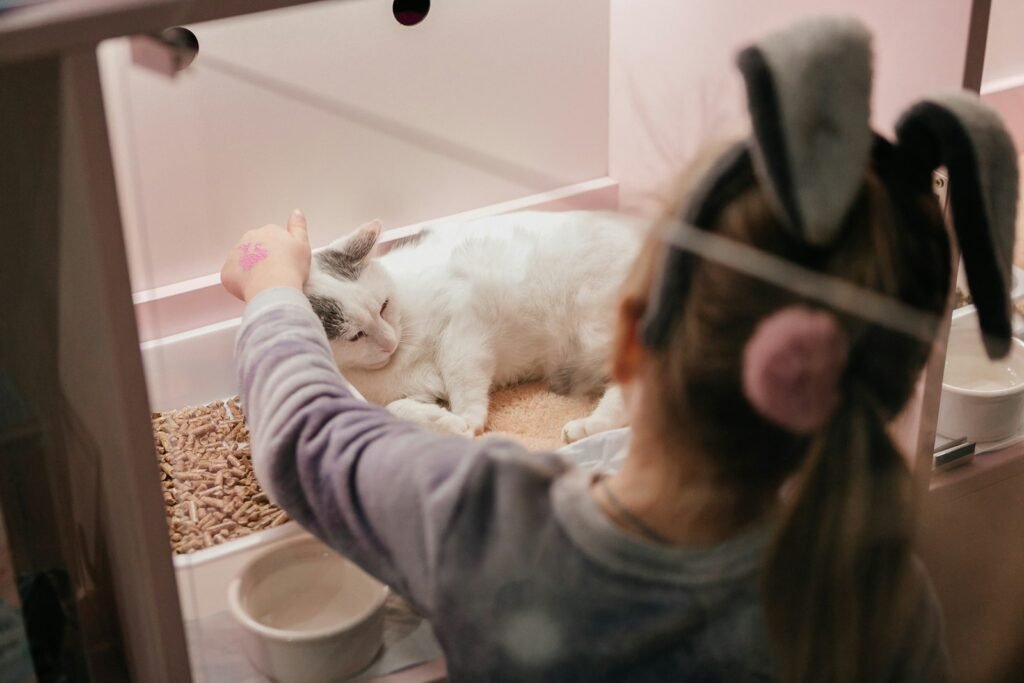
This is one of my favorite details in this whole area of research, and it genuinely surprised me when I first read about it. The slow blink is not just a cozy home behavior. It has real-world consequences for cats who need homes. Research demonstrates for the first time that cats that responded to human slow blinking, specifically by using eye closures, were rehomed quicker than cats that closed their eyes less. This suggests that the use of slow blinking may have given cats a selective advantage during the domestication process.
Even more touching, cats that were identified as more anxious around humans upon arrival at the shelter had a tendency to spend more time producing slow blink sequences. Think about that. A frightened cat, surrounded by strangers in an unfamiliar place, uses the one tool it has to signal, “I mean no harm. Please, take me home.” It is equal parts heartbreaking and beautiful.
Why Cats Developed This Language at All
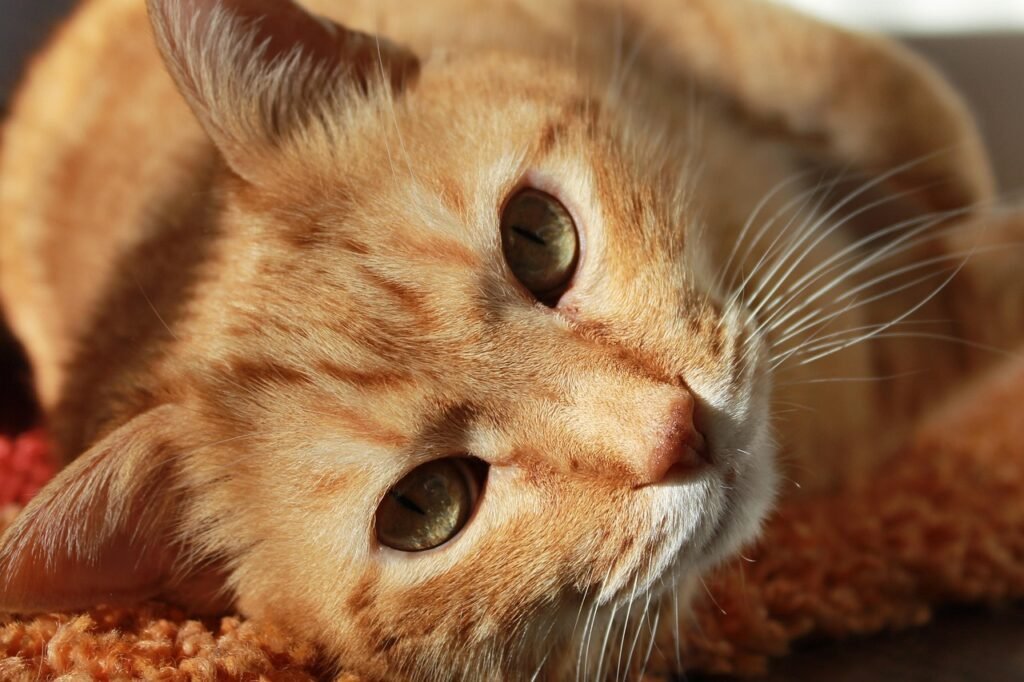
Zoom out and ask the bigger question: why do domestic cats even bother communicating this way with humans at all? Their wild ancestors certainly did not need to. Domestic cats are remarkably adaptable animals and, although they are descendants of the North African wildcat which is largely a solitary species, domestic cats have developed the ability to live alongside other cats and also humans. This means that feline friends have had to develop ways of communicating and understanding both cats and humans.
In other words, living with us changed them. In order to thrive, they had to start noticing their humans’ faces and learning to read social cues. Cats discovered the difference between safe and unsafe situations in a human-centered environment. In a way, they learned our unspoken language. They learned to talk back to us in theirs. The slow blink is not just an instinct. It is a bridge, built over thousands of years of shared life, between two very different species.
Conclusion: The Most Meaningful Moment You Keep Overlooking
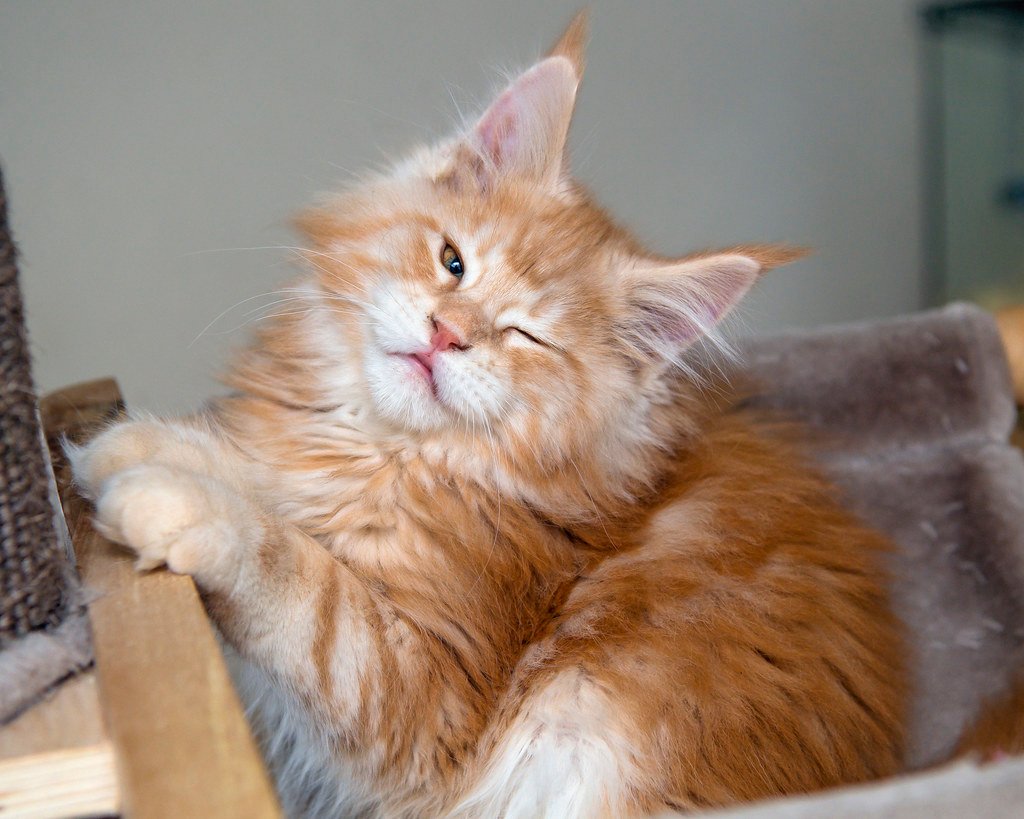
Somewhere right now, a cat is slowly closing their eyes at someone they love. Maybe it is your cat. Maybe it is happening in a shelter where a nervous tabby is doing the only thing they know how to do to reach out. The slow blink is a simple, silent, yet powerful tool for cross-species communication that costs nothing but a moment of your attention. In a world where we often rely on words, this non-verbal exchange is a beautiful reminder of the pure connection we can share with our animals.
The next time your cat catches your eye and offers that gentle, deliberate eye-close, you know what to do. Learning this small gesture opens a window into how cats feel safe, understood, and emotionally attuned to the humans around them. Blink back. Slowly. Softly. And know that, in that quiet exchange, something genuinely profound just passed between you.
Have you tried slow blinking with your cat yet? What happened when you did? Share your experience in the comments – you might just help another cat lover unlock a whole new conversation with their feline companion.