Most cat owners spend years living with their feline companions and still feel like they’re reading a book written in a foreign language. Your cat isn’t ignoring you. Your cat isn’t being mysterious just to frustrate you. It’s speaking to you constantly, and honestly, the conversation is happening right above their eyes. Those little triangular ears are doing a lot more than just hearing things.
Despite the fact that cats can’t talk in the traditional way, they are extremely good at communicating using their body, and one type of body language especially worth learning is ear positions. Think of it like learning a new dialect. Once you crack the code, the whole relationship changes. So let’s dive in, because your cat has been waiting for you to understand this for a while.
The Remarkable Anatomy Behind the Movement
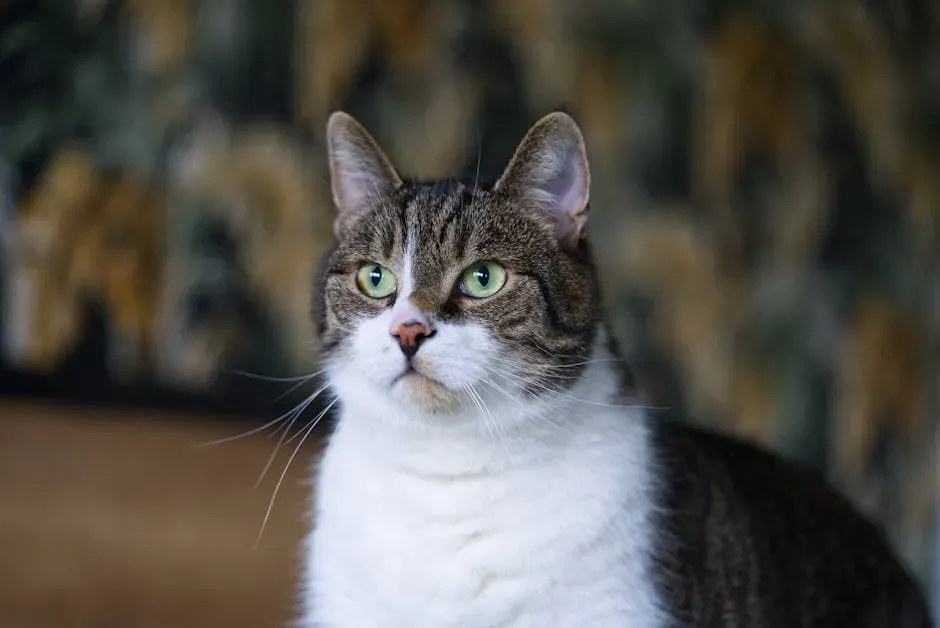
Before you can decode what your cat’s ears are saying, it helps to understand just how extraordinary those little structures actually are. Cats have 32 muscles that control the pinna of each ear, allowing for incredibly precise movements. The pinna is the outer part of the ear that funnels sound waves into the ear canal. Cats can move each ear separately, rotating them around 180 degrees, enabling them to detect sounds from multiple directions simultaneously, a bit like radar.
This nimble ear movement serves a critical purpose in sound localization. Through subtle calculations of the tiny differences in sound arrival times between each ear, cats can pinpoint the precise origin of a sound. This remarkable skill is a cornerstone of their hunting ability, enabling them to stealthily track prey with unparalleled precision. I think it’s genuinely mind-blowing when you stop to compare that to humans, who can barely wiggle their ears at all. We really got the short end of that evolutionary stick.
The Neutral Position: Your Cat’s Default “Happy Face”
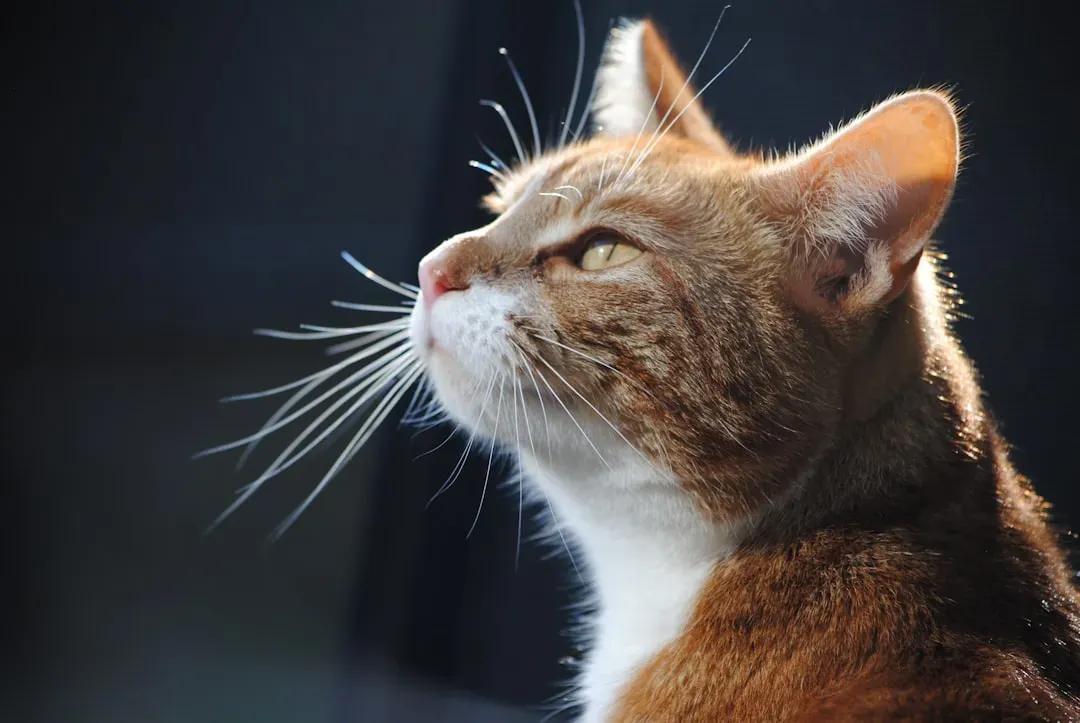
When your cat’s ears are facing forward in a relaxed position, it’s a sign of contentment and comfort. This neutral position indicates your cat feels safe and at ease in their environment. You’ll often notice this position during peaceful moments, such as when your cat is enjoying gentle pets or lounging in their favorite spot. It’s the feline equivalent of a contented sigh on the couch after a long day.
When your cat’s ears rest in a natural, upright but relaxed position, it signals comfort and confidence. This is the neutral setting for a happy cat. When your cat’s ears are in neutral, it’s a great time to take advantage of their friendly mood, so now’s the time to carefully pick up that cat and get your snuggles! Basically, neutral ears are your green light. Don’t miss them.
Ears Forward and Alert: Curiosity Has Taken Over
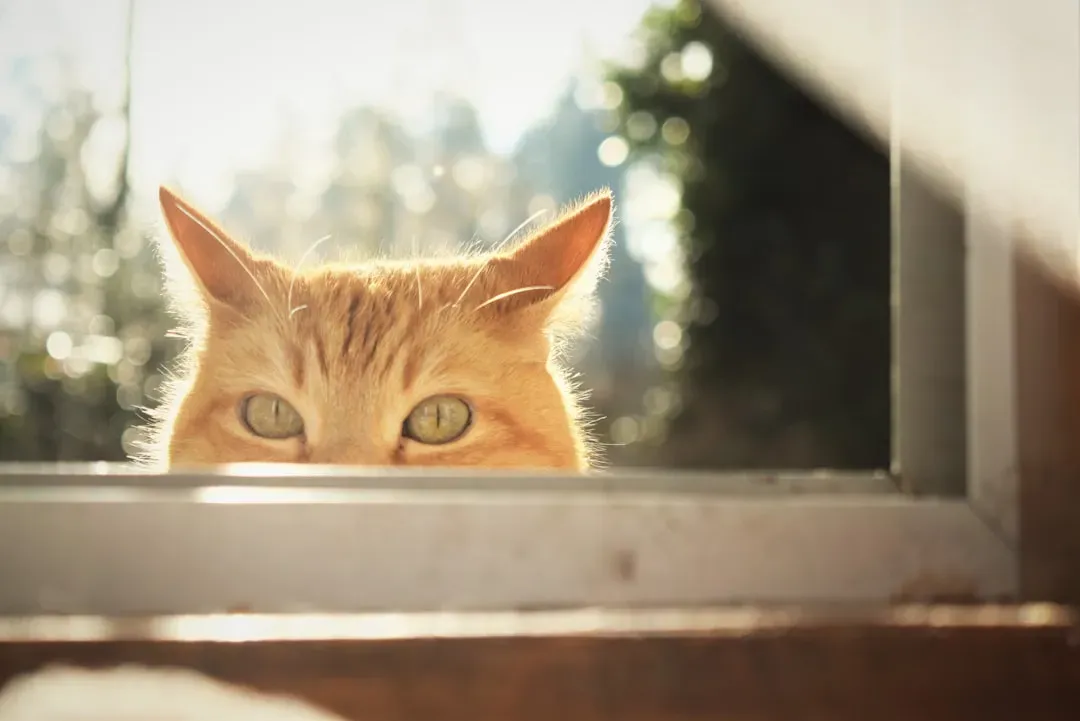
Ears positioned straight up and forward signal that your cat is highly alert and interested in something. This position helps them gather maximum auditory information about their surroundings. You might notice this when they hear an unfamiliar sound or spot potential prey, like a bird outside the window. If you’ve ever watched your cat zero in on a fly buzzing against the ceiling, you’ve seen this look. It’s pure, focused intensity.
A confident, curious cat or one who is hunting or playing will also keep their ears forward to collect as much auditory information as possible to execute a successful pounce. Cat ears that are tilted forward and upright signal interest in their surroundings, often seen when your cat is exploring a new environment, watching birds outside, or engaged in play. When you see those ears pointing forward, your cat is fully switched on. Match their energy if you want to play, or simply enjoy watching their inner hunter come alive.
The Swiveling Radar: When Both Ears Go in Different Directions

Your cat is attentive to different sounds and feeling ambivalent about where to focus full attention. For example, your cat may be watching birds at the window and hear you open a drawer in the kitchen. One ear stays tuned to the birds while the other swivels to hear what’s happening. There’s a moment of indecision going on. It sounds almost comical when you picture it, but it’s actually a stunning feat of multitasking.
When one ear is tilted to the side while the other remains forward, your cat is likely focusing on a specific sound or stimulus. This asymmetrical position helps them pinpoint the exact location of interesting noises in their environment. Let’s be real, this is one of those moments where you realize your cat is operating on a completely different sensory plane than you are. Respect it.
Airplane Ears: The Warning You Shouldn’t Ignore
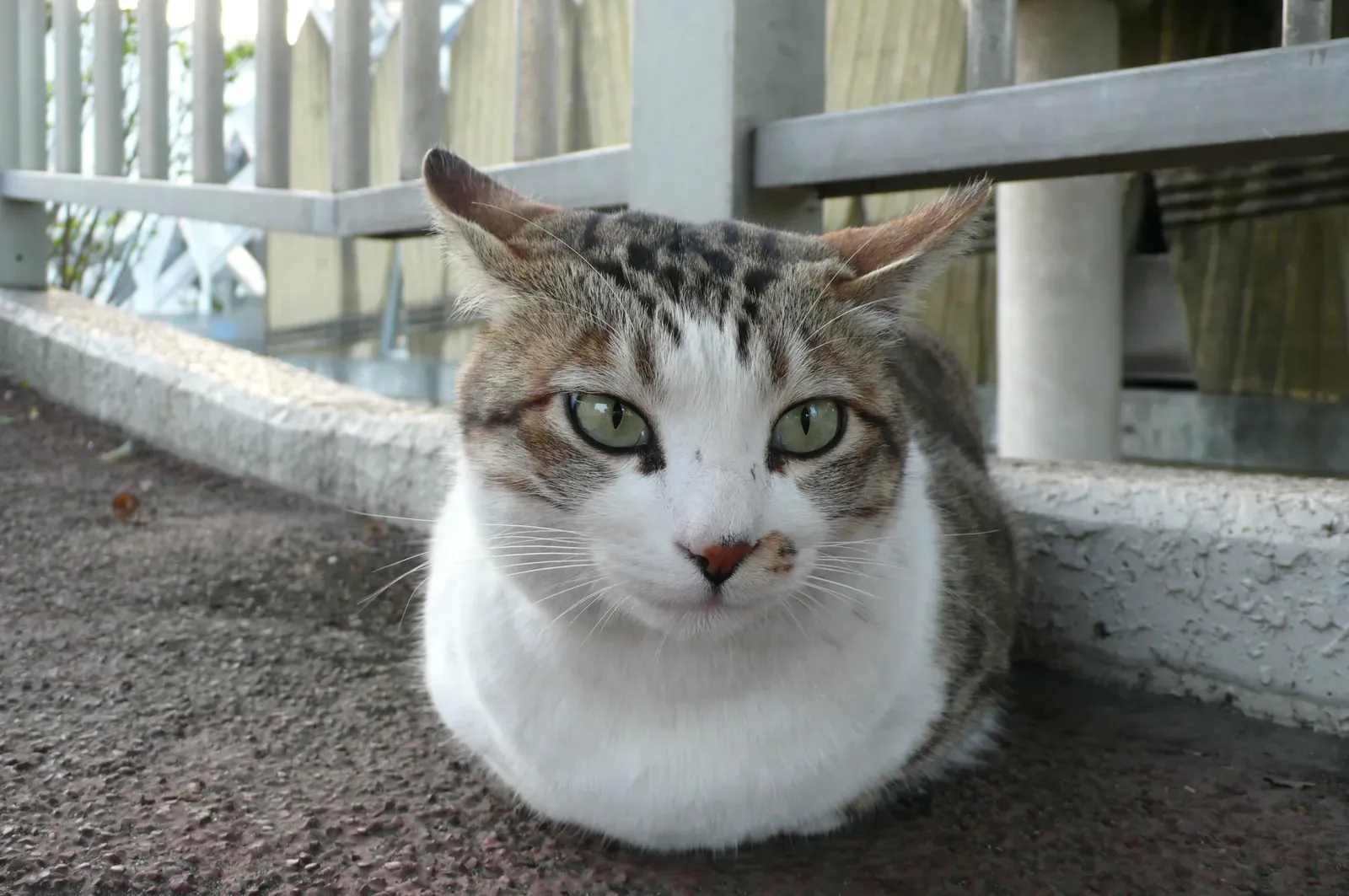
When your cat’s ears rotate to the sides, resembling airplane wings, it’s often a sign of anxiety or irritation. This position serves as a warning signal and indicates your cat may need space. Watch for other body language cues that might accompany this position, such as a twitching tail or dilated pupils. Think of it as your cat raising a yellow flag in a race. Things haven’t gone red yet, but slow down.
Sideways or “airplane ears,” where the ears tilt outward or sideways, often suggest uncertainty or overstimulation. It’s a common position when a cat feels conflicted, torn between curiosity and caution. During petting, if your cat’s ears begin to turn sideways, it’s a sign they might be getting overstimulated. Cats who love affection one moment can become overwhelmed the next. Honor that signal, or you’ll almost certainly find out the hard way what comes next.
Flattened Ears: The Loudest Silent Alarm

This is one of the most serious ear positions to watch for. Ears pressed flat against the head indicate fear, extreme stress, or aggressive intentions. If you notice this position, it’s best to give your cat space and avoid direct interaction until they calm down. There’s no ambiguity here. Your cat is not in the mood, and pressing the issue will not end well for either of you.
This movement not only signals an aggressive stance, but also protects sensitive ears against potential injury from teeth and claws should a fight ensue. The angrier the cat, the flatter the ears. Flat back ears indicate extreme fear and readiness to attack. In this defensive posture, do not approach the cat, as it may perceive any advances as a threat. It’s essentially your cat’s way of saying “conversation over.” And you should listen.
Ears Tilted Back but Not Flat: Reading the Middle Ground

When a cat’s ears are beginning to angle backwards, they may be feeling uncertain or mildly irritated. If you’re petting your cat and notice this change in their body language, it’s a sign they may not be enjoying the interaction as much as you think. Best to put it to a stop. This is the gray zone that so many cat owners miss entirely. It happens fast and quietly, somewhere between content and done.
As a cat grows apprehensive, nervous, fearful, or stressed, ears swivel from erect to sideways and begin to flatten slightly. If fear, anxiety, or stress intensifies, the ears flatten more. Consider flattening a warning to stop what you’re doing that may be causing the agitation. Think of it like a dimmer switch. You don’t have to wait for the lights to go all the way off to know it’s getting dark.
Twitching and Rotating Ears: Sensory Overload or Health Warning?
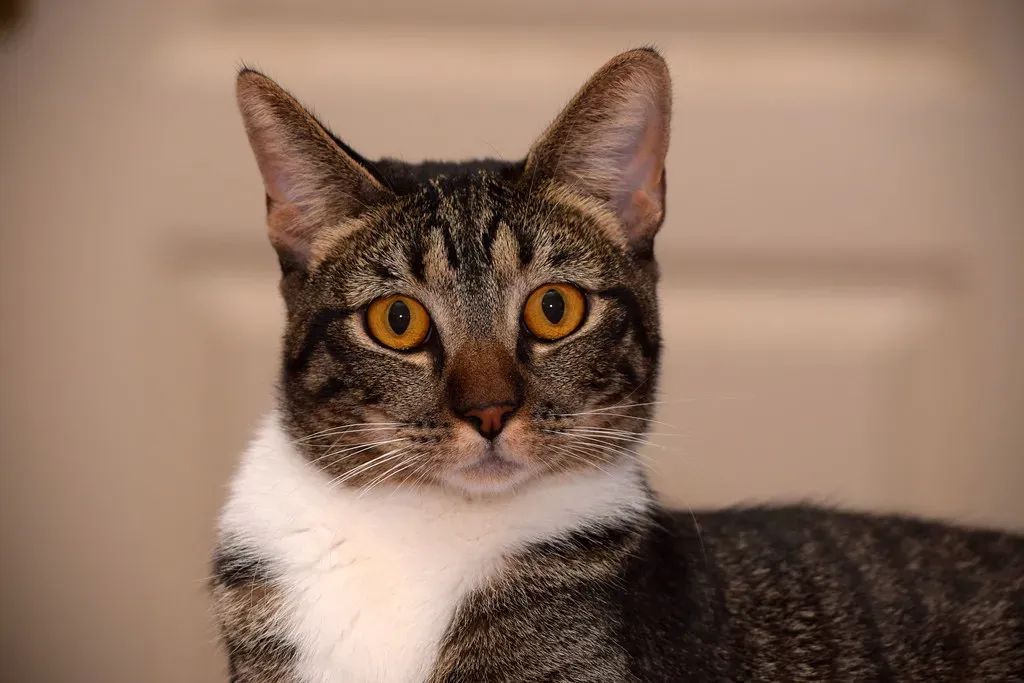
If your cat’s ears are rapidly twitching or rotating back and forth, they’re processing multiple sounds at once. Cats have incredibly sensitive hearing and can pick up high-frequency noises humans miss, such as electronic hums or distant footsteps. If your cat’s ears are twitching, there may be something particularly annoying in the environment, such as a buzzing fly. Alternatively, twitching ears can also be seen when a cat is dreaming in deep REM sleep!
Here’s the thing, though: not every twitch is harmless. Regular ear movement usually indicates active listening and environmental awareness. However, excessive twitching combined with ear scratching might signal medical issues like ear mites or infections. If you notice your cat continually tilting their head in one direction, repeatedly shaking their head, or scratching their ears, schedule a visit with your vet for a checkup. It’s hard to say for sure just from watching, so when in doubt, get it checked out.
Reading the Whole Picture: Ears Are Just One Piece of the Puzzle
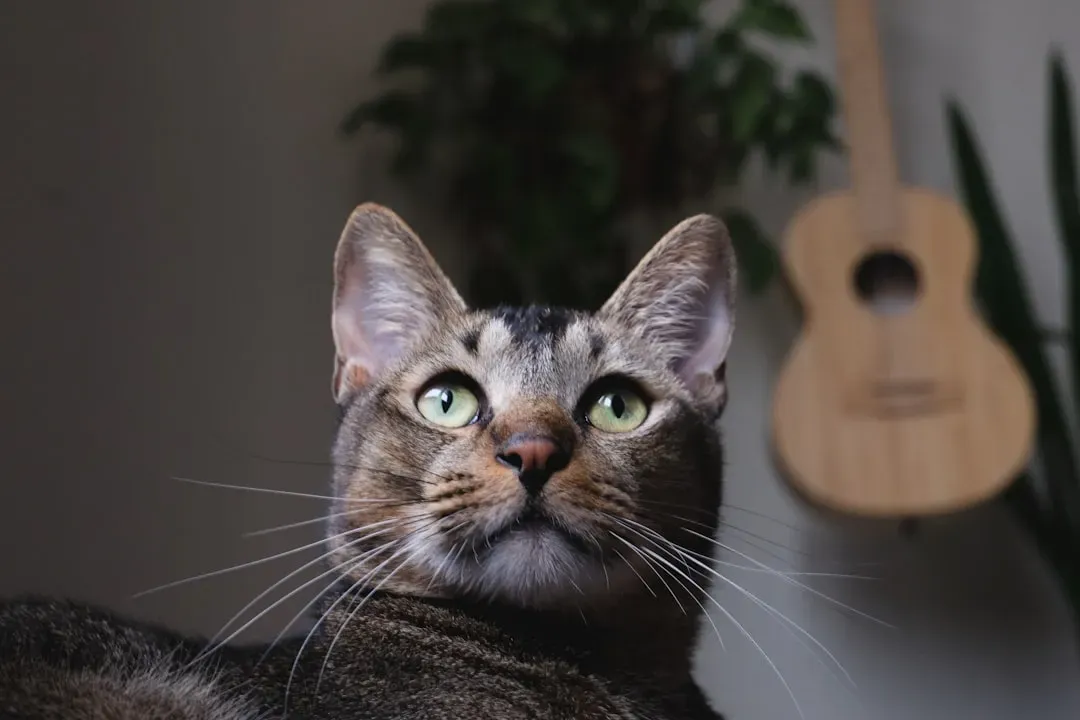
Ears alone don’t tell the whole story. For accurate interpretation, look at your cat’s entire body language, since tail, eyes, whiskers, and posture all work together. Cats rarely communicate with just one signal. Instead, they combine ears, eyes, tails, and posture into a full message. For example, forward ears plus an upright tail plus a slow blink equals a relaxed, friendly cat. Pinned ears plus dilated pupils plus a lashing tail equals agitation and a signal to give space.
By paying attention to these subtle yet important signals, you can better understand your feline companion’s needs and emotions, leading to a stronger and more harmonious relationship. Remember that ear positions are just one part of your cat’s complete body language system. For the most accurate reading of your cat’s mood, always consider ear positions in conjunction with other behavioral cues like tail position, body posture, and vocalizations. Your cat is essentially running a full-body broadcast at all times. Tune in properly, and you’ll never feel like you’re guessing again.
Conclusion: Your Cat Has Been Talking All Along
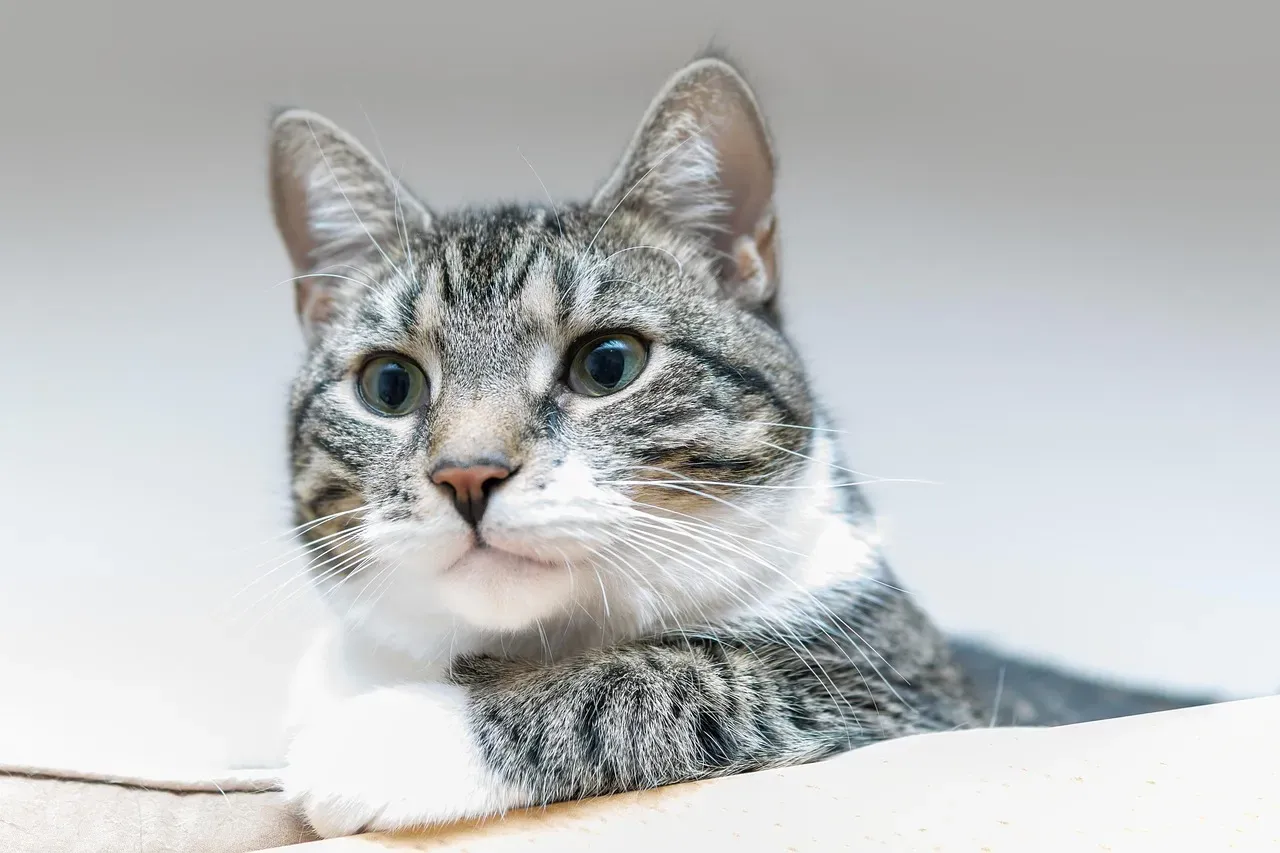
Honestly, one of the most rewarding shifts any cat owner can make is deciding to genuinely pay attention. Not just to the obvious hisses and purrs, but to the quiet, rapid story being told by two small, mobile triangles on top of your cat’s head. Interpreting cat ear positions isn’t just about curiosity. It’s about connection. When you understand your cat’s subtle signals, you respond more appropriately to their needs. Over time, your attentiveness builds a silent language of mutual understanding.
Understanding cat body language gives you insight into your cat’s emotions, helps prevent misunderstandings, and strengthens the bond you share. Respecting a cat’s body language is essential in establishing a trusting relationship. By observing and interpreting their ear and whisker positions, eye cues, tail movements, and behaviors, you can develop deep, long-term connections. The relationship you build with your cat when you actually listen to them is something else entirely. So the next time your cat glances over at you with those ears perfectly relaxed and forward, know that you’re getting a compliment. Have you been missing these signals all along?