You’ve probably settled into your couch at the end of a long day, felt your cat curl up beside you, and assumed that low, rumbling hum meant everything in the world was just fine. It’s a comforting thought. But here’s the thing – your cat might be telling you something completely different, and you’d never know it.
That gentle vibration you feel through your fingertips is one of the most misunderstood forms of animal communication in the world. The purr carries layers of meaning that most cat owners never even realize exist. It’s not a simple dial with “happy” on one end and “unhappy” on the other. It’s something far more nuanced, and honestly, far more fascinating.
So let’s dive in.
The Surprising Mechanics Behind That Rumbling Sound
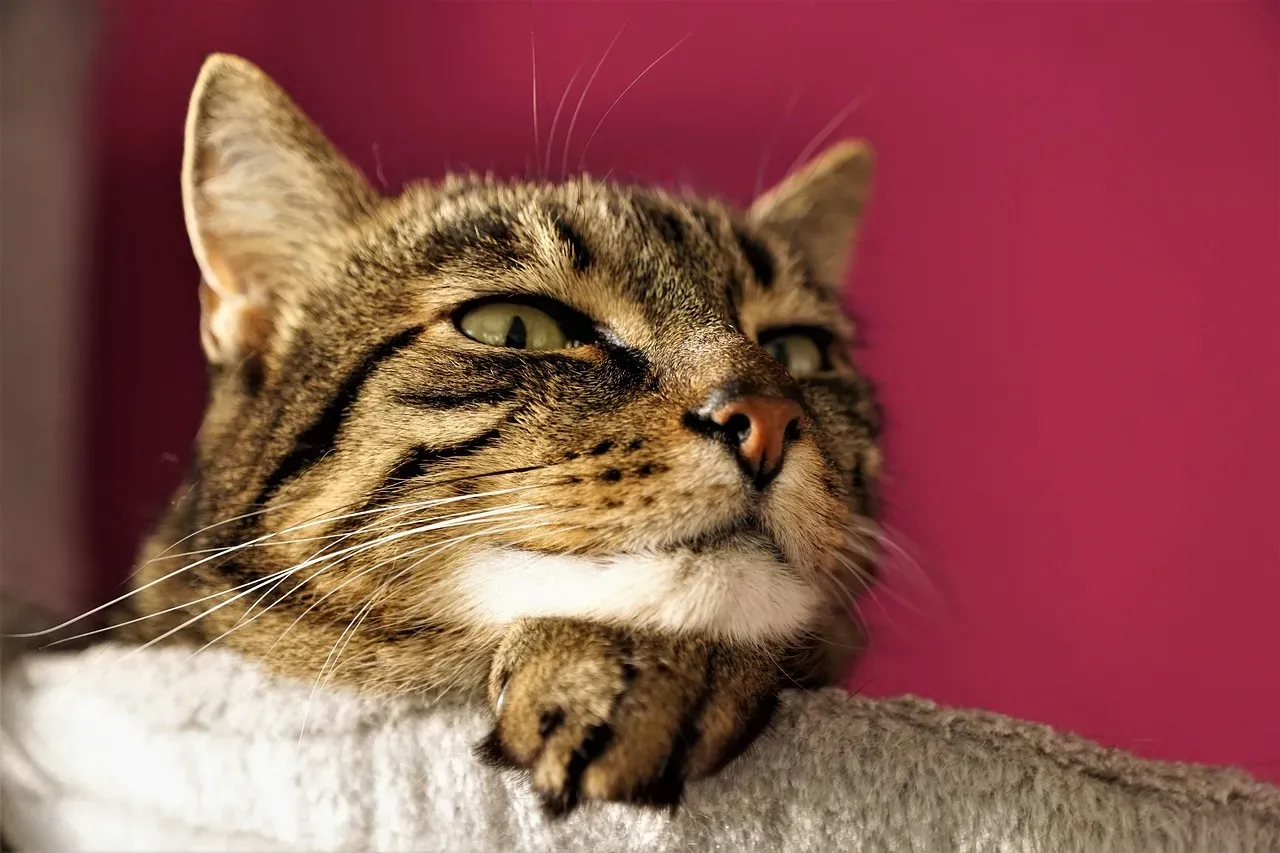
Before you can decode what a purr means, it helps to understand what’s actually happening inside your cat’s body when they produce it. Purring involves specific anatomical and physiological mechanisms. The sound originates from the rapid contraction and relaxation of the muscles within a cat’s larynx, which causes the vocal cords to separate, creating a rhythmic and consistent sound. Think of it like a tiny engine running inside your cat’s throat, cycling on every breath.
The purr is not produced by the vocal cords alone. It comes from a neural oscillator in the brain that triggers the muscles in the larynx to twitch rapidly. This opens and closes the glottis twenty to thirty times per second. Uniquely, cats can purr on both the inhale and the exhale, creating a continuous sound. That’s something no other common household pet can do. Your dog can’t do it. Your hamster definitely can’t do it. It’s a feline superpower that’s been evolving for thousands of years.
When Purring Means Exactly What You Think It Does
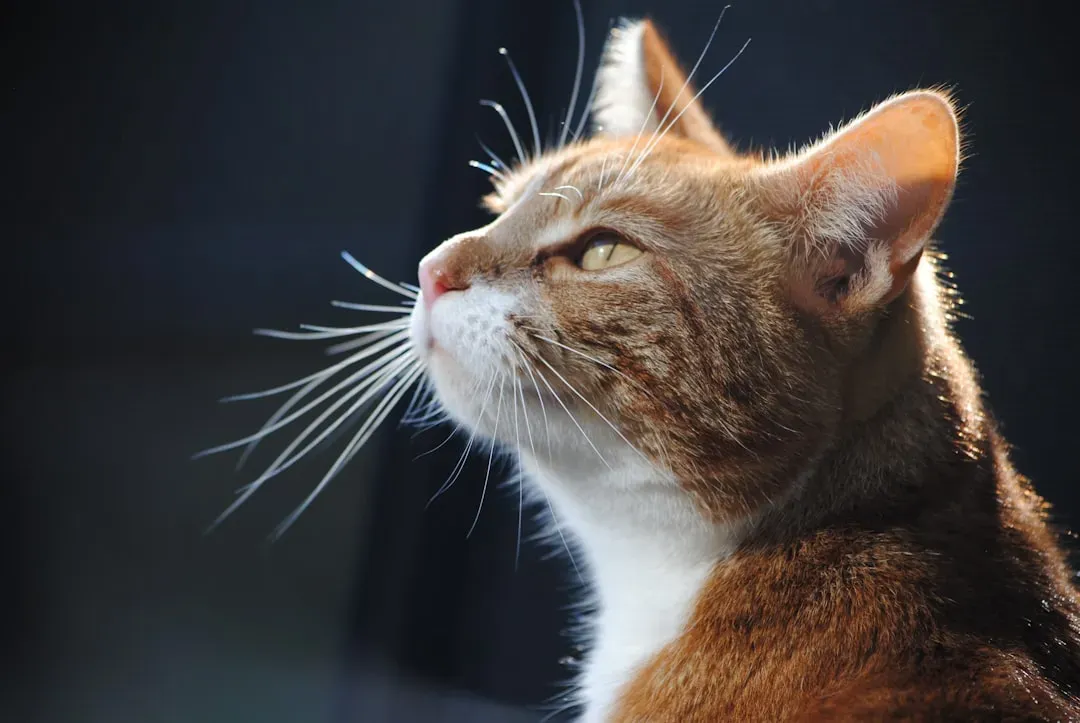
Let’s be real – most of the time, a purring cat is indeed a content one. One of the most well-known reasons cats purr is to express contentment and comfort. When your cat curls up on your lap, closes their eyes, and begins to purr, they are clearly indicating that they feel safe, happy, and relaxed. This is the classic image most of us grew up with, and it’s absolutely a real thing.
Cats will purr when they feel relaxed, comfortable, and content with the world. When your cat cuddles up against you and purrs, it’s just enjoying its time with you. A content, happy cat may also close its eyes, relax its tail, and expose their belly to you. That full-body softness, the slow blink, the total surrender of tension – that’s the real deal. It’s your cat saying, without a single word, that they trust you completely.
The Purr That Hides Anxiety and Stress
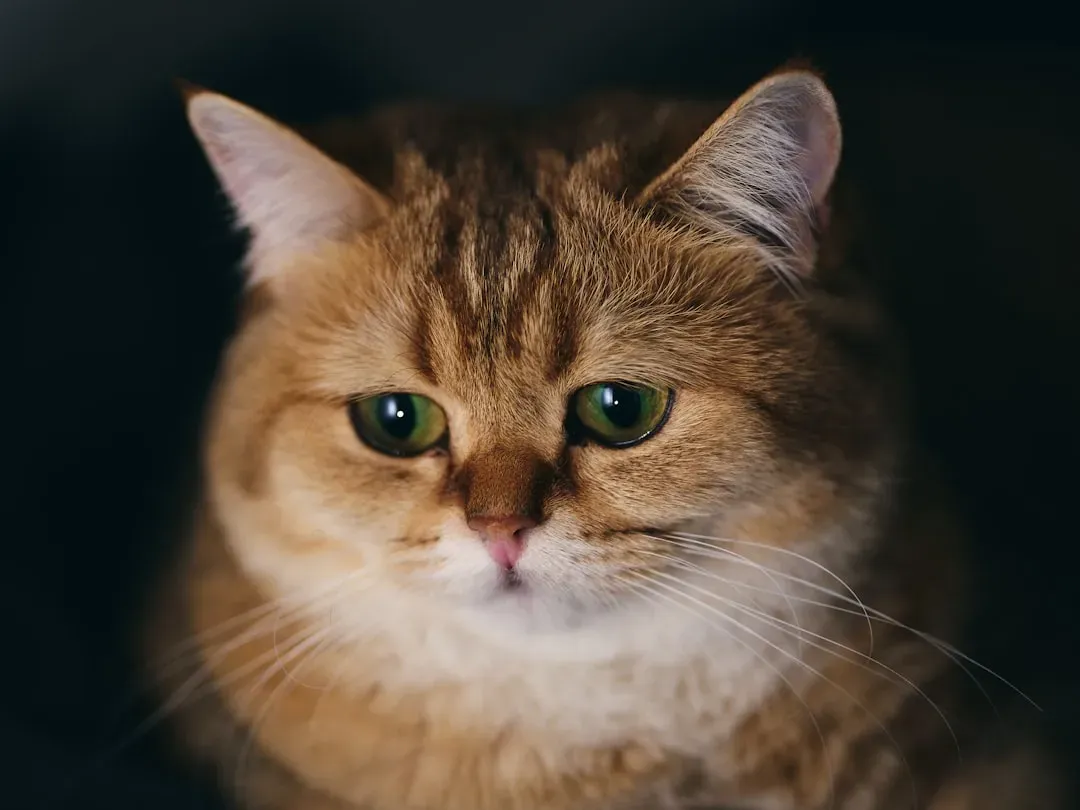
Here’s where it starts to get a little unsettling. Some cats purr when they are anxious. They may walk around the house alternating between purring and meowing. This may be a coping mechanism to help reduce their anxiety. Imagine someone nervously humming to themselves while pacing a waiting room. That’s essentially what your cat might be doing.
Cats don’t always purr out of happiness. In some situations, a cat may make a purring sound for the same reasons a young child sucks their thumb – it’s a way to self-soothe if they’re feeling stressed out or out of control. Other cats may purr when they are being examined by a veterinarian or once they get home from the veterinary clinic. If your cat is purring in these scenarios, they may be trying to recover and self-soothe from a stressful situation. So the next time your cat purrs loudly in the carrier on the way to the vet, they’re not telling you they love car rides.
When Your Cat Purrs Through Pain
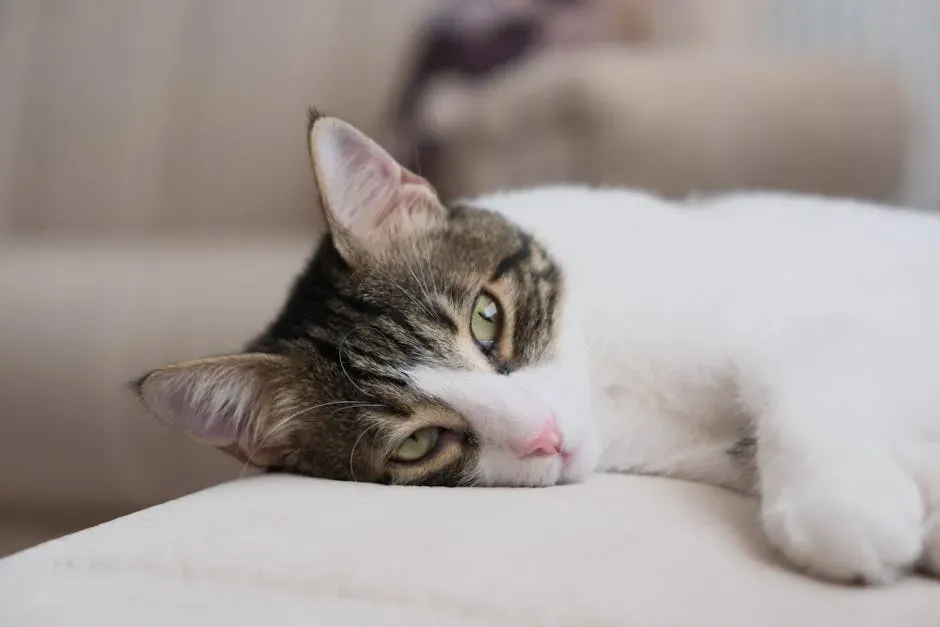
Yes, cats in pain will still purr. Even though cats also purr when they’re content, purring can be a sign that a cat has severe pain. Experts don’t know exactly why cats in pain purr. It could be a cat trying to relieve their pain. I know it sounds counterintuitive – almost cruel, even – that an animal suffering would produce a sound we associate with bliss. Yet it happens more often than most owners realize.
Veterinarians frequently witness cats purring when they are in severe pain or near death. This is likely an instinctive attempt to heal themselves, or to signal to predators that they are not a threat. If your cat’s purring increases while showing other signs of discomfort, the purring may be pain-related. Watch for the combination of signals – reduced appetite, hiding behavior, stiff posture, or glazed eyes paired with unusual amounts of purring. That combination is a red flag worth calling your vet about.
The Genius of the Solicitation Purr
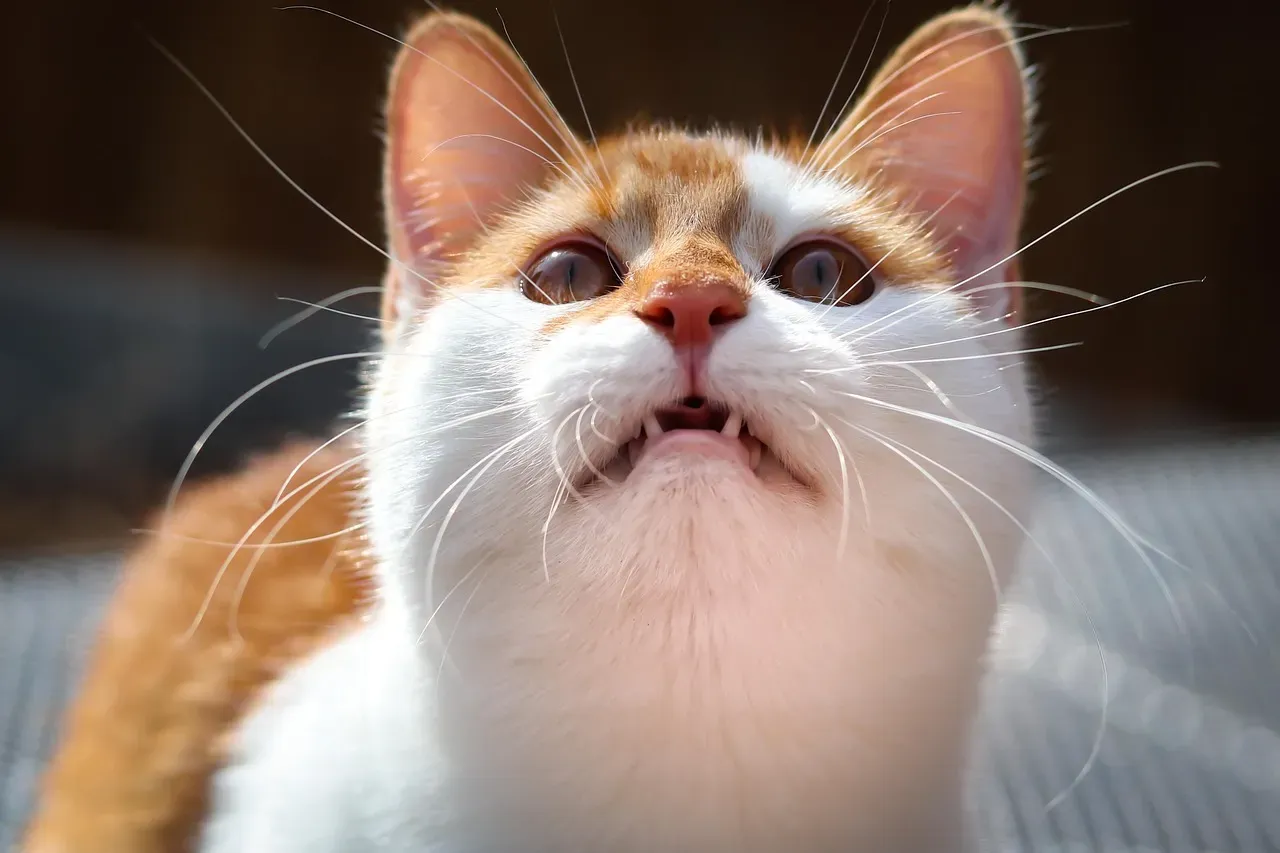
Honestly, this is the part of the story that blew me away when I first came across it. Your cat has, over generations, developed what researchers call a “solicitation purr” – essentially a purr specifically engineered to get you to do their bidding. On the surface, these “solicitation purrs” are based on the same low-pitched sounds that contented cats make, but embedded within them is a high-pitched signal that sounds like a cry or a meow.
At a frequency of around 380 Hz, this extra sound stood out from the typical low frequencies of a purr, and is more like a cry or a meow. The frequency is actually very similar to that of a crying infant, so small wonder that it tugs on the human heartstrings. By employing such an embedded “cry,” cats appear to be exploiting innate tendencies that humans have for nurturing offspring. Your cat has, in other words, found the exact cheat code in human psychology. And they use it at five in the morning to get breakfast early.
The First Purrs: How Kittens Use It From Birth
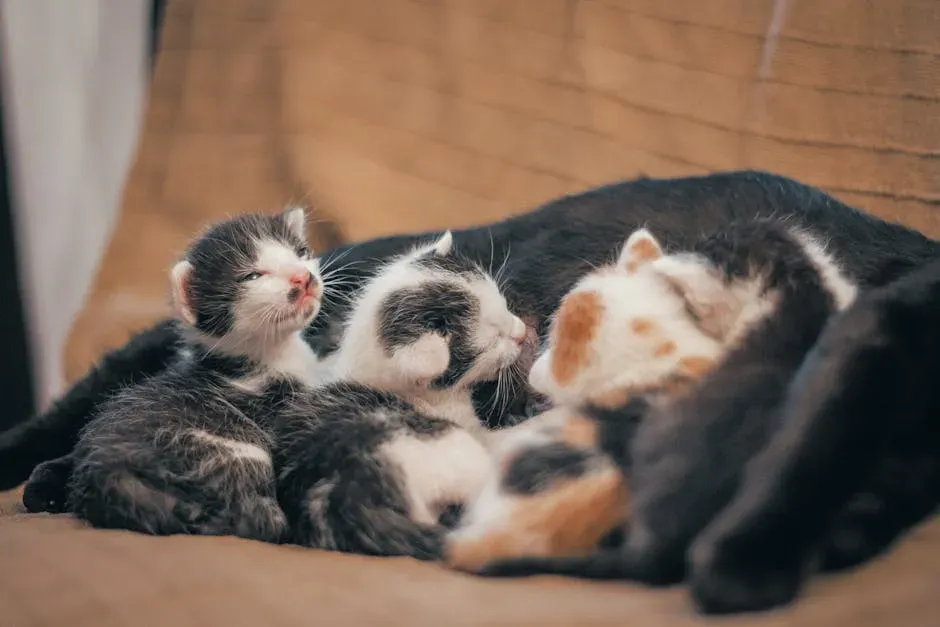
The purr isn’t something cats develop gradually. It starts astonishingly early. Kittens can purr as young as two days of age. They purr when they are nursing from their mother and only stop long enough to swallow. Kittens also tend to purr in similar situations as adult cats – such as when greeting littermates or when requesting food. That tiny vibrating body in the palm of your hand already knows how to use its most powerful communication tool.
The significance of purring extends to the earliest moments of cat life, as kittens begin purring shortly after birth. This helps the mother keep track of her babies. Born deaf and blind, newborns also rely on the vibrations of their mother’s purr to help locate her, initiating bonding in those early days. It’s less a language and more a lifeline – a vibrational thread connecting mother and child in complete darkness. That’s not just cute. That’s survival.
The Remarkable Science of Purring as Self-Healing
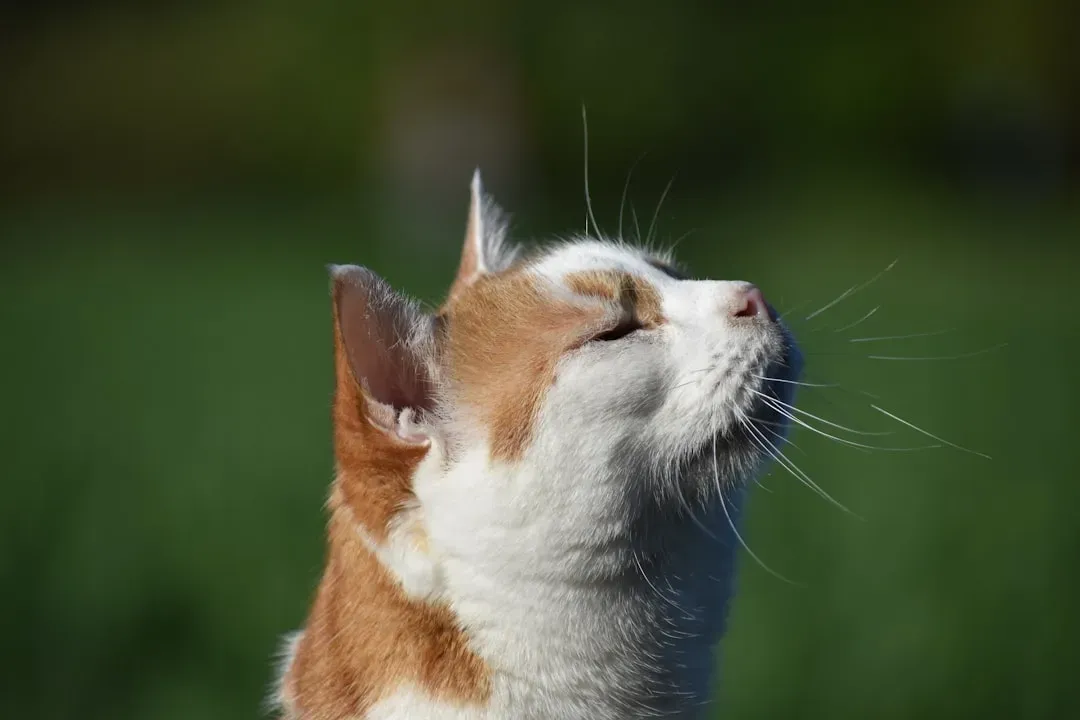
This is where the story shifts from fascinating to genuinely extraordinary. The vibrations produced during purring occur at a frequency of 25 to 150 Hertz, which has been shown to promote healing and tissue regeneration and is known to positively affect bone density and tendon and muscle repair. That’s not folklore. That’s physics meeting biology in one of nature’s most elegant designs.
Research suggests the purr is a survival mechanism. Because cats spend so much time sleeping and sedentary, the purr may act as a low-energy exercise mechanism that keeps their bones and muscles strong without movement. Effectively, your cat may be receiving a vibrational therapy session while they nap. This conjecture is supported by the fact that broken felid bones take significantly less time to heal than broken dog bones, and low-frequency vibrations in the range of cat purrs are used to heal complex fractures in humans. Nature, it turns out, designed cats to be their own physiotherapy clinic.
What a Purring Cat Does to Your Own Body
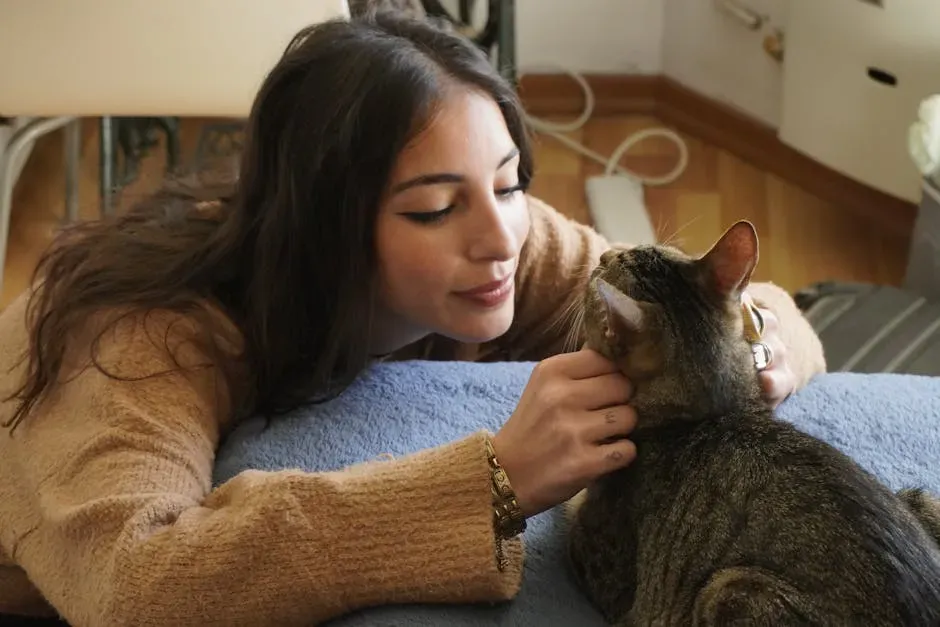
Here’s something that might surprise you: your cat’s purr isn’t just good for them – it’s genuinely doing things to your nervous system too. The soothing vibrations of a cat’s purr can help regulate the autonomic nervous system, which controls involuntary bodily functions like heart rate and breathing. By lowering stress and triggering the body’s relaxation response, purring promotes a sense of calm, balance, and emotional well-being.
Purring not only releases endorphins in cats but can also induce the same thing in humans. Endorphins help decrease stress hormone levels. Lowered stress hormones are helpful for healing, lowering blood pressure, and helping people cope with illness. Research suggests that people who own cats have a significantly lower risk of heart attacks than non-cat owners, and blood pressure has been shown to be lowered in owners after interacting with their purring cats. It’s hard not to feel a little awe at that. Your cat is, quite literally, making you healthier just by existing near you.
How to Actually Decode What Your Cat Is Saying
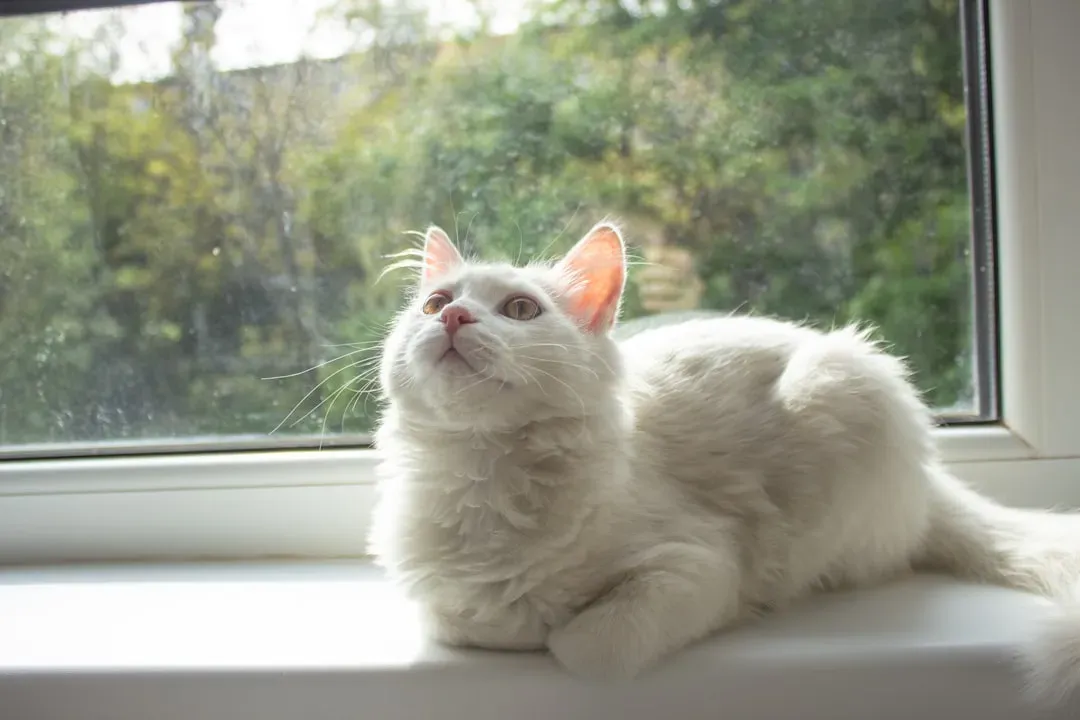
So with all these different meanings layered into one sound, how do you figure out what your cat is actually communicating? The answer comes down to context and body language. The purr of contentment is a deep, steady purr that usually occurs when a cat is relaxed and comfortable, often seen when they are being stroked or resting in a preferred area. The purr associated with anxiety or distress may sound more erratic or higher in pitch, especially if a cat is also exhibiting signs of stress like hiding.
A purring cat that approaches you with their tail held up may be greeting you and soliciting attention. But if the cat is crouched down with their ears pulled slightly to the side while purring, they may not be feeling well. The purr alone tells you almost nothing. Consider the context your cat is in – whether hiding, sitting looking straight at you, or resting on your knee – and look at the rest of their body language, including tail movement, posture, and facial expression, to build a full picture of their wellbeing. Learn to read the whole cat, not just the sound.
Conclusion
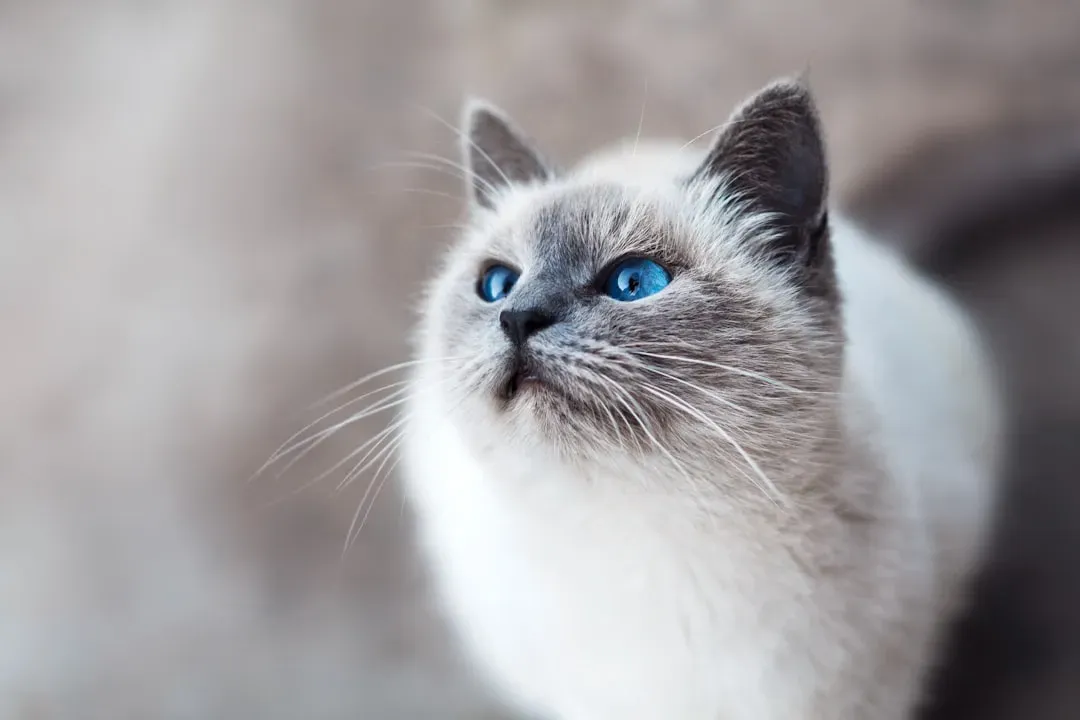
Your cat’s purr is one of the most deceptively complex sounds in the animal kingdom. It can mean joy, fear, pain, manipulation, healing, or a simple request for dinner. It’s a lullaby for newborns and a coping mechanism for the dying. It vibrates at frequencies that mend bone and calm the human nervous system. It’s ancient, layered, and still not fully understood by science.
The next time you hear that familiar hum, slow down for just a moment. Look at your cat’s eyes, their posture, the set of their ears. The purr is an invitation to pay closer attention – to notice what your cat can’t put into words but is desperately trying to say. Once you start listening to the whole picture, you’ll never hear that sound quite the same way again.
What’s the most surprising thing your cat’s purr has ever turned out to mean? You might be more surprised by what you’ve been missing all along.