You probably talk to your cat all the time, but there’s a good chance you’re missing the loudest “voice” they use: their tail. That stripey, fluffy, or sleek little flag at the back is like a live mood ring, constantly broadcasting what your cat feels, wants, and plans to do next. Once you learn to read it, you stop guessing and start really understanding what’s going on in that mysterious feline mind.
When you pay attention to tail signals, you spot stress earlier, prevent bites and scratches, and actually deepen your bond. You begin to notice subtle shifts: a tiny twitch at the tip before a pounce, a slow sway that means “I’m done now,” a high, quivering tail that screams pure happiness. It almost feels like learning a new language, except the teacher is your cat and the lessons are happening every day right in front of you.
The High, Straight Tail: Your Cat’s Happy Hello
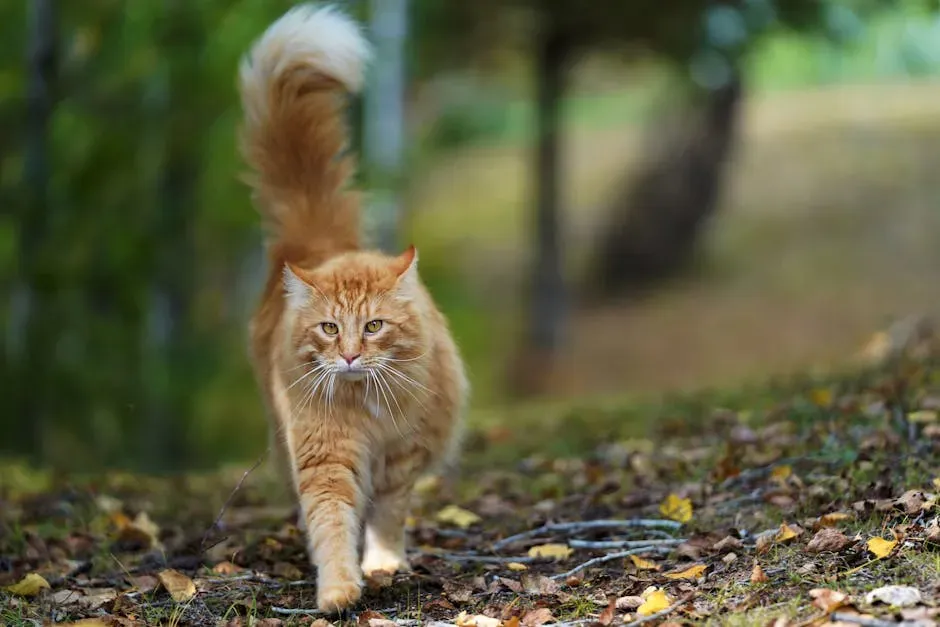
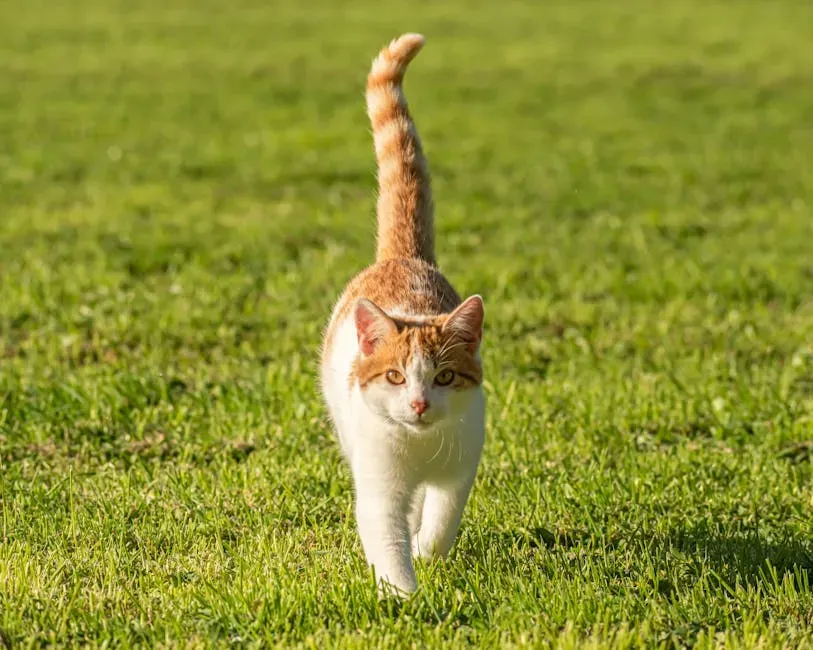
One of the clearest signals your cat gives you is the tail held high and straight up like a little flagpole. When you see this, you’re usually looking at a confident, content cat who feels safe in their territory and secure with you. If your cat trots toward you at the door with a vertical tail, you can read that as a warm greeting and a sign that you’re part of their trusted circle.
Sometimes, the tip of that high tail curves slightly, almost like a question mark. That little hook can mean your cat is feeling friendly but maybe a bit curious about what you’re doing or where you’re going. You might notice this when you walk from room to room and your cat chooses to follow, tail up, gently hooked at the end, as if they’re saying, “What’s next, and can I join?”
The Quivering Tail: Overflowing Affection (And Sometimes Territory Talk)
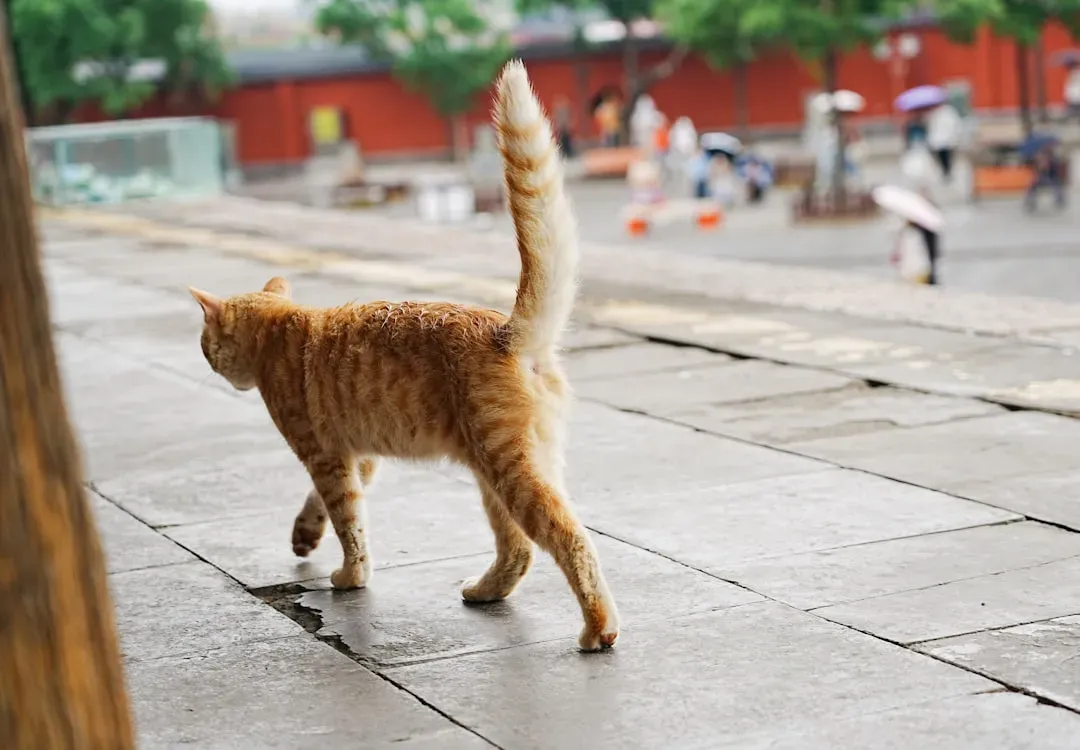
If your cat walks up to you or a favorite object with their tail sticking straight up and the whole tail or just the base seems to quiver, you’re seeing a strong emotional moment. Many people interpret this as a sign of excitement and affection, and in a relaxed indoor context, that’s usually accurate. It often happens when your cat is especially glad to see you, like when you first wake up or come home.
However, that quivering motion can also be related to scent marking behavior when a cat sprays or pretends to spray, especially near vertical surfaces. If your cat is neutered or spayed and living comfortably indoors, you might see the motion without any actual spraying, as if they’re role‑playing territorial marking. When it happens around you, though, it often means you’re being included in what your cat sees as their safe, important space.
The Gently Swaying Tail: Curious, Focused, or Just Content
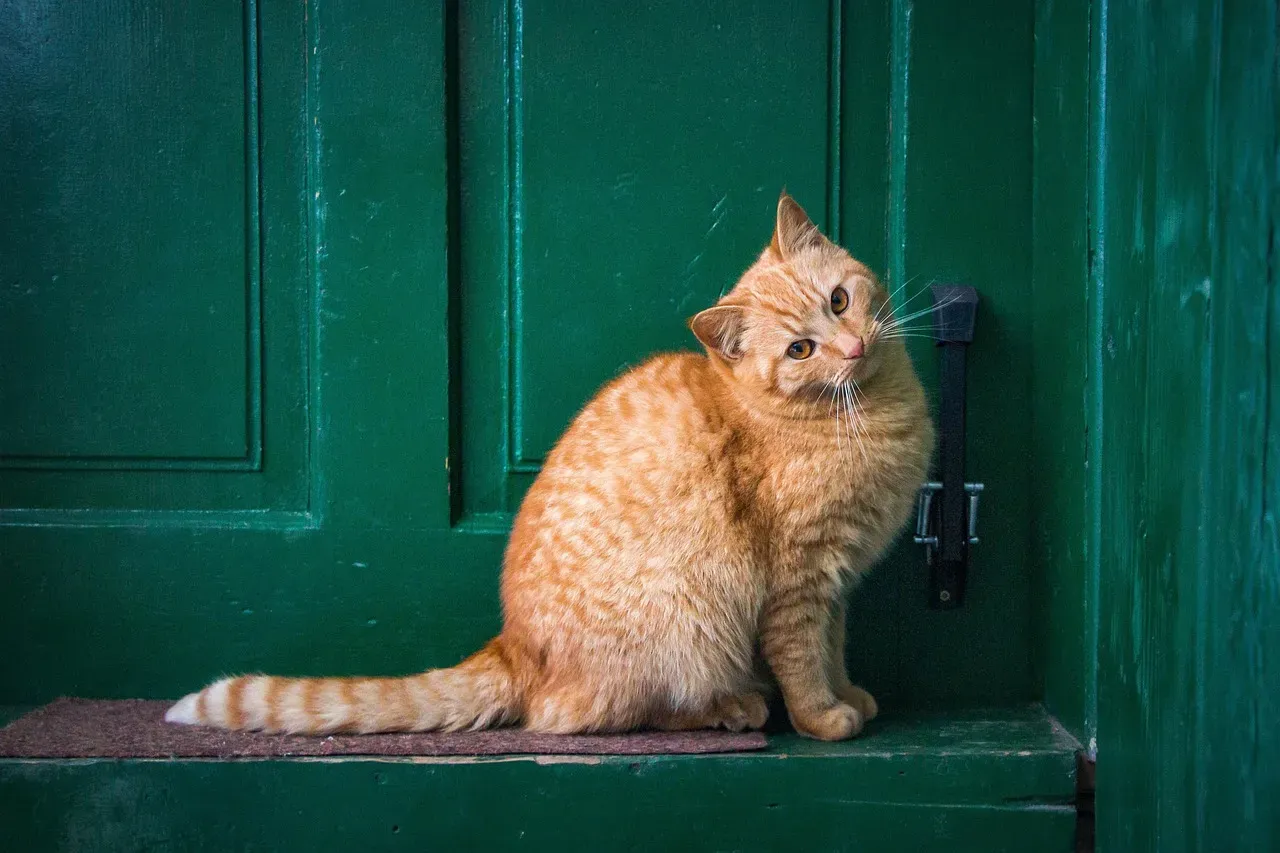
A tail that moves slowly, in relaxed, gentle sweeps from side to side often belongs to a cat who is alert but not upset. You may see this when your cat is sitting by the window watching birds or stretching out on the sofa while tracking a moth on the ceiling. The rest of the body usually looks soft, with ears forward or neutral and eyes calmly following whatever has caught their attention.
This is a great time to quietly observe your cat and maybe interact, depending on what they’re focused on. If they’re watching something intensely but the rest of the body is loose and the tail motion is smooth and flowing, your cat is likely engaged and mentally stimulated in a good way. It’s like they’re watching their favorite show, and the tail is the subtle background soundtrack of their interest.
The Rapid Whip: Irritation, Overstimulation, or “I’ve Had Enough”
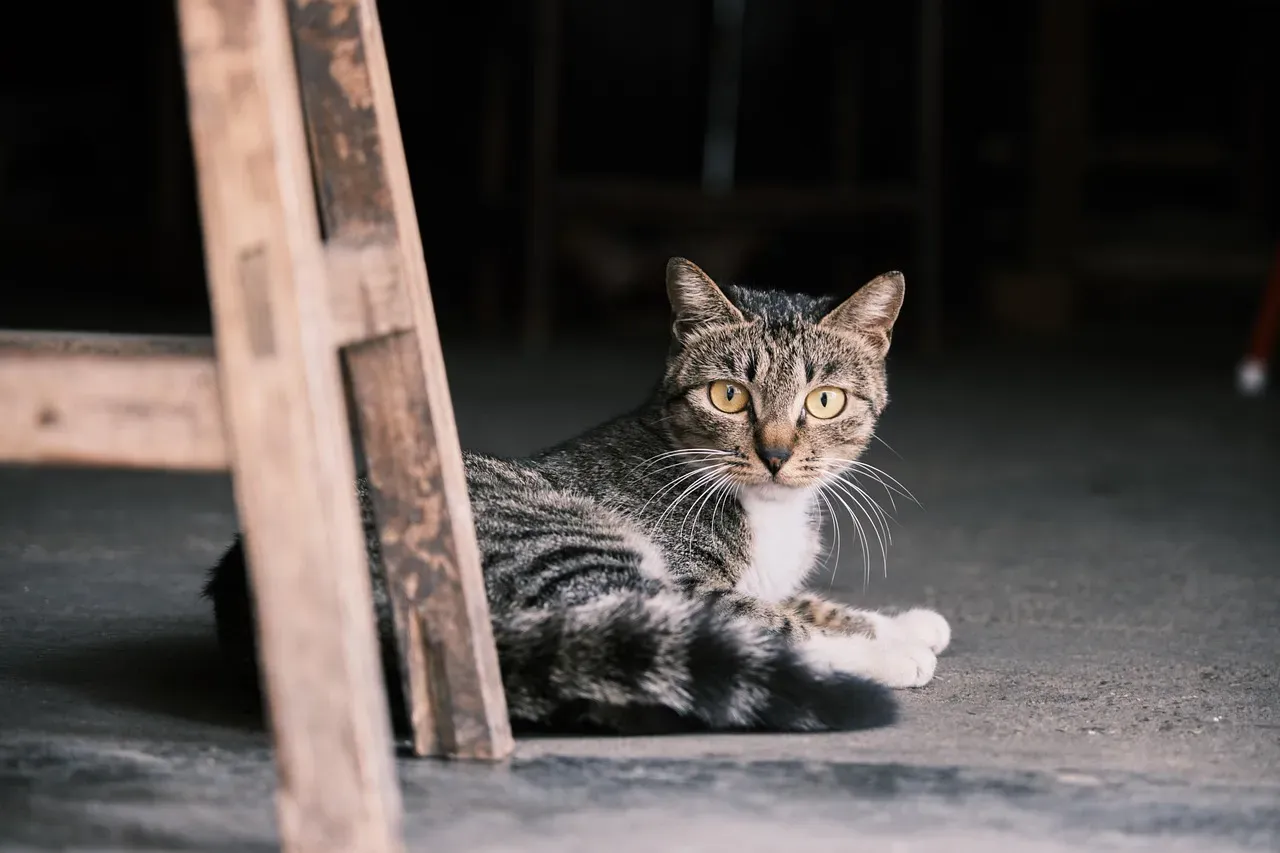
When a cat’s tail starts lashing back and forth quickly, with sharp, snappy movements, you’re dealing with a very different emotional state. This kind of tail action often signals irritation, frustration, or growing agitation. You might notice it during petting sessions that have gone on a little too long, or when your cat suddenly gets annoyed even though they seemed to enjoy the attention at first.
If you keep touching them after the tail whipping starts, you might move straight into swatting, biting, or your cat jumping away. It’s your early warning system that you’re crossing a line, even if you have the best intentions. When you see that fast, strong tail action, the kindest thing you can do is give your cat some space and let them reset on their own terms.
The Puffed-Up Tail: Fear, Panic, or Sudden Shock
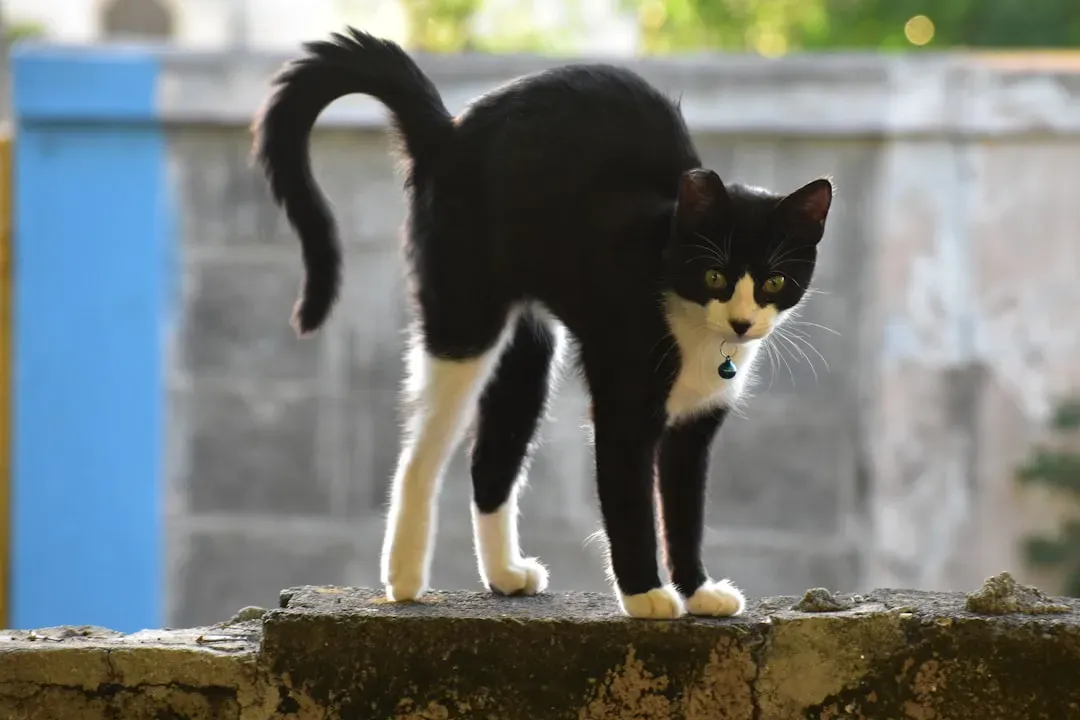
A tail that suddenly puffs up like a bottlebrush is one of the most dramatic signals your cat can send. This usually means your cat feels threatened, terrified, or extremely startled, often in response to something unexpected like a loud noise, a new animal, or a sudden movement. The fur standing on end (also called piloerection) makes the tail look much bigger, an instinctive attempt to appear larger and more intimidating.
You might see this puffed tail combined with an arched back, sideways stance, wide eyes, and fully dilated pupils. At that moment, your cat is in a high-alert state, ready to flee or defend themselves if needed. Your best move is not to laugh or grab them, but to calmly remove any obvious threat, lower the sensory intensity, and give them time to calm down without being forced into contact.
The Low or Tucked Tail: Anxiety, Pain, or Deep Unease
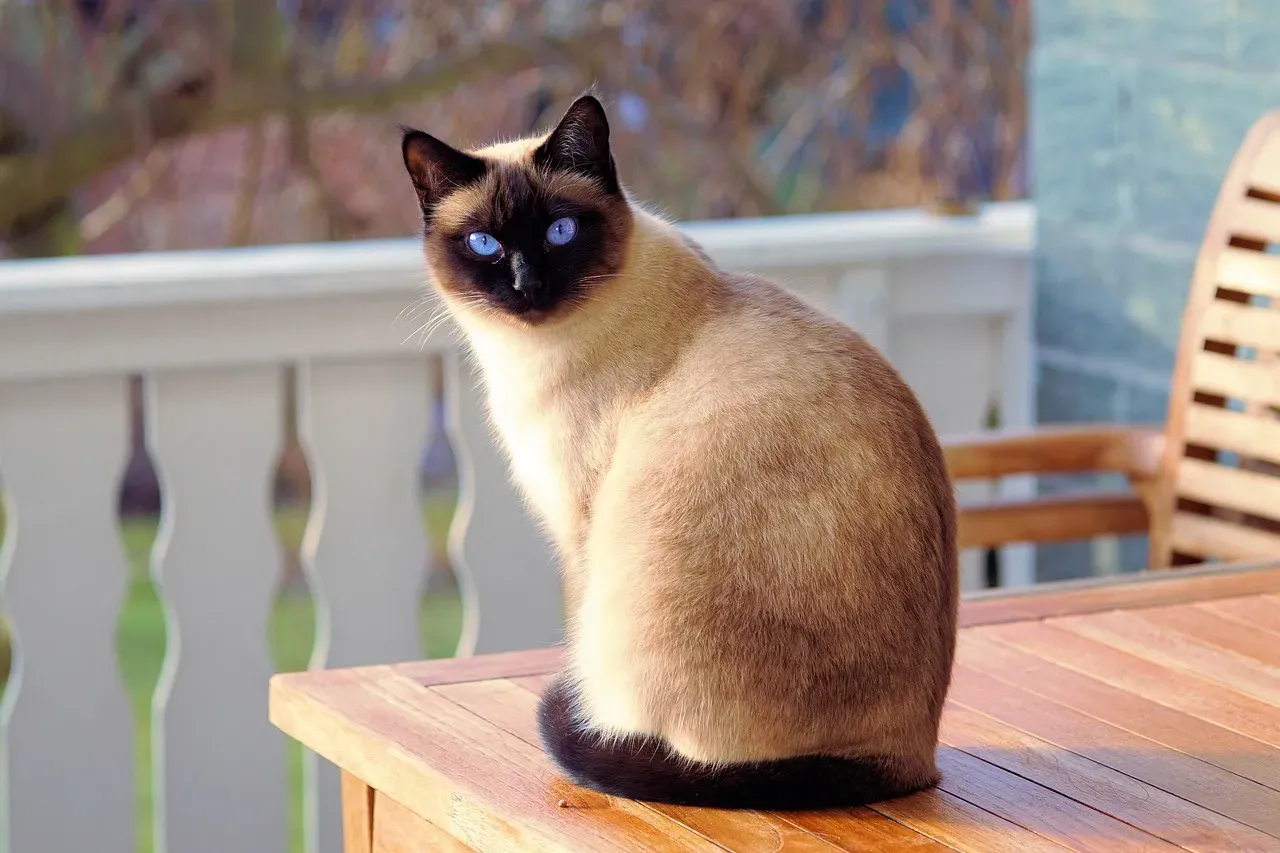
When your cat’s tail drops low or tucks underneath the body, it often points to fear, stress, or discomfort. A tail held close to or under the belly can mean your cat is feeling vulnerable, overwhelmed, or uncertain about a situation. You might see this in a vet’s exam room, during a tense encounter with another animal, or when something in the environment feels threatening or unfamiliar.
A consistently low or tucked tail, especially if it shows up along with a hunched posture, hiding, reduced appetite, or changes in grooming, can also hint at pain or illness. Because cats are experts at hiding weakness, tail position is one more clue you can use to notice when something might be off. If you spot this pattern regularly without any obvious short-term cause, it’s worth checking in with a veterinarian to rule out medical issues.
The Tail Wrapped Around You: Quiet Trust and Connection

One of the sweetest gestures your cat makes is wrapping their tail around your leg, arm, or even around another cat. It’s easy to miss or dismiss as random contact, but often it’s a calm, subtle sign of trust and social bonding. Many cats will do this when you’re standing still, sitting close, or lying in bed together, as if they’re gently linking themselves to you.
This tail wrap can be compared to a casual side hug or a friend leaning against your shoulder. It usually shows up in relaxed moments when your cat already feels safe and content. If your cat chooses to sit next to you and loosely hook their tail over your ankle or wrist, you can take it as a quiet, physical reminder that you’re part of their inner circle.
The Twitching Tip: Mixed Emotions and Hidden Energy
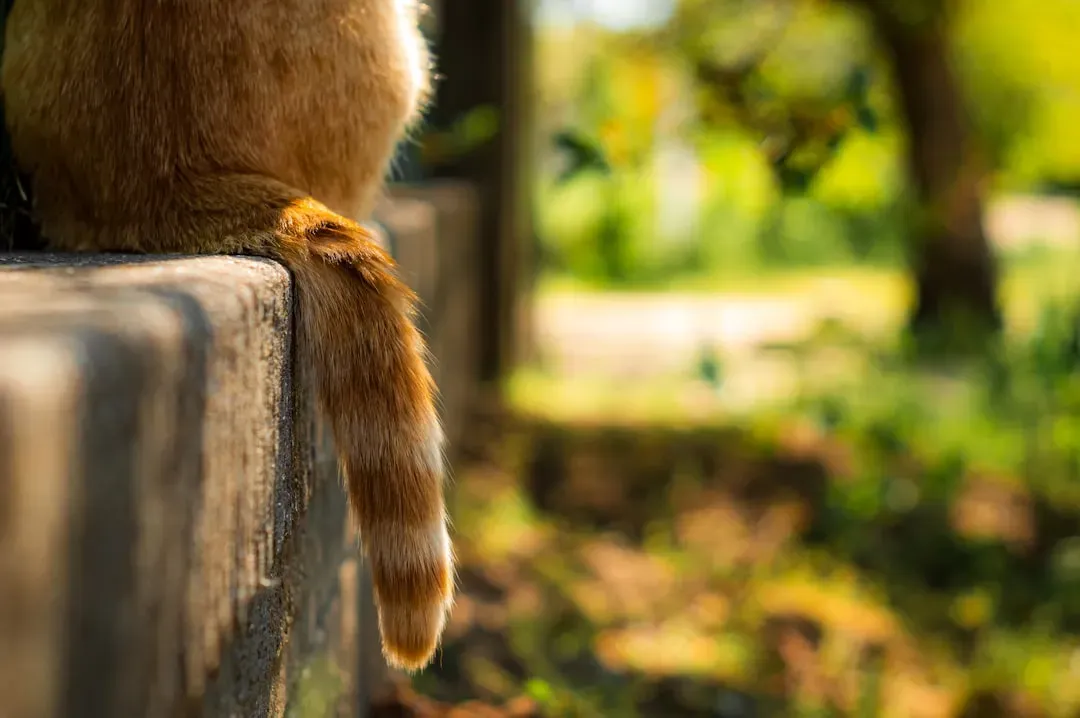
The tiniest part of the tail can send some of the most interesting messages. When your cat seems otherwise still but the very tip of the tail twitches or flicks lightly, it can signal a mix of curiosity, mental focus, or low-level irritation. You might see this when your cat is watching something intently but holding the rest of their body almost frozen, like they’re calculating their next move.
Sometimes a twitching tip during petting means your cat is close to reaching their tolerance limit, even if they haven’t started whipping their tail yet. Other times, especially when they are staring out the window or crouched before a pounce, it’s more about excitement and concentration. The key is to read that tail tip in combination with ears, eyes, body posture, and whatever else is happening around them.
The Curled, Relaxed Tail: Comfort, Security, and Deep Relaxation
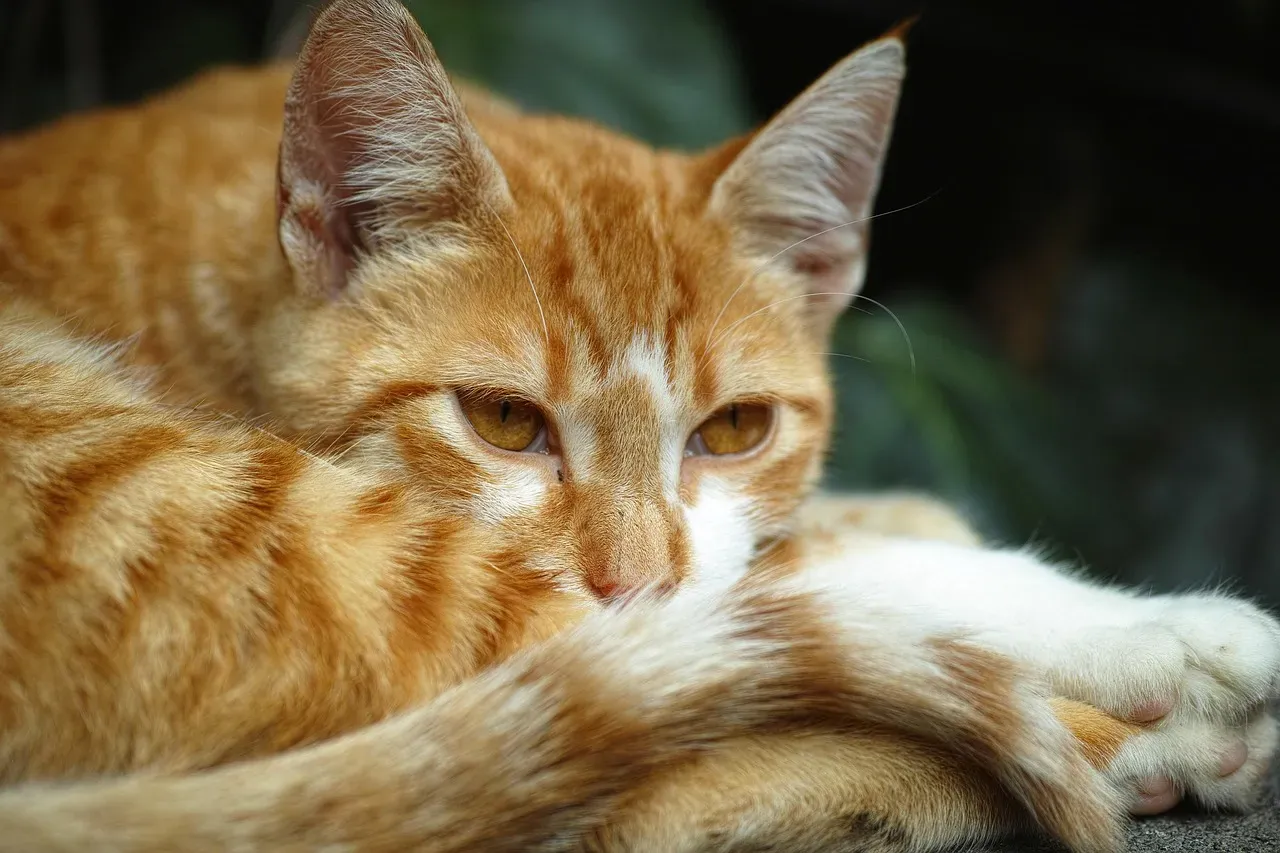
When your cat is truly at ease, you’ll often see the tail resting in a loose, natural curve around their body. Maybe it’s gently draped along their side as they sleep, or loosely curled around their paws while they sit. This soft, unforced position usually means your cat feels secure in that spot and is not expecting any immediate threats or conflicts.
In multi-cat homes, you can use the presence of relaxed, softly curved tails as one sign that the overall social situation is calm. If tails are mostly loose and easy rather than stiff, puffy, or flicking hard, your cats are likely managing their relationships reasonably well. For you, it’s a visual reminder that your environment and routine are supporting your cat’s sense of safety.
The Art of Reading Tail Language in Context
As tempting as it is to treat each tail position like a dictionary entry, your cat’s tail never speaks completely alone. The same motion can mean slightly different things depending on the ears, eyes, whiskers, body stance, sounds, and what’s happening in the environment. A gently moving tail on a cat loafing near you is probably content, while the same sway on a tense, crouched cat might be early agitation.
This is where your daily observations become incredibly valuable. As you watch your own cat over time, you’ll start noticing personal patterns: maybe your cat always twitches the tail tip right before jumping off the couch, or always whips the tail fast a few seconds before walking away from petting. By pairing tail signals with the bigger picture, you learn your cat’s individual “accent” in this shared language.
Conclusion: Turning Tail Talk Into Deeper Bonding
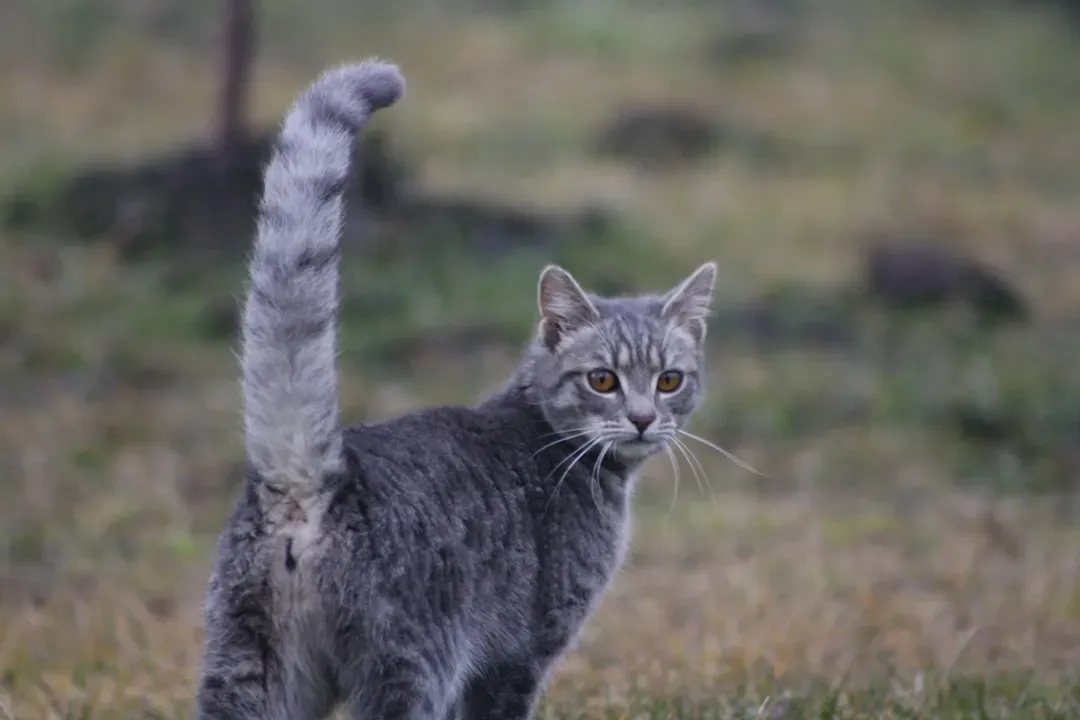
Once you start truly watching your cat’s tail, you never really unsee it again. You catch those micro-moments when they greet you joyfully, warn you that they need space, or silently tell you they’re scared or uncomfortable. Tail language stops being a mystery and becomes a reliable, everyday guide to how your cat experiences their world.
Over time, that awareness changes the way you interact: you back off before irritation turns into a swat, you comfort them when fear puffs up their fur, and you savor those high, quivering tails that say they’re happy you’re there. You end up with fewer misunderstandings, more trust, and a relationship that feels more like a two-way conversation than guesswork. Now that you know how much their tail is saying, what are you going to start noticing first?