You’ve probably noticed your cat’s tail doing all sorts of fascinating things throughout the day. Sometimes it stands tall like a flagpole, other times it swishes back and forth like a metronome, and occasionally it puffs up like a bottlebrush. Here’s the thing: every single one of those movements is telling you something important about what your feline friend is thinking and feeling.
Cats use their tail movements, along with their eyes, ears, and body postures, to communicate. Think of the tail as your cat’s emotional billboard, broadcasting feelings ranging from pure joy to absolute terror. Learning to read these signals transforms your relationship with your cat, letting you respond appropriately to their needs and desires. So let’s dive in and decode what your cat has been trying to tell you all along.
The Confident High Tail: Your Cat’s Happy Flag
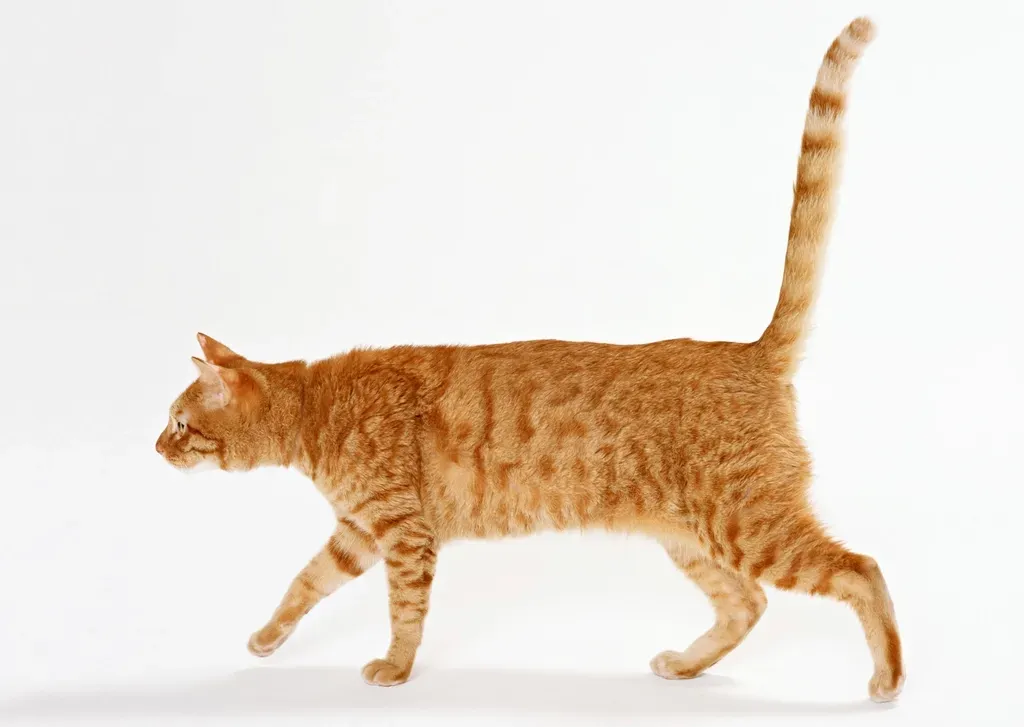
When your cat holds their tail high in the air as they move about their territory, they’re expressing confidence and contentment. A tail that sticks straight up signals happiness and a willingness to be friendly. It’s one of the most positive signals you can receive from your feline companion. Picture this: your cat walks into the room with that tail pointing straight up to the ceiling, and you know everything is right in their world.
A little twitch can mean a particularly happy moment. If you spot that tail tip quivering while the rest stays upright, your cat is especially excited to see you. This might happen when you come home from work or when you’re about to serve dinner. It’s essentially your cat’s way of saying they’re thrilled about what’s happening right now.
The Question Mark Tail: An Invitation to Play
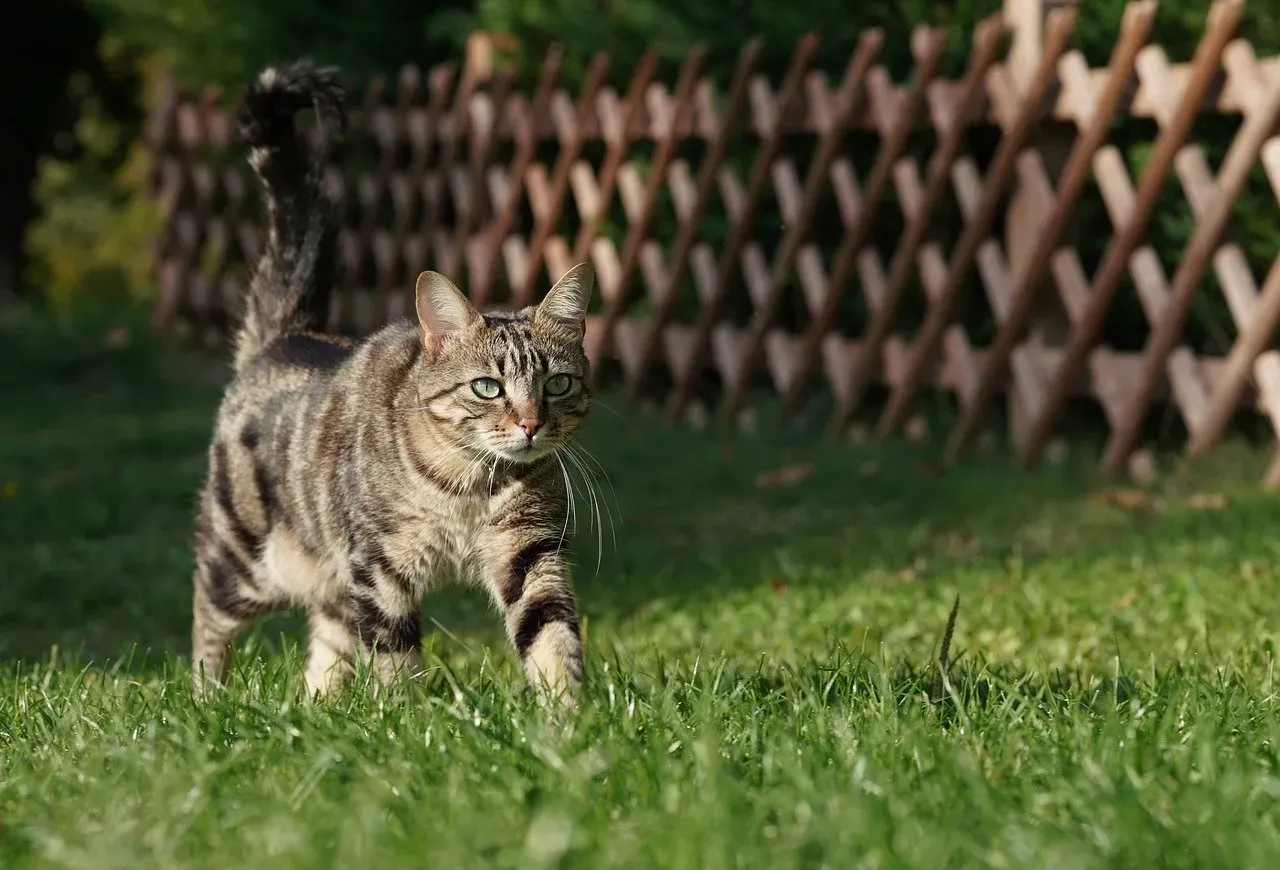
Sometimes you’ll notice your cat approaching with their tail forming a perfect question mark shape. When a cat bends its tail in the shape of a question mark, this is good news, especially if you have a few minutes to spare and some cat toys at the ready. That’s because the question mark-shaped tail position is a cat’s way of asking you, Would you like to play?
This friendly gesture is your cat’s version of extending an invitation. This cat tail language indicates that your cat is happy and approaching amicably. When you see this position, it’s the perfect time to grab a feather wand or toss a crinkle ball. Your cat is in a sociable mood and ready for some quality interaction time with you.
The Slow Swish: Focus and Hunting Mode
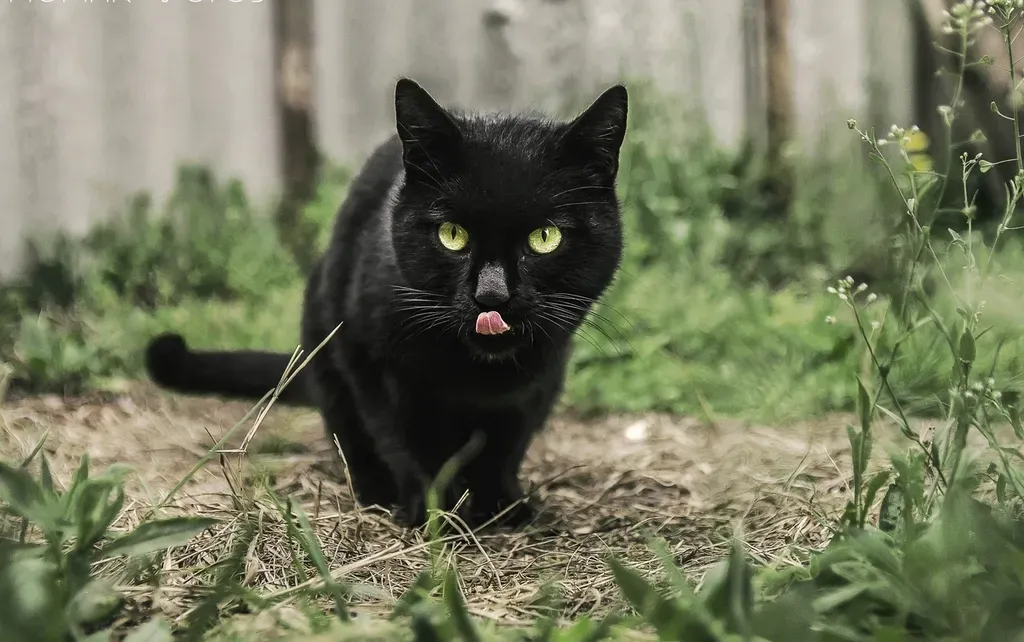
When your cat slowly swishes their tail from side to side, they may be intently focused on something like a toy, another animal in the home, or something outside. This deliberate, rhythmic movement tells you that your cat has locked onto a target and is calculating their next move. You might see this right before they pounce on an unsuspecting toy mouse.
Cats often exhibit a range of tail movements during play, from quick flicks to slow, deliberate swishes. These movements reflect their focus and excitement, especially when they’re preparing to pounce on a toy or engage in predatory behavior. This is completely natural behavior, and it’s actually enriching for your cat. Let them enjoy their hunting instincts in action.
The Thrashing Tail: Warning Signs of Irritation
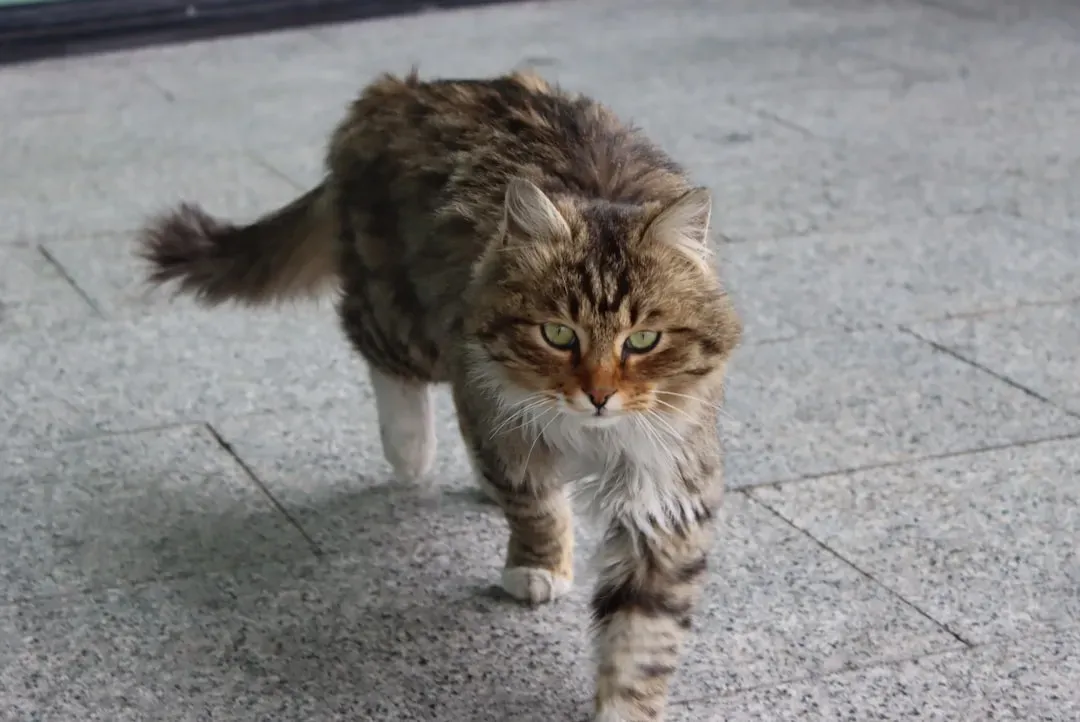
Let’s be real, not every tail movement is a positive one. When your cat thrashes their tail or is thumping it on the ground, they are irritated, annoyed, or angry. This tells you that something is bothering your cat. Think of it as their way of saying they’ve had enough and need you to back off immediately.
If you are petting your cat and they start thrashing their tail, they are trying to tell you to stop. If you don’t, then the thrashing tail may be a prelude to hissing, growling, swatting, or biting. Pay attention to this signal because ignoring it can escalate the situation quickly. Some cats have shorter fuses than others, so knowing your individual cat’s tolerance level matters enormously.
The Twitching Tail Tip: Context Is Everything
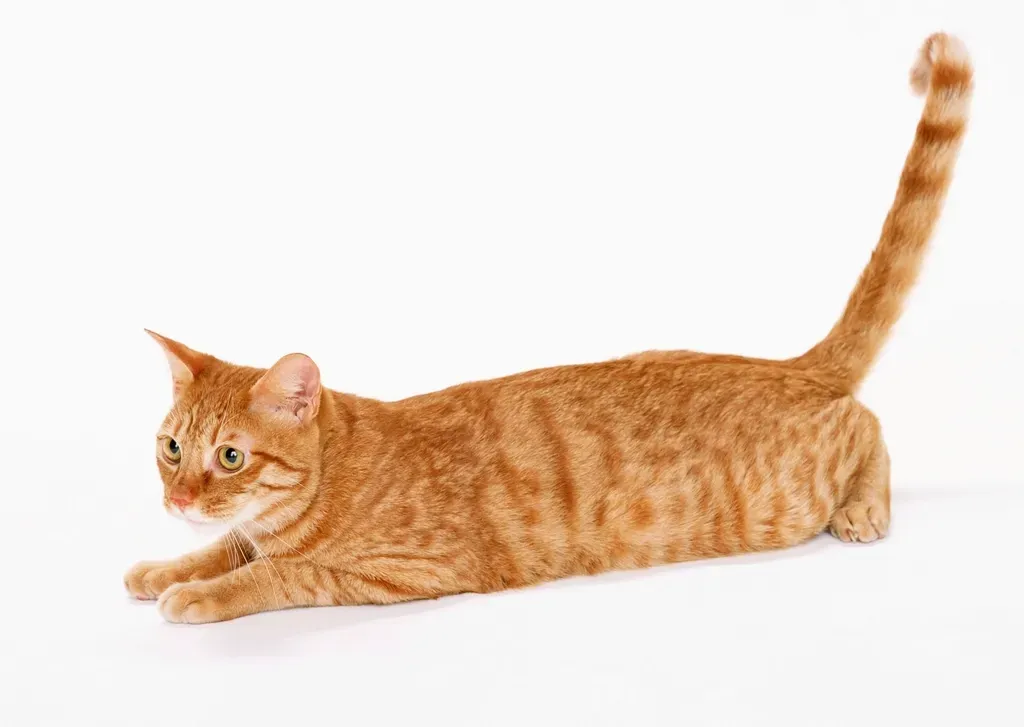
Cats twitch the end of their tails when they are hunting and playing, as well as when they are mildly irritated and frustrated. This is where understanding your cat gets a bit tricky because the same movement can mean different things depending on what’s happening around them.
In this case, read the scene and look for other clues to their mood. If they’re not playing or stalking something, then the twitching tail movement probably means that they are annoyed. Are they staring at a bird through the window? Probably excited. Are they sitting on your lap while you’re scrolling your phone? Might be getting overstimulated and ready to leave.
The Quivering Tail: Excitement or Something Else
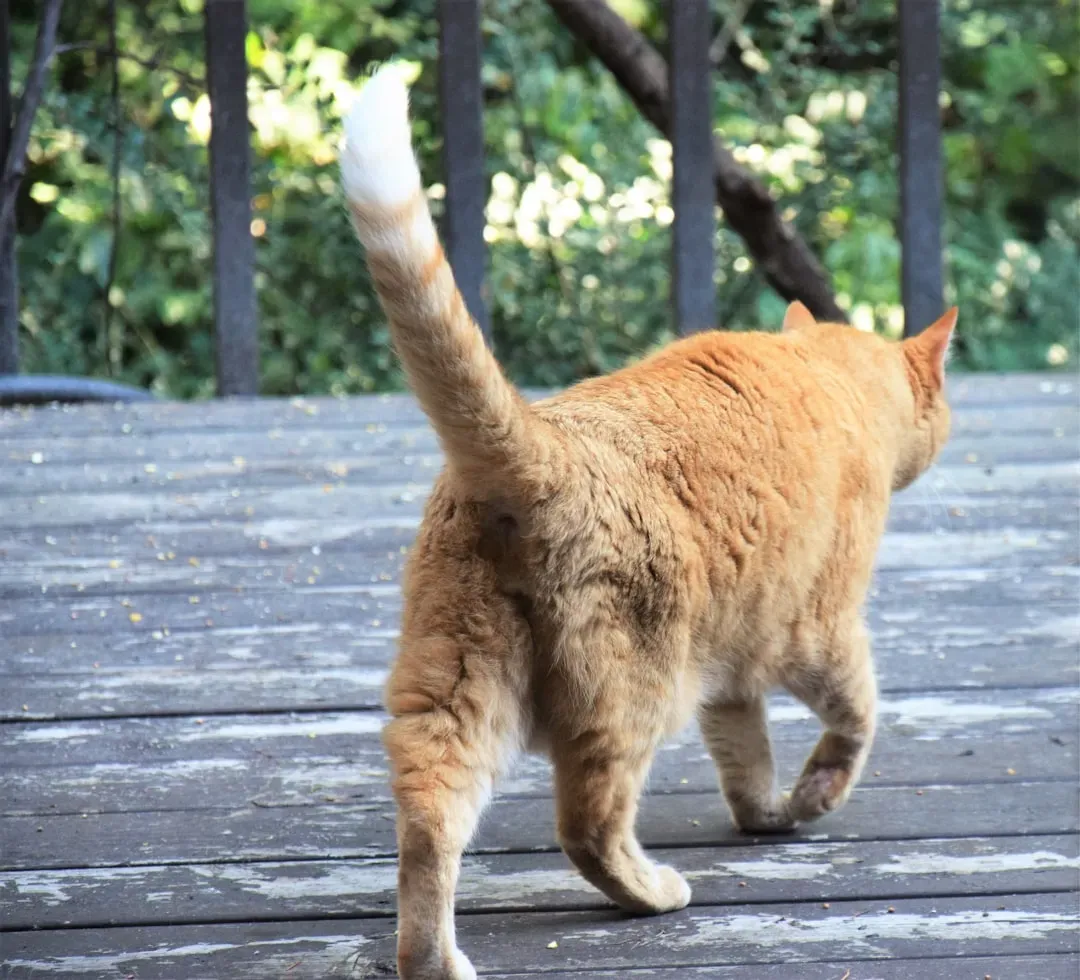
Your cat may quiver their tail when they are especially excited to see you or another cat. This rapid trembling motion often accompanies other happy behaviors like rubbing against your legs or purring loudly. It’s honestly one of the sweetest signals your cat can send.
However, there’s a caveat here. Sometimes, when a cat quivers their tail while holding it straight up and backing up against a vertical surface, they may be urine marking. This behavior is more common in unneutered cats, particularly males. If you notice this pattern repeatedly, it’s worth consulting with your veterinarian about potential solutions.
The Tucked Tail: Fear and Submission
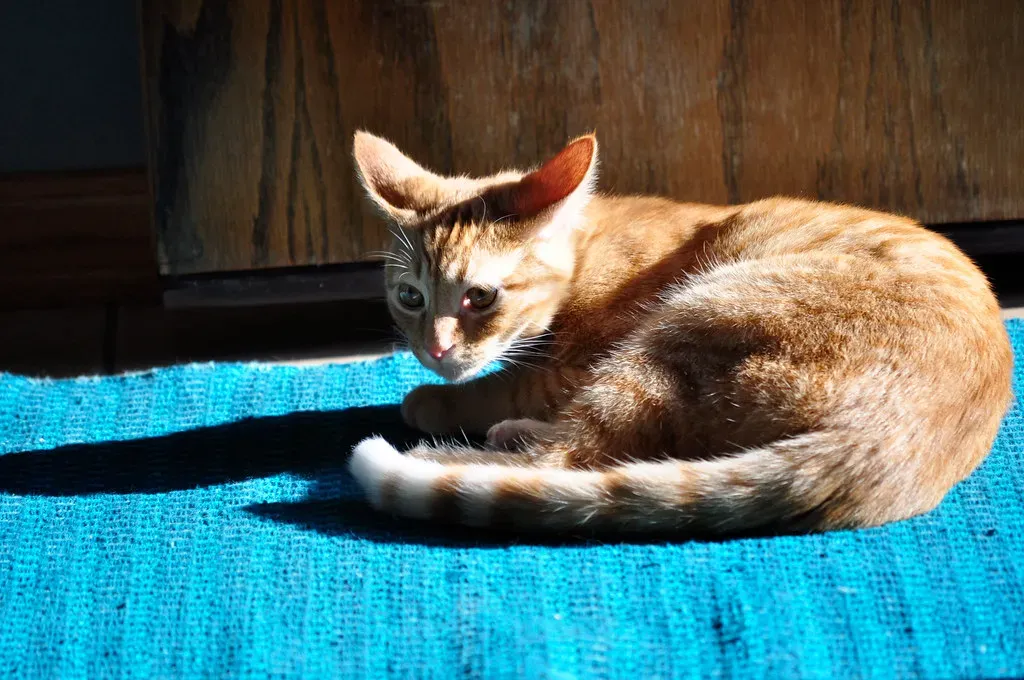
A cat may lower their tail below the level of their back if they are frightened or anxious. If your cat’s tail is tucked between their legs, then they are really scared or may be experiencing pain. This position makes your cat appear smaller, which is their instinctive response when feeling vulnerable or threatened.
When a cat tucks their tail under their body or wraps it around themselves, this can be a sign of uncertainty that may indicate feelings of fear and submission. This is especially true when this tail position is accompanied with wide eyes, dilated pupils and flattened ears. If you see your cat displaying this posture, something in their environment is making them deeply uncomfortable. Your job is to identify the stressor and remove it or give your cat a safe space to retreat to.
The Puffed Tail: The Halloween Cat Pose
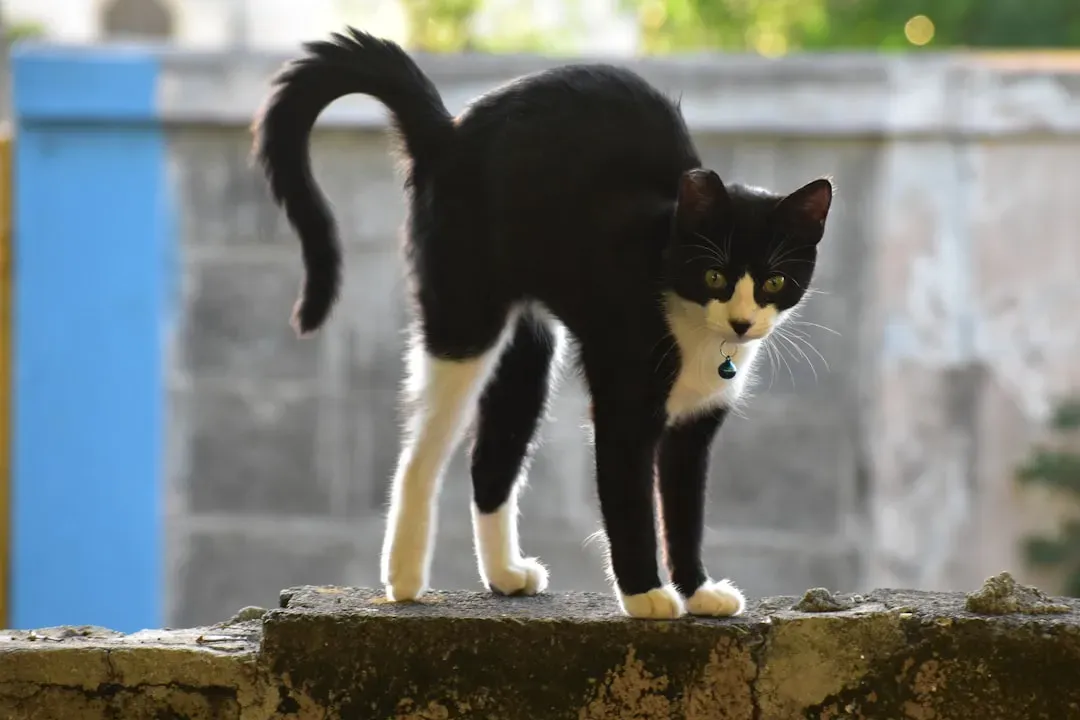
If your cat assumes the quintessential Halloween-cat posture with a puffed tail and arched back, then they are startled or frightened by a sudden, severe threat. Your cat’s hair stands on end (piloerection) so they can appear to be larger. This dramatic display is a defensive strategy designed to intimidate potential threats.
This is a defensive reaction indicating that your cat wishes to be left alone. This tail position is often triggered by feeling threatened, such as by other animals in the yard, approaching dogs, visitors in the home, or sudden noises. When your cat looks like a fuzzy bottlebrush, give them plenty of space. They’re genuinely frightened and may lash out if cornered.
The Wrapped Tail: Affection and Belonging
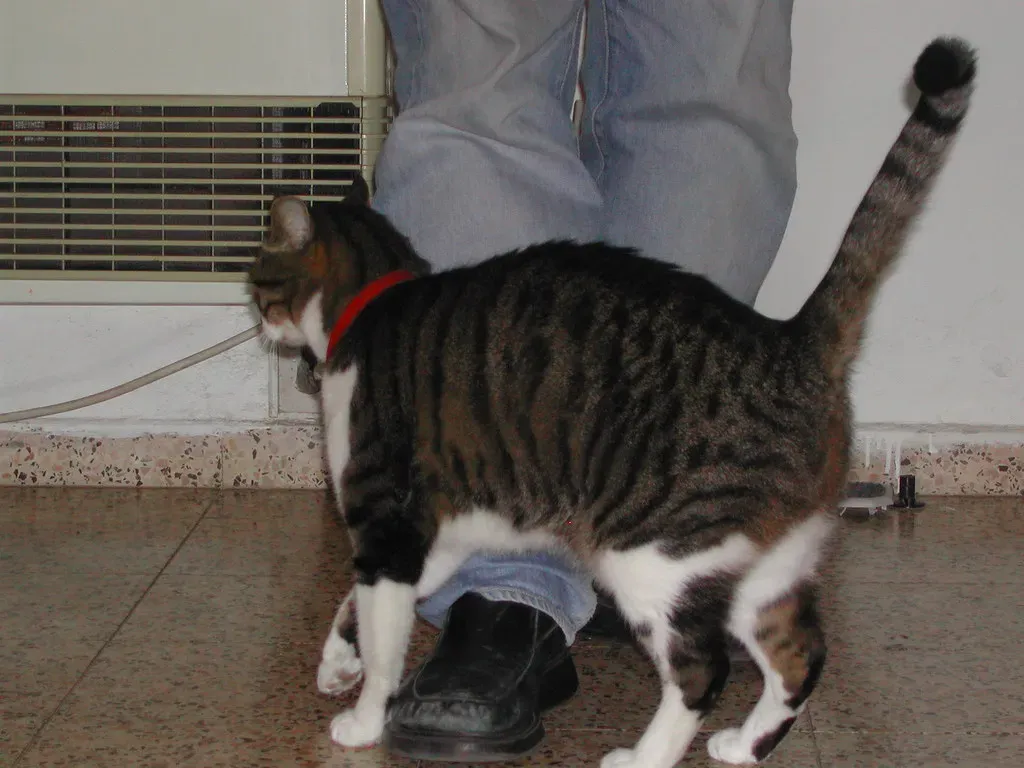
Just as we greet one another with handshakes or hugs, cats may greet by curling their tails around people and by intertwining their tails with other cats. Tail wrapping is an affiliative behavior that demonstrates a willingness to interact. When your cat wraps their tail around your leg or arm, it’s essentially a feline hug.
This gesture means you’re part of their inner circle. Have you ever seen a cat wrap their tail around another cat or maybe even a person? If you interpreted that as a sign of friendship and affection, you’re correct. Be sure to reciprocate with a friendly scratch and some words of praise. Your cat is marking you with their scent and claiming you as family. What’s not to love about that?
Reading the Full Picture: Beyond Just the Tail
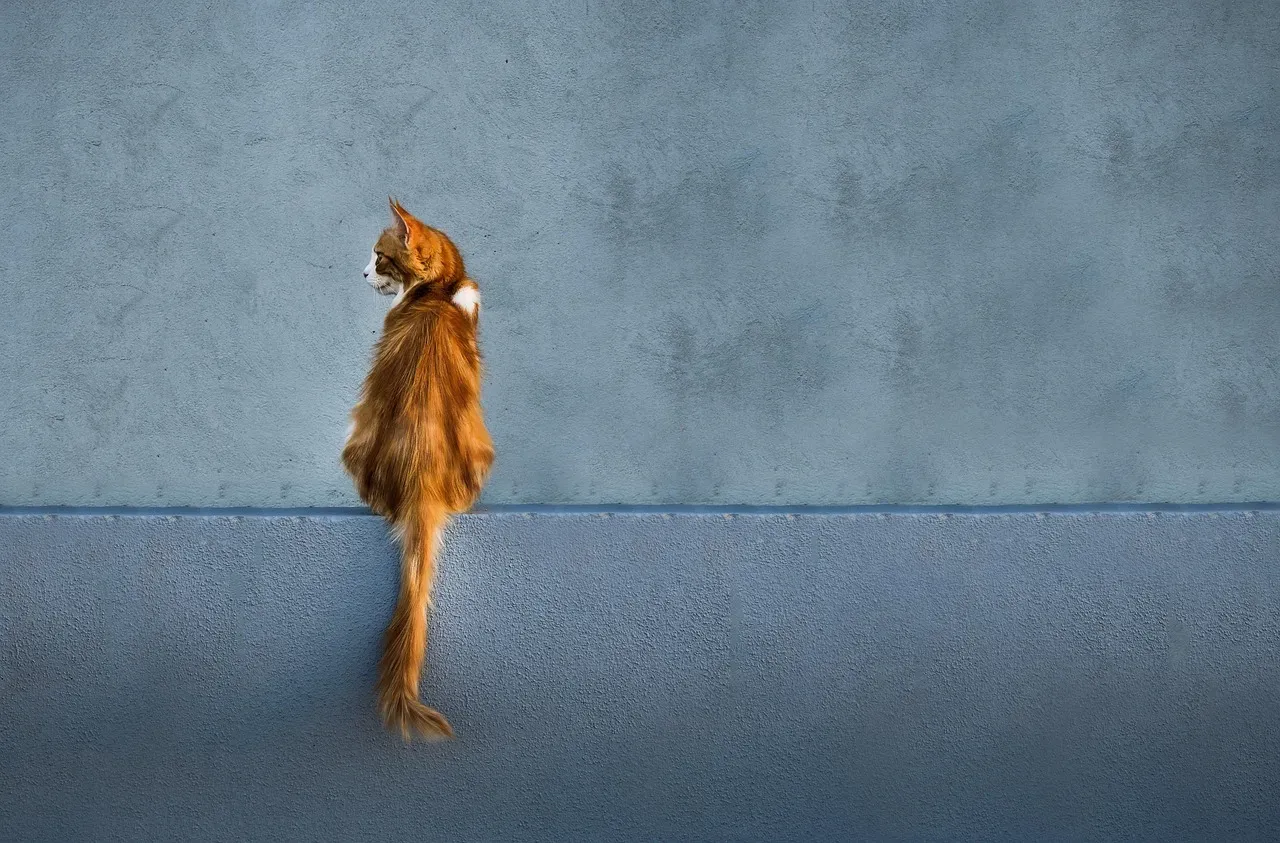
Although you should look at more than just their tail movements, to fully understand your cat’s emotional state, the tail may be the most expressive part of a cat’s body language. The tail doesn’t operate in isolation. You need to consider ear position, eye expression, body posture, and even vocalizations to get the complete story.
While tail movements are a critical aspect of feline body language, it’s essential to consider the entire body when interpreting your cat’s emotions. For example, a puffed tail combined with flattened ears and wide eyes is a strong indicator of fear, while an upright tail with a relaxed body posture reflects confidence. The more you observe these combinations, the better you’ll become at understanding exactly what your cat is communicating in any given moment.
Conclusion: Becoming Fluent in Tail Talk
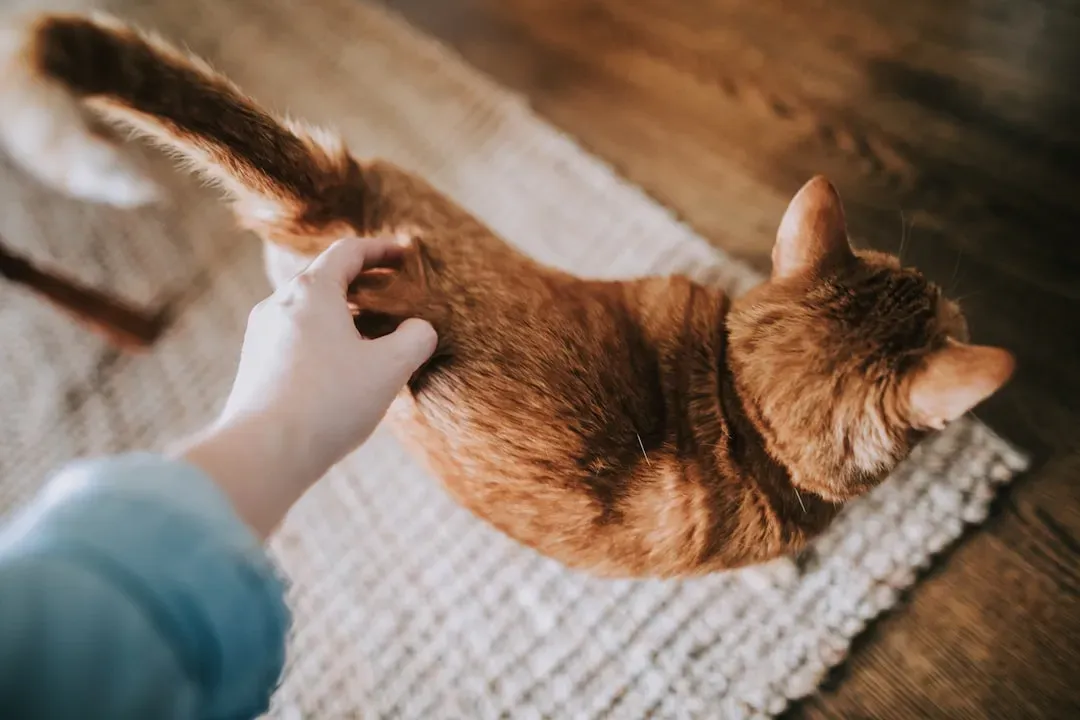
Better understanding your cat’s body language will surely improve your bond with your cat. Learning to read your cat’s tail is like unlocking a secret code that’s been right in front of you all along. Every swish, twitch, and puff tells a story about what your cat is experiencing emotionally.
The beauty of this knowledge is that it allows you to respond appropriately to your cat’s needs. You’ll know when they want to play, when they need space, and when something is genuinely bothering them. These tips for understanding cat tail language will empower you to build a more loving, trusting, and fulfilling relationship with your cat. What signals have you noticed in your cat’s tail today? Pay attention, and you might be surprised at just how much your cat has been trying to tell you.