There’s something quietly magical about living with a senior cat. One moment you’re watching them lumber across the kitchen floor with all the urgency of someone who has nowhere to be, and the next they’re curled in a sunbeam, purring with what can only be described as deep, hard-earned contentment. These older felines carry a certain gravitas. A history. A story written in every silver whisker and slow, deliberate blink.
Yet for all that charm, senior cats are widely misunderstood. Many owners chalk up behavioral and physical shifts to “just getting old,” when in reality, these changes often signal something far more specific – something treatable, addressable, and worth paying close attention to. The secret lives of senior cats are rich, complex, and deserve far better than a shrug. Let’s dive in.
When Does a Cat Actually Become a Senior?
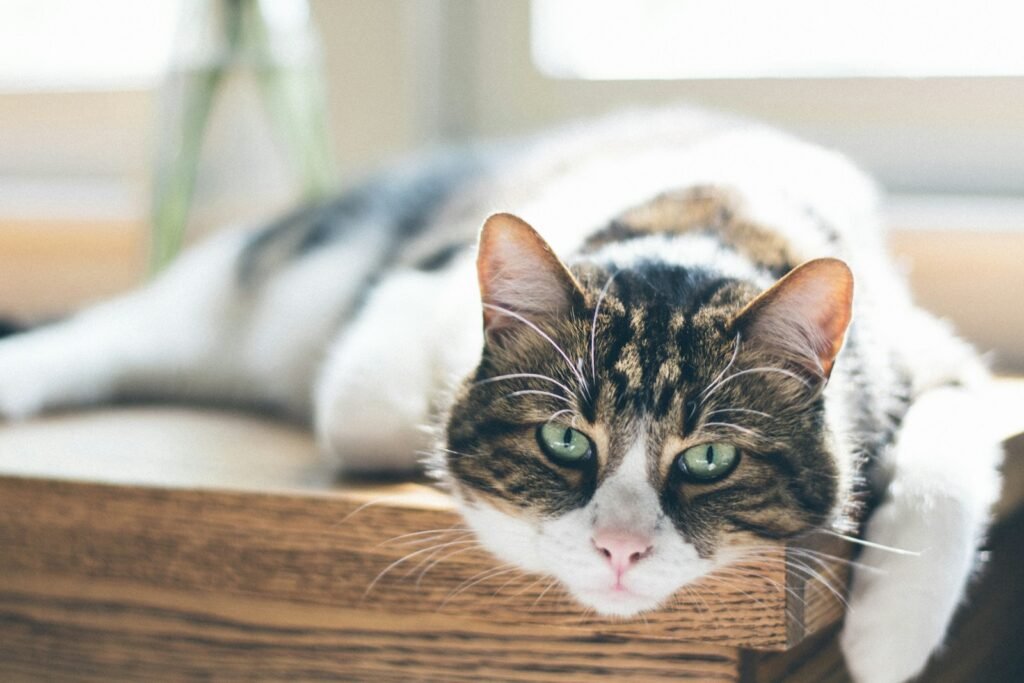
Here’s a fact that surprises most people: your cat doesn’t wait until their fifteenth birthday to start aging. Many veterinarians consider cats to be seniors around age seven, though plenty live well into their teens or even their twenties. It’s a bit like discovering your 35-year-old coworker already qualifies for a senior discount at the movies – it just doesn’t feel right.
Many cats begin to encounter age-related physical changes between seven and ten years of age, and most do so by the time they are twelve. That said, each cat ages differently, so it’s important to focus on individual behavior changes rather than strict age guidelines. Think of age as a rough map, not a fixed destination.
The Physical Changes You Should Know About
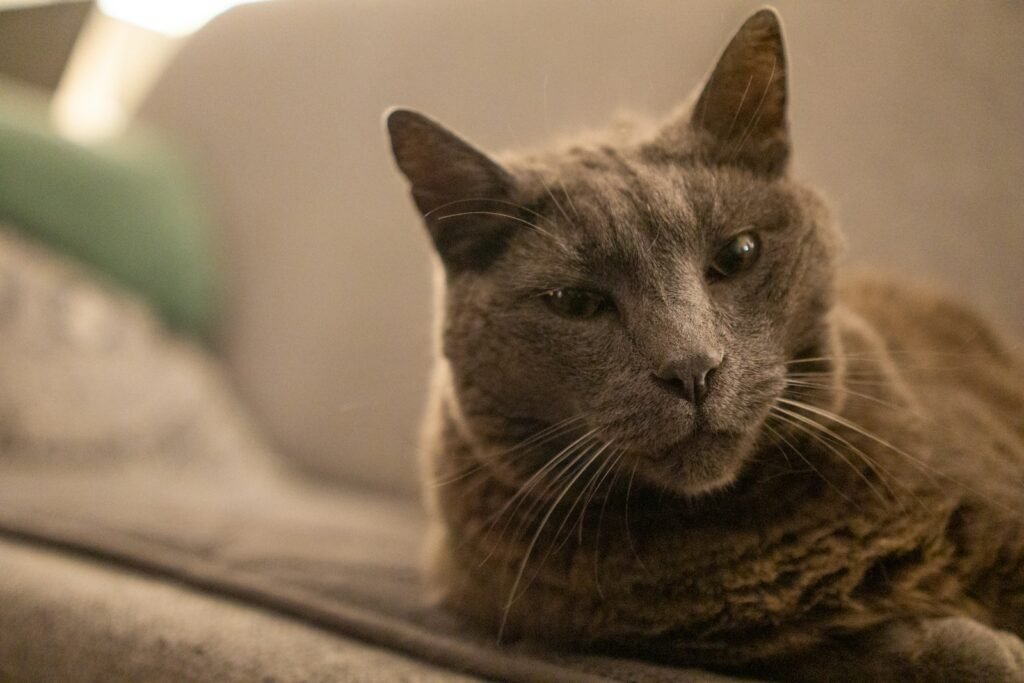
Inside your aging cat’s body, several processes slow down. Their metabolism shifts into a lower gear, muscle mass decreases slightly, and joints develop some wear and tear. These physical changes create a ripple effect that influences how they interact with their world. It’s not laziness – it’s biology, plain and simple.
Many aging cats are affected by osteoarthritis, which contributes to decreased activity. That lack of activity then stiffens the joints further and worsens the condition. Reduced exercise may result in reduced muscle tone, which further diminishes the cat’s ability to jump, climb, or stay active. Honestly, it’s a cycle that can quietly sneak up on even the most attentive cat parent.
The Hidden World of Senior Cat Behavior
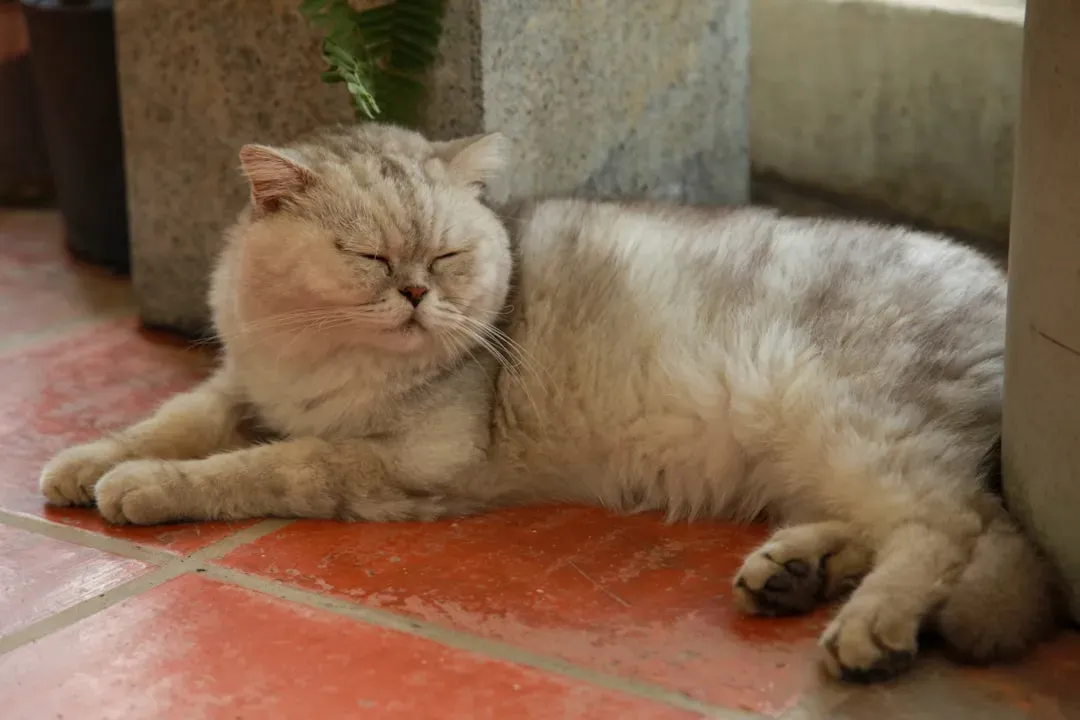
As cats enter their senior years, typically around the age of seven to ten, you may notice several subtle yet meaningful shifts in behavior and physical condition. One of the most common signs is a decrease in activity level – your once playful companion may now prefer longer naps and shorter play sessions. You might also observe changes in mobility, such as reluctance to jump onto high surfaces or a slight stiffness when moving.
Other signs to watch for include alterations in grooming habits, which could lead to matted fur or a less shiny coat, and changes in social interaction – some cats may become more clingy, while others prefer solitude. Let’s be real: every senior cat is writing their own rule book, and your job is to learn how to read it.
Cognitive Decline: The Cat Dementia No One Talks About
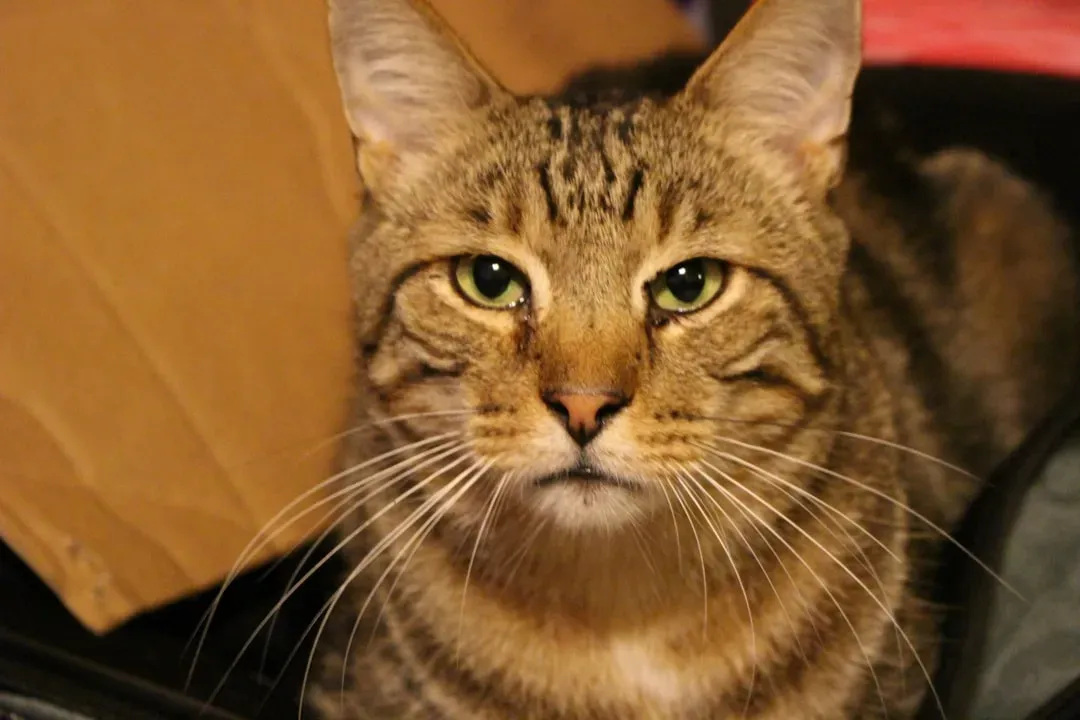
Cognitive decline, referred to as feline cognitive dysfunction or FCD, affects more than 55% of cats aged eleven to fifteen years and more than 80% of cats aged sixteen to twenty years. Memory, ability to learn, awareness, and sight and hearing perception can all deteriorate in affected cats. This can cause disturbances in sleeping patterns, disorientation, or reduced activity. These are sobering numbers that most cat owners have never even heard of.
Cognitive dysfunction can cause cats to forget previously learned habits they once knew well, such as the location of the litter box or their food bowls. It can also increase their anxiety and tendency to react aggressively, and change their social relationships with you and with other pets in your home. If your senior cat seems “off” in ways you can’t quite pinpoint, this could well be the reason.
Nutrition Needs That Shift With Age
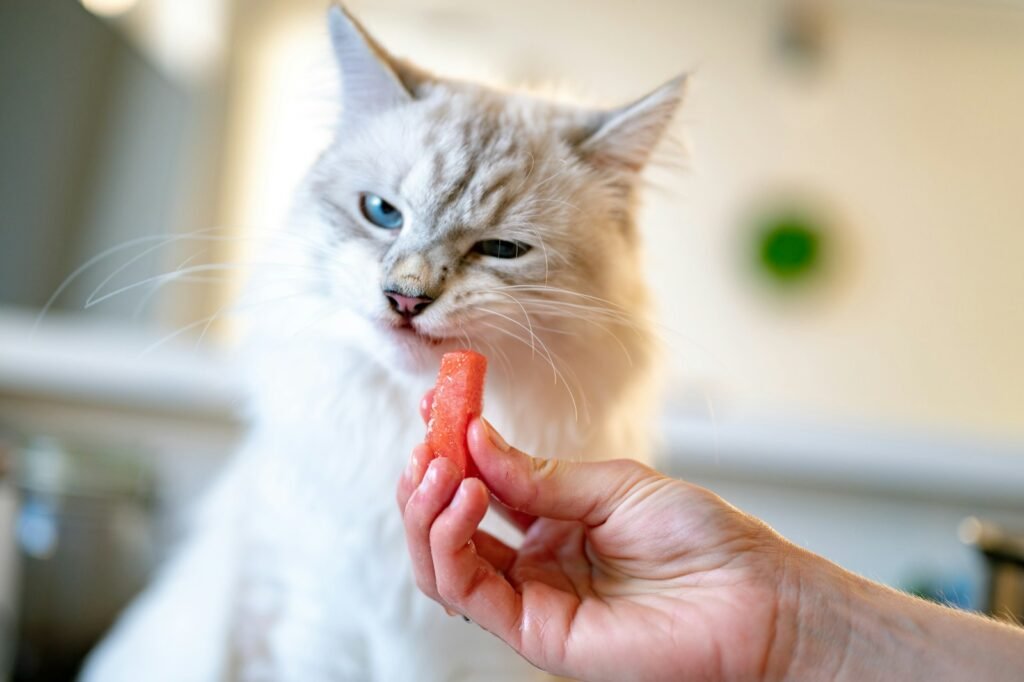
Aging cats have different nutritional needs compared to younger cats. Proper nutrition is vital to support their changing bodies, manage weight, and prevent health problems. As cats age, they may become less active and need fewer calories. At the same time, their digestive systems may slow down, and they may need easier-to-digest food. It’s a delicate nutritional balance, and getting it right matters enormously.
Obesity-prone senior cats can benefit from lower-calorie diets and diets with glucosamine to reduce stress on their joints. Cats with early kidney disease will benefit from lower phosphorus, sodium, and protein levels. Older cats with sensitive stomachs may benefit from low-residue or gastrointestinal-support diets. Your vet is your best ally here – a tailored diet can genuinely add quality years to your cat’s life.
Why Hydration Is a Senior Cat Lifeline
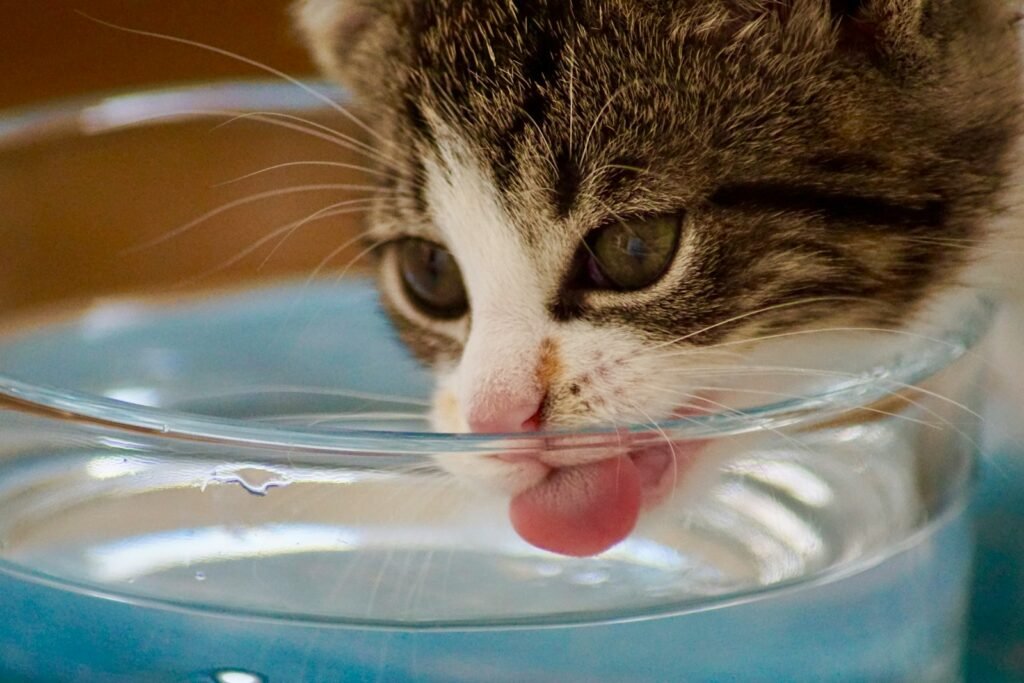
Kidney function declines as cats age. While it may not always show up on blood work, all senior cats benefit from having increased water intake. You should make sure your senior cat has multiple water sources available so they don’t have to work hard to find water. Think of it this way: you wouldn’t put one glass of water in the corner of a large house and expect your aging parent to find it every time – same principle applies here.
Picky drinkers may benefit from having more wet food in their diet or water fountains that keep fresh water flowing. As your cat gets older, they might not be able to jump up onto counters or access the usual water dish, so adding more water stations around the house with plenty of bowls or pet water fountains will entice your senior cat to drink more. This one small change can make a striking difference in kidney health over time.
Creating a Senior-Friendly Home Environment
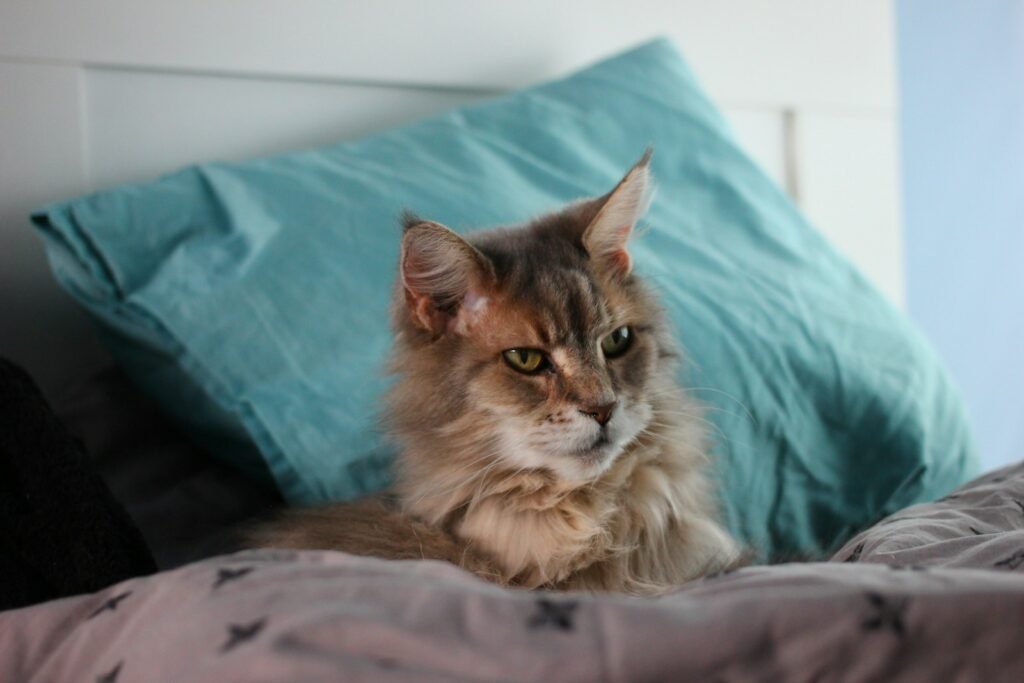
As your cat ages, their environment plays a significant role in their overall well-being. Senior cats may experience changes in mobility, vision, or hearing, which can make navigating their environment more challenging. By making a few adjustments to your home, you can create a more comfortable space for your aging cat. I think of it as a home renovation project – except the beneficiary has four paws and very strong opinions about everything.
Senior cat care includes adding ramps or steps to favorite perches, placing extra litter boxes on each floor, and creating multiple warm resting spots. Providing soft, heated bedding in quiet areas where your cat can rest undisturbed is also important. Consider raising food and water bowls slightly to reduce neck strain during meals. These are small, affordable changes that carry genuinely big rewards for your cat’s comfort and confidence.
The Importance of Grooming Support
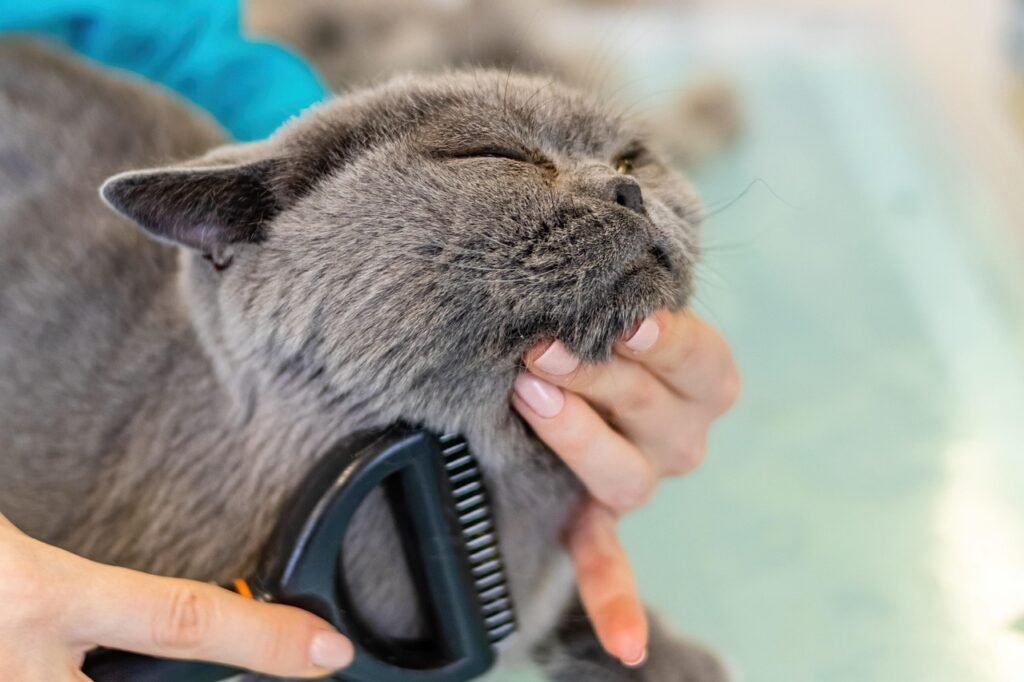
Although cats are generally meticulous about grooming themselves, this task becomes more challenging as they age. Your cat will find it increasingly difficult to bend and stretch to groom their entire body due to reduced flexibility. It’s not a vanity issue – poor grooming in older cats is often a physical or medical signal that something needs attention.
Older cats are more prone to physical and cognitive decline that affects their ability to groom themselves and maintain their nails. Especially with medium and long-haired breeds, gently brushing them every day can help keep their fur from becoming matted and prevent a stressful visit to the vet or groomer. Trim your cat’s nails at least monthly to help keep excessively long claws from growing into their paw pad or getting caught on rugs or furniture.
Mental Stimulation: The Joy That Keeps Them Sharp
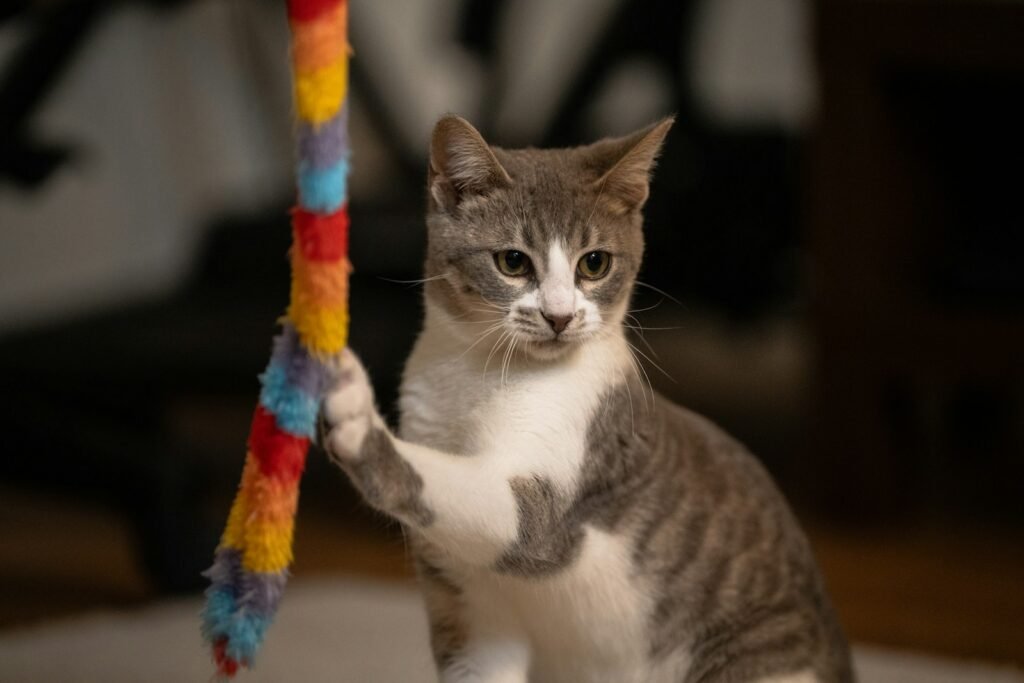
Just because your cat is older doesn’t mean they don’t need to use their brain, body, and senses. Enrichment is important for well-being, stress reduction, and supporting cognitive health. Here’s the thing – a bored senior cat is an unhappy senior cat, and unhappiness has a way of accelerating decline in ways that are hard to reverse.
You can support your cat’s cognitive health by maintaining a regular routine, making sure they get enough exercise, and providing opportunities for mental stimulation. For instance, play games with them, offer interactive toys, or hide small bowls of food around the house for them to find. This last idea can also encourage older cats to eat, as it plays on their natural instinct to hunt for their food. A puzzle feeder isn’t just a toy. It’s a lifeline for a curious mind.
Regular Vet Visits: Your Most Powerful Tool
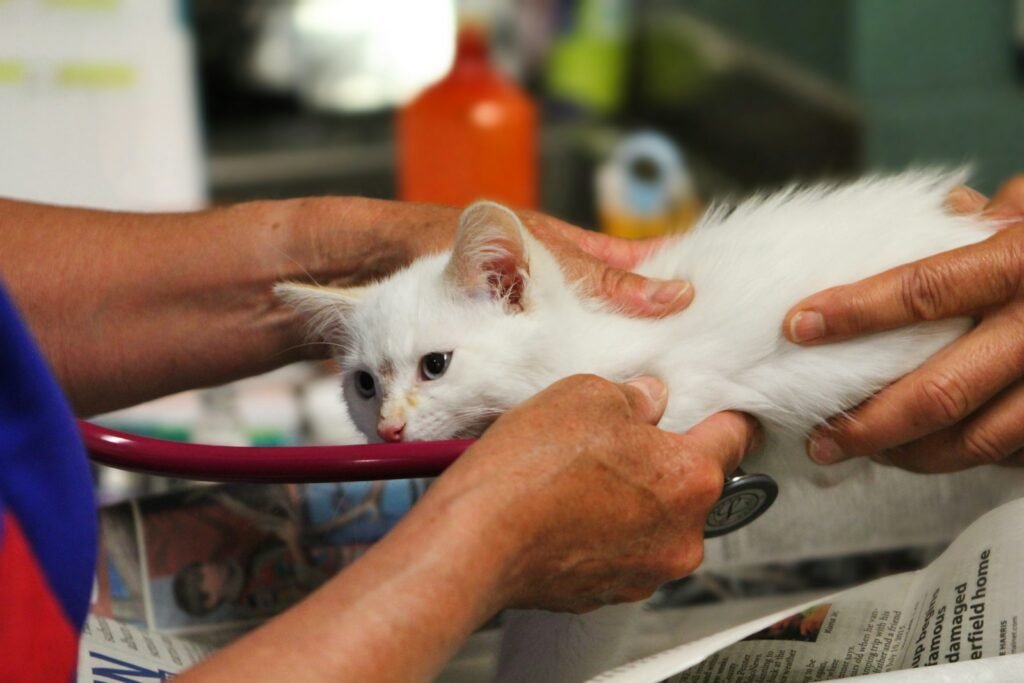
Any senior care program aims to maintain the quality of the pet’s life and to slow the progression of age-related diseases. Because most chronic diseases seen in senior cats are slow to progress, early recognition is usually only possible through diagnostic tests. The earlier a disease is diagnosed, the more likely its progression can be slowed or reversed, and a high quality of life can be maintained for longer. This is not optional – it is the single most impactful thing you can do.
Even gradual changes should be discussed with your veterinarian during regular senior wellness visits, which ideally should occur every six months for cats over ten years of age. These check-ups typically include comprehensive bloodwork, blood pressure measurement, and thorough physical examination to detect age-related conditions before they significantly impact behavior. Think of those vet visits as your early-warning system. The peace of mind alone is worth it.
Conclusion: Honoring the Golden Years
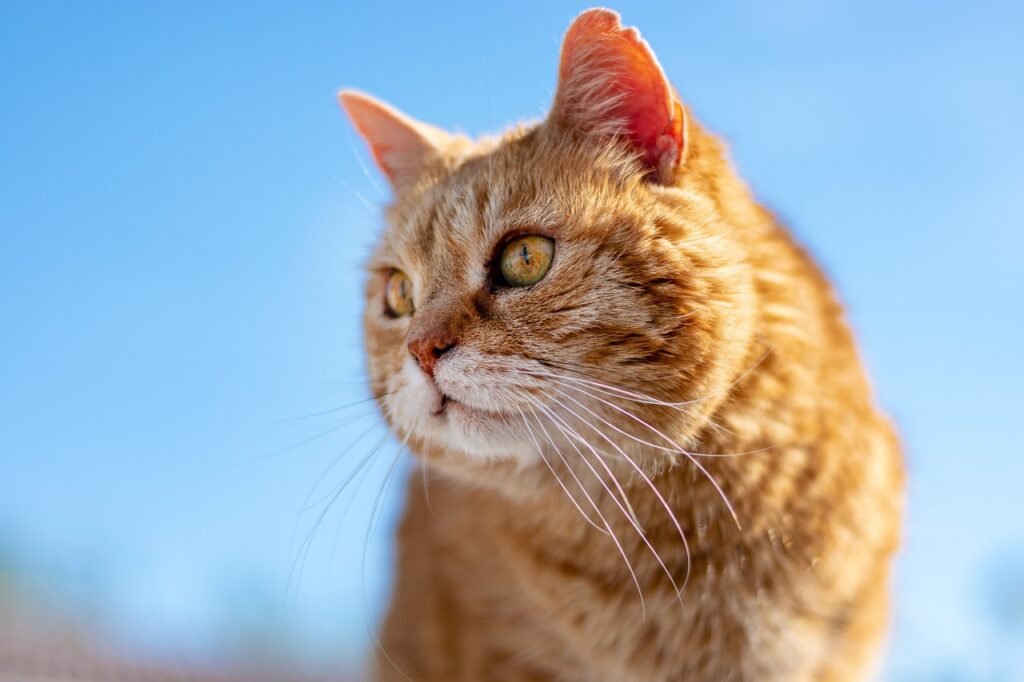
Senior cats don’t ask for much. A warm bed. Fresh water. A familiar routine. A gentle hand. Aging is a natural process, and although many complex physical changes accompany advancing years, age in and of itself is not a disease. Even though many conditions that affect older cats are not correctable, they can often be controlled. That’s genuinely hopeful news, and it deserves to be celebrated.
Understanding the underlying causes of behavioral changes is crucial to addressing them effectively. While aging is inevitable, suffering isn’t – and with the right approach, you can help your senior cat maintain comfort, dignity, and joy in their later years. That’s a promise worth keeping.
There is something quietly profound about sharing your life with an aging cat. They slow down, yes. They need more from you. But in exchange, they offer something rare – a depth of bond and a stillness of presence that younger cats, brilliant as they are, simply haven’t earned yet. Take care of your senior cat with the same loyalty they’ve shown you. They’ve more than earned it. What unexpected joy has your senior cat brought into your life lately?