Have you ever locked eyes with your cat only to watch them gently close their eyes and open them again, almost in slow motion? It might seem like just another quirky cat behavior, something they do between naps and knocking things off counters. Yet this tiny gesture holds profound meaning in the world of feline communication.
Let’s be real, cats have a reputation for being aloof. They’re the mysterious creatures who come and go as they please, who might ignore you for hours then suddenly demand your complete attention. But beneath that independent exterior lies a sophisticated emotional language, one that’s been quietly spoken for thousands of years. The slow blink is your cat’s way of saying something incredibly special to you, something that once you understand it, will transform how you see your relationship with your feline companion forever.
What Exactly Is a Cat’s Slow Blink?
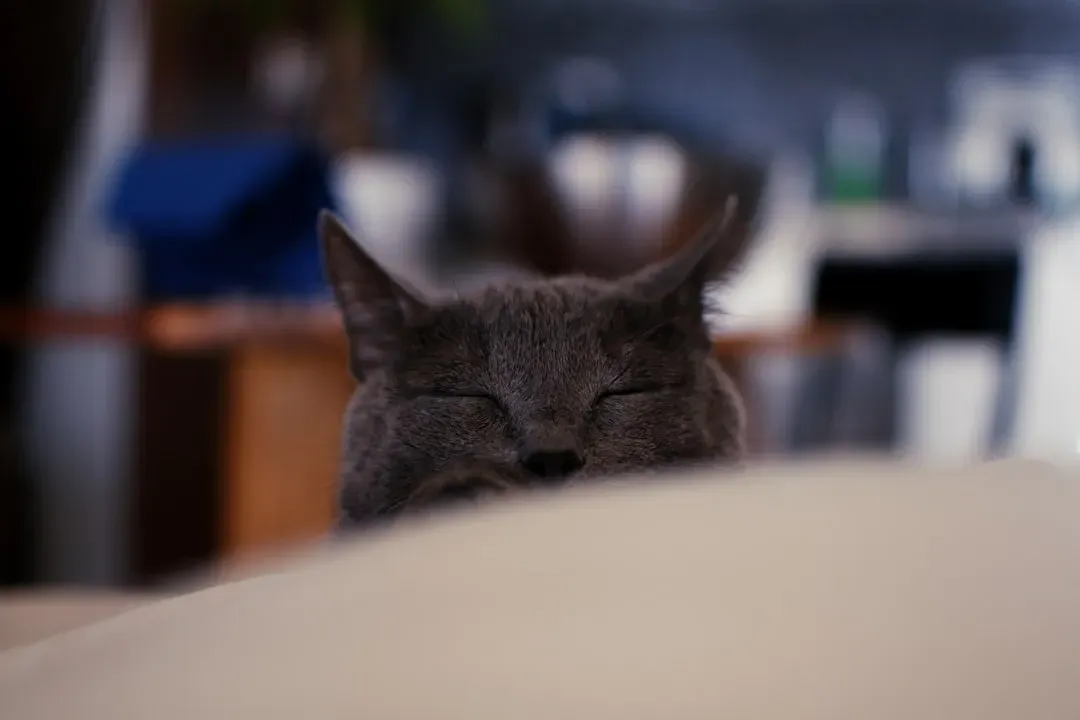
A slow blink sequence typically involves a series of half-blinks followed by either a prolonged eye narrow or an eye closure. Think of it as the opposite of a regular blink, which happens in the blink of an eye, if you will. This is deliberate, measured, almost meditative.
Research shows that cat slow blinking differs from the velocity of a typical cat blink, and this observation is noteworthy because it shows that slow blinking is not a reflexive movement – it’s an intentional behavior. Your cat is choosing to communicate with you this way. When they lock eyes with you and slowly close their lids, pausing for that extra moment before reopening them, they’re sending a very specific message.
It’s easy to miss if you’re not paying attention. Cats are subtle creatures, after all. Some might perform a full eye closure that lasts a second or two, while others do a series of soft, half-closed blinks.
The Biology Behind the Blink: Why Closing Eyes Matters
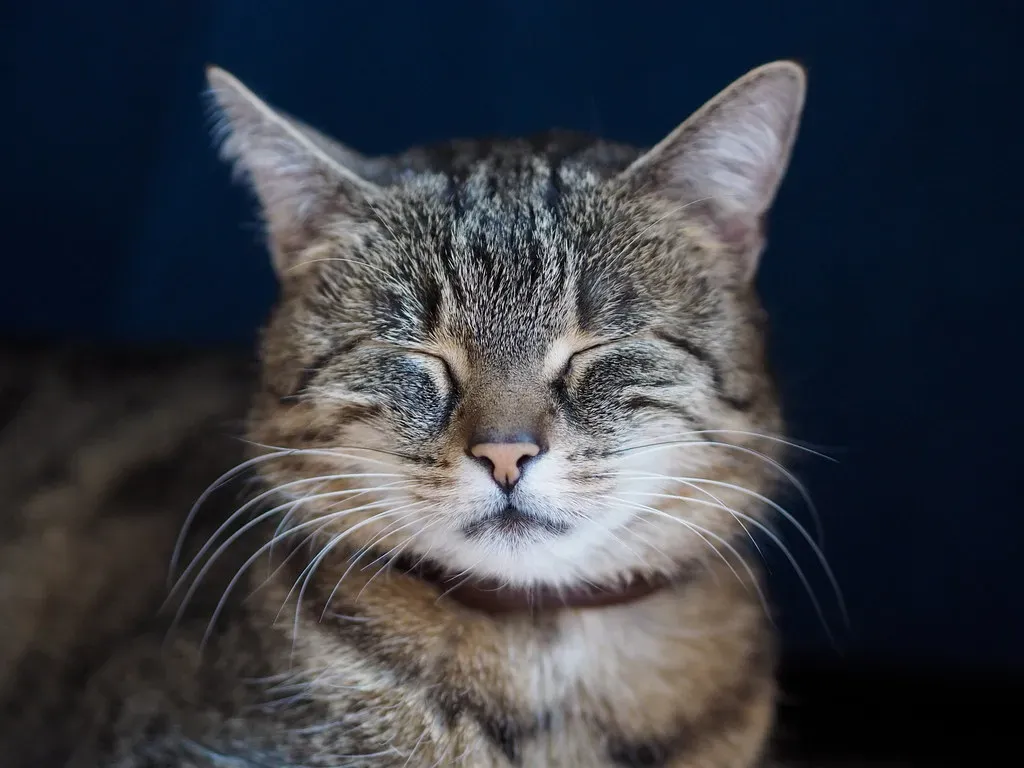
In the feline world, closing their eyes in the presence of another creature makes them vulnerable, as they are unable to detect potential threats. This is huge when you think about it. Cats are both predators and prey animals in the wild.
In the wild, cats are both predators and prey, and anytime the animal’s eyes are closed, it can’t spot potential threats nearby – it’s at risk, vulnerable. When you’re present, and your cat makes himself vulnerable by closing his eyes – even for a half-second – you have officially made it inside your pet’s circle of trust. Honestly, when you consider what your cat is risking just to show you affection, it becomes incredibly touching.
Every moment those eyes are shut is a moment they can’t scan for danger. Every second is a declaration that they feel completely safe with you. That’s not something cats give away freely.
Science Finally Proves What Cat Lovers Always Knew
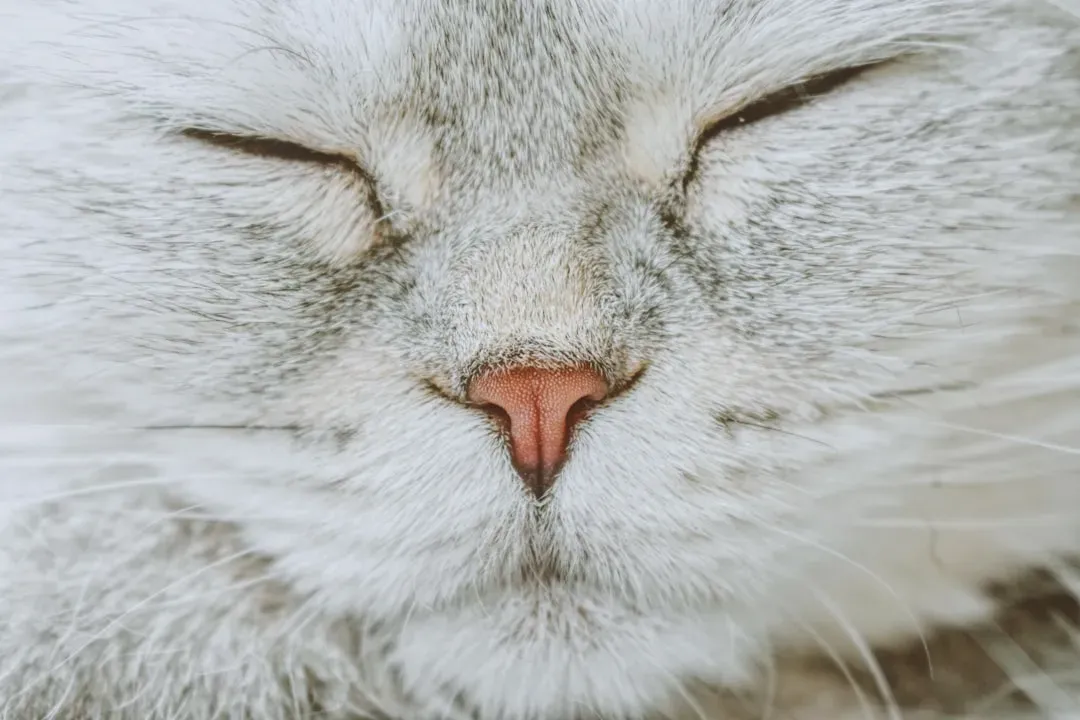
For years, cat owners suspected the slow blink meant something special. Then in 2020, researchers from the University of Sussex decided to actually test this theory. The study provided the first systematic investigation of the role of slow blink behaviour in cat–human communication, showing that slow blink interactions appear to be a positive experience for cats, and may be an indicator of positive emotions.
Cats are more likely to slow blink at their owners after their owners have slow blinked at them, compared to when they don’t interact at all. In a second experiment, researchers who were complete strangers to the cats found something even more remarkable. Cats were more likely to blink back and more likely to approach the human’s hand after the human had blinked.
Think about that for a moment. A cat, an animal known for being wary of strangers, actively chose to approach someone unfamiliar simply because that person slow-blinked at them first. The implications are extraordinary.
Your Cat Is Telling You They Trust You Completely
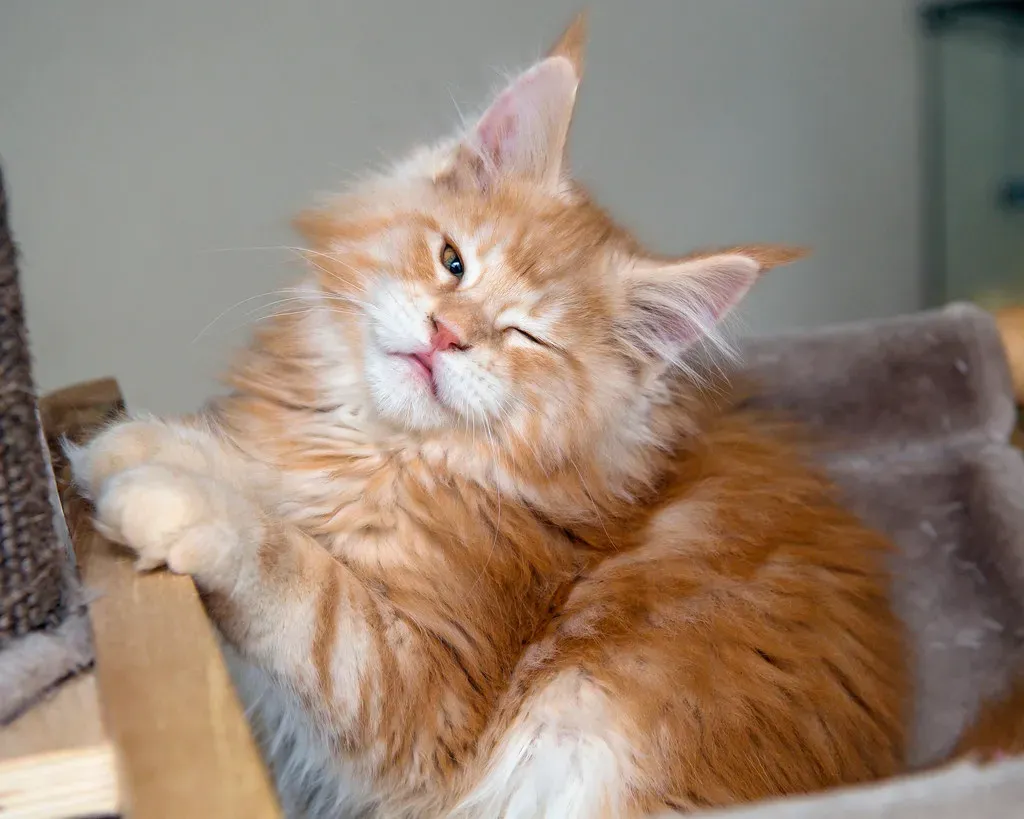
When a cat slow blinks at you, they are often expressing a sense of trust, contentment, and affection. It’s not just one emotion but a combination of feelings all wrapped into that single gesture. Your cat’s slow blink is a sign that they trust you and feel comfortable around you – it’s as close to an ‘I love you’ from them as you’ll ever get.
Unlike dogs, which are pack animals and have a more straightforward social structure, cats are more independent creatures that form complex social hierarchies. This means that trust and affection are earned rather than given freely, making the slow blink a valuable indicator of your cat’s feelings towards you. Your cat isn’t programmed to love everyone they meet.
They’re discerning. Selective. When they choose to slow blink at you, they’re making a conscious decision to lower their defenses and show vulnerability.
How Cats Use Slow Blinking With Each Other
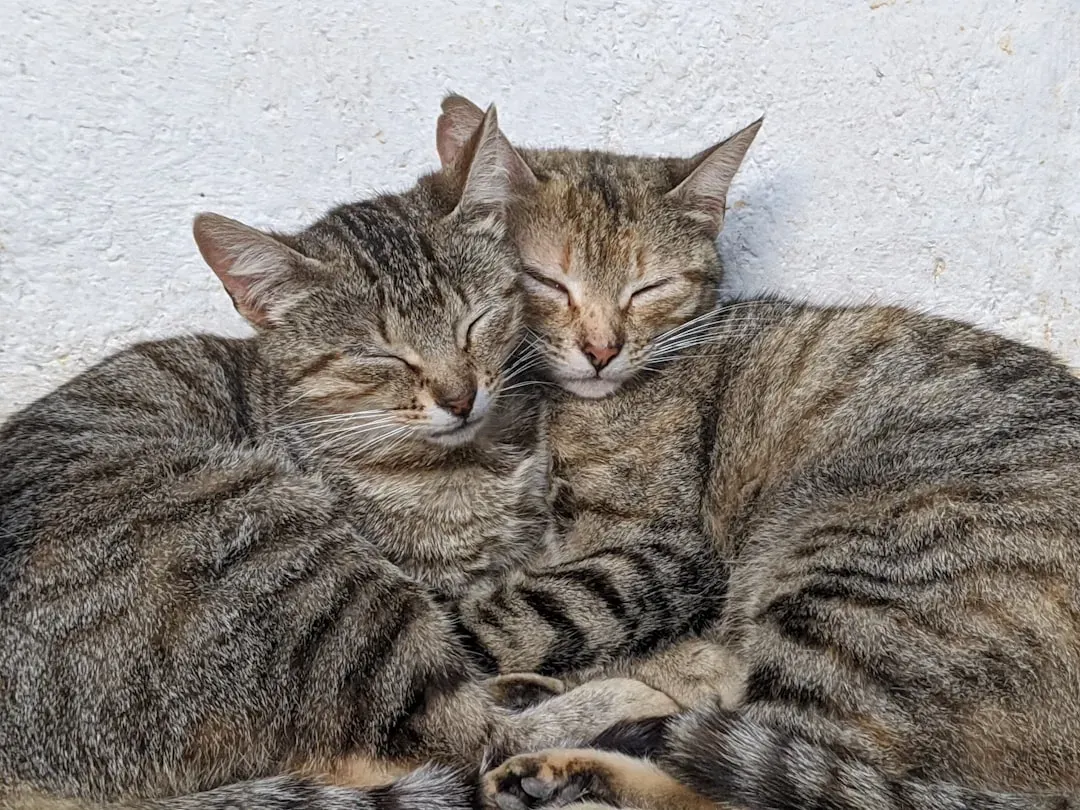
Unlike meowing, cats do slow blink at each other, and you’re more likely to see this among two cats who aren’t threatened by each other’s presence. Watch cats who live together harmoniously, and you’ll catch these silent exchanges between them.
It’s common to see cats slow blink at one another, and when you see one cat slow blinking at another cat, it means they are communicating that they are friendly and not threatening to the other cat. On the other hand, a hard stare between cats is usually perceived as a threat or a challenge. The slow blink is essentially the opposite of aggressive eye contact.
It’s their way of diffusing tension and maintaining peace. In multi-cat households, you might notice the more confident cats initiating slow blinks with newer or more anxious cats as a way of saying, “We’re cool. No need to worry.”
The Fascinating Evolution of This Behavior
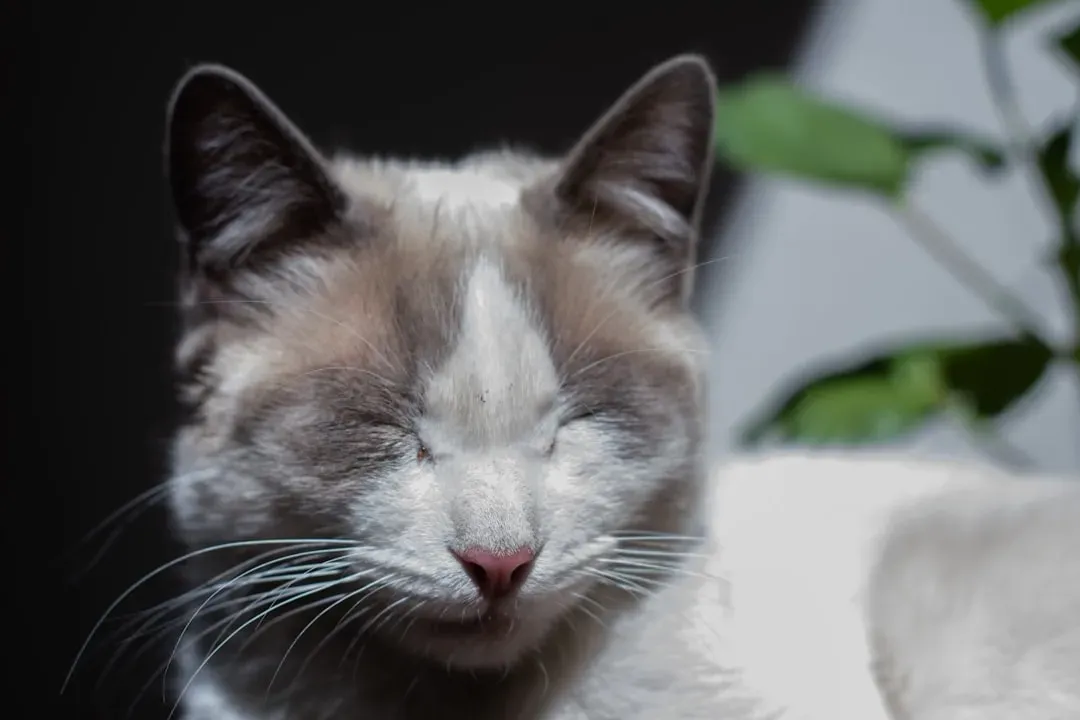
It could be argued that cats developed the slow blink behaviors because humans perceived slow blinking as positive. Cats may have learned that humans reward them for responding to slow blinking. Here’s the thing: cats have been living alongside humans for roughly 10,000 years.
It is also possible that slow blinking in cats began as a way to interrupt an unbroken stare, which is potentially threatening in social interaction. Whatever the origin, cats figured out that this particular expression gets a positive response from us. They adapted their communication to bridge the gap between species.
Cats that responded to human slow blinking, specifically by using eye closures, were rehomed quicker than cats that closed their eyes less, suggesting that the use of slow blinking may have given cats a selective advantage during the domestication process. The cats who could communicate with humans in ways we understand literally had better survival odds.
How to Slow Blink Back at Your Cat
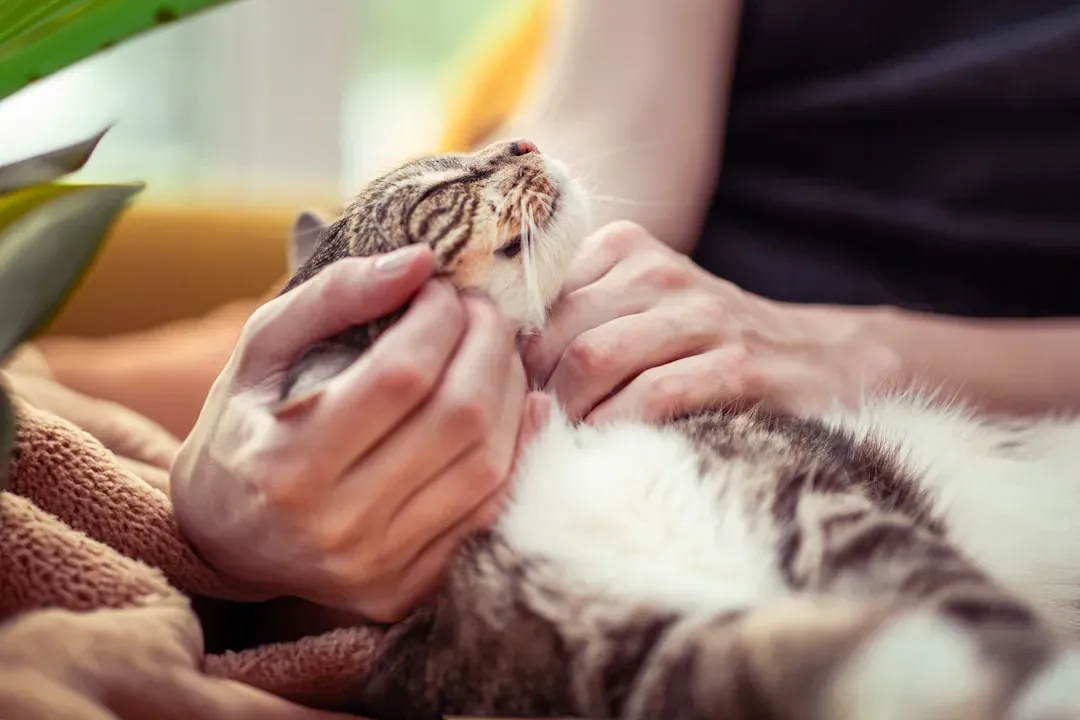
You can absolutely return the gesture, and you should. Try narrowing your eyes at them as you would in a relaxed smile, followed by closing your eyes for a couple of seconds, and you’ll find they respond in the same way themselves and you can start a sort of conversation.
Try mirroring your cat’s slow blink by gently closing and opening your eyes in a relaxed manner. This can help to reinforce your bond and create a sense of mutual trust and affection. Make sure you’re in a calm state yourself. Your cat will pick up on your energy.
Wait until your cat is looking directly at you, then slowly close your eyes for about one to two seconds before gently opening them again. Don’t rush it. The whole point is that it’s slow and deliberate, showing you’re relaxed and comfortable.
When Your Cat Looks Away After Blinking
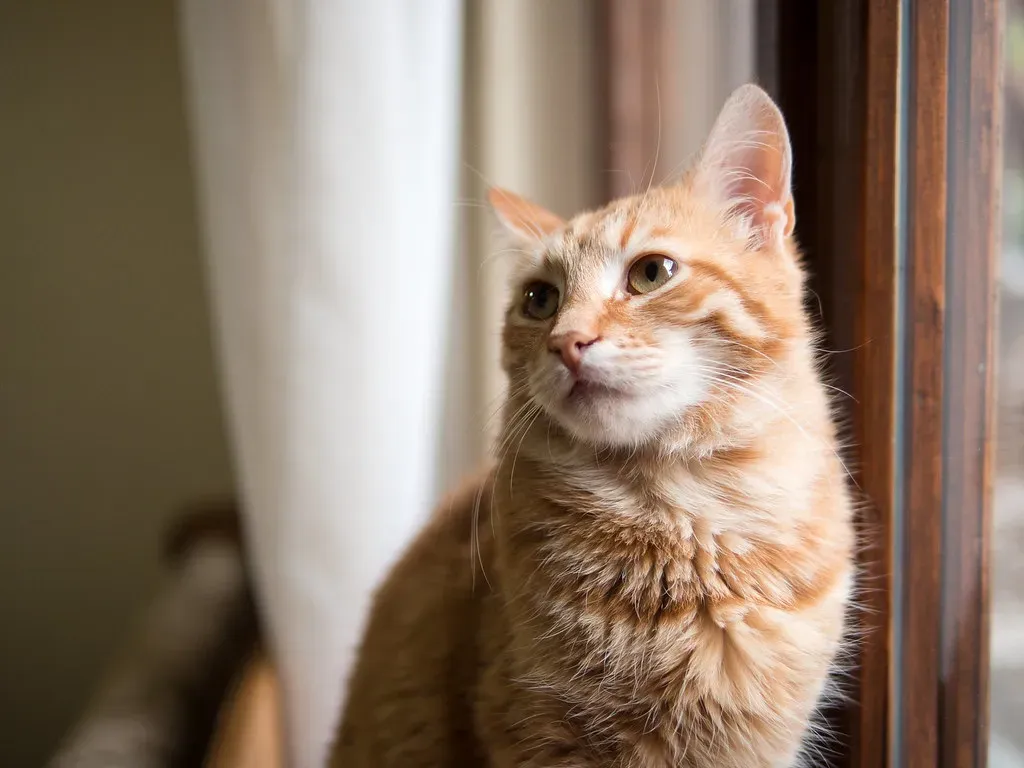
When you slow blink at your cat, you may notice her look away afterward, and a cat looking away after a slow blink does not indicate distrust or disinterest. On the contrary, it frequently signifies comfort and respect. I know it sounds counterintuitive.
In the feline world, direct eye contact can be perceived as a threat or a challenge. By looking away, your cat demonstrates that it feels safe and secure with you. This action can also show that it respects your space and is not attempting to dominate or confront you. They’re not rejecting you or being rude.
They’re actually being incredibly polite in cat language. Looking away after exchanging slow blinks is their way of acknowledging the moment of connection without making it confrontational.
Not All Eye Contact Is Created Equal
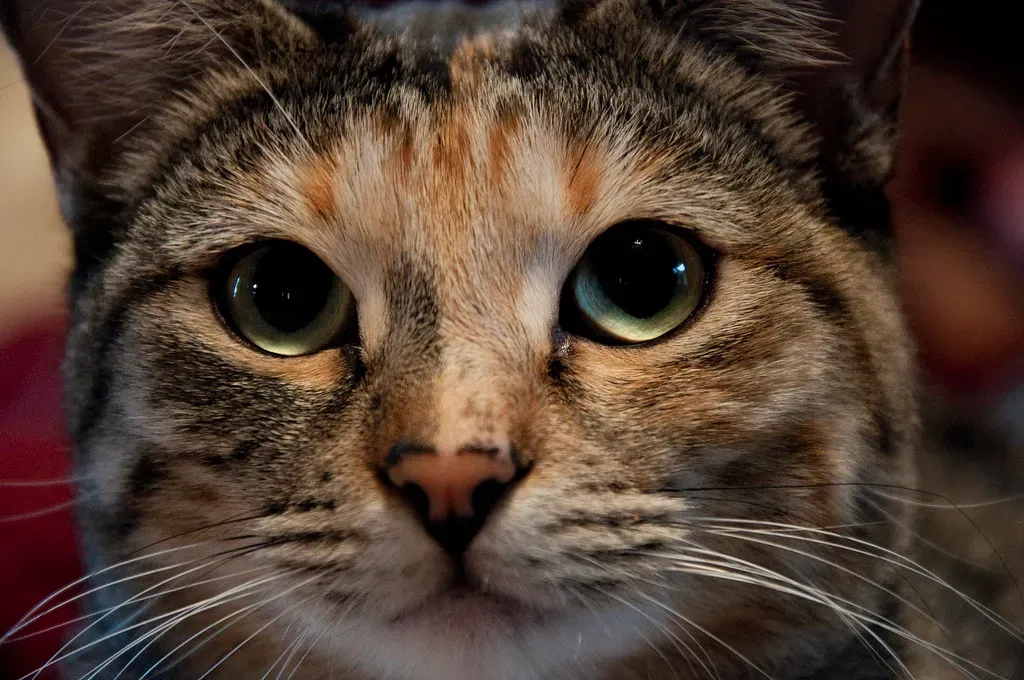
There’s a critical difference you need to understand. Direct staring is challenging and indicates distrust, and cats see it as a threat, just like they would with other cats. Never stare unblinkingly at your cat, especially if they seem uncomfortable.
If your cat looks uncomfortable – eyes wide open with big, dilated pupils – don’t try to slow blink, as dilated pupils mean your cat is gathering information because they feel threatened. Context matters enormously. A slow blink only works in a relaxed, safe environment where both you and your cat are calm.
If you’re trying to slow blink at a scared or agitated cat, you’re going to make things worse. Read the room, so to speak. Watch their body language, their tail position, their ear placement before attempting this form of communication.
What If Your Cat Doesn’t Slow Blink?
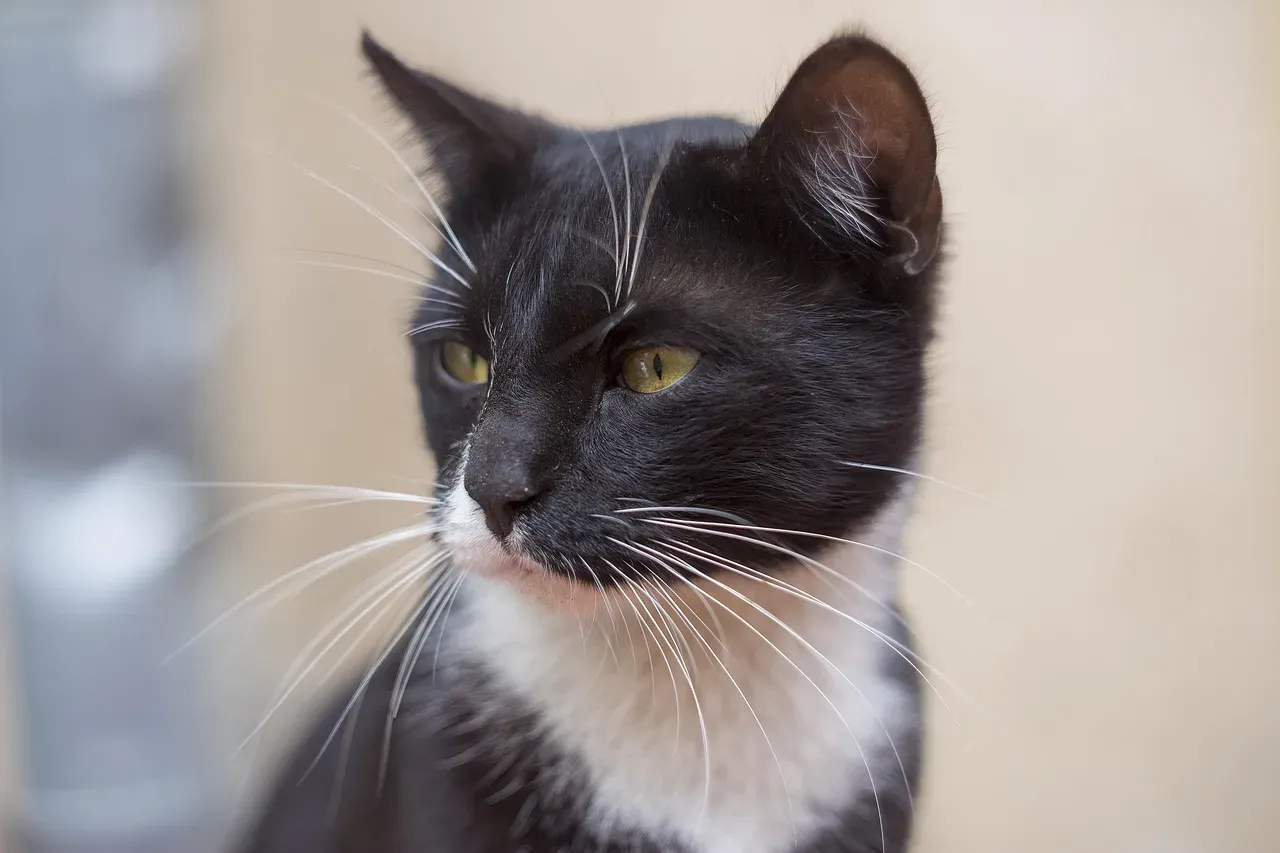
Not all cats slow blink, and while the message is consistent among those who do slow blink, some cats prefer other communication methods, such as rubbing on us, rolling onto their back to expose their belly, licking, and head bunting. Don’t take it personally if your cat isn’t a slow blinker.
Not all cats show their affection with a slow blink. Cats are famously undemonstrative, affection-wise, but they do have their ways of showing they care. So instead of a slow blink, they might gift you socks, purr on your lap, snuggle against you at night, or cry endlessly when you’re behind a locked bathroom door. Much like humans, cats have different types of love languages.
Some cats are more vocal, others are more physical. Your cat might prefer to show love by bringing you “presents” or by kneading on your lap. The important thing is learning your individual cat’s unique communication style rather than expecting them all to behave the same way.
Building Trust to Encourage More Slow Blinking
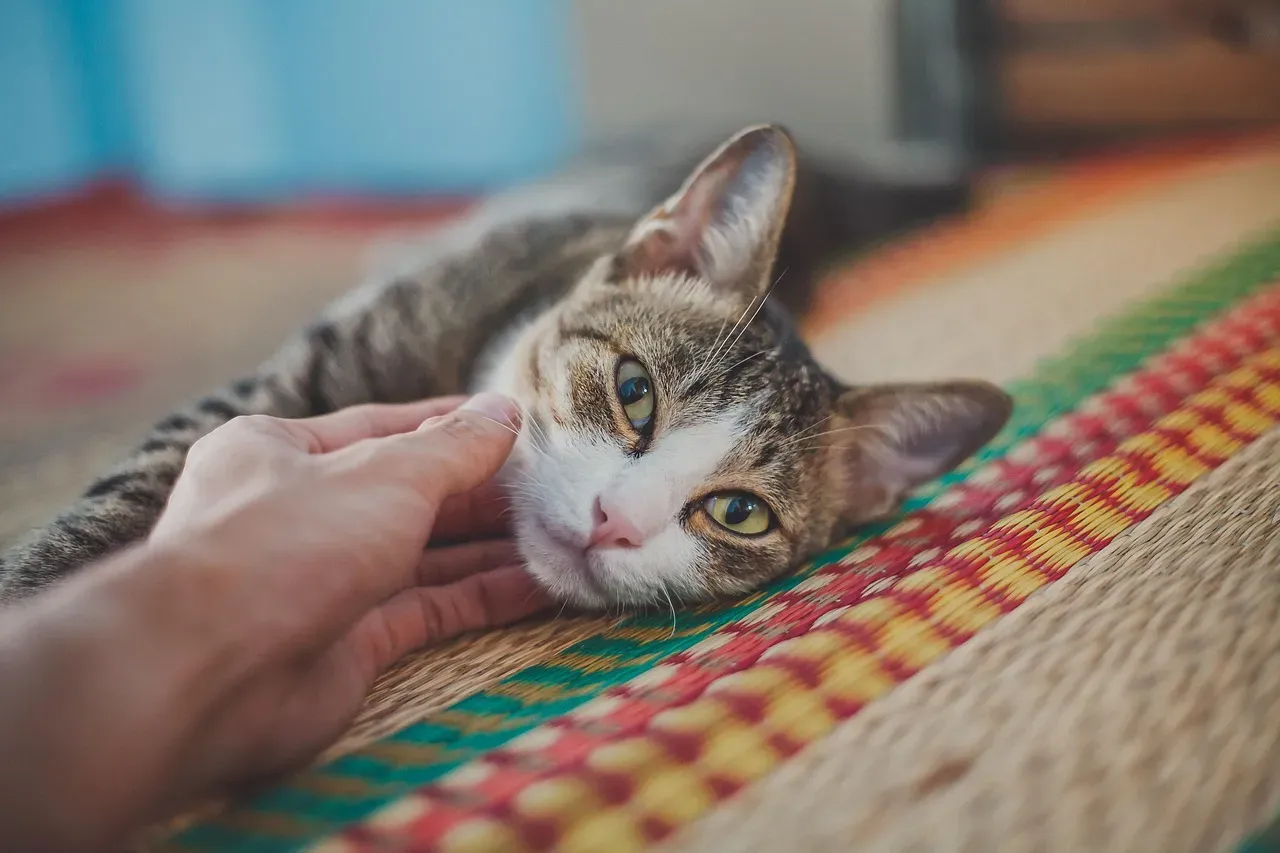
The slow blink is a sign of trust, which requires some effort at bonding. One of the reasons cats can seem so mysterious is because they aren’t as keen on doling out affection as many fun-loving dogs are. Instead, we need to earn their trust. Patience is everything with cats.
One of the worst ways to do this is to pick up or pet our cats without an invitation. It’s true. Some feline friends will invite loving sooner than others, but affection is permission-based. So, try a kitty handshake first. Respect their boundaries.
This entails holding out a finger to their nose. If they ignore us, we can try again later. If they sniff us, we can attempt to pet them. If they rub their face on our finger, we might pet them and even try to pick them up, if they are okay with petting. When they want to get down or move away from us, the important thing is to let them. This shows that we aren’t going to force affection and is a sign of respect. Over time, this builds the foundation for deeper communication, including slow blinking.
The slow blink isn’t just a cute quirk or random cat behavior. It’s a profound gesture of trust, vulnerability, and affection that bridges the communication gap between two very different species. When your cat takes the risk of closing their eyes in your presence, they’re telling you something extraordinary: that you’ve earned their trust, that they feel safe with you, that in their own subtle way, they love you. The next time you catch your cat gazing at you with those half-closed eyes, take a moment to slow blink back. You might just start the most meaningful conversation you’ve ever had without saying a single word. What has your cat been trying to tell you all along?