You’ve probably caught your cat sleeping in the strangest positions, paws twitching, whiskers quivering, maybe even letting out a tiny meow. It makes you wonder, doesn’t it? What’s going on behind those closed eyelids? Are they chasing invisible mice across dream landscapes, or reliving the moment they knocked your favorite mug off the counter?
The truth is, your feline friend’s sleep world is far more fascinating than most people realize. Cats don’t just snooze away half their lives for no reason. There’s an entire hidden universe unfolding in their minds while they rest, and science has finally started to crack the code. Let’s dive into the mysterious realm of cat dreams and discover what really happens when your furry companion drifts off to sleep.
They Really Do Dream, and Science Proves It
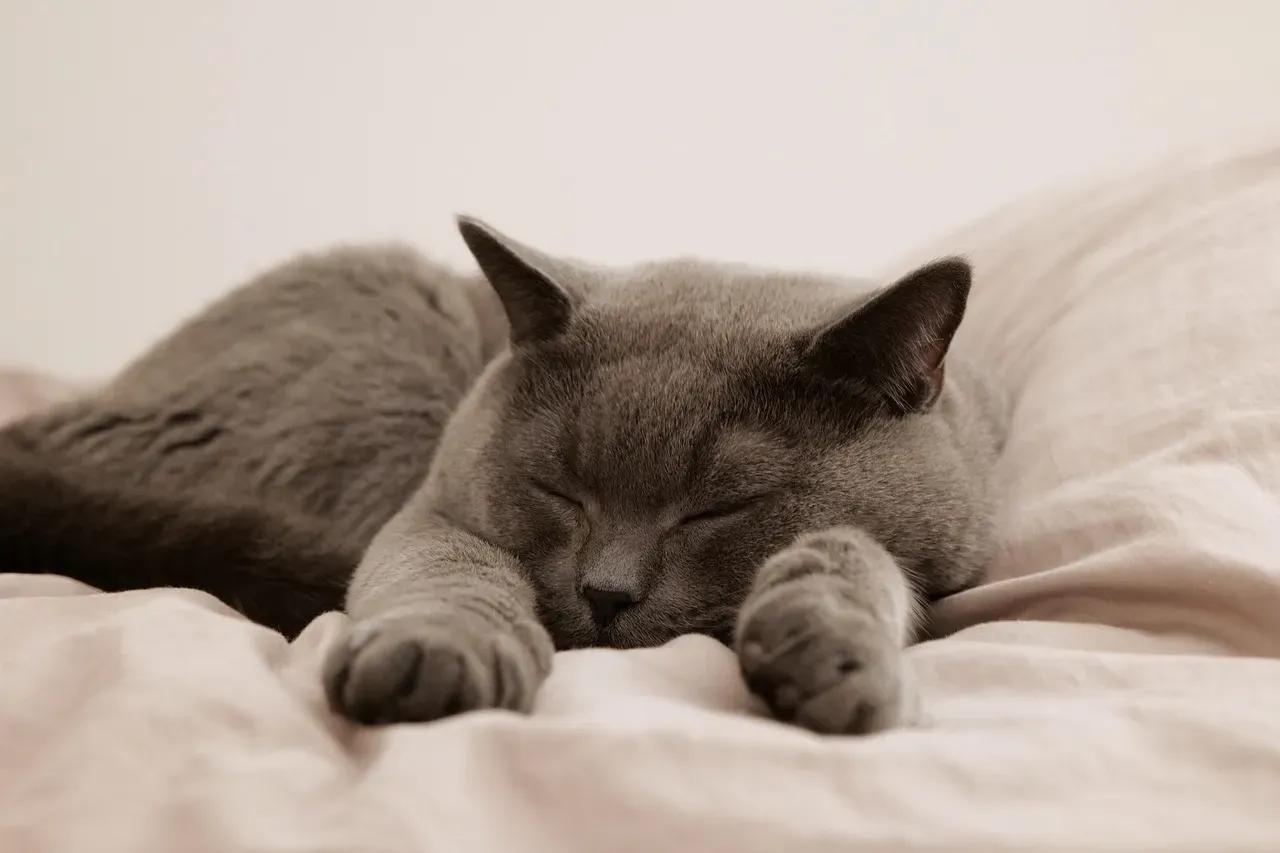
Like most other mammals, cats do dream, as it’s an important phenomenon that helps the brain to process the activities of the day. This isn’t just guesswork. In the 1960s, scientists confirmed that cats, too, have REM sleep, showing low voltage electroencephalogram (EEG) activity with eye movements and atonia, a type of muscle immobility.
Honestly, it’s pretty remarkable when you think about it. William Dement, “The Father of Sleep Medicine,” discovered REM sleep in cats in 1958, and independently, French physiologist, Michel Jouvet, realized he’d seen the same behavior in his sleep research with cats. These groundbreaking studies opened the door to understanding not just feline dreams, but mammalian consciousness itself.
The Brain Never Really Switches Off
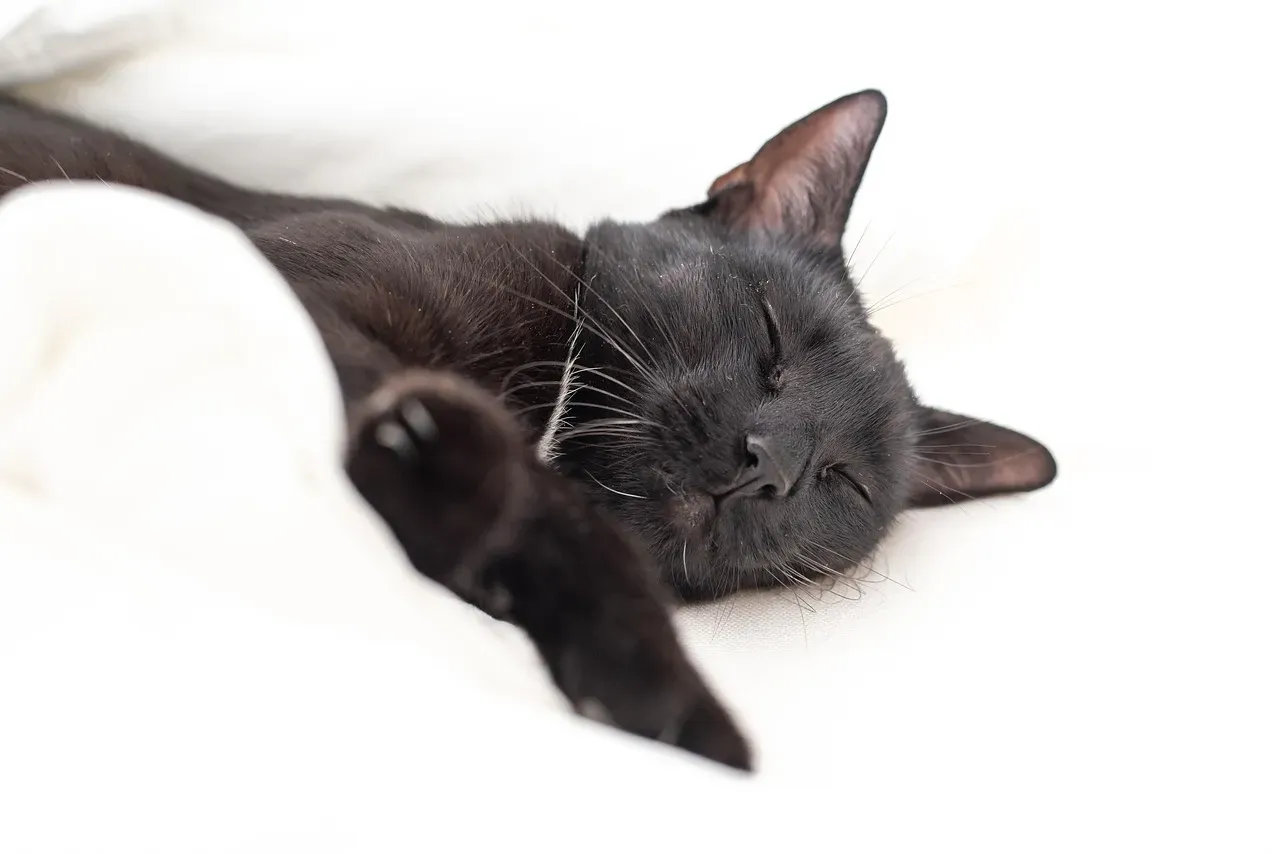
Dreaming occurs primarily during a stage of sleep known as rapid eye movement (or REM) sleep, when the brain shows activity similar to wakefulness. Your cat’s brain doesn’t just idle during sleep. It’s actually working hard, processing experiences, consolidating memories, and making sense of the day’s adventures.
REM is the dream stage when the brain becomes super active, often replaying experiences, emotions, and behaviours from the day, and cat brainwaves in REM sleep look strikingly similar to those of dreaming humans. The similarities between human and feline sleep patterns are genuinely striking. We’re not so different after all.
What Actually Plays Out in Their Dreams
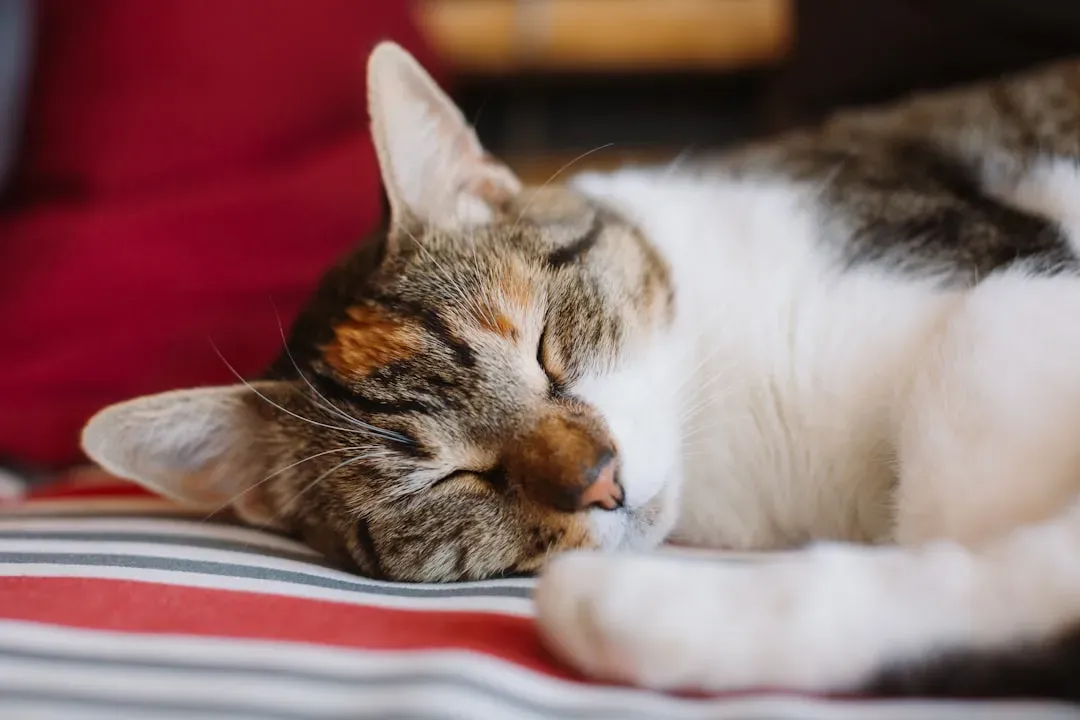
Most mammals use dreams to process the events they’ve experienced, so it’s reasonable to expect that cats relive their daily experiences at night, perhaps with some imaginative additions, and whatever a kitty was interested in during the day likely plays a role in their dreams that night. Think about what your cat does all day. Watching birds through the window? Hunting that feather toy? Lounging in the sun?
Cats probably do dream about their pet parents, their kitty friends, and even their enemies, and also likely dream about activities such as hunting, eating, and playing fun games. That twitching you see might be your cat replaying the epic battle with the laser pointer, or perhaps dreaming about finally catching that pesky red dot.
The Famous Experiment That Changed Everything
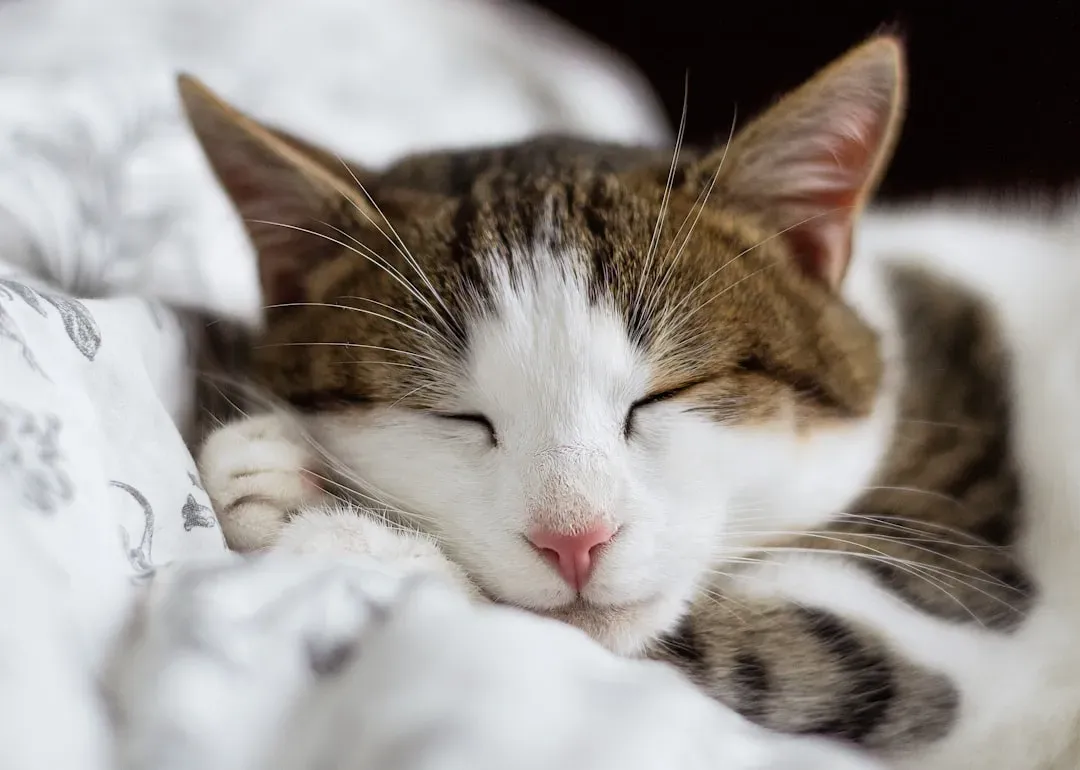
Here’s where things get really interesting. In the 1960s, Michel Jouvet tested a theory about which part of the brain prevents the body from acting out what’s happening in a dream by damaging a region called the pons in cats, and the cats indeed began moving during REM sleep, displaying behavior that scientists interpreted as hunting small prey.
Imagine that. Cats literally acted out their dreams when that brain region was disrupted. It’s a very safe assumption that cats dream about stalking and pouncing on prey. This wasn’t speculation anymore. It was observable evidence of what happens inside a cat’s sleeping mind.
They Might Dream in Smells More Than Sights
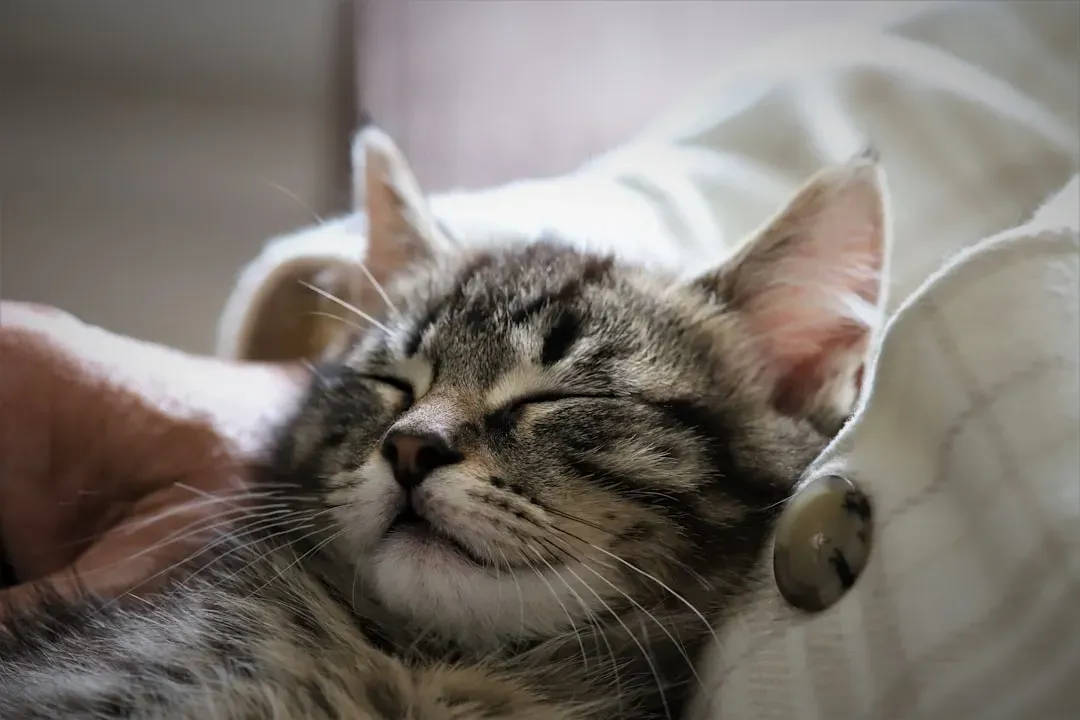
An even more intriguing idea is that animals might dream using more senses than humans do, for example, because smell is very important for both cats and dogs, their dreams might focus more on odors than ours do, suggesting that dogs and cats may dream in smells. Think about how your cat explores the world. They sniff everything, don’t they?
While we humans dream mostly in visual imagery, your cat’s dreams might be rich tapestries of scent memories. The smell of their favorite treat, the scent of the outdoor cat from down the street, even your unique smell that brings them comfort. It’s an entirely different way of experiencing the dream world.
Those Adorable Twitches Mean Something Special
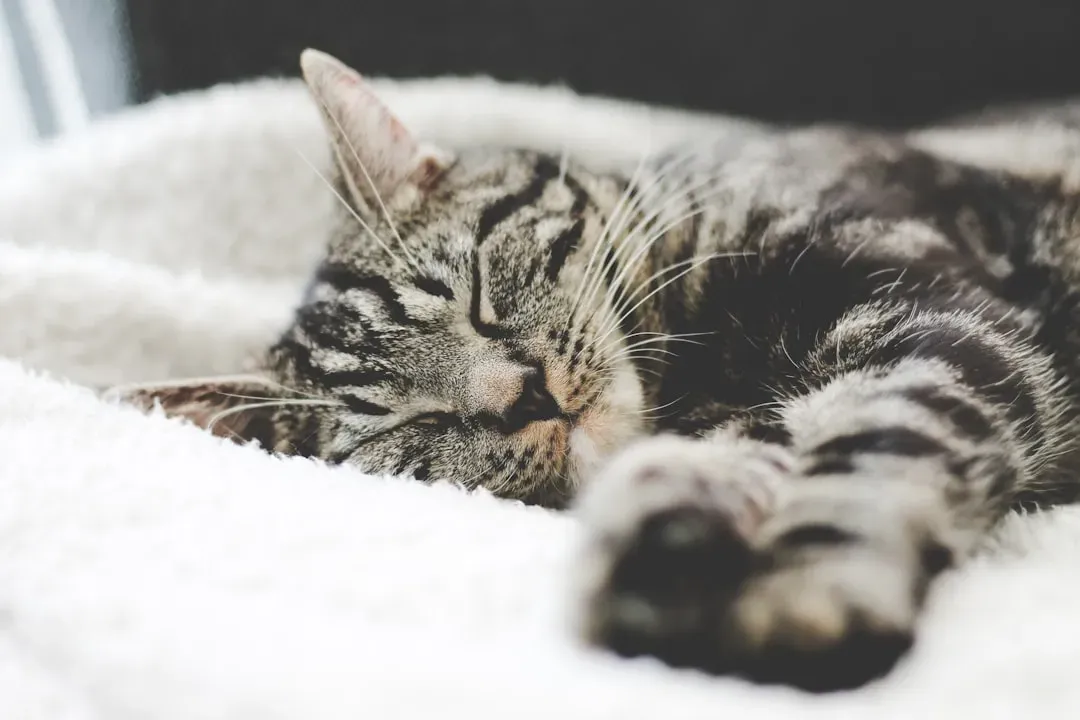
A cat twitching in their sleep is a pretty sure sign that they’re dreaming, as cats are likely “acting out” part of their dreams, and as the brain replays these vivid activities, cats may move and twitch as they relive the events, resulting in twitches, running motions, and even sounds like purrs and meows.
This is usually because they are deep in REM sleep, and kittens or growing cats might do it more than adult cats. Next time you see those little paw movements, know that your cat is probably in the middle of an intense dream adventure. Maybe they’re finally catching that bird they’ve been eyeing through the window all week.
Cats Sleep Away Most of Their Lives
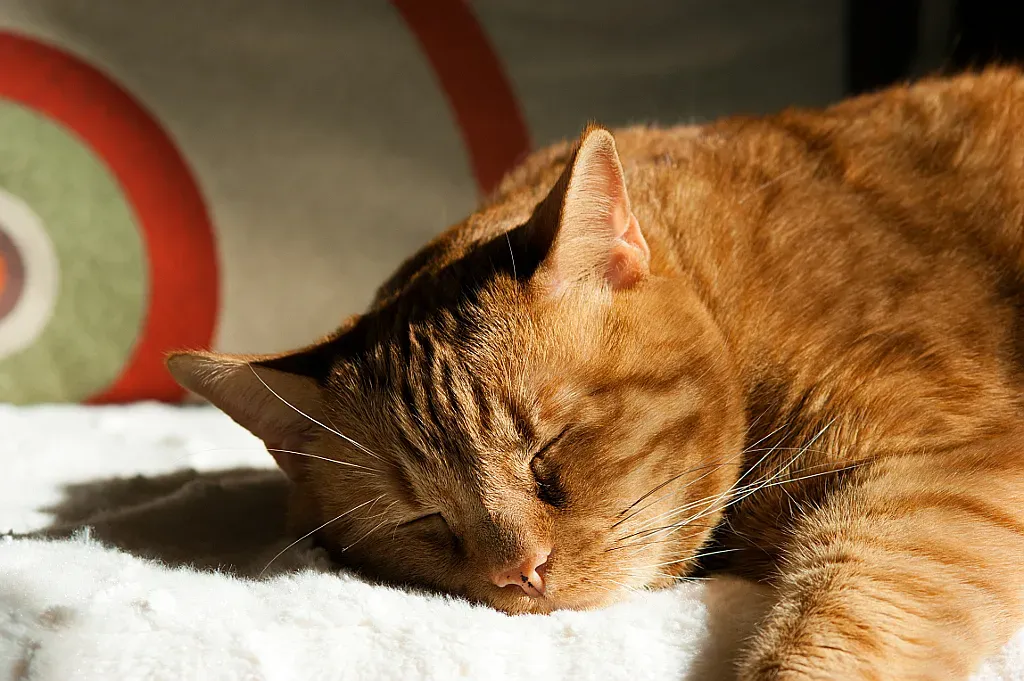
Adult cats average 12 to 16 hours of sleep a day, which can amount to about two-thirds of their life, and just as sleep requirements vary in humans, some cats may sleep more, close to 20 hours, while others sleep less. That’s an astonishing amount of time spent in dreamland. Your cat isn’t lazy – they’re evolved for this lifestyle.
Light, slow-wave, nonREM sleep lasts an average of 25 minutes, and you may see your cat sitting upright while snoozing with muscles active and senses ready to bolt out of the Buddha-like meditative state to chase prey or escape danger, before moving into a deeper sleep phase where muscles below the neck relax. It’s all part of their natural hunting instincts, even if the only thing they hunt these days is kibble in a bowl.
Yes, They Can Have Nightmares Too
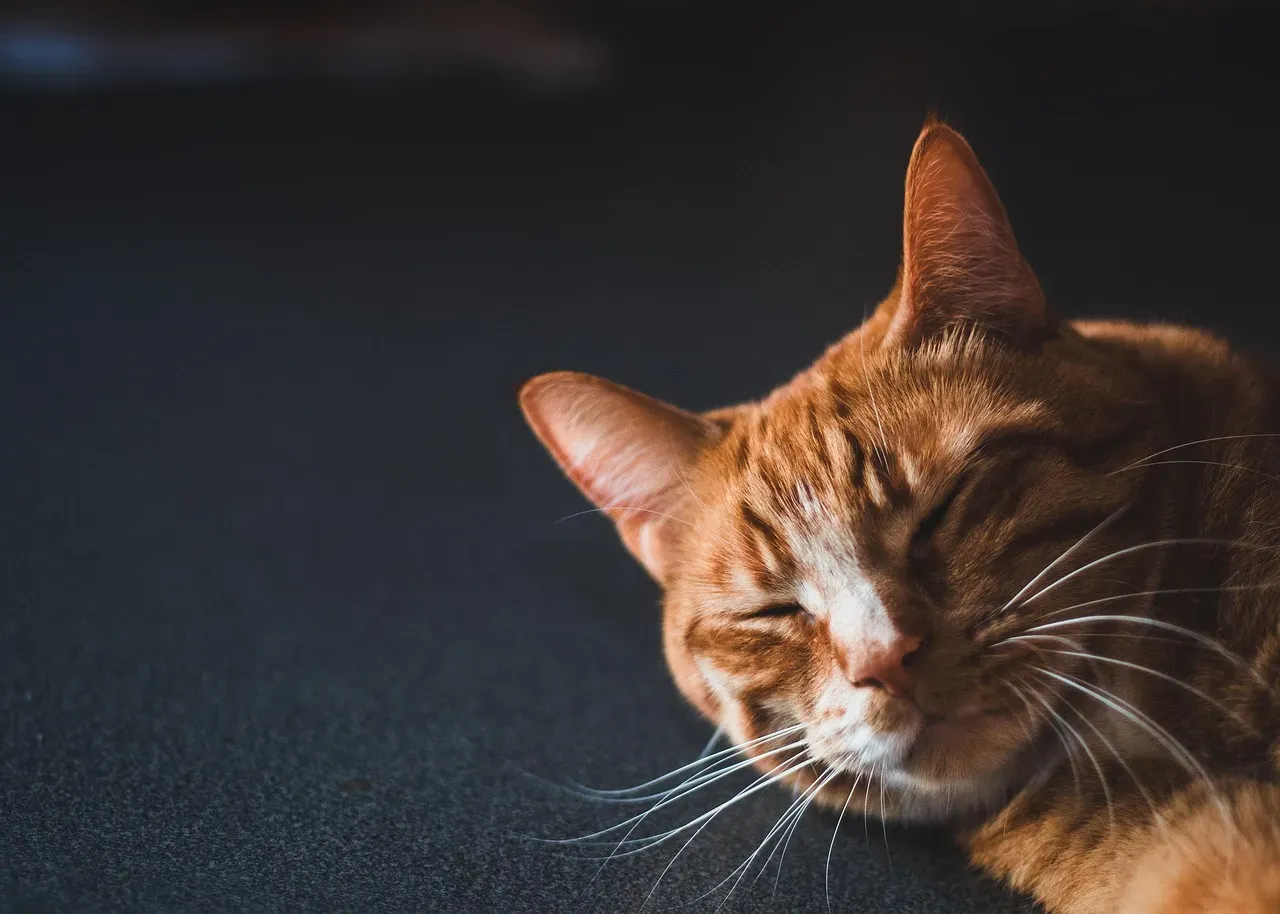
If a cat has a particularly frightening experience, such as a fight with another cat, a close call with a car, or a fall off a roof, they might even have nightmares. Just like us, cats don’t always have pleasant dreams. The brain processes negative experiences too, and that can manifest as nightmares.
If cats dream about their daily lives and memories, that could include stressful or scary experiences too, with signs that your cat might be having a nightmare including sudden startled awakenings or distressed movements during sleep. You might notice your cat suddenly jerking awake, looking around nervously, or seeming unusually clingy afterward. They’re seeking comfort, just like we do after a bad dream.
Kittens Dream Differently Than Adult Cats
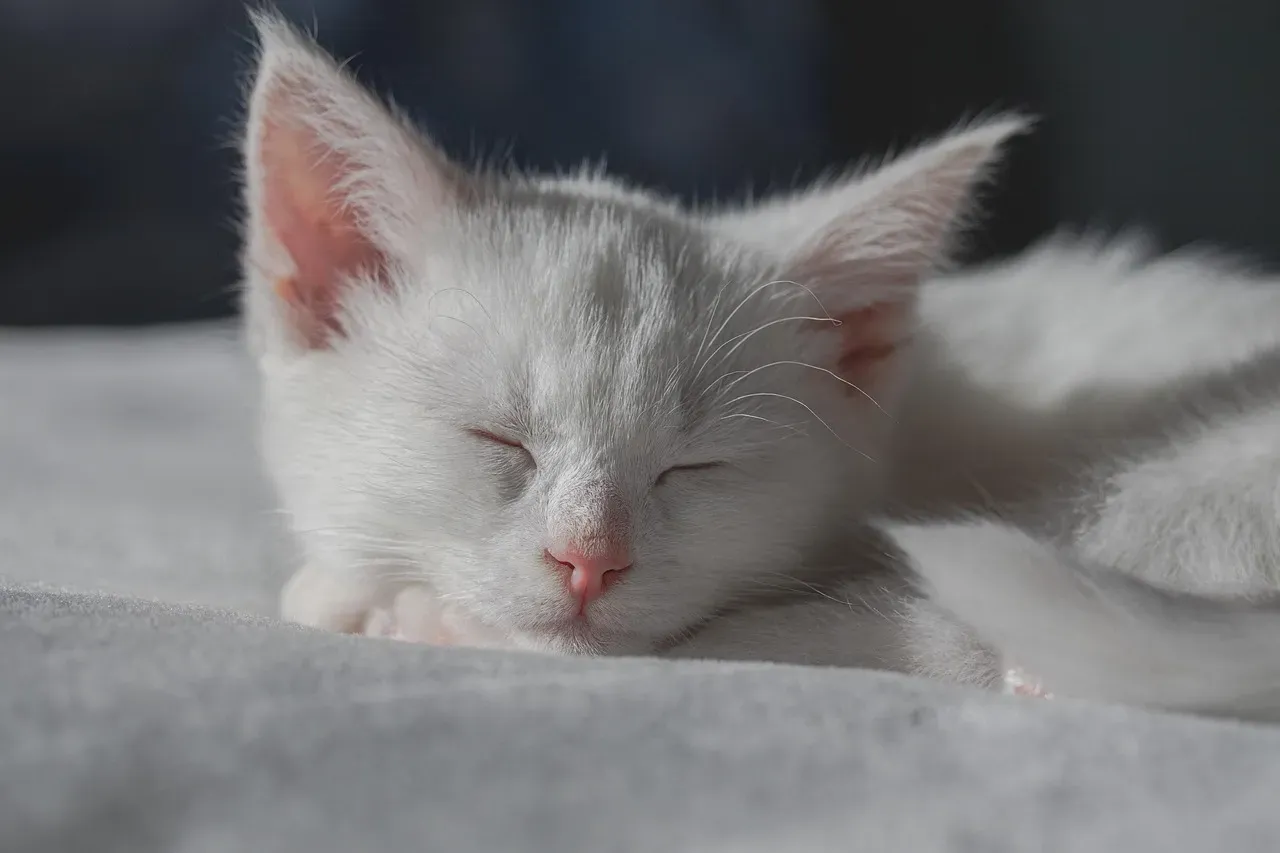
Kittens tend to dream more frequently than adult cats, possibly because they’re processing more new information about their environment, and research suggests that these dreams play a crucial role in learning and development, helping cats maintain their natural instincts even in domestic settings.
During activated sleep, a kitten’s nervous system is active (whereas it’s usually at rest during sleep), and they may cry, squirm, or have more pronounced twitches than average, which is important to help the nervous system mature. Those extra-twitchy kitten sleep sessions aren’t random. They’re critical for brain development. It’s like their brain is running practice drills for hunting, playing, and surviving.
How You Can Support Better Dreams
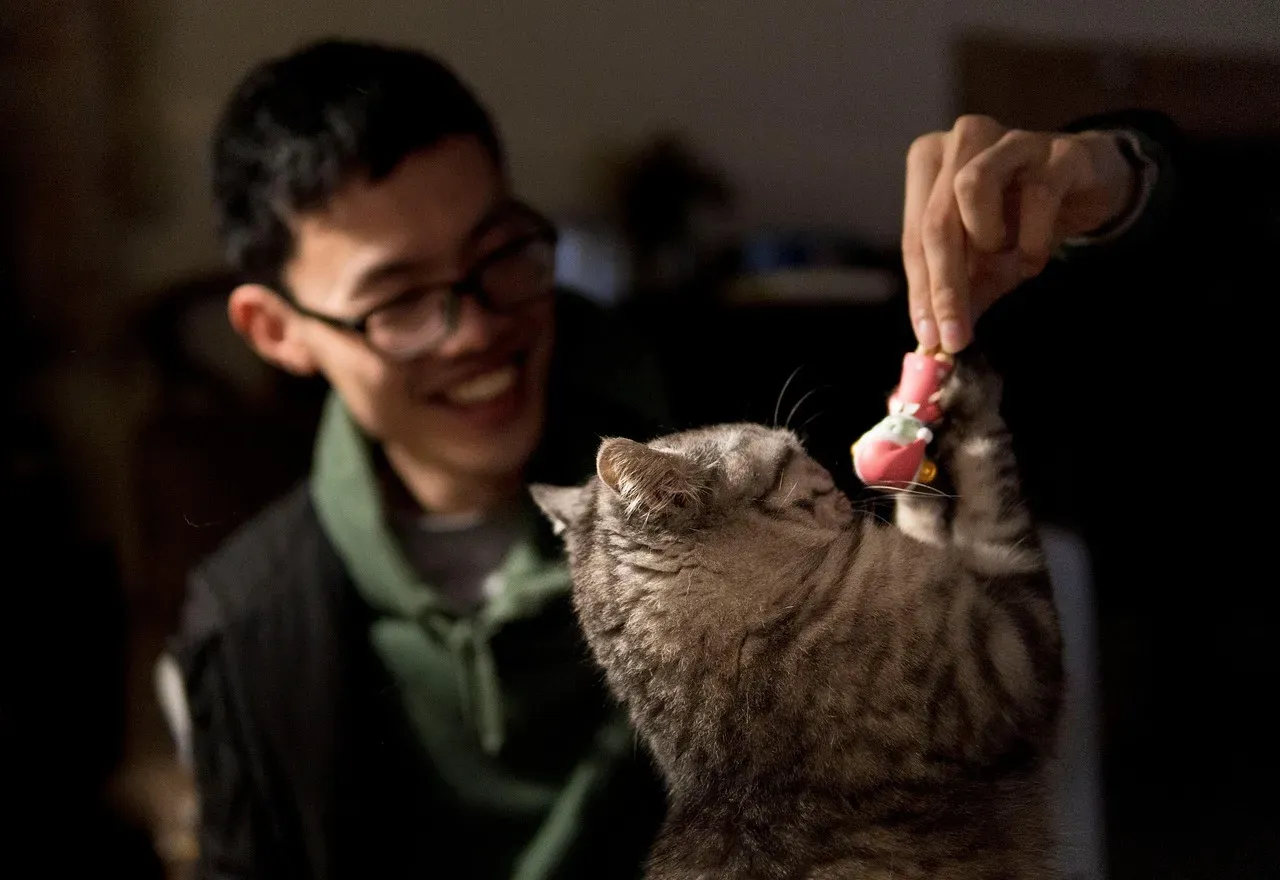
Providing your cat with wand toys, treat-dispensing toys, cat trees, and other forms of enrichment can help them have fun things to dream about. The quality of your cat’s waking life directly influences their dream content. More interesting experiences during the day likely translate into richer, more engaging dreams at night.
To ensure that your cat has the best possible dream experiences, it’s important to create a sleep-friendly environment by providing a comfortable and cozy sleeping area where your cat feels safe and secure, keeping the space free from disturbances, and engaging your cat in regular play sessions and providing mental stimulation during their waking hours. Think of it as dream enrichment. The more you engage your cat when they’re awake, the more material their brain has to work with while they sleep.
Wrapping Up the Mystery
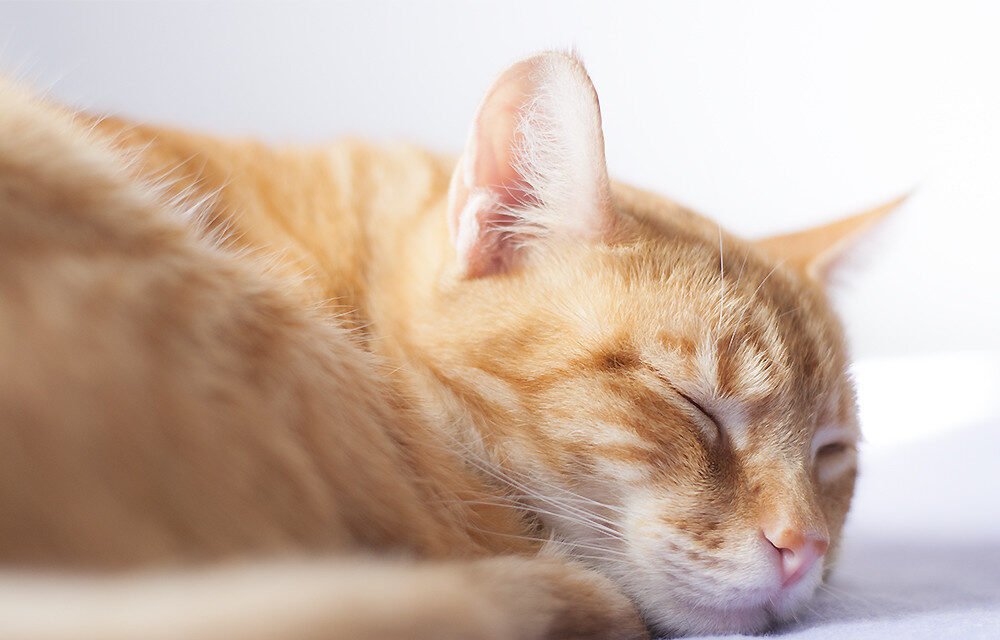
The secret world of cat dreams is no longer quite so secret. Science has revealed that your feline companion experiences a rich inner life during sleep, complete with dreams that likely mirror their daily experiences, instincts, and emotions. From hunting prey to interacting with you, their dreams are as complex and varied as their waking lives.
Next time you spot your cat’s whiskers twitching or paws paddling in their sleep, you’ll know there’s an entire adventure unfolding behind those closed eyes. They might be conquering kingdoms, catching impossible prey, or simply replaying the joy of that afternoon belly rub. What do you think your cat dreams about most? Share your observations in the comments below.