You watch your cat curl into a perfect crescent on the couch, completely still one moment, then twitching a tiny paw the next. Maybe a soft chirp escapes those whiskers. You wonder, with genuine curiosity, what on earth is happening inside that mysterious little head. Are cats actually dreaming? Or is it all just random biological noise?
Honestly, the answer is far more fascinating than most cat owners realize. Science has been quietly unraveling the secret world of feline sleep for decades, and what researchers have found is both surprising and deeply moving. Your cat’s nap isn’t passive at all. It’s a rich, layered experience. So let’s dive in, because what you’re about to discover might just change how you see every single one of your cat’s naps forever.
The Science That Proved Cats Actually Dream
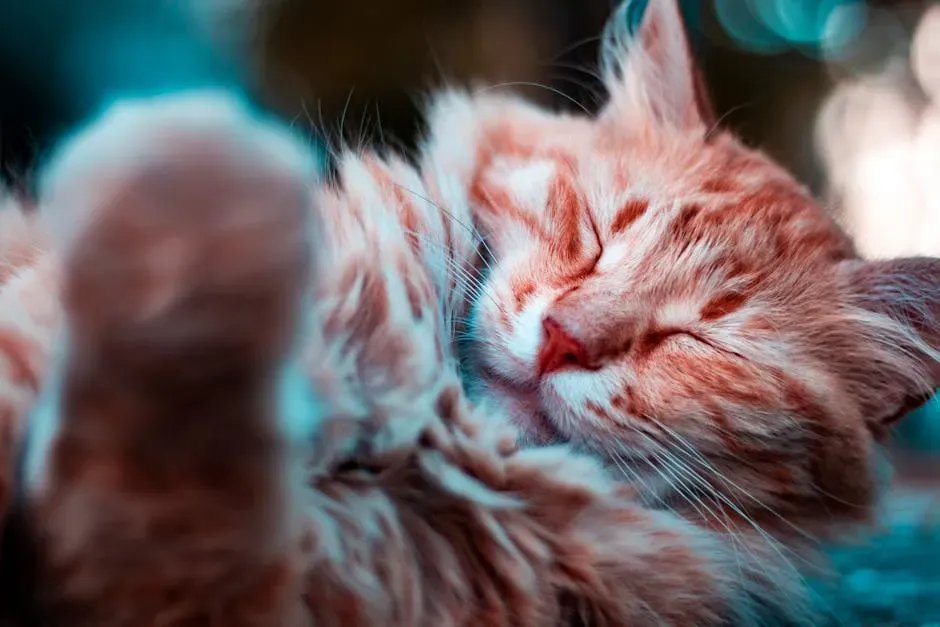
Here’s the thing – we didn’t always know whether cats dreamed at all. The question sat unanswered for a long time, mostly because proving that another creature has subjective experience is genuinely hard. It wasn’t until the 1950s that researchers even discovered and identified Rapid Eye Movement (REM) sleep in humans. So understanding it in cats came even later.
In the 1960s, scientists confirmed that cats too have REM sleep. Cats show low voltage electroencephalogram (EEG) activity with eye movements and, while in REM sleep, experience atonia, a type of muscle immobility. That discovery changed everything. It meant cats weren’t just sleeping. They were cycling through the exact same dream-associated brain state that humans do.
Scientists have tracked this activity in cats using EEG machines. The results? Cat brainwaves in REM sleep look strikingly similar to those of dreaming humans. Think about that for a second. Your cat’s brain, while it appears to be peacefully resting, is firing in patterns that mirror your own dreaming mind. That’s not a small thing.
Michel Jouvet and the Breakthrough Experiment That Changed Everything
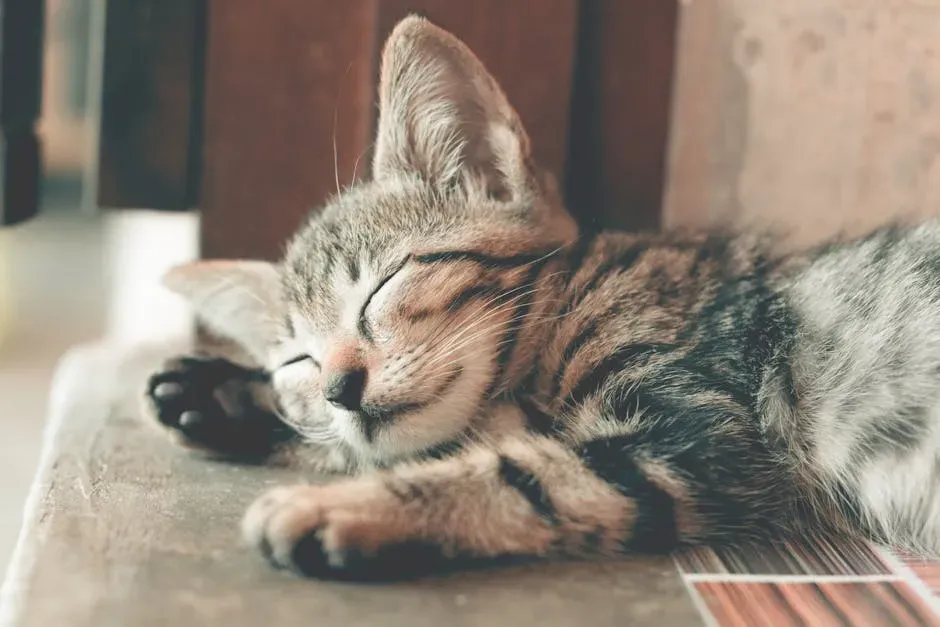
If you want to understand cat dreams, you need to know about Michel Jouvet. Research conducted by French neuroscientist Michel Jouvet in the 1960s provided groundbreaking evidence of cat dreams. His studies revealed that cats have a specific region in their brainstem called the pons, which prevents them from physically acting out their dreams during REM sleep. It’s essentially the brain’s safety lock.
In the 1960s, sleep researcher Michel Jouvet did a breakthrough study. He found that when a cat’s brain lost its REM-related muscle paralysis, the cat would “act out” its dreams. While still asleep, it pounced, swatted, and hunted invisible prey, all while lying on the lab floor. Sleeping. Hunting. Simultaneously. I know it sounds crazy, but that really happened in a controlled scientific setting.
Jouvet observed cats that would stand and move around their enclosure as though chasing prey and, at other times, bit randomly, without any apparent objective, even when toy mice were placed in front of them. The fact that they ignored real toy mice while dreaming tells you something profound: they were somewhere else entirely, lost inside their own vivid inner world.
Understanding the Cat’s Sleep Cycle
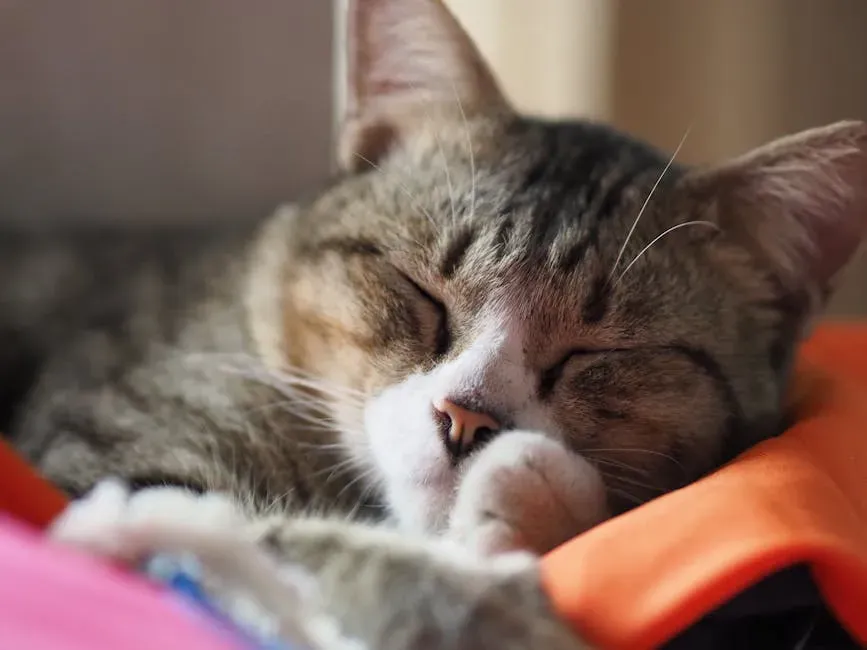
Cats sleep a lot, about 12 to 18 hours a day. That’s more than most mammals. During this time, they cycle through different sleep stages. Let’s be real, most of us already knew cats were committed nappers, but the sheer volume of sleep they get is kind of staggering when you think about it.
The cat’s sleep cycle comprises two stages: rapid eye movement (REM) and deep sleep. Rapid eye movement (REM) sleep in cats was found in the 1960s. In this phase, breathing and heart rate become faster, and eyes move quickly in different directions. It’s the REM phase of the sleep cycle where cats mostly dream. Deep sleep, on the other hand, is the body’s repair phase. Both stages are absolutely necessary for a healthy cat.
At night, when the environment is usually quieter and there are fewer distractions, cats are more relaxed, allowing them to experience longer and deeper sleep. This is why Rapid Eye Movement (REM) sleep is more likely to occur at night. So while your cat catnaps throughout the day, the deepest, most dream-rich sleep often happens in the quiet overnight hours.
What Cats Actually Dream About
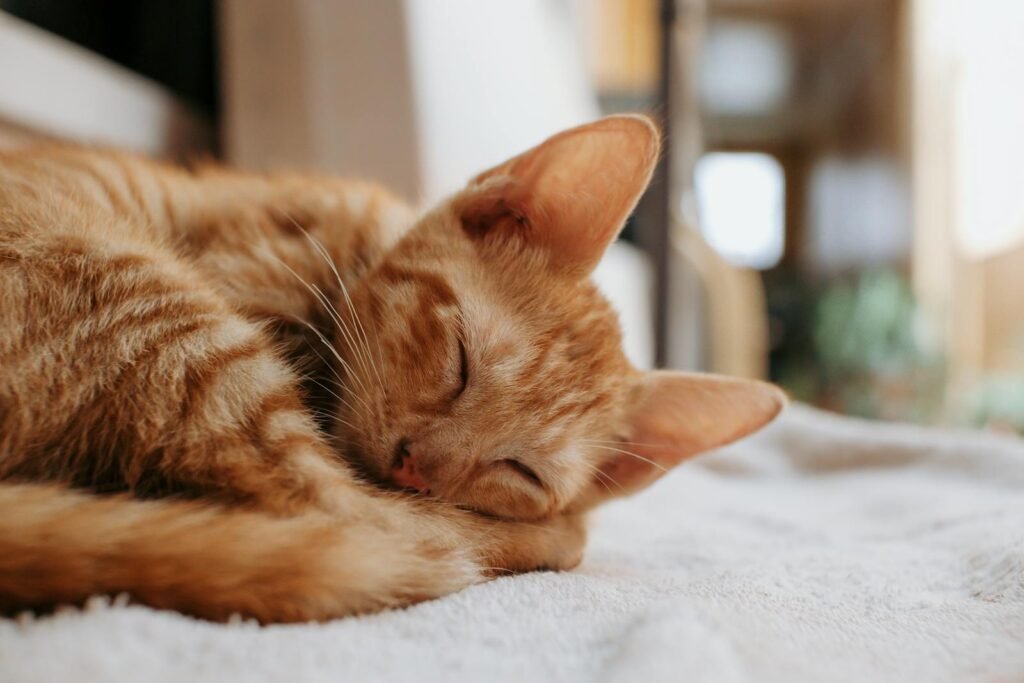
This is the question every cat owner secretly wants answered. It’s a very safe assumption that cats dream about stalking and pouncing on prey. That conclusion comes straight from Harvard researcher Dr. Deirdre Barrett, and it’s backed up by a mountain of behavioral evidence from studies like Jouvet’s.
While we can’t know for certain, most research and observations suggest their dreams are rooted in what they experience during the day. Just like humans, cats use dreams to process memories. So it’s likely they dream about chasing toys, exploring the house, or watching birds from the window, anything that makes an impression on them during the day. Think of it like a nightly mental highlight reel.
Cats probably do dream about their pet parents, their kitty friends, and even their enemies. Cats also likely dream about activities such as hunting, eating, and playing fun games. So yes, there’s a real possibility that you make a cameo in your cat’s dream tonight. Whether you’re the hero or the annoyance in that scenario, only they know.
The Continuity Hypothesis: Dreams Mirror Waking Life
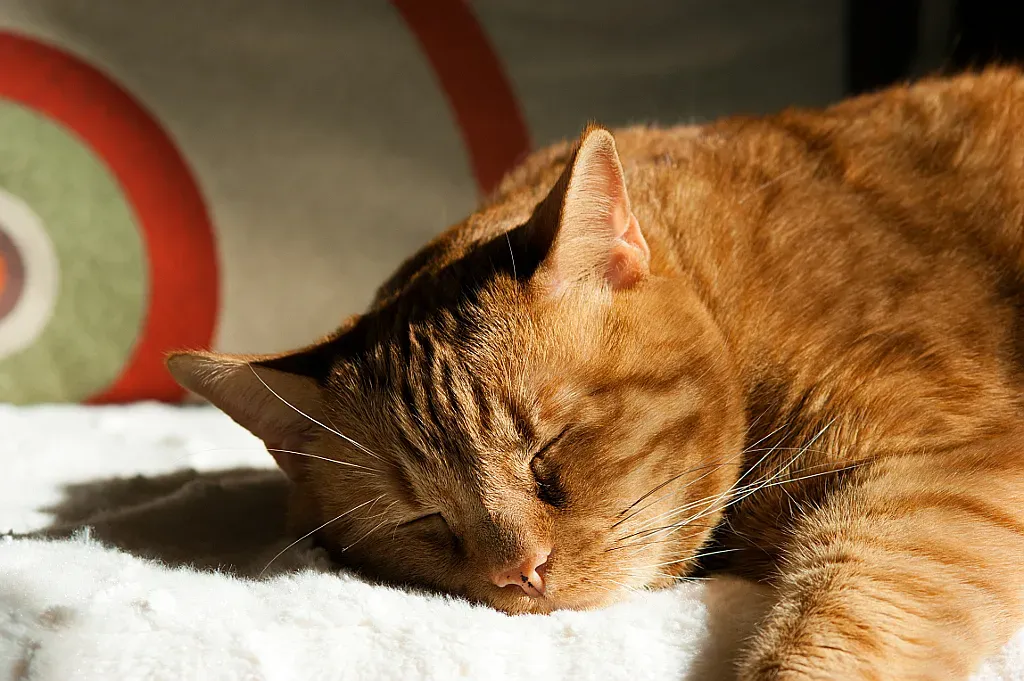
Researchers suggest the so-called continuity hypothesis for dreaming might apply to cats. This idea, which is supported by strong evidence in humans, holds that people’s dreams reflect their daily experiences. Apply that to cats, and you get a pretty vivid picture of what their nighttime mental cinema might look like.
Dreams are thought to help consolidate memories, process emotions, and reinforce learning. Since cats learn and remember things throughout the day, it’s likely they replay these experiences in their dreams. It’s almost poetic, isn’t it? Every puzzle toy your cat figured out, every bird spotted from the windowsill, potentially all gets replayed and filed away during sleep.
Further evidence comes from a 2001 MIT study in which rats were trained to run a maze. Researchers recorded their brain activity during the task and again during REM sleep, finding nearly identical patterns. This suggests the rats were likely dreaming about navigating the maze they had practiced earlier that day, and it’s not a stretch to think that cats would behave the same way. If the brain architecture is similar, the dream function is probably similar too.
How to Spot a Dreaming Cat: The Physical Signs
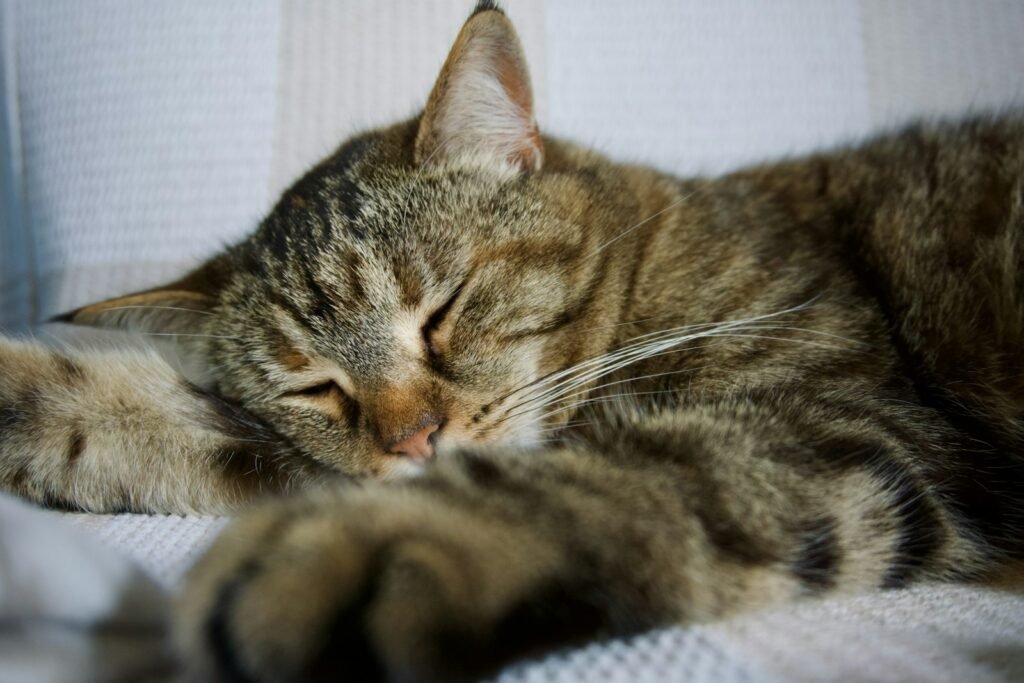
You don’t need a neuroscience degree to know when your cat is dreaming. Twitching – whether it’s their ears, paws, tail, or whiskers – is one of the most common signs of dreaming. Soft meows, chirps, or other noises suggest your cat may be “talking” in a dream. If you look closely, you might see your cat’s eyes moving quickly beneath their closed lids during REM sleep. Slight changes in breathing patterns, like faster or more shallow breaths, can accompany active dreams.
Many believe that the twitching correlates directly to what they may be dreaming about. If their jaws are twitching, they may be thinking about finally catching and eating the squirrel they keep seeing out the back door. If you watch closely, you may even notice their whiskers twitching. It’s one of those small, intimate windows into an animal’s inner life that feels genuinely magical.
While we can’t know for certain, those funny behaviors you may have noticed, such as twitching whiskers, paddling paws, and flicking tails, all suggest the “acting out” of dream scenarios. Your cat may be reliving a playful chase, guarding their territory, or engaging in imaginary adventures. These dreams can trigger small twitches in their legs, tail, or whiskers as their brain mimics the movements of those imagined activities.
Kittens Dream More Than Adult Cats – Here’s Why
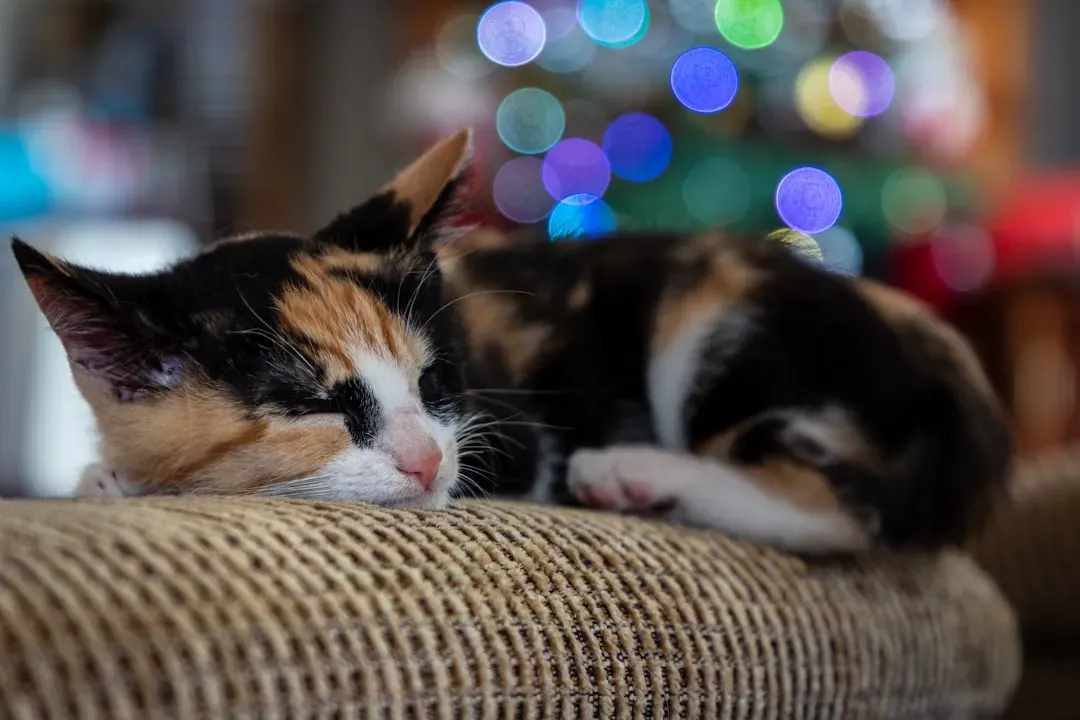
The amount of REM sleep your cat experiences will decrease as they get older, therefore it’s assumed that kittens are much more likely to dream than adult cats. This could also be due to the fact that kittens have a lot more to learn about the world around them, therefore they have a significant amount of information to process, and more signals will be sent to the brain. It makes complete sense when you think about it.
Kittens often spend a larger share of sleep in REM compared with adults, reflecting a rapidly developing nervous system. A kitten’s brain is essentially running a massive installation process every single day. Dreams are a critical part of that process, helping the young brain sort, store, and make sense of the flood of new information it’s encountering for the first time.
Dreams help cats process information, consolidate memories, and maintain important survival skills. They’re particularly crucial for kittens, who use dreams to process new experiences and develop natural instincts. So next time you see a tiny kitten twitching furiously in its sleep, know that something remarkable is happening inside that small, developing mind.
Do Cats Experience Nightmares?
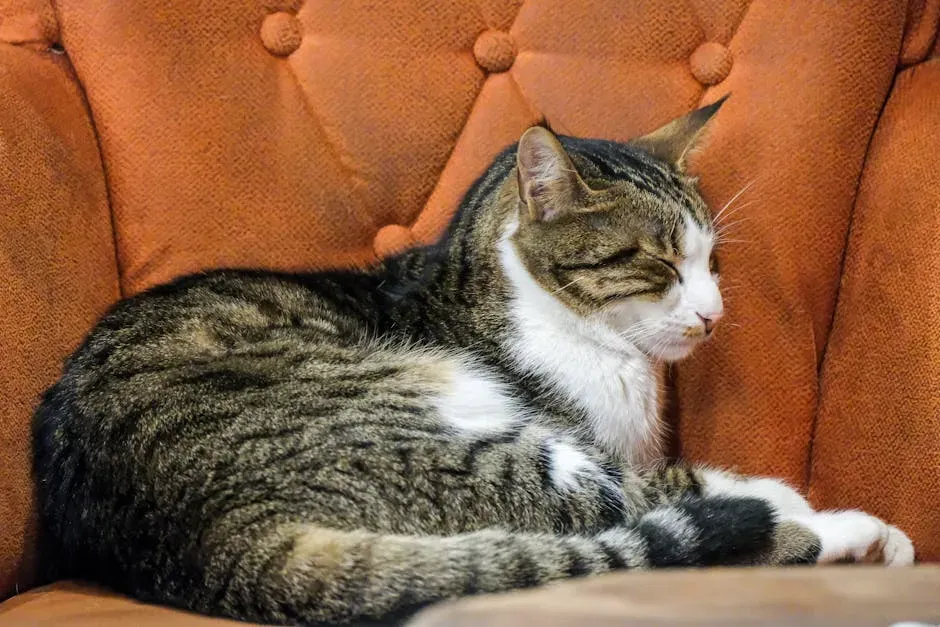
This one’s a little harder to answer, and I’ll be honest – the science gets murkier here. There’s no hard scientific proof that cats experience nightmares in the way humans do. There’s also no evidence ruling it out. What we do have are strong behavioral signs and expert opinions suggesting that cats can experience negative dreams, especially when they’ve been through something stressful or traumatic.
Anecdotal evidence seems to suggest that cats can wake up and appear frightened, indicating a bad dream. Some rescue cats have been observed jolting awake out of a deep sleep with wide eyes and appearing frightened. Additionally, there are other incidents where cats have been through traumatic events and would make stressed sounds whilst sleeping and would suddenly wake up and display noticeable signs of distress.
If a cat has a particularly frightening experience, such as a fight with another cat, a close call with a car, or a fall off a roof, they might even have nightmares. The emotional brain regions are highly active during REM sleep, so it’s genuinely plausible that negative experiences get replayed in a way that feels distressing, even while asleep.
The Role of Dreams in Feline Memory and Learning
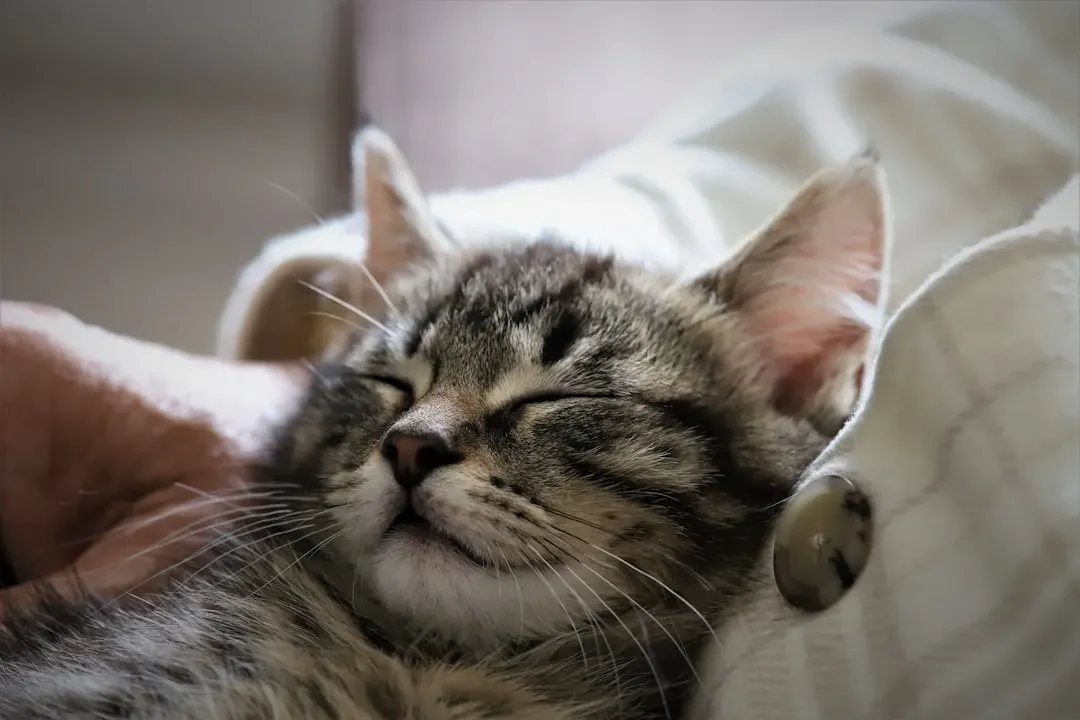
Dreams aren’t just entertainment for a sleeping brain. They serve a real, measurable cognitive function. The hippocampus, which processes memory and learning, lights up during REM in cats, just like in humans. This tells us they might be processing memories, replaying routines, or reinforcing learned behaviors. That’s a big deal, especially for animals who rely heavily on learned hunting and social behaviors to survive.
Experimental work in animals shows that the hippocampus “replays” recent experiences during sleep, prioritizing salient or emotional events, an effect demonstrated in animal models and central to learning. Think of it like your cat’s brain quietly sorting through the day’s filing cabinet during sleep, deciding what to keep, what to strengthen, and what to let fade.
Dreaming serves several important functions for cats. Firstly, it allows them to mentally rehearse and consolidate their experiences. By replaying their daily activities in their dreams, cats can reinforce learning and memory retention. Additionally, dreaming provides a form of mental stimulation and entertainment for cats during their sleep. It adds an extra layer of enrichment to their lives, allowing them to engage in imaginary play and exploration.
How You Can Support Your Cat’s Dream Life
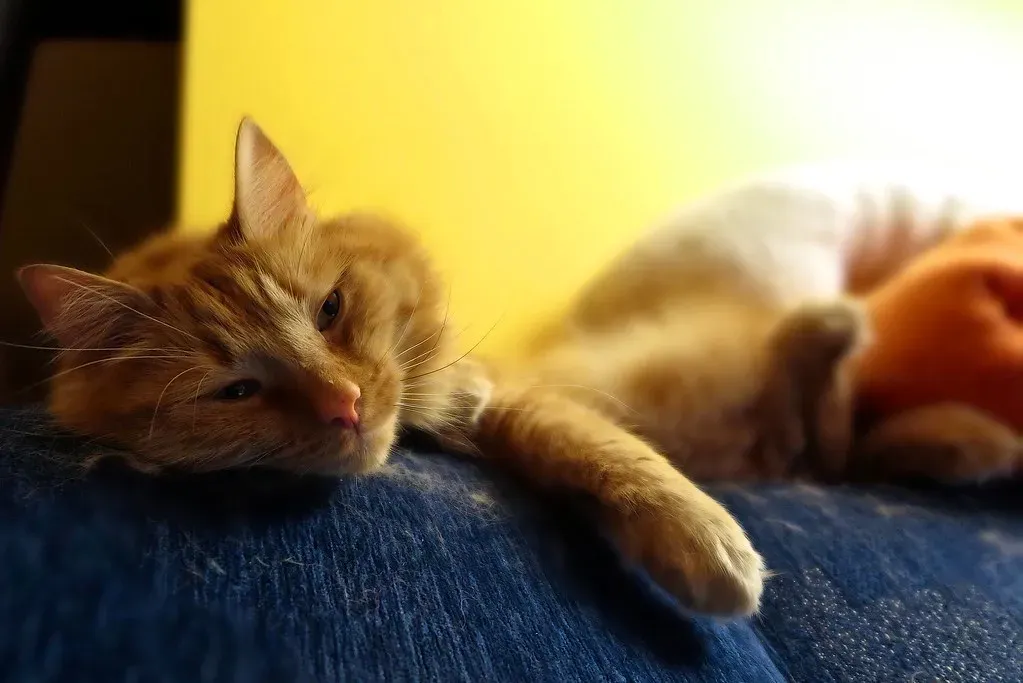
You actually have more influence over your cat’s dream experiences than you might think. While you can’t directly control your cat’s dreams, providing enriching daily experiences through play and positive interactions may influence their dream content, as cats tend to dream about their daily activities. It’s a simple but powerful idea. A richer waking life likely means richer, more positive dreams.
To ensure that your cat has the best possible dream experiences, it’s important to create a sleep-friendly environment. Provide a comfortable and cozy sleeping area where your cat feels safe and secure. Keep the space free from disturbances and provide a warm blanket or bed for them to curl up in. Additionally, engaging your cat in regular play sessions and providing mental stimulation during their waking hours can contribute to more enriching dream experiences.
You should never wake your cat if they are twitching, because all the stages of sleep are important for the animal’s wellbeing. It’s tempting to reach out and touch them when they’re doing something adorably twitchy, but resisting that urge is one of the kindest things you can do for your cat’s brain health. Let the dream run its course.
Conclusion: Your Cat’s Inner World Is Richer Than You Think
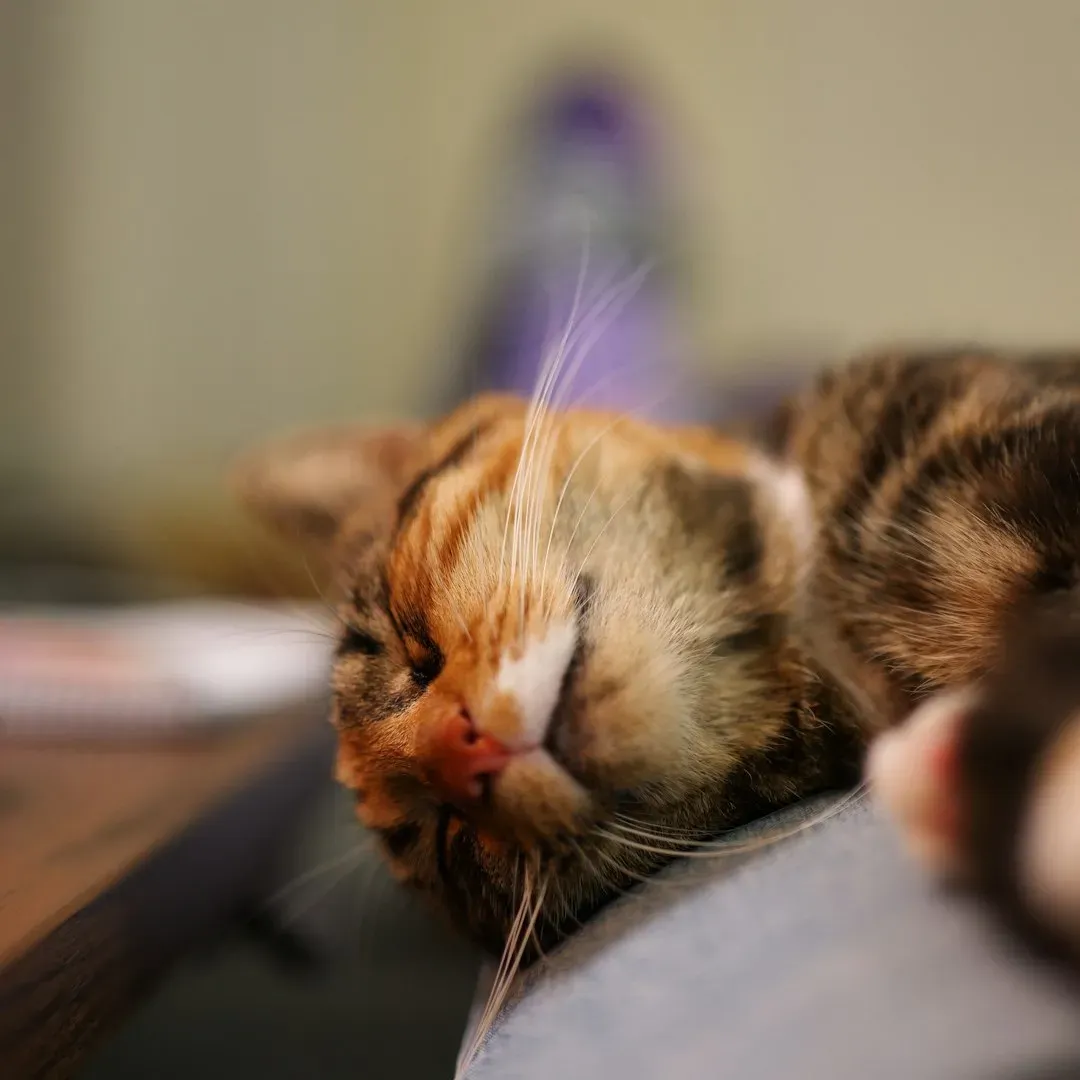
The image of a cat as a cool, detached, somewhat indifferent creature doesn’t quite hold up once you understand what’s happening behind those closed eyes. Cats, with their complex brains and intricate behaviors, offer a captivating glimpse into what goes on in the animal sleep world. While we can’t climb into a cat’s mind, the behavioral cues they display during sleep suggest a fascinating parallel with human dreaming experiences.
Your cat is not just sleeping. They are hunting phantom prey, revisiting their favorite sunny window perch, and possibly even dreaming about you. Science makes that not just plausible but highly probable. The same brain architecture, the same REM cycles, the same hippocampal memory replay – it all points in one breathtaking direction.
Next time your cat twitches in their sleep, don’t disturb them. Just watch, and appreciate the fact that somewhere in that small, warm, curled-up body, an entire adventure is unfolding. What do you think your cat dreams about most? Tell us in the comments – we’d genuinely love to know.