You’ve probably noticed your feline friend staring at you with those mysterious eyes or flicking that fluffy tail in a thousand different ways. Ever wondered what they’re actually trying to tell you? Here’s the thing: cats are talking to you all the time, just not with words. While dogs bark and whine to get their point across, your cat has mastered a far more sophisticated communication system that doesn’t require a single sound. Let’s be real, understanding this silent language can transform your relationship with your furry companion. So let’s dive into the seven fascinating ways cats express themselves without ever opening their mouths.
Tail Positions Tell the Whole Story
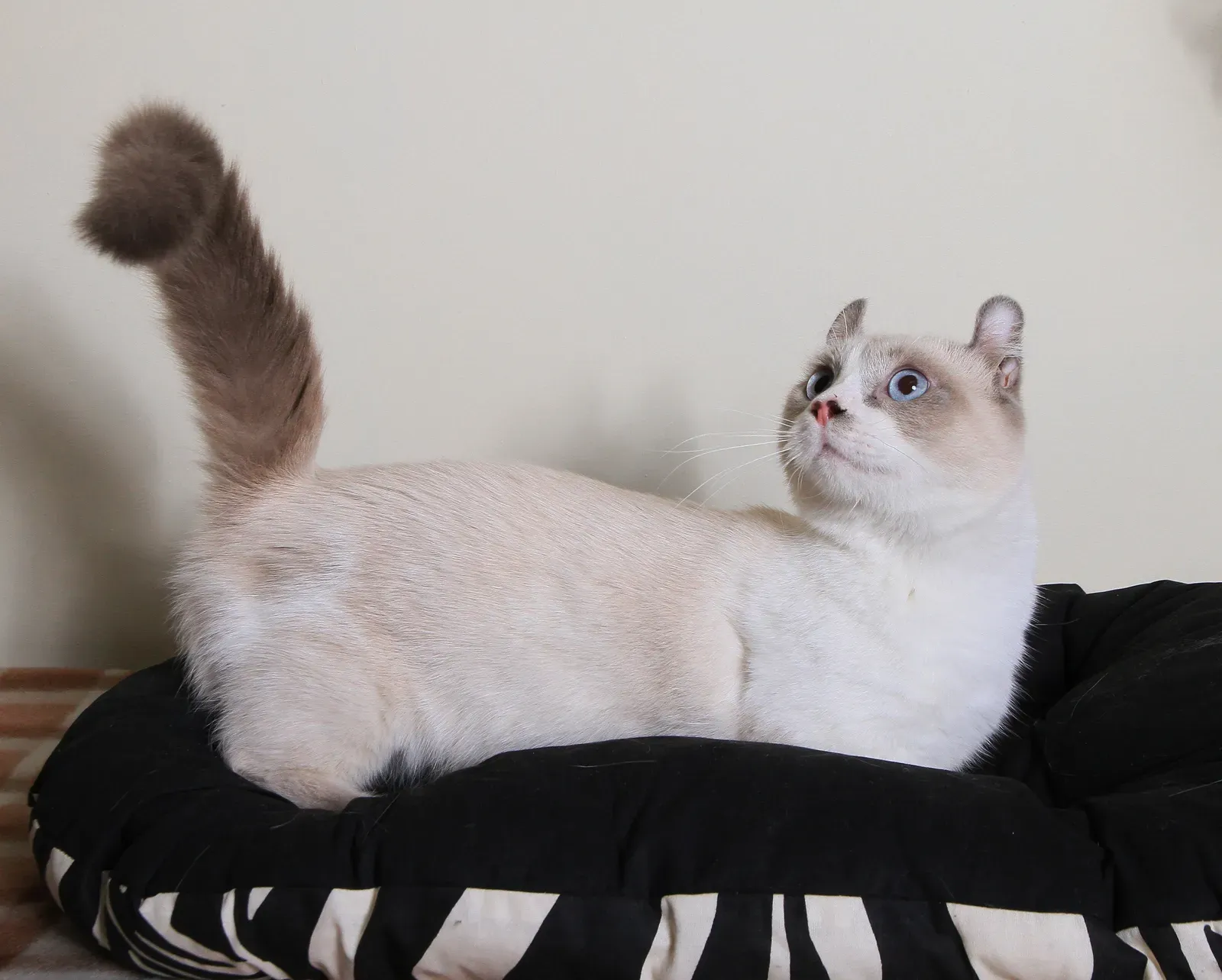
Your cat’s tail is a powerful communication tool, and each tail position conveys distinct messages. When you see that tail standing straight up like a flagpole, you’re witnessing the feline equivalent of a friendly wave. This confident posture typically means your cat is happy to see you and feeling good about their surroundings. It’s basically their way of saying hello without making a peep.
The lower the tail, the less happy the cat, and when the tail is between the legs, the cat is showing submission. Think of it like a mood barometer running from confident and cheerful at the top to anxious and fearful at the bottom. Meanwhile, that bushy, puffed-up tail? That’s your cat trying to look bigger and more intimidating when they’re feeling threatened or startled.
The Ears Have It
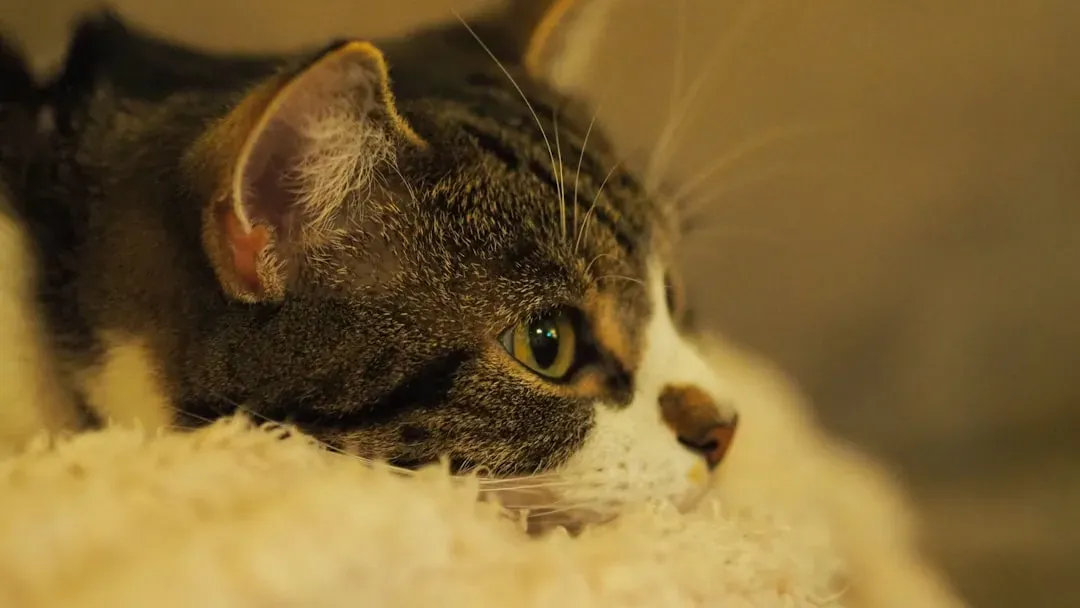
Your cat’s ears are among the most expressive parts of their body, with ears forward indicating alert and curious behavior, while ears pinned back signal defensive, angry, or fearful emotions. It’s honestly amazing how much information those little radar dishes can transmit. When both ears are pointing straight ahead, your cat is interested in something and paying close attention to what’s happening around them.
Ears that swivel back and forth, like little radar dishes, usually mean your cat is on high alert and listening for something unusual, while a single ear twitch can signal annoyance or impatience. I know it sounds crazy, but once you start paying attention to ear positions, you’ll realize you’ve been missing out on half the conversation. Those sideways airplane ears? That’s your cat feeling nervous or uncertain about a situation.
Whisker Wisdom You Can’t Ignore
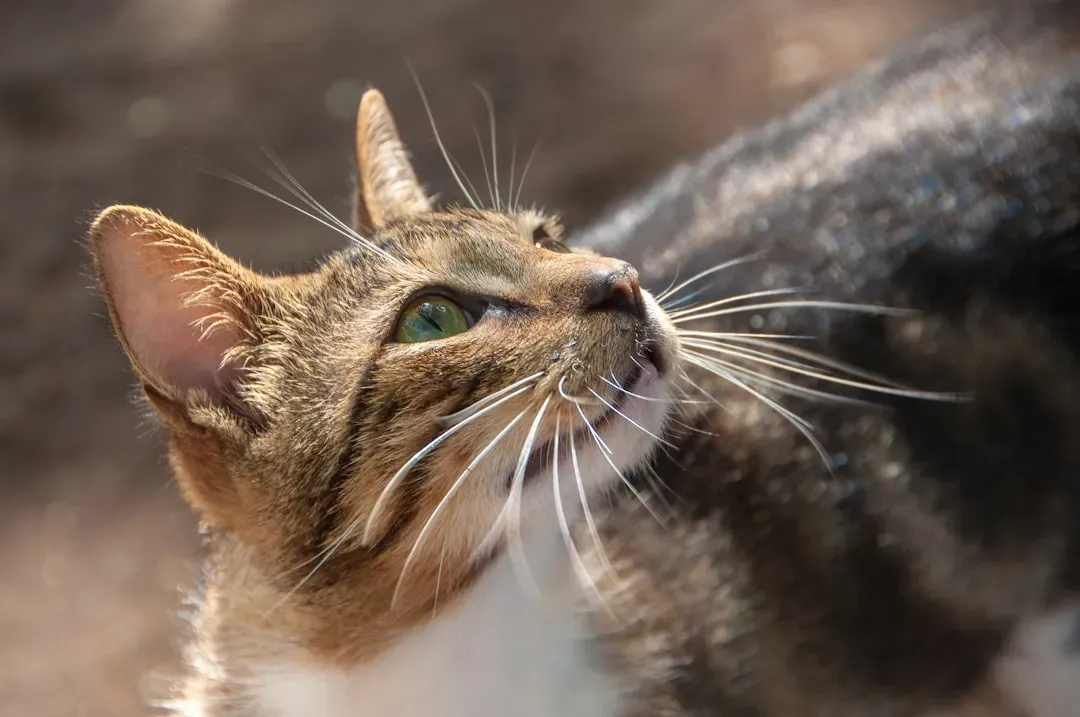
Most people think whiskers are just for navigation in the dark. Whiskers are highly sensitive tactile hairs that play a crucial role in a cat’s sensory perception, but they also serve as a tool for communication, with their position and movement indicating mood and intentions. When those whiskers are relaxed and pointing out to the sides, you’re looking at one content kitty.
When tense or highly alert, the whiskers will be fanned out and pointing forward in front of the face, while a frightened or nervous cat may flatten their whiskers against the side of their face. Pay close attention next time your cat investigates something new. Those forward-facing whiskers show curiosity and interest in whatever has caught their attention. It’s a subtle shift, but once you notice it, you’ll never miss it again.
Eye Contact and the Famous Slow Blink
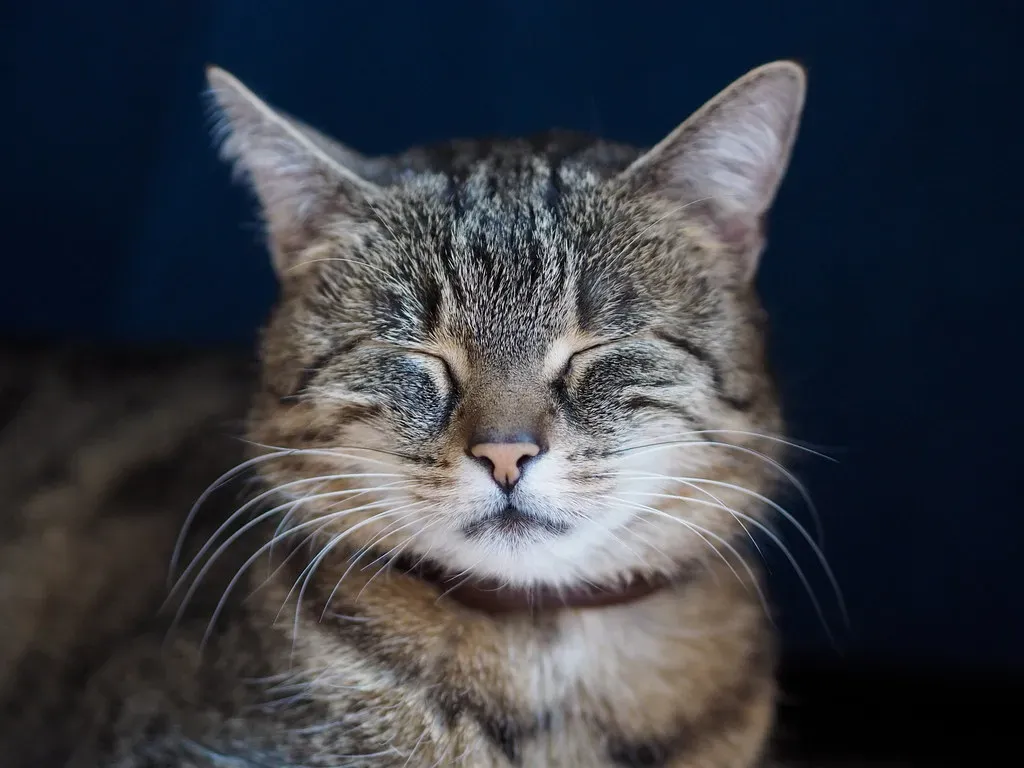
A slow blink is one of the sweetest forms of feline communication, like a warm hug, signaling that your cat feels safe, trusts you, and wants to show affection. Honestly, this might be my favorite form of cat communication. When your cat gives you that sleepy, half-closed eye look, they’re basically blowing you a kiss. In the wild, closing their eyes would leave them vulnerable, so this gesture represents serious trust.
You can actually return the favor by slowly blinking back at your cat. The slow blink has been proven in studies to strengthen human-cat bonds. Meanwhile, dilated pupils can signal excitement, fear, or even aggression depending on the context. Wide eyes with big pupils might mean your cat is ready to play or feeling spooked by something.
Body Posture Speaks Volumes
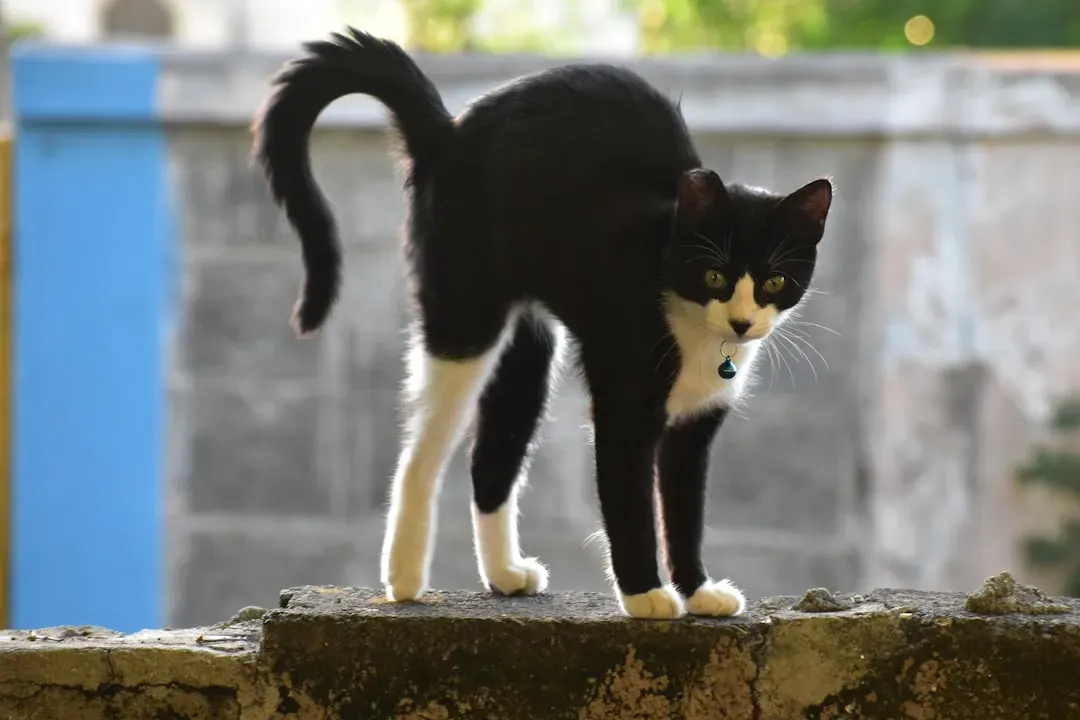
When your cat arches its back and raises its fur, it’s trying to appear bigger and more intimidating, often out of fear or aggression, while a low, crouched body can mean your cat is feeling anxious or ready to pounce. The entire body becomes a canvas for emotional expression. A relaxed cat will sprawl out, maybe even showing you their belly in a display of complete trust and comfort.
A nervous cat will hold itself tight, with its paws and tail tucked as close to their body as possible and belly protected. That compact, tense posture tells you everything you need to know. They’re uncomfortable and trying to protect themselves. If your cat sits upright with paws neatly tucked underneath, that’s the picture of contentment and ease in their environment.
Scent Marking and Rubbing Behavior
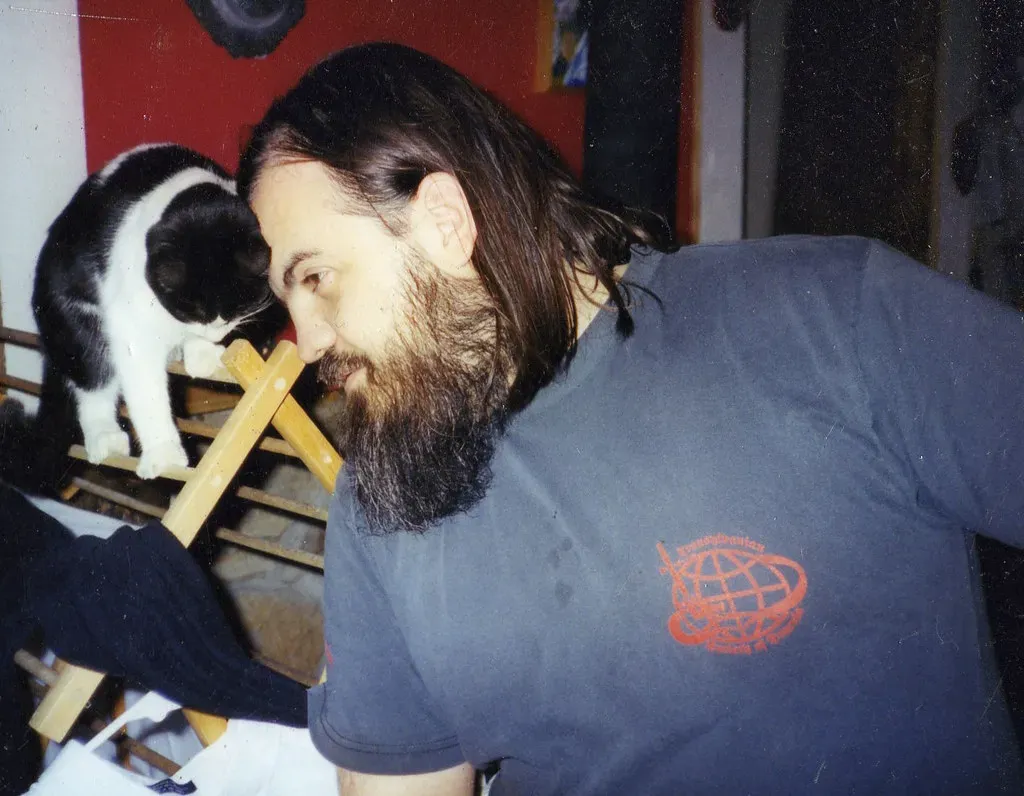
Cats communicate through scent using urine, feces, and chemicals or pheromones from glands located around the mouth, chin, forehead, cheeks, lower back, tail and paws, with their rubbing and head-bumping behaviors being methods of depositing these scents. When your cat rubs their face against your leg or bumps their head into your hand, they’re not just being affectionate. They’re actually marking you as part of their territory.
The cat rubs its cheeks on prominent objects in the preferred territory, depositing a chemical pheromone produced in glands in the cheeks, which is known as a contentment pheromone. It’s hard to say for sure, but this behavior seems to make cats feel more secure in their environment. Those invisible scent messages create a familiar, comfortable atmosphere that only they can fully detect. Pretty clever, right?
Physical Touch and Paw Communication
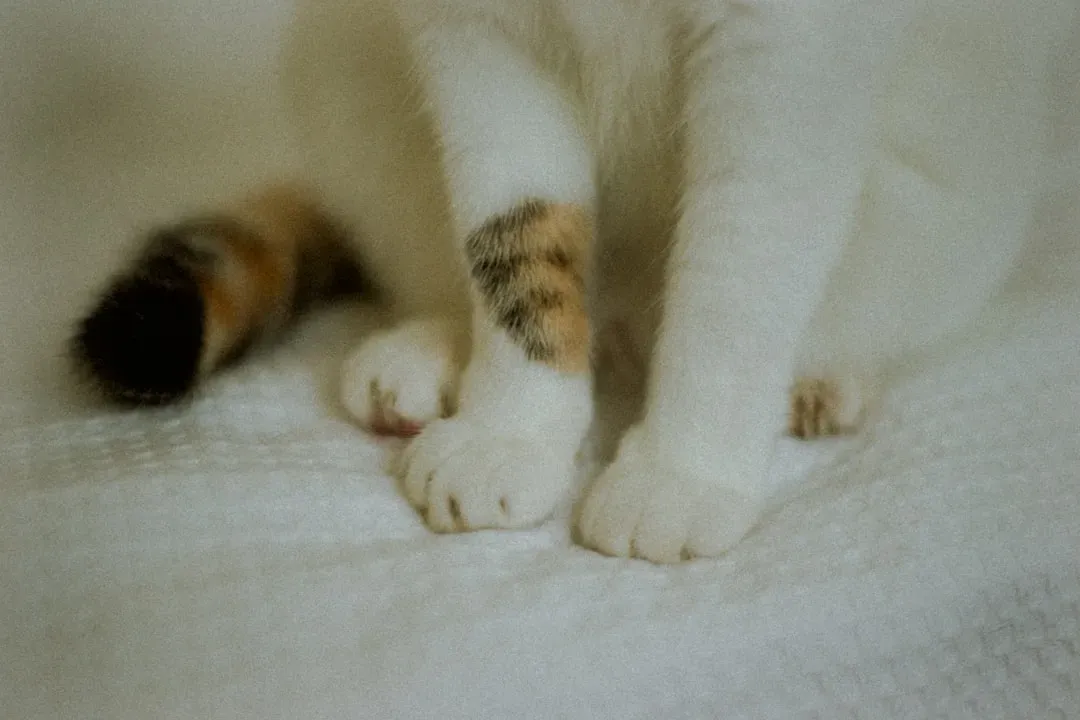
Kneading, often called “making biscuits,” signals comfort and contentment, while clawing or scratching is a natural behavior used to mark territory and stretch muscles, and gentle paw taps are a way of getting your attention without meowing. That rhythmic paw-pushing motion against your lap? Your cat is showing they feel safe and happy, a behavior that goes all the way back to kittenhood when they kneaded their mother while nursing.
Common forms of tactile communication include allorubbing, allogrooming, nose touching, and resting or curling up together, with cats using each other as pillows and intertwining their tails being a form of social bonding. A gentle paw tap on your arm usually means your cat wants attention or is trying to tell you something. Meanwhile, a harder swat is typically a warning to back off or stop whatever you’re doing.
Putting It All Together
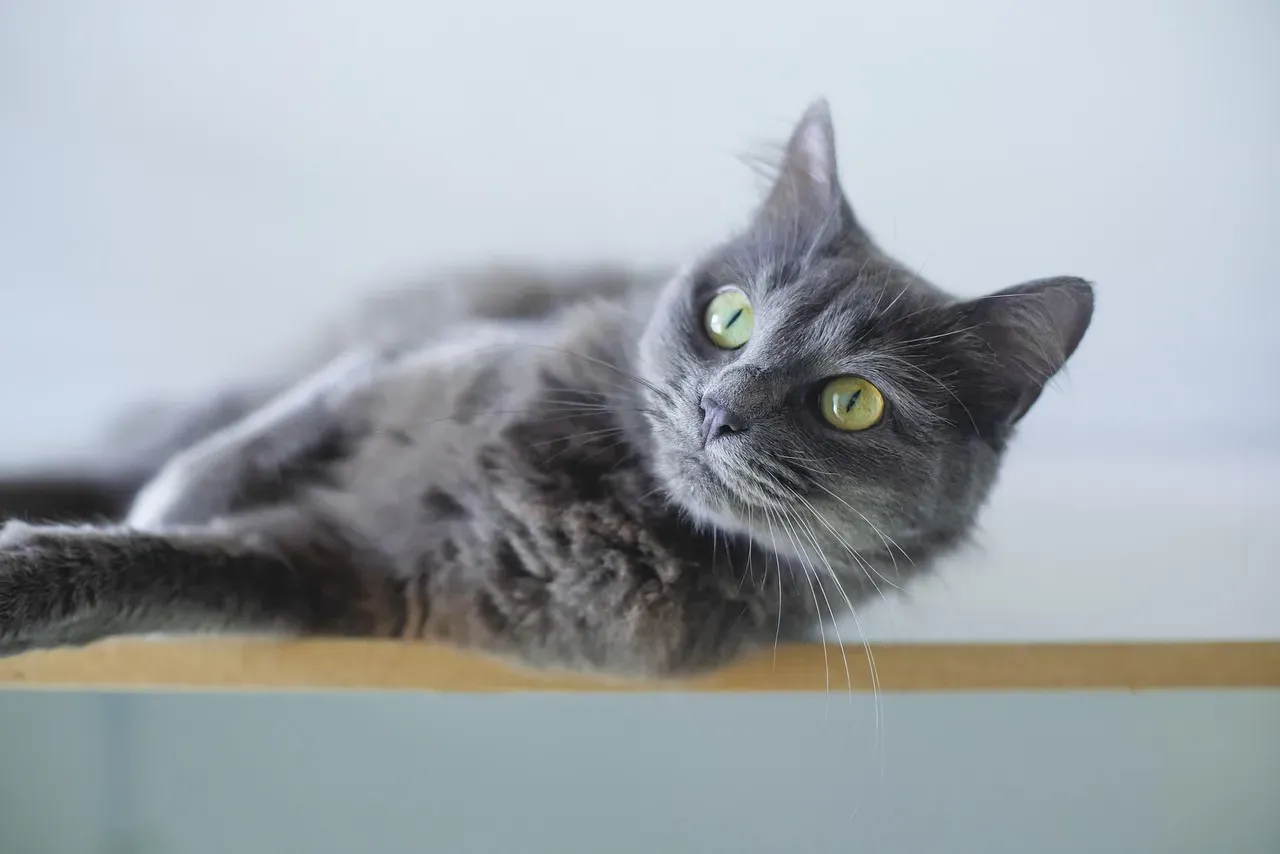
Cats rarely communicate with just one signal, instead combining ears, eyes, tails, and posture into a full message. The real magic happens when you start reading all these signals together rather than in isolation. Your cat might have forward-facing ears, an upright tail, and relaxed whiskers all at once, painting a complete picture of a happy, friendly feline.
Learning to interpret this silent language takes practice and patience, but the payoff is worth it. You’ll develop a deeper connection with your cat and respond more appropriately to their needs and moods. Whether they’re feeling playful, anxious, loving, or just want some space, your cat is constantly communicating with you through this elegant, wordless system. The next time you catch your feline companion giving you those subtle signals, you’ll know exactly what they’re saying. Did you expect that such quiet creatures could be such eloquent communicators? What surprising signals have you noticed from your own cat?