You’ve probably stared at your cat across the room, completely baffled by what’s going on behind those luminous eyes. They’re sitting there, perfectly still, doing absolutely nothing – or so it seems. In reality, your cat is broadcasting a full broadcast of emotional signals, and you’ve just been missing the channel.
Cats are masters of subtle communication. Unlike dogs, who wear their hearts on their wagging tails, felines speak through a refined system of micro-movements, positioning, and stillness. Every flicker of an ear, every slow blink, every tail twitch is part of a rich vocabulary that, once learned, transforms how you understand your furry companion. Curious yet? You should be. Let’s dive in.
The Slow Blink: Your Cat’s Version of “I Love You”
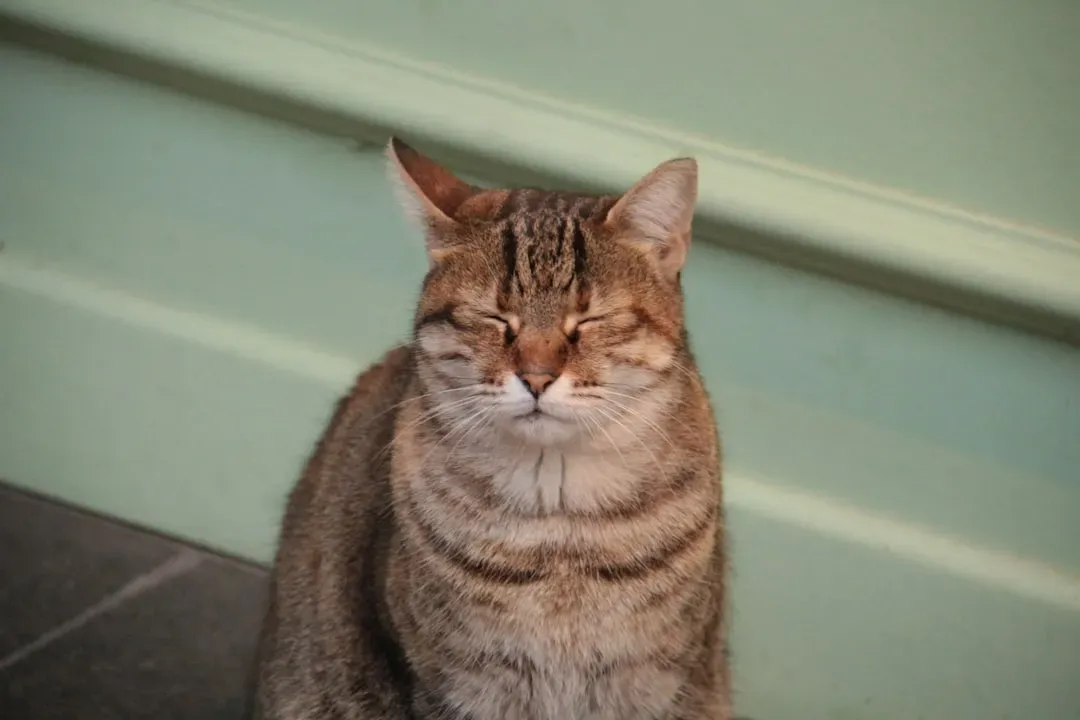
Here’s the thing – when your cat sits across the room, locks eyes with you, and slowly lets their eyelids fall and rise again, that’s not a sleepy reflex. When your cat gazes at you with eyes slowly closing and opening like a gentle wave, it’s more than just a sleepy reflex. This slow blink is one of the most intimate gestures in feline communication, a soft invitation to connect that speaks volumes about trust and affection.
Cats only close their eyes around individuals they trust completely. In the wild, closing eyes near a potential threat would be dangerous. Think about it this way – imagine trying to nap in a room with a lion. You’d never shut your eyes voluntarily. When your cat does it around you, that’s the ultimate compliment. When you slow blink back, you’re engaging in reciprocal communication, strengthening your relationship.
A fascinating study published in Nature Scientific Reports revealed that cats are more inclined to return slow blinks from humans who have previously offered them this gesture. Researchers found that after engaging in these exchanges, cats were more likely to approach experimenters willingly, indicating that the slow blink functions much like a “cat smile,” fostering connection and comfort. So yes, the next time your cat does it, blink back slowly. You’re having an actual conversation.
Ears Forward: Curiosity, Alertness, and the Hunting Mode Switch
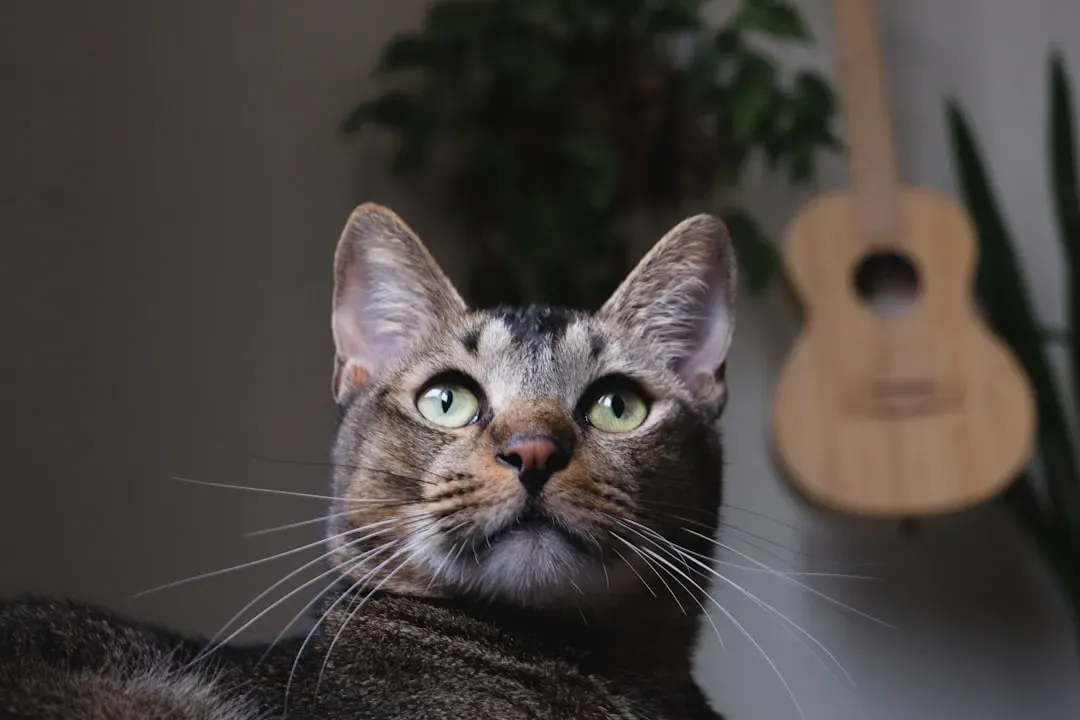
If your cat has their ears up and forward, you can assume that they’re alert and paying attention to their surroundings. This is a great time to initiate playtime with your cats, so go grab their toys and test out their hunting instincts. It’s like watching someone’s eyebrows shoot up when something interesting walks into the room – that instinctive, immediate lock-on.
If you see your cat’s ears twitching, they may be getting ready to pounce on something. This ear language will often follow the straight-up and facing-forward position if your cat decides that whatever they’ve been watching is worth chasing. While they’re twitching their ears, you may also see your cat wiggling their bottom and lowering their body as they prepare to pounce. Honestly, watching a cat enter full hunting mode is one of the most mesmerizing things in the domestic animal kingdom. Pure, focused precision.
The Airplane Ears: When Your Cat Is Overwhelmed
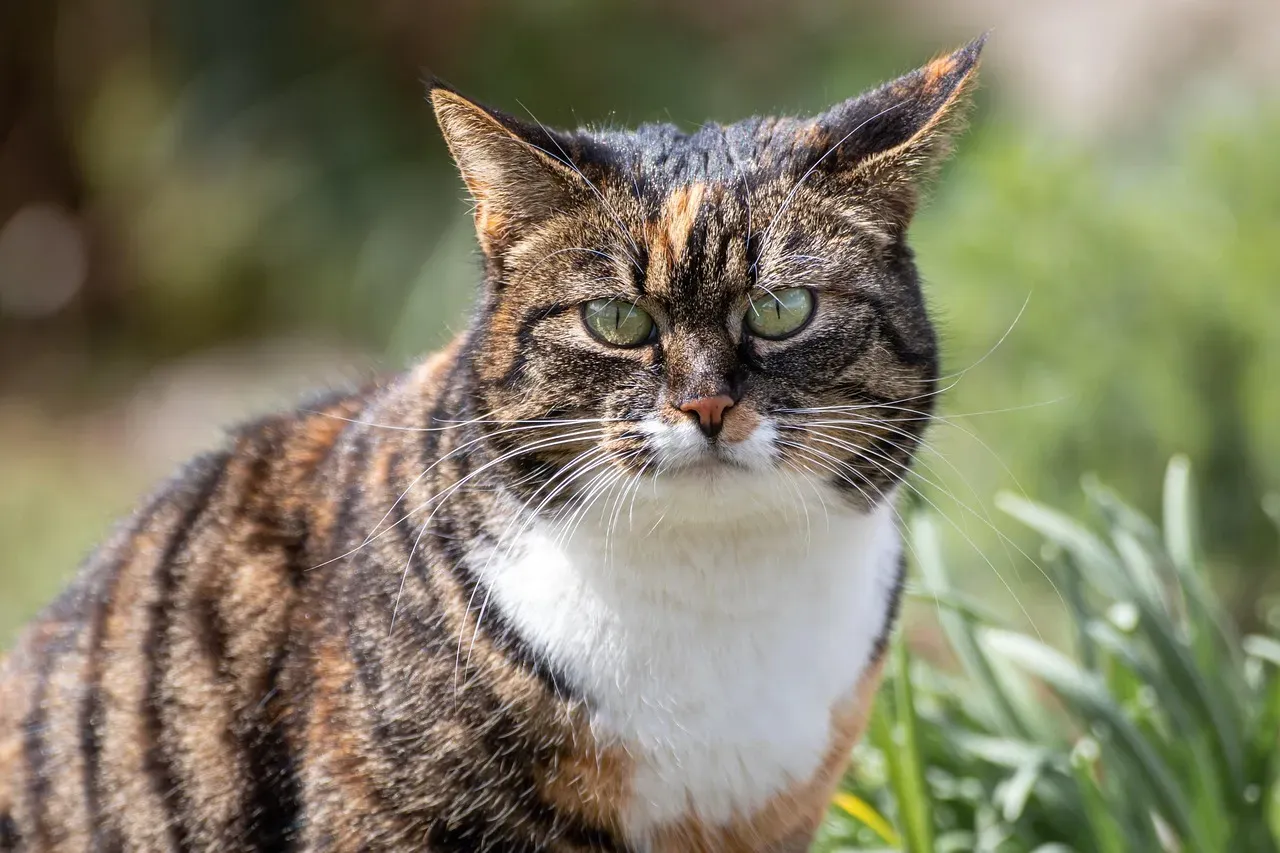
When your cat’s ears shift sideways like tiny wings, that’s the classic “airplane” position. This usually signals mixed emotions or overstimulation. The ears flatten out slightly but don’t press back completely. You’ve probably seen this mid-petting session and wondered why the mood shifted so suddenly. It’s your cat’s version of quietly putting up a “closed” sign.
If you see your cat’s ears shift sideways during a cuddle session, it might mean they’ve had enough. Pay attention to this subtle cue to avoid upsetting your feline companion. There’s an important lesson in here for all cat owners: cats set the pace, always. When those ears go sideways, step back and give them breathing room. Your relationship will be better for it.
Flattened Ears: Fear, Aggression, and the “Back Off” Signal

When a cat pins their ears flat against their head, it’s a strong signal that they feel threatened or upset. This behavior can also point to skin discomfort, ear mites, or issues inside the ear canal. It’s one of the clearest warning signs in the entire cat communication vocabulary. Ignoring it is a very fast route to getting scratched.
An anxious kitty will have ears that swivel quickly back and forth, side to side, or even held still and tense, flat against the top of the head. Their pupils dilate, eyes are wide and open, and the welcoming slow blink is gone, replaced by an unblinking stare. When you see this full-face shift, the kindest thing you can do is give your cat complete space. No touching, no approaching, no coaxing. Let them settle on their own terms.
Dilated Pupils: The Emotional Mood Ring in Your Cat’s Eyes
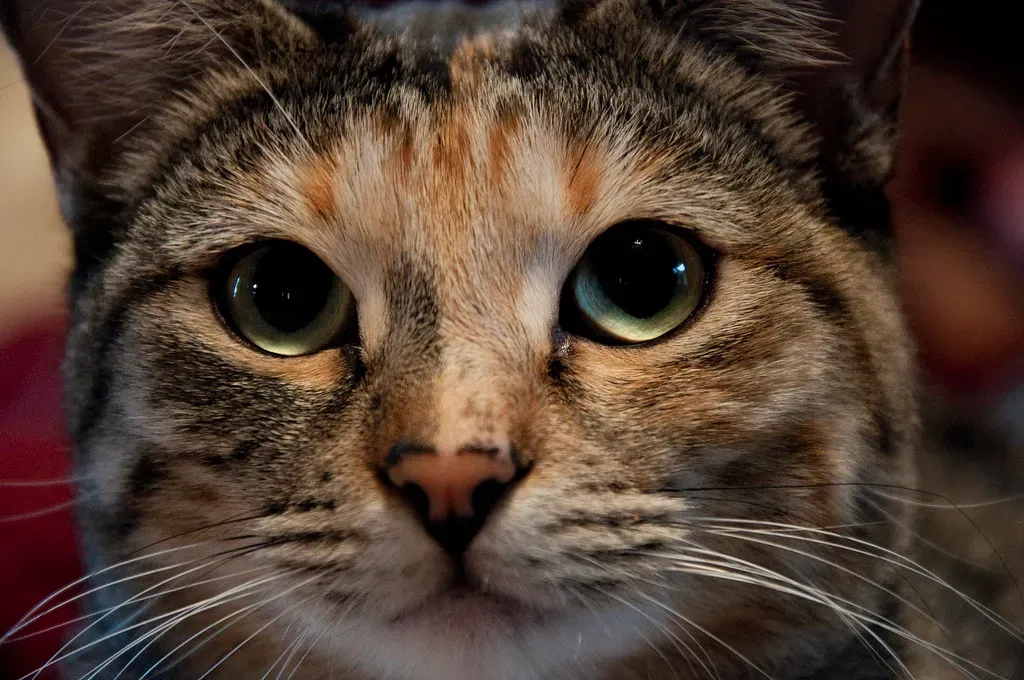
Let’s be real – cat pupils are one of the most dramatic, fascinating things in nature. A cat’s pupils can change shape from a narrow slit to wide circles, usually in response to light. Their pupils can dilate up to 135 times their narrowed size, which is over 100 times more than humans can. That’s an extraordinary range of expression packed into something barely the size of a fingernail.
Pupil size is a direct indicator of emotion. Dilated pupils signal fear or excitement, while constricted pupils often mean anger or aggression. Context is everything here. A cat with huge pupils mid-playtime is probably having the time of their life. When a cat is overwhelmed, its pupils can dilate so wide they resemble dark, glassy discs, a phenomenon often called “saucer eyes,” and this is a clear indicator that the cat’s fight or flight response has been activated. Knowing the difference could save you from an unplanned scratch.
Tail Up High: Confidence and a Friendly Welcome
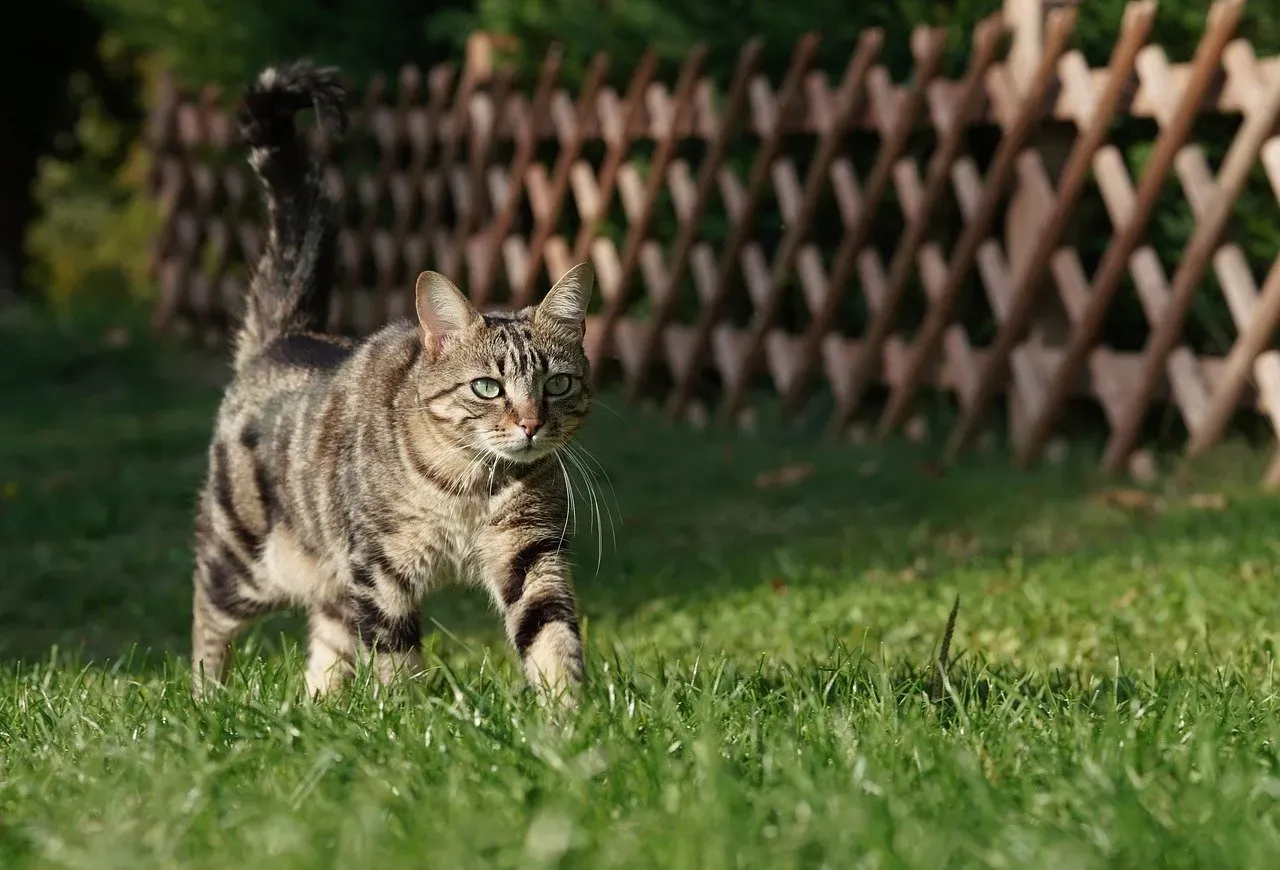
When your cat holds their tail high in the air as they move about their territory, they’re expressing confidence and contentment. A tail that sticks straight up signals happiness and a willingness to be friendly. I think this is one of the most underappreciated signals in all of cat behavior. It’s your cat’s equivalent of walking into a room with a smile and open arms.
The “tail-up” display was important when a cat approached a human being. In the vast majority of cases, the cat rubbed itself on a human’s leg. So when your cat trots toward you with that tail pointed skyward, they’re not just saying hello – they’re announcing you as one of their favorite beings in the world. That should feel pretty good. If walking around, their tail is held high and might even twitch subtly at the tip, indicating a very happy kitty indeed.
The Thrashing and Twitching Tail: Irritation Is Building

When your cat thrashes their tail or is thumping it on the ground, they are irritated, annoyed, or angry. This tells you that something is bothering your cat. This is a distance-increasing behavior. In other words, if you are petting your cat and they start thrashing their tail, they are trying to tell you to stop. Miss this signal and things can escalate fast.
A gently swaying or twitching tail during petting usually indicates mild overstimulation. Your cat enjoys the interaction but is approaching their limit. If the twitching intensifies to thrashing, stop petting and give them space. It’s a bit like a kettle – the slow simmer is the warning before the boil. Learn to read the simmering stage and you’ll have a much more harmonious relationship with your cat.
Whisker Positions: The Understated Mood Signals Most Owners Miss

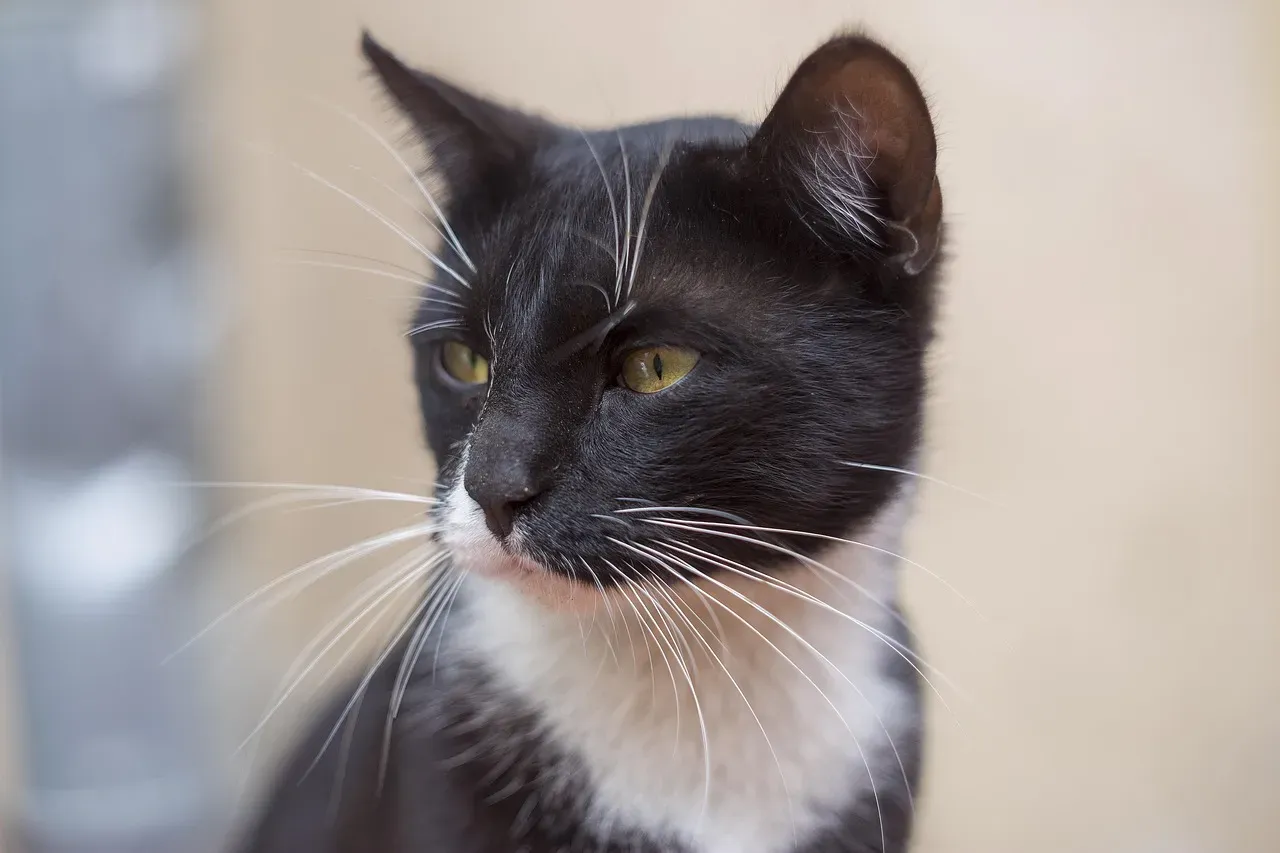
Most people never think twice about their cat’s whiskers, but they’re quietly broadcasting emotional data all day long. Whiskers are the first hairs to develop in the womb. They are longer and thicker than normal hairs and are embedded three times deeper into the skin, where each whisker follicle attaches to a nerve bundle. The end of each whisker is tipped with a sensory receptor that communicates vibrations and touch to the brain, making whiskers super-sensitive tactile organs capable of detecting the slightest movement.
When your cat’s whiskers are relaxed and naturally spread out to the sides, this indicates a content and comfortable cat. This neutral position suggests your pet feels safe and at ease in their environment. You’ll often notice this whisker position when your cat is calmly lounging or during peaceful interactions. On the flip side, when whiskers are pulled back tightly against the cheeks, it often indicates fear, stress, or aggression. This defensive position might appear when your cat feels threatened or uncomfortable. It’s important to give your cat space when you observe this whisker position, as it could be a warning sign.
Reading the Full Picture: Combining Signals for Accurate Understanding
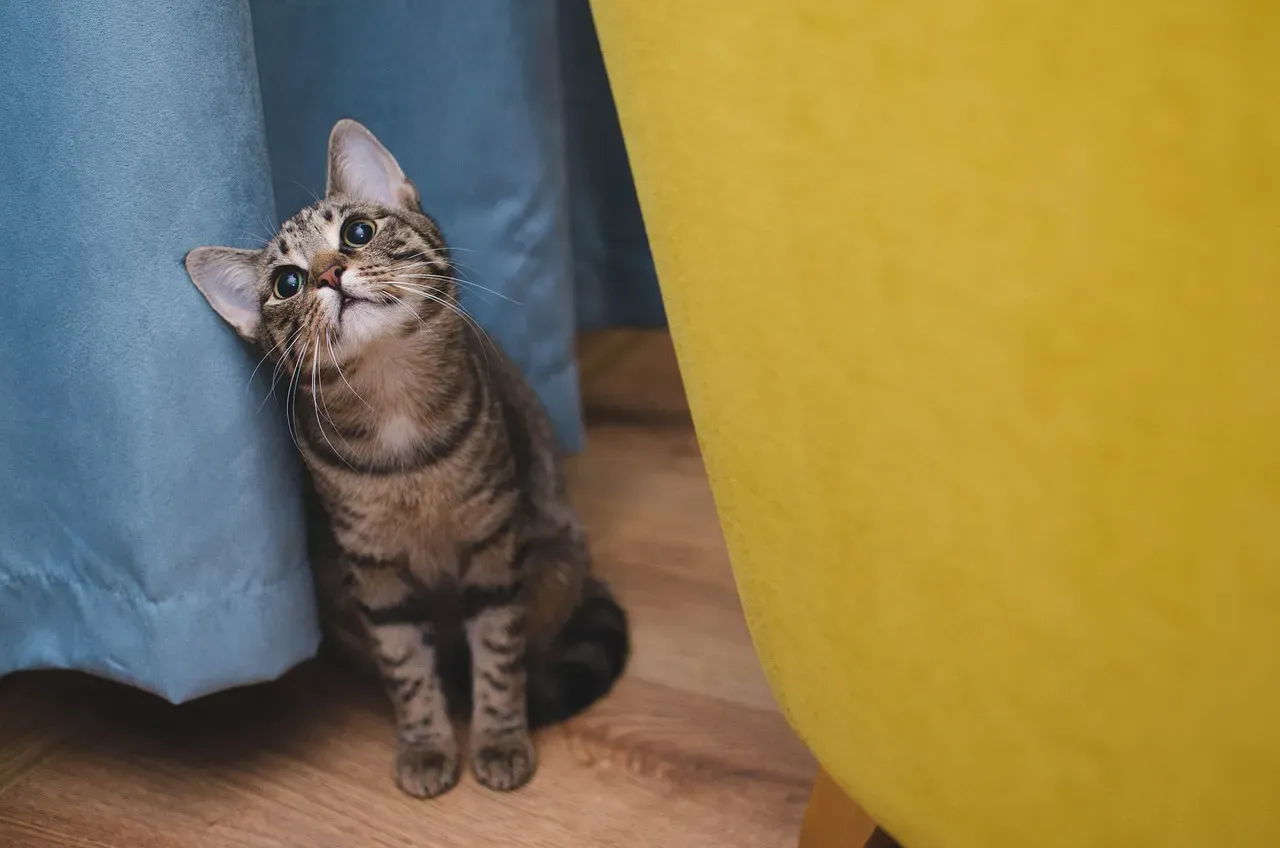
Here’s where it all comes together, and honestly, this is the most important section of the whole article. Cats rarely communicate with just one signal. Instead, they combine ears, eyes, tails, and posture into a full message. For example: forward ears, upright tail, and slow blink equal a relaxed, friendly cat. Pinned ears, dilated pupils, and lashing tail equal agitation – time to give space.
No single gesture tells the whole story – always consider posture, tail, ears, eyes, and whiskers together, plus recent events, environment, and routine changes before drawing conclusions about mood or intentions. Think of it like reading a sentence, not just a single letter. One twitchy ear means very little. One twitchy ear alongside flattened whiskers, dilated pupils, and a low tail tells you your cat is seriously uncomfortable. Every tail flick, ear twitch, and whisker position carries meaning. Understanding these signals transforms your relationship, helping you recognize when your cat feels happy, anxious, playful, or unwell.
Conclusion
Cats have been communicating with us this whole time, in a language most of us were simply never taught to read. The slow blink that melts your heart, the airplane ears that say “enough,” the thrashing tail that warns “back off” – it’s all there, consistent and honest, once you know where to look. Your cat isn’t mysterious. They’re just speaking a dialect you’re still learning.
The beautiful thing is that the more you observe and respond respectfully to these signals, the more your cat will trust you. Cats are masters of communication and your job is to pay attention. If you learn to accurately read body language signals and respect what your cat is telling you, it will create trust and strengthen the bond you share. Start paying attention today, and you might be surprised just how much your cat has been trying to tell you all along. What signal have you been misreading the most? Drop your answer in the comments – you might not be alone.